Homemade Fairy Garden Ideas: 15 Magical DIY Scenes to Build Together
I spent the afternoon turning an old clay pot into what I swear looked like a little fairy cottage, moss roof and all. Nothing quite says “childhood wonder revived” like a tiny door at the base of a tree or a pebble path winding through miniature mushrooms. If you’ve ever felt the urge to slip into a tiny magical world, building a fairy garden is your ticket. These homemade fairy garden ideas are not only fun—they give you license to create whimsy, use old junk, and invite imagination back into your backyard or porch.
Whether you’ve got a full yard, a windowsill, or just a balcony, fairy gardens scale up or down. And because kids, guests—or your inner kid—will stop and stare, they become conversation pieces and creative platforms. FYI: research shows even small container gardens reduce stress and increase feelings of well-being.
So let’s roll up our sleeves. I’m going to walk you through 15 unique homemade fairy garden ideas—each one with pros, cons, and why I think it works. I’ll include a mini “takeaway” at the end of each so you can pick what fits you best. Ready? (If you’ve got hot glue, old teacups, and a good pair of gardening gloves—bonus.)
1. Teacup and Saucer Fairy Garden
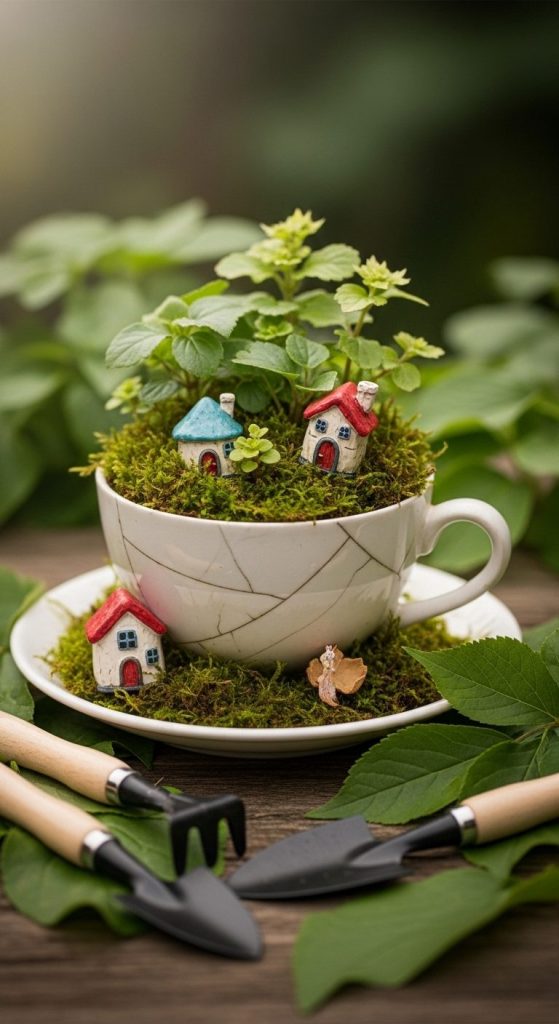
Ever glanced at a broken teacup and thought, “You could be a fairy home”? That’s exactly where this idea comes from. Grab a cracked saucer, an old teacup, soil, moss—and boom: life of miniature scale.
Pros:
- Compact size—perfect for patios, windowsills or dorms.
- Reuses household items—makes your fairy garden budget-friendly.
- Easy to start—minimal materials, quick setup.
Cons:
- Very small size means limited plant choices (shallow soil depth).
- Can dry out quickly—requires more frequent watering.
Mini takeaway:
If you want something quick, charming and small-scale, the teacup fairy garden is a perfect starter.
2. Tree-Base Fairy Door Scene
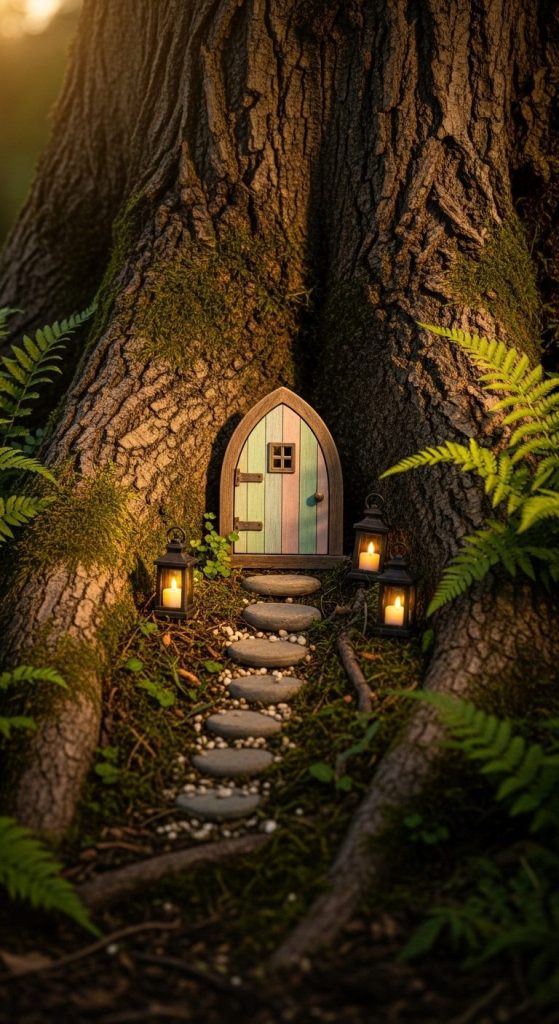
Picture a tiny pastel door set into the base of a tree, with stepping stones and little lanterns. It’s whimsical, yes—but it also gives you a storytelling hook (“fairies live here”).
Pros:
- Creates visual interest in your yard or garden corner.
- Engages kids and encourages imaginative play.
Cons:
- Requires a tree or suitable trunk—not always available.
- Outdoor exposure means it may weather fast—maintenance needed.
Mini takeaway:
If you’ve got a tree and want to add narrative charm, the fairy door scene will delight both you and any little visitors.
3. Up-cycled Container Fairy Garden
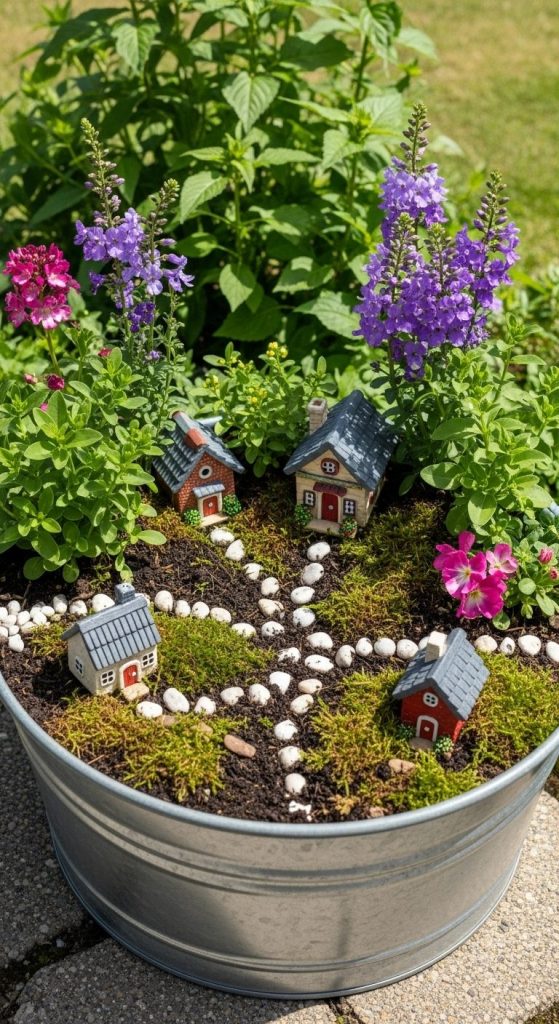
Take an old wheelbarrow, metal tub, crate or even broken fountain and repurpose it into a fairy world. Using up-cycled pieces adds character and reduces waste (double win).
Pros:
- Eco-friendly—you’re reusing instead of buying.
- Larger container gives more flexibility for plants and décor.
Cons:
- Some containers may need drainage holes or reinforcement.
- Size may mean more cost and space compared to mini gardens.
Mini takeaway:
If you love repurposing and have a roomy space, an up-cycled container fairy garden lets you build big—it’s whimsical and sustainable.
4. Hanging Fairy Garden
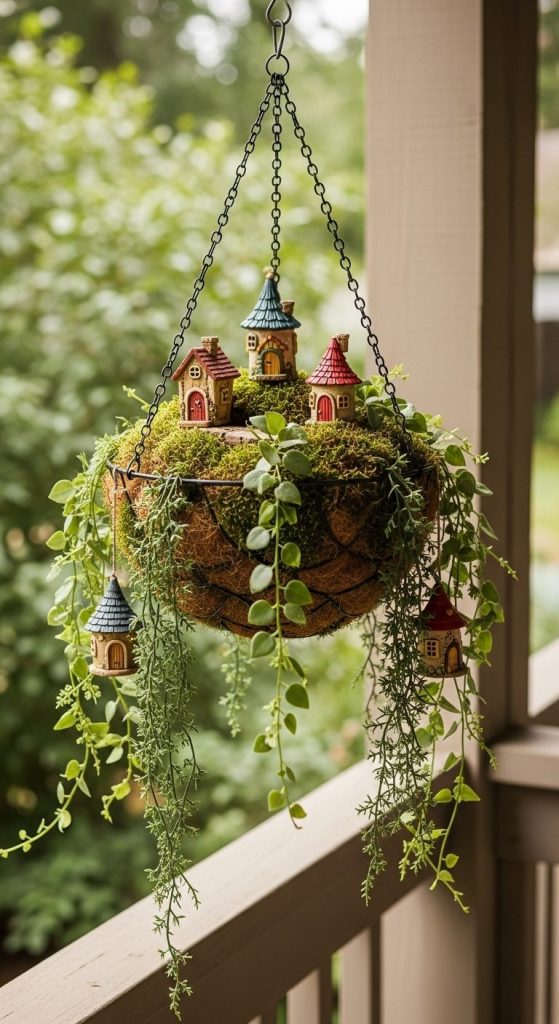
Think of a suspended fairy world—hanging baskets or planters filled with moss, trailing vines, miniature houses, and perhaps a tiny ladder. It’s an unexpected and enchanting way to bring fairies up to eye level.
Pros:
- Ideal for small spaces, balconies, porches—you go vertical.
- Provides a unique vantage point—eye-catching.
Cons:
- Requires secure mounting; safety matters especially outdoors.
- Exposure to wind or rain may impact delicate décor.
Mini takeaway:
If you’re tight on ground space or want a fairy garden that catches the eye, go with a hanging fairy garden—it’s magic up high.
5. Miniature Fairy Village Layout
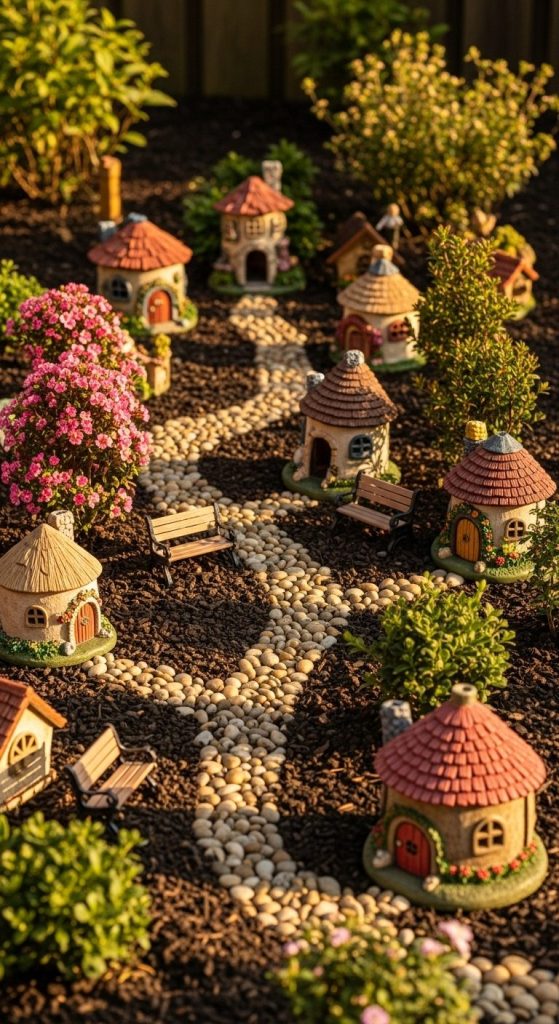
Rather than one house, build a whole tiny neighborhood of fairy homes: paths, “streets”, small benches, little signs. This is a more involved build but deeply rewarding.
Pros:
- Immersive experience—you’ll feel like you’re stepping into another world.
- Fun for layering seasons and details over time.
Cons:
- More time and effort—you’ll need many mini elements.
- Risks being too complex for kids or first-timers.
Mini takeaway:
If you’re ready to dive deep and build something that wows visitors, the fairy village layout is your charming mega-project.
6. Fairy Garden in a Planter Bed
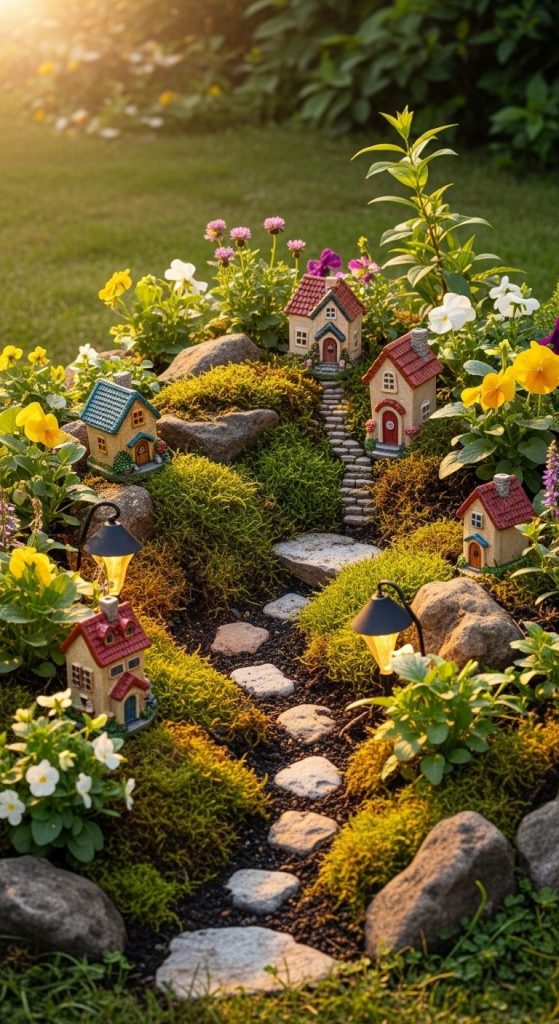
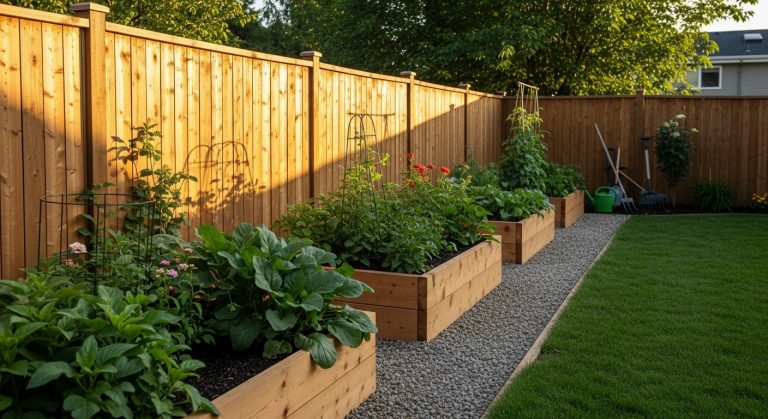
Use a full-sized planting bed (or part of your flower bed) and transform it into a fairy garden. Larger scale allows real plants, little garden paths, and enough space for actual stepping stones.
Pros:
- Scale allows real plants and richer textures.
- Integrates into your main garden so it feels cohesive.
Cons:
- Requires dedicated area and maintenance like your full garden.
- Might be more exposed to weather, pests, or soil issues.
Mini takeaway:
If your garden has room and you want something substantial rather than a tiny decorative pot, go with a planter bed fairy garden.
7. Succulent or Low-Maintenance Fairy Garden
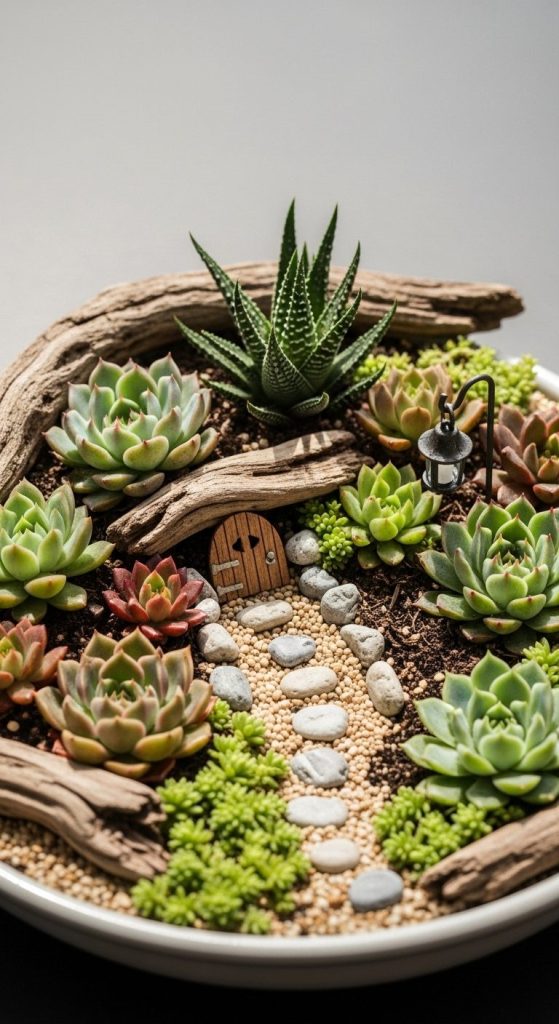
Not everyone wants to fuss over plants. Use succulents, stones, and hardy miniature plants for a fairy garden that won’t stress you out.
Pros:
- Very low maintenance—great if you’re busy or travel.
- Succulents provide interesting textures and stay small (ideal scale).
Cons:
- May lack lush green feel of traditional gardens—different aesthetic.
- Some succulents don’t do well in all outdoor climates.
Mini takeaway:
If you’re more about relaxing than gardening, a succulent fairy garden gives you the whimsical vibe with minimum fuss.
8. Fairy Garden with Water Feature
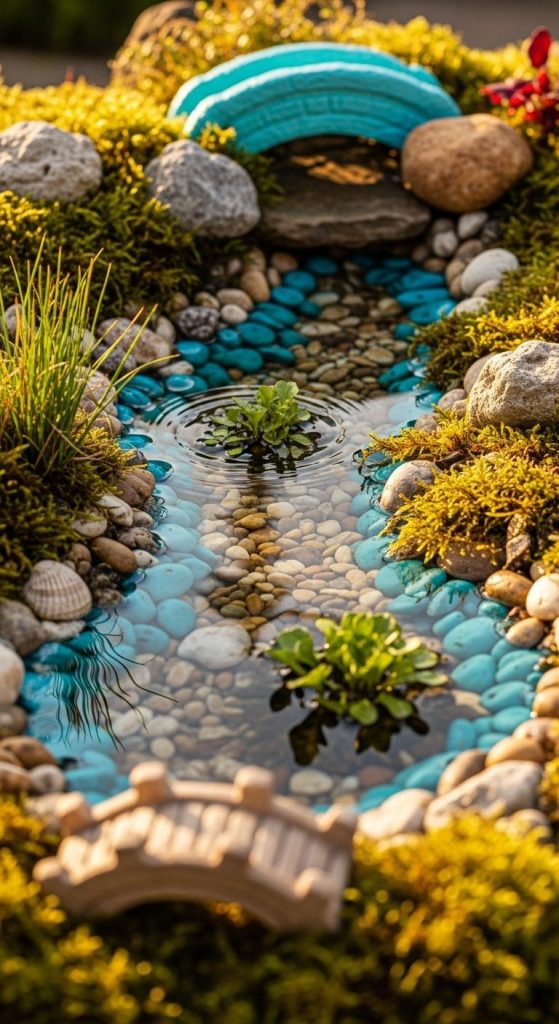
Add a mini-pond, pebble stream, or small fountain to your fairy garden. Water adds motion, reflection, and another element of enchantment.
Pros:
- Adds sound, movement, reflection—makes the garden feel alive.
- Attracts wildlife—birds, butterflies, frogs—which adds authenticity.
Cons:
- More maintenance and risk (mosquitoes, algae, leaks).
- Requires safe design especially if kids will visit—water hazards matter.
Mini takeaway:
If you’re comfortable with a bit more care and want extra magic, a water feature makes your fairy garden truly immersive.
9. Seasonal or Festive Fairy Garden
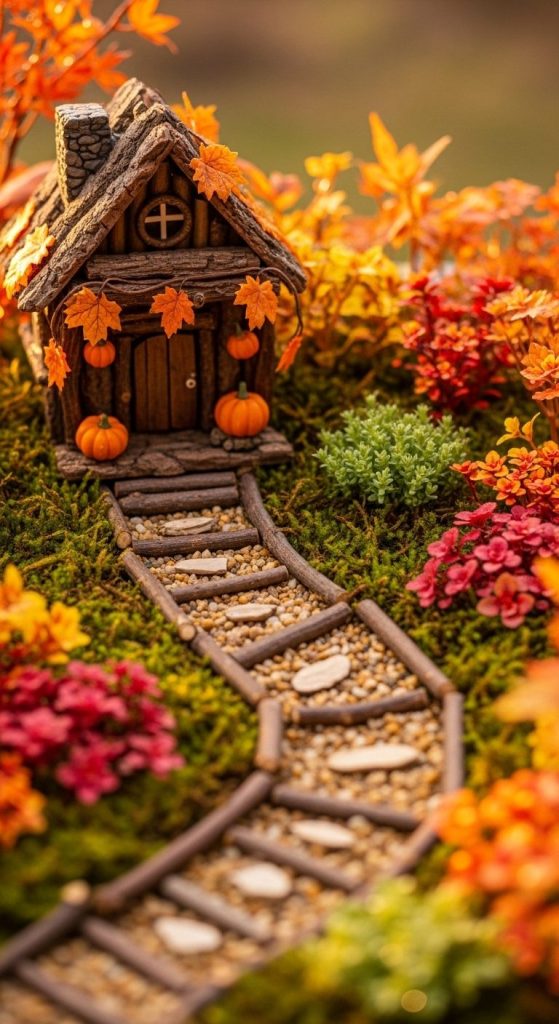
Change your fairy garden throughout the year—autumn leaves and miniature pumpkins in fall, frosty touches or evergreen in winter, wildflowers in spring. Keeping it seasonal makes it fresh and fun.
Pros:
- Keeps your space visually interesting all year.
- Encourages creativity and refreshes the garden annually.
Cons:
- Requires extra effort to update and maintain.
- Some seasons may restrict plant types or outdoor access.
Mini takeaway:
If you love decorating and want your fairy garden to evolve, go with the seasonal idea—it keeps the magic alive all year.
10. Fairy Garden for Kids or Interactive Build
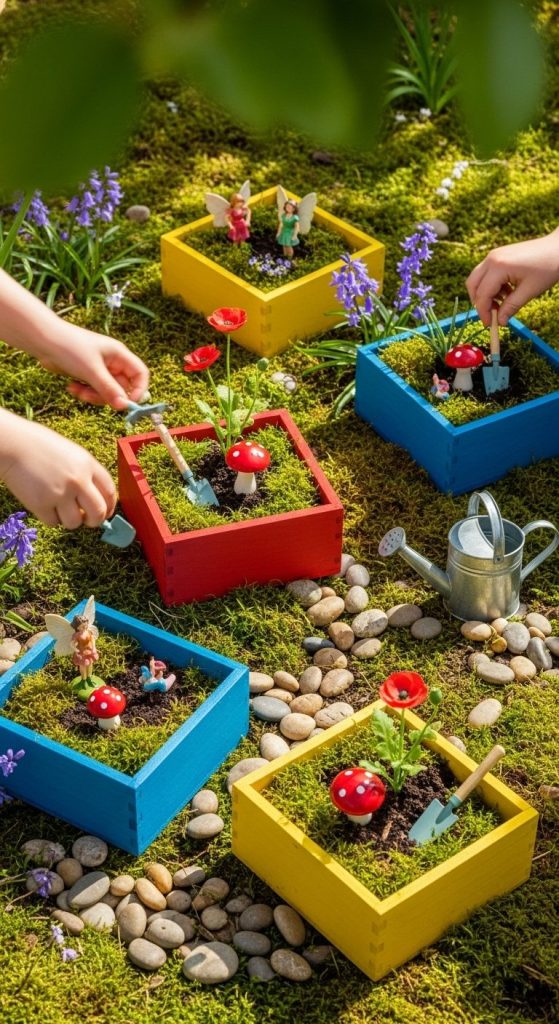
Invite children into the build: pick boxes they can paint, choose the mini houses, dig the soil. A fairy garden becomes a family project and a great bonding experience.
Pros:
- Builds connection and creativity between you and the kids.
- Helps children learn responsibility with plants and design.
Cons:
- Kids may mix up décor and plants—expect some mess.
- Slight chaos is part of the process—you’ll need patience.
Mini takeaway:
If you want your fairy garden to be more than décor—make it memory-making—go kid-interactive.
11. Vertical or Wall-Mounted Fairy Garden
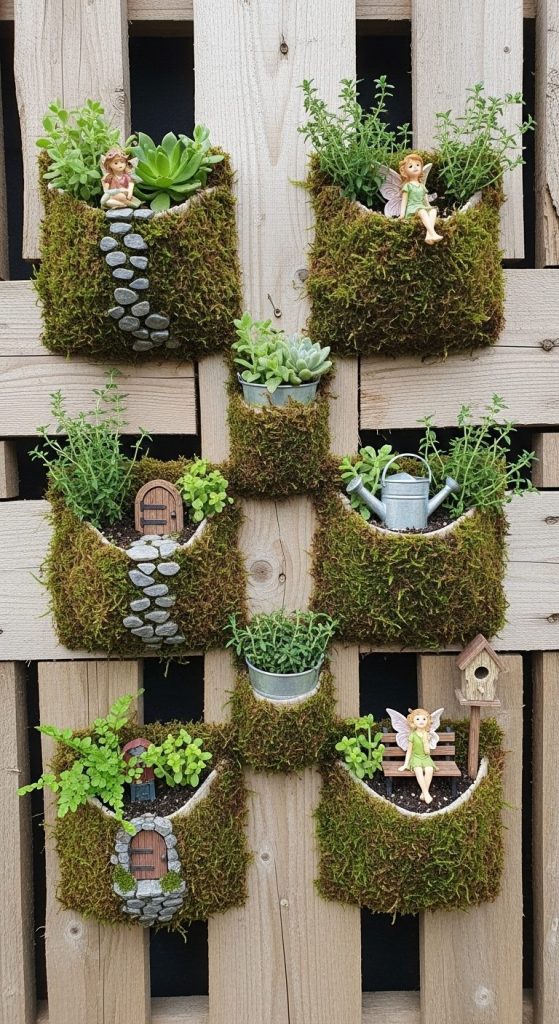
Use a wall pocket, pallet, hanging frame, or vertical planter to mount your fairy garden. Great when you’re low on ground space or want something visually unique.
Pros:
- Maximizes space—ideal for apartments, balconies, or narrow yards.
- Creates a striking centerpiece at eye level.
Cons:
- Requires secure mounting and careful watering (drip risk).
- Depth is limited—plant choices fewer.
Mini takeaway:
If your space is tall and thin rather than wide, a vertical fairy garden is a clever and space-smart move.
12. Fairy Garden Moss & Woodland Style
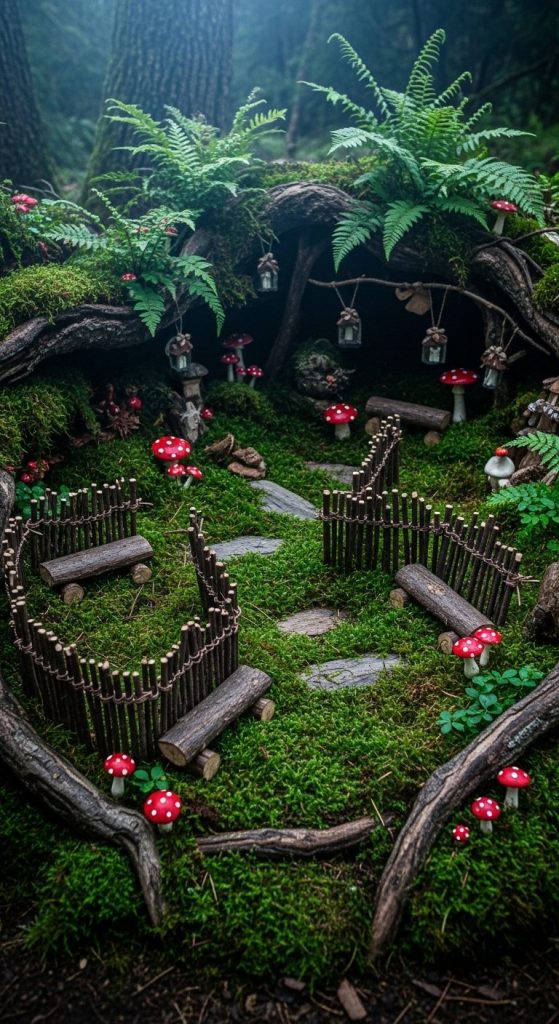
Channel a forest floor feel—moss carpets, twig fences, toadstool décor, log benches. Moss and small groundcover plants give this garden its earthy charm.
Pros:
- Feels wild, enchanted, natural—less “plastic mini-village,” more magical forest.
- Moss and woodland plants often stay small and fit the fairy scale.
Cons:
- Moss requires shade and moisture—not ideal for sunny spots.
- Woodland style might look less bright or colorful than flower-heavy gardens.
Mini takeaway:
If your yard leans shady or you love a woodland aesthetic, the moss fairy garden style is elegant and immersive.
13. Fairy Garden in a Terrarium or Container
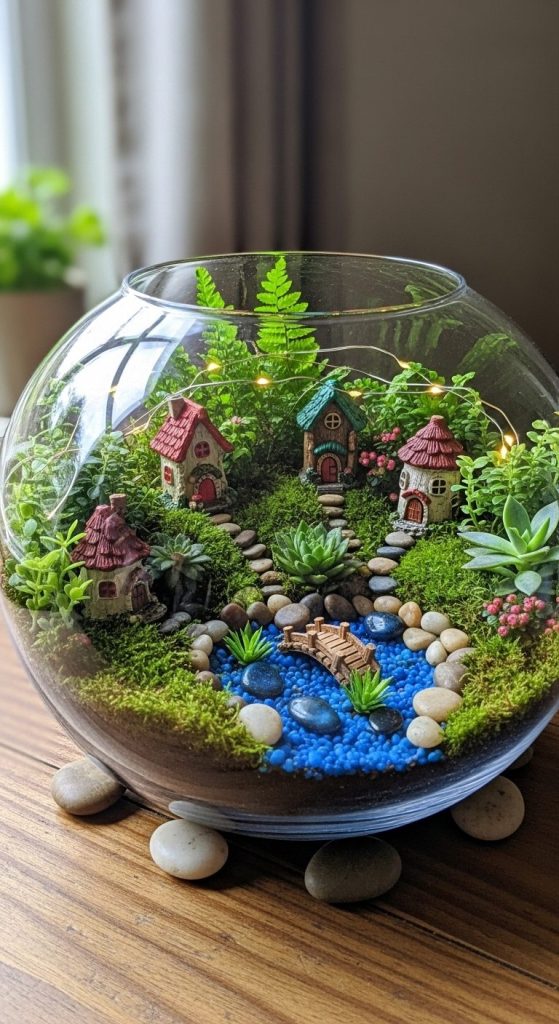
Perfect for indoors or porch spaces: pick a glass container or shallow pot and build a fairy scene inside. It’s a great option if you don’t have outdoor space.
Pros:
- Works indoors—ideal for cold climates or apartments.
- Controlled environment—easy to manage plant growth and décor details.
Cons:
- Smaller scale means less variety in plants.
- Glass containers may overheat or need careful watering.
Mini takeaway:
No garden yard? No problem. A terrarium or container fairy garden gives you all the charm in a compact, indoor-friendly format.
14. Themed Fairy Garden (Beach, Farm, Winter)
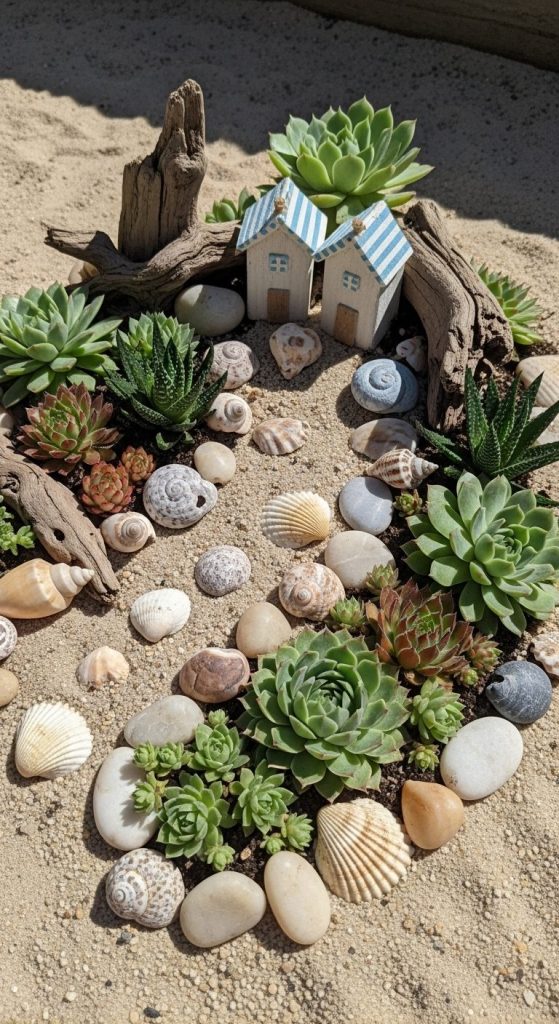
Pick a specific theme—beach fairies in mini sand, farm fairies with tiny barns, winter wonderland with white pebbles and miniature sleds. Themes bring cohesion and personality.
Pros:
- Theme gives direction and focus—you’ll make design decisions faster.
- Highly creative—fun to build a story through visuals.
Cons:
- Risk of niche look—may feel too specific over time.
- May require many small themed parts which can add to the cost.
Mini takeaway:
If you’re a storytelling gardener and want your fairy garden to tell a tale, pick a theme and run with it—it’ll feel like a tiny world in your yard.
15. Budget-Friendly or Minimalist Fairy Garden
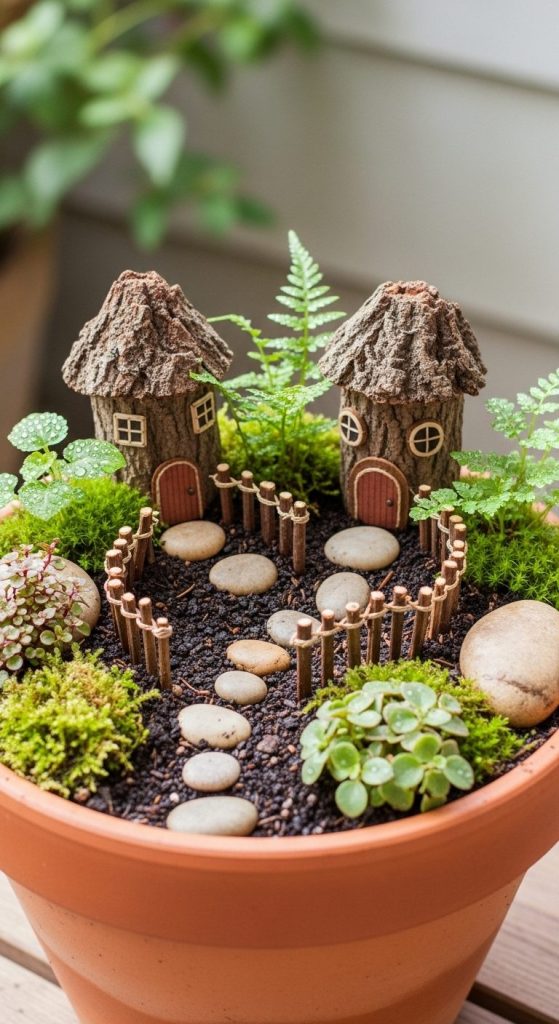
You don’t need to spend a fortune—use simple materials, thrift finds, or natural bits like stones and sticks. Magic doesn’t have to be expensive.
Pros:
- Low cost means less worry about breakage or experimentation.
- Encourages creativity—you’ll use found objects and improvise.
Cons:
- May feel less polished or “store-bought perfect” (but that’s okay!).
- Might have fewer durable components—may need refreshes sooner.
Mini takeaway:
If you want magic without the spending, go budget-friendly and minimalist—your fairy garden will still shine.
Conclusion
Alright, you made it through 15 homemade fairy garden ideas—from teacup starters to full-scale planter beds, vertical installations to budget builds. The magic in a fairy garden isn’t about perfection—it’s about imagination, texture, whimsy, and the joy of creating a tiny world.
For me, the one I keep coming back to is the up-cycled container—it’s creative, sustainable, and full of character. But your favorite might be the kid-interactive build or the moss-carpeted woodland version.
What matters most? Choose something that fits your space, your time, and your creative energy. Use materials you love, plants that thrive in your area, and décor that makes you smile every time you walk by. You’ll catch yourself looking down, expecting a tiny fairy to peek back up—and that’s the real magic.
Ready to start building? Grab a pot, gather some moss, invite your inner craftsperson (or your little one), and create a place where wonder doesn’t just live in stories—it lives in your garden.

Ashley Ellison is a skilled writer and avid bowler. Her passion for storytelling and dedication to the sport have led her to participate in various national bowling leagues. With a unique combination of talents, Ashley approaches every challenge with creativity and a relentless drive to succeed.