Lotus Pond Garden: 15 Ideas to Transform Your Outdoor Space
There’s something about a lotus pond garden that immediately whispers calmness. Maybe it’s the gentle ripple of water, the soft sway of green lily pads, or the delicate blooms that seem almost ethereal. Whenever I spot one, I swear the world slows down. It’s like stepping into a living painting.
If you’ve ever dreamed of a backyard that doubles as a private sanctuary, a lotus pond garden is your ticket. It’s not just about looks — it’s about creating a peaceful, almost meditative vibe that connects you to nature. I’ve spent years experimenting with water features, aquatic plants, and garden layouts, and I’m excited to share 15 ideas that will elevate your lotus pond garden into something magical.
Whether you have a sprawling backyard or a cozy suburban yard, these tips cover everything from plant choices to seating, lighting, and the small details that make a garden truly enchanting. Let’s jump in!
1. Choose the Right Location
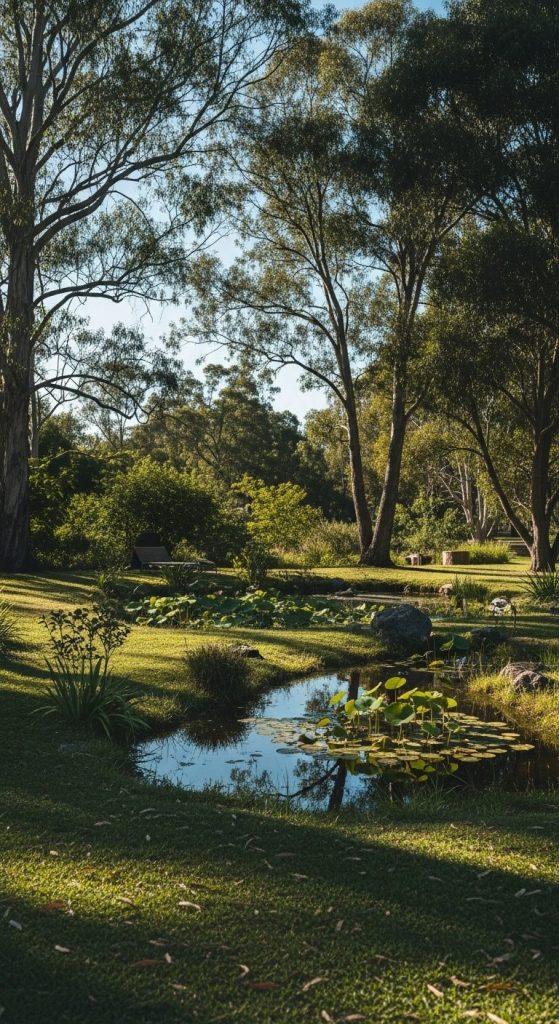
Picking the perfect spot for your lotus pond is crucial. Water lilies and lotuses need plenty of sunlight, ideally 6–8 hours a day, to thrive.
Pros:
- Healthy growth: Sunlight ensures vibrant flowers and strong leaves.
- Aesthetic impact: Proper placement allows for a view from your favorite sitting areas.
- Easier maintenance: Sunlight helps prevent algae overgrowth.
Cons:
- Space limitations: Sun-exposed areas may be small or already in use.
- Heat exposure: Excessive sun can overheat shallow ponds in summer.
Mini takeaway: The right location sets the stage for everything else. A pond tucked into a sunny corner feels natural, intentional, and rewarding.
2. Pick Your Pond Shape and Size
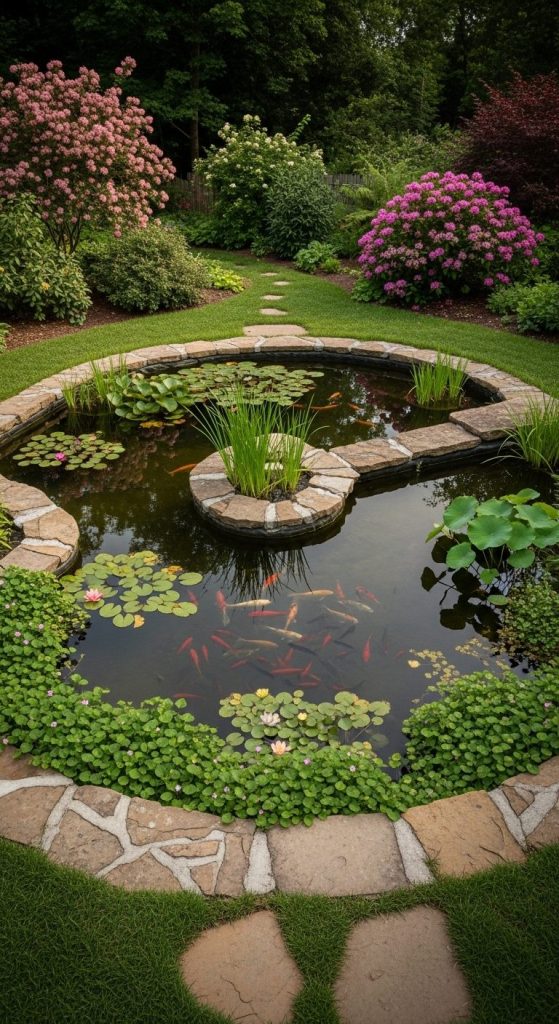
Your pond’s design defines the garden’s flow. Round, oval, or irregular shapes all create different vibes.
Pros:
- Visual harmony: A well-proportioned pond complements surrounding plants.
- Functional flexibility: Larger ponds support fish, fountains, and multiple lotus varieties.
- Design freedom: Irregular edges give a natural, organic look.
Cons:
- Excavation challenges: Complex shapes require more labor and planning.
- Maintenance: Bigger ponds need more cleaning and water management.
Mini takeaway: Think of your pond as the heart of your garden. Its shape and size influence every other design choice.
3. Incorporate Floating Lotus Plants
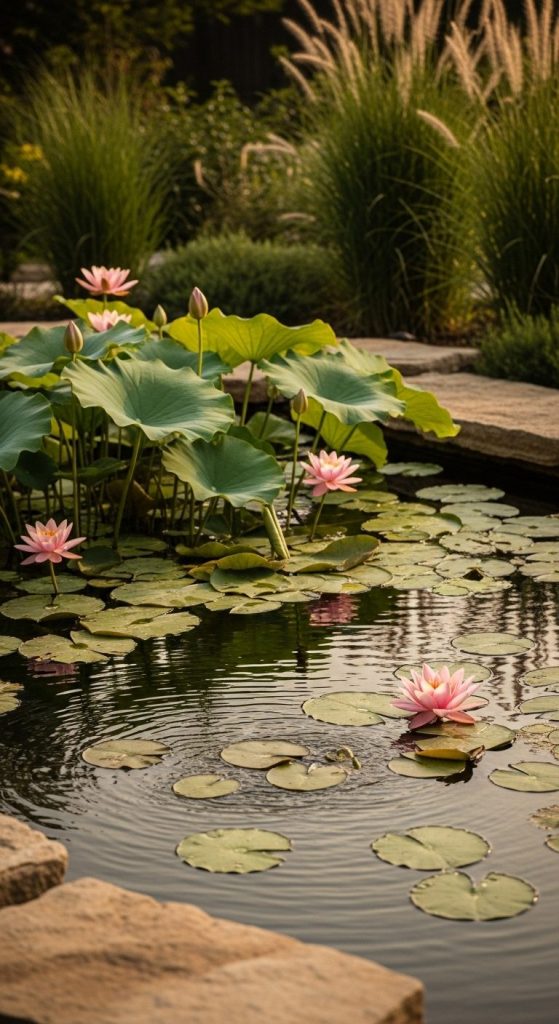
The lotus is the star of the show — its floating pads and blooms bring tranquility.
Pros:
- Visual appeal: Large blooms create a focal point in the pond.
- Ecological balance: Leaves shade water, reducing algae growth.
- Symbolism: Lotuses represent purity, serenity, and renewal.
Cons:
- Seasonal care: Some lotus species die back in winter.
- Space hogs: Large leaves can crowd other aquatic plants.
Mini takeaway: Let your lotus dominate the pond — its presence defines the garden’s mood and serenity.
4. Add Complementary Aquatic Plants
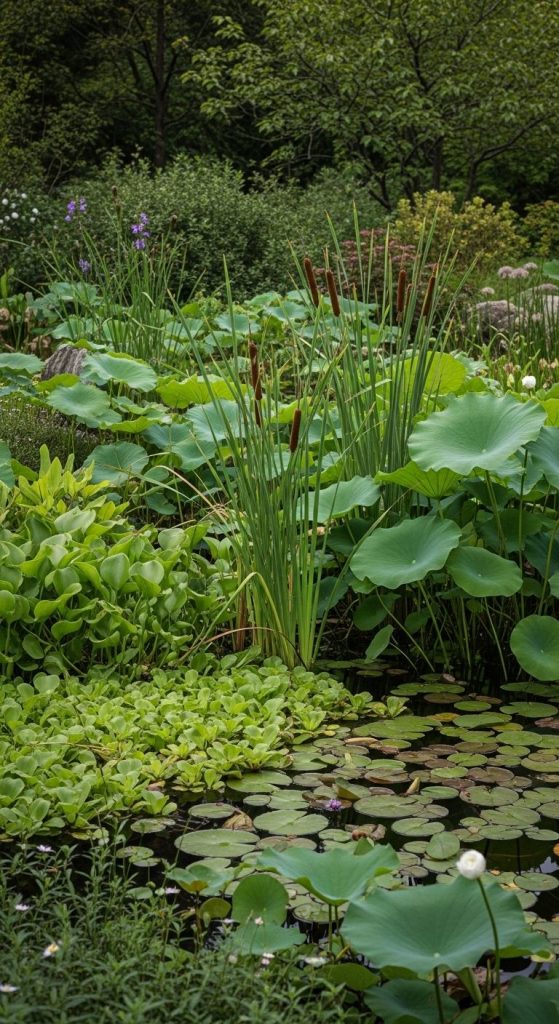
Floating ferns, water hyacinths, or marginal plants like cattails add layers of texture.
Pros:
- Biodiversity: Encourages frogs, dragonflies, and birds.
- Visual contrast: Mix textures and heights for a more natural look.
- Water health: Helps filter water naturally.
Cons:
- Crowding risk: Too many plants can suffocate the pond.
- Invasive tendencies: Some species spread aggressively.
Mini takeaway: Complementary plants enrich the pond ecosystem and enhance its visual depth.
5. Integrate Fish for Life and Movement
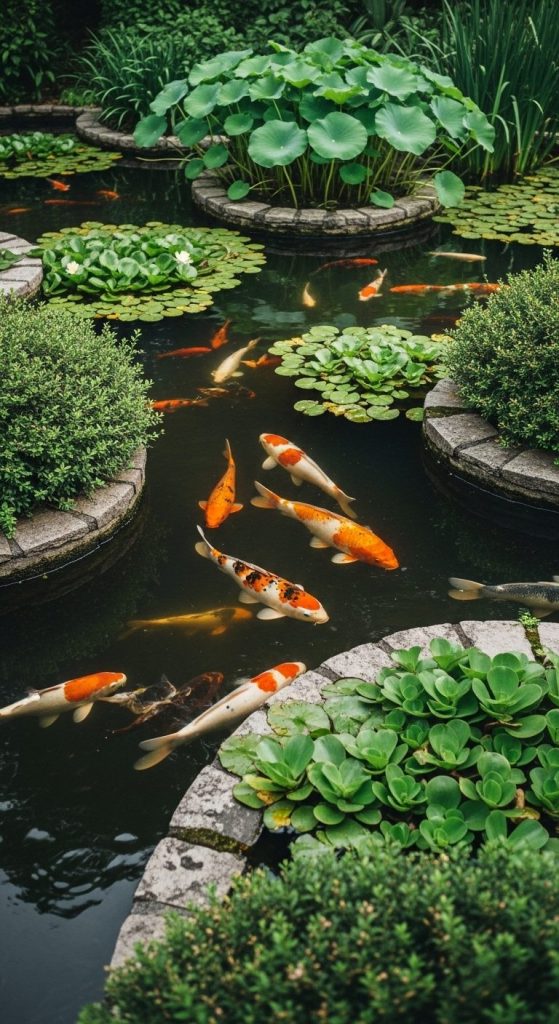
Koi or goldfish add motion and life to the garden, making it feel dynamic.
Pros:
- Entertainment: Watching fish swim is calming and fun.
- Natural balance: Fish eat pests and help manage algae.
- Color accents: Bright koi create a stunning contrast against green pads.
Cons:
- Maintenance: Fish require proper feeding and water care.
- Predators: Birds or raccoons may target pond fish.
Mini takeaway: A few well-chosen fish bring movement and energy without overpowering the serene aesthetic.
6. Install a Fountain or Waterfall Feature
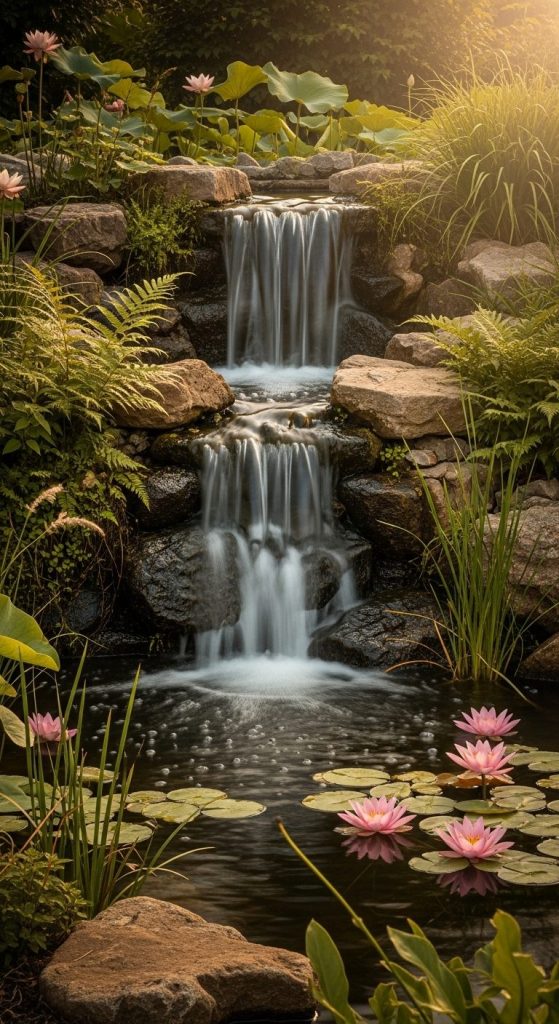
Sound is as important as sight — gentle water movement adds a relaxing soundtrack.
Pros:
- White noise: Masks street sounds and enhances tranquility.
- Aeration: Keeps water oxygenated for plants and fish.
- Visual interest: Rippling water catches sunlight beautifully.
Cons:
- Power needs: Pumps require electricity or solar setups.
- Maintenance: Filters and pumps need occasional cleaning.
Mini takeaway: Water movement turns a simple pond into a living, breathing centerpiece.
7. Choose Natural Pond Edging
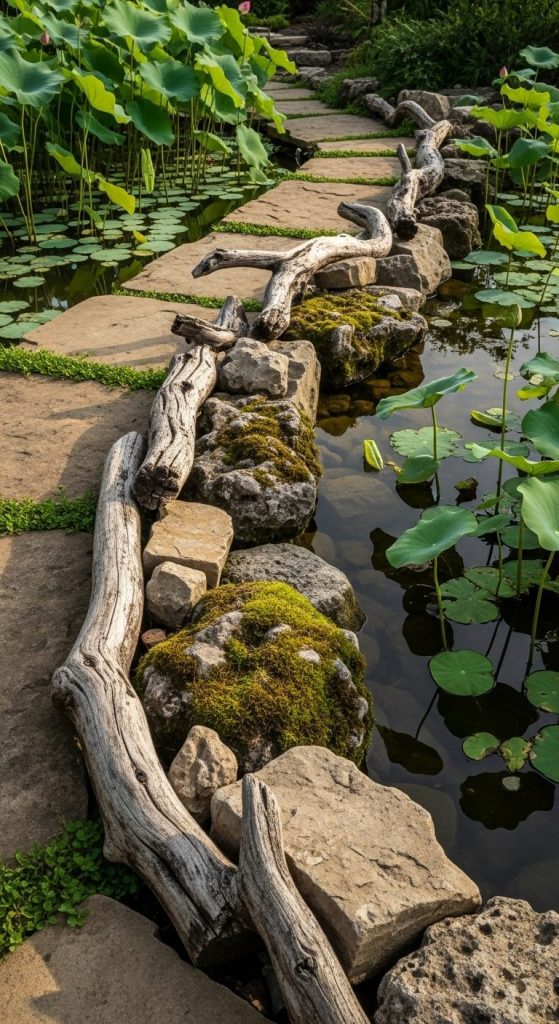
Rocks, stones, or driftwood around the pond soften its edges and create a natural look.
Pros:
- Seamless integration: Blends pond with surrounding garden.
- Safety: Prevents soil erosion into water.
- Aesthetic versatility: Can match rustic, modern, or Zen styles.
Cons:
- Labor-intensive: Placing stones neatly takes effort.
- Shifting risk: Stones may move over time or with rain.
Mini takeaway: Edging isn’t just functional — it’s a visual frame that elevates the entire scene.
8. Use Floating Candles or Lanterns
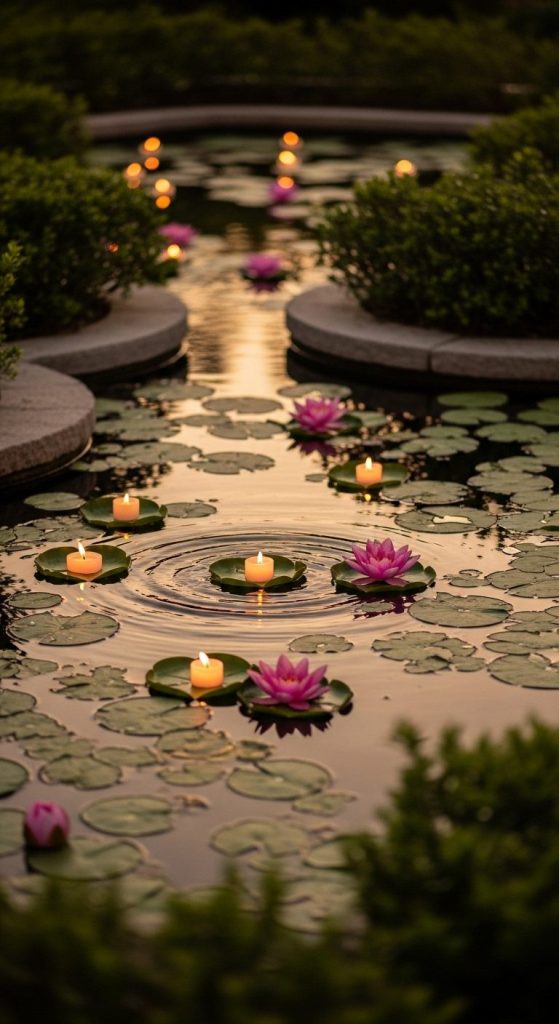
Nighttime magic is achievable with soft floating lights.
Pros:
- Atmospheric: Creates a cozy, romantic ambiance.
- Highlighting: Accentuates lotus blooms at dusk.
- Fun touch: Adds a whimsical element for gatherings.
Cons:
- Wind-sensitive: Candles may blow out easily outdoors.
- Safety: Must monitor open flames around water and plants.
Mini takeaway: Floating lights make your pond garden enchanting long after sunset.
9. Introduce Stone Pathways Around the Pond
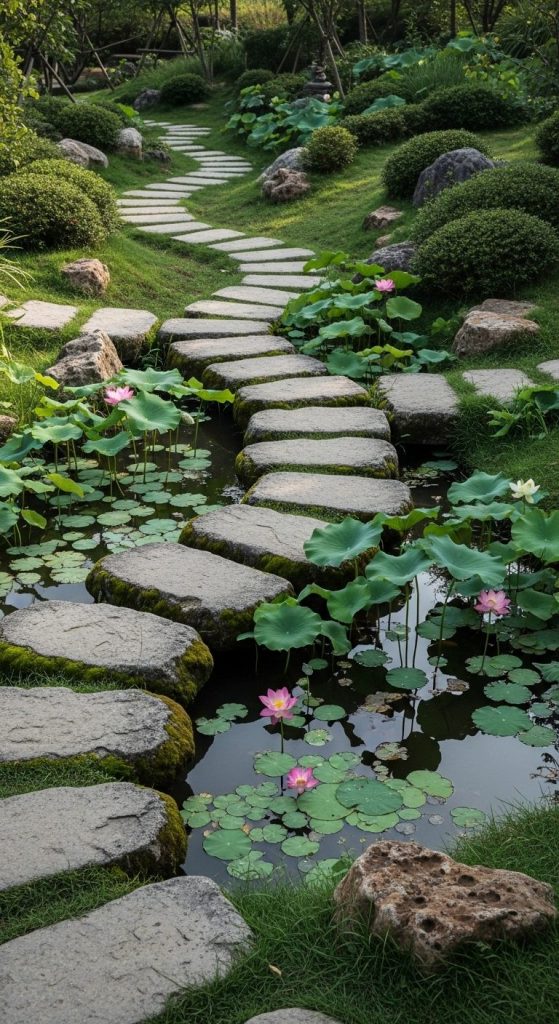
Pathways allow you to explore the pond without stepping on grass or mud.
Pros:
- Functional: Easy access for maintenance and enjoyment.
- Visual rhythm: Guides the eye and creates depth.
- Texture contrast: Stone against green foliage enhances interest.
Cons:
- Cost: Quality stone can be pricey.
- Installation: Uneven placement can be a tripping hazard.
Mini takeaway: Thoughtful pathways connect garden elements while enhancing the overall design.
10. Add Seating Areas Near the Pond
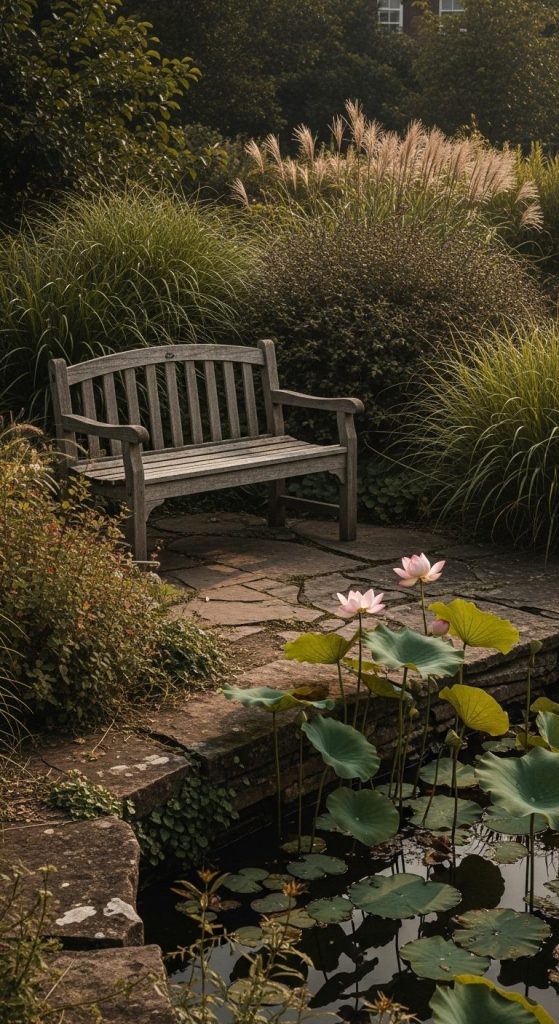
Benches, swing seats, or low chairs create moments for reflection.
Pros:
- Relaxation: Perfect for reading or meditation.
- Social space: Ideal for tea with friends or family gatherings.
- Focal points: Seating frames your pond views naturally.
Cons:
- Space requirement: Needs careful layout to avoid crowding.
- Weather exposure: Outdoor furniture may wear over time.
Mini takeaway: Where you sit influences how you experience the pond — choose comfort and views wisely.
11. Plant Surrounding Shade Trees
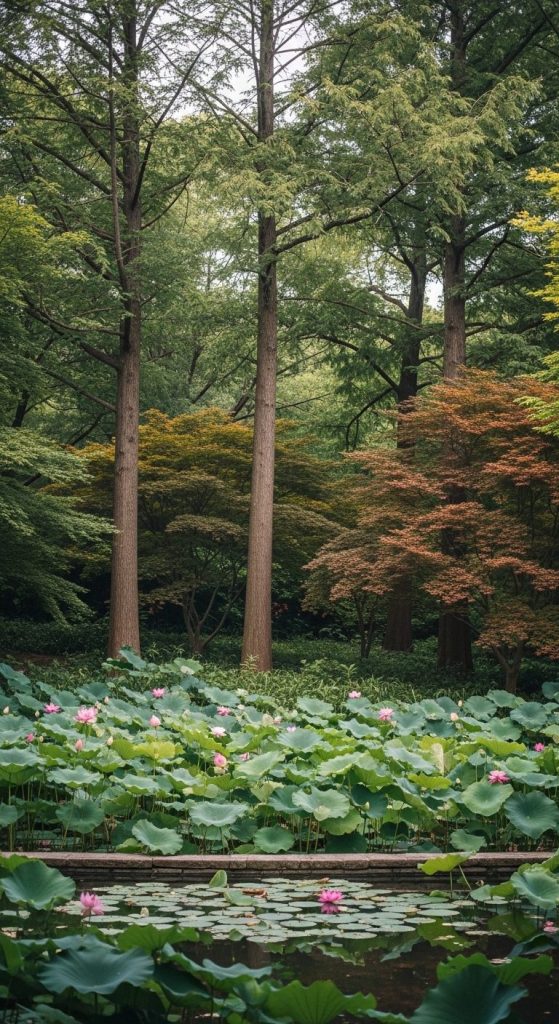
Trees provide shelter, enhance privacy, and add seasonal interest.
Pros:
- Cooling effect: Keeps pond water and garden cooler.
- Wildlife habitat: Birds and pollinators love shaded areas.
- Aesthetic layers: Adds vertical dimension to flat landscapes.
Cons:
- Leaf litter: Fallen leaves may require pond cleaning.
- Root intrusion: Some species may interfere with pond structure.
Mini takeaway: Shade trees anchor your garden and complement the pond’s serene energy.
12. Incorporate Zen or Sculptural Elements
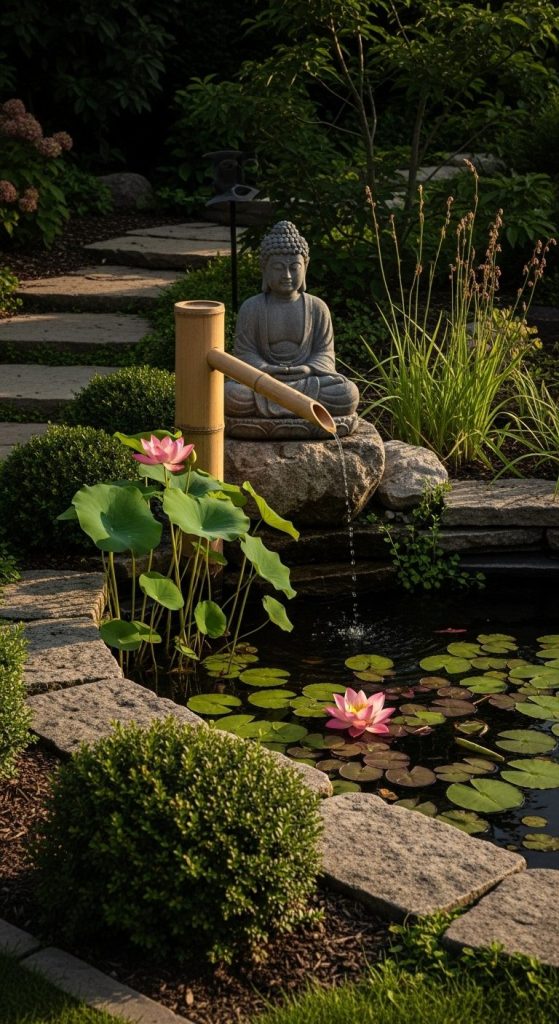
Stone statues, bamboo water spouts, or Buddha figures add personality and thematic depth.
Pros:
- Visual anchors: Creates focal points and enhances style.
- Cultural touches: Reflects personal tastes or meditation themes.
- Photogenic: Adds interest for photography or Pinterest inspiration.
Cons:
- Overcrowding risk: Too many ornaments clutter the scene.
- Cost: Quality sculptures can be expensive.
Mini takeaway: A few carefully chosen sculptures bring personality without disrupting the natural vibe.
13. Maintain Water Quality
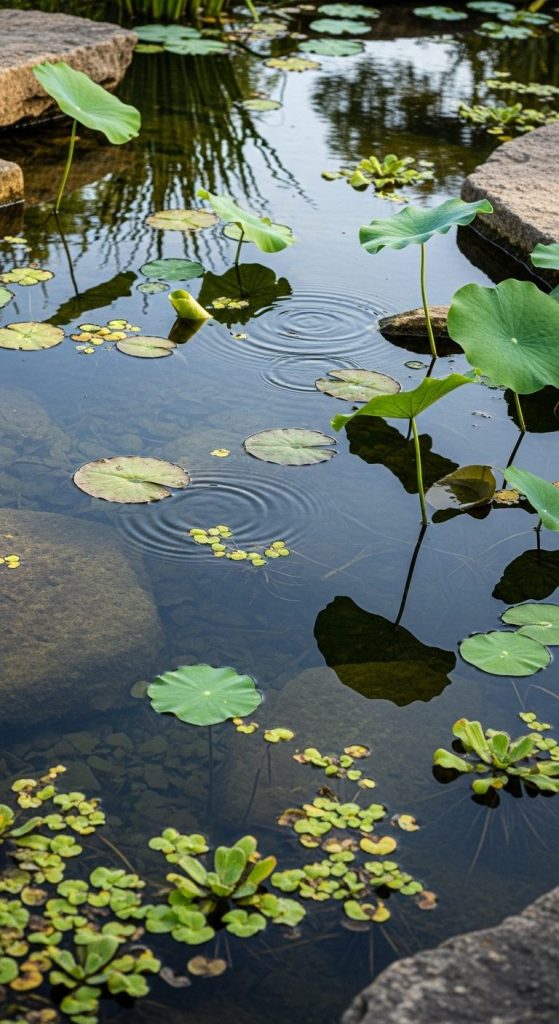
Clear water is essential — murky ponds lose their charm fast.
Pros:
- Plant health: Lotus and aquatic plants thrive in clean water.
- Visual appeal: Crystal-clear water highlights reflections and colors.
- Wildlife friendly: Supports fish, frogs, and beneficial insects.
Cons:
- Effort required: Regular cleaning, filters, and water testing.
- Chemical balance: Over-treating can harm plants and animals.
Mini takeaway: Clean water is the secret behind a pond that looks effortlessly serene.
14. Seasonal Bloom Planning
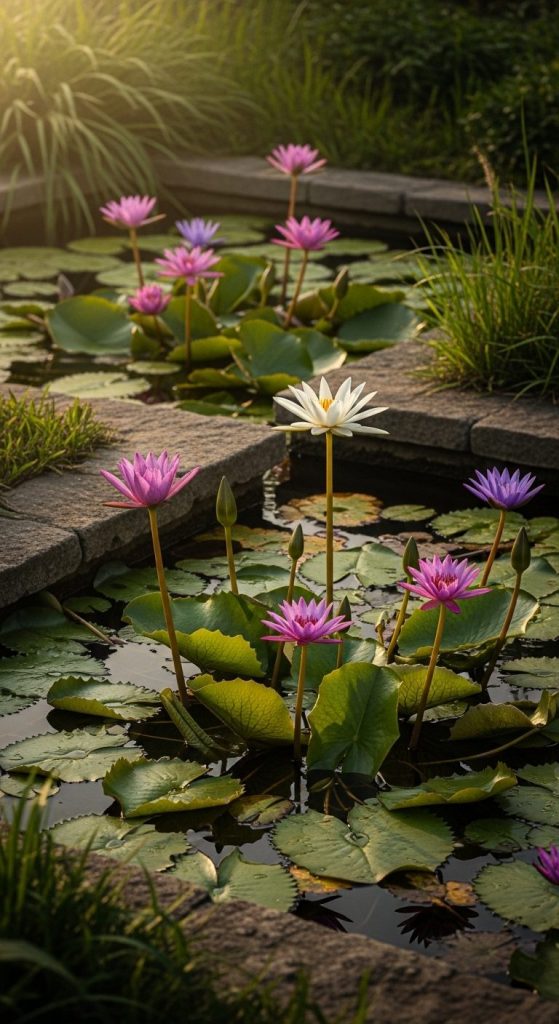
Choose lotus varieties that bloom at different times for extended beauty.
Pros:
- Continuous color: Keeps garden lively through summer.
- Pollinator attraction: Bees and butterflies enjoy staggered blooms.
- Visual variation: Mix colors, sizes, and leaf shapes for interest.
Cons:
- Planning effort: Requires research and strategic planting.
- Variety availability: Some species may be hard to source locally.
Mini takeaway: A well-planned bloom schedule keeps your pond garden enchanting for months.
15. Capture Photos and Memories
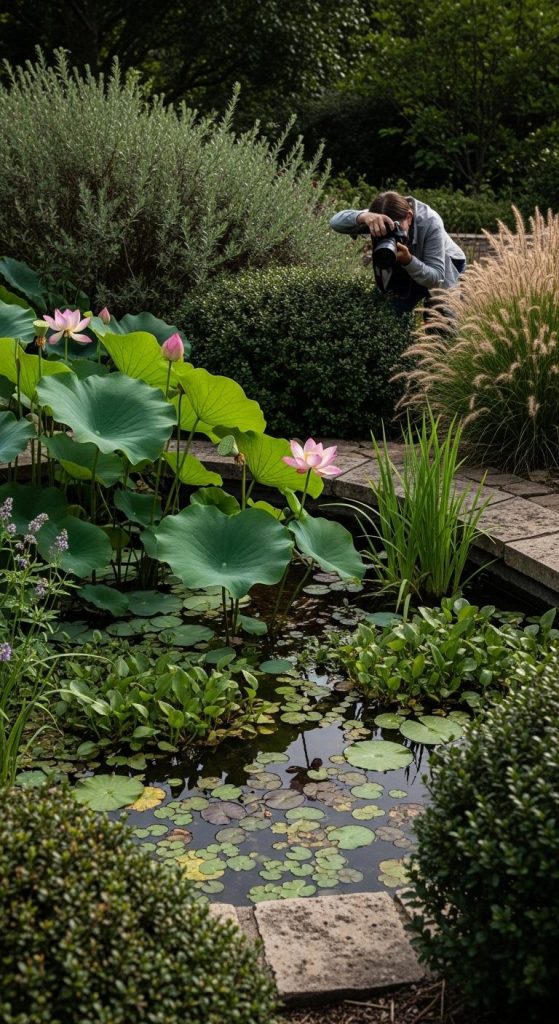
A lotus pond garden is meant to be enjoyed and remembered.
Pros:
- Memory preservation: Beautiful photos document growth and seasons.
- Sharing inspiration: Friends and social media love serene gardens.
- Artistic opportunity: Capture reflections, blooms, and wildlife.
Cons:
- Distraction: Over-focusing on photography can reduce real-life enjoyment.
- Equipment needs: Cameras or tripods may require additional effort.
Mini takeaway: Photos don’t just capture beauty; they allow you to relive the garden’s magic again and again.
Conclusion
A lotus pond garden isn’t just a backyard water feature — it’s a living, breathing escape. From the right location and pond shape to lotus plants, fish, and thoughtful decorative touches, every choice creates a holistic experience of peace, beauty, and inspiration.
For anyone seeking calm in their outdoor space, investing in a lotus pond transforms ordinary grass into a sanctuary. Play with textures, movement, and reflections, and you’ll find a meditative retreat right outside your door. IMO, the best pond gardens are those that feel effortless yet intentional, where every ripple, bloom, and shadow invites a moment of quiet wonder.
So, grab your trowel, pick a sunny corner, and start creating a lotus pond garden that feels like your own slice of paradise.

William Martin is a passionate bowler who spends most of his weekends playing the sport. With years of intense experience under his belt, William decided to share his knowledge by creating BOWLING OCEAN. Join me on this journey to explore the world of bowling and discover the tips and tricks to becoming a pro.