Small Garden House: 15 Creative Ideas to Transform Your Outdoor Space
Ever noticed how a small structure can completely change the vibe of a garden? A small garden house isn’t just a decorative feature—it’s a personal sanctuary, a creative studio, or a practical storage solution. I’ve spent countless weekends exploring ways to make tiny garden houses feel functional and whimsical at the same time, and trust me, even a modest structure can make your backyard feel like a retreat.
Whether you want a cozy reading nook, a charming greenhouse, or just a space to store your tools without sacrificing style, there’s a small garden house idea that can fit your space, budget, and personality. In this guide, we’ll explore 15 unique ways to build, style, and use a small garden house. Each idea includes practical pros and cons, plus tips for bringing it to life in your own backyard.
1. Classic Wooden Garden House
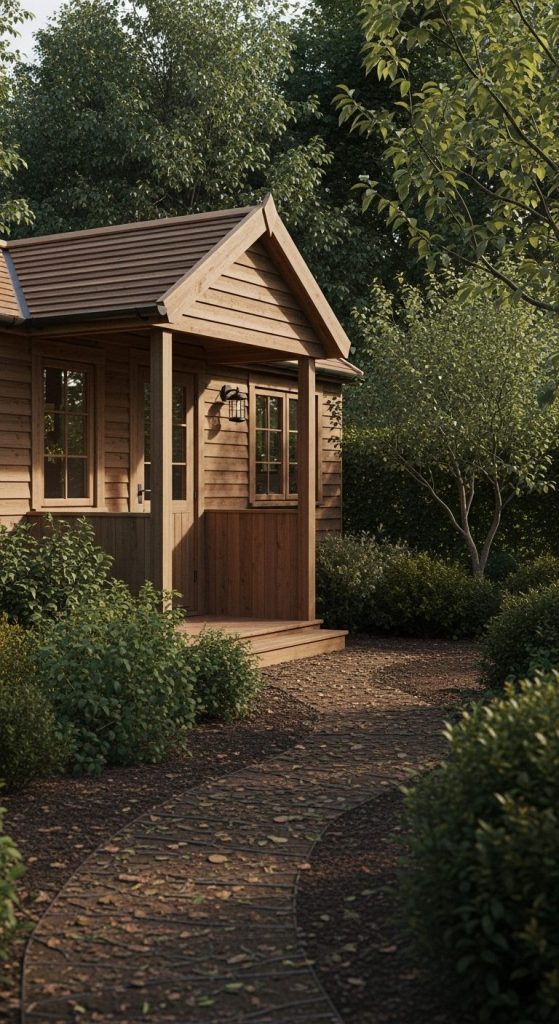
A wooden garden house is timeless, evoking warmth and rustic charm. Think cedar siding, pitched roof, and a little front porch—it feels like stepping into a storybook.
Pros:
- Naturally blends into garden landscapes.
- Can be customized in size and shape.
- Durable if maintained properly.
Cons:
- Requires regular maintenance to prevent rot or insect damage.
- Can be pricier than simple metal or plastic options.
Takeaway: A classic wooden structure adds charm and longevity to your garden.
DIY Tip: Use pressure-treated lumber, assemble with outdoor screws, and seal with a weatherproof stain for durability.
2. Mini Greenhouse Garden House
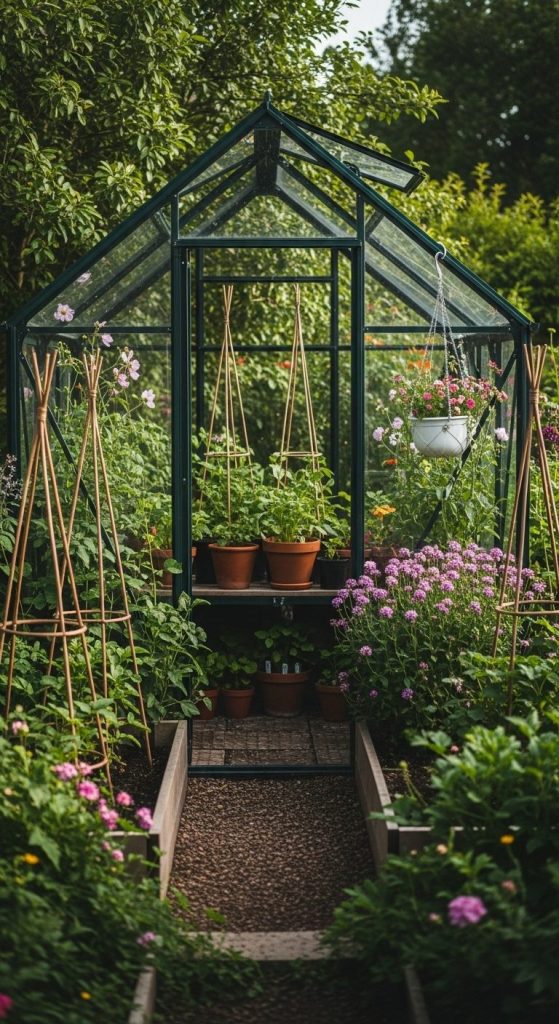
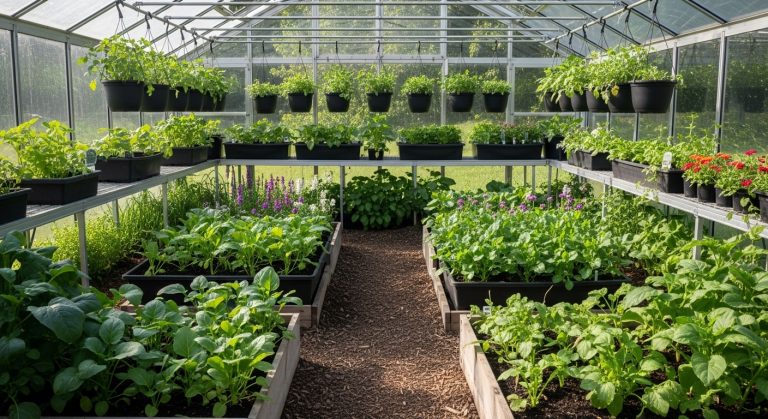
Transform a small garden house into a mini greenhouse for year-round plant growth. Glass panels or polycarbonate sheets let sunlight flood in for seedlings and delicate plants.
Pros:
- Extends the growing season.
- Ideal for herbs, vegetables, or tropical plants.
- Keeps plants protected from pests and harsh weather.
Cons:
- Needs good ventilation to prevent overheating.
- Glass or polycarbonate panels require careful handling.
Takeaway: Greenhouse-style small houses turn any backyard into a botanical wonderland.
DIY Tip: Replace traditional walls with transparent panels and install a small vent or window to regulate temperature.
3. Secret Reading Nook
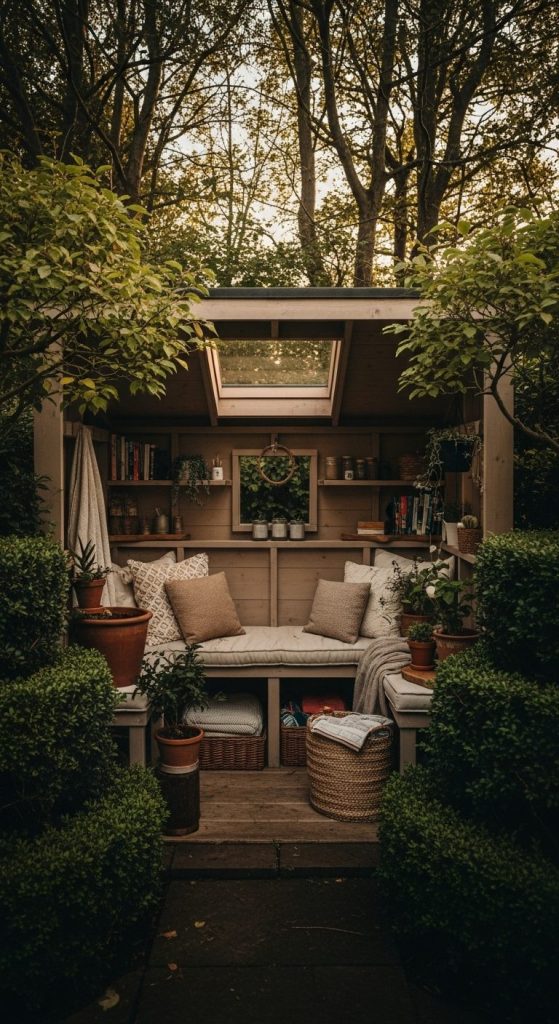
Want a hideaway? A garden house reading nook is cozy, intimate, and perfect for lazy afternoons.
Pros:
- Provides privacy and comfort.
- Inspires reading, reflection, and relaxation.
- Can include built-in benches and shelving.
Cons:
- Limited space may restrict movement.
- Needs careful weatherproofing for books and cushions.
Takeaway: Even tiny structures can create a big impact on your mental wellbeing.
DIY Tip: Add cushions, shelves, and a small skylight to invite natural light while keeping it dry.
4. Tiny Art Studio
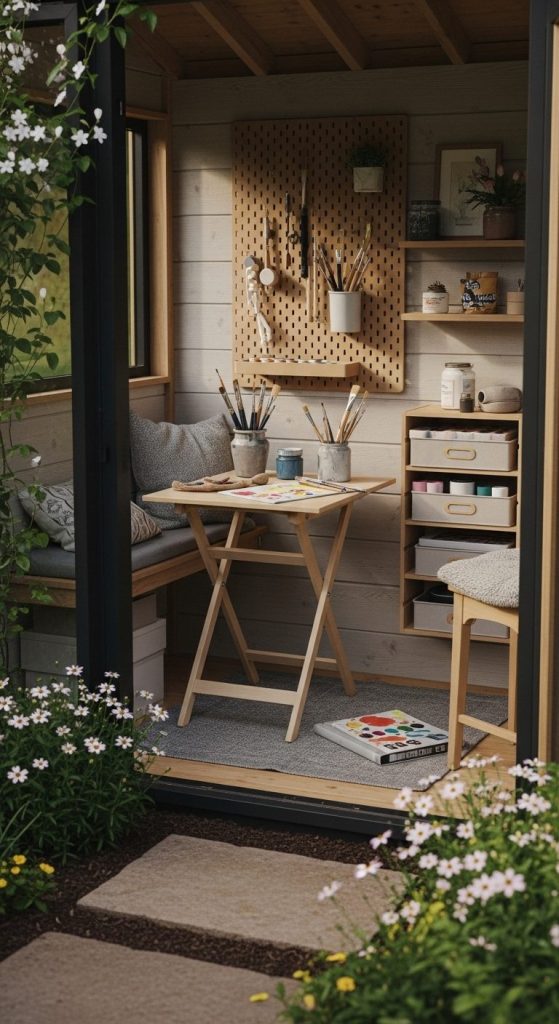
Turn a small garden house into a creative studio for painting, crafting, or writing. A quiet, sunlit space is all you need to spark ideas.
Pros:
- Inspires creativity in a dedicated space.
- Reduces distractions from indoor life.
- Easy to organize with compact storage solutions.
Cons:
- Might need insulation for year-round use.
- Limited space for large projects or equipment.
Takeaway: A small garden house can become a haven for artistic pursuits.
DIY Tip: Install a foldable table and pegboard wall to maximize storage without crowding the space.
5. Potting Shed
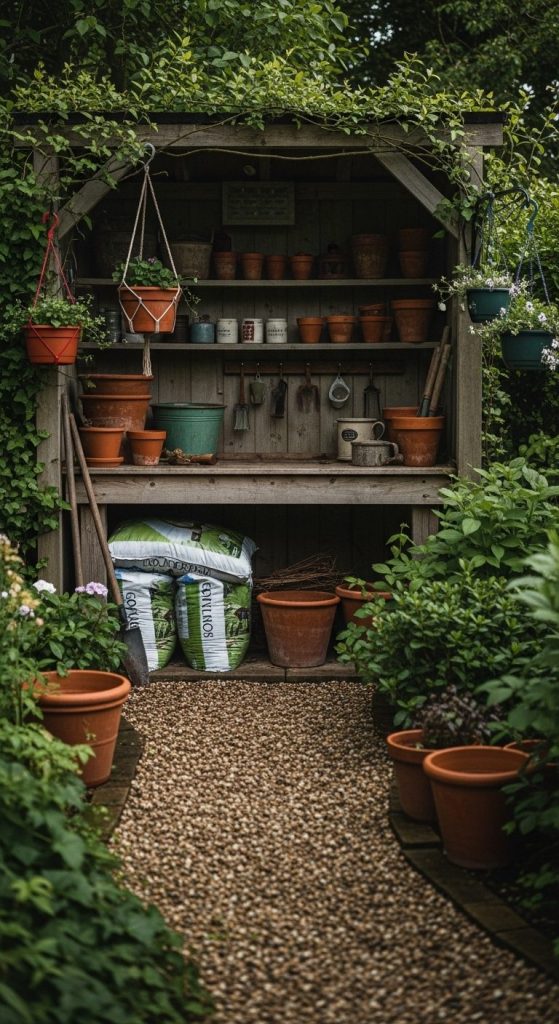
For serious gardeners, a potting shed in a small garden house keeps tools, soil, and plants organized and accessible.
Pros:
- Centralizes gardening activities.
- Protects tools from rain and sun.
- Encourages seasonal planting efficiency.
Cons:
- Can feel cluttered if not well-organized.
- Needs proper ventilation to avoid dampness.
Takeaway: A potting shed small garden house combines practicality with charm.
DIY Tip: Include shelves, a workbench, and hooks for hanging tools to make the most of limited space.
6. Vertical Plant Display House
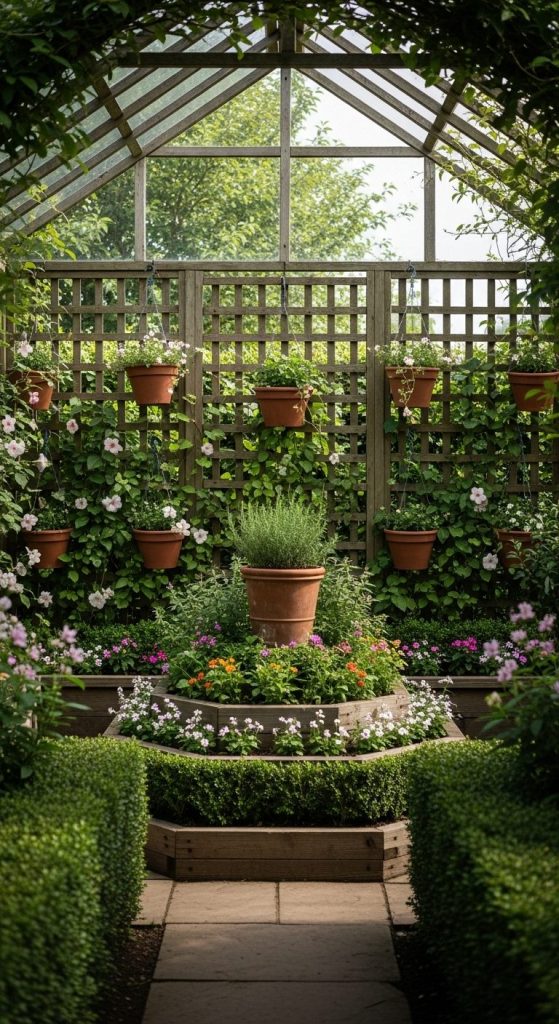
A vertical garden house uses walls or trellises inside and outside to grow vines, flowers, or herbs. It’s eye-catching and space-efficient.
Pros:
- Maximizes growing space.
- Adds greenery to walls for a lush look.
- Works well for small backyards.
Cons:
- Requires regular watering and maintenance.
- Can be heavy if soil is added to vertical planters.
Takeaway: Vertical planting transforms even the tiniest garden house into a green oasis.
DIY Tip: Use sturdy shelves, hanging pots, or lattice panels for climbing plants.
7. Playhouse for Kids
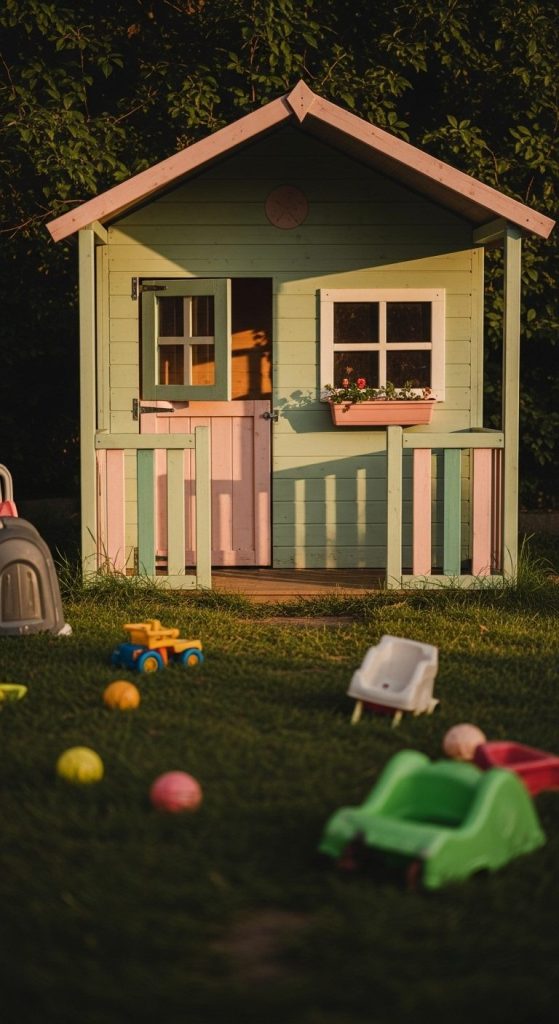
A children’s garden house doubles as a playhouse, giving kids a safe outdoor retreat.
Pros:
- Encourages imaginative play.
- Keeps toys and games contained.
- Can be themed to match garden aesthetics.
Cons:
- Must prioritize safety and durability.
- Limited space may not accommodate many children.
Takeaway: Kids’ playhouses make outdoor time fun and interactive.
DIY Tip: Use non-toxic paint, smooth edges, and secure doors/windows to keep it child-friendly.
8. Cozy Outdoor Office
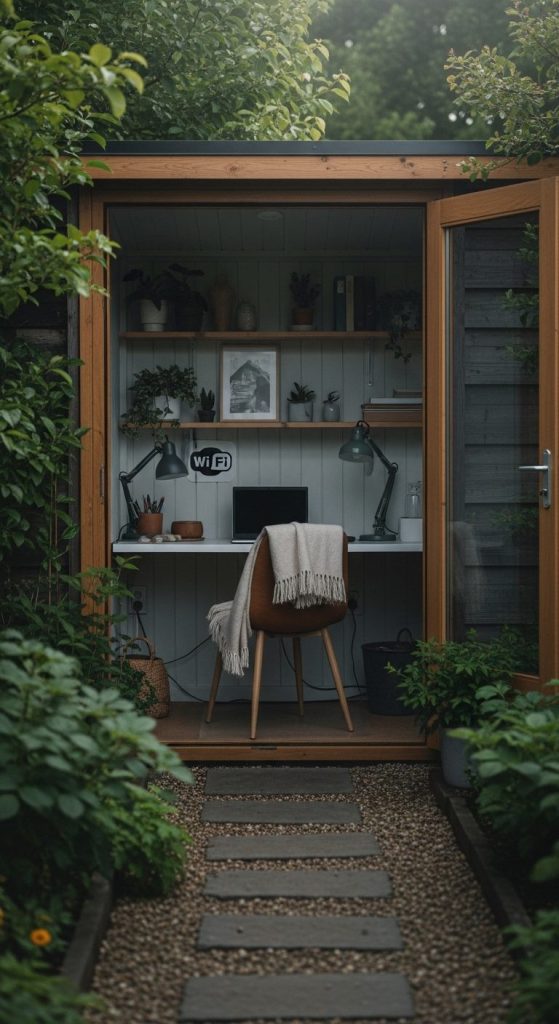
Work from your garden with a small garden house office. Fresh air, natural light, and a change of scenery boost productivity.
Pros:
- Reduces indoor distractions.
- Offers natural light for healthier working conditions.
- Can double as a private meeting space.
Cons:
- Limited power supply may require extension cords or solar panels.
- Temperature control can be tricky.
Takeaway: Your garden house can be a stylish and productive workspace.
DIY Tip: Insulate walls, add a small desk, chair, and Wi-Fi extender for a functional office.
9. Meditation or Yoga Retreat
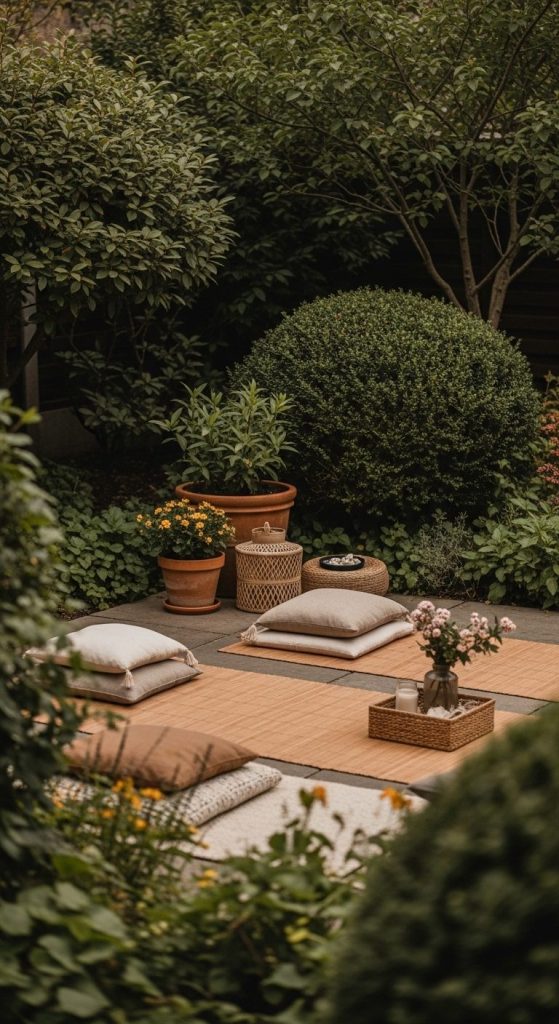
Create a serene meditation garden house with minimal décor, cushions, and natural light.
Pros:
- Encourages mindfulness and relaxation.
- Dedicated space for exercise and meditation.
- Can be decorated with calming natural elements.
Cons:
- Small size limits multiple users.
- Needs quiet surroundings for best effect.
Takeaway: A tiny house can feel like a luxury wellness retreat.
DIY Tip: Use bamboo mats, low seating, and natural ventilation for a calming atmosphere.
10. Seasonal Décor Showcase

Use a small garden house to rotate seasonal displays—flowers, pumpkins, fairy lights, or festive ornaments.
Pros:
- Adds charm and variety to your garden.
- Encourages creativity in decorating.
- Protects delicate seasonal items from weather.
Cons:
- Requires regular updating.
- Small space may limit décor options.
Takeaway: Even a compact garden house can be a highlight for seasonal aesthetics.
DIY Tip: Include shelving and hooks to easily swap out décor each season.
11. Mini Café or Tea House
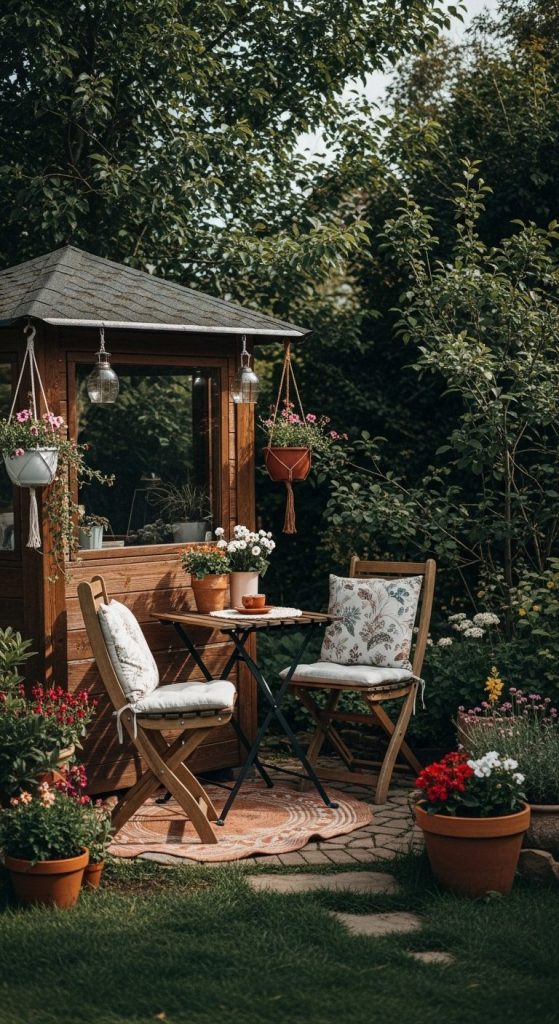
Turn your garden house into a mini café or tea corner—perfect for morning coffee or evening chats.
Pros:
- Provides a cozy, intimate seating area.
- Creates a charming backyard focal point.
- Easy to decorate for different occasions.
Cons:
- Limited seating for larger groups.
- Needs weatherproofing for furniture.
Takeaway: A garden house can double as a social retreat for drinks and conversation.
DIY Tip: Add foldable chairs, a small table, and soft lighting for a café vibe.
12. Storage for Garden Tools

Keep clutter out of sight with a small garden house storage shed. Organized spaces make gardening stress-free.
Pros:
- Protects tools from weather.
- Frees up space in garages or patios.
- Reduces garden mess.
Cons:
- Small houses may require compact, vertical storage solutions.
- Could feel cramped with larger tools.
Takeaway: Storage-focused garden houses combine utility with neat aesthetics.
DIY Tip: Install hooks, shelves, and pegboards to optimize storage capacity.
13. Rustic Log Cabin Style
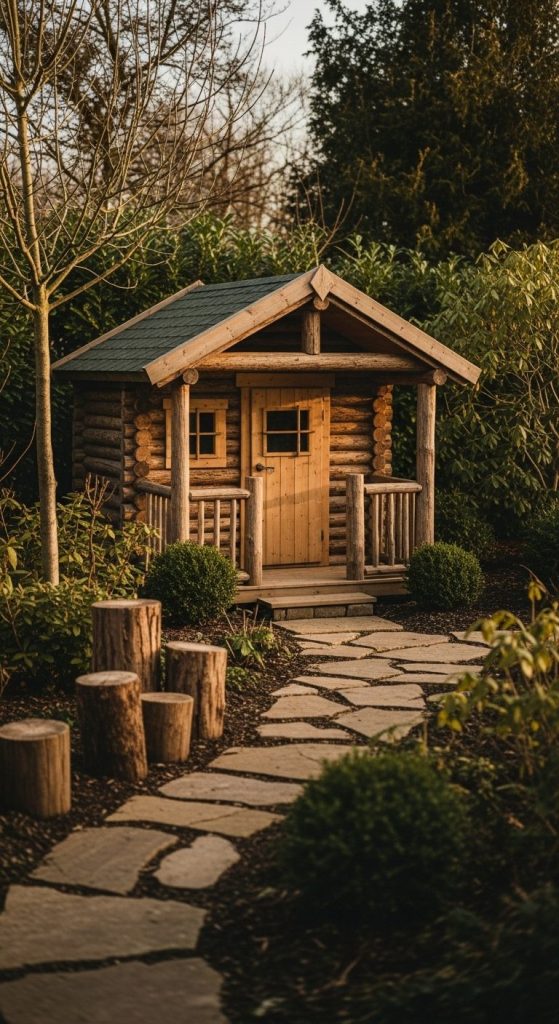
A rustic log-style garden house adds charm and warmth, ideal for cottage-style landscapes.
Pros:
- Creates a storybook, cozy atmosphere.
- Sturdy and durable if made with quality wood.
- Works well with natural garden materials.
Cons:
- May require more upkeep than modern materials.
- Can be more expensive if using natural logs.
Takeaway: Rustic style small houses feel timeless and inviting.
DIY Tip: Use reclaimed wood logs or timber beams, seal properly, and add a small porch for authenticity.
14. Light-Filled Sunroom
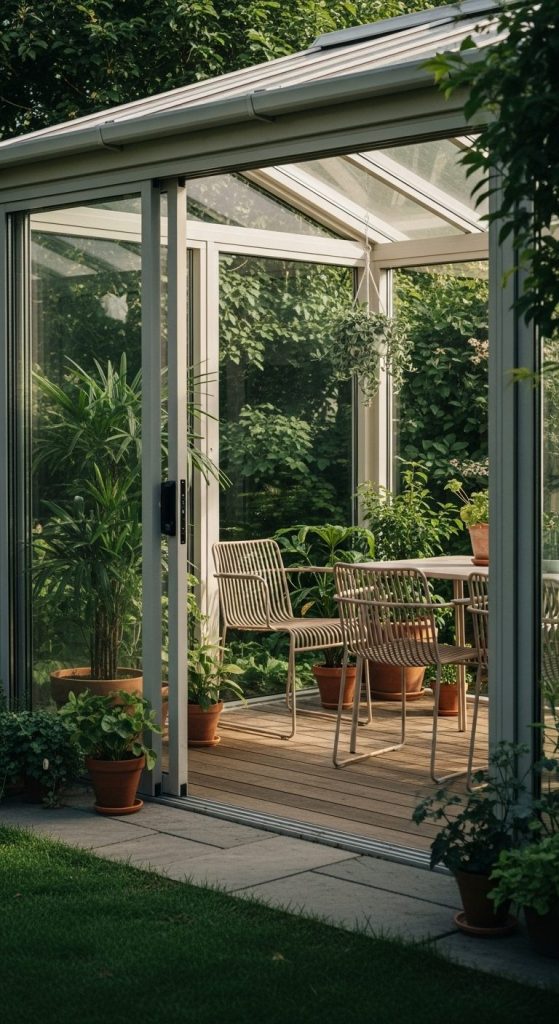
A glass-heavy garden house can function as a sunroom for lounging or plant propagation.
Pros:
- Maximizes natural light.
- Perfect for sun-loving plants.
- Creates a bright, airy retreat.
Cons:
- Requires careful insulation.
- Glass needs regular cleaning and protection.
Takeaway: A sunroom-style small garden house blurs the line between indoors and outdoors.
DIY Tip: Install sliding glass doors or panels and add lightweight furniture for comfort.
15. Multi-Purpose Garden Hub
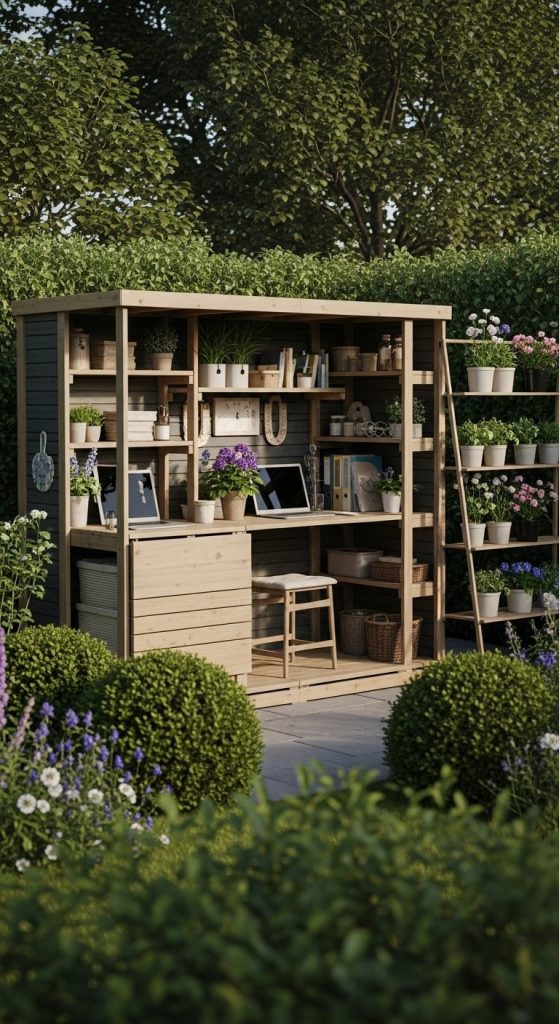
Why limit yourself? A multi-purpose garden house can combine storage, a workspace, and a cozy nook all in one.
Pros:
- Maximizes utility of limited space.
- Customizable layout and features.
- Keeps the garden organized and functional.
Cons:
- Requires thoughtful planning for layout.
- Small footprint may feel busy if overloaded.
Takeaway: With a little creativity, a small garden house can be everything you need.
DIY Tip: Use modular furniture, foldable surfaces, and clever storage compartments to make it adaptable.
Conclusion
A small garden house isn’t just a practical addition—it’s a canvas for creativity, relaxation, and functional living. From rustic log cabins to sun-filled studios, each tiny structure offers a unique way to enhance your backyard. Even limited spaces can host beautiful, organized, and personalized retreats that serve your lifestyle, hobbies, and imagination.
The best part? You can start small, experiment, and scale up as needed. Whether it’s a reading nook, a potting shed, or a whimsical playhouse, these 15 ideas prove that size doesn’t limit charm or functionality. Your garden house can become a favorite corner of your home, blending style, comfort, and creativity—all within a few square meters.

Ashley Ellison is a skilled writer and avid bowler. Her passion for storytelling and dedication to the sport have led her to participate in various national bowling leagues. With a unique combination of talents, Ashley approaches every challenge with creativity and a relentless drive to succeed.