Wild Garden Ideas: 15 Ways to Bring Nature’s Magic Home
Ever looked out at a perfectly trimmed lawn and felt… a little bored? Don’t get me wrong — neat gardens have their charm. But sometimes, the wild, untamed, slightly chaotic beauty of nature calls louder. That’s where wild garden ideas come in. Think lush greenery spilling over pathways, colorful wildflowers attracting bees, and a sense that life is thriving on its own terms.
Wild gardens aren’t about laziness — they’re about freedom, biodiversity, and connecting with nature in its purest form. They let you slow down, explore textures and colors, and watch wildlife become a daily guest. Whether you have a small backyard, a rooftop terrace, or a sprawling rural plot, there’s a wild approach that fits. I’ve pulled together 15 inspiring ideas to bring the untamed charm of wild nature right into your garden.
1. Create a Wildflower Meadow
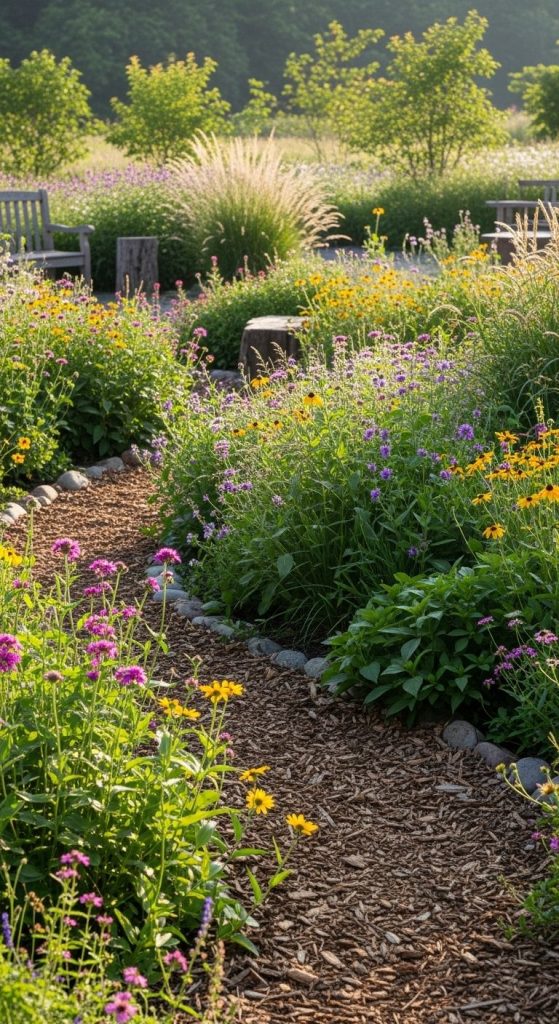
There’s something magical about a meadow in full bloom — colors dancing in the breeze, bees buzzing happily. Transforming part of your garden into a wildflower meadow brings instant life and movement.
Pros:
- Supports pollinators like bees and butterflies.
- Low maintenance once established; just occasional mowing.
- Brings seasonal colors and textures naturally.
Cons:
- Can take a season or two to fully flourish.
- May need reseeding in dry or high-traffic areas.
Takeaway:
Planting a mix of native wildflowers ensures ecological balance and year-round visual interest. IMO, even a small patch creates a “wow” factor in your yard.
2. Incorporate Native Grasses
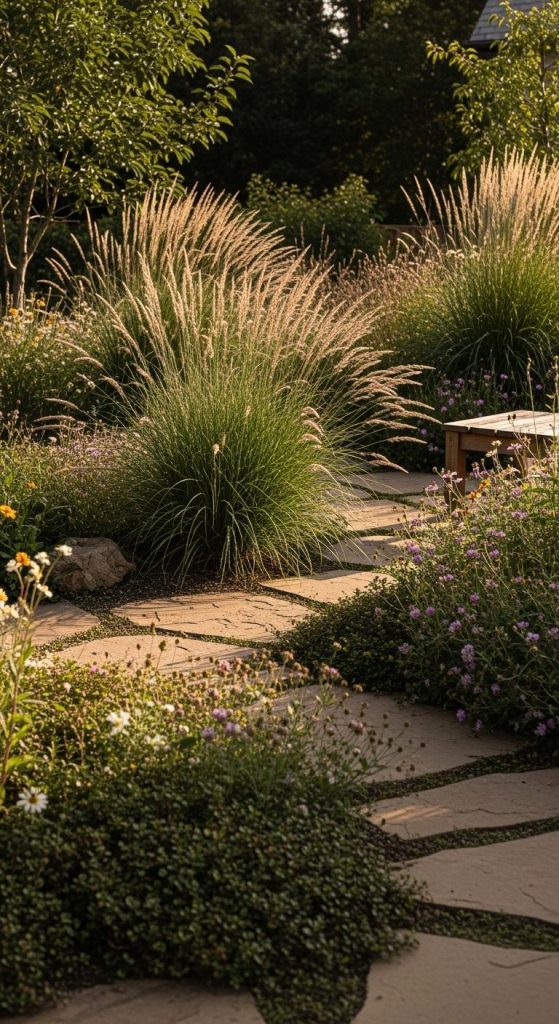
Forget uniform lawns. Tall, swaying native grasses add movement, sound, and structure to a wild garden.
Pros:
- Low water requirements and hardy in most climates.
- Adds vertical interest and creates privacy naturally.
- Provides shelter for birds and small wildlife.
Cons:
- Can spread aggressively if not contained.
- Needs seasonal trimming to stay tidy.
Takeaway:
Switching sections of your lawn to native grasses is one of the easiest ways to give your garden an authentic, untamed vibe.
3. Let Creepers and Vines Run Free
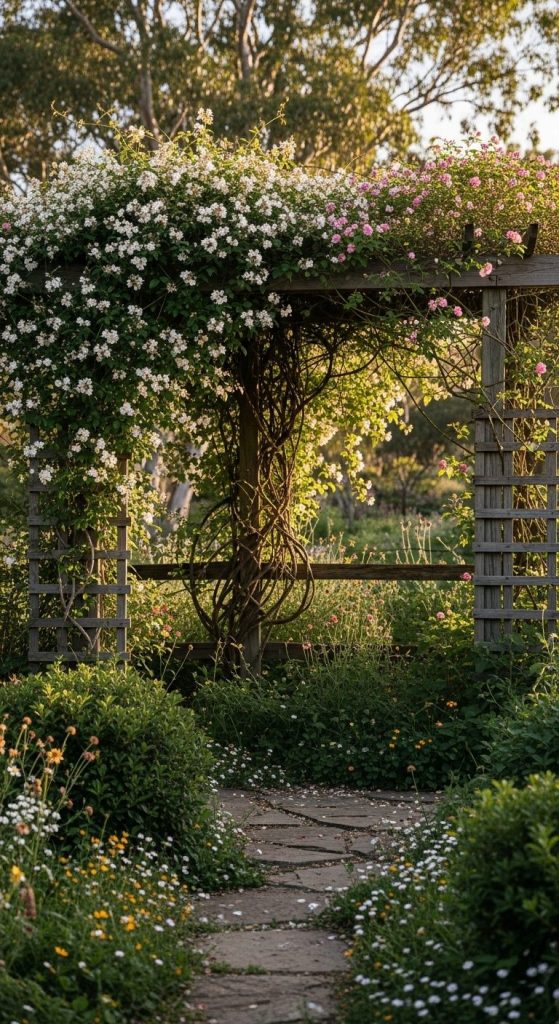
Climbing plants aren’t just for walls — let them wander across trellises, fences, or pergolas. The slightly chaotic growth adds a natural elegance.
Pros:
- Creates soft privacy screens.
- Adds seasonal blooms without intensive care.
- Softens hard edges in your garden.
Cons:
- Can overwhelm structures if unchecked.
- Some species may need yearly pruning.
Takeaway:
Choose fast-growing climbers like honeysuckle or clematis to achieve that effortless “wild” look while keeping blooms popping.
4. Build a Mini Woodland Corner
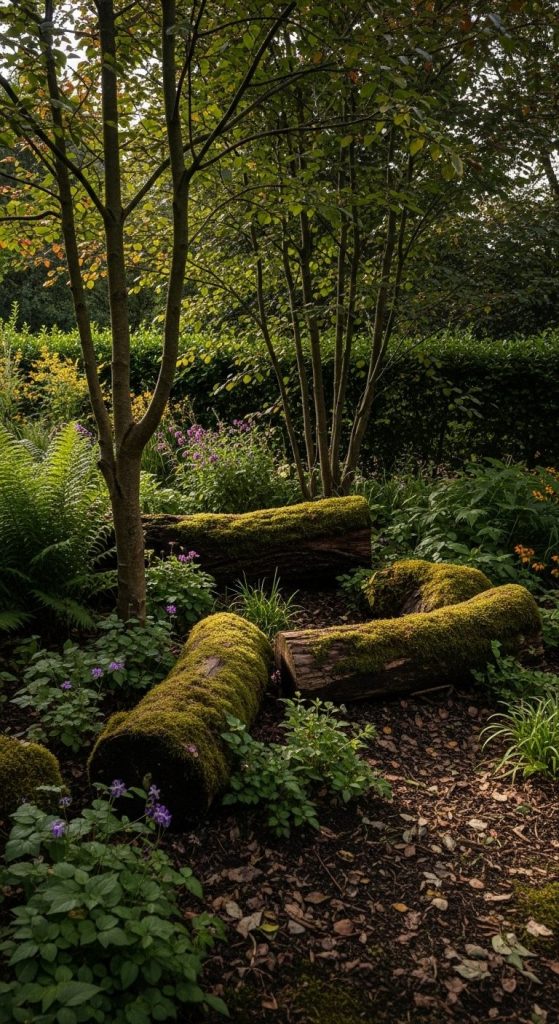
Even a small plot can host a woodland feel with shrubs, shade-loving plants, and small trees. Add leaf litter and natural logs for authenticity.
Pros:
- Attracts wildlife — birds, hedgehogs, insects.
- Creates cool, shaded retreat areas.
- Adds layers and depth visually.
Cons:
- Needs patience; trees take time to mature.
- Leaf litter may require seasonal cleanup.
Takeaway:
A tiny woodland patch transforms your garden into a secret hideaway. Bonus: it’s therapeutic to watch new growth each season.
5. Include Water Features for Wildlife
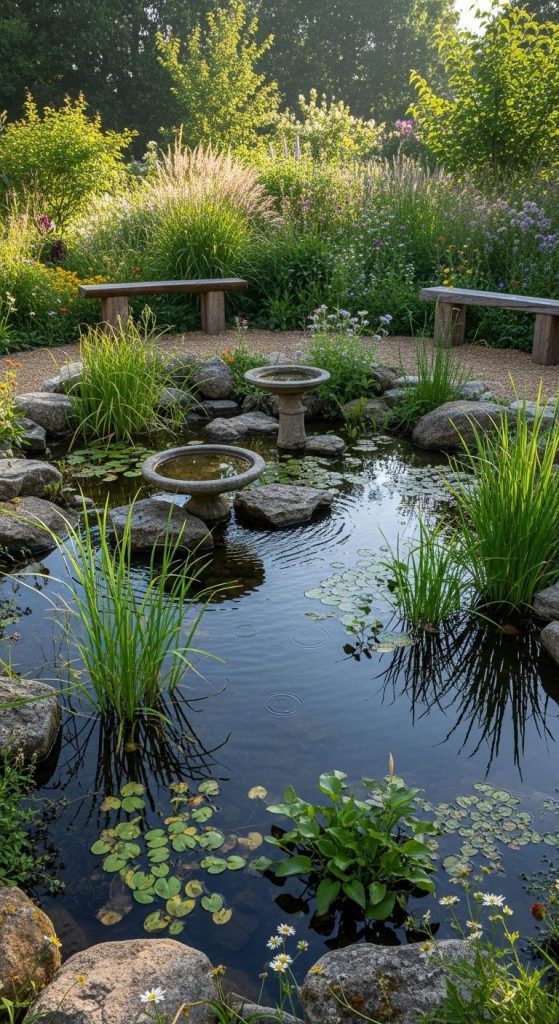
Ponds, birdbaths, or even shallow basins attract birds, amphibians, and pollinators. A gentle ripple adds movement and life.
Pros:
- Supports local ecosystem.
- Adds calming sound and reflective surfaces.
- Encourages biodiversity naturally.
Cons:
- Requires monitoring water quality to prevent stagnation.
- Mosquito control may be necessary.
Takeaway:
Even a small wildlife pond can dramatically boost ecological diversity and make your garden feel like a living landscape.
6. Plant Clumps Instead of Rows
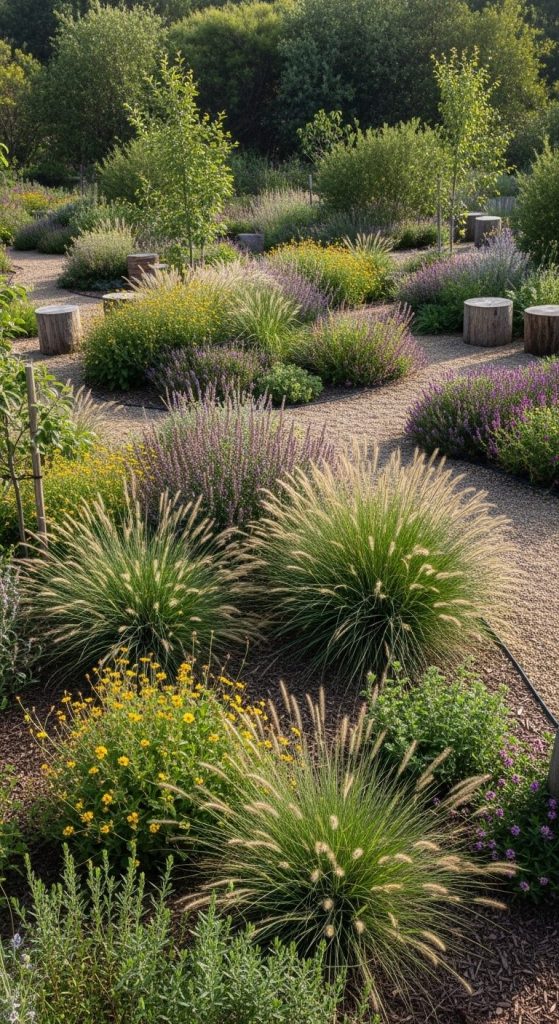
Ditch the uniform planting. Group flowers, shrubs, and grasses in clumps for a natural, untamed look.
Pros:
- Mimics nature’s growth patterns.
- Easier to manage than traditional formal beds.
- Creates focal points that draw the eye.
Cons:
- Might look messy initially before plants settle.
- Requires strategic spacing to avoid overcrowding.
Takeaway:
Clumping plants gives your garden rhythm and flow. It’s like painting with living textures.
7. Add Wild Edges to Lawns
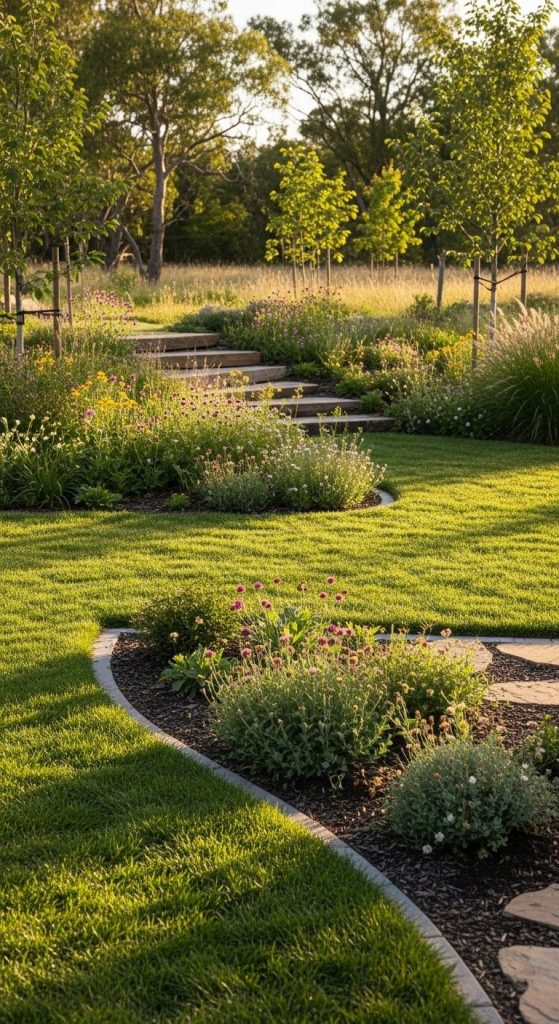
Instead of crisp boundaries, let your grass meet wildflower strips or shrubs naturally. Soft edges encourage pollinators and insects.
Pros:
- Reduces mowing time.
- Improves soil health and microhabitats.
- Adds visual softness to the landscape.
Cons:
- May seem untidy if neighbors expect traditional lawns.
- Weeds can encroach if unmanaged.
Takeaway:
Soft lawn edges are small tweaks with huge impact — your garden feels organic and alive instantly.
8. Grow Edible Wild Plants
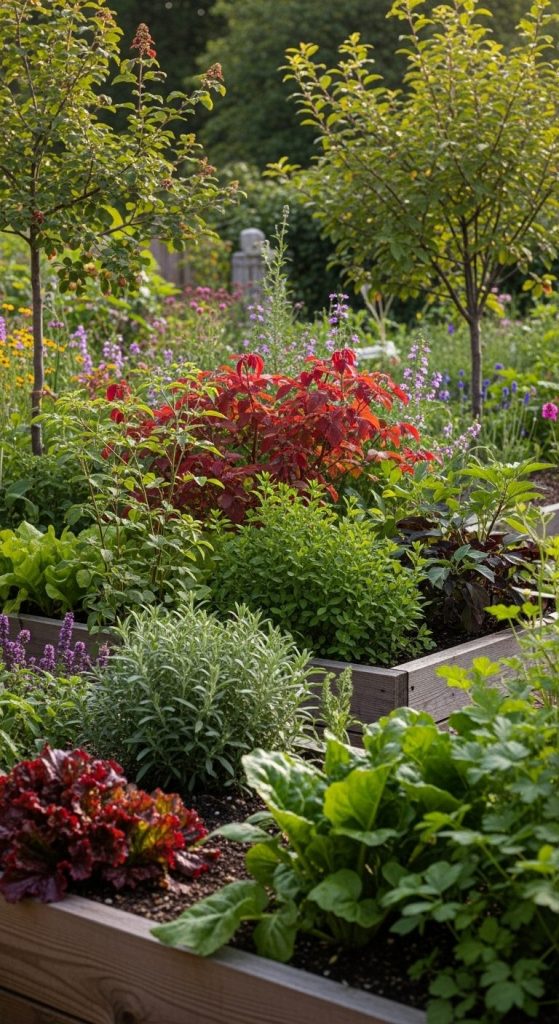
Combine wild aesthetics with edible perks: herbs, berries, or wild greens thrive with minimal care and look natural.
Pros:
- Provides fresh food year-round.
- Encourages sustainable gardening.
- Supports wildlife while feeding you too.
Cons:
- Some wild edibles require knowledge to identify safely.
- Harvesting might disturb pollinators temporarily.
Takeaway:
Wild edible zones are rewarding — both ecologically and gastronomically. Who says wild can’t be useful?
9. Include Deadwood and Logs
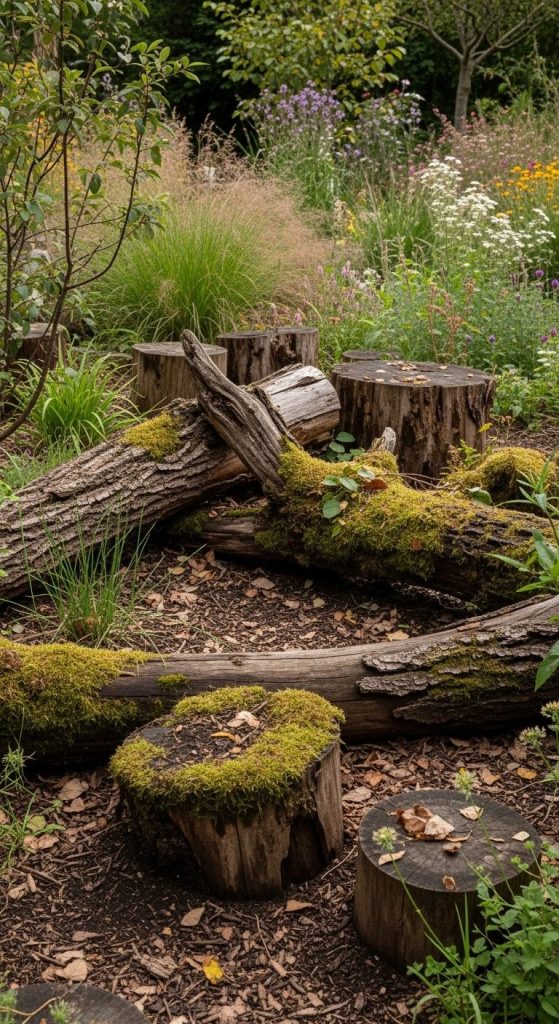
Logs, stumps, or branches left in corners create habitats for insects, fungi, and birds while adding visual interest.
Pros:
- Boosts biodiversity.
- Natural textures enhance wild garden aesthetic.
- Decomposing wood improves soil health.
Cons:
- Can attract unwanted pests if left improperly.
- Needs occasional monitoring for safety.
Takeaway:
Strategic deadwood placement is the ultimate low-effort way to make your garden feel genuinely untamed.
10. Plant Pollinator Corridors
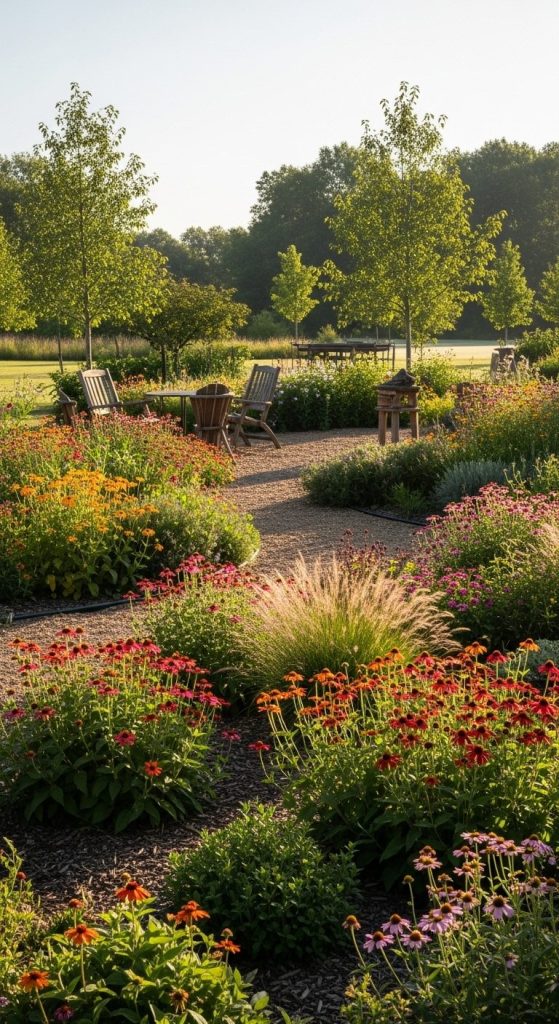
Link flowering plants across the garden to guide bees, butterflies, and hummingbirds. Consider nectar-rich blooms in clusters.
Pros:
- Supports crucial pollinator populations.
- Encourages more vibrant and productive flowers.
- Adds color and scent diversity.
Cons:
- May require yearly reseeding or replacement.
- Pollinators can attract curious pets or children.
Takeaway:
Pollinator corridors make your garden a living highway of life — an enchanting experience each spring.
11. Introduce Wild Rock Gardens
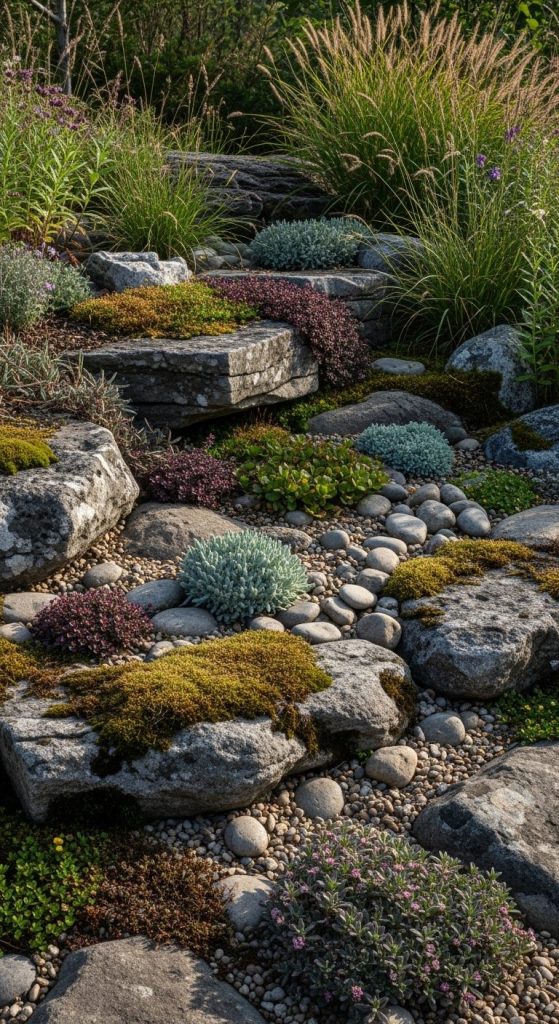
Natural rock formations with moss, lichens, and small alpine plants mimic rugged landscapes beautifully.
Pros:
- Adds texture and dimension.
- Low water and maintenance needs.
- Attracts small wildlife like lizards or insects.
Cons:
- Rocks must be stabilized to prevent shifting.
- Some plants may struggle in extreme heat or shade.
Takeaway:
Rock gardens are perfect for contrast and structure without losing wildness — IMO, they’re timeless and playful.
12. Let Vines Crawl Along Fences
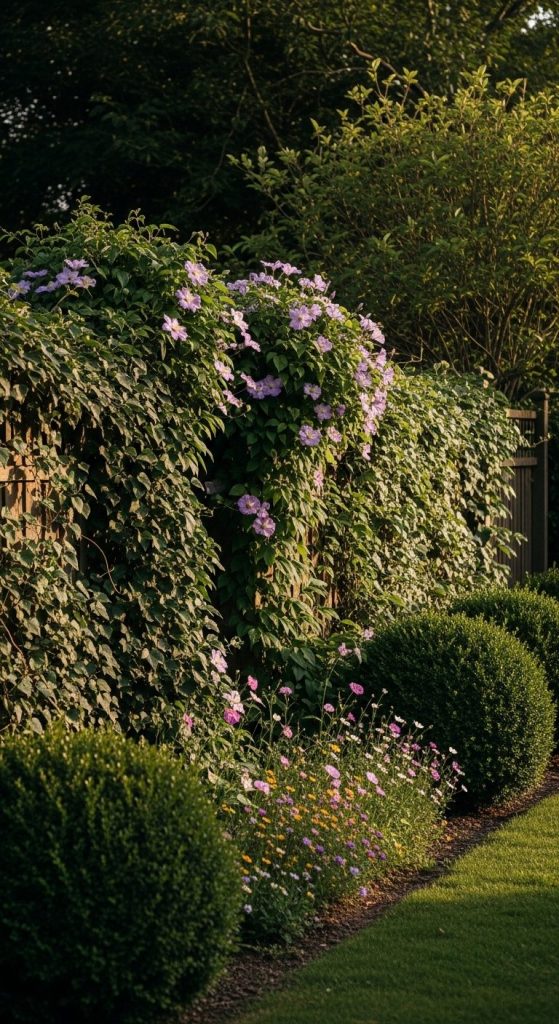
Transform fences from boundaries into living walls with ivy, clematis, or morning glories. It’s a simple trick with dramatic effect.
Pros:
- Provides instant greenery.
- Softens hard edges and adds texture.
- Offers shade and privacy naturally.
Cons:
- Vines can damage weak fences if unmanaged.
- Requires pruning to prevent overgrowth.
Takeaway:
Crawling vines are effortless charm-makers — your fence becomes part of the garden narrative.
13. Integrate Native Shrubs
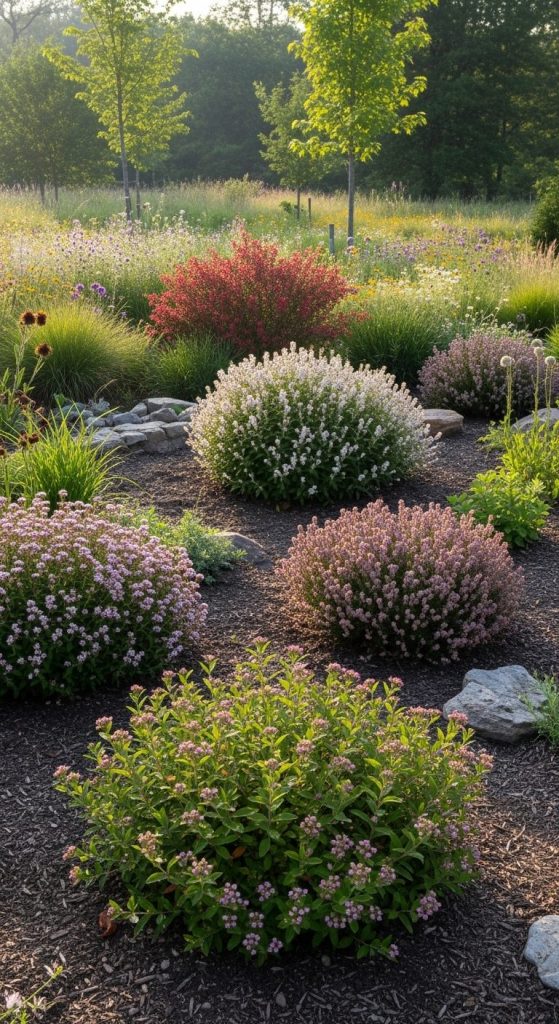
Planting shrubs that naturally grow in your region creates structure, food sources for birds, and seasonal interest.
Pros:
- Low maintenance and adapted to local conditions.
- Provides berries and flowers for wildlife.
- Offers year-round visual interest.
Cons:
- Limited bloom variety compared to exotics.
- May require trimming to control size.
Takeaway:
Native shrubs tie your garden to the local ecosystem, giving it a grounded, authentic vibe.
14. Add Meandering Paths
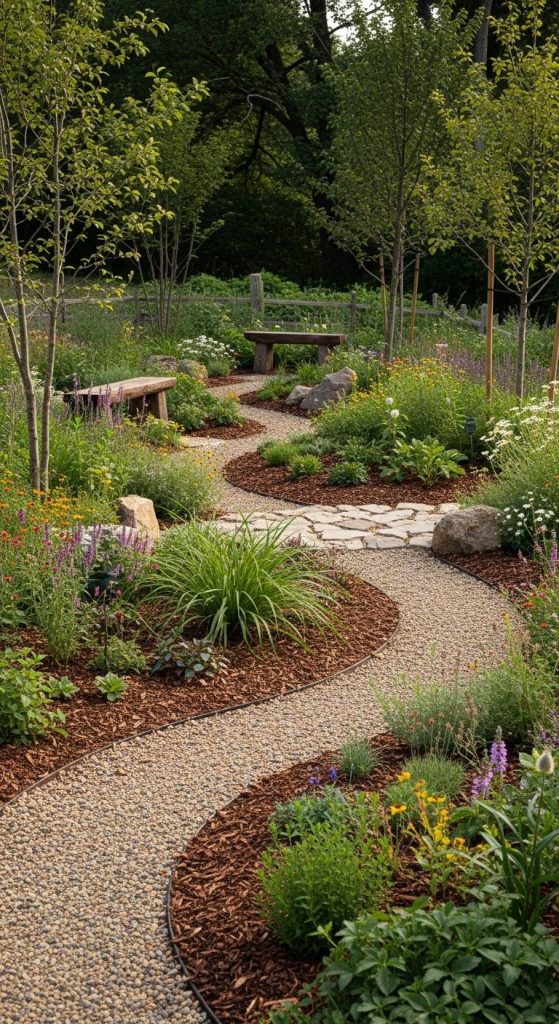
Paths don’t need to be straight. Curved, natural paths made of gravel, mulch, or stepping stones encourage exploration.
Pros:
- Adds mystery and discovery.
- Blends with wild garden aesthetics.
- Reduces soil compaction by guiding foot traffic.
Cons:
- Harder to mow around curves.
- Gravel paths may need occasional topping up.
Takeaway:
Winding paths turn your garden into a mini adventure — every corner feels like a new discovery.
15. Create Seasonal Interest
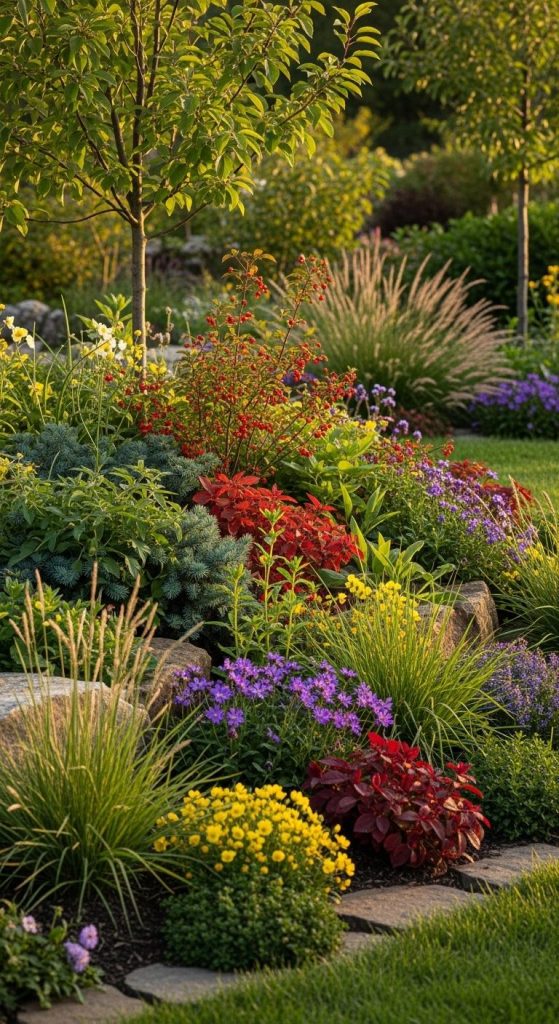
Plant a mix of early bloomers, summer flowers, autumn berries, and evergreen structures to ensure year-round wild beauty.
Pros:
- Keeps garden vibrant across seasons.
- Supports diverse wildlife throughout the year.
- Reduces visual monotony.
Cons:
- Requires some planning for bloom timing.
- May need occasional pruning or deadheading.
Takeaway:
Seasonal layering ensures your wild garden never feels static. Nature’s drama continues year-round, and your garden grows with it.
Conclusion
A wild garden isn’t about chaos; it’s about harmony through natural imperfection. From meadows and pollinator corridors to woodland corners and creeping vines, each element invites life, movement, and joy. The beauty of wild gardens lies in their unpredictability — every visit brings something new, a butterfly, a burst of color, or a hidden bloom you didn’t notice yesterday.
Embracing wild gardening means letting go of control, celebrating imperfection, and watching nature’s choreography unfold in your backyard. Whether you’re in a city apartment with a small balcony or a country estate, these ideas prove that wild beauty is possible anywhere.
So, pick one idea, plant that first patch, and watch your garden spring to life. Trust me — once you taste the untamed, there’s no going back. Your backyard might never look “neat” again, but it will feel alive like never before.

Ashley Ellison is a skilled writer and avid bowler. Her passion for storytelling and dedication to the sport have led her to participate in various national bowling leagues. With a unique combination of talents, Ashley approaches every challenge with creativity and a relentless drive to succeed.