Birch Trees Garden: 15 Beautiful, Practical, Real-Life Ideas
There’s something strangely comforting about birch trees. Maybe it’s the white bark that looks like it’s glowing in late afternoon light, or the soft rustle their leaves make even when the breeze is barely there. I remember the first time I saw a cluster of birches planted in a backyard—they weren’t trying to be the star of the show, yet they completely transformed the space. It felt calm, grounded, and just a little magical in the most down-to-earth way.
If you’ve been thinking about creating your own birch trees garden, you’re definitely not alone. More people are leaning toward outdoor spaces that feel soothing and effortlessly beautiful. Birch trees check both boxes without demanding the kind of maintenance that eats your weekends. And what surprises most people is how many garden styles they can fit into—from modern and minimal to cozy and cottagey.
Below, you’ll find 15 real, practical, achievable ideas you can actually use—no fantasy landscaping and no garden-center surprises. Just thoughtful, helpful inspiration built around trees that already know how to stand out quietly.
1. Create a Birch Tree Entrance Path
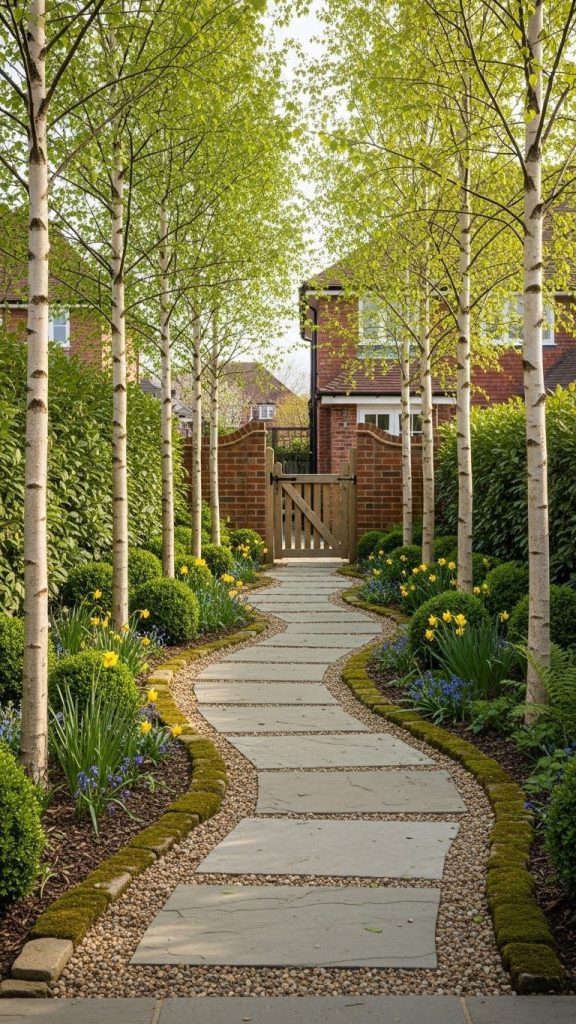
There’s something incredibly inviting about entering a garden through a soft tunnel of trees. Birch trees make this surprisingly doable because their trunks stay slender, and the dappled shade feels like gentle light instead of a full canopy blackout. A simple row on each side of a walkway changes the entire mood of a front or backyard.
What I love most is how these paths instantly add structure without feeling formal. They work with gravel, flagstone, brick, or even packed earth if you’re keeping things rustic.
Pros
- Adds a welcoming, serene “arrival moment”
- Works well in small and medium-sized gardens
- Low maintenance once established
Cons
- Needs consistent watering during the first years
- Roots shouldn’t sit in soggy soil
Mini Takeaway
A birch-lined path feels calm and elegant without trying too hard. It’s an entrance that quietly sets the tone.
2. Build a Birch Grove Seating Area
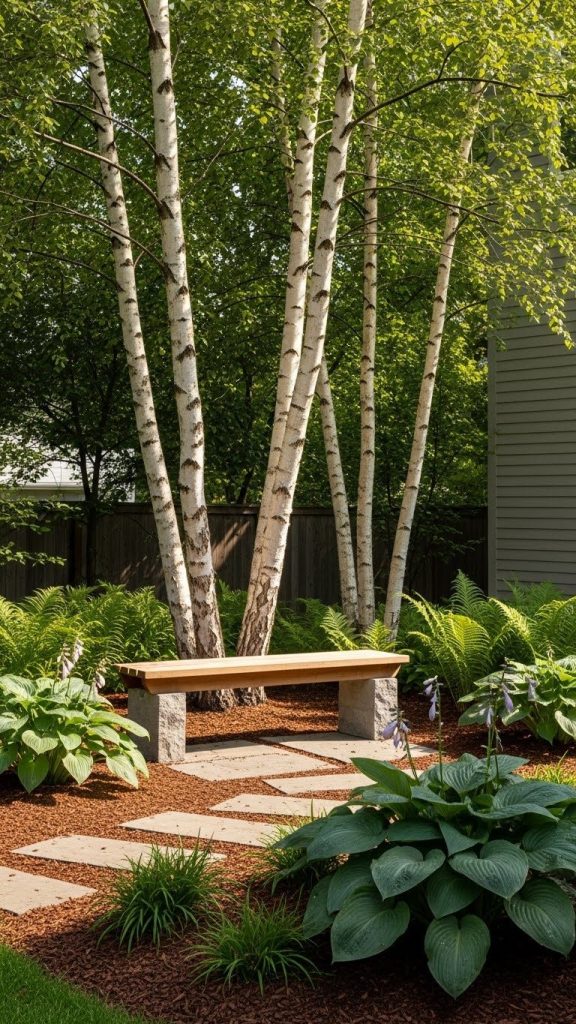
A small birch grove isn’t just pretty—it’s an instant escape. Grouping three to five birch trees together creates a natural “room” that feels peaceful even in busy neighborhoods.
Picture this: a simple bench or a circle of chairs beneath tall white trunks. The filtered light dances through the leaves, making the space feel alive without being overwhelming. It’s the kind of spot where you’d sit for ten minutes and accidentally stay for an hour.
Pros
- Creates shade without making the space dark
- Naturally cool and breezy
- Works beautifully with woodland or minimalist gardens
Cons
- Needs a bit of space to plant multiple trees
- Regular mulching helps keep the area tidy
Mini Takeaway
A birch grove is ideal if you want a personal corner that feels like nature is giving you a gentle hug.
3. Underplant Birch Trees With Ferns and Hostas
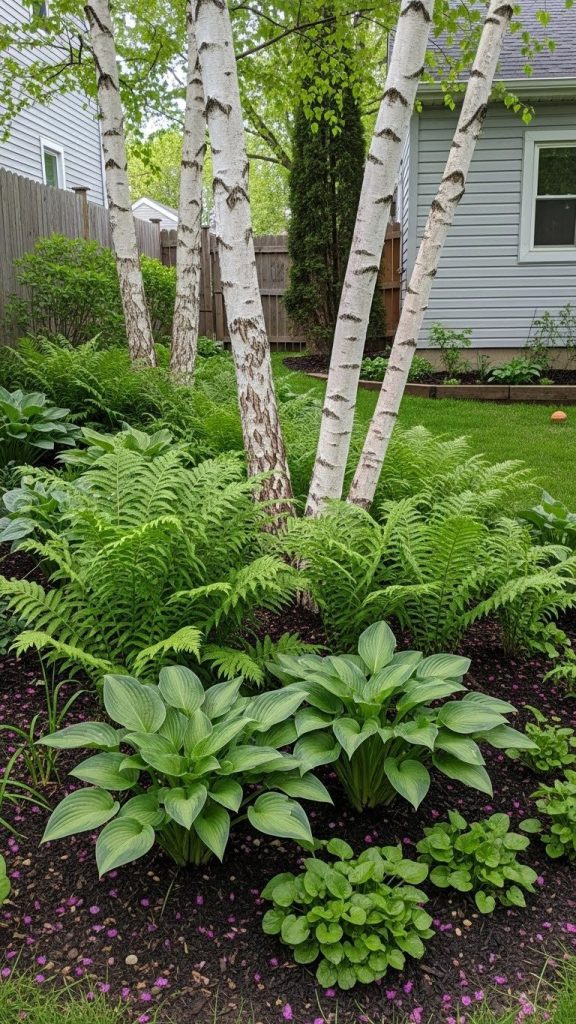
Birch trees pair perfectly with plants that love dappled shade. Ferns, hostas, foamflowers, and lamium fill the space with soft textures that look like they belong together.
There’s also a scientific bonus: according to gardening guides, shade-loving perennials tend to thrive under trees with lighter canopies, which birches have. That means fewer struggles and more lush, layered beauty.
Pros
- Creates a woodland feel without high effort
- Low-growing plants reduce the need for constant weeding
- Great for moisture retention
Cons
- Requires consistent watering during hot summers
- Some plants may need dividing every few years
Mini Takeaway
If you want a garden bed that feels soft and inviting, this combination is one of the easiest ways to get there.
4. Use Birch Trees as Privacy Screens
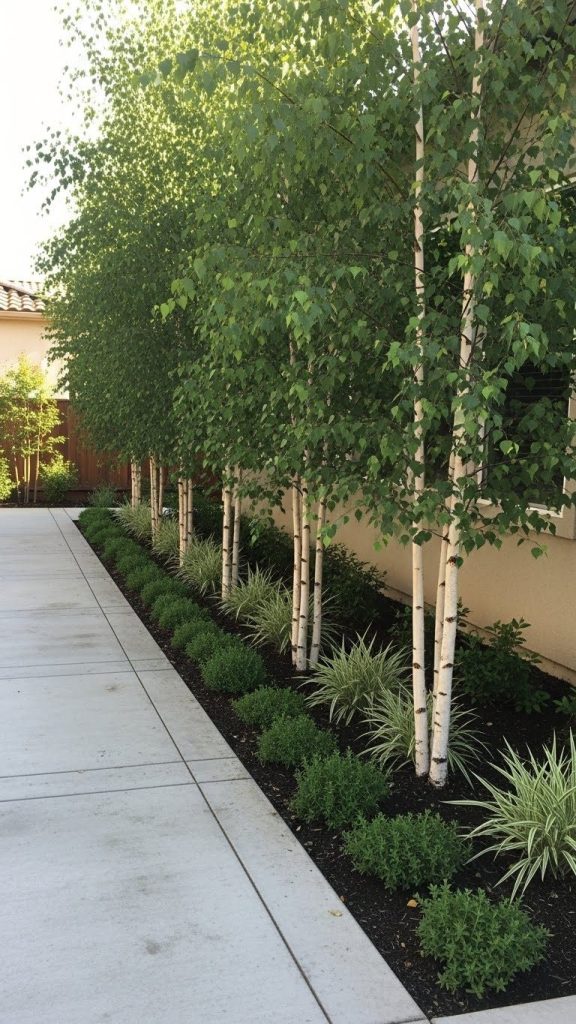
Not many trees manage to be both airy and private, but birch trees do it. Their tall, narrow form makes them perfect for creating soft screens along fences, patios, and property lines.
Unlike dense hedges, birches filter light instead of blocking it. This keeps the space bright while still giving you breathing room.
Pros
- Lets in light while creating privacy
- Grows relatively fast
- Works well in narrow planting strips
Cons
- Needs space between trunks for healthy airflow
- Young trees require staking
Mini Takeaway
If you want privacy without feeling boxed in, birch trees offer the perfect balance of openness and coverage.
5. Create a Birch Tree Focal Point Bed
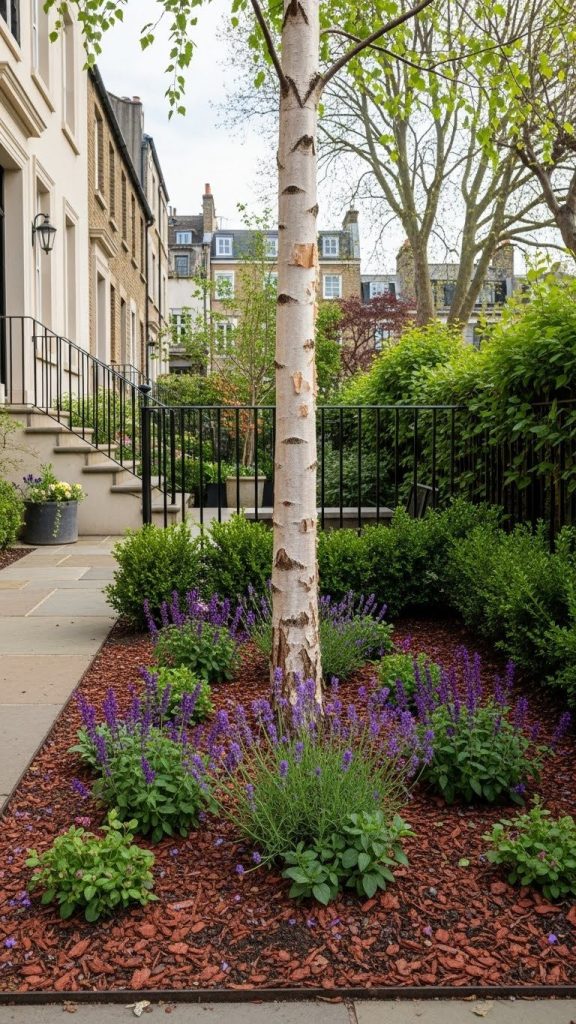
One single birch tree can anchor an entire garden bed. Their white bark naturally draws the eye, and the tree acts like a visual anchor for shrubs and perennials.
This works especially well in small gardens, where one striking feature goes further than multiple competing elements.
Pros
- Adds height and shape instantly
- Works with both colorful and neutral plant palettes
- Very low maintenance
Cons
- Needs occasional pruning of lower branches
- Young trees may need protection from sunscald
Mini Takeaway
A lone birch tree with a thoughtful planting bed around it can elevate any corner from plain to polished.
6. Pair Birch Trees With Ornamental Grasses
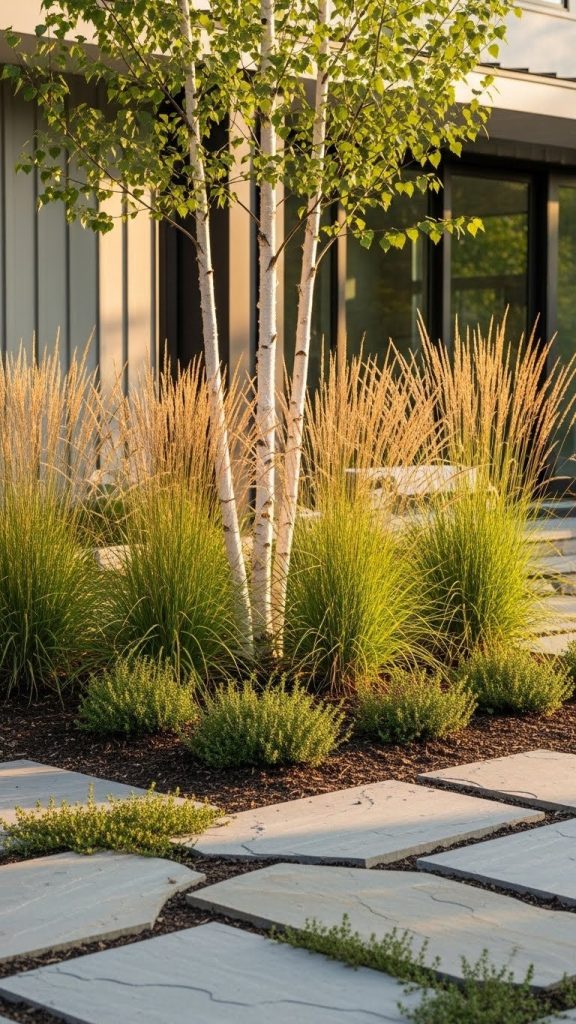
There’s something special about the contrast between birch bark and swaying ornamental grasses. The grasses bring movement, while the tree brings structure. Together, they look effortlessly modern.
Feather reed grass, fountain grass, blue oat grass—all of them look incredible around birch clusters.
Pros
- Low maintenance combination
- Looks great year-round
- Adds texture without clutter
Cons
- Some grasses need trimming in late winter
- Windy areas may require sturdier varieties
Mini Takeaway
If you love clean lines and gentle movement, this pairing feels almost cinematic.
7. Design a Birch Border for Driveways
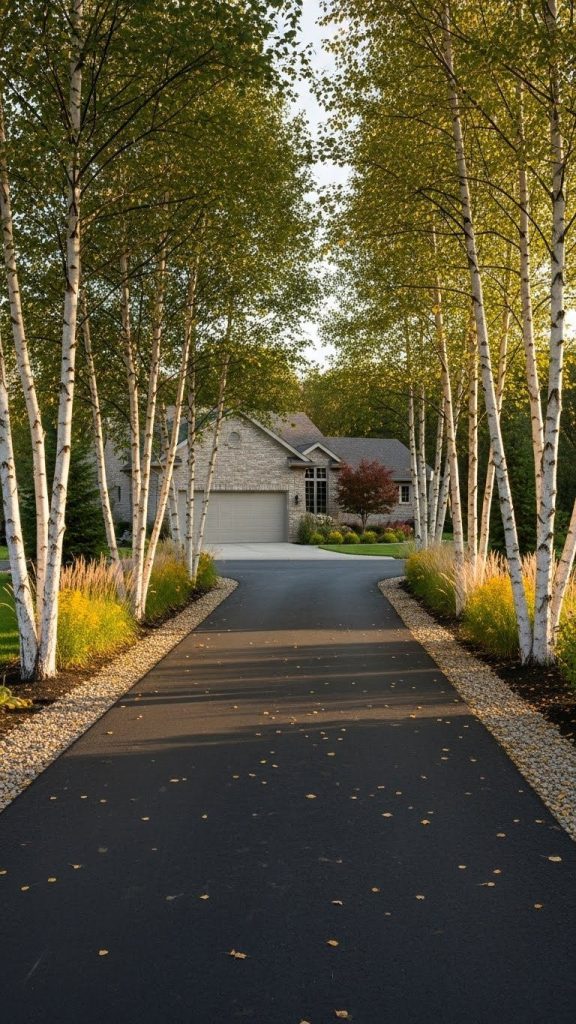
Driveways can feel cold and utilitarian, but birch trees soften the look instantly. Their light bark brightens the edges, and the trees frame the space without overwhelming it.
A study by a UK gardening association found that light-barked trees subconsciously make outdoor areas feel more spacious—little design secrets like this make birches worth considering.
Pros
- Instantly elevates curb appeal
- Works well in both straight and curved layouts
- Doesn’t create dark shade over driveways
Cons
- Needs protective edging against cars
- Young trees need regular watering
Mini Takeaway
Driving up to a birch-lined entrance feels welcoming every single time.
8. Add a Rock Garden Under Birch Trees
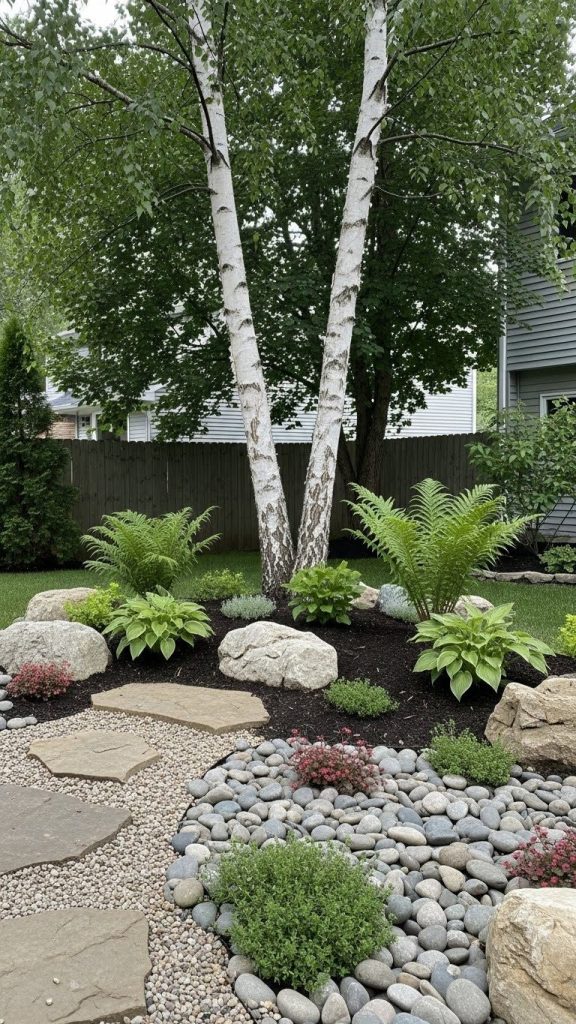
Rock gardens might not be the first thing you imagine under birches, but they work exceptionally well. Birch roots naturally rise toward the surface, and rocks help protect them while creating visual interest.
You can mix flat stones, pebbles, and a few drought-tolerant plants—simple but striking.
Pros
- Low maintenance and drought friendly
- Protects shallow roots
- Adds texture and structure
Cons
- Requires thoughtful placement to look natural
- Some rocks may shift in heavy rain
Mini Takeaway
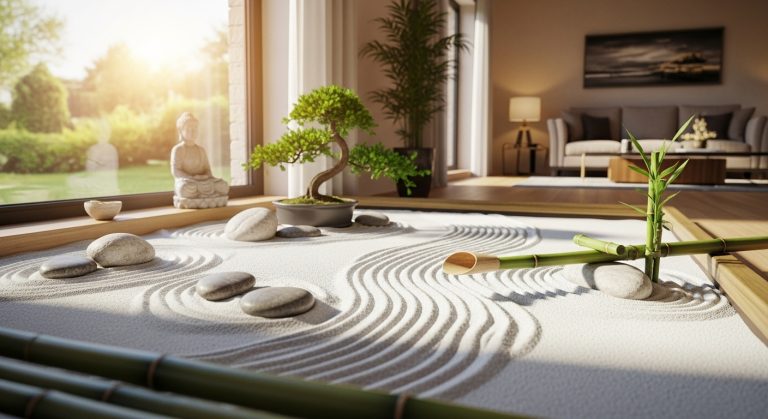
This idea blends practicality and style, especially if you like minimal or Japanese-inspired gardens.
9. Build a Birch-Shaded Dining Area
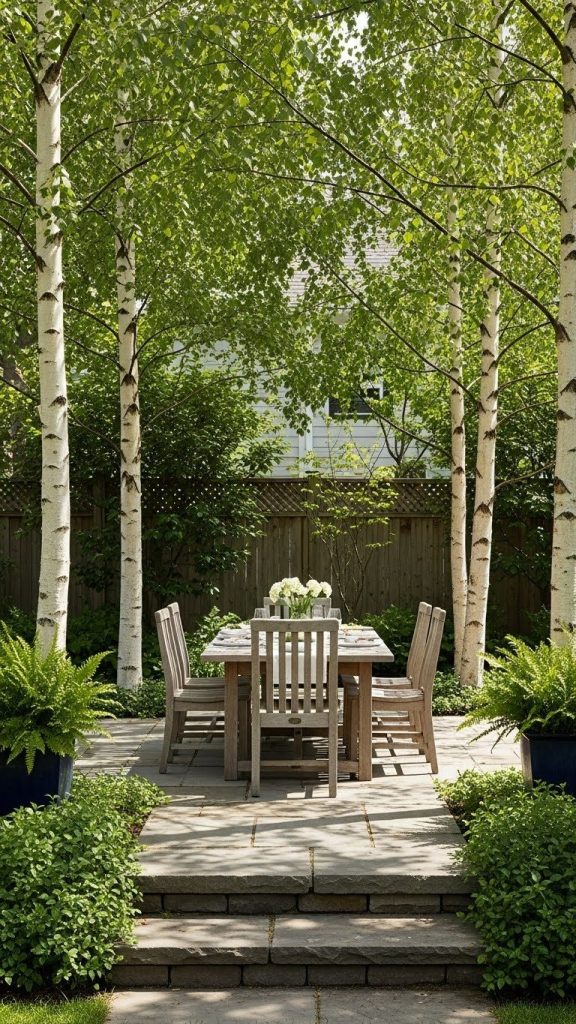
Outdoor dining feels different when there’s soft shade overhead. Birch trees create a microclimate that cools the area naturally, making the space usable even in warmer months.
Add a wooden table, a few chairs, and string lights, and you’ve got a space that feels almost like a retreat.
Pros
- Naturally cooler seating area
- Beautiful filtered light
- Works well with simple garden furniture
Cons
- Falling leaves in autumn need sweeping
- Young trees need careful watering near hardscapes
Mini Takeaway
A dining area under birch trees feels dreamy but absolutely achievable.
10. Create a Birch and Stone Water Feature Corner
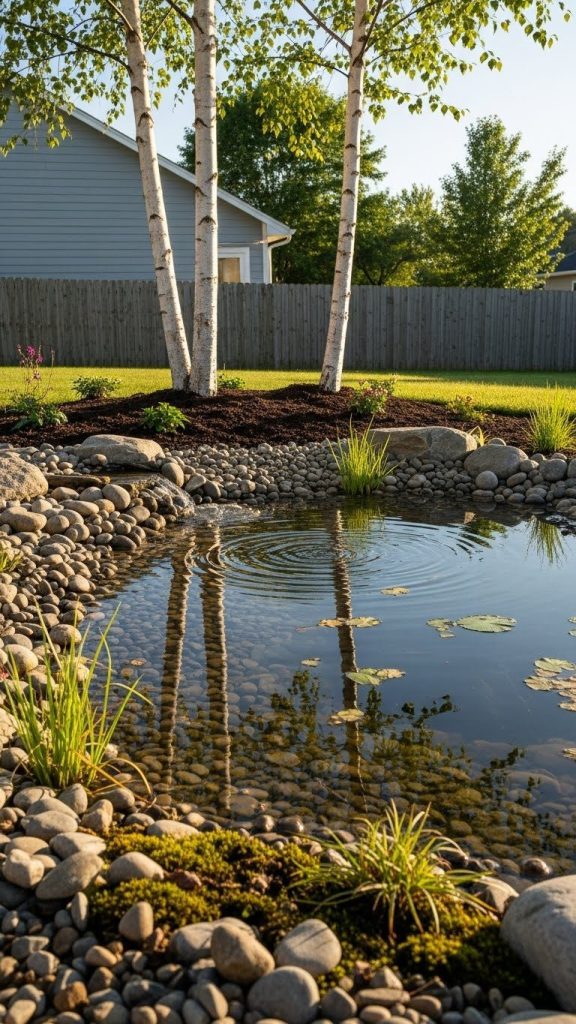
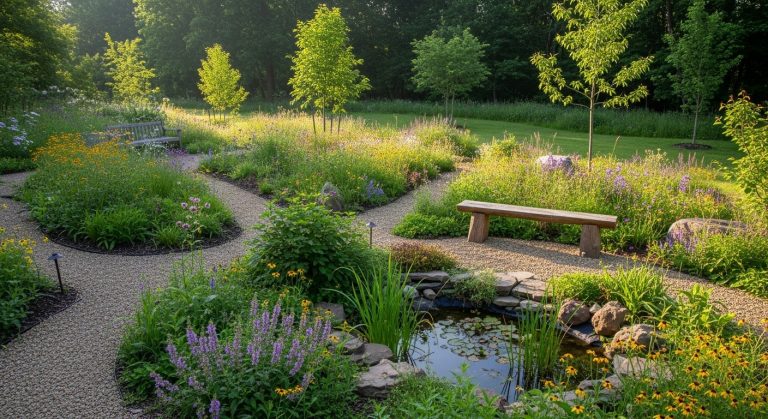
Birch trees pair beautifully with water. The reflection of their white trunks in a small pond or water bowl adds depth and calm to the garden.
It’s not about building a huge water feature—just a simple basin or small pond with stones works wonders.
Pros
- Adds calming sound and motion
- Attracts birds and wildlife
- Enhances the brightness of birch bark
Cons
- Water features need seasonal cleaning
- Must be placed where roots won’t be oversaturated
Mini Takeaway
Nature plus water plus birches equals instant tranquility.
11. Plant Birch Trees Near Outdoor Seating Benches
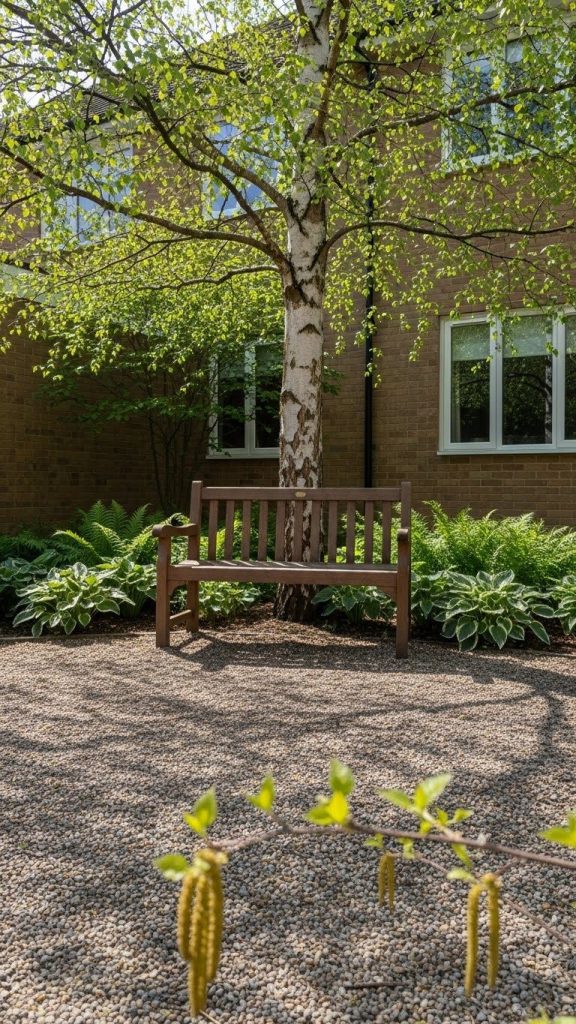
Placing a bench under or near birch trees instantly creates a moment—a little pause spot where you can sit and just be.
This works especially well for people who want emotional comfort spots in their garden.
Pros
- Creates a natural relaxation zone
- Looks beautiful from inside the house
- Encourages daily use of outdoor space
Cons
- Fallen catkins need seasonal sweeping
- Tree litter may accumulate on the bench
Mini Takeaway
Even a single bench under birch branches can shift how you experience your garden.
12. Use Birch Trees to Break Up Large Lawns
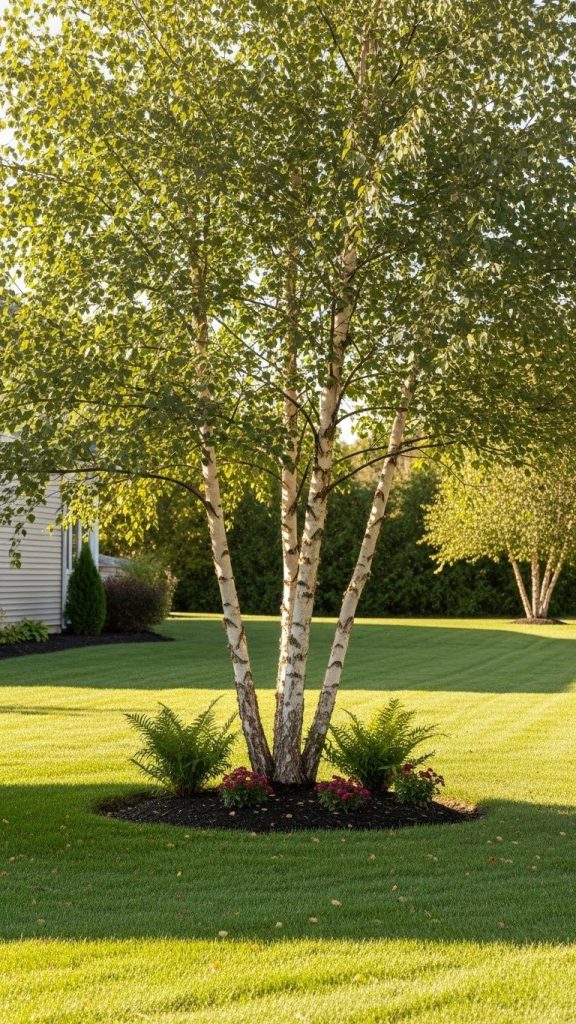
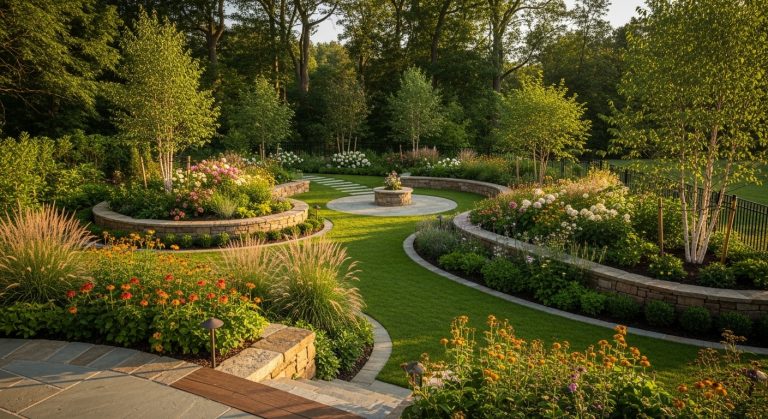
Large lawns can feel like open fields with no structure. Adding small groups of birches breaks up the space and gives the garden gentle boundaries.
This is a landscaping trick often used in parks to create “rooms” without walls.
Pros
- Adds structure to big spaces
- Lightweight shade that won’t kill the grass
- Visually ties large areas together
Cons
- Needs thoughtful placement for symmetry
- Grass may thin in very dry climates
Mini Takeaway
Birch clusters turn large empty areas into meaningful, intentional spaces.
13. Add Lighting Around Birch Trunks
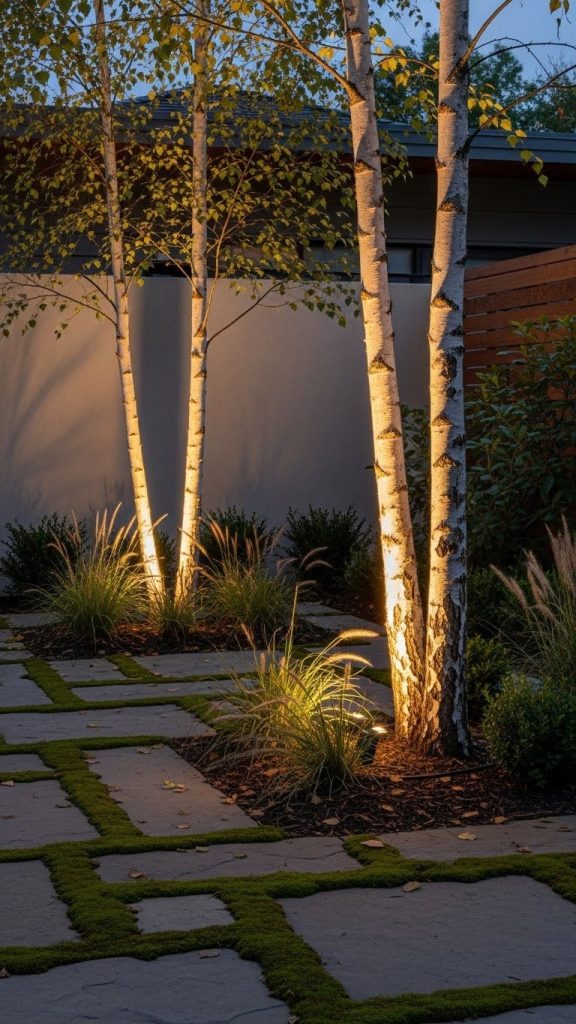
Birch bark practically glows under warm lighting. A few ground-level lights aimed upward can transform the garden at night.
The effect is cozy, subtle, and surprisingly upscale on a small budget.
Pros
- Highlights birch bark beautifully
- Extends garden use into evenings
- Safe, low-voltage options work well
Cons
- Lights need occasional cleaning
- Cables must be buried safely
Mini Takeaway
If you want nighttime magic, birch trees with soft lighting create it effortlessly.
14. Plant Birch Trees Near Garden Edges for Height Balance
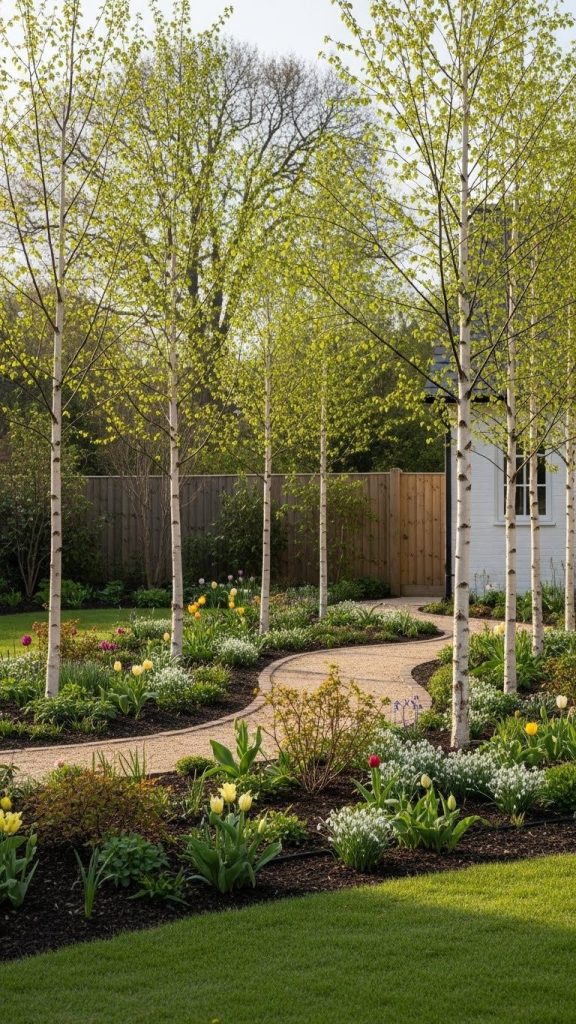
Birches offer vertical height without heavy shade, making them ideal for garden edges. They anchor the perimeter and create a smooth visual transition between garden and sky.
This complements cottage gardens, modern designs, and naturalistic spaces.
Pros
- Adds height without overwhelming plants
- Makes the whole garden feel cohesive
- Works well with shrubs and perennials
Cons
- Tall trees may need spaced placement
- Pruning required in early years
Mini Takeaway
Using birches along edges is one of the simplest ways to balance proportions.
15. Combine Birch Trees With Seasonal Bulbs
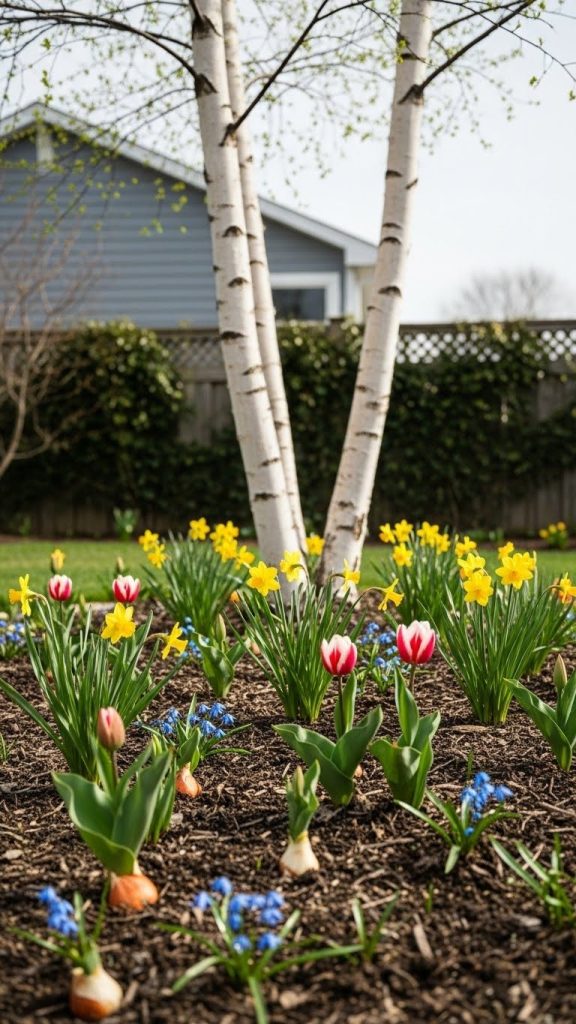
This pairing is incredibly rewarding. Spring bulbs like tulips, daffodils, scilla, or snowdrops bloom beautifully under birches before the trees fully leaf out.
It’s an easy way to get early color that returns year after year.
Pros
- Seasonal blooms without long-term effort
- Naturalizes well under birch trees
- Brightens the garden before summer leaves appear
Cons
- Bulbs need planting in autumn
- Some animals dig for bulbs
Mini Takeaway
Bulbs under birches create one of the prettiest spring moments with almost no maintenance.
Conclusion
Birch trees bring a kind of gentle elegance that works in almost any outdoor space. Whether you plant them in clusters, pair them with simple perennials, or use them to frame an entrance, these trees quietly elevate the garden without stealing attention from everything else you love.
What surprised me most when working with birch trees was how adaptable they are. They can make a small garden feel airy, a large garden feel structured, and an ordinary yard feel welcoming. And the best part? Most of the ideas above don’t require specialist skills or a huge budget—just thoughtful placement and consistent care while the trees establish themselves.
If one idea sparked something for you, try starting there. Gardens grow in layers, and birch trees make an incredible first—or next—chapter.

William Martin is a passionate bowler who spends most of his weekends playing the sport. With years of intense experience under his belt, William decided to share his knowledge by creating BOWLING OCEAN. Join me on this journey to explore the world of bowling and discover the tips and tricks to becoming a pro.