Garden Planting Ideas: 15 Inspiring & Practical Projects
So, you’ve decided it’s time to actually use that patch of dirt behind the house—or maybe finally give your balcony planters a purpose. Hey, I get it. I’ve been there: staring at empty pots, scrolling through Pinterest for garden planting ideas, and wondering where to start. The good news is, there’s no one “perfect” garden plan. You just need ideas you love, and a little enthusiasm.
Gardening lights me up because it gives me something tangible, creative, alive—plus those scientific benefits (yes, I checked) like better mood and more movement. Whether you’re aiming for bouquets, veggies, or just a chill green corner, I’ve rounded up 15 garden planting ideas you can really dig into. We’ll go beyond vague suggestions—I’ll walk you through what works, what doesn’t, and why. Grab a cup of tea, and let’s chat plants
1. Raised Bed Vegetable Garden
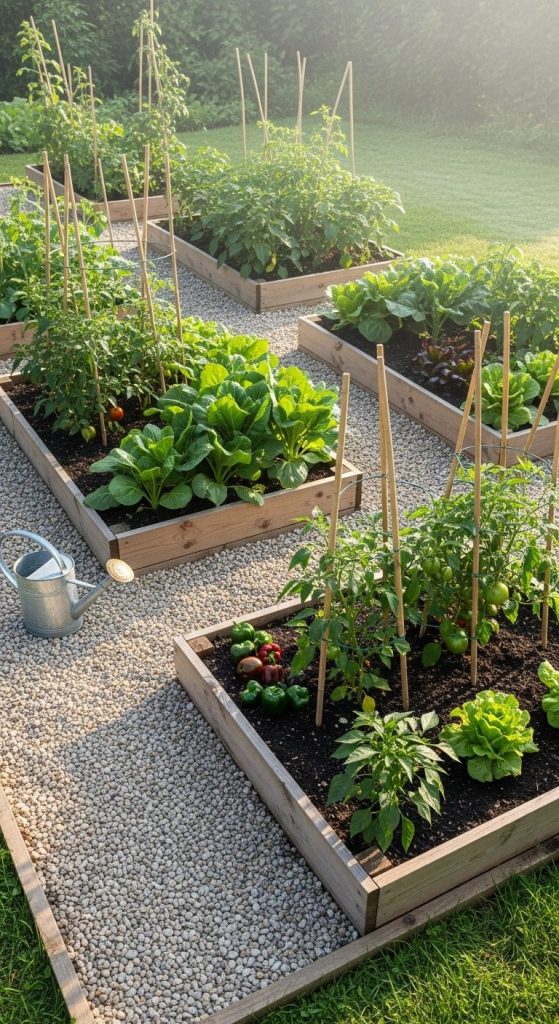
Let’s kick things off with one of the best “serious gardener” moves: setting up a raised bed veggie garden. Want crisp lettuce, juicy tomatoes or colorful peppers? Raised beds give roots room, control over soil, and a strong “this is mine” vibe.
Pros:
- Better drainage and soil control, meaning fewer root problems and more success. Studies show raised beds fight weeds and compacted soil.
- Easier access—you don’t need to kneel into the ground as much, which is big if your back sometimes objects.
- Defined space = simpler design coherence and easier planning.
Cons:
- Initial cost & work: Building beds and buying quality soil cost time and money.
- Maintenance still required: Beds look tidy, but you’ll still water, weed, and harvest.
Takeaway: If you’ve got the space and want an edible garden that looks good, a raised bed veggie garden is a strong first step.
2. Pollinator-Friendly Flower Border
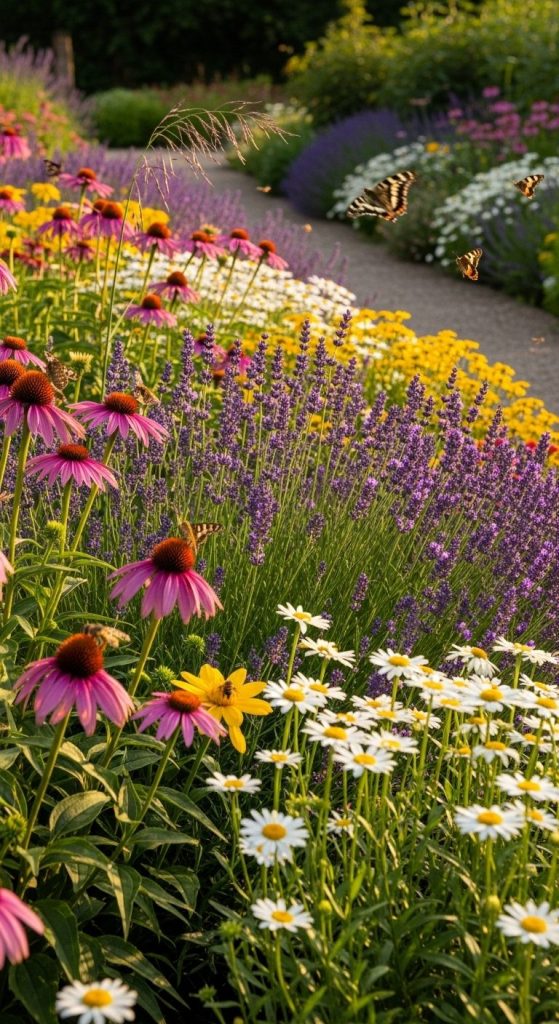
Ever noticed how a few buzzing bees and fluttering butterflies make a garden feel alive? That’s what a pollinator-friendly flower border is for—inviting nature in and sunshine out.
Pros:
- Wildlife attraction: You’ll see bees, butterflies, maybe even hummingbirds. That means more pollination and healthier plants.
- Visual drama: A mix of colors, heights and textures brings serious personality.
- Low maintenance possible, if you choose native blooms and set it up smart.
Cons:
- Seasonal upkeep: Some flowers fade fast or get leggy and need replacing.
- Might require dedicated space: It’s not just “throw a few plants in”—you’ll want good sun, and maybe grouping by bloom times.
Takeaway: Want a garden that feels like magic? Build a border with butterfly- and bee-friendly blooms for color and nature in one.
3. Shade Garden with Hostas & Ferns

Not all gardens have sun blasting every day. If your yard falls under the “cute shade zone” category, let’s celebrate that. A shade garden with hostas, ferns and other woodland-friendly plants turns what many consider a challenge into a lush retreat.
Pros:
- Creates a cool, restful space: Great for hiding away, reading a book or enjoying a quiet moment.
- Less watering sometimes: Shade means slower soil drying (though you still need to know your plants).
- Big foliage = big impact: Hostas alone can feel dramatic.
Cons:
- Limited flowering options: Many shade plants focus more on foliage than blossoms; if you want big bright blooms, you’ll need select species.
- Pest misses: Slugs and snails often love shady, moist places just as much as you do.
Takeaway: Don’t fight the shade—use it. A well-designed shade garden can feel like your own mini forest hideaway.
4. Container Herb Garden on a Patio or Balcony
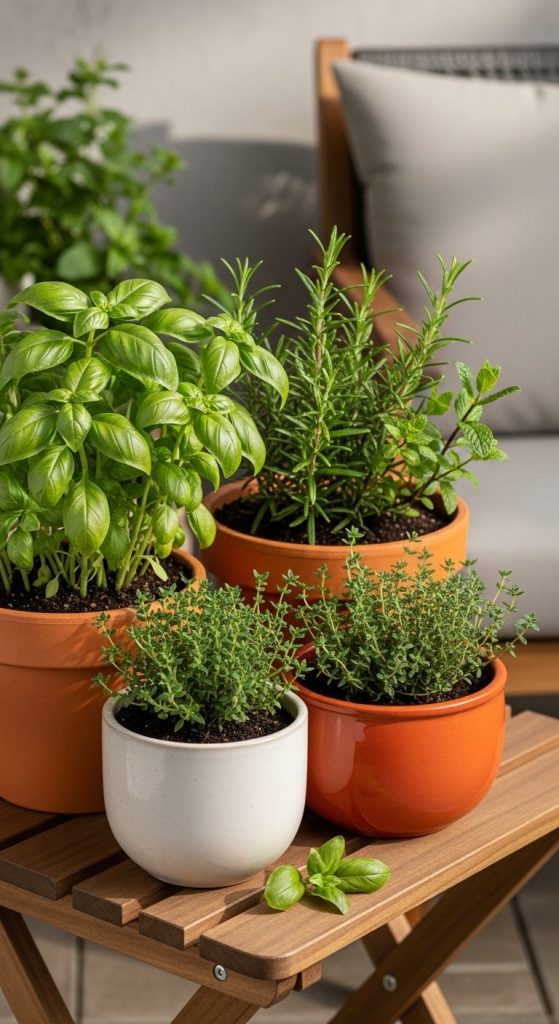
If you’re in an apartment or just love growing things close for cooking, a container herb garden is a perfect garden planting idea. Think basil, rosemary, mint—and maybe a sneaky cilantro if you’re brave.
Pros:
- Easy access: Right by your kitchen door, so you actually use the herbs.
- Flexible location: Moveable pots mean you can chase the sun or shade as needed.
- Great for small spaces: Perfect for patio, balcony or even a windowsill.
Cons:
- Watering frequency: Containers dry out faster than the ground, so you’ll need to monitor more often.
- Limited size: You won’t grow giant vegetable crops in a pot (unless you go massive).
Takeaway: Want herbs without full-on gardening? Grab a few attractive pots, some good herbs, and watch how adding fresh flavors changes your cooking.
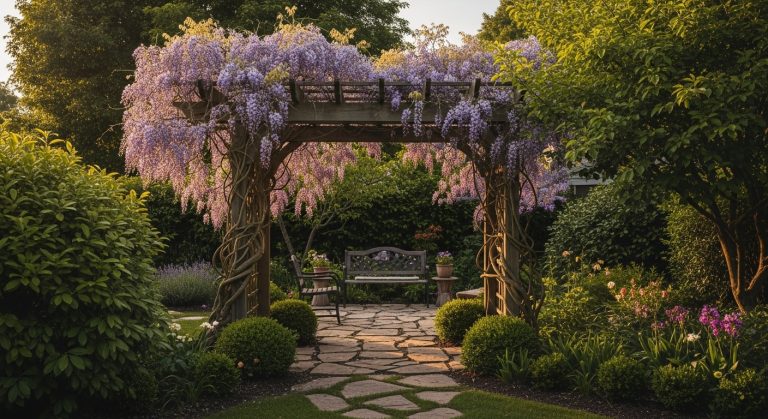
5. Cottage-Style Flower Garden

I’m a sucker for that “English countryside meets scrappy charm” vibe in a garden. A cottage-style flower garden with informal plantings, mixed annuals and perennials, winding paths and even a rambling rose can deliver serious charm.
Pros:
- Relaxed vibe: Tons of personality and less rigid structure.
- Colorful, layered planting: Using every layer (groundcover, mid-height, tall) makes for depth and interest.
- Flexible design: You can mix herbs, flowers, shrubs, whatever you like.
Cons:
- Risk of looking messy if you don’t plan a little.
- Seeded look demand: If you want it to feel authentic, you’ll commit to a bit of “wilder” growth and manage it.
Takeaway: For a garden that feels full of story and character, cottage style is a winning idea if you’re comfortable with a little “free growth.”
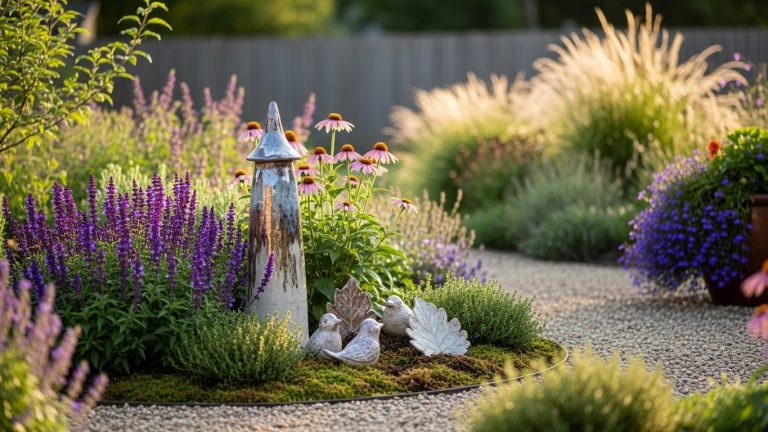
6. Xeriscape or Drought-Tolerant Garden

Okay, for folks in hot climates or places where watering every day feels like a chore, a xeriscape or drought-tolerant garden is a lifeline. Think succulents, gravel beds, native grasses, and minimal maintenance.
Pros:
- Lower water bills: Use less water; good for the planet and your wallet.
- Low care once established: These gardens can run on autopilot after initial set-up.
- Modern aesthetic: Clean lines, strong texture contrast, pretty “dry” beauty.
Cons:
- Less lush: If you love dense green foliage and lots of flowers, this might feel stark.
- Initial cost: Good gravel, quality soil mix, and hardy specimens can cost more upfront.
Takeaway: If you live somewhere dry—or just hate watering every day—go drought-tolerant and let the garden chill for you.
7. Pollinator Corridor or Butterfly Garden

Let’s zoom in to something focused: a pollinator corridor or garden specifically designed for butterflies and bees. Maybe you’ve seen those beautiful photos of orange monarchs fluttering through wildflowers? That could be your garden.
Pros:
- Wildlife support: You’ll be helping nature, not just yourself.
- Dynamic, changing visuals: Flowers for food, insects for movement—it’s alive.
- Educational: Great for kids or curious minds who want to learn planting and ecosystems.
Cons:
- Needs specific plants: To attract pollinators you’ll want thoughtful selection (native plants matter).
- Maintenance of habitat: You’ll still need to manage weeds, invasive plants, etc to keep the balance.
Takeaway: Want more than just color? Want butterflies and bees? Build an intentional pollinator garden and watch life show up.
8. Shade-to-Sun Transition Garden
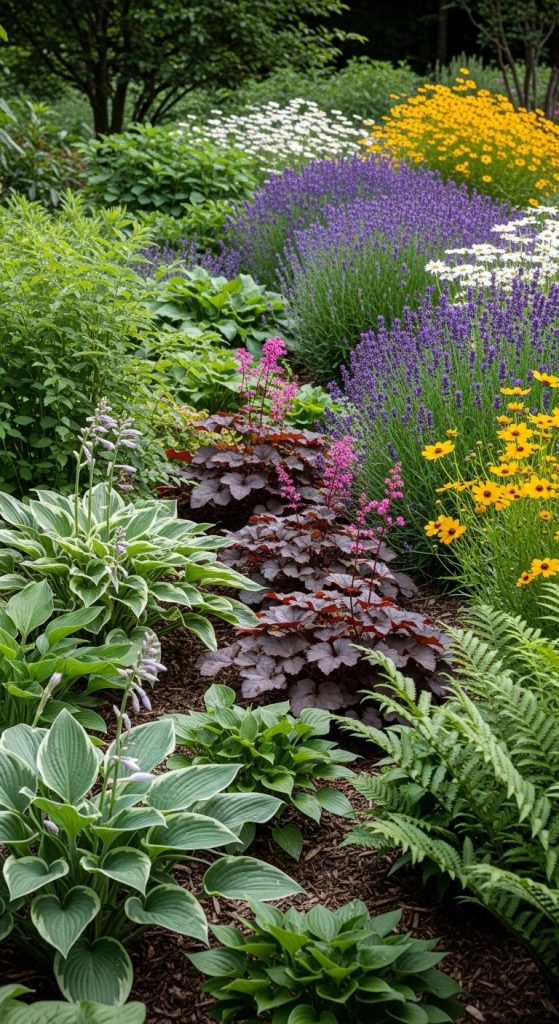
Here’s a twist: if your yard moves from shade to sun across the day, create a transition garden that flows from one to the other. It’s like a natural gradient from cozy shade to bright warmth.
Pros:
- Natural flow: It mirrors nature, which is calming and appealing.
- Diverse planting: You can mix shade plants AND sun plants, giving lots of variety.
- Visual interest: A subtle shift in texture, color and form as the sun moves.
Cons:
- More complex planning: You’ll need to observe your yard and group plants properly.
- Possibly harder maintenance: Because you’re managing different zones, you may need different schedules.
Takeaway: If your light conditions vary a lot through the day, a transition garden capitalises on that and turns it into a design feature.
9. Edible Flower Garden

Why restrict yourself to vegetables when flowers can be edible too? An edible flower garden packs color, fragrance, and utility. Think nasturtiums, pansies, borage—pretty and edible.
Pros:
- Double duty: Looks stunning and you can eat it.
- Conversation starter: Guests will ask “what’s that flower?” then realize “oh you can eat it.”
- Supports pollinators often too—win/win.
Cons:
- Shorter lifespan for some flowers: many annuals will need replanting.
- Possible taste issues: Some edible flowers are decorative, not flavourful.
Takeaway: Love flowers and food? Edible flower gardens are under-used but super fun and practical.
10. Vertical Garden for Small Spaces
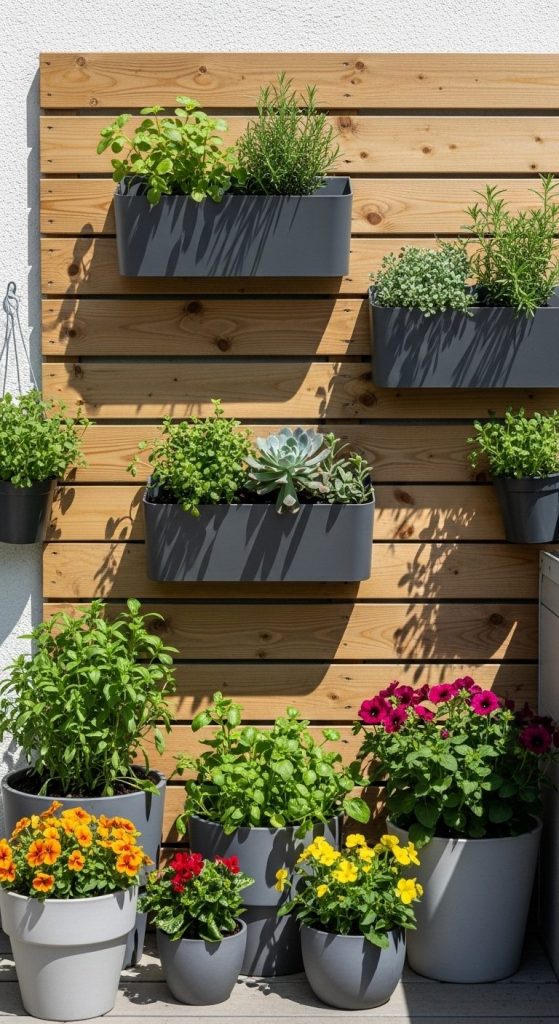
No big yard? No problem. If space is tight, let’s talk vertical gardens—walls, fences, tiered shelves, stuff going up instead of out.
Pros:
- Maximises limited space: Perfect for balconies or small yards.
- Creative design: You can get fun with wall systems, pallets, hanging pockets.
- Accessible: Easier to manage at a good height.
Cons:
- Watering and drainage are trickier: Plants high up can dry out fast.
- Structural considerations: You’ll need good support and consider weight, soil retention, etc.
Takeaway: Don’t let space restrictions stop you. A vertical garden packs plants big time into a small footprint.
11. Native Plant Garden
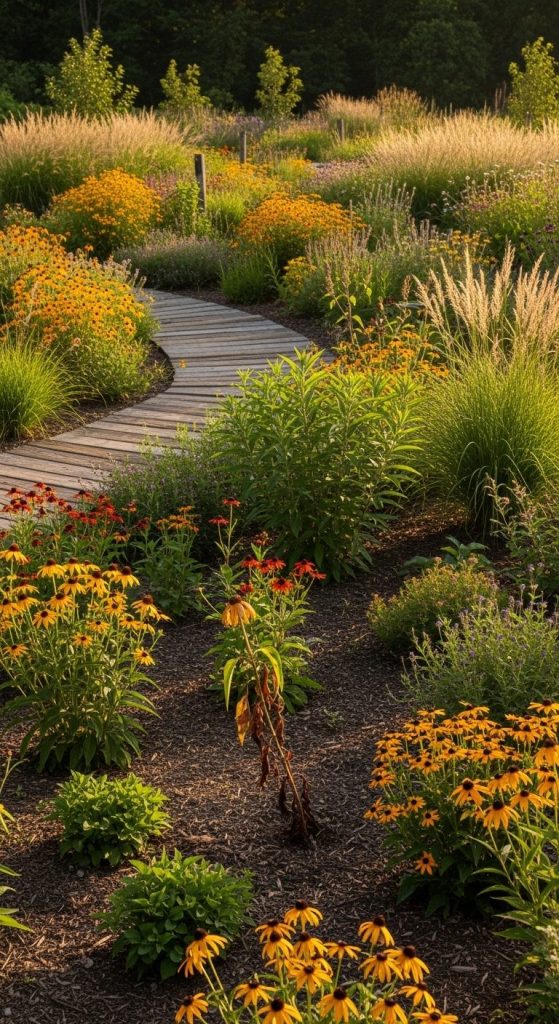
Sometimes the best move is to stop fighting nature and instead lean into it. A native plant garden uses species that naturally belong in your area—hardy, adapted, low-maintenance.
Pros:
- Hardy and resilient: Native plants often need less fuss.
- Supports ecosystem: Local wildlife loves them, and you’re building something sustainable.
- Less watering / fewer chemicals: Because they’re used to local soil and climate.
Cons:
- Less “exotic” look: If you love something lush from far away, native may feel simpler.
- Availability: Sometimes native plants are harder to buy or a little more expensive.
Takeaway: Want smart, sustainable planting? Use native species—they’ll reward you with resilience and beauty.
12. Rock or Alpine Garden

For something a bit different: an alpine or rock garden brings rugged beauty with rock features, succulents, gravel and hardy plants. Think mountain edge meets garden path.
Pros:
- Striking aesthetic: Texture meets stone meets minimalist plant palette = unique.
- Low maintenance once established: Many rock garden plants are pretty tough.
- Great drainage: Soil tends to be gravelly and won’t sit soggy.
Cons:
- Initial build effort: Moving rocks, creating good beds, layering soil takes labour.
- Not super lush: If you love thick green leaves everywhere, this will feel leaner.
Takeaway: Rock gardens offer bold, architectural beauty—and if you love structure as well as plants, go for it.
13. Succulent & Cactus Garden
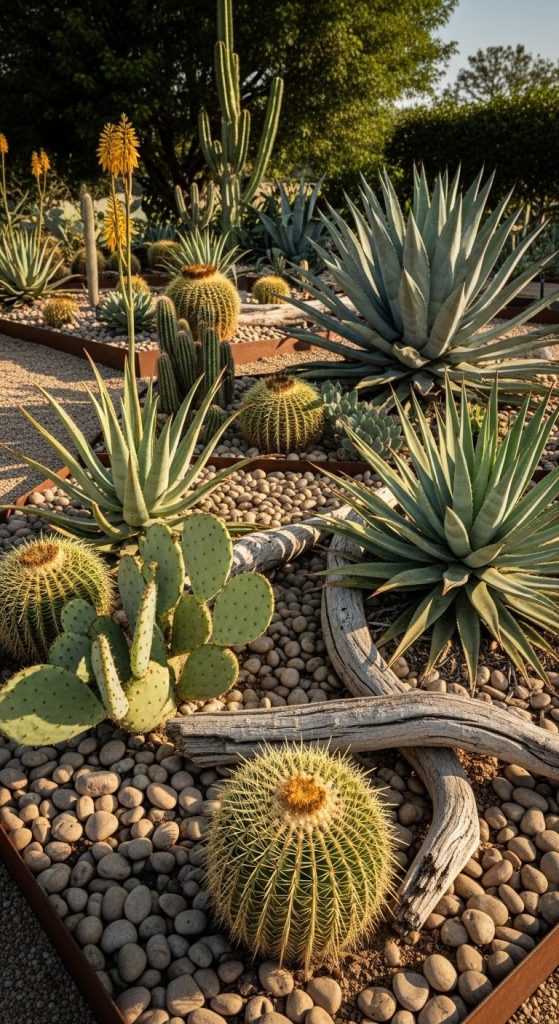
This one’s for anyone who thinks “plants that survive neglect” sound like a plan. A succulent and cactus garden thrives in bright sun, minimal water, and gives loads of personality.
Pros:
- Very low maintenance: Ideal for forgetful watering or busy lives.
- Visual impact: Big shapes, interesting leaves, minimal fuss = modern chic.
- Great for hot, dry climates: Perfect if sun’s unrelenting.
Cons:
- Limited variety in temperate climates: Some cacti/ succulents don’t love cold.
- Less “flowering explosion”: Many succulents are about form, not big blooms (though some do flower).
Takeaway: If you want a striking, minimal garden that basically looks cool on autopilot—succulent gardens deliver.
14. Seasonal Rotation Garden
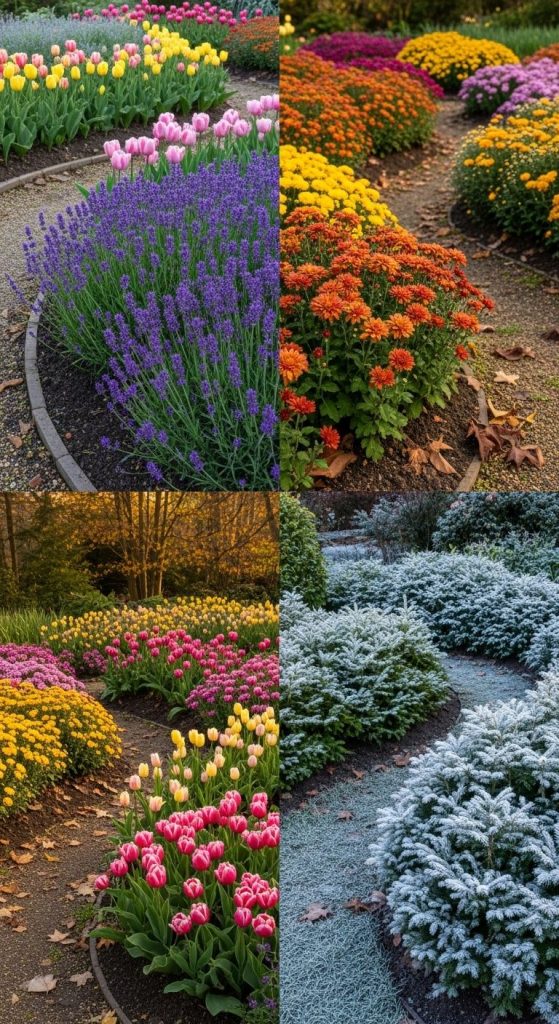
Want your garden to look good year-round? A seasonal rotation garden means planning plantings so there’s always something blooming or interesting in every season.
Pros:
- Visual continuity: You don’t get that “blank empty bed in winter” feeling.
- Learning opportunity: You’ll understand your planting zones, timing and cycles.
- Always fresh: Keeps your design lively.
Cons:
- Requires planning/commitment: Tracking seasons, swapping plants, layering takes attention.
- May cost more: If you buy new seasonal plants you’ll spend a bit.
Takeaway: If you love variety and ongoing change, plan your garden in seasons and keep it interesting.
15. Wildlife-Friendly Garden

Last up: design your space to invite wildlife—birds, frogs, insects, the whole ecosystem. A wildlife-friendly garden gives more than just looks—it gives life.
Pros:
- Biodiversity boost: You’ll attract creatures that help your garden sustain itself.
- Nature connection: There’s something deeply satisfying about life visiting your space.
- Less chemical use: If you set up habitats, you rely less on sprays and treatments.
Cons:
- Messier aesthetic: Wildlife gardens can look a little wild (intentional, but less tidy).
- Some accept risk: Critters might dig, peek at your produce, or use unexpected corners.
Takeaway: If you want a garden with heart (and wings, and maybe a buzzing friend or two), build it for wildlife.
Conclusion
Those were 15 garden planting ideas, each with their vibe, their challenge, and their charm. Choose one (or a few!) that spark your excitement, not just because they look great, but because they feel like you.
For me, the joy was watching a tiny seedling stretch and blossom—it reminded me that creating a garden is like telling a story. And you’re the gardener‐narrator.
So go ahead: pick your plants, dive into the soil, get messy. The best garden is the one you feel proud of—not perfect.
Happy planting!

William Martin is a passionate bowler who spends most of his weekends playing the sport. With years of intense experience under his belt, William decided to share his knowledge by creating BOWLING OCEAN. Join me on this journey to explore the world of bowling and discover the tips and tricks to becoming a pro.