Garden Play Area Ideas: 15 Beautiful & Practical Designs
Every now and then, you see a backyard makeover online and think, “Okay, this would have changed my childhood.” That’s exactly how a garden play area feels—simple, charming, and packed with those tiny details that make kids instantly light up. It’s the kind of space that turns regular afternoons into mini adventures without needing a full backyard remodel or anything expensive.
What I love most is how these spaces fit real life. Kids get their little corner to dig, climb, pretend, create, and burn off energy, while adults still keep a yard that feels peaceful and visually beautiful. And honestly, watching kids enjoy a thoughtfully created outdoor corner always feels a bit like watching nostalgia unfold in real time.
Over the past few years, outdoor play setups have become a go-to home upgrade. According to a home survey by Porch, more than 70% of families updated their outdoor living areas in the last three years, and play zones were one of the most popular additions. It’s easy to see why—these spaces are joyful, affordable, and surprisingly straightforward to set up.
Below are 15 real, practical, adorable garden play area ideas that families actually use. Every idea is doable, cozy, aesthetic, and designed for real backyards of all sizes.
1. A Wooden Sandbox With Built-In Bench Lids
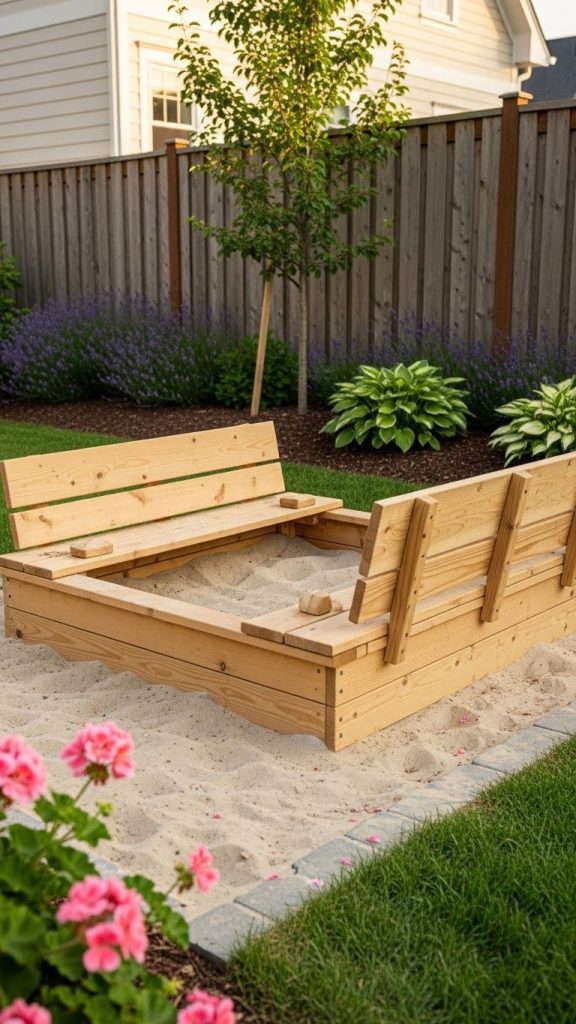
There’s something timeless about a sandbox. Parents love it, kids love it, and it automatically becomes the “let’s play outside” starter zone. Today’s versions look far nicer than the bright plastic boxes we grew up with, especially the wooden ones that blend naturally into a garden.
A sandbox with bench lids works double-duty. Kids get a comfy seat while playing, and when they’re done, you simply close the lid to keep everything clean. It looks neat, feels intentional, and doesn’t take over the entire lawn.
Pros
• Adds an instant play zone in a small space
• Doubles as seating for kids
• Keeps sand clean when covered
• Wooden design blends with garden aesthetics
Cons
• You’ll replace sand every few months
• Needs a level surface to install
Takeaway
If you want a quick win that kids use for hours, a lidded sandbox gives you maximum fun with minimum effort.
2. A Shaded Teepee Reading Nook
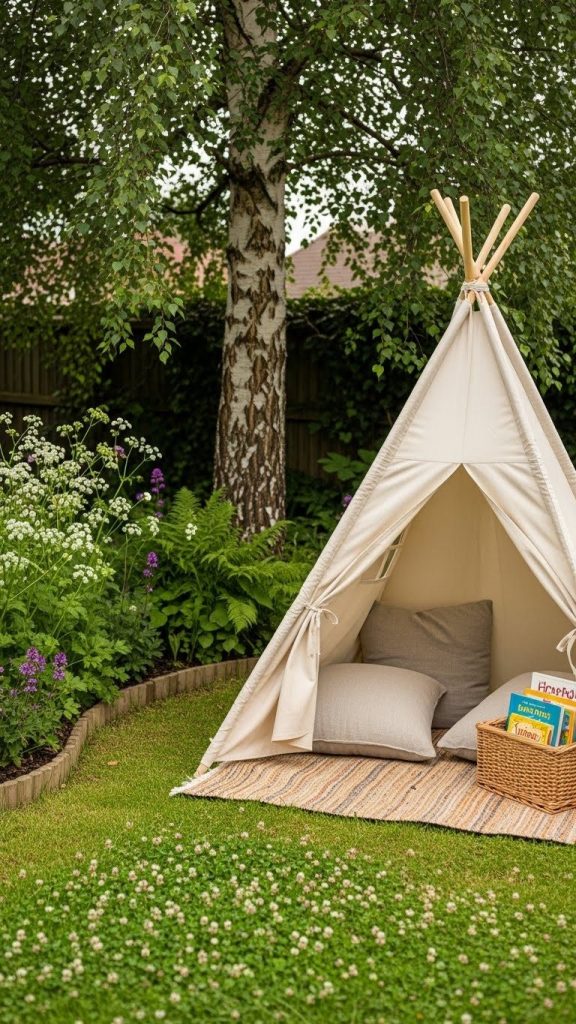
There’s something adorable about seeing a child curl up with picture books in a small outdoor tent. A fabric or canvas teepee instantly creates a cozy oasis, especially when placed under a tree or corner of the yard. Add a soft outdoor rug, a few cushions, and a basket of books, and the entire setup turns into a mini hideaway.
This one works beautifully for quiet kids who prefer imaginative play over high-energy activities. It’s also a lifesaver for hot days when you need shade without building anything major.
Pros
• Encourages calm, screen-free time
• Super portable—move it wherever shade appears
• Looks gorgeous in family photos
• Easy to set up and take down
Cons
• Fabric fades over time
• Needs to be stored during rain
Takeaway
A reading teepee makes the garden feel magical, and it takes under 10 minutes to set up. Honestly, adults usually want one too.
3. A Rustic Mud Kitchen With Real Utensils

If kids could design their dream outdoor activity, a mud kitchen would win instantly. A simple wooden table, some hooks, a few old pots, and a bit of soil turn into endless pretend play. Kids “cook,” mix soups, collect leaves, and experiment with textures—basically all the things they’re not allowed to do inside.
These kitchens can be simple or detailed. Even a salvaged pallet bench works, especially when paired with metal bowls and real measuring cups.
Pros
• Promotes sensory play and imagination
• Extremely budget-friendly
• Helps keep messy experiments outside
• Great for siblings or playdates
Cons
• Requires a nearby water source
• It can get messy (but in a fun way)
Takeaway
If you choose only one interactive feature for a garden play area, a mud kitchen might be the hero of your backyard.
4. A Mini Climbing Wall on a Fence Panel

Climbing walls don’t need to be huge or intimidating. A simple wooden board with climbing holds mounted onto a fence creates a surprisingly fun vertical activity area. It keeps the footprint small while giving kids a mini challenge.
More homeowners have been adding vertical play elements due to limited yard space. According to Fixr’s outdoor renovation report, small-footprint play features have grown significantly in popularity, especially for urban homes.
Pros
• Perfect for narrow spaces
• Customizable height for different ages
• Encourages balance and strength
• Looks neat and modern
Cons
• Requires sturdy installation
• Kids need supervision when young
Takeaway
A vertical climbing panel turns an unused fence section into a super fun play moment without overwhelming the yard.
5. A Natural Log Balancing Path
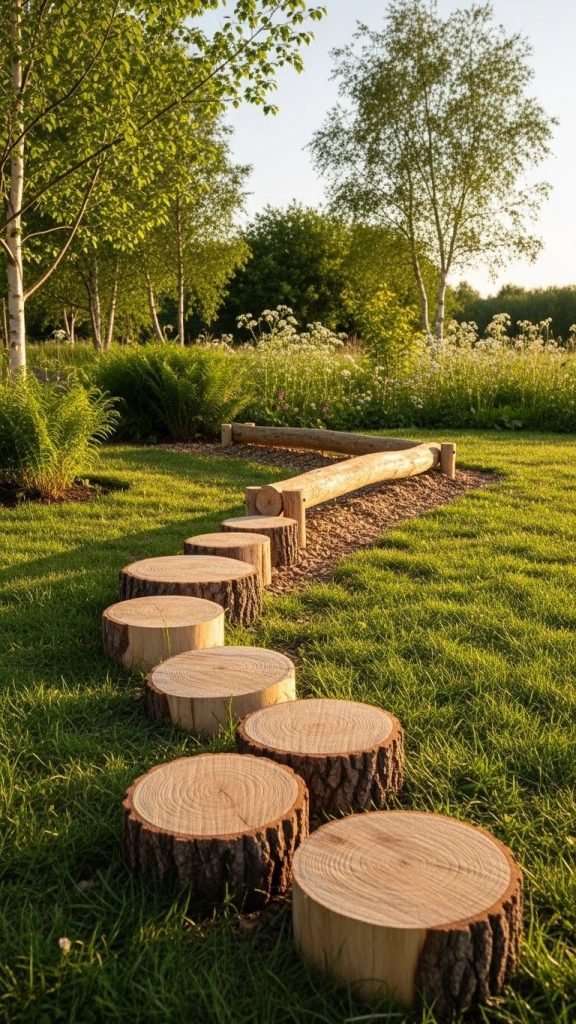
Kids love anything that challenges their balance, and a log path does this in the most natural, garden-friendly way. You can use cut log slices, short stumps, or long branches laid horizontally. The look is earthy, adorable, and blends right into a landscaped yard.
It’s essentially an obstacle course without looking like one.
Pros
• Beautiful natural look
• Zero plastic
• Great for motor skills
• Cheap if you source fallen logs
Cons
• Logs need sanding to prevent splinters
• Not ideal during very wet weather
Takeaway
If you want an eco-friendly addition that feels like woodland play, a log path fits effortlessly into any lawn.
6. A Small Playhouse With Flower Boxes
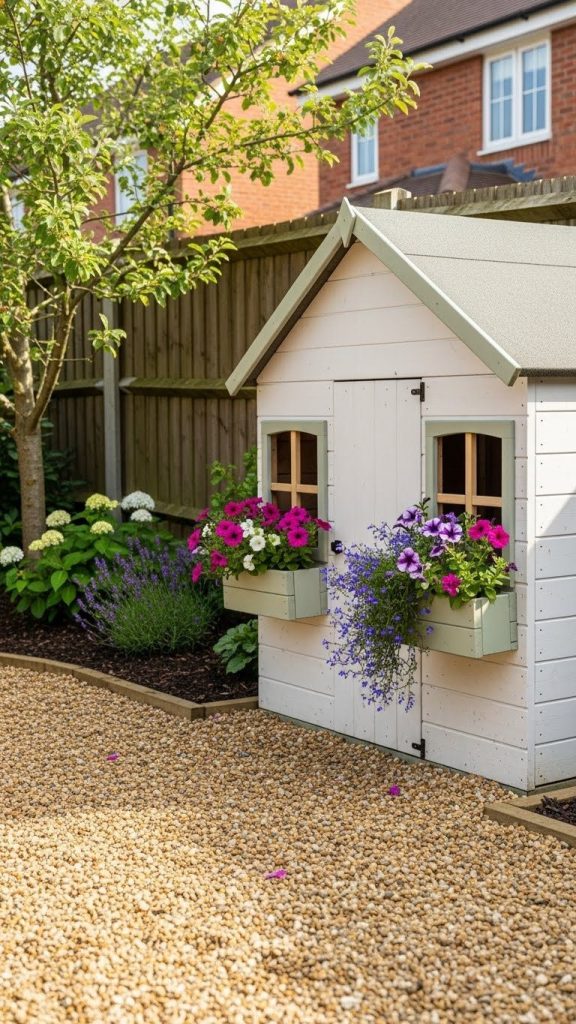
A tiny playhouse with a mini porch, open windows, and flower boxes makes the entire yard feel instantly charming. Kids use it as a shop, a kitchen, a reading loft, or a pretend home. You don’t need a huge structure—many small prefabricated houses work beautifully.
Add real flowers in the boxes, and the whole thing becomes more decorative than bulky.
Pros
• Encourages imaginative play
• Visually adorable
• Works year-round
Cons
• Higher upfront cost
• Needs occasional repainting
Takeaway
A playhouse becomes the heart of a garden play area—kids never get bored of it.
7. A Rope Swing Hanging From a Sturdy Tree
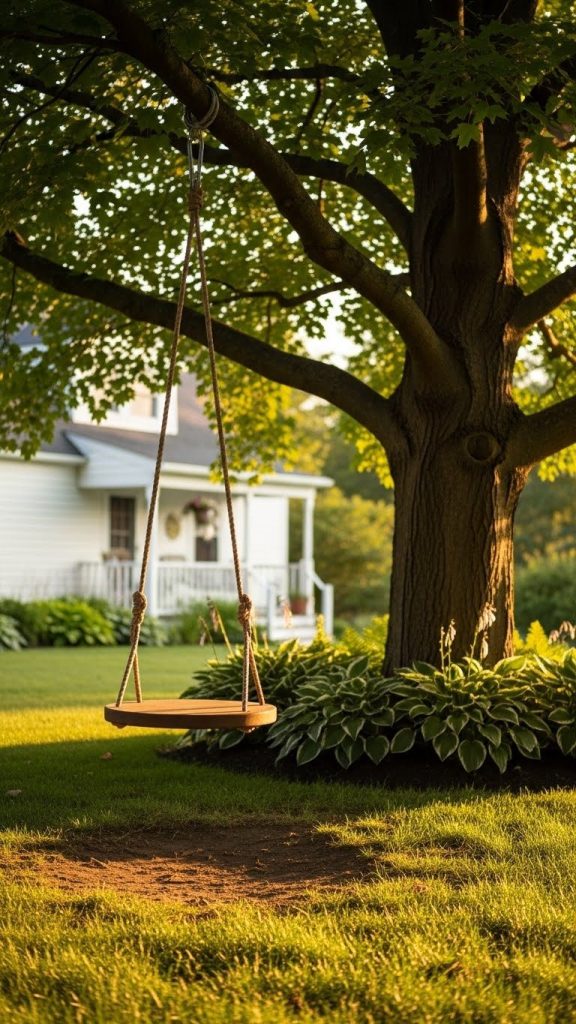
There’s something wonderfully nostalgic about a simple rope swing. Whether you choose a wooden disc seat or a classic plank, kids never get tired of it. If you don’t have a strong tree, a wooden swing frame works too.
This doesn’t require much space, which makes it a dream for compact yards.
Pros
• Low-cost, high-impact fun
• Works for toddlers and older kids
• Doesn’t clutter the yard visually
Cons
• Requires checking rope strength regularly
• Needs clear space around it
Takeaway
A rope swing delivers that childhood magic feeling instantly, and installation takes less than an afternoon.
8. A Mini Garden Tool Station for Kids
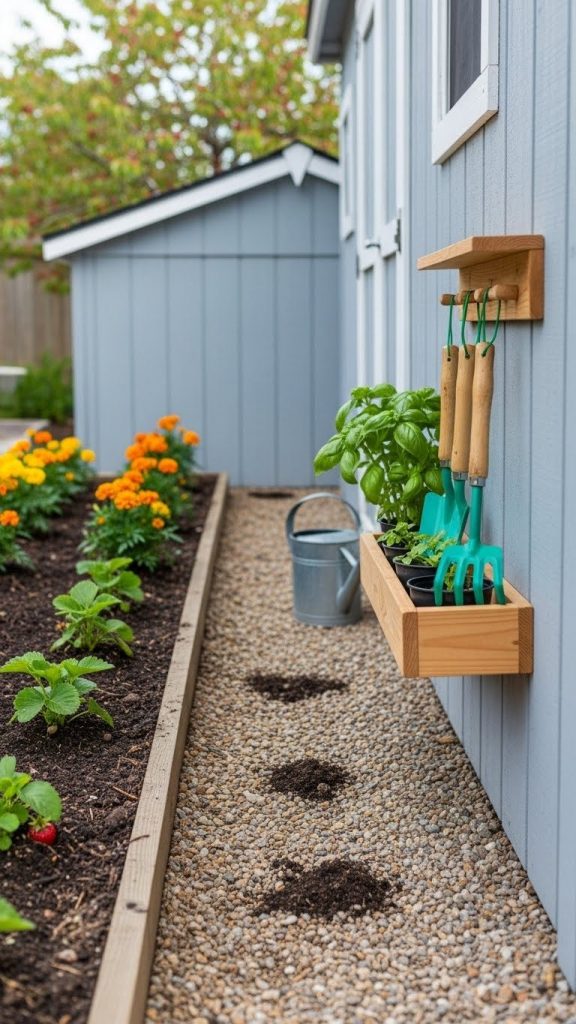
Kids love copying adults. A tiny tool corner with a child-safe rake, shovel, watering can, and glove set lets them “help” with yard tasks. Add a small shelf or crate for storage, and the whole thing looks tidy and purposeful.
Many child psychologists say that outdoor chores build independence and confidence—so this one secretly helps development too.
Pros
• Encourages responsibility
• Teaches kids about nature
• Keeps tools organized
Cons
• Tools may need replacements as kids grow
• Requires supervision for very young ones
Takeaway
If your child loves following you around outdoors, this tiny station makes them feel like your gardening partner.
9. A Chalkboard Wall for Outdoor Art
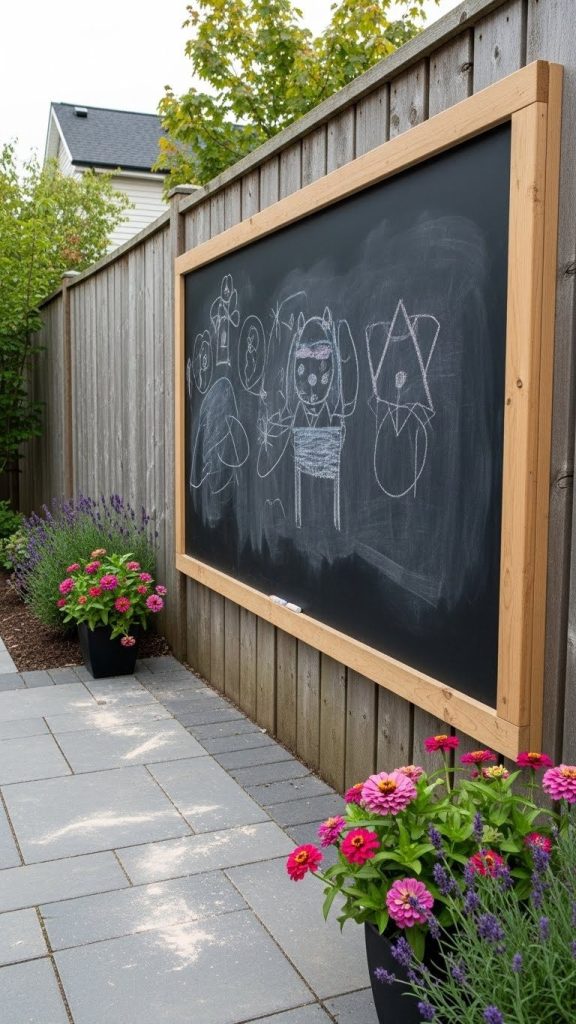
A weatherproof chalkboard mounted on a shed or fence becomes a creative hub. Kids draw, practice letters, play pretend school, or make hopscotch squares. It wipes clean in seconds, which is every parent’s dream.
This idea works beautifully even in tight backyards.
Pros
• Creative outlet without paper mess
• Easy to clean
• Makes unused wall space functional
Cons
• Chalk dust can scatter
• Board may need repainting annually
Takeaway
If you want an art-friendly idea that stays neat, an outdoor chalkboard is unbeatable.
10. A Gravel Digging Pit With Toy Trucks
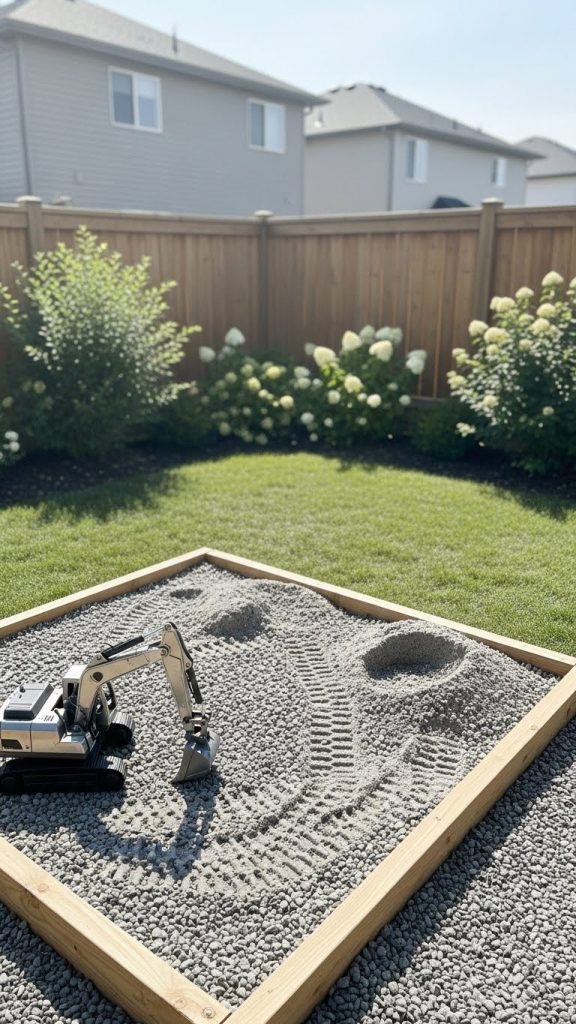
This is basically a construction site theme in miniature. A gravel pit with a border frame becomes the perfect zone for toy excavators, dump trucks, and scoops. Kids dig, build roads, and create tiny landscapes.
It’s a low-maintenance alternative to sand and works incredibly well for active kids.
Pros
• Less mess compared to sand
• Long-lasting surface
• Great sensory activity
Cons
• Gravel isn’t suitable for toddlers
• Harder to clean if debris falls in
Takeaway
If your child is obsessed with trucks, this play area will become their favorite place on earth.
11. A Water Play Table Under a Shade Sail
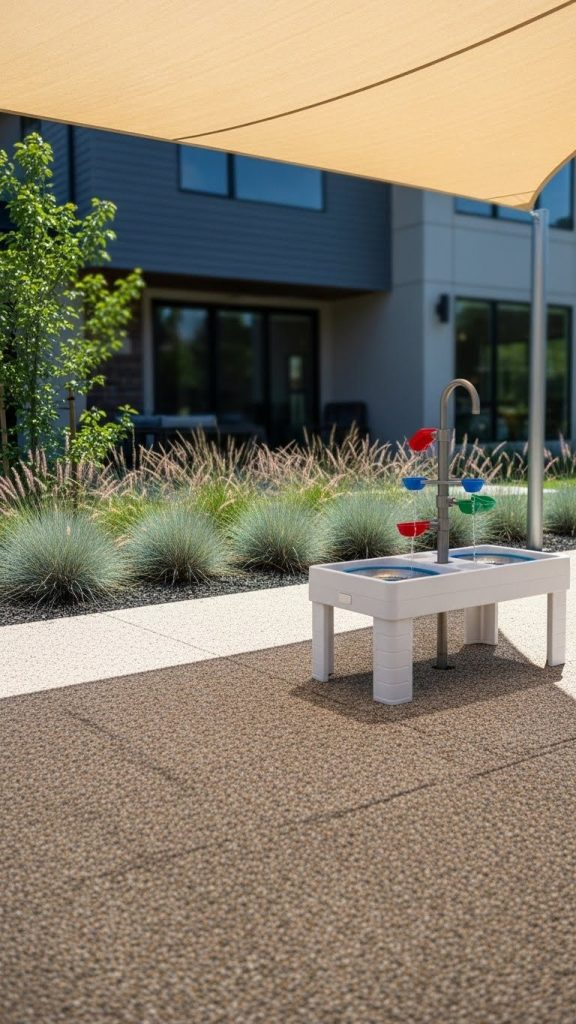
Water tables turn warm days into hours of entertainment. You can DIY one using buckets and basins or buy a simple plastic version. Adding a shade sail above keeps kids cool and protects their skin.
Kids pour, scoop, float toys, and experiment with water flow—basically the most satisfying summer activity.
Pros
• Perfect for hot climates
• Easy for multiple kids to play
• Boosts sensory learning
Cons
• Needs draining after use
• Requires supervision for younger kids
Takeaway
A water table + shade combo is the ultimate outdoor boredom cure, especially in summer.
12. A Cozy Hammock Corner With Soft Ground Cover
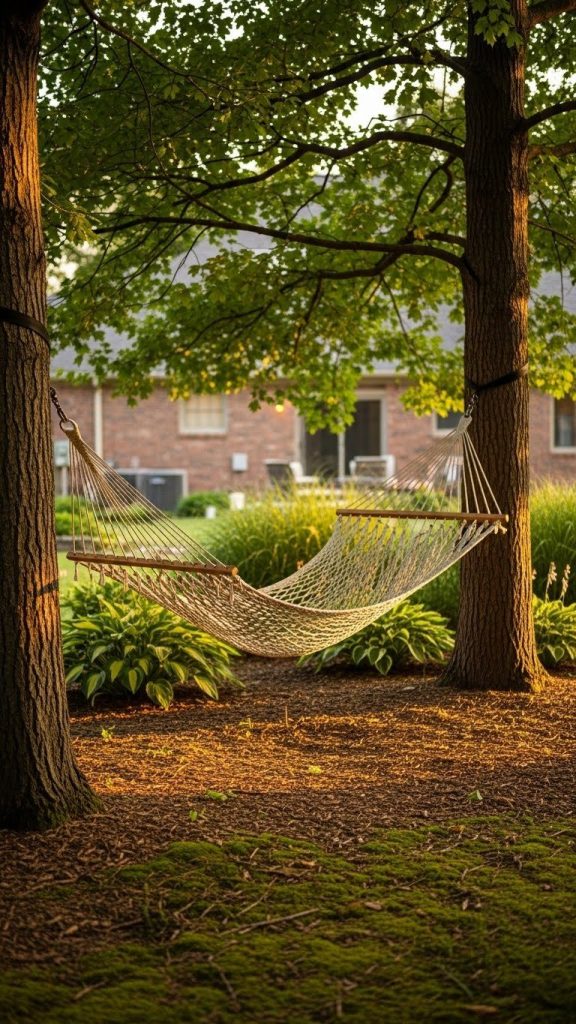
A hammock for kids transforms the garden into a relaxing retreat. Choose a low-hanging style for safety and place it over grass, soft bark, or outdoor foam tiles. It becomes a swing, a reading seat, and a cozy lounging spot.
Adults usually end up borrowing it too.
Pros
• Relaxing, calm play alternative
• Low visual clutter
• Easy to install
Cons
• Requires two sturdy anchor points
• Fabric needs washing occasionally
Takeaway
A hammock adds a dreamy touch to a garden play area while still being incredibly practical.
13. A Mini Bike or Scooter Track Using Pavers
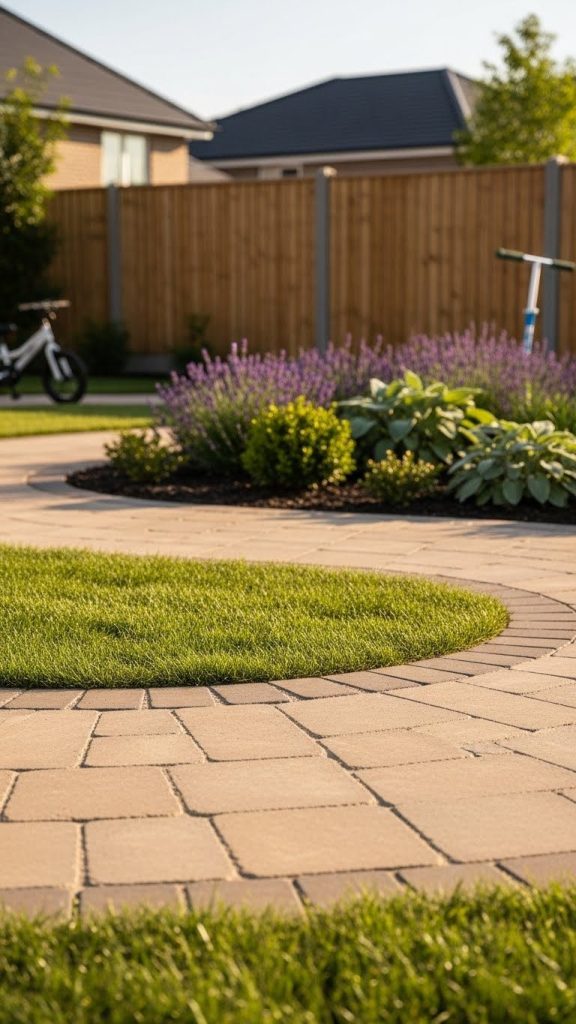
Kids love loops. Creating a simple pathway using pavers, stepping stones, or compact gravel gives them a dedicated lane to ride small bikes and scooters safely. Even a narrow track works surprisingly well.
This helps keep wheels off the lawn and prevents muddy ruts.
Pros
• Excellent for active kids
• Saves your lawn from damage
• Perfect for small yards
Cons
• Requires level ground
• Installation takes some labor
Takeaway
A little track turns any yard into a tiny adventure course—and kids don’t outgrow it quickly.
14. A DIY Outdoor Stage for Mini Performers
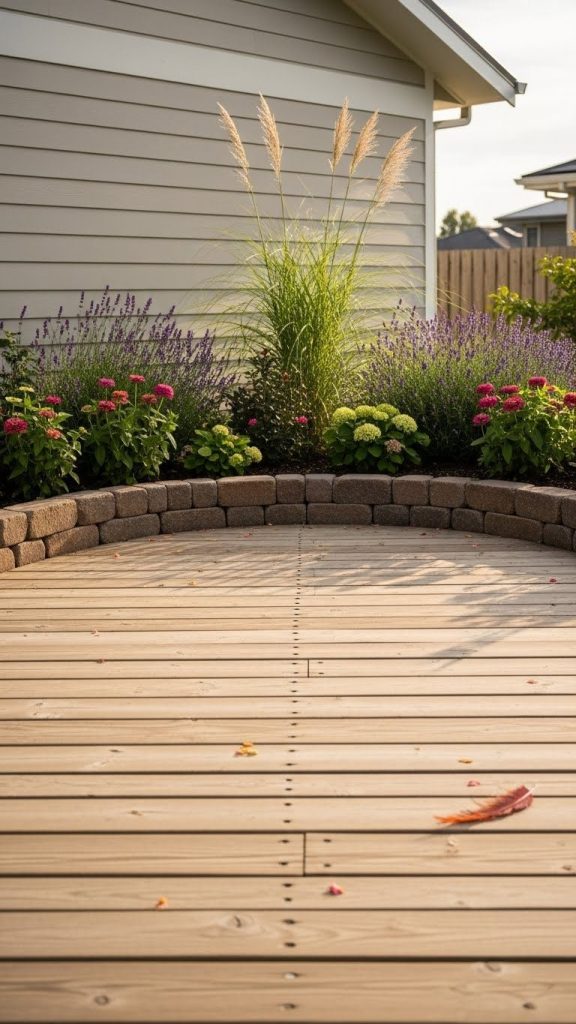
A simple wooden platform—just a few feet wide—becomes a stage for dancing, singing, puppet shows, or pretend ceremonies. Kids love performing when they have a designated spot.
Add a crate of costumes, and the whole garden play area becomes a little theater.
Pros
• Encourages creativity and confidence
• Works even in very small yards
• Easy to build with leftover decking
Cons
• Wood needs sealing
• Performance noise may travel (fair warning)
Takeaway
If your child has a dramatic streak, this tiny stage becomes their favorite daily outlet.
15. A Sensory Garden Patch Kids Help Maintain
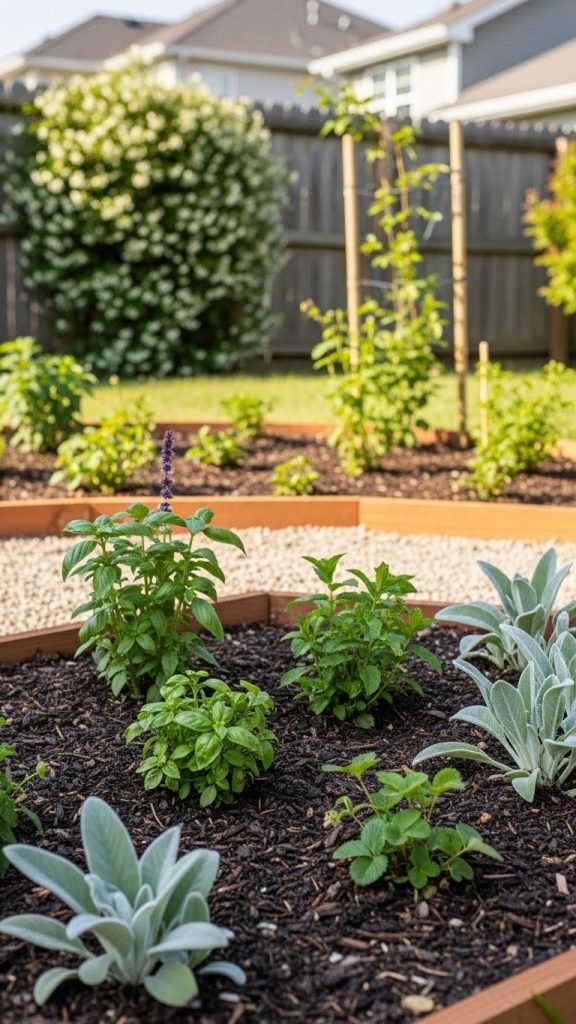
Kids love touching, smelling, and gently picking safe plants. A sensory garden filled with soft lamb’s ear, fragrant mint, strawberries, basil, and easy-to-grow flowers becomes both educational and fun.
Children water it, harvest herbs, and learn how plants grow—without it feeling like a chore.
Pros
• Teaches gardening skills
• Beautiful addition to the yard
• Low-cost and natural
Cons
• Requires regular watering
• Kids may pick too much at once
Takeaway
A sensory patch blends play and nature so naturally that it becomes a peaceful part of the garden play area.
CONCLUSION
What I love most about designing a garden play area is how personal it becomes. Every child has different preferences—some want to climb, some want to dig, and some want a quiet corner to read. The best part? You don’t need a massive yard or a huge budget to build something magical. Small corners, simple structures, and thoughtful details can completely transform the way kids use the outdoors.
If you choose even one of these ideas, you’ll notice how quickly your outdoor space starts feeling warmer and more alive. And honestly, watching kids enjoy a little play haven you created never gets old. Start with the idea that excites you most, keep it simple, and let the space grow naturally over time. Sometimes the smallest play corners end up being the heart of the whole backyard.

William Martin is a passionate bowler who spends most of his weekends playing the sport. With years of intense experience under his belt, William decided to share his knowledge by creating BOWLING OCEAN. Join me on this journey to explore the world of bowling and discover the tips and tricks to becoming a pro.