15 Enchanting Garden Witch Ideas for Cozy Outdoor Spaces
Sometimes you stumble across a corner of someone’s backyard and think, “Wow, I want that vibe in my garden.” That’s exactly how I first got hooked on garden witch ideas. There’s something about blending greenery, herbs, and little magical touches that just makes a backyard feel alive, inviting, and totally personal. It’s not about casting spells (unless you count keeping pests away naturally), but about creating a space that feels intentional, cozy, and a little whimsical. Over the years, I’ve tried a few simple ways to bring this aesthetic to life, and honestly, the little tweaks make the biggest difference. Whether it’s a sunny herb patch, a quiet meditation nook, or even just some thoughtful container arrangements, these ideas are completely doable and surprisingly grounding.
Here are 15 approachable, real-world garden witch ideas that actually make your backyard feel enchanting while staying realistic.
1. Herb Spiral Garden
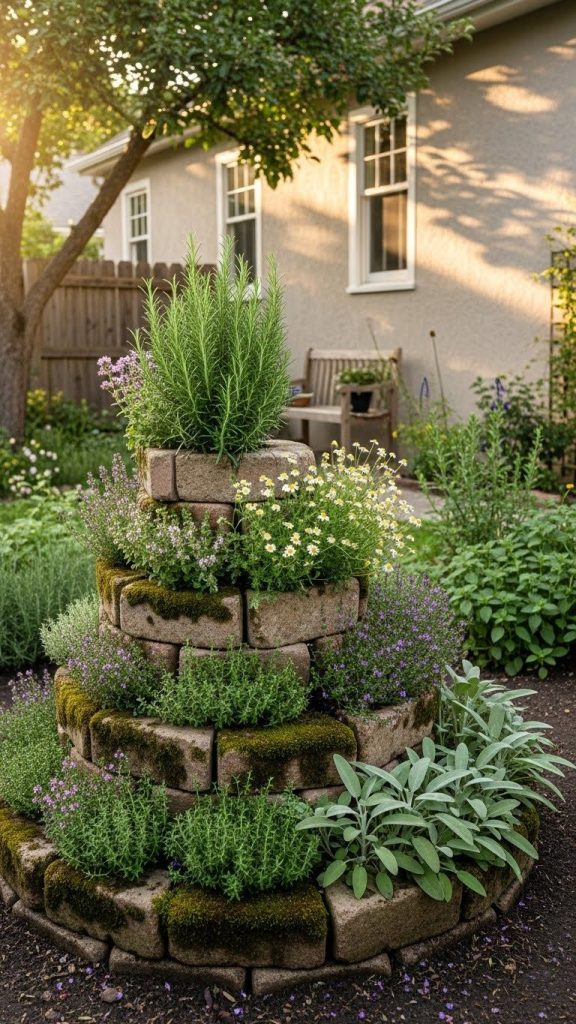
Starting small can make the biggest difference. An herb spiral is both a practical and visually appealing addition. By arranging herbs like rosemary, thyme, and sage in a spiraling, raised structure, you create a mini ecosystem that looks intentional yet organic. I tried this last spring, and the spiral not only saved space but also gave me easy access to fresh herbs for cooking.
Pros:
- Maximizes space in a small garden
- Provides varied microclimates for different herbs
- Easy to harvest and maintain
Cons:
- Requires initial construction with stone or brick
- Needs occasional pruning to prevent overcrowding
Mini takeaway: A spiral herb garden is a functional focal point that doubles as a conversation starter for your backyard.
2. Moon Garden Planting
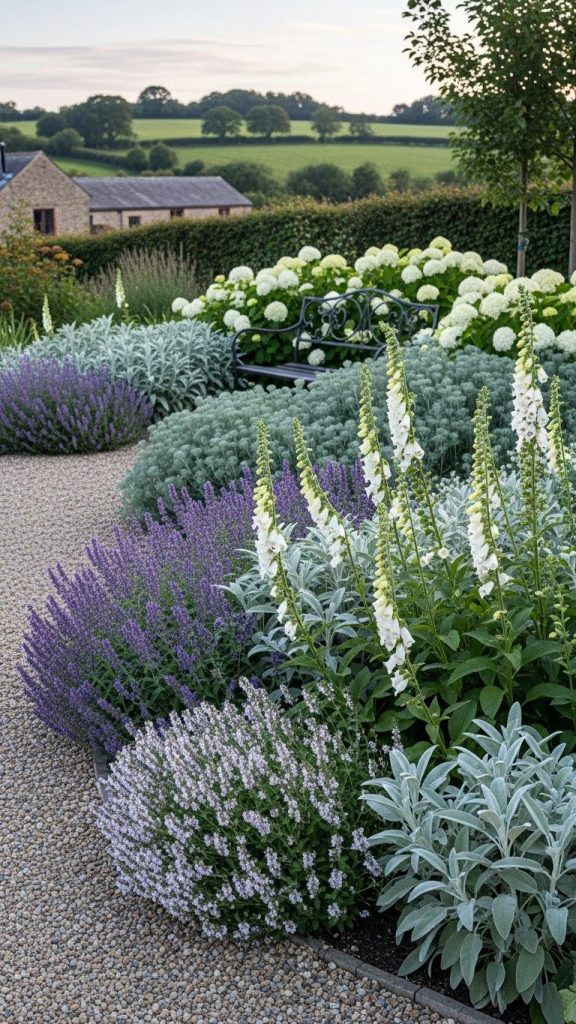
Planting a moon garden focuses on silvery foliage and white blooms that reflect evening light. Think white catmint, silver-leaved sage, and white foxgloves. I’ve always loved how the garden feels completely different after sunset.
Pros:
- Creates a magical nighttime atmosphere
- Attracts pollinators like moths and bees in the evening
- Soft, reflective colors can brighten shady spots
Cons:
- Requires careful planning for bloom times
- Some plants can be temperamental in hot climates
Mini takeaway: Moon gardens make evening strolls feel enchanting, without any extra lighting.
3. DIY Magical Garden Markers
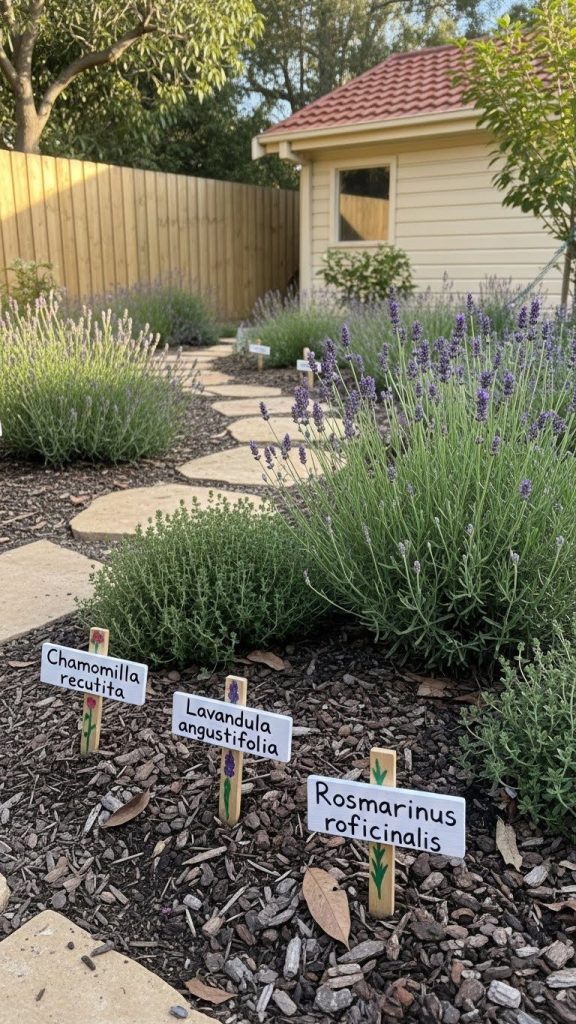
Adding hand-painted or etched markers to your herbs and flowers makes the garden feel personal and intentional. Last year, I painted small wooden stakes for lavender, rosemary, and chamomile, giving my garden a charming, organized look.
Pros:
- Helps with plant identification
- Adds a whimsical, personal touch
- Inexpensive and easy to update
Cons:
- Needs occasional repainting
- Can weather in rain or sun
Mini takeaway: Personalized markers are a small touch that instantly elevates the aesthetic and usability of your garden.
4. Miniature Witchy Pathways
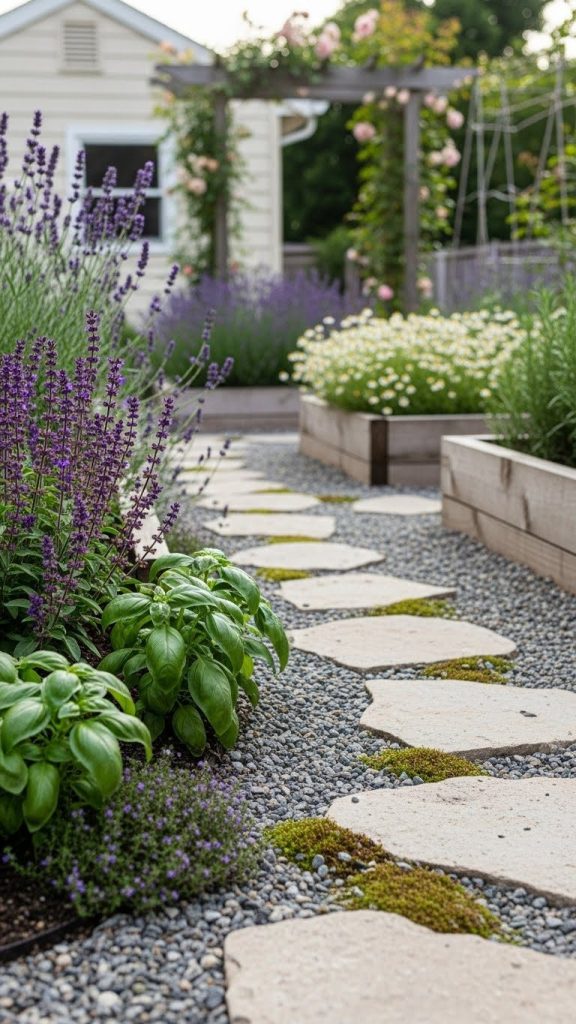
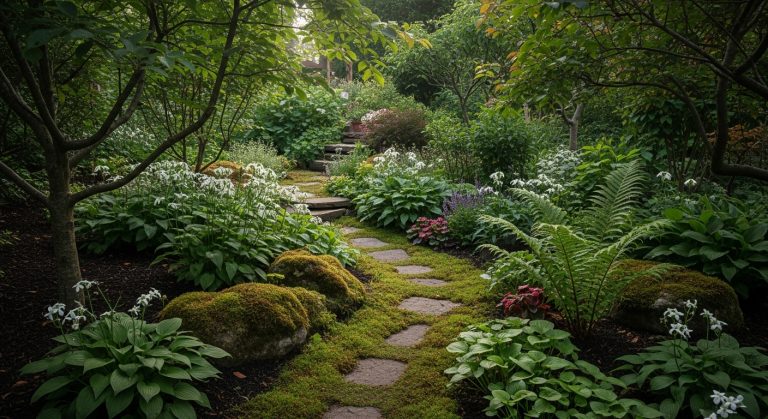
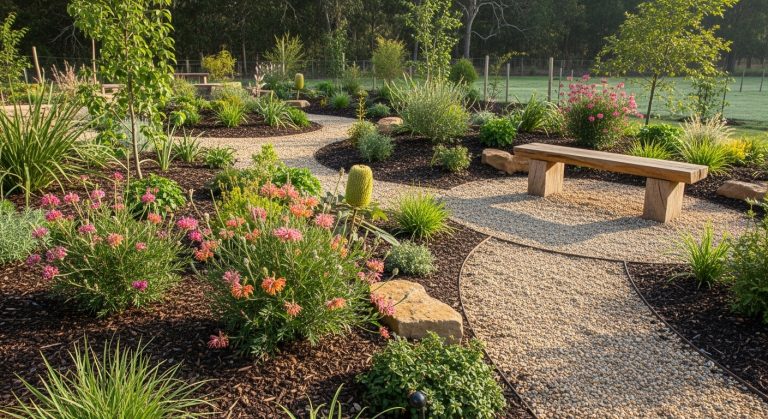
Creating tiny stone or gravel pathways in your garden adds structure and curiosity. I laid a meandering path through my herb patch with small flagstones and moss between them—it immediately made the space feel more like a magical retreat.
Pros:
- Guides movement naturally through the garden
- Adds visual interest and texture
- Can define zones without fences
Cons:
- Requires some effort to lay stones evenly
- Weeds can sprout between stones
Mini takeaway: A simple pathway turns ordinary soil into a journey, making the garden feel intentionally mystical.
Fact: According to a Royal Horticultural Society study, structured paths can increase garden usability by 30%, encouraging daily interaction with plants.
5. Hanging Herb Bundles
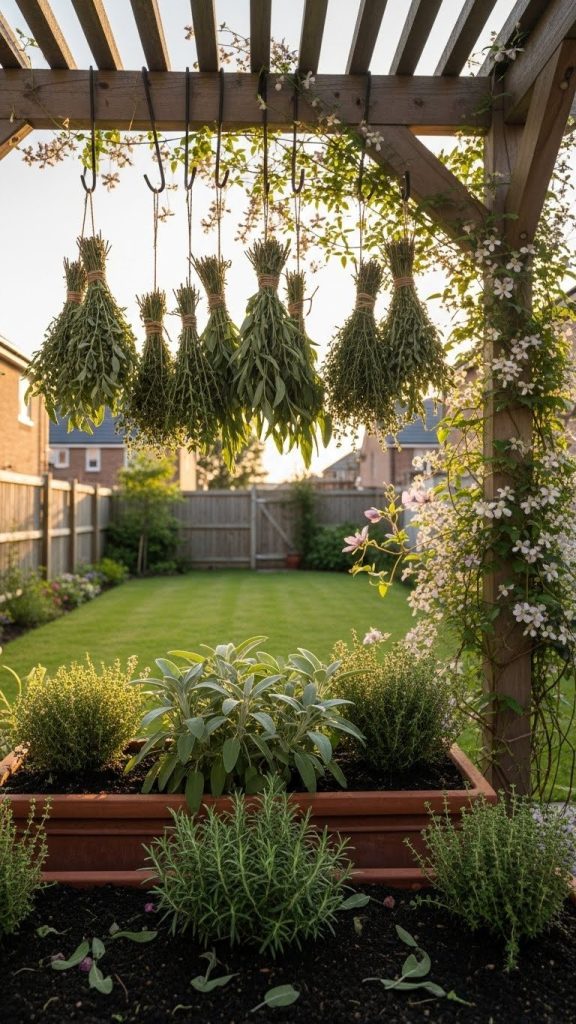
Drying herbs in your garden or on a porch is not only practical but also visually charming. I tied small bundles of sage, thyme, and rosemary to hooks under my pergola. The scent while walking by is unbeatable.
Pros:
- Provides herbs for cooking or teas
- Adds rustic, aromatic decor
- Easy to DIY with minimal materials
Cons:
- Needs protection from heavy rain
- Bundles eventually shrink and need refreshing
Mini takeaway: Hanging bundles give your garden and kitchen a seamless aromatic connection.
6. Magical Sitting Nook
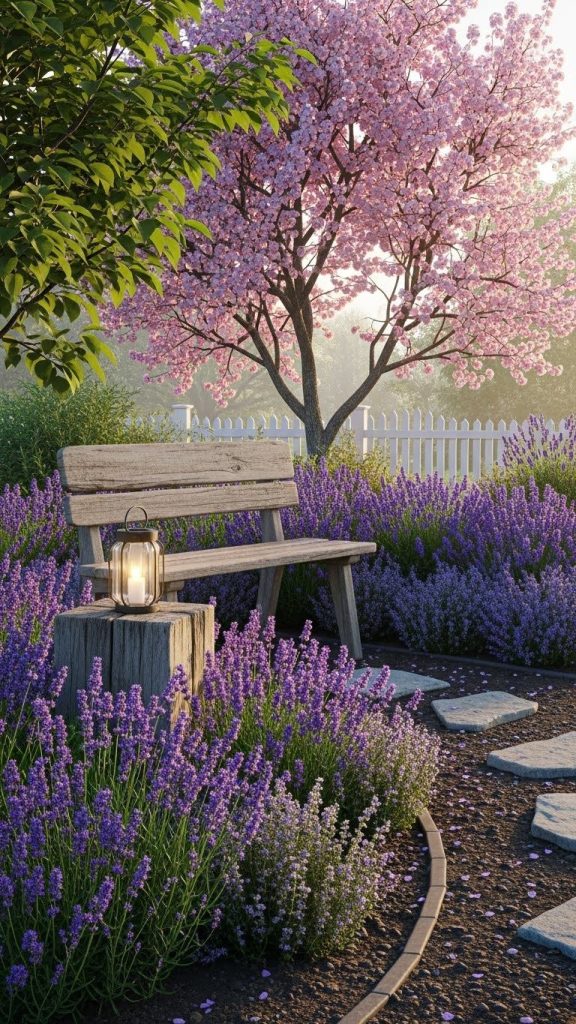
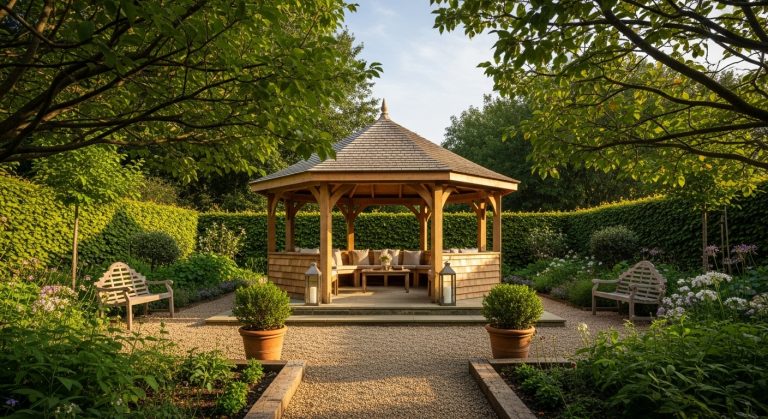
Even a small bench tucked between lavender and catmint can transform a corner into a reflective, garden-witchy spot. I added a rustic wooden bench and some small solar lanterns—instant cozy retreat.
Pros:
- Encourages relaxation and mindfulness
- Works in small or large spaces
- Adds functional aesthetic appeal
Cons:
- Limited use if shaded too much
- Outdoor cushions require maintenance
Mini takeaway: A nook is an effortless way to make the garden feel intentional and meditative.
7. Apothecary Jars for Garden Finds
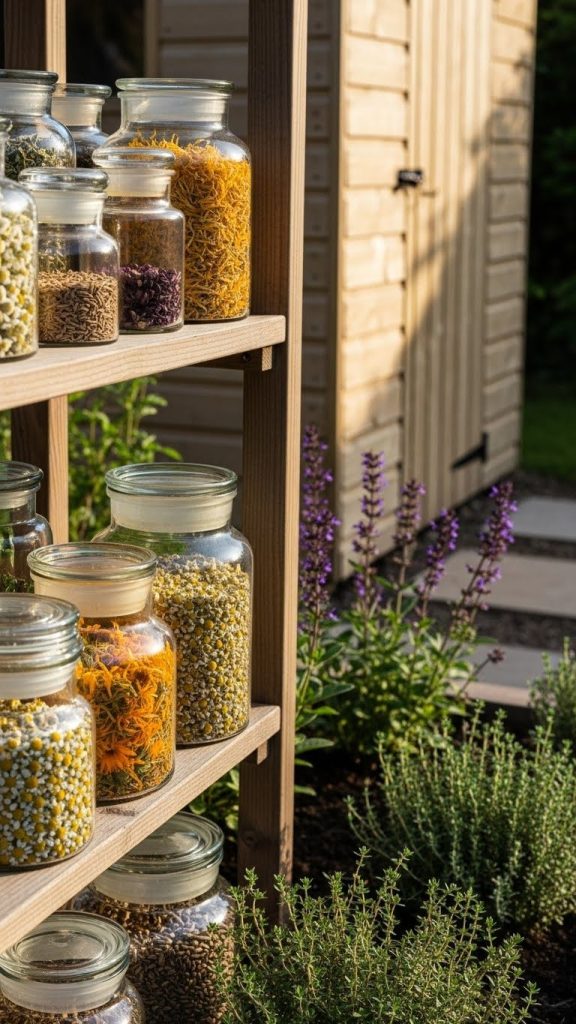
Collect small flowers, seeds, and dried herbs in glass jars on shelves near your garden shed. I started doing this with chamomile and calendula—it’s both practical and visually enchanting.
Pros:
- Organizes herbs and seeds beautifully
- Can display seasonal garden changes
- Encourages curiosity and learning
Cons:
- Glass jars need careful handling outdoors
- Sunlight can fade some plant colors
Mini takeaway: A small apothecary display turns practical storage into a whimsical focal point.
8. Stone Circles and Fairy Circles
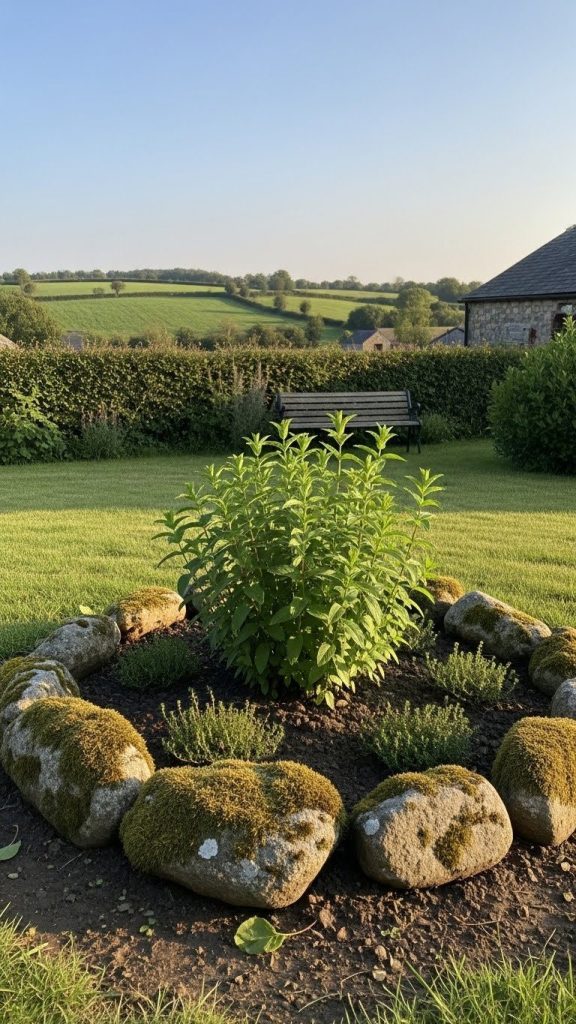
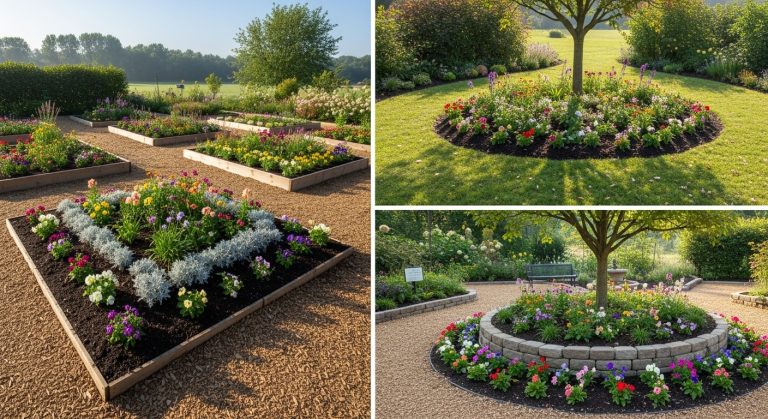
Adding natural stone circles around herbs or flower beds defines space in an organic, magical way. I laid simple granite stones around a patch of mint—it immediately gave the area a “sacred” vibe without being over the top.
Pros:
- Defines planting zones naturally
- Adds texture and subtle structure
- Requires no construction skills
Cons:
- Stones can shift over time
- Heavy stones may need extra effort to move
Mini takeaway: Stone circles are an earthy, practical way to give the garden a mystical feel.
9. Seasonal Planting With Intent
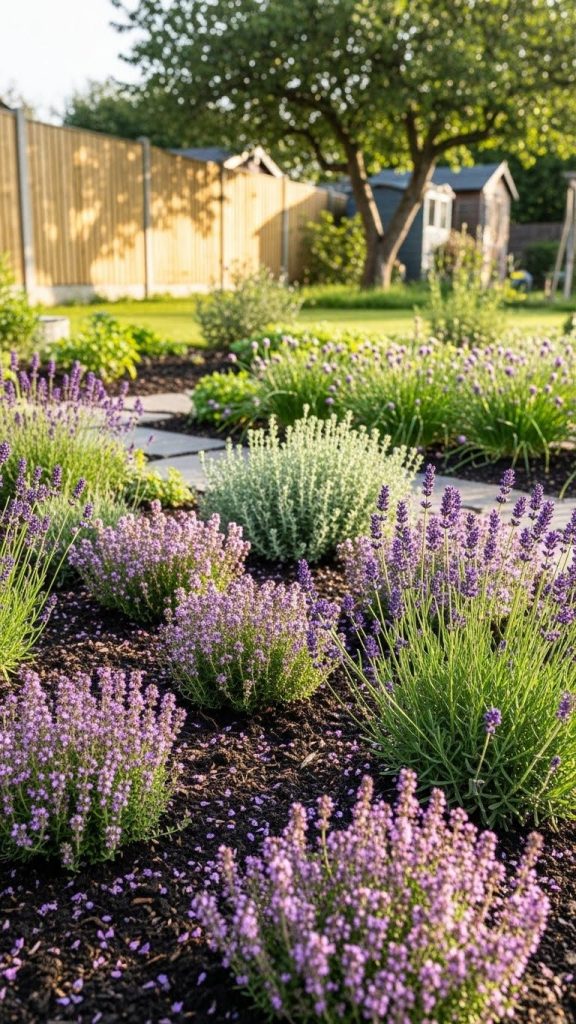
Rotating herbs and blooms according to seasonality brings life and intention to the garden. I plant rosemary and lavender in summer, then swap in winter savory and chives for winter color and utility.
Pros:
- Keeps the garden vibrant year-round
- Supports seasonal wildlife
- Encourages mindful gardening habits
Cons:
- Requires planning and timing
- Some plants may not survive extreme conditions
Mini takeaway: Seasonal rotation is a simple, realistic way to maintain magical energy in the garden all year.
10. Vertical Herb Walls
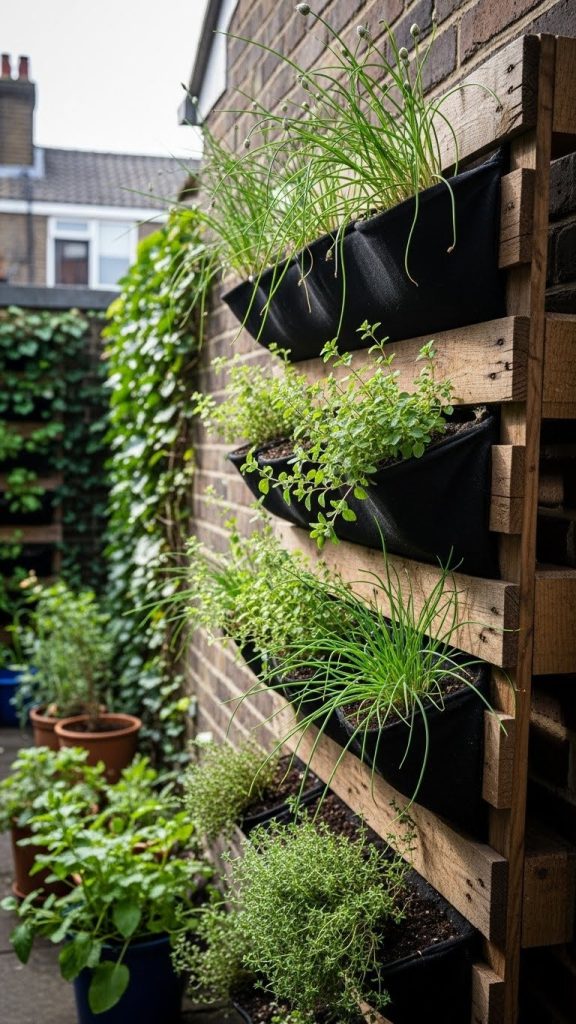
If you’re short on space, a vertical herb wall adds height and function. I mounted wooden pallets with pockets of soil and planted thyme, oregano, and chives—it’s visually striking and practical.
Pros:
- Maximizes small spaces
- Easy to harvest
- Creates an instant focal point
Cons:
- Needs sturdy support and daily watering
- Sun exposure must be consistent
Mini takeaway: Vertical walls combine practicality with whimsical design, perfect for patios or small yards.
11. Birdbaths and Natural Water Features
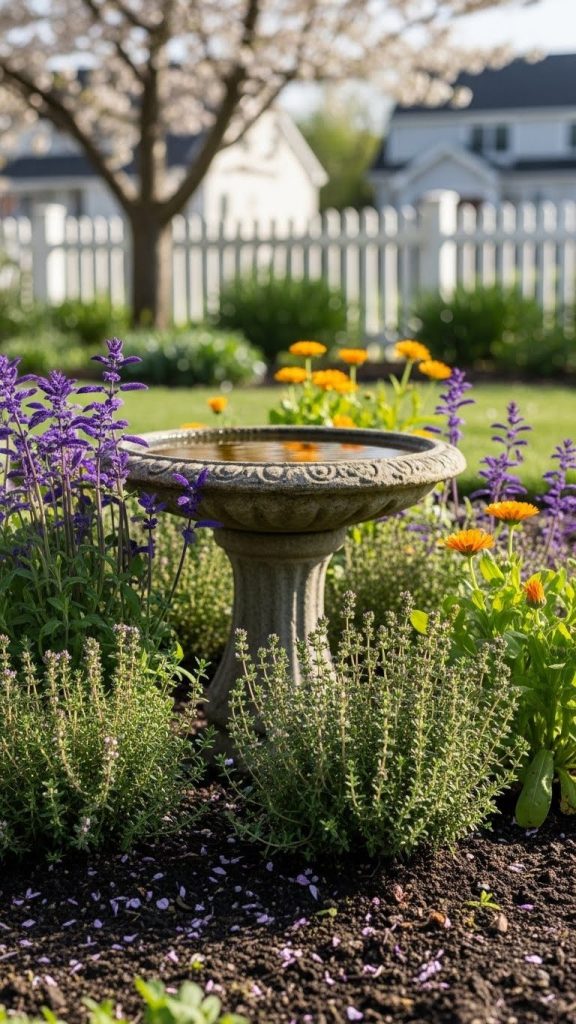
Even a small birdbath surrounded by herbs and flowers attracts wildlife and gives the garden a peaceful ambiance. My ceramic birdbath sits near a thyme patch—morning visits from sparrows are surprisingly soothing.
Pros:
- Attracts birds and beneficial insects
- Adds reflective visual interest
- Creates a tranquil focal point
Cons:
- Needs regular cleaning
- Can attract mosquitoes if stagnant
Mini takeaway: Water features bring life, movement, and a touch of magic to the garden.
12. Rustic Wooden Trellises
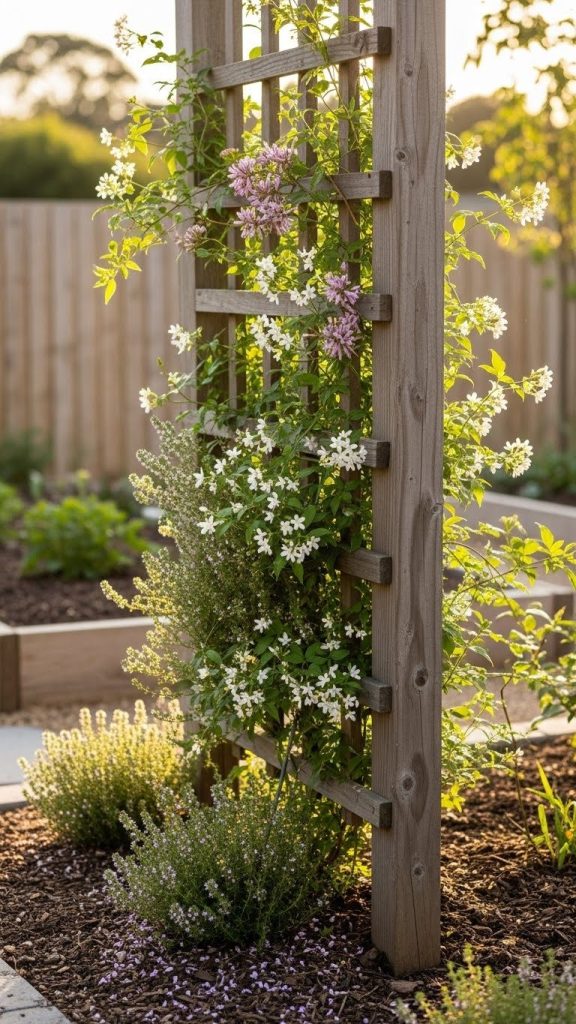
Supporting climbing herbs or flowers like jasmine, honeysuckle, or morning glories adds verticality and charm. I added a small wooden trellis to train my climbing thyme—it feels cozy without overwhelming the space.
Pros:
- Adds height and dimension
- Supports healthy plant growth
- Enhances visual appeal and structure
Cons:
- Requires sturdy installation
- Wood may weather over time
Mini takeaway: Trellises are both functional and enchanting, creating layered interest naturally.
13. Candle Lantern Corners
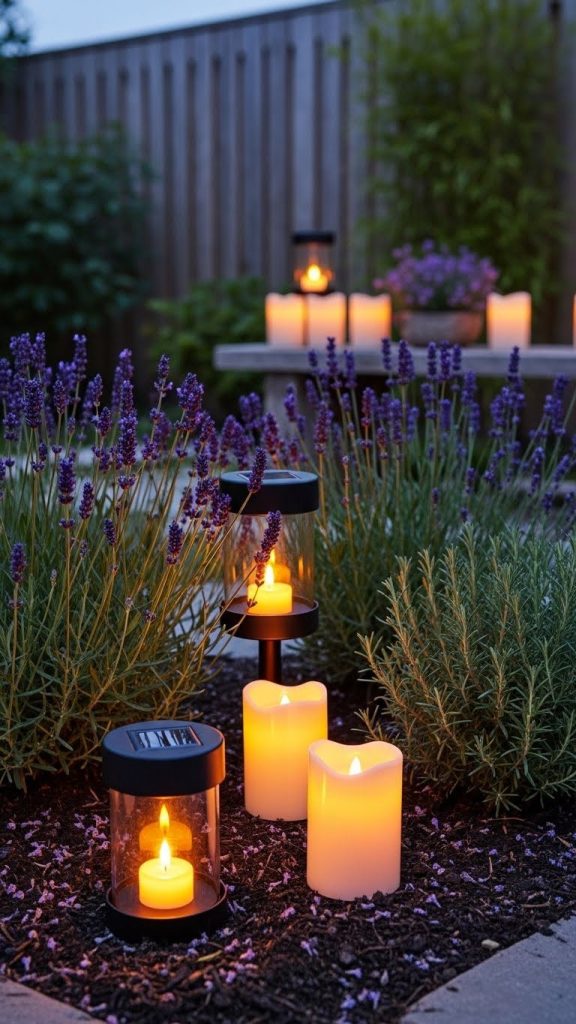
Using solar or beeswax candle lanterns in small clusters adds a soft glow in the evening. I place them around lavender or rosemary beds—it turns a simple garden walk into a magical ritual.
Pros:
- Creates cozy nighttime ambiance
- Simple DIY with solar lanterns or candles
- Highlights plant textures after dark
Cons:
- Candle flame lanterns require supervision
- Solar lanterns need sunlight to recharge
Mini takeaway: Evening illumination elevates the garden’s charm without complicated setups.
14. Garden Journaling Station
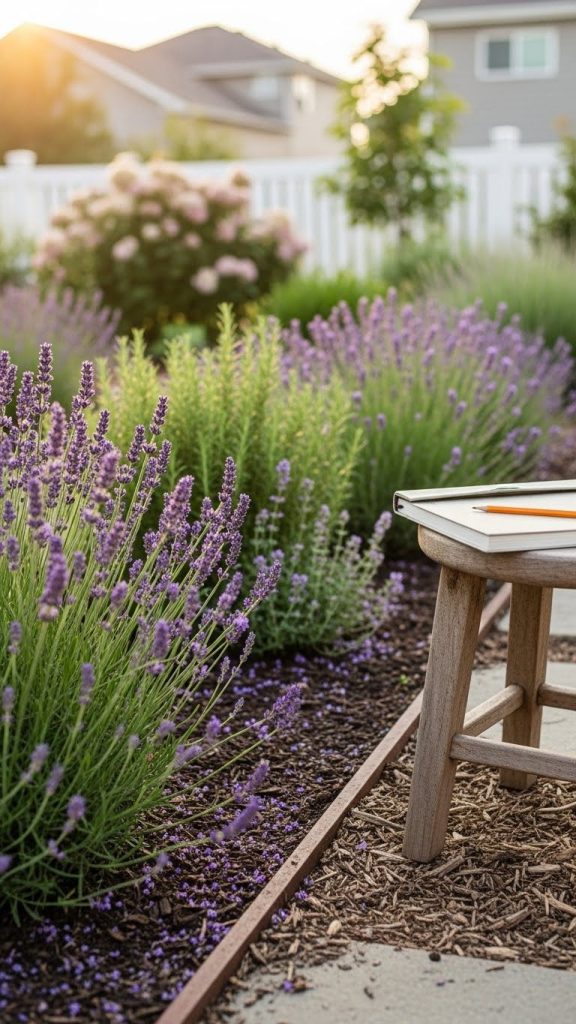
Keep a small weatherproof journal and pencil near your garden bed to note growth, bloom patterns, or observations. I started this last year, and seeing seasonal changes on paper makes the garden feel more alive.
Pros:
- Encourages mindful reflection
- Tracks plant progress for better care
- Connects daily life to nature
Cons:
- Needs waterproofing
- Might be forgotten during busy weeks
Mini takeaway: Journaling enhances the personal connection to your space and reinforces intentional gardening.
15. Stone or Crystal Accents
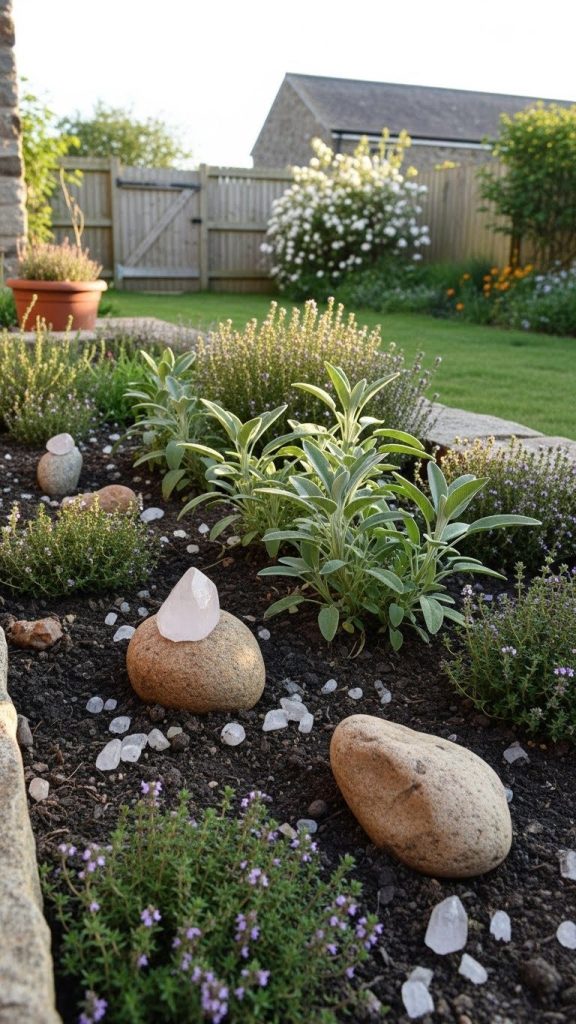
Adding natural stone or crystal accents around plants can subtly enhance textures and focal points. I place small quartz pieces among sage and thyme beds—it’s purely aesthetic but feels grounding and intentional.
Pros:
- Adds visual texture without clutter
- Works with any garden style
- Durable and low-maintenance
Cons:
- Stones must be cleaned periodically
- Can be knocked over in busy areas
Mini takeaway: Subtle stone accents are a tiny but impactful detail that makes your garden feel curated and mystical.
Conclusion
Turning a backyard into a space that feels thoughtfully magical doesn’t require spells or rare ingredients. It’s about layering practical herbs, textures, and cozy touches in ways that are both achievable and visually compelling. From simple herb spirals to rustic lanterns, each of these ideas gives your garden personality, functionality, and charm. Personally, I love how small details—like a hanging bundle of rosemary or a stone circle—can make a garden feel alive and reflective. Start with one idea, observe how it transforms your space, and gradually layer in more elements. Over time, your garden won’t just be a place to plant—it’ll be a personal retreat, a space that makes you pause, breathe, and enjoy the simple beauty of nature.

William Martin is a passionate bowler who spends most of his weekends playing the sport. With years of intense experience under his belt, William decided to share his knowledge by creating BOWLING OCEAN. Join me on this journey to explore the world of bowling and discover the tips and tricks to becoming a pro.