15 Hummingbird Garden Ideas to Attract and Delight
There’s a moment of pure joy when a hummingbird flits by, pausing near your flowers, its tiny wings a blur. I still remember the first time one hovered over my newly planted garden; it felt like a little spark of magic in the everyday. Creating a garden that invites these delicate birds isn’t just about planting pretty flowers—it’s about designing a space that provides food, shelter, and comfort, all while looking charming and intentional.
Hummingbird gardens can transform even small yards, balconies, or patios into vibrant, lively sanctuaries. Over the years, I’ve experimented with flowers, feeders, perches, and layout strategies that make the space as inviting for hummingbirds as it is enjoyable for people. Whether you want bursts of color, fragrant blooms, or a cozy garden nook, these ideas will help you attract hummingbirds naturally while keeping your garden practical and beautiful. Here are 15 hummingbird garden ideas to inspire your next outdoor project.
1. Plant Native Nectar-Rich Flowers

Native flowers like bee balm, columbine, and trumpet vine provide nectar hummingbirds love. I planted a patch of bee balm along a sunny border, and the change was immediate—hummingbirds started visiting daily.
Pros:
- Supports local wildlife and pollinators
- Adapted to local climate and soil
- Provides long-lasting blooms with minimal care
Cons:
- Limited to native plant availability
- Some varieties may need dividing every few years
Mini takeaway: Native, nectar-rich flowers make your garden naturally irresistible to hummingbirds and easy to maintain.
2. Use a Variety of Flower Colors
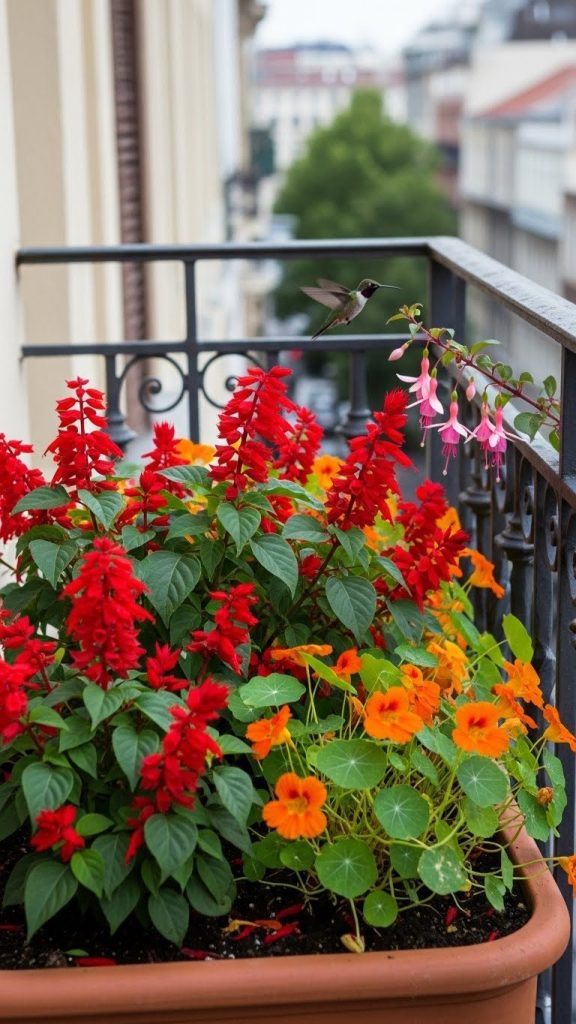
Hummingbirds are attracted to bright reds, oranges, and pinks. Mixing colors in clusters not only catches their attention but also creates a visually striking garden. I noticed my hummingbird visitors linger longer around red and magenta blooms.
Pros:
- Attracts more hummingbirds
- Creates dynamic visual interest
- Encourages extended visits
Cons:
- Color variety may require planning
- Some colors fade quicker in full sun
Mini takeaway: Colorful clusters act as hummingbird magnets and elevate the aesthetic appeal of your garden.
3. Install Suspended Feeders
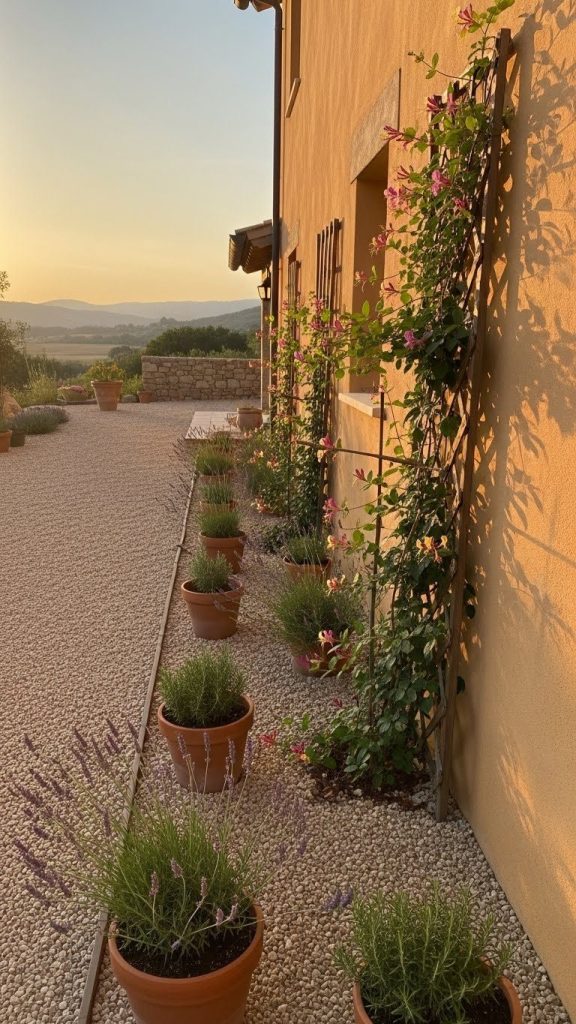
Suspended feeders with fresh nectar offer hummingbirds an easy food source. Hanging one near flowering plants reduces competition and keeps them safe from ground predators.
Pros:
- Reliable food source for hummingbirds
- Easy to clean and refill
- Attracts more frequent visits
Cons:
- Requires regular cleaning to prevent mold
- Nectar must be refreshed every few days
Mini takeaway: Feeders complement flowers and ensure hummingbirds keep returning to your garden.
4. Plant Tubular Flowers
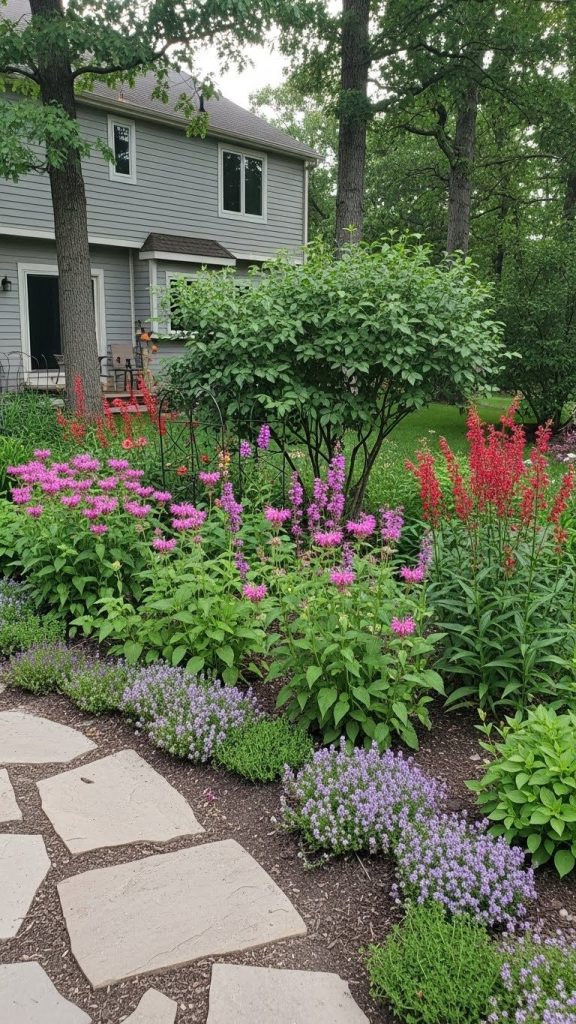
Tubular blooms like penstemon and trumpet creeper match the shape of a hummingbird’s beak, making feeding effortless. I added trumpet creeper along my fence, and the birds seemed to prefer it immediately.
Pros:
- Easier for hummingbirds to access nectar
- Long bloom period keeps garden active
- Adds vertical interest
Cons:
- Some tubular vines can grow aggressively
- Needs occasional pruning to maintain shape
Mini takeaway: Tubular flowers combine functionality with beauty, giving hummingbirds the best dining experience.
5. Provide Perching Spots
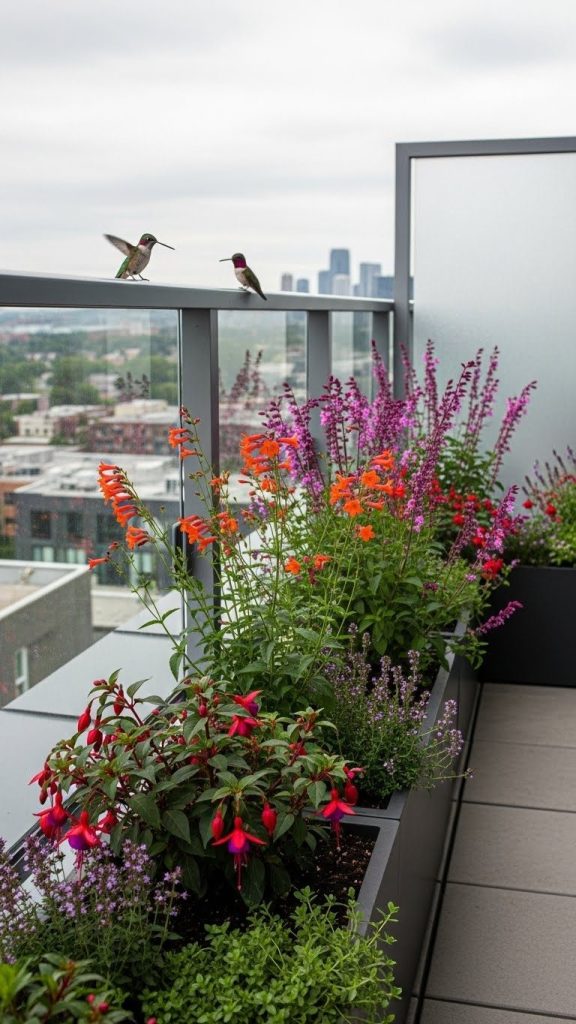
Hummingbirds need rest between feeding sessions. Thin branches, garden stakes, or small trellises serve as perfect perches. I always keep a few strategically placed twigs near feeders and flower clusters.
Pros:
- Reduces stress for birds
- Encourages longer garden visits
- Can double as visual accents
Cons:
- Must avoid overcrowding perches
- Natural branches may need occasional replacement
Mini takeaway: Even simple perching spots make a garden more welcoming to hummingbirds.
6. Create Layered Planting

Planting in layers—tall shrubs at the back, medium flowers in the middle, and low groundcovers—mimics natural habitats. My layered beds seem to attract more hummingbirds than flat arrangements.
Pros:
- Provides shelter and feeding zones
- Increases visual depth and interest
- Mimics natural habitat
Cons:
- Requires thoughtful spacing
- Maintenance can be slightly more involved
Mini takeaway: Layered planting makes your garden dynamic and bird-friendly.
7. Add a Small Water Feature
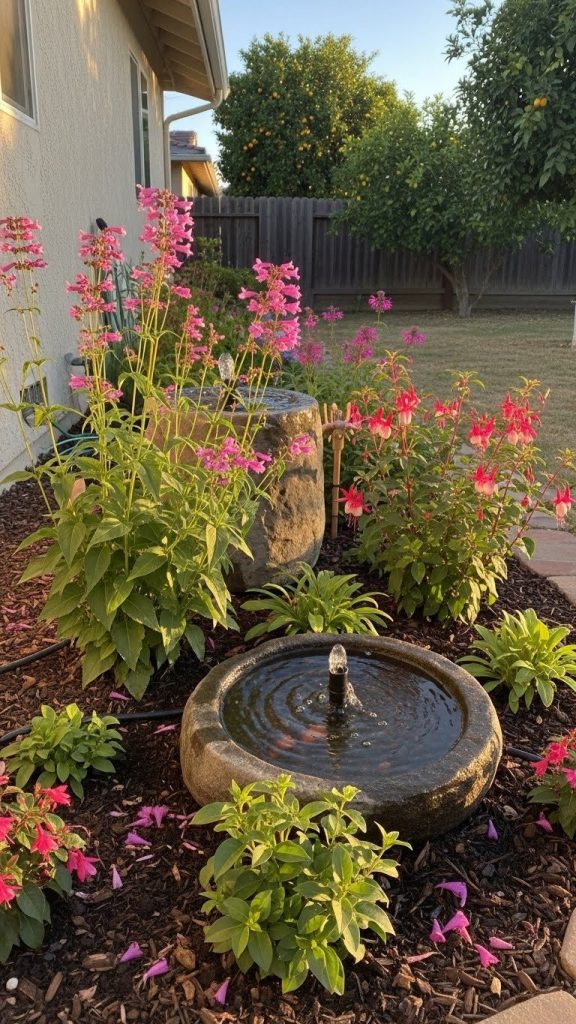
A shallow fountain or dripper provides essential water and a place to bathe. I installed a small dripper feature, and it quickly became a favorite stop for hummingbirds during hot afternoons.
Pros:
- Provides hydration and bathing opportunity
- Adds movement and soothing sound
- Enhances overall garden ambiance
Cons:
- Needs regular cleaning to prevent algae
- Must maintain water level during dry spells
Mini takeaway: Water features make gardens healthier and more appealing for hummingbirds.
8. Group Flowers in Clusters
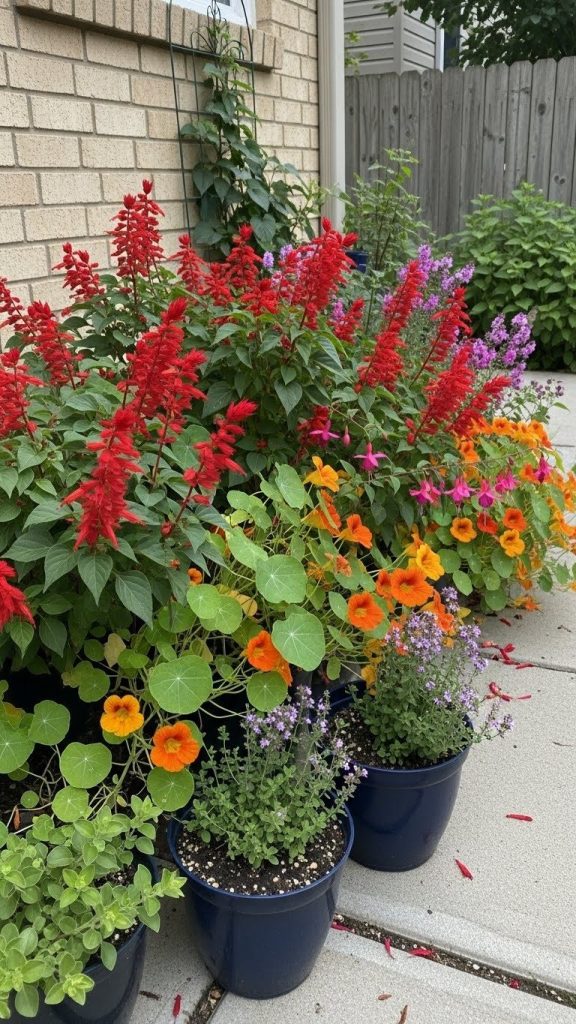
Hummingbirds prefer concentrated food sources. Grouping flowers of similar species increases feeding efficiency. My garden’s clustered patches of salvia and fuchsia attract multiple birds at once.
Pros:
- Reduces flight effort for birds
- Creates visual impact
- Encourages social activity among hummingbirds
Cons:
- Can look uniform if not varied with height and texture
- Requires careful spacing to prevent overcrowding
Mini takeaway: Clustered flowers benefit both hummingbirds and the overall look of your garden.
9. Choose Long-Blooming Plants
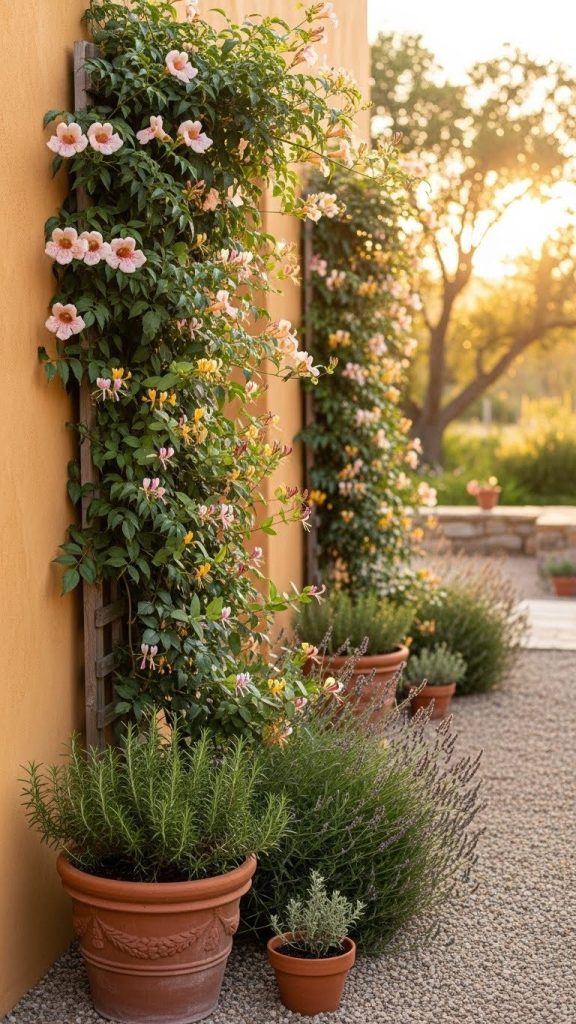
Perennials like cardinal flower and penstemon bloom for weeks or months, providing continuous food. I rotate some plants seasonally to maintain nectar sources year-round.
Pros:
- Extended feeding periods
- Reduces need for frequent planting
- Maintains garden vibrancy
Cons:
- Some perennials require division or deadheading
- Initial cost may be higher than annuals
Mini takeaway: Long-blooming plants keep hummingbirds happy and your garden colorful.
10. Use Native Shrubs for Shelter
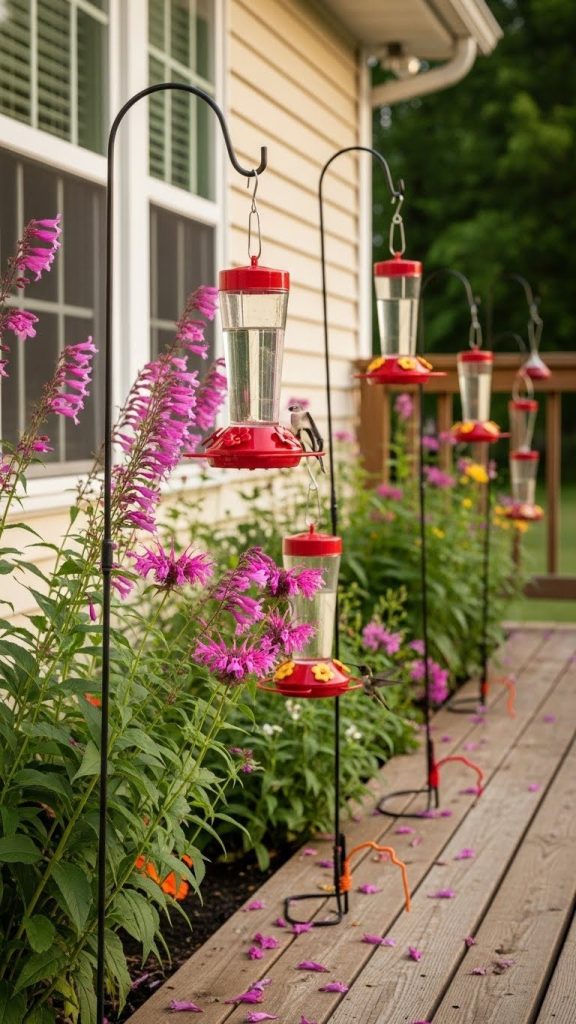
Native shrubs like elderberry or viburnum offer protection from predators and wind. I planted a small viburnum in a sunny corner, and birds seem to enjoy hiding and resting there.
Pros:
- Provides safe nesting and resting sites
- Supports other wildlife
- Low maintenance once established
Cons:
- Takes time to grow large enough for effective cover
- Needs pruning to maintain shape
Mini takeaway: Shelter plants make your garden a true hummingbird haven.
11. Plant Herbs That Flower
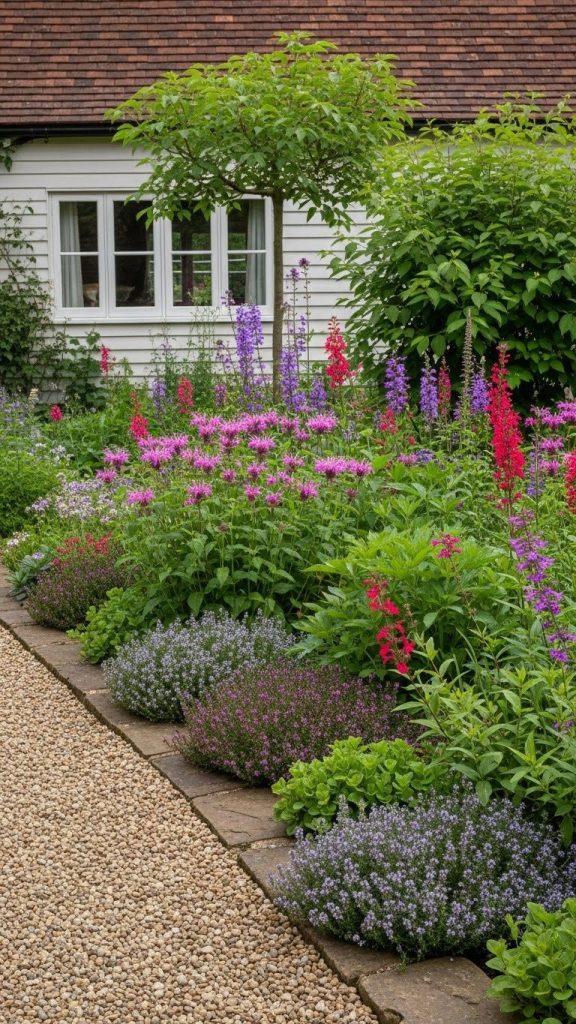
Herbs like basil, thyme, and oregano attract hummingbirds when they bloom. I discovered that flowering oregano draws as many hummingbirds as some bright annuals.
Pros:
- Dual-purpose: edible and attractive to birds
- Easy to grow in containers or beds
- Adds fragrance to the garden
Cons:
- Flowering period may be short
- Needs sun and well-drained soil
Mini takeaway: Flowering herbs are practical, fragrant, and bird-friendly additions.
12. Incorporate Vertical Vines
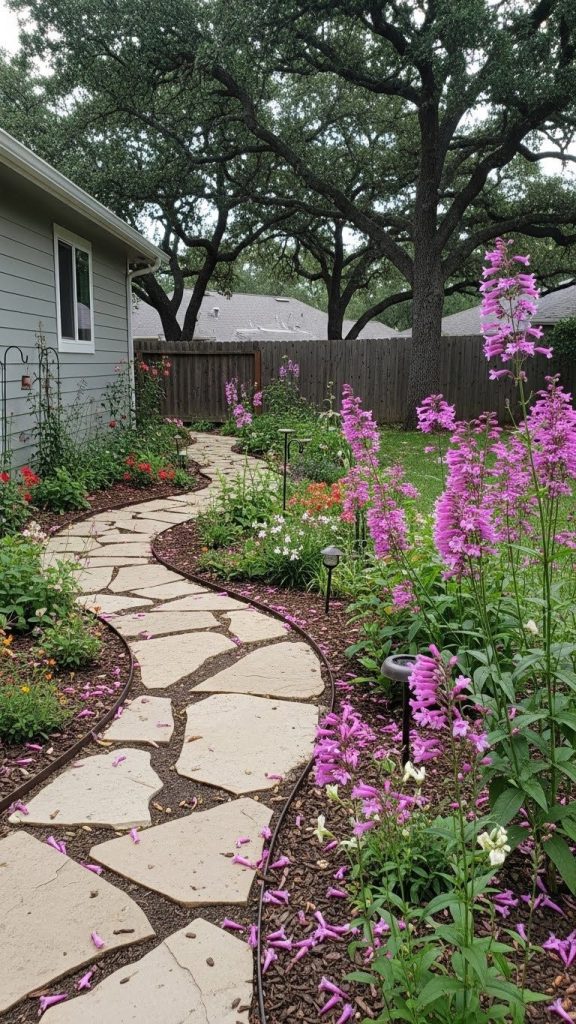
Climbing vines like honeysuckle or trumpet vine maximize space and create nectar-rich vertical layers. I added honeysuckle along a trellis, and it became an instant hummingbird hotspot.
Pros:
- Saves ground space
- Adds height and privacy
- Provides extended blooming zones
Cons:
- Can be aggressive if not pruned
- Some vines may need support structures
Mini takeaway: Vertical vines are a space-saving way to provide abundant nectar.
13. Place Feeders Near Windows
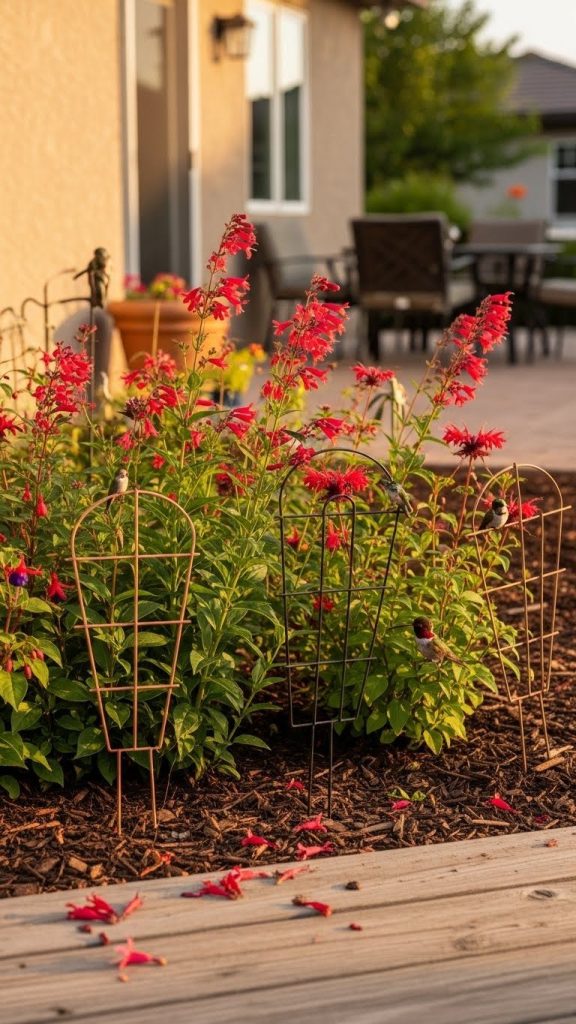
Placing feeders near windows allows close observation without disturbing birds. I often enjoy watching hummingbirds while sipping my morning coffee.
Pros:
- Offers daily enjoyment and connection
- Encourages frequent visits
- Safe location if monitored
Cons:
- Risk of window collisions
- Needs cleaning and monitoring
Mini takeaway: Strategic feeder placement turns a garden into a live nature show.
14. Rotate Plantings for Seasonal Nectar
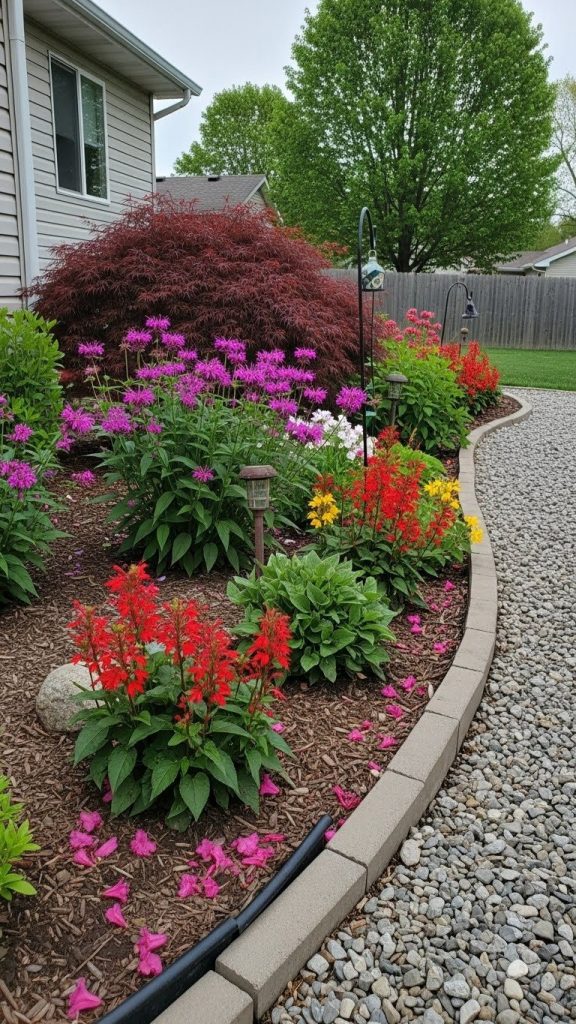
Switching flowers seasonally ensures hummingbirds always have food. For example, spring azaleas, summer bee balm, and fall cardinal flowers. I rotate some pots each season to maintain year-round appeal.
Pros:
- Continuous food supply
- Keeps garden visually dynamic
- Supports multiple hummingbird species
Cons:
- Requires planning and additional effort
- Seasonal plants may need extra care
Mini takeaway: Seasonal rotation keeps your garden productive and hummingbirds returning.
15. Add Small Perching Accessories
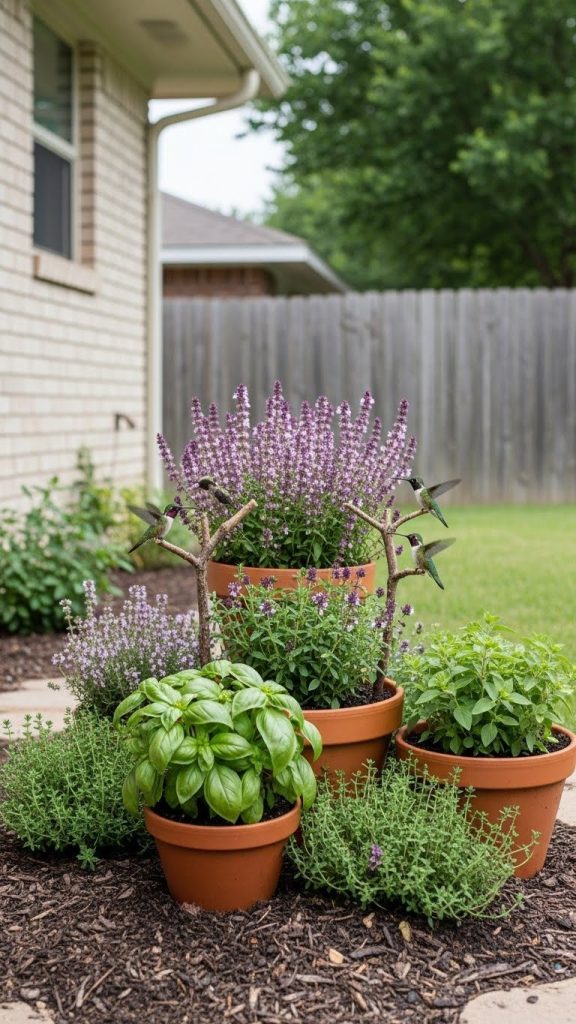
Garden stakes, mini trellises, or decorative poles serve as additional resting spots. I’ve found that even small perches near feeders encourage longer visits.
Pros:
- Reduces stress on birds
- Enhances vertical interest
- Easy to install and move
Cons:
- Must avoid cluttering the garden
- Needs durable materials to withstand weather
Mini takeaway: Even simple perches make your hummingbird garden more functional and attractive.
Conclusion
Creating a hummingbird-friendly garden blends beauty, practicality, and wildlife support. From native flowers and nectar-rich vines to feeders, water features, and perching spots, every element can make your garden irresistible to these tiny birds. Personally, I love layering flowers and adding a few hanging feeders—this combination guarantees both aesthetic appeal and frequent bird visits.
A hummingbird garden isn’t just about attracting birds; it’s about crafting a dynamic, vibrant outdoor space that delights all your senses. Start small with a few nectar plants or a feeder, then expand gradually. Each step brings more color, movement, and life, turning your garden into a sanctuary you and the hummingbirds will both enjoy. Try your favorite idea first, and watch your space transform into a buzzing, fluttering paradise.

William Martin is a passionate bowler who spends most of his weekends playing the sport. With years of intense experience under his belt, William decided to share his knowledge by creating BOWLING OCEAN. Join me on this journey to explore the world of bowling and discover the tips and tricks to becoming a pro.