15 Stunning Iris Flowers Garden Ideas for Spring
Ever notice how a patch of iris flowers can transform a garden from ordinary to downright magical? There’s something about their tall, elegant stems and ruffled blooms that just feels alive, like the garden is quietly performing for anyone who pauses long enough to watch. I first fell in love with iris flowers in my grandmother’s backyard, where a small, slightly wild corner of purple, blue, and white blooms would sway in the breeze every spring. It wasn’t just the colors—it was the way the sunlight caught the petals, making them glow almost like stained glass. If you’re considering adding iris flowers to your garden, you’re in for more than just pretty blooms; you’re creating moments that invite pause, reflection, and even a little awe. Over the years, I’ve noticed gardeners experimenting with iris in clever ways that feel approachable, achievable, and endlessly satisfying. Here are 15 ideas to inspire your own iris-filled oasis.
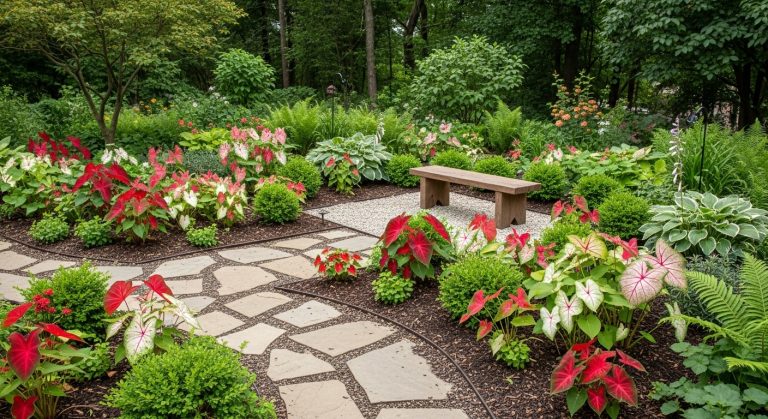
1. Create a Border Along Walkways
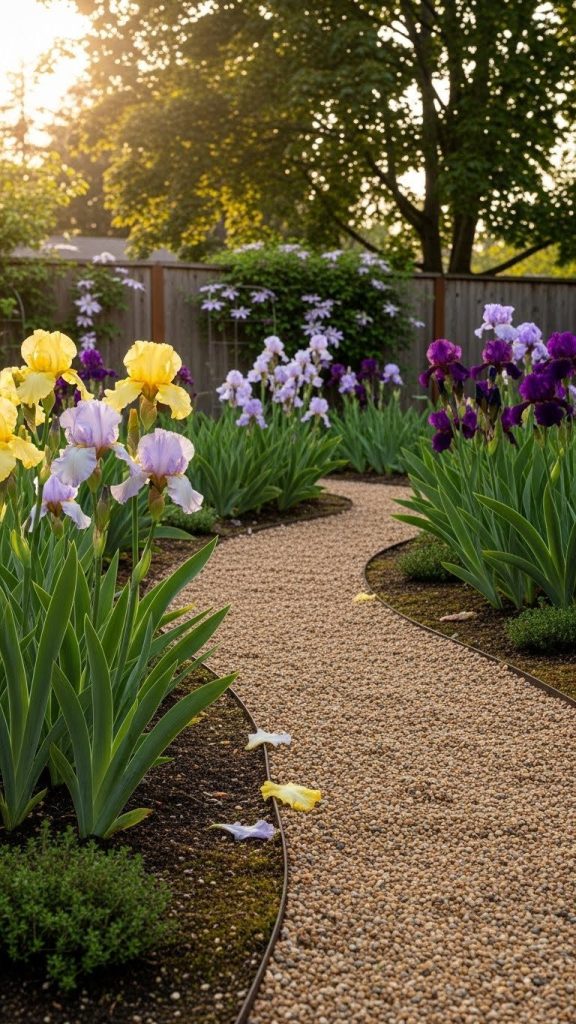
Adding iris along the edges of a garden path is one of those moves that feels instantly polished. The upright leaves provide structure, while the tall, colorful blooms draw your eyes along the path. Personally, I love how a subtle gradient—from pale yellows to deep purples—creates a natural rhythm as you walk.
Pros
- Provides year-after-year structure and color.
- Naturally guides visitors through the garden.
- Low maintenance once established.
Cons
- Needs well-drained soil to prevent root rot.
- Some varieties require dividing every 3–4 years.
Takeaway
If you want a garden path that feels intentionally designed yet effortless, iris borders are a classic choice.
2. Plant in Groupings for Maximum Impact
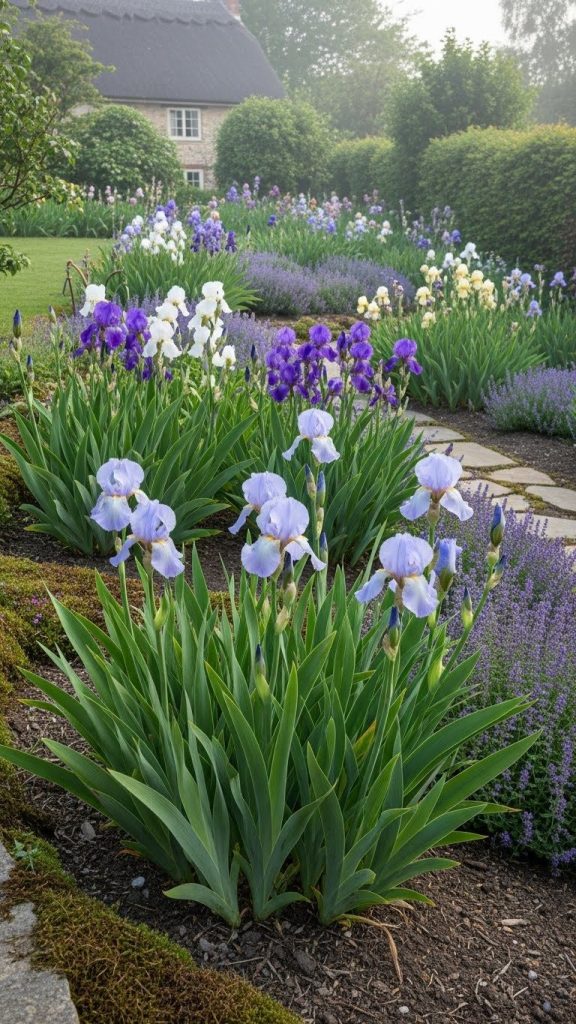
Single irises scattered around can look lonely. Instead, plant in clusters of 3–5 for a fuller, more dramatic effect. I tried this along a small backyard slope, and the blooms looked like a mini waterfall of color in early spring.
Pros
- Creates a bold visual statement.
- Easier to manage watering and feeding.
- Enhances pollinator activity.
Cons
- Takes more initial space and planning.
- Overcrowding can lead to disease if soil drainage is poor.
Takeaway
Clustered iris plantings feel lush and deliberate, perfect for anyone wanting a garden that feels alive without overcomplicating maintenance.
3. Mix Bearded and Siberian Varieties
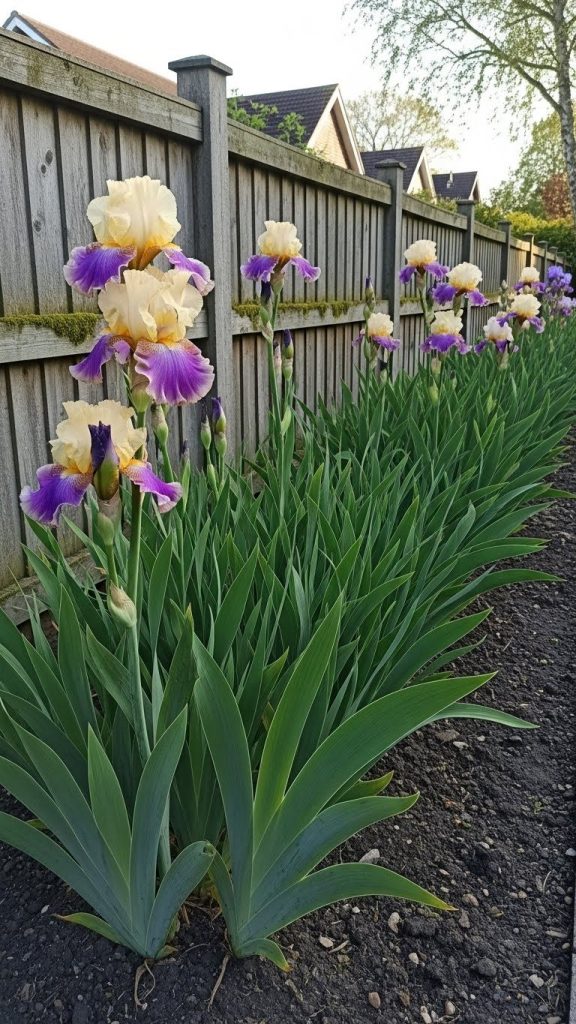
Combining bearded irises with Siberian types adds texture and layering. The bearded ones stand tall with ruffled blooms, while Siberians provide slender, graceful foliage and late blooms. I set this up along a garden fence, and it created a dynamic visual flow from early to late spring.
Pros
- Extended bloom season.
- Interesting leaf shapes and textures.
- Variety of colors and heights.
Cons
- Requires different care routines (Siberians tolerate wetter soil).
- Slightly more planning needed for spacing.
Takeaway
Mixing iris types isn’t just decorative; it’s a practical way to enjoy longer-lasting garden interest.
4. Pair with Low-Growing Groundcovers
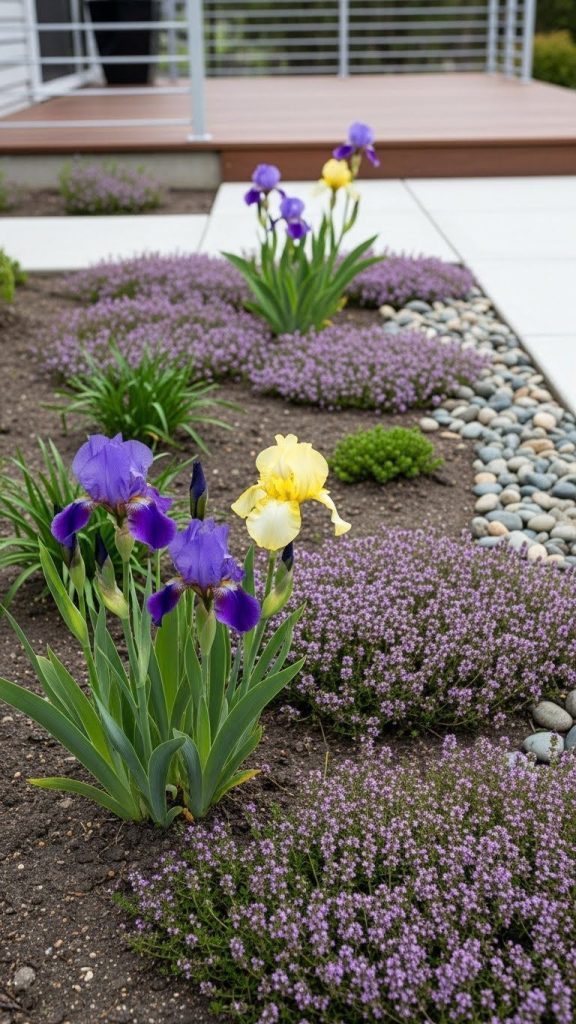
Iris leaves can be quite vertical, leaving bare soil at the base. Planting creeping thyme or dwarf sedum beneath them hides bare spots and adds subtle texture. I often do this along small patio beds, and it softens the hard edges beautifully.
Pros
- Keeps soil cooler and retains moisture.
- Reduces weeds naturally.
- Adds year-round texture.
Cons
- Groundcover may compete for nutrients if planted too densely.
Takeaway
Adding a low layer beneath iris flowers keeps your garden neat and visually complete.
5. Create a Cottage-Style Iris Corner
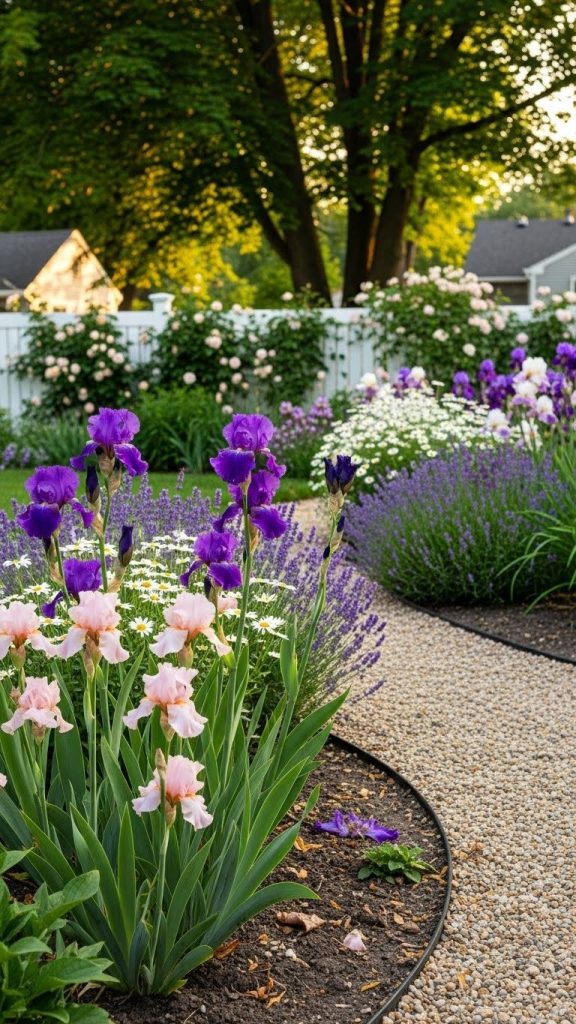
Cottage gardens love a slightly wild, charming look. Plant tall purple irises in the back, with soft pink and white blooms in front. I tried this in a suburban backyard, and it instantly made the corner feel cozy yet vibrant.
Pros
- Timeless and romantic aesthetic.
- Works well in informal garden beds.
- Can combine with annuals for seasonal variety.
Cons
- Requires occasional deadheading to maintain neatness.
Takeaway
Cottage-style iris corners feel approachable, whimsical, and welcoming.
6. Use as a Natural Divider
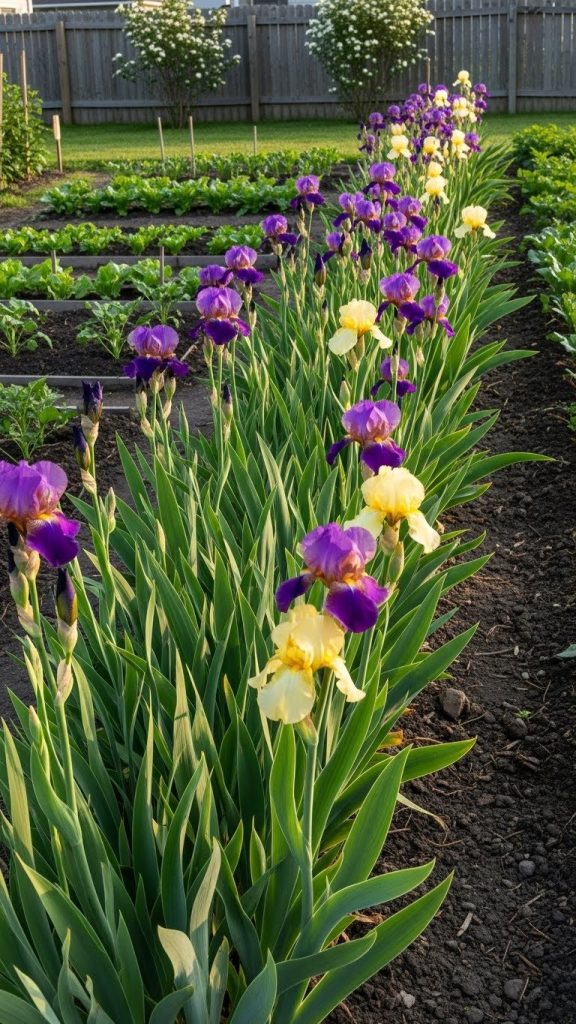
Tall iris varieties can subtly separate spaces in the garden, like a living screen. I once planted a row along a small vegetable patch, and it gave the area a distinct sense of structure without needing fencing.
Pros
- Adds height and privacy naturally.
- Can define zones without construction.
- Attractive to pollinators.
Cons
- Needs adequate sunlight for the taller varieties.
- Can require staking in windy areas.
Takeaway
Iris flowers can act as both decoration and functional landscaping—perfect for small or divided gardens.
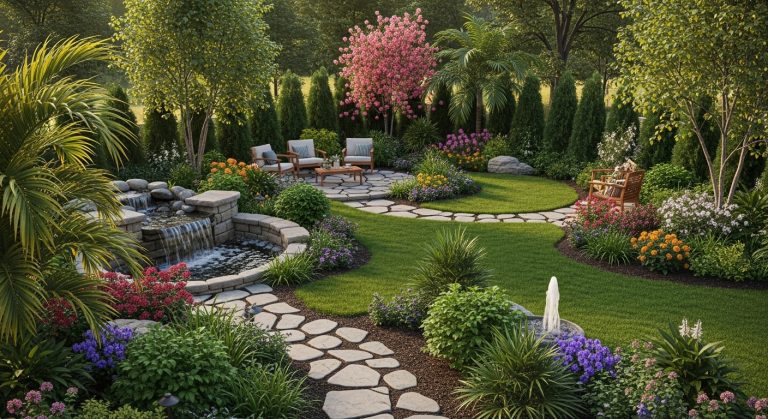
7. Incorporate Into a Water Feature Border
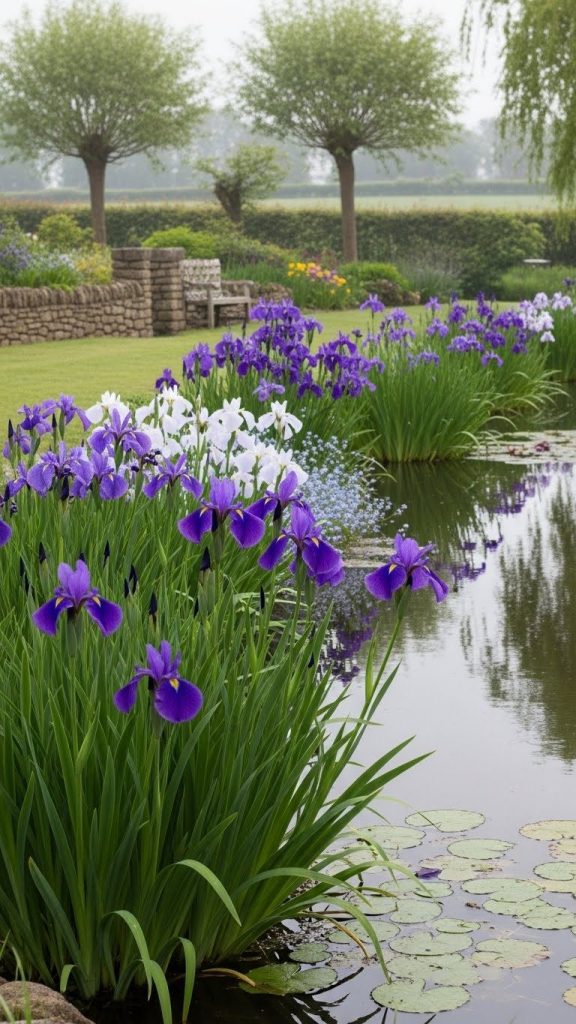
Plant iris near ponds or small streams—Japanese or Siberian irises thrive in damp soils. I love how the reflections of the blooms in the water double their visual impact.
Pros
- Thrives in wet soil conditions.
- Adds natural elegance to water features.
- Attracts frogs and beneficial insects.
Cons
- Careful spacing needed to prevent overcrowding in soggy soil.
Takeaway
Water-adjacent iris plantings look serene, dramatic, and very much like something out of a garden magazine.
8. Combine with Spring Bulbs
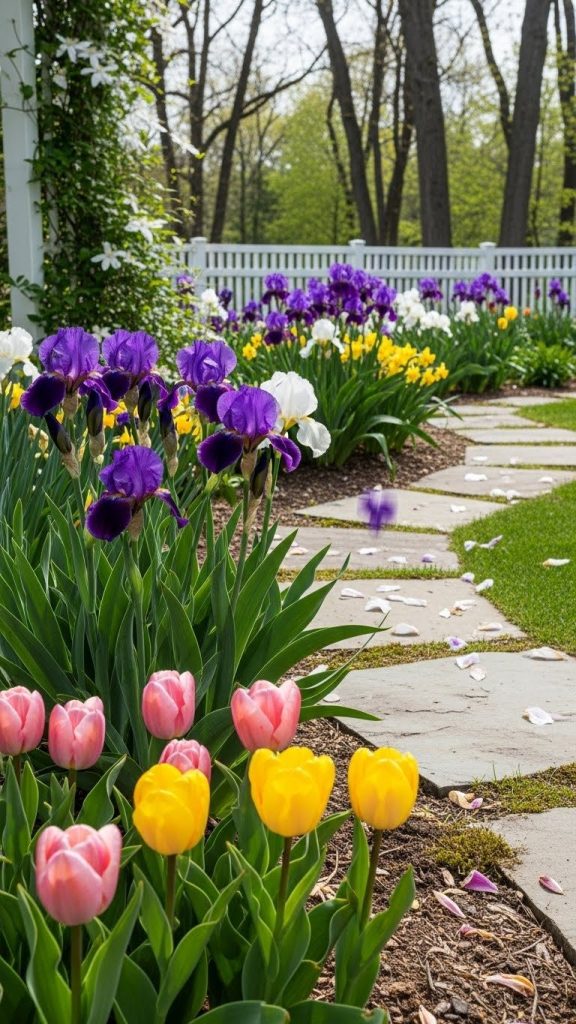
Pairing iris with daffodils or tulips creates a layered spring display. I often plant early tulips in front and let irises take over once the tulips fade. It keeps the bed colorful longer with minimal effort.
Pros
- Extends bloom season.
- Adds varied height and color dynamics.
- Easy to plan with seasonal bulbs.
Cons
- Requires careful timing for planting depth and spacing.
Takeaway
Layered spring planting ensures your garden has continuous interest without extra work.
9. Container Gardening With Iris
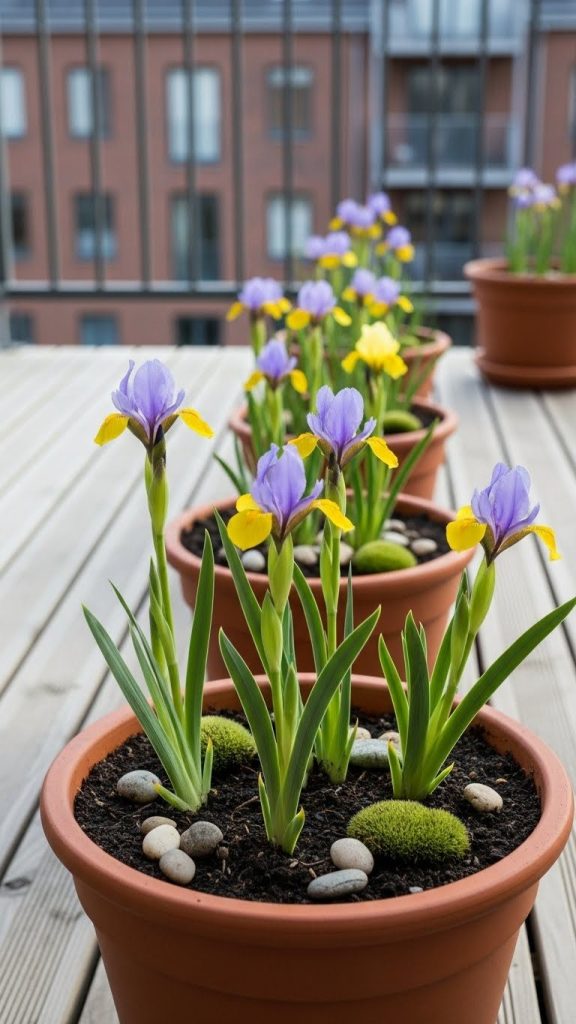
If space is limited, iris do well in deep containers. I’ve grown dwarf bearded iris in terracotta pots on patios, and the blooms pop beautifully against wooden decking.
Pros
- Ideal for small spaces or urban gardens.
- Portable, so you can move plants for optimal sunlight.
- Easier soil and pest control.
Cons
- Containers dry out faster; regular watering needed.
- Limited bloom size compared to in-ground planting.
Takeaway
Container iris are perfect for anyone short on space but still craving vibrant spring color.
10. Layered Planting With Perennials
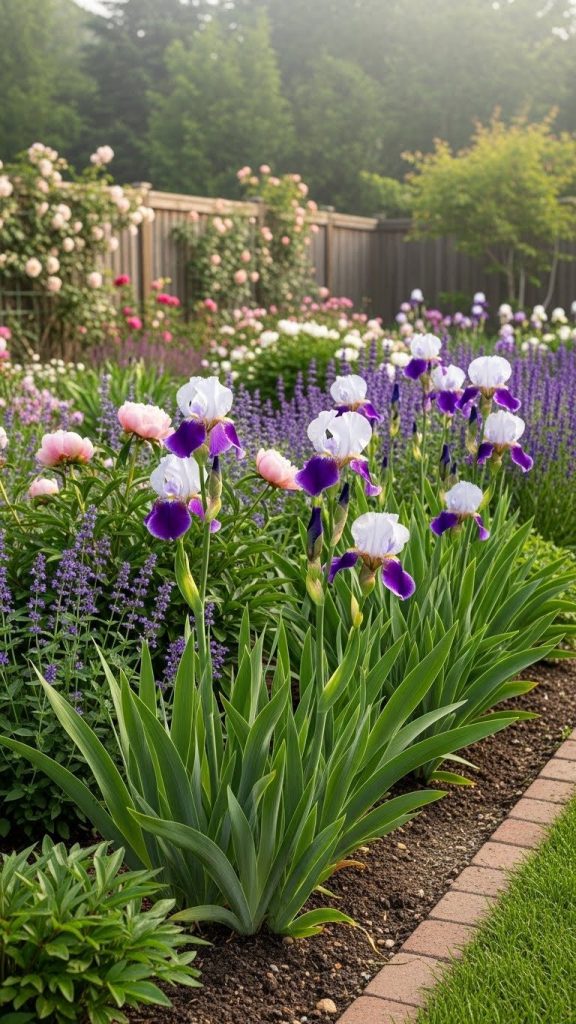
Combine iris with perennials like peonies, salvia, or catmint for a textured garden bed. The iris blooms first, then perennials take over, maintaining color and interest. I often use this approach along sunny borders—it feels professional but easy to manage.
Pros
- Staggered bloom seasons keep the bed lively.
- Adds depth and variety in texture.
- Supports pollinators throughout spring and early summer.
Cons
- Needs careful planning for height and sun exposure.
Takeaway
Layered planting ensures your iris never feel isolated and your beds feel full all season.
11. Emphasize a Color Theme
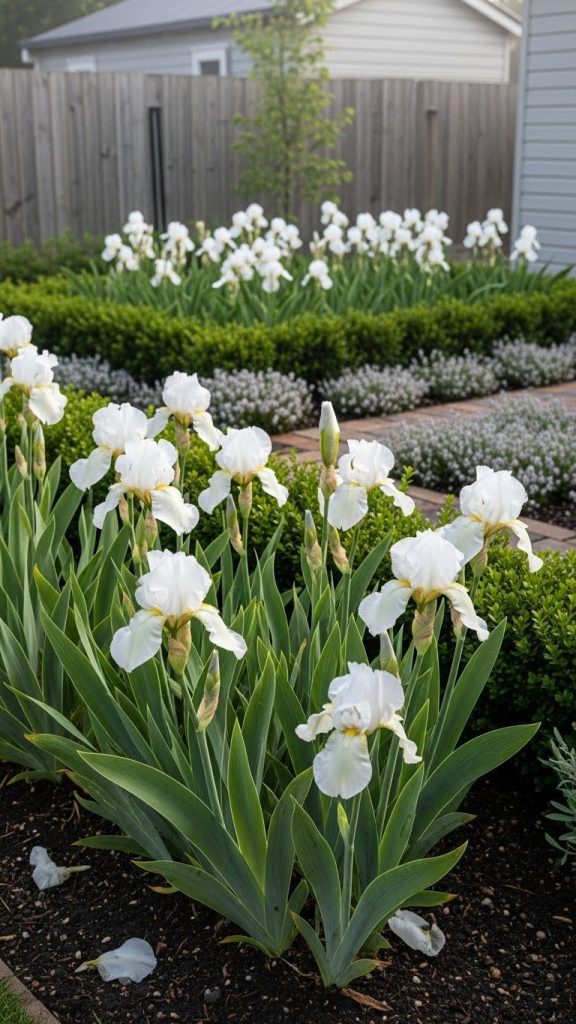
Focus on one iris color—deep purples, soft yellows, or whites—to create a cohesive, dramatic look. I tried a pure white corner in my garden, and the visual effect was instantly calming and sophisticated.
Pros
- Clean, intentional design impact.
- Easy to coordinate with garden accessories.
- Highlights bloom shape and structure.
Cons
- Fewer color variations may feel monotone if not layered with foliage.
Takeaway
Color-focused planting makes a statement with minimal fuss.
12. Seasonal Companion Planting
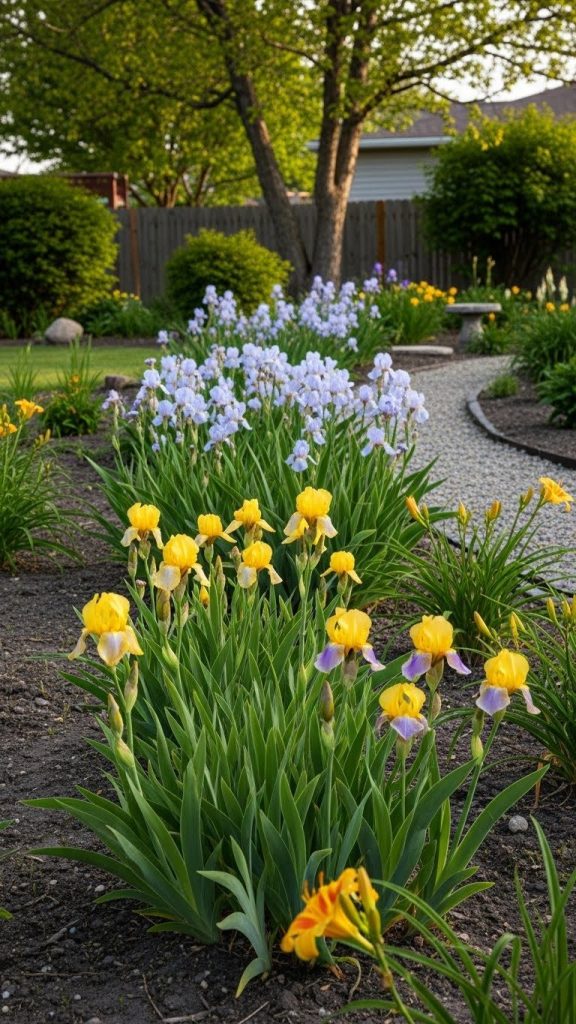
Plant early-blooming iris alongside late-spring perennials, like daylilies, to maintain garden continuity. In my backyard, this transition keeps the space colorful for nearly three months without extra maintenance.
Pros
- Extends visual interest.
- Reduces empty periods in beds.
- Provides natural succession for pollinators.
Cons
- Requires knowledge of bloom timing and compatibility.
Takeaway
Succession planting ensures your garden is always lively, not just a fleeting splash of color.
13. Rock Garden Integration
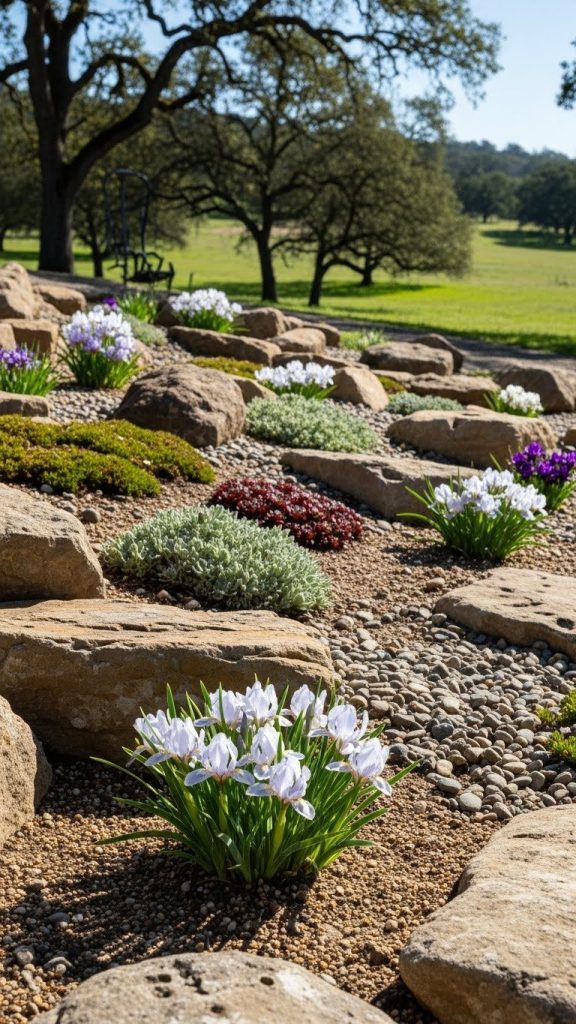
Dwarf iris varieties do wonderfully in rock gardens. Their compact form pairs beautifully with textured stones and gravel. I’ve tried this on a sunny slope, and it adds a sculptural quality to the garden while staying low maintenance.
Pros
- Thrives in well-drained soil.
- Minimal maintenance and water needs.
- Adds visual structure to sloped areas.
Cons
- Small varieties needed; tall irises won’t fit.
Takeaway
Rock garden iris make the space feel sophisticated yet effortless.
14. Cut Flower Displays
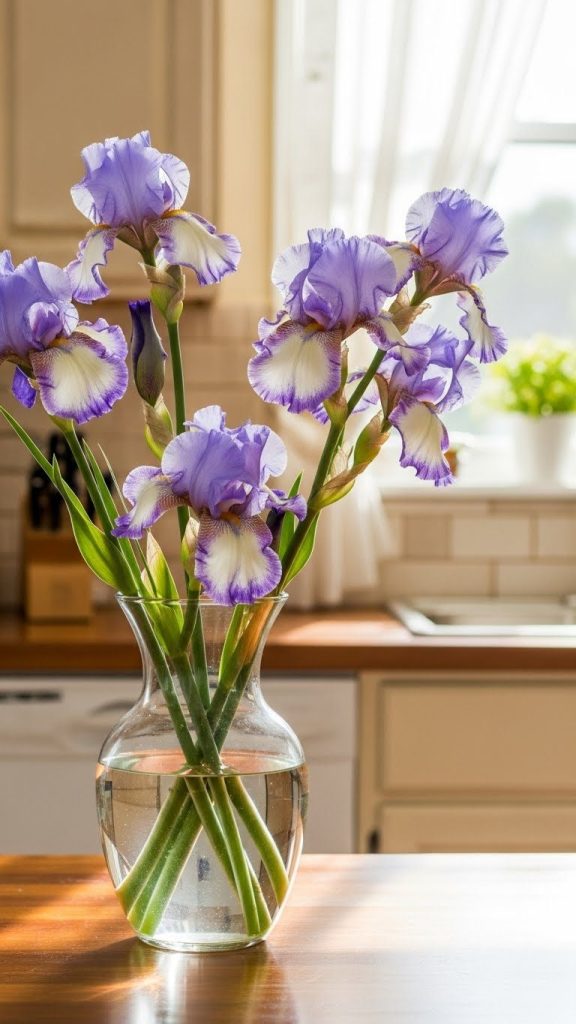
Iris flowers are excellent for fresh bouquets. I keep a few stems in a vase on my kitchen counter every spring, and it transforms the room with minimal effort.
Pros
- Easy way to enjoy blooms indoors.
- Adds fragrance and elegance to rooms.
- Encourages repeat planting each season.
Cons
- Blooms last about a week in a vase.
- Regular cutting may slightly reduce bed display.
Takeaway
A few cut iris stems bring the garden indoors, extending enjoyment beyond the outdoors.
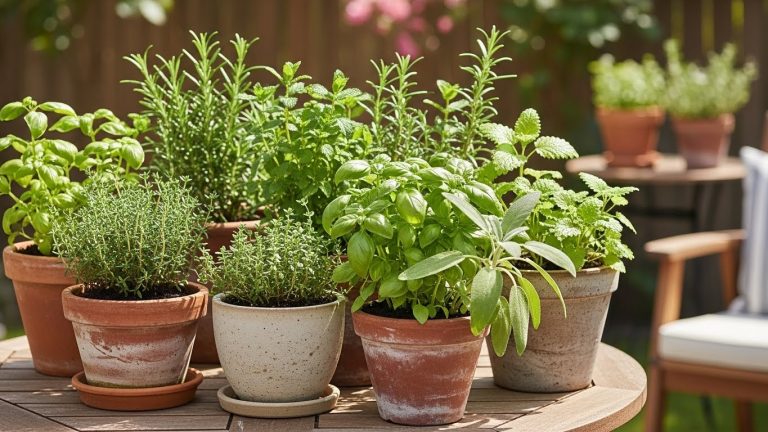
15. Companion Plant With Herbs
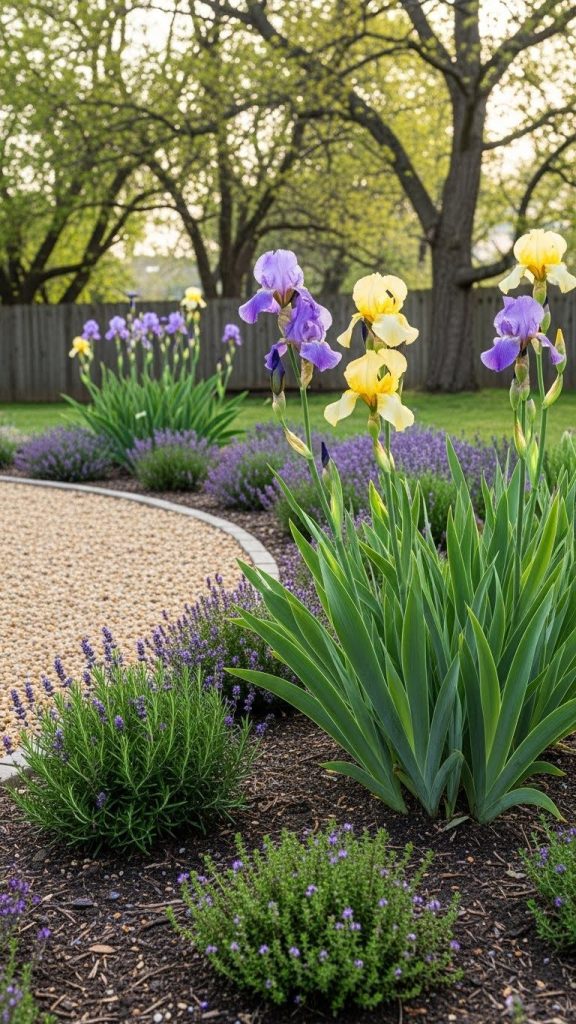
Plant iris near herbs like lavender, rosemary, or thyme for a fragrant, sensory garden. In my backyard, this combination attracts pollinators and provides a multi-sensory experience—sight, smell, and even touch.
Pros
- Supports pollinators and beneficial insects.
- Adds fragrance and texture.
- Integrates edible and ornamental plants naturally.
Cons
- Requires proper spacing to prevent competition.
Takeaway
Herb and iris pairings feel thoughtful and functional, perfect for a multi-purpose garden.
Conclusion:
Incorporating iris flowers into your garden doesn’t have to feel complicated. From structured borders to cottage-style corners, containers, rock gardens, and even cut flower arrangements, there are countless ways to showcase these elegant blooms. Personally, I find that the simplest arrangements often feel the most magical—like a few well-placed clusters along a sunny path or a small grouping near a water feature. Start with the idea that excites you most, and let your garden evolve naturally over time. Remember, it’s not about filling every inch with flowers, but about creating spaces that make you pause, smile, and soak in the beauty each spring. Whether you’re planting for structure, color, or scent, iris flowers offer versatility, charm, and a little slice of seasonal joy that you’ll look forward to year after year.

Ashley Ellison is a skilled writer and avid bowler. Her passion for storytelling and dedication to the sport have led her to participate in various national bowling leagues. With a unique combination of talents, Ashley approaches every challenge with creativity and a relentless drive to succeed.