Public Garden Design: 15 Smart, Realistic, Beautiful Ideas Anyone Can Use
There’s something oddly comforting about walking into a well-designed public garden and instantly feeling your shoulders relax. It’s that quiet sense of, “Wow… someone really thought about how people would experience this place.” And honestly, that’s what makes public garden design so fascinating. It isn’t just about plants or paths. It’s about how a space feels the moment someone steps into it.
I’ve always loved noticing the little details: the bench tucked under a shade tree, the surprise splash of color along a walkway, or the way sunlight hits a cluster of grasses in late afternoon. When you start paying attention, you realize—great public gardens don’t happen accidentally. They’re built through smart, intentional choices that balance beauty, practicality, budget, foot traffic, and maintenance.
And what’s even better? Many of the design ideas used in professional public spaces can inspire neighborhood parks, community spaces, school gardens, or even large private gardens. Whether you’re planning for a local project or simply love understanding how great outdoor spaces work, these ideas break down what truly makes a garden inviting, comfortable, and memorable.
Below are 15 real, achievable, people-approved public garden design ideas—each one grounded in practical reality, current design trends, and relatable, everyday use.
1. Shaded Seating Corners That Invite People to Slow Down
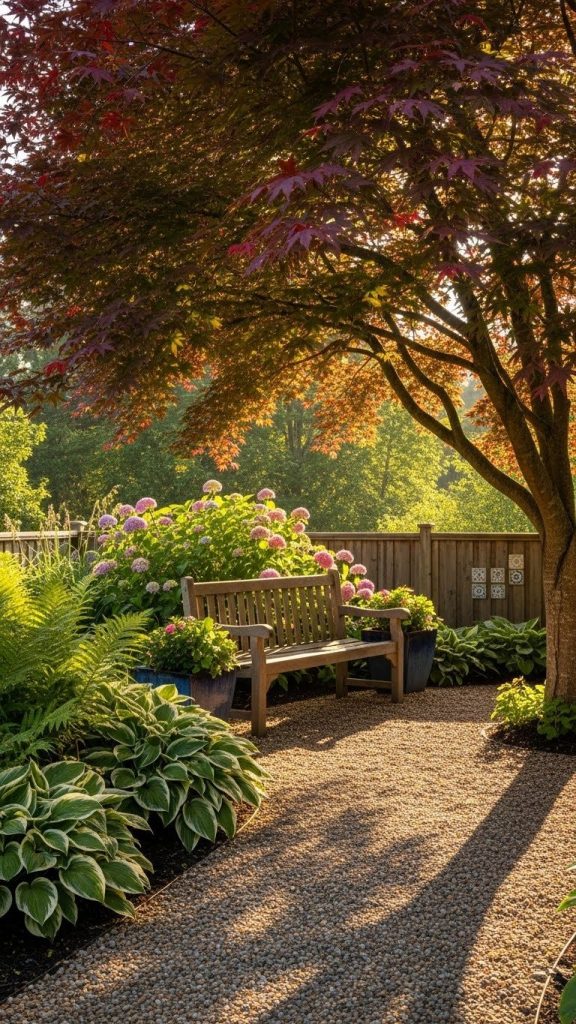
You know how you always see people gravitating toward the one shady bench in a park on a hot afternoon? That alone shows why shaded seating areas anchor public garden design. They become natural gathering points, resting spots, and quiet escapes.
Creating shaded corners isn’t about expensive structures. Simple pergolas, climbing vines, or well-placed deciduous trees can make a huge difference. And because people are spending more time outdoors, shaded spots feel more essential than decorative right now.
Pros
- Encourages longer visits and comfortable use of space
- Provides temperature relief during warm seasons
- Works for all ages, from kids to older adults
- Adds structure and visual balance to open gardens
Cons
- Trees take time to grow
- Built structures may need occasional maintenance
Mini Takeaway
A shaded seating corner doesn’t just look nice—it changes how people use the garden. It slows them down, invites conversations, and makes the entire space feel more human.
2. Wide, Accessible Walkways With Natural Flow
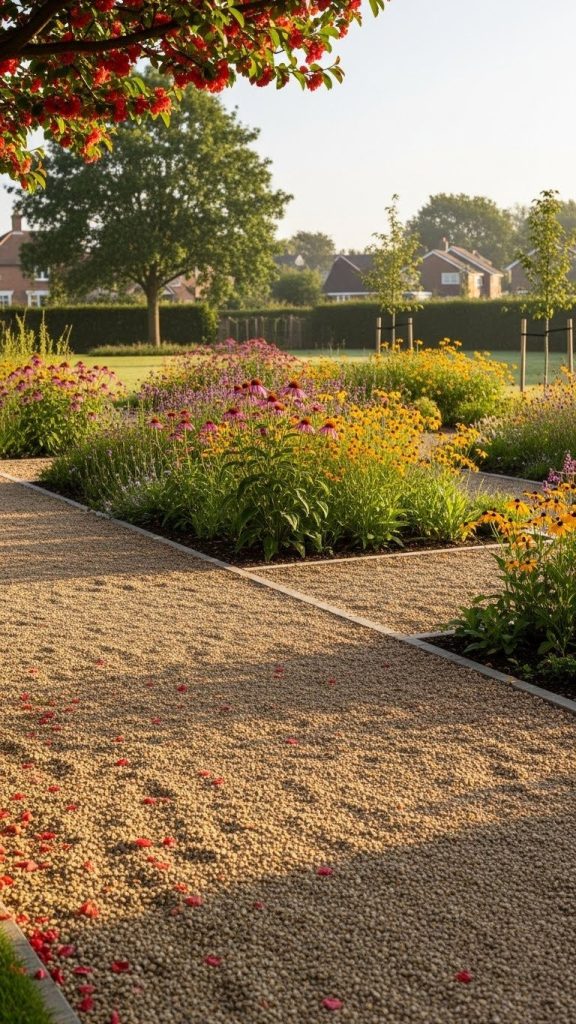
Ever walked down a garden path that just “felt right”? That usually means the walkway was designed with natural movement in mind. In public garden design, the flow of foot traffic matters as much as the plants.
People prefer paths that feel intuitive, spacious, and easy on the feet. Using materials like decomposed granite, smooth pavers, or compacted gravel makes the walkway functional without losing charm.
A survey from the American Society of Landscape Architects found that accessibility upgrades rank among the top priorities for modern outdoor design.
Pros
- Makes the garden safe and accessible for all visitors
- Encourages exploration without confusion
- Works with both formal and informal garden styles
Cons
- Quality walkway materials can raise project costs
- Requires occasional leveling or repairs in high-traffic zones
Mini Takeaway
A good path acts like a quiet guide, helping people enjoy the garden without needing signs or directions.
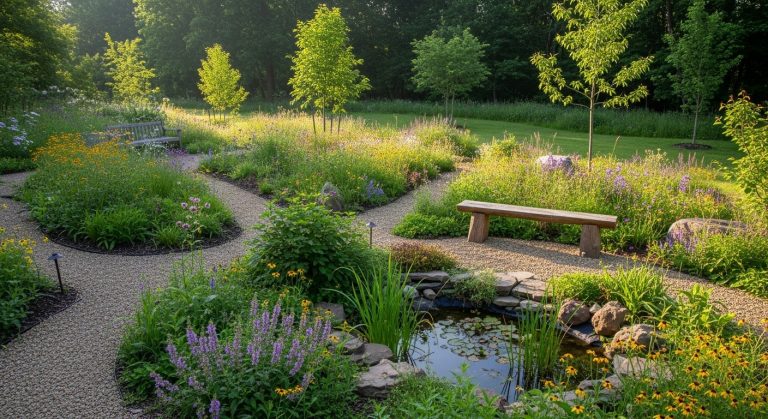
3. Native Plant Zones That Support Local Wildlife
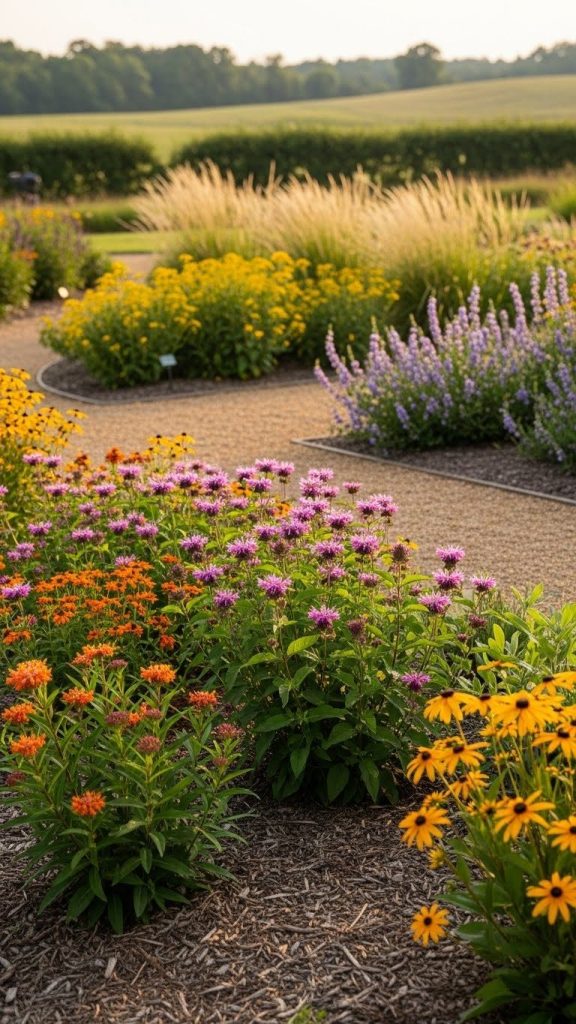
There’s something really satisfying about seeing butterflies and small birds enjoying a garden as much as people do. Native plant zones make this possible with surprisingly low effort.
These areas don’t need to look wild or messy. With thoughtful layout, they can be tidy, colorful, and educational. Plus, they reduce maintenance because the plants are adapted to local soil and weather.
Pros
- Attracts pollinators and supports local ecosystems
- Reduces watering and long-term maintenance
- Creates seasonal color that feels natural and grounded
Cons
- Native plants may be seasonal rather than evergreen
- Some visitors may prefer more structured beds
Mini Takeaway
If the goal is a garden that thrives with less fuss, native zones are one of the smartest additions.
4. Community-Inspired Garden Murals and Ceramic Art
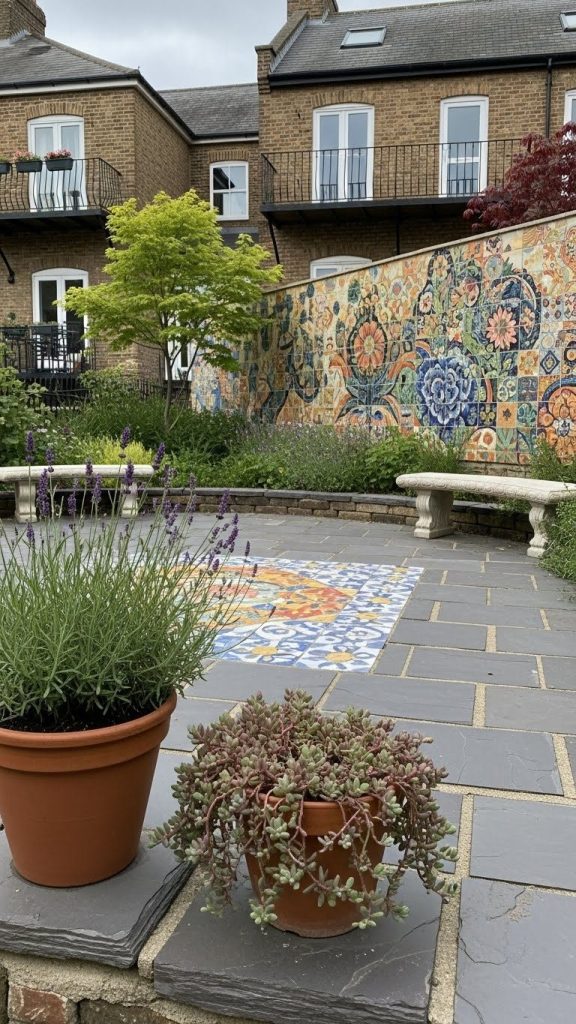
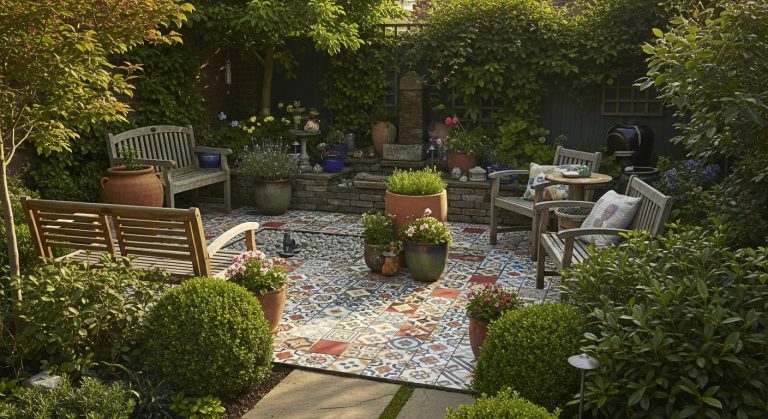
One of my favorite trends is blending art with nature—especially when local artists contribute. A ceramic mosaic wall, hand-painted tiles, or sculptural pieces can instantly make a public garden feel unique.
Art also gives people something to photograph, remember, and share. It adds personality that can’t be replicated elsewhere.
Pros
- Creates an identity for the space
- Encourages local cultural involvement
- Lasts for years with minimal care
Cons
- Commissioning art requires budgeting
- Ceramic pieces need thoughtful placement to avoid damage
Mini Takeaway
Public gardens shine when they reflect the community, and art is one of the most meaningful ways to do it.
5. Low-Maintenance Perennial Borders for Reliable Beauty
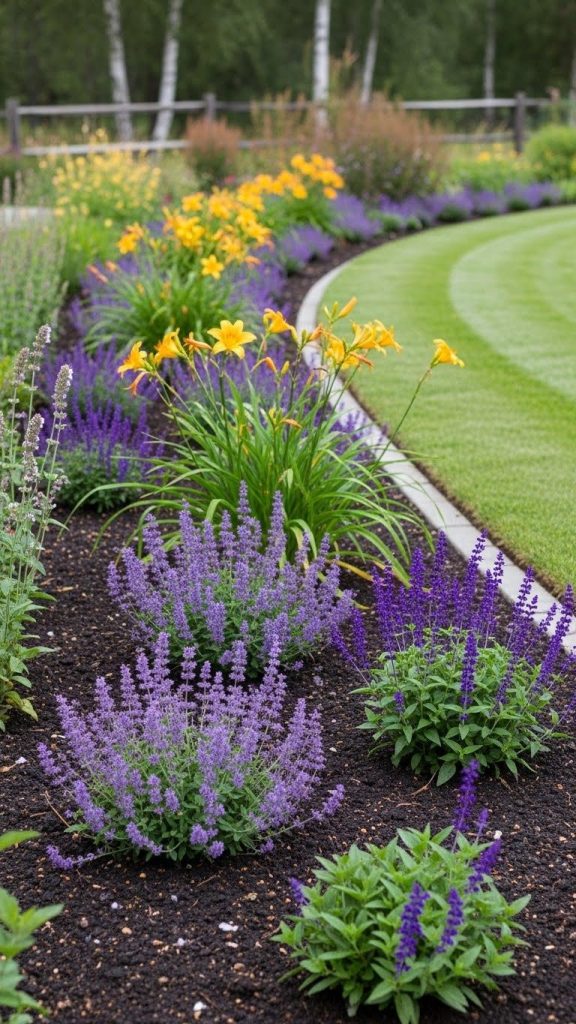
You know those gardens that look good even when no one seems to be tending them daily? That’s usually the magic of perennials.
Public gardens benefit from plants that return each year, stay manageable, and provide shape. Perennial borders create boundaries, soften hard edges, and bring predictable structure through the seasons.
Pros
- Long-lasting and budget-friendly
- Offers year-round consistency
- Supports bees and beneficial insects
Cons
- Requires seasonal trimming
- Some perennials spread quickly if not monitored
Mini Takeaway
Perennials are the backbone of well-run public gardens—beautiful, predictable, and surprisingly practical.
6. Water Features That Feel Natural, Not Overbuilt
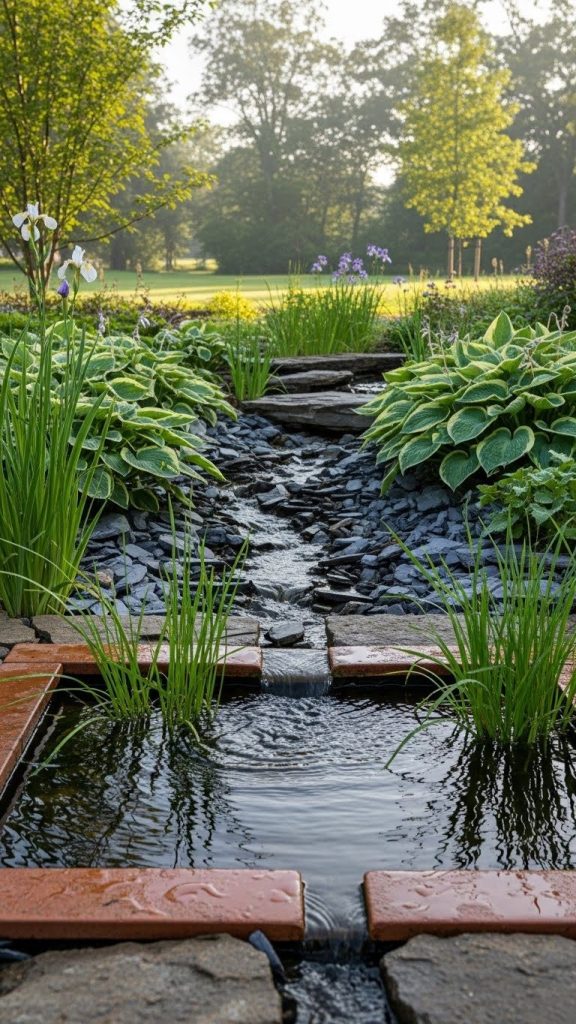
A gentle fountain or small pond can shift the entire mood of a garden. People instinctively gather around the sound of moving water—it’s calming without trying.
Modern public garden design favors low-water, recirculating features that mimic natural streams or springs. They bring life without complicated infrastructure.
Pros
- Creates soothing ambiance visitors love
- Attracts birds and wildlife
- Masks noise from roads or crowds
Cons
- Pumps need regular checks
- Standing water must be regulated to avoid algae
Mini Takeaway
Water draws people in. Even a simple, compact feature can turn an ordinary corner into a retreat.
7. Seasonal Flower Displays That Keep the Garden Exciting
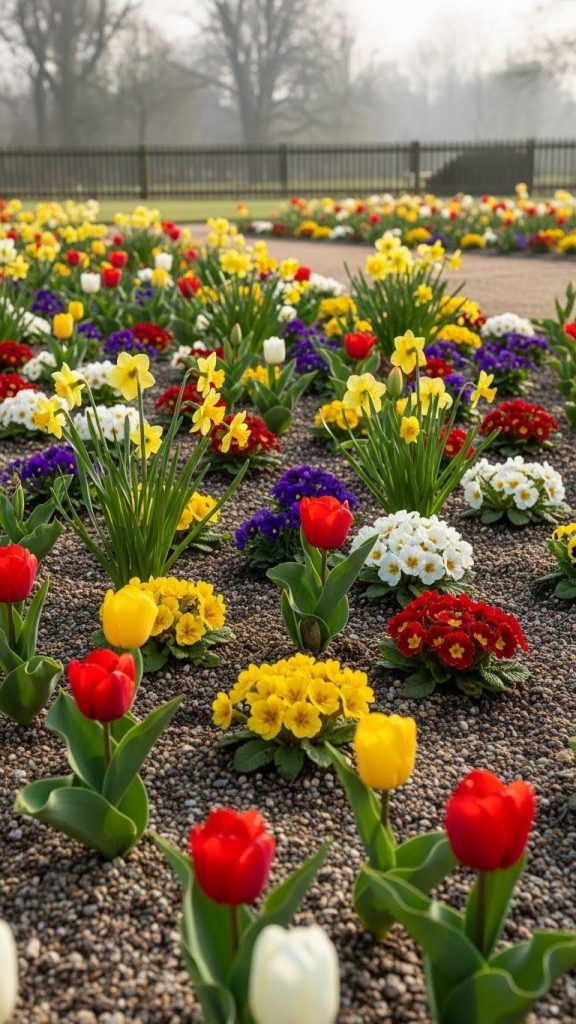
People visit gardens for color as much as atmosphere. Seasonal displays—tulips in spring, marigolds in summer, chrysanthemums in fall—keep the garden evolving.
Rotating displays also make the space feel “alive,” giving locals a reason to return.
Pros
- Adds high-impact color without permanent changes
- Encourages repeat visits
- Lets gardeners experiment with trending combinations
Cons
- Requires seasonal replanting
- Costs more in annual plant purchases
Mini Takeaway
Seasonal beds add energy to a garden, keeping it fresh and photo-worthy throughout the year.
8. Raised Planters for Accessibility and Visual Height
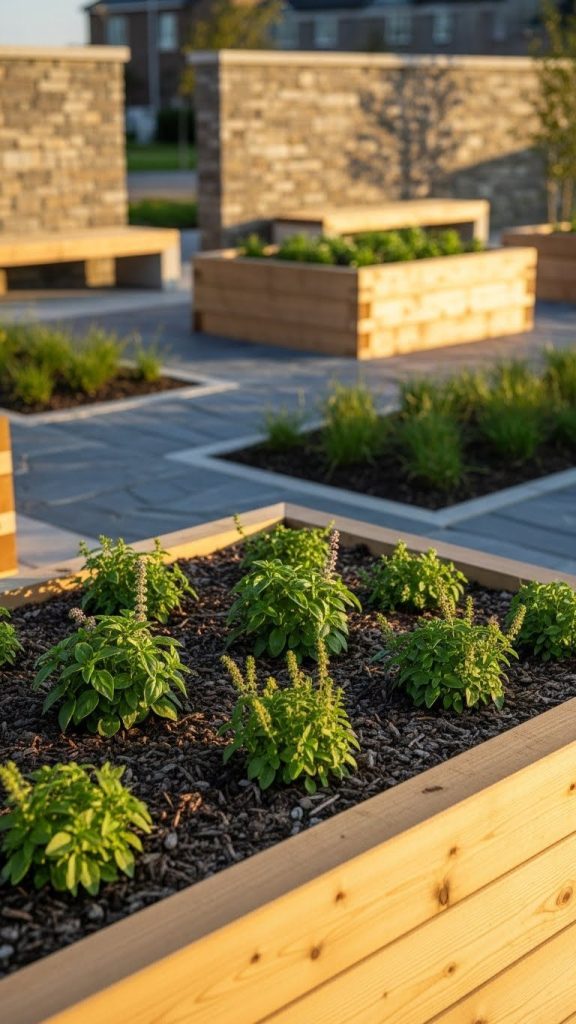
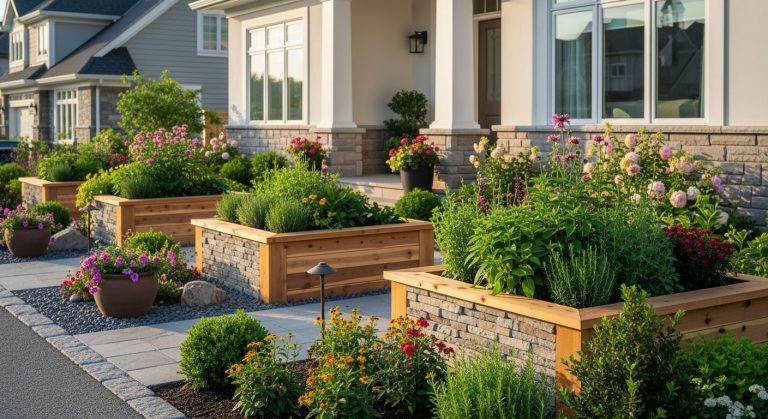
Public gardens often overlook vertical design, but raised planters change everything. They add dimension, make plants easier to care for, and support visitors with mobility needs.
Plus, they can be built with simple materials—brick, wood, concrete, or even recycled stone.
Pros
- Easier maintenance for gardeners
- Reduces bending or kneeling
- Creates layered visual interest
Cons
- Construction requires upfront investment
- Soil in raised beds dries faster
Mini Takeaway
Accessibility is design—not an add-on. Raised planters make gardens welcoming for everyone.
9. Grassy Mounds and Soft Contours for Play and Relaxation
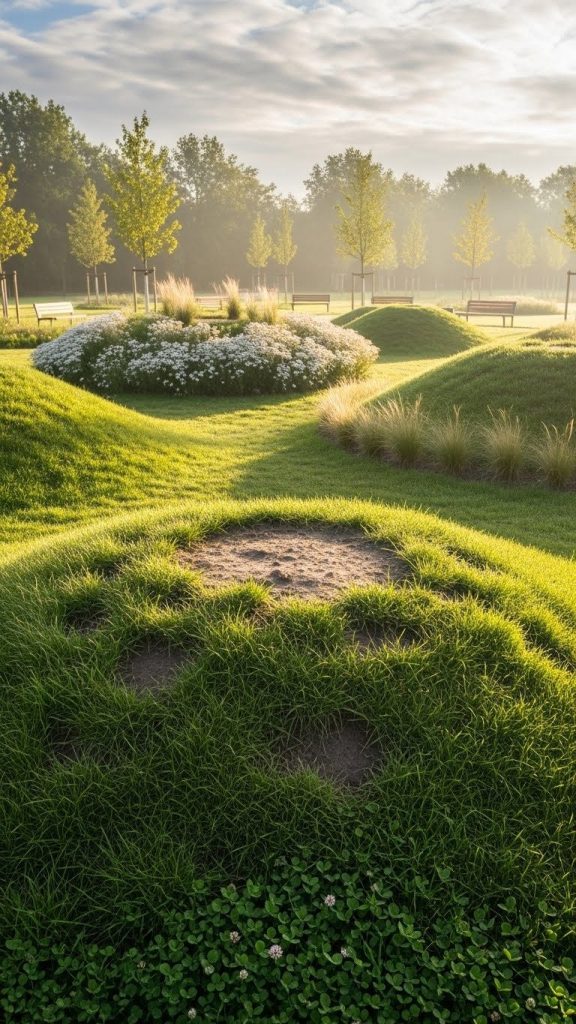
Flat lawns are fine, but adding gentle mounds instantly improves the visual rhythm of a public garden. They give kids playful hills and adults cozy places to relax.
Landscape designers often use mounds to create privacy pockets or block street noise.
Pros
- Adds natural interest without structures
- Encourages informal play
- Helps define space organically
Cons
- Requires precise shaping
- Must be maintained to prevent erosion
Mini Takeaway
A few soft contours can turn a plain lawn into a landscape people genuinely enjoy spending time in.
10. Quiet Corners Designed for Reading and Reflection
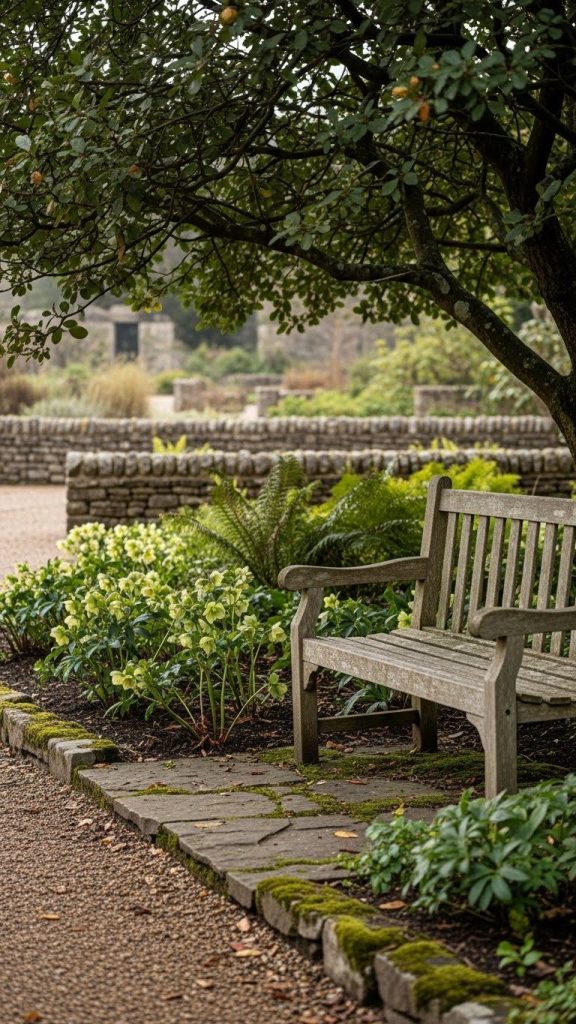
Not every space in a public garden needs to be social. Quiet corners—usually with a bench, shade tree, and a small cluster of plants—offer a peaceful escape.
These little nooks often become favorites for readers, remote workers, and anyone craving a moment away from noise.
Pros
- Improves the emotional value of the garden
- Encourages longer visits
- Works in gardens of any size
Cons
- Needs thoughtful placement to ensure privacy
- Can feel isolated if lighting is poor in the evening
Mini Takeaway
Quiet corners give public gardens heart. They create moments people remember.
11. Multi-Use Open Spaces for Events and Community Gatherings
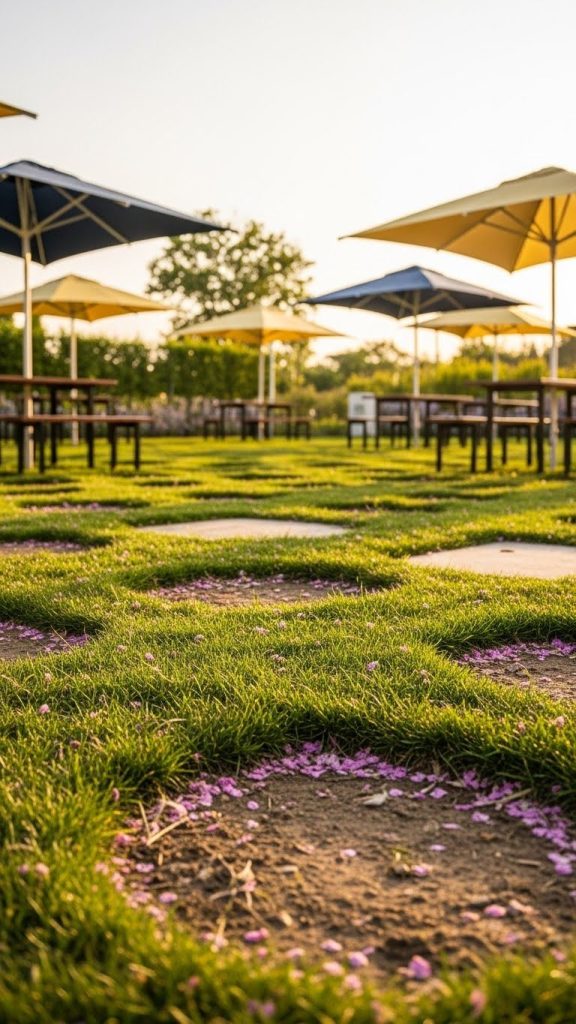
A flexible open space—like a small lawn or plaza—allows the garden to host outdoor movies, picnics, yoga, or weekend craft fairs. These areas keep the garden active, not just decorative.
It’s a practical way to attract different age groups without altering the garden permanently.
Pros
- Supports community engagement
- Increases foot traffic and visibility
- Adapts to seasonal events
Cons
- Requires durable turf or paving
- Needs careful noise management
Mini Takeaway
A multipurpose space helps the garden stay relevant and lively year-round.
12. Meadow Strips That Balance Wild and Tidy
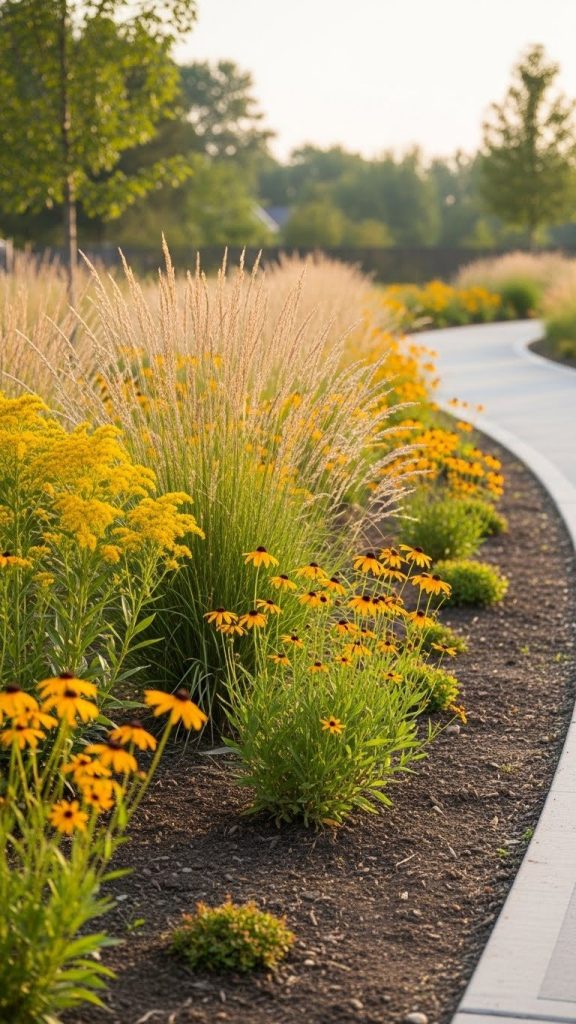
Urban meadows are trending for good reason—they’re eco-friendly, beautiful, and surprisingly low maintenance when established correctly.
Creating meadow strips along walkways or fences adds airy movement and seasonal character.
Pros
- Supports pollinators and biodiversity
- Requires minimal watering after year one
- Offers soft, natural texture
Cons
- First-year establishment needs patience
- Not ideal for formal garden themes
Mini Takeaway
A meadow strip adds life and motion to a garden without demanding constant care.
13. Clear Signage That Feels Friendly and Not Overdone
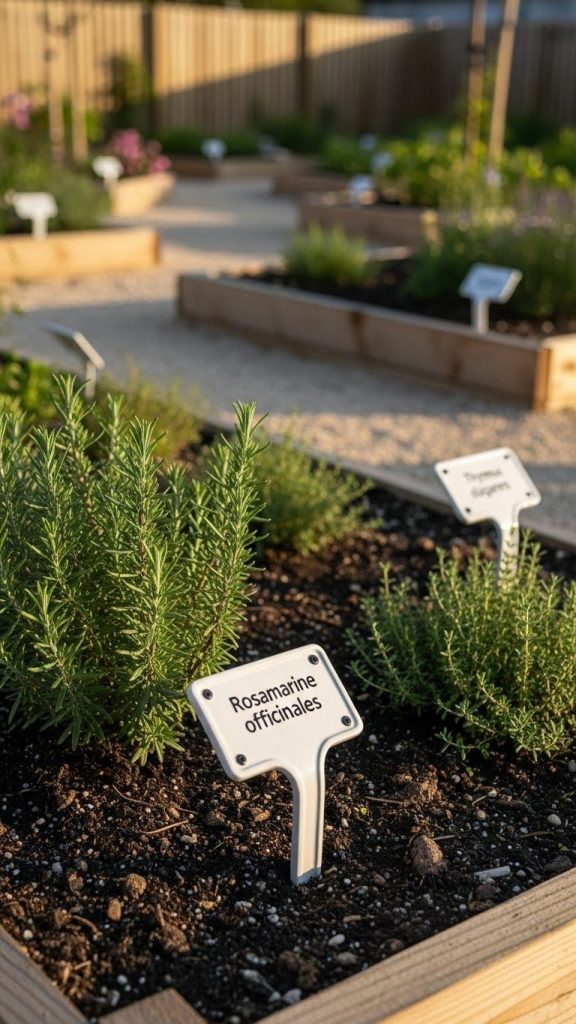
People love learning plant names or discovering the story behind a garden. Friendly, well-designed signage helps them connect with the space.
Avoiding harsh metal signs and choosing simple wooden or ceramic markers keeps things warm and approachable.
Pros
- Encourages education and curiosity
- Helps visitors understand plant choices
- Great for school or community gardens
Cons
- Requires weather-safe materials
- Needs occasional updates
Mini Takeaway
Signage isn’t about information—it’s about connection. It pulls people closer to the garden’s story.
14. Evening Lighting for Safety and Ambience
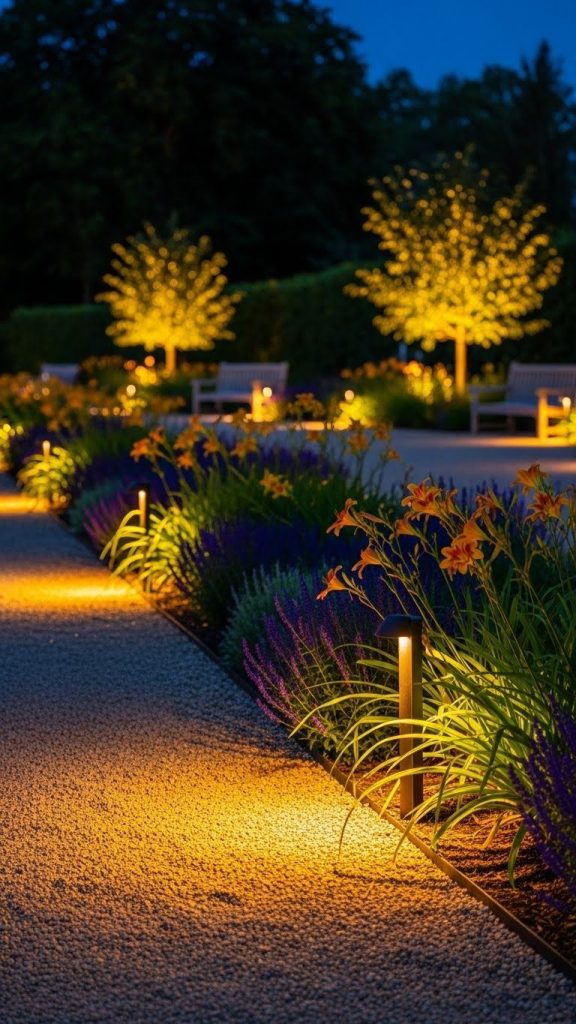
A public garden shouldn’t lose its charm after sunset. Simple path lighting, uplights for trees, or warm glow accents keep the space usable and safe.
LED fixtures make the cost reasonable while reducing energy use.
Pros
- Extends garden hours
- Enhances safety
- Adds magical nighttime atmosphere
Cons
- Requires installation planning
- Needs occasional bulb replacement
Mini Takeaway
Lighting turns a garden into a welcoming evening space rather than a dark, unused patch after sunset.
15. Durable Seating Built for Real Daily Use
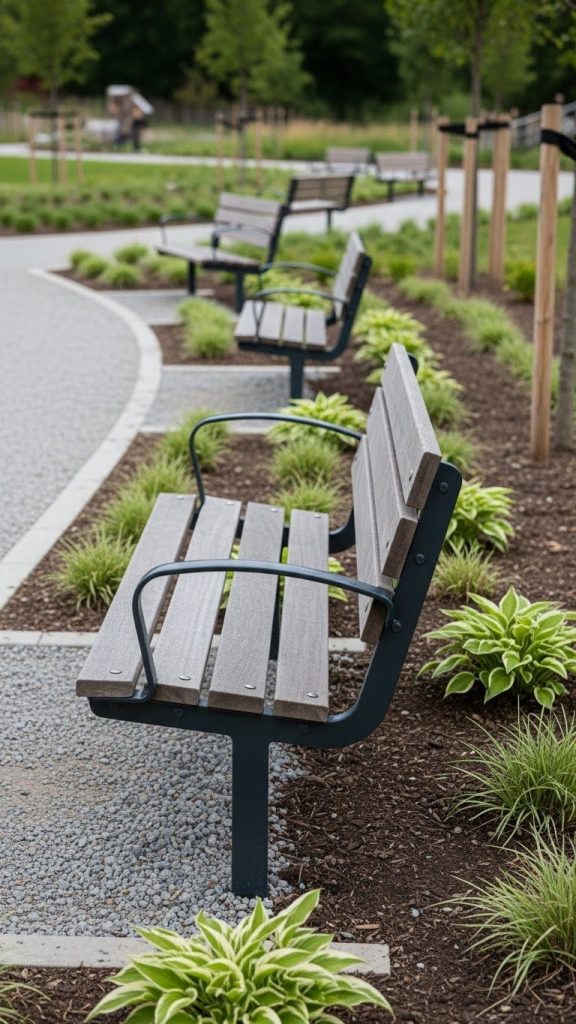
Public gardens attract all kinds of visitors—walkers, families, workers on lunch break. Durable, comfortable seating is essential.
Materials like teak, steel, composite wood, or stone stand up to weather and crowds. The key is placing seating where people naturally want to pause.
Pros
- Encourages people to stay longer
- Offers comfort for a wide range of visitors
- Easy to maintain with durable materials
Cons
- High-quality seating costs more upfront
- Placement mistakes can lead to underuse
Mini Takeaway
Good seating makes a garden feel cared for—and it shows visitors they’re welcome.
Conclusion
Public garden design is a blend of heart, practicality, and observation. When a space feels comforting, beautiful, and easy to use, people return again and again. What surprised me most while exploring these ideas is how many small details make a big difference—like shaded seating, soft pathways, or a quiet corner with just one well-placed bench.
Whether you’re shaping a community space or transforming a shared garden, start with the ideas that feel most meaningful to you. Try one feature, see how people respond, then build from there. Public gardens grow best when they evolve naturally through thoughtful choices.
Pick one idea you love and bring it to life—you’ll be surprised how quickly the space starts to feel special.

Ashley Ellison is a skilled writer and avid bowler. Her passion for storytelling and dedication to the sport have led her to participate in various national bowling leagues. With a unique combination of talents, Ashley approaches every challenge with creativity and a relentless drive to succeed.