Japanese Garden Lanterns: Transform Your Garden into a Serene Oasis
There’s something magical about stepping into a garden at twilight and seeing soft, ambient light flicker across carefully placed stones and plants. If you’ve ever walked through a traditional Japanese garden, you know exactly what I mean. That calm, meditative glow often comes from one subtle hero: the Japanese garden lantern. These lanterns aren’t just functional—they’re storytellers, mood-setters, and tiny works of art all rolled into one.
IMO, the beauty of these lanterns lies in their simplicity. They whisper elegance without shouting it, and they can turn an ordinary backyard into a peaceful sanctuary. I remember the first time I added a stone lantern near my koi pond—suddenly, my garden didn’t just feel like a patch of grass; it felt like a retreat. And that’s why we’re talking about them today.
Whether you’re redesigning a garden from scratch or looking to sprinkle in a touch of calm, Japanese garden lanterns are surprisingly versatile. This guide will explore 15 unique ways to use them, their benefits and drawbacks, and some practical tips along the way. Grab a cup of tea and let’s wander through lantern-lit paths together.
1. Stone Lanterns (Ishi-doro) for Timeless Elegance
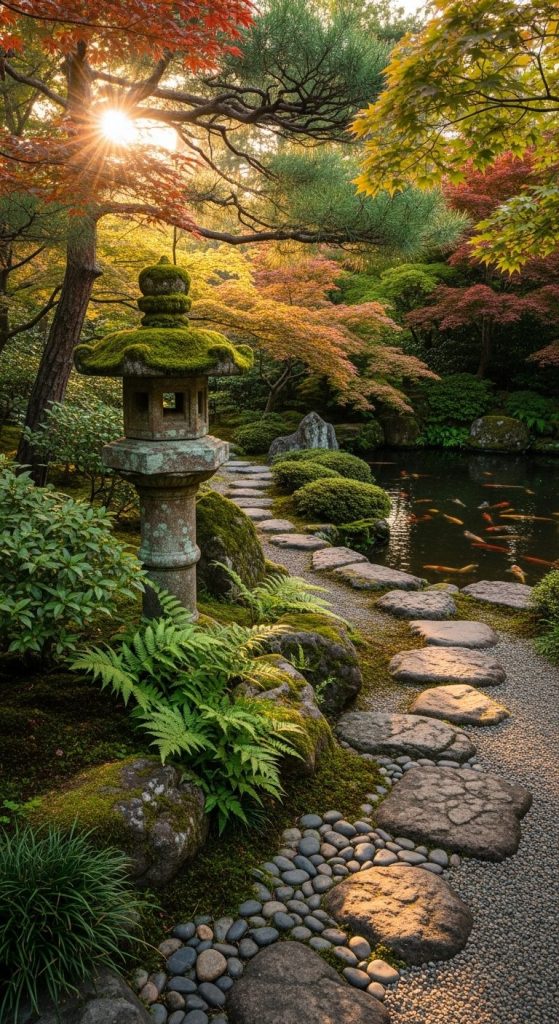
Stone lanterns are the classic icon of Japanese gardens. You’ve seen them in every travel photo from Kyoto, right? Their weighty presence adds a sense of permanence and serenity.
Pros:
- Durable and weather-resistant—can last decades.
- Provide a grounded, earthy aesthetic that complements plants and rocks.
- Serve as visual anchors in a garden, guiding the eye naturally.
Cons:
- Heavy—moving them around isn’t easy.
- Can be pricey depending on size and craftsmanship.
Stone lanterns work best near ponds, pathways, or as standalone focal points. I like to tuck one behind a cluster of ferns—just enough peeking light to feel mysterious. IMO, if you want authenticity and longevity, a stone lantern is hard to beat.
2. Wooden Lanterns for Warm, Natural Charm
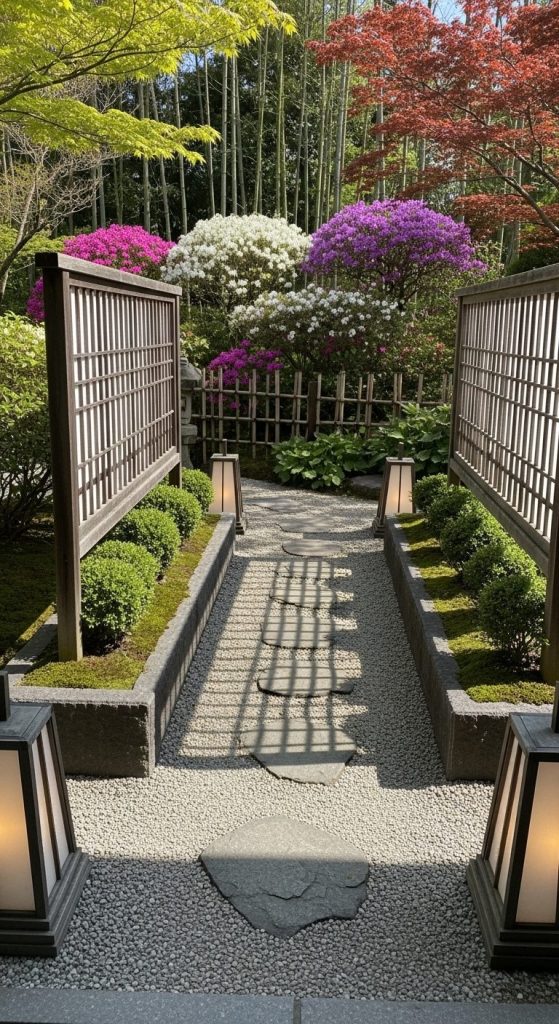
Unlike stone, wooden lanterns bring softness and warmth. They often feature shoji-style panels and intricate lattice work.
Pros:
- Lightweight and easier to relocate.
- Cast a softer, warmer glow than stone lanterns.
- Blend beautifully with natural wood fences and pergolas.
Cons:
- Less durable—susceptible to rot or insects.
- Require occasional maintenance and sealing.
I once used a wooden lantern to line a garden pathway. At dusk, the glow bouncing off the wooden lattice created a cozy, almost magical feel. For a garden where comfort matters as much as tradition, wooden lanterns shine.
3. Bronze Lanterns for Luxe Appeal
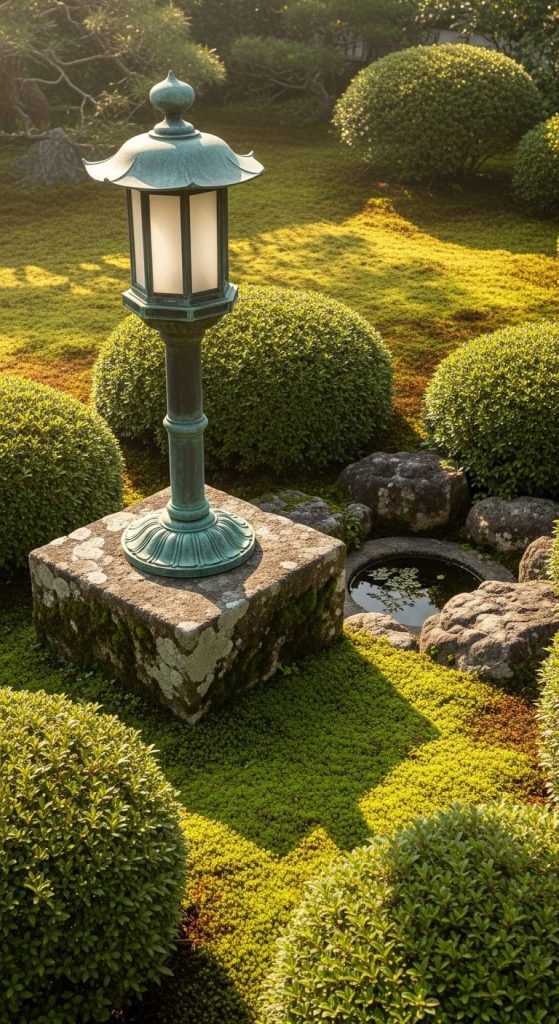
Bronze lanterns are less common but they make a bold statement. They combine historical elegance with a subtle metallic sheen.
Pros:
- Extremely durable and weather-resistant.
- Patinas beautifully over time, adding character.
- Offer a sophisticated, upscale vibe.
Cons:
- Heavier than wooden lanterns.
- Can be expensive depending on craftsmanship.
If you’re aiming for a refined corner in your garden, bronze lanterns provide a subtle “wow factor” without screaming for attention. IMO, they’re perfect for meditative nooks or a formal Japanese-inspired garden.
4. Solar-Powered Lanterns for Eco-Friendly Glow
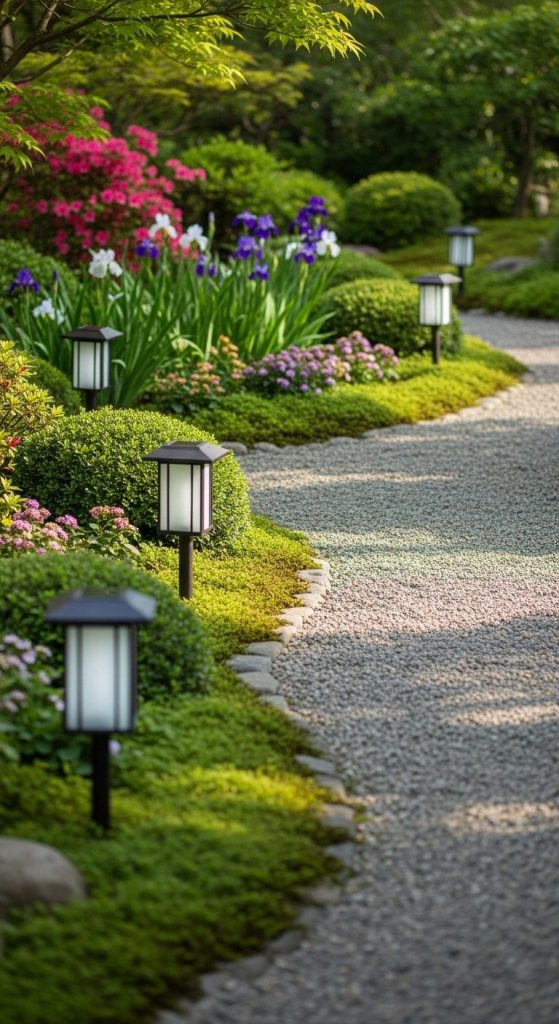
Modern gardens can embrace tradition while going green. Solar lanterns store sunlight during the day and glow at night—no wiring needed.
Pros:
- Energy-efficient and eco-friendly.
- Easy installation—no cords or outlets.
- Can be placed virtually anywhere sunlight reaches.
Cons:
- Glow may be dimmer than traditional lanterns.
- Battery performance can vary seasonally.
I have a set along my stone path, and FYI, watching them light up automatically as night falls is oddly satisfying. For anyone who wants charm with convenience, solar lanterns are a no-brainer.
5. Lanterns as Pond Accents
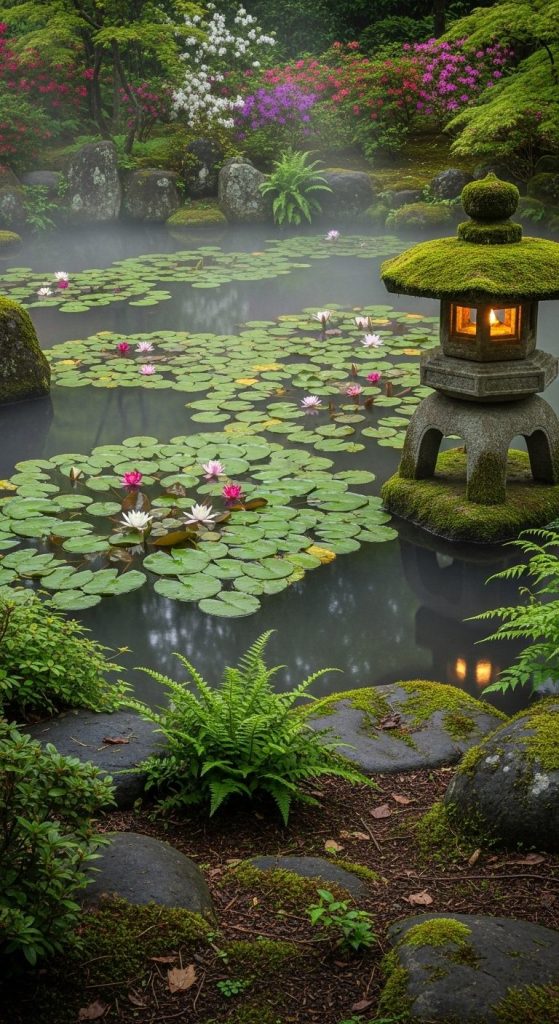
Placing lanterns near water enhances reflections and adds depth. The light dancing on ripples can be hypnotic.
Pros:
- Enhances visual interest and depth.
- Creates a tranquil, meditative vibe.
- Works beautifully with koi ponds or small water features.
Cons:
- Must ensure safe placement to avoid water damage.
- Some materials may corrode if too close to water.
My favorite setup? A stone lantern at the pond’s edge with lily pads floating nearby. At twilight, it feels like stepping into a Japanese painting. Even one lantern can elevate an entire water feature.
6. Pathway Lanterns for Guiding Light
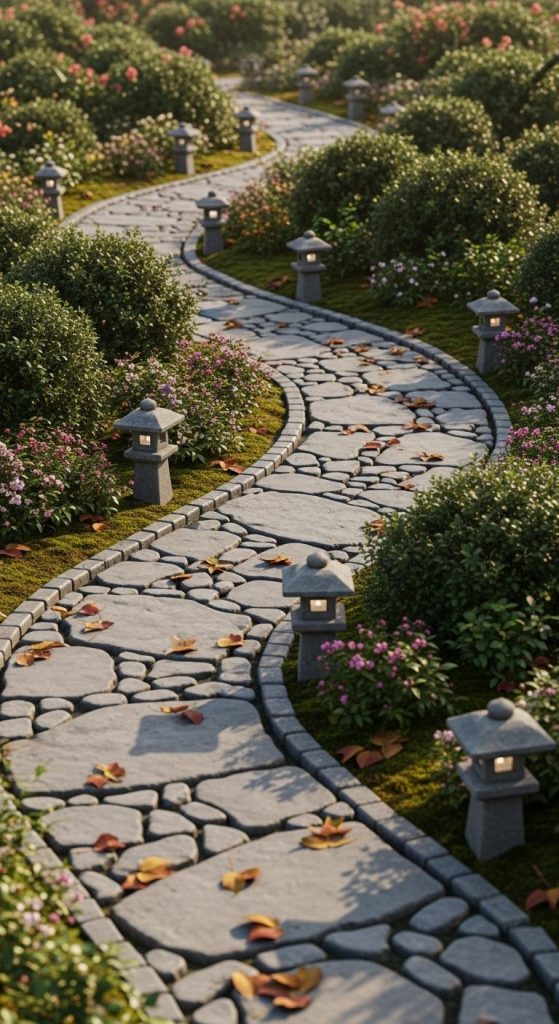
Ever notice how subtle lighting transforms a path? Japanese lanterns can define walkways without overwhelming the garden.
Pros:
- Adds safety and functionality without harsh lighting.
- Creates a guided journey, almost cinematic.
- Can be spaced to highlight plants or features along the path.
Cons:
- Requires thoughtful placement to avoid tripping hazards.
- Too many lanterns can feel cluttered.
IMO, lighting a garden path isn’t just practical—it’s an invitation. Each lantern is like a gentle hand, leading you through a story.
7. Hanging Lanterns for Elevated Interest
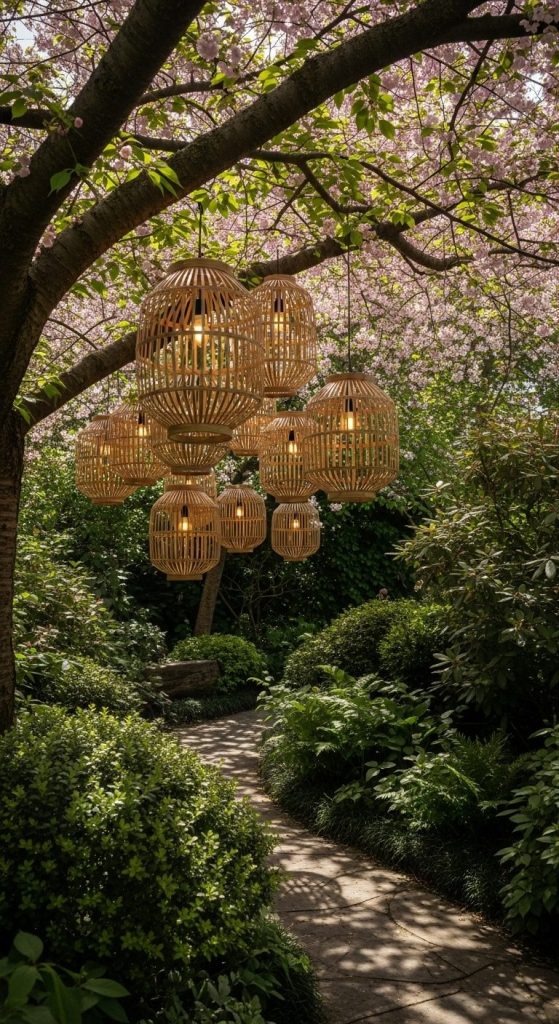
Hanging lanterns are less traditional but incredibly playful. Suspended from pergolas or tree branches, they draw the eye upward.
Pros:
- Adds vertical dimension and intrigue.
- Can use lighter materials like paper or bamboo.
- Creates a floating, magical ambiance.
Cons:
- More vulnerable to wind and weather.
- Paper or delicate materials require replacement over time.
I once hung a cluster of small bamboo lanterns from a cherry tree—it looked like tiny lantern fairies hovering above the garden. Hanging lanterns are whimsical, intimate, and perfect for evening gatherings.
8. Tea Ceremony Lanterns for Cultural Authenticity
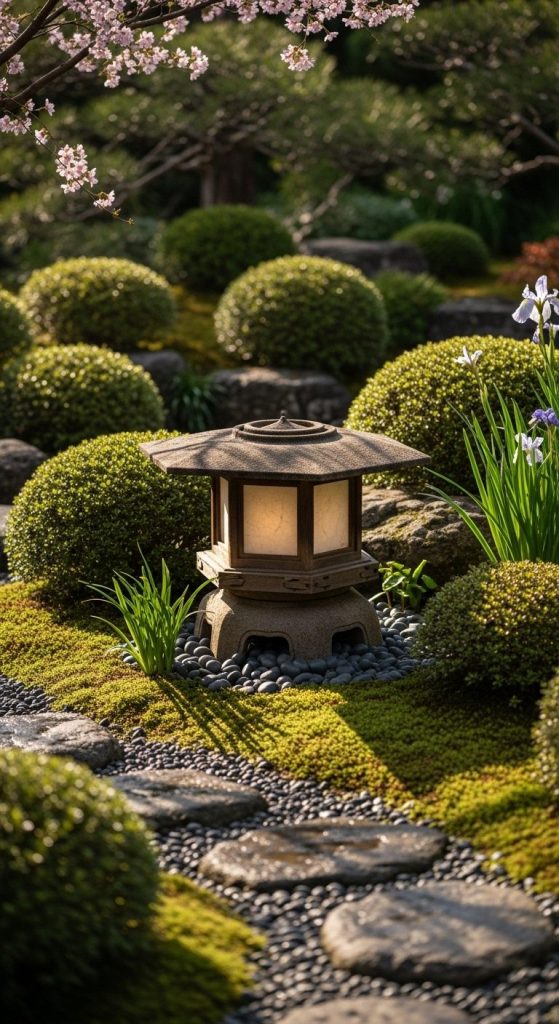
Lanterns designed for tea houses or tea gardens carry historical and ceremonial significance.
Pros:
- Rich in tradition and symbolism.
- Enhance authentic Japanese garden experiences.
- Often feature detailed, exquisite craftsmanship.
Cons:
- May be difficult to find outside specialty shops.
- Typically smaller and more decorative than functional.
Even if you’re not hosting a tea ceremony, incorporating one of these lanterns elevates your garden’s story. IMO, it’s a subtle nod to Japanese culture without overdoing it.
9. Moss-Covered Lanterns for Natural Patina
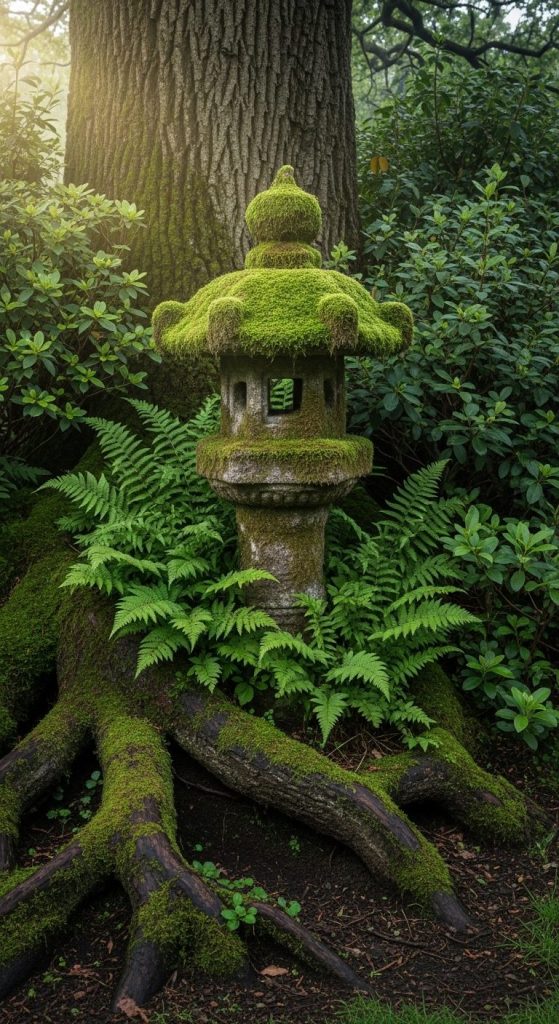
Let nature take its course. Moss growing on a lantern signals age and harmony with the environment.
Pros:
- Adds rustic charm and authenticity.
- Creates a sense of age, like your garden has existed for centuries.
- Low maintenance once moss establishes.
Cons:
- Needs a shady, moist environment to grow.
- Not suitable for very sunny or dry climates.
I love walking past a moss-covered lantern—it feels like nature itself is giving a quiet nod to your design choices. It’s the ultimate statement in effortless beauty.
10. Lanterns with Adjustable Light Intensity
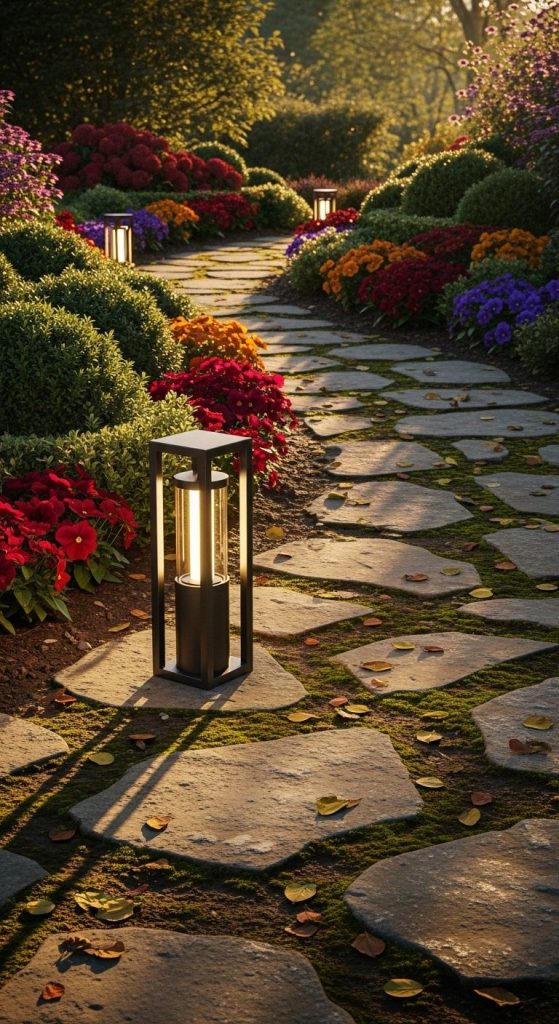
Some modern lanterns allow you to adjust brightness, merging tradition with technology.
Pros:
- Offers flexibility for different moods.
- Energy-efficient LED options available.
- Can match any evening ambiance, from romantic to dramatic.
Cons:
- More technical setup—requires batteries or wiring.
- Less “authentic” to traditionalists.
For gardens that host both casual evenings and special events, adjustable lanterns are a versatile friend. IMO, it’s all about balancing mood with practicality.
11. Miniature Lanterns for Fairy Garden Corners
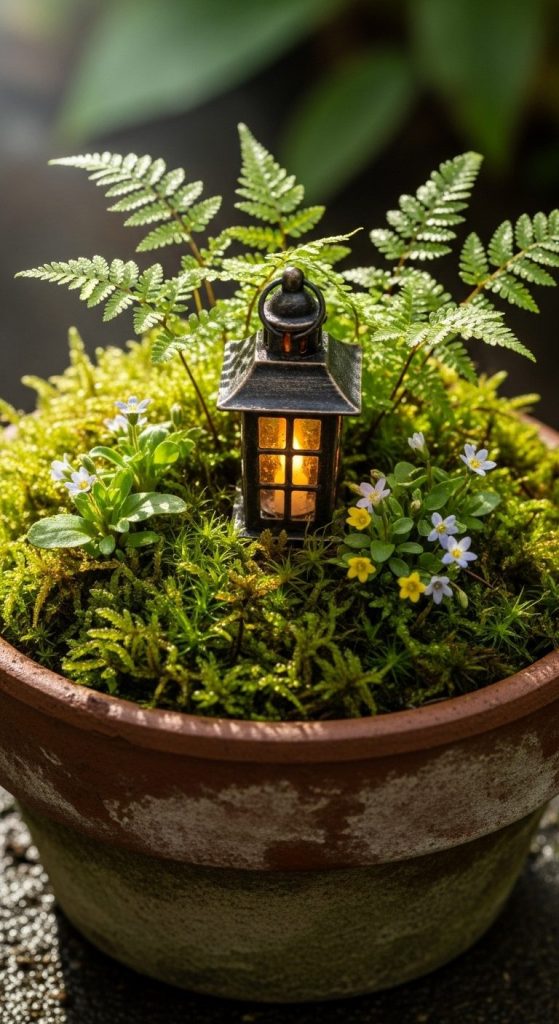
Tiny lanterns aren’t just cute—they create intimate vignettes within your garden.
Pros:
- Perfect for small spaces or container gardens.
- Adds charm without overpowering.
- Encourages creativity and playful design.
Cons:
- Limited lighting—mainly decorative.
- Can be easy to overlook in large gardens.
A mini lantern tucked beside moss and tiny ferns can make a corner feel like a hidden world. They remind me that small details often make the biggest impact.
12. Bamboo Lanterns for Lightweight Versatility
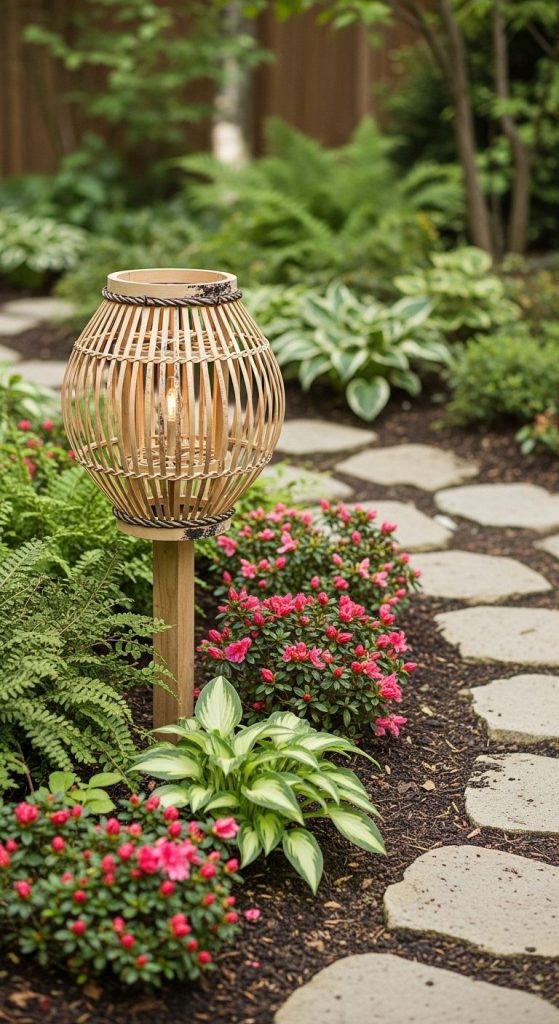
Bamboo is synonymous with Japanese aesthetics, and lanterns made from it feel light yet elegant.
Pros:
- Lightweight and easy to move.
- Complements wooden fences, pergolas, or bamboo screens.
- Creates soft, natural glow patterns.
Cons:
- Susceptible to weather and insects.
- Not ideal for permanent outdoor placement without treatment.
Bamboo lanterns are my go-to when I want a temporary, enchanting effect—perfect for seasonal adjustments or party setups.
13. Lanterns as Seasonal Decor
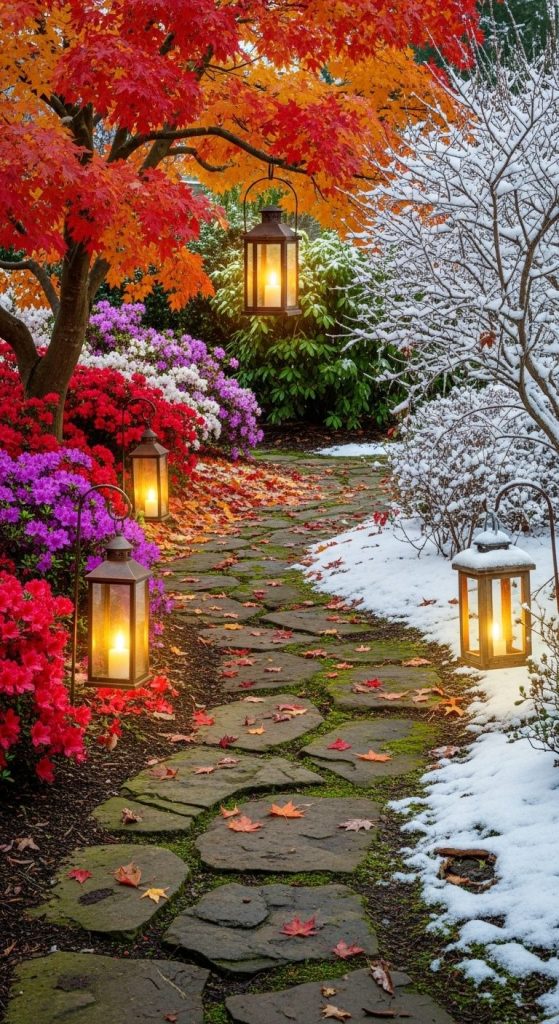
Why not change lantern placements with the seasons? Spring blossoms, autumn leaves, and winter snow can be highlighted beautifully.
Pros:
- Refreshes your garden without full redesigns.
- Can highlight seasonal blooms or features.
- Keeps your outdoor space dynamic and evolving.
Cons:
- Requires regular repositioning or storage.
- Seasonal wear and tear can affect delicate materials.
I love rotating lanterns to frame a flowering azalea in spring and then a fiery maple in autumn. It keeps the garden alive in more ways than one.
14. Lantern Clusters for Dramatic Effect
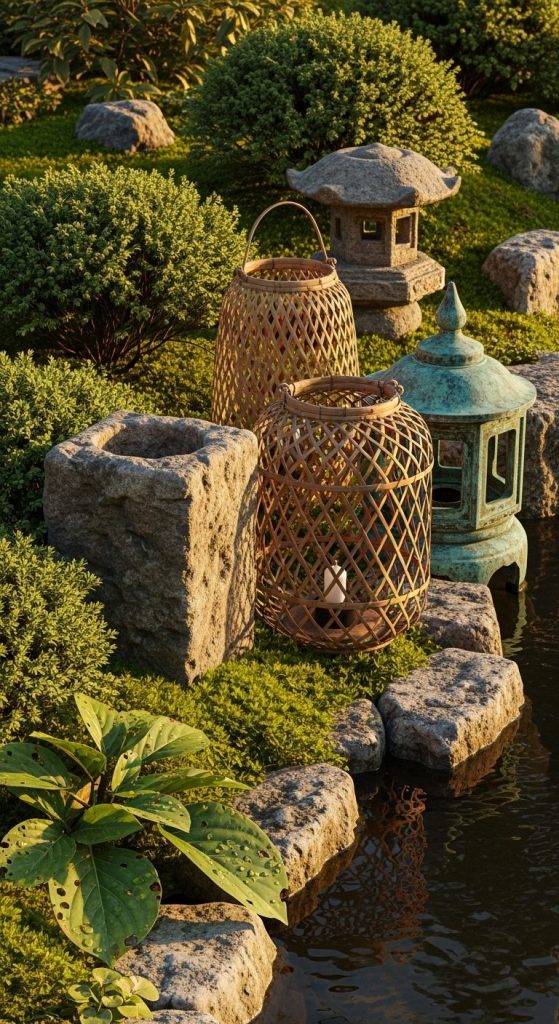
Grouping lanterns together can create a mini spectacle, perfect for a central garden focal point.
Pros:
- High visual impact without extra landscaping.
- Can mix materials and heights for texture.
- Ideal for evening gatherings or photography.
Cons:
- Requires careful placement to avoid clutter.
- More lanterns = more maintenance.
IMO, a cluster near a pond or under a pergola transforms a corner into an experience, not just a space.
15. Lanterns with Motion or Candle Flicker Effects
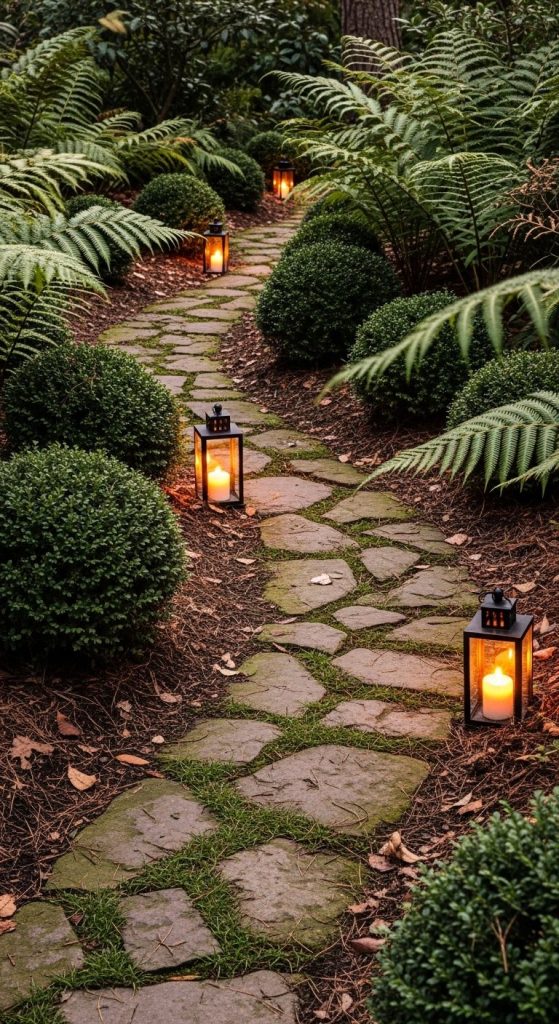
Adding movement or flickering light mimics real fire and enhances the sensory experience.
Pros:
- Adds realism and cozy warmth.
- Attracts attention naturally.
- Works beautifully in both traditional and modern gardens.
Cons:
- Battery-powered versions need monitoring.
- Too many flickering lights can feel chaotic.
I once added a flickering lantern along a stone path—instant magic. Even subtle motion in light makes a huge difference to atmosphere.
Conclusion: The Lantern-Lit Garden Magic
Japanese garden lanterns aren’t just ornaments—they’re storytellers, mood setters, and portals to tranquility. Whether you choose stone, bronze, bamboo, or solar, each lantern adds personality and purpose. From guiding paths to creating fairy-tale corners, these lights transform outdoor spaces into meditative escapes.
Ultimately, it’s about blending aesthetics, function, and emotion. A well-placed lantern can make you pause, breathe, and enjoy the world’s quiet beauty—something we all could use a little more of. Next time you stroll through your garden at dusk, look for that soft glow and smile. Your own slice of serenity is right there, waiting to be lit.

William Martin is a passionate bowler who spends most of his weekends playing the sport. With years of intense experience under his belt, William decided to share his knowledge by creating BOWLING OCEAN. Join me on this journey to explore the world of bowling and discover the tips and tricks to becoming a pro.