Raised Garden Beds Flowers: 15 Stunning Ways to Create a Blooming Paradise
If you’ve ever stood in your yard wondering how to turn that patch of dirt into something magical, I get it. The answer is simpler (and prettier) than you might think — raised garden beds flowers. They’re practical, stylish, and honestly, way easier to manage than you’d expect. Whether your goal is to boost curb appeal, attract pollinators, or just add a pop of color that makes your neighbors jealous, raised flower beds can do it all.
Let’s dig in and explore 15 creative ways to grow flowers in raised garden beds that look gorgeous and make your gardening life easier.
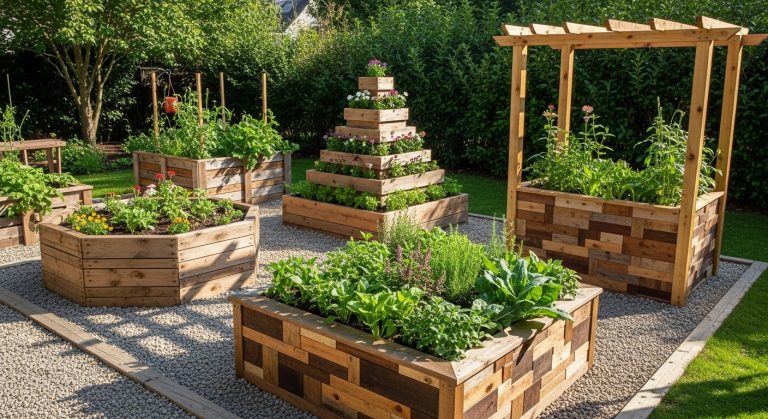
1. The Classic Wooden Raised Bed Full of Perennials

Nothing beats the timeless look of wooden raised garden beds filled with flowers that come back year after year. Perennials like lavender, daisies, and coneflowers love the elevated soil drainage.
Pros:
- Adds a natural, warm touch to any landscape.
- Easy to build and customize.
- Low maintenance after the first season.
Cons:
- Wood may rot over time (unless treated or lined).
Ever wondered why gardeners keep going back to wooden beds? It’s because they age beautifully, especially with rustic, weathered patina — like wine, but for your garden.
2. Metal Raised Beds for a Modern Floral Edge

If you’re into sleek and modern, galvanized steel raised beds filled with bright petunias or sunflowers might just be your style.
Pros:
- Super durable — lasts for decades.
- Reflects heat to keep soil warmer for longer blooms.
Cons:
- Can get hot in full sun (shade-loving flowers might not love it).
IMO, metal beds pair perfectly with structured flowers like lilies or ornamental grasses for a minimalist yet bold statement.
3. Tiered Raised Garden Beds for Flower Layers

Want a dramatic, multi-level look? Tiered beds let you plant different flower heights — tall in the back, medium in the middle, short in front.
Pros:
- Maximizes visual depth.
- Great for uneven yards or slopes.
Cons:
- Slightly more work to build.
Picture rows of dahlias, marigolds, and pansies cascading down — total visual drama, zero regrets.
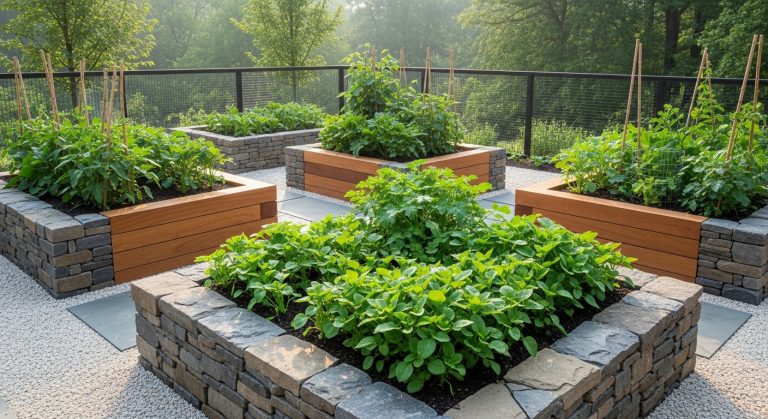
4. Stone Raised Flower Beds for Rustic Charm

Natural stone instantly makes your garden feel grounded (literally and figuratively). Pair it with native wildflowers for that “English cottage garden” vibe.
Pros:
- Incredibly durable.
- Naturally retains moisture.
Cons:
- Heavy to install.
Pro tip: Use irregular stones for a more organic, handmade feel. Your garden will look like it’s been there forever — in a good way.
5. Mix-and-Match Blooms for Continuous Color

Don’t you hate when all your flowers bloom at once and then… crickets? Mix species with staggered bloom times — think tulips for spring, zinnias for summer, and mums for fall.
Pros:
- Year-round color.
- Attracts different pollinators throughout the seasons.
Cons:
- Requires planning and variety.
You’ll never have a dull moment — literally.
6. Raised Garden Beds for Pollinator-Friendly Flowers

Pollinators love raised beds because they’re easy to access and full of nectar-rich blooms like echinacea, salvia, and black-eyed Susans.
Pros:
- Supports bees, butterflies, and hummingbirds.
- Adds movement and life to your garden.
Cons:
- Some flowers may reseed aggressively.
According to the U.S. Department of Agriculture, pollinator-friendly gardens increase yield and biodiversity. Plus, who doesn’t love butterflies floating around?
7. Herb and Flower Combo Beds

Mixing flowers and herbs? Genius move. Marigolds deter pests while basil attracts pollinators — and it smells divine.
Pros:
- Practical and beautiful.
- Naturally pest-resistant.
Cons:
- Needs good spacing to avoid crowding.
I once planted lavender and rosemary next to snapdragons — best sensory garden ever. The bees thought so too.
8. Vertical Raised Beds for Flowers

Short on space? Go vertical. Use trellises, stacked planters, or wall-mounted boxes to grow petunias, nasturtiums, or ivy geraniums.
Pros:
- Space-efficient.
- Looks artistic and modern.
Cons:
- Requires more frequent watering.
A Statista survey (2024) found that 38% of small-space gardeners prefer vertical beds — no wonder, they’re Instagram gold.
9. Raised Garden Beds with Borders of Blooms

Frame your raised vegetable beds with a border of flowers. Not only do they look stunning, but marigolds and nasturtiums also deter pests naturally.
Pros:
- Adds functional beauty.
- Protects edible plants from bugs.
Cons:
- Requires coordination of plant heights.
It’s the gardening version of adding eyeliner — subtle but powerful.
10. Concrete Block Raised Beds for Modern Flowers

If you love an industrial look, concrete block beds filled with colorful blooms like begonias or impatiens create a killer contrast.
Pros:
- Extremely sturdy and low maintenance.
- You can plant in the block holes too!
Cons:
- Heavy and not easily movable.
The symmetry of concrete beds paired with soft flowers? Chef’s kiss.
11. Raised Garden Beds for Shady Flowers

Got shade? Don’t sweat it. Begonias, impatiens, and ferns thrive in shaded raised flower beds.
Pros:
- Great for north-facing yards.
- Requires less frequent watering.
Cons:
- Limited flower choices.
I’ve found that pairing hostas with impatiens gives that “lush jungle corner” look — perfect for cozy vibes.
12. Color-Themed Raised Flower Beds

Nothing says “designer garden” like a coordinated color palette. Try an all-white bed for elegance or a fiery red-orange combo for drama.
Pros:
- Visually cohesive.
- Fun to design and experiment with.
Cons:
- Might limit flower variety.
Want the wow factor? Try purple and yellow together — they pop like sunshine on a cloudy day.
13. Raised Garden Beds for Cut Flowers

If you love fresh bouquets, dedicate a bed just for cut flowers like zinnias, dahlias, and cosmos.
Pros:
- Endless free bouquets.
- Encourages regular pruning (and more blooms).
Cons:
- Needs consistent maintenance.
There’s nothing more satisfying than grabbing scissors and walking out to your own mini flower farm.
14. Raised Garden Beds with Built-In Seating

Why not add comfort to beauty? Some raised flower beds double as garden benches — perfect for admiring your work or sipping morning coffee.
Pros:
- Space-efficient and functional.
- Perfect for small yards or patios.
Cons:
- Slightly more expensive to build.
A cedar bed with corner seating gives instant “outdoor café” energy. Who needs Paris when you’ve got petunias and sunshine?
15. Seasonal Rotation Flower Beds

Want to keep things fresh? Rotate flowers by season — pansies for spring, geraniums for summer, asters for fall.
Pros:
- Always something new to enjoy.
- Prevents soil nutrient depletion.
Cons:
- Requires replanting effort.
Gardening is like fashion — trends change, but color never goes out of style. Keep your raised garden beds feeling alive all year.
Final Thoughts
Raised garden beds with flowers aren’t just about looks — they’re about control, creativity, and joy. You can manage soil quality, design like a pro, and finally have that garden that turns heads every time someone walks by.
So grab your gloves, pick your blooms, and start building your own floral paradise. Trust me — once you start, you’ll wonder why you didn’t sooner.

Ashley Ellison is a skilled writer and avid bowler. Her passion for storytelling and dedication to the sport have led her to participate in various national bowling leagues. With a unique combination of talents, Ashley approaches every challenge with creativity and a relentless drive to succeed.