15 Small Veggie Garden Ideas for Every Tiny Space
Ever walk past a tiny patch of soil and think, “I wish I could grow something here”? There’s something magical about pulling a fresh carrot from your own backyard or snipping herbs straight into your dinner pan. Small veggie gardens aren’t just for people with acres of land—they’re perfect for patios, balconies, and even sunny windowsills. With the right approach, a compact space can yield a surprisingly bountiful harvest while looking absolutely charming.
Over the years, I’ve experimented with different setups—some that flourished beyond expectations, others that taught me lessons about soil, sunlight, and patience. The best part? You don’t need a massive garden or fancy tools. Just creativity, practical planning, and a few smart strategies can turn any small corner into a thriving veggie oasis. Here are 15 small veggie garden ideas that are both achievable and visually appealing, perfect for anyone ready to get their hands dirty.
1. Vertical Pallet Garden
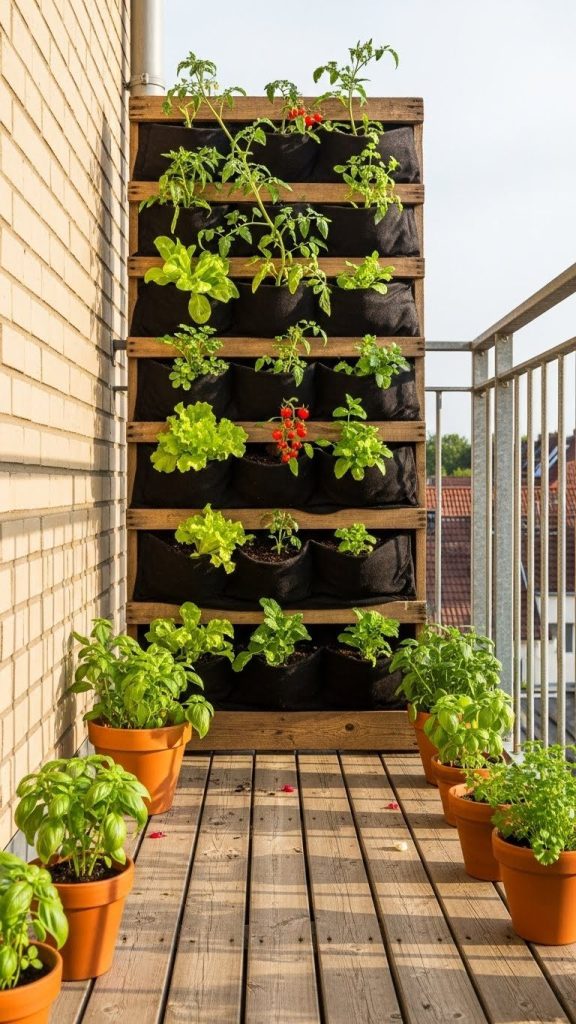
If you’re short on floor space, why not go vertical? A wooden pallet can be transformed into a multi-tiered planting station. Simply attach landscape fabric pockets or small pots, fill with soil, and plant leafy greens, herbs, or small tomatoes. It’s a compact, space-saving solution that still gives a lush, layered look.
Pros:
- Maximizes limited space
- Easy to move around if needed
- Can be customized with paint or stain for extra charm
Cons:
- Requires regular watering since soil dries quickly
- Some veggies need deeper soil than pallets can provide
Mini takeaway: A vertical pallet garden is surprisingly versatile and can instantly add greenery to even the tiniest balcony or patio.
2. Window Box Herb Garden
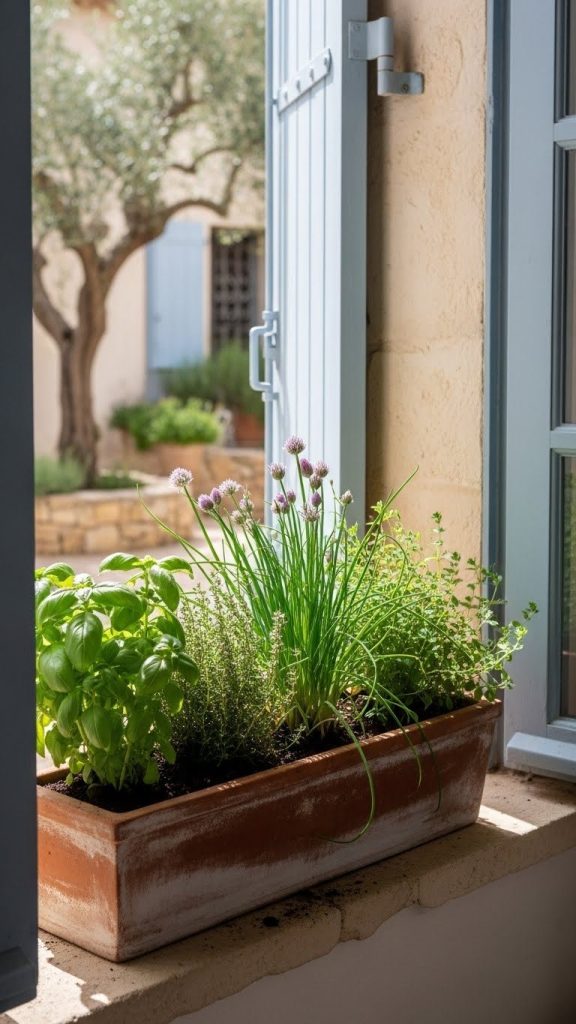
Sunny windowsills are wasted if you’re not growing anything there. Window boxes are ideal for herbs like basil, thyme, and chives. They’re easy to access, smell amazing when brushed against, and make cooking fresh meals effortless.
Pros:
- Herbs are always within arm’s reach
- Adds visual appeal indoors and outdoors
- Minimal soil and maintenance required
Cons:
- Limited to small, shallow-rooted plants
- Needs frequent watering, especially in hot sun
Mini takeaway: A window box herb garden turns cooking into a multisensory experience while brightening your window view.
3. Hanging Basket Veggies
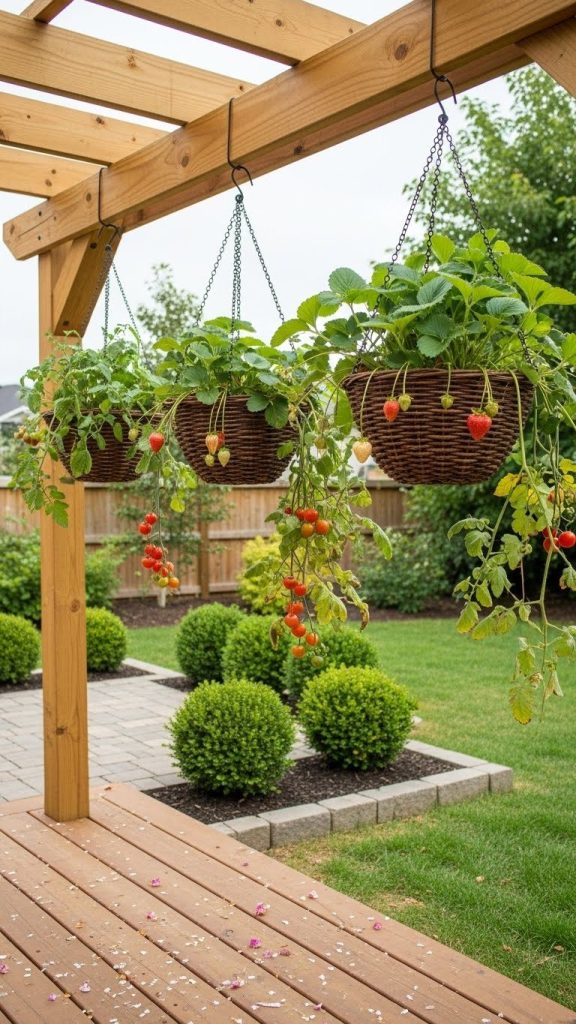
Why plant on the ground when you can hang your greens? Hanging baskets work surprisingly well for strawberries, cherry tomatoes, and trailing herbs. Plus, they add a whimsical, floating garden feel.
Pros:
- Frees up floor space
- Adds vertical interest and charm
- Can be rotated for optimal sun exposure
Cons:
- Limited soil depth
- Watering can be tricky; frequent attention needed
Mini takeaway: Hanging baskets are a playful, eye-catching way to grow food without crowding your space.
4. Container Tomato Tower
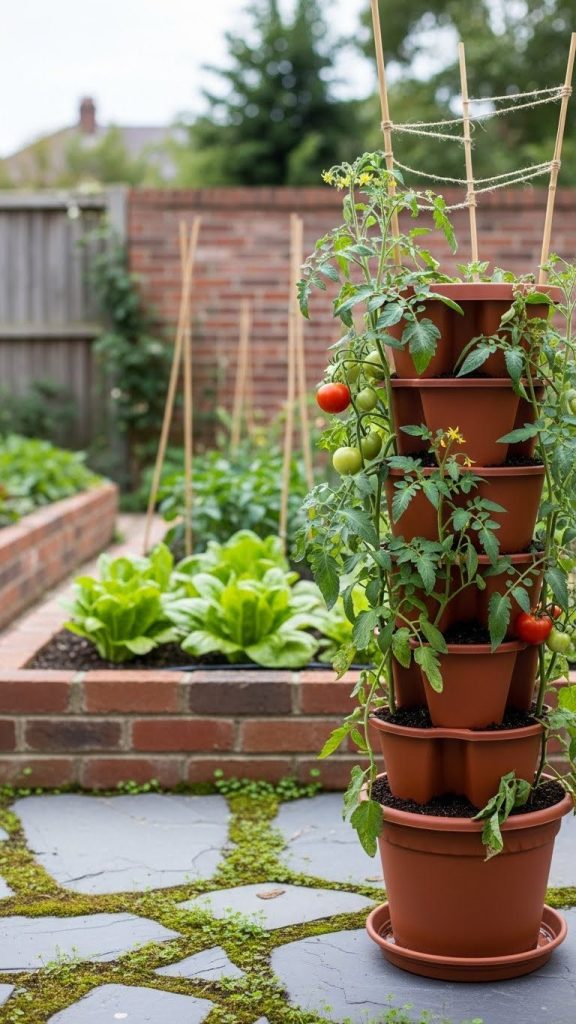
Tomatoes are often considered tricky, but stacking them in tiered containers makes it easier. You can use pots or even recycled buckets, adding trellises to guide growth. This setup works particularly well on patios or small backyard corners.
Pros:
- Optimizes vertical space
- Protects tomatoes from ground pests
- Portable if needed
Cons:
- Requires sturdy support for heavier fruit
- Soil can dry faster in smaller pots
Mini takeaway: With the right support, tomato towers provide an impressive harvest from a tiny footprint.
5. Raised Bed Corner Garden
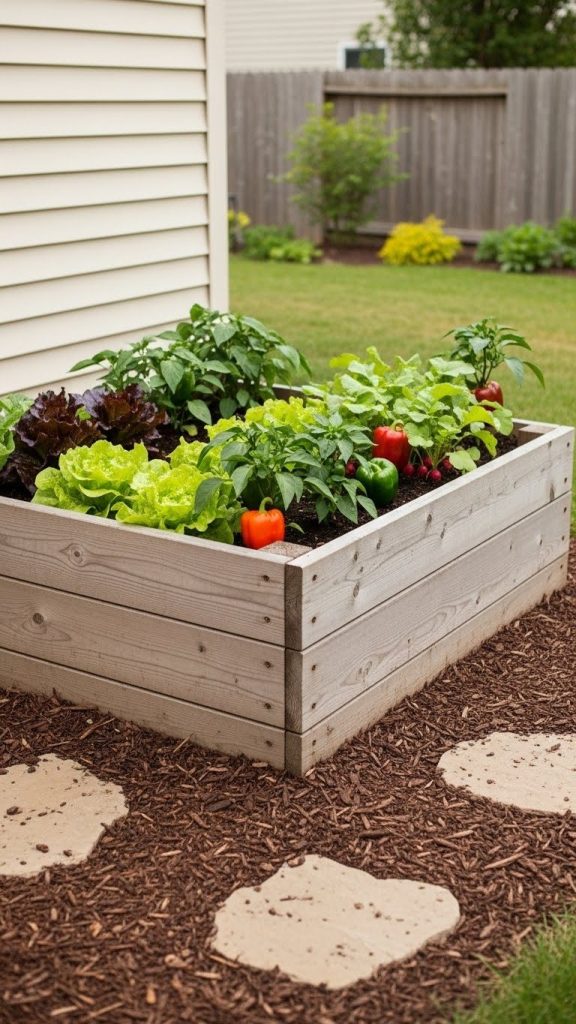
Even a small corner of your yard can be transformed into a raised bed. These beds improve drainage, make soil management easier, and allow for neat organization of your veggies. A simple 3×3-foot box can hold a variety of plants like lettuce, peppers, and radishes.
Pros:
- Controlled soil quality
- Easier weeding and harvesting
- Neat and tidy aesthetic
Cons:
- Higher initial cost for wood or materials
- Needs space for assembly
Mini takeaway: Raised beds are compact, productive, and make a small yard feel professionally landscaped.
6. Tiered Step Planters
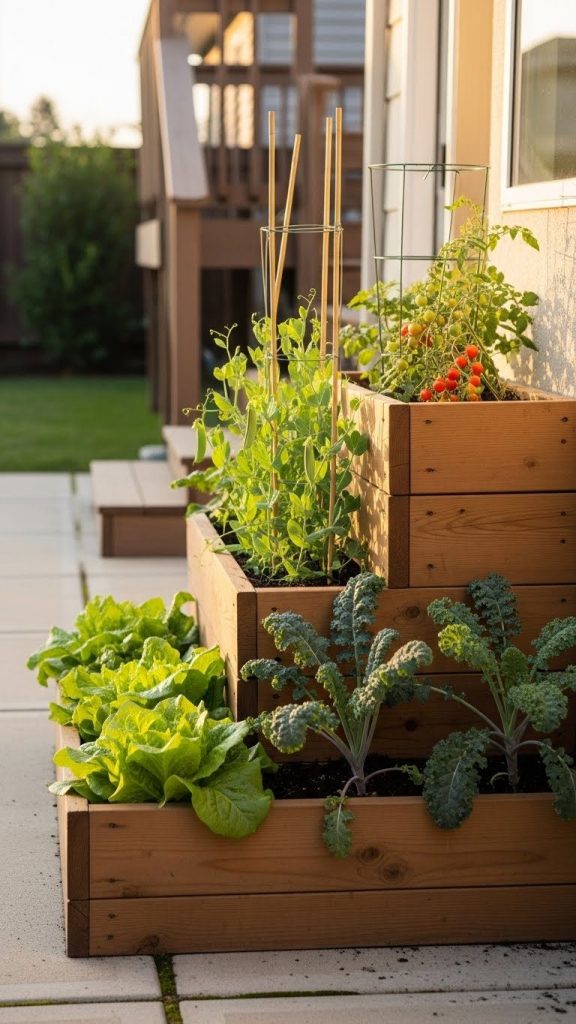
Step-style planters are perfect if you want to showcase multiple vegetables without crowding. Each level can hold different types of plants—from bushy greens to trailing peas—creating a layered visual effect.
Pros:
- Great visual appeal
- Easy to harvest at different heights
- Works for patios or narrow spaces
Cons:
- Needs careful watering management
- Limited weight tolerance for large plants
Mini takeaway: Tiered planters turn a small garden into a mini vegetable showpiece.
7. Herb Spiral Garden
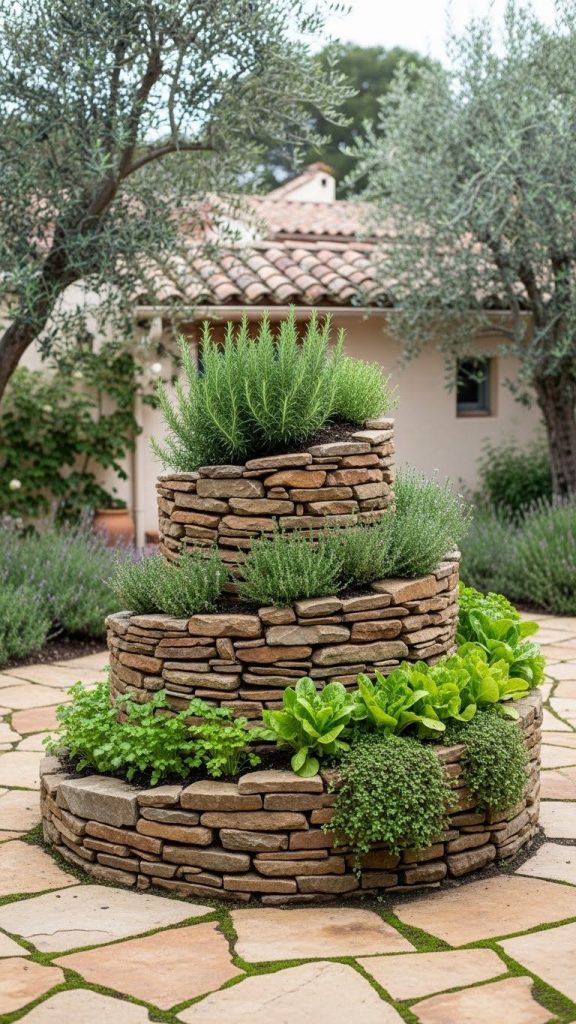
The spiral design isn’t just beautiful—it’s practical. By stacking soil in a spiral, you create microclimates: dry, sunny spots at the top for rosemary or thyme, and moist, shaded areas at the bottom for parsley or lettuce.
Pros:
- Efficient use of vertical and horizontal space
- Creates varied growing conditions naturally
- A conversation starter in any garden
Cons:
- Construction takes a bit of skill
- Needs good drainage planning
Mini takeaway: An herb spiral makes even a tiny patch look like a professional landscape design.
8. Recycled Container Garden
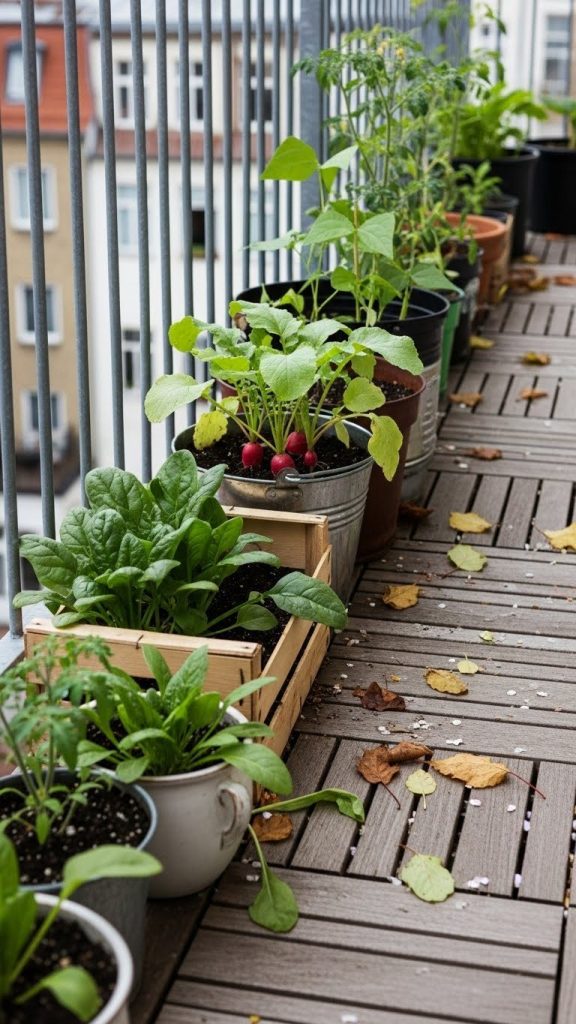
Old crates, buckets, or tins can become charming veggie homes. Line them with landscape fabric, fill with soil, and grow anything from spinach to small root vegetables. It’s budget-friendly, sustainable, and adds a rustic vibe.
Pros:
- Eco-friendly and inexpensive
- Customizable shapes and heights
- Can be moved easily if needed
Cons:
- Some containers degrade over time
- Not all veggies thrive in small, shallow containers
Mini takeaway: Recycling containers for veggies gives your garden personality without breaking the bank.
9. Balcony Rail Planters
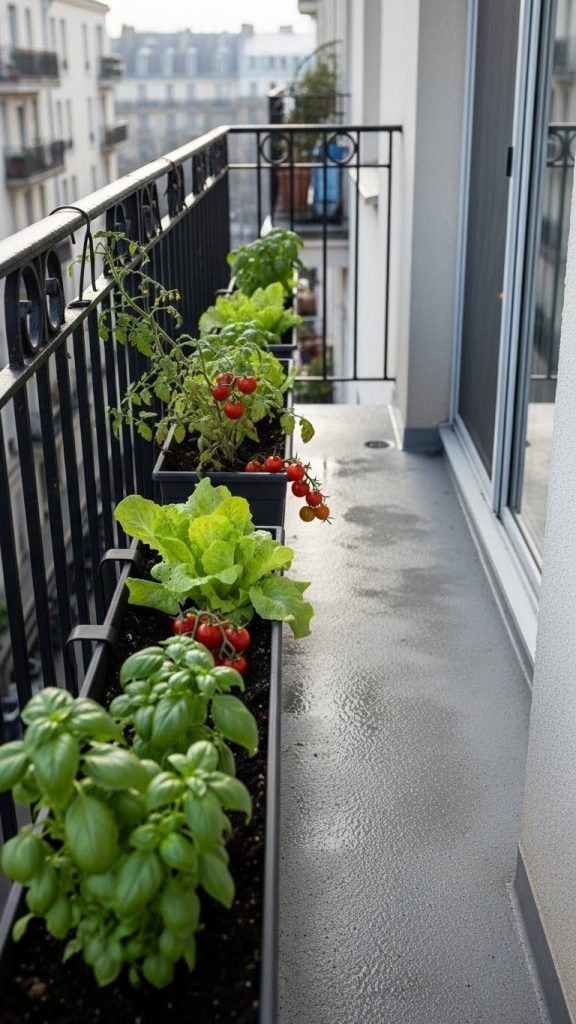
Small balconies can still host a mini veggie garden using rail planters. Perfect for leafy greens, herbs, or cherry tomatoes, these planters make use of previously wasted space.
Pros:
- No floor space needed
- Easy access for harvesting
- Adds greenery to your living space
Cons:
- Requires secure attachment
- Sun exposure might be uneven
Mini takeaway: Balcony rail planters are a clever solution for apartment dwellers craving fresh produce.
10. Square Foot Garden Boxes
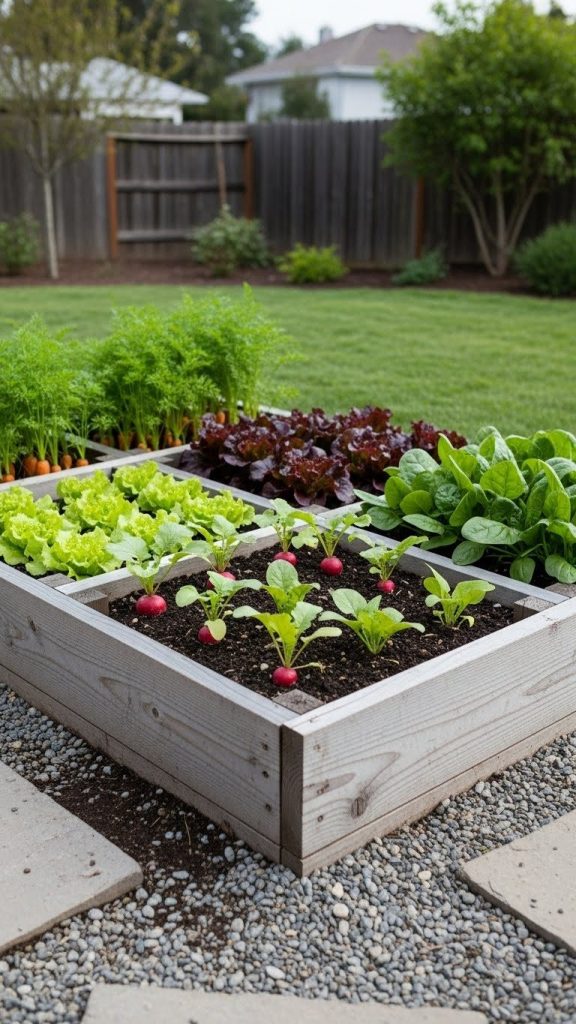
Square foot gardening maximizes yield in tight spaces. Dividing your raised bed or container into one-foot squares allows precise planting, so you can grow lettuce, radishes, carrots, and more in a very organized way.
Pros:
- Maximizes productivity
- Reduces overcrowding and waste
- Easier to manage and water
Cons:
- Requires careful planning
- Small mistakes can affect multiple plants
Mini takeaway: Square foot gardening is efficiency at its best—small space, big harvest.
11. Indoor Grow Station
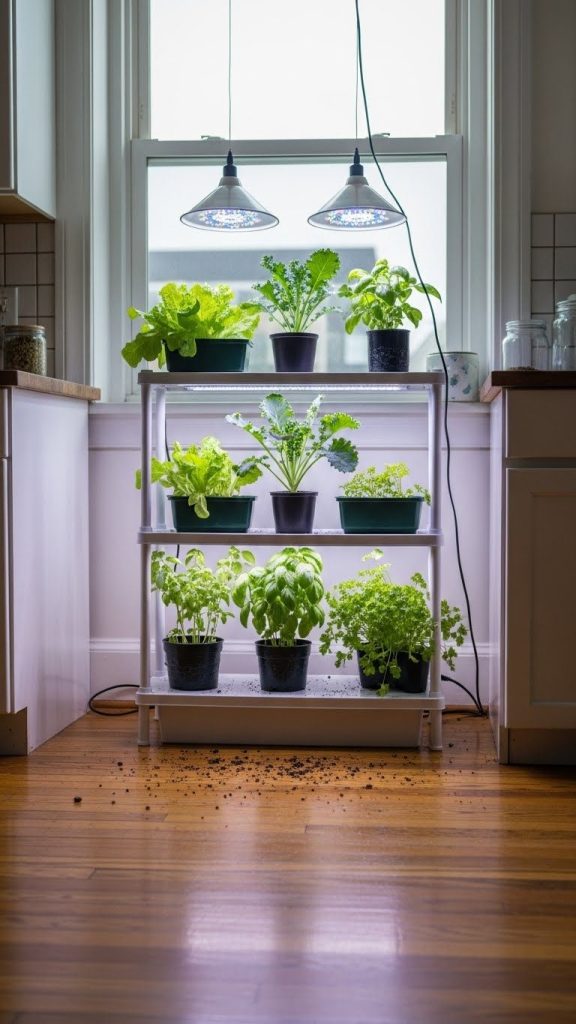
No backyard? No problem. A sunny kitchen corner or a sunny balcony can host indoor grow stations with pots or small containers. Leafy greens and herbs thrive here, especially with supplemental LED grow lights.
Pros:
- Year-round growing possible
- Keeps veggies within easy reach
- Great for apartments or tiny homes
Cons:
- Limited to light-loving plants
- Indoor humidity and watering need monitoring
Mini takeaway: Indoor stations prove that fresh produce doesn’t require an outdoor plot.
12. Straw Bale Gardening
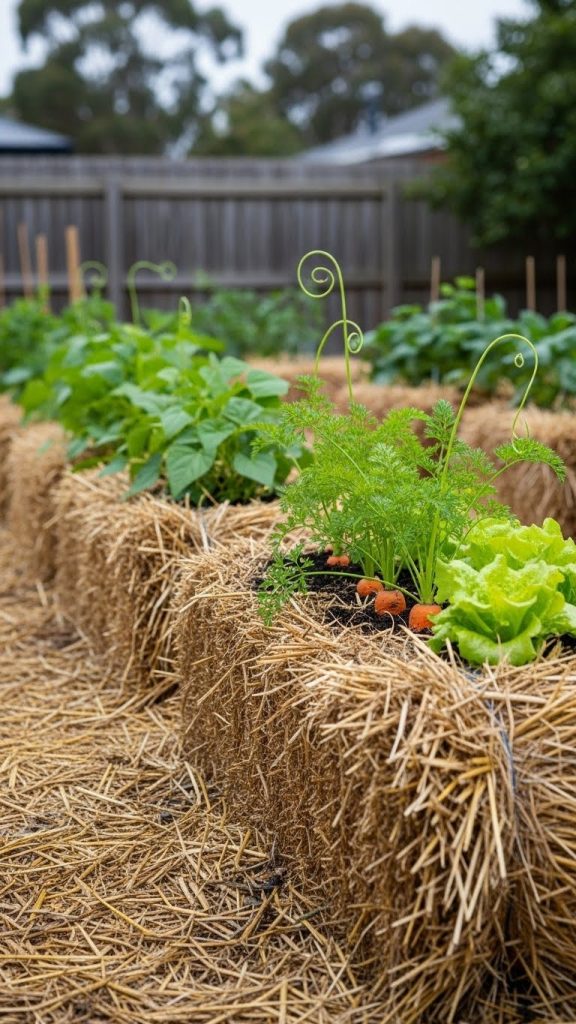
This might sound unusual, but straw bale gardens are surprisingly practical. You condition a straw bale and plant directly into it. Carrots, lettuce, and even bush beans do well, and cleanup is simple: compost the bale after the season.
Pros:
- Minimal soil preparation needed
- Portable and tidy
- Natural fertilizer as bale decomposes
Cons:
- Needs regular watering
- Bale eventually breaks down
Mini takeaway: Straw bale gardening is unconventional but highly practical for small spaces.
13. Vertical Teepee Trellis
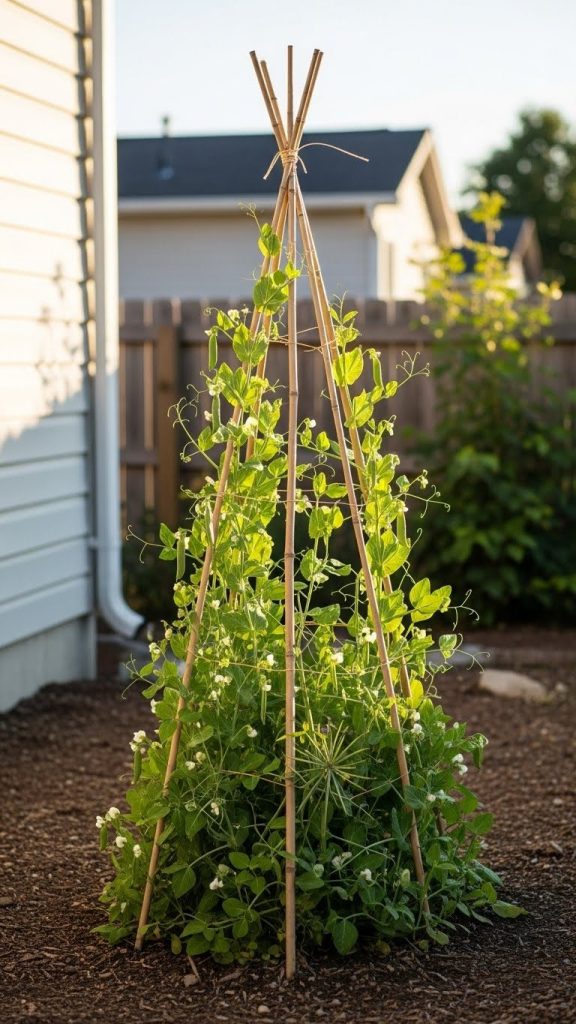
Vining vegetables like peas, beans, or cucumbers love climbing. A teepee trellis made from bamboo sticks or poles is easy to set up and creates a striking focal point while keeping plants off the ground.
Pros:
- Saves space and improves airflow
- Adds a rustic, natural look
- Easy to harvest from all sides
Cons:
- Needs sturdy construction for heavier crops
- Limited to vining plants
Mini takeaway: A teepee trellis is functional, beautiful, and makes your veggies feel grown-up.
14. DIY Tiered Crate Garden
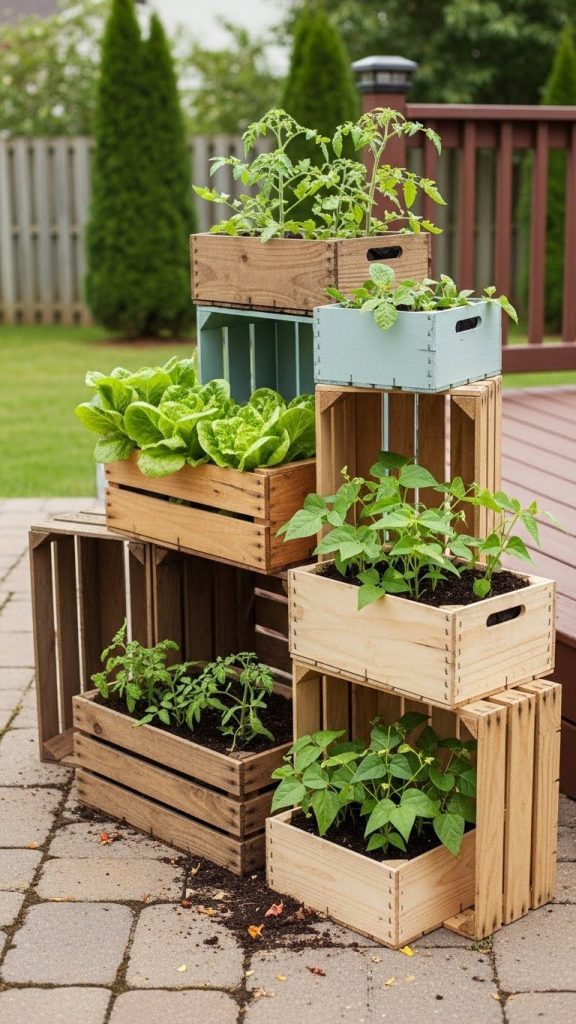
Stacking wooden crates in tiers creates both storage and planting space. Each crate can hold different types of vegetables or herbs. Paint or stain them for a cozy, colorful look.
Pros:
- Stylish and functional
- Portable and adjustable
- Works well on patios or small yards
Cons:
- Crates need weatherproofing
- Soil depth is limited for some veggies
Mini takeaway: Tiered crate gardens turn a corner into an organized, lush, and inviting green space.
15. Companion Planting Mini Garden
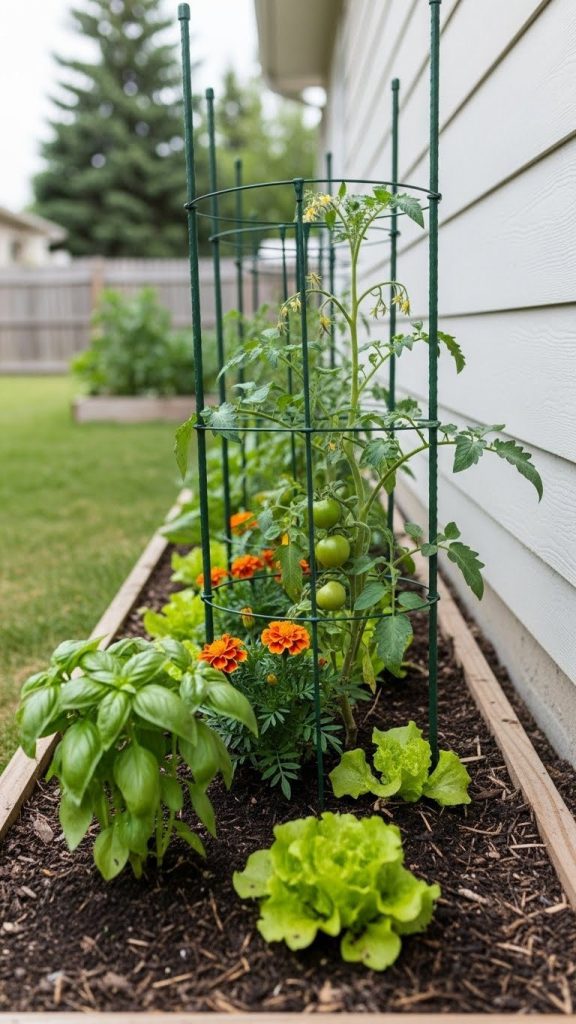
Even a small garden can benefit from companion planting—pairing compatible vegetables and herbs to improve growth. For example, planting basil next to tomatoes boosts flavor and deters pests naturally.
Pros:
- Enhances growth and flavor
- Reduces need for chemical pest control
- Encourages biodiversity
Cons:
- Needs planning and research
- Mistakes can affect multiple plants
Mini takeaway: Thoughtful planting turns even a small plot into a thriving, synergistic ecosystem.
Conclusion
Small veggie gardens prove that you don’t need acres of land to enjoy fresh, homegrown produce. From vertical pallets to tiered crates, each idea here combines practicality with charm, giving you options for every space, style, and budget. Personally, I love trying one new setup each season—it keeps gardening exciting and rewarding.
The key takeaway? Start small, experiment, and embrace the process. Even a single window box or a hanging basket can transform your routine and bring a little harvest joy to your home. Try your favorite one first, and watch how a few clever ideas can make your space both productive and beautiful.

William Martin is a passionate bowler who spends most of his weekends playing the sport. With years of intense experience under his belt, William decided to share his knowledge by creating BOWLING OCEAN. Join me on this journey to explore the world of bowling and discover the tips and tricks to becoming a pro.