Tower Garden Ideas: 15 Creative Ways to Grow Upward and Maximize Space
Ever glanced at a small balcony, backyard corner, or patio and thought, “I wish I could grow a ton of fresh greens without taking up all this space”? That’s exactly why I fell in love with tower gardens. They’re vertical, space-saving, and somehow make growing vegetables, herbs, and flowers feel futuristic yet cozy. Honestly, it’s like having a tiny forest stacked in your own home.
Tower gardens are more than just a trend—they’re a smart solution for urban spaces, busy lifestyles, and anyone who dreams of a productive garden but has limited ground space. They transform corners into lush, vertical jungles, and they’re surprisingly easy to maintain once set up. Over the years, I’ve experimented with different layouts, crops, and creative setups, and I’m excited to share 15 ideas that will inspire your own vertical gardening adventure.
Whether you’re thinking herbs for your kitchen, a mix of flowers and edibles for curb appeal, or a full-on hydroponic tower setup, these ideas cover every level of ambition. Ready to go vertical? Let’s start stacking some greenery.
1. Classic Herb Tower
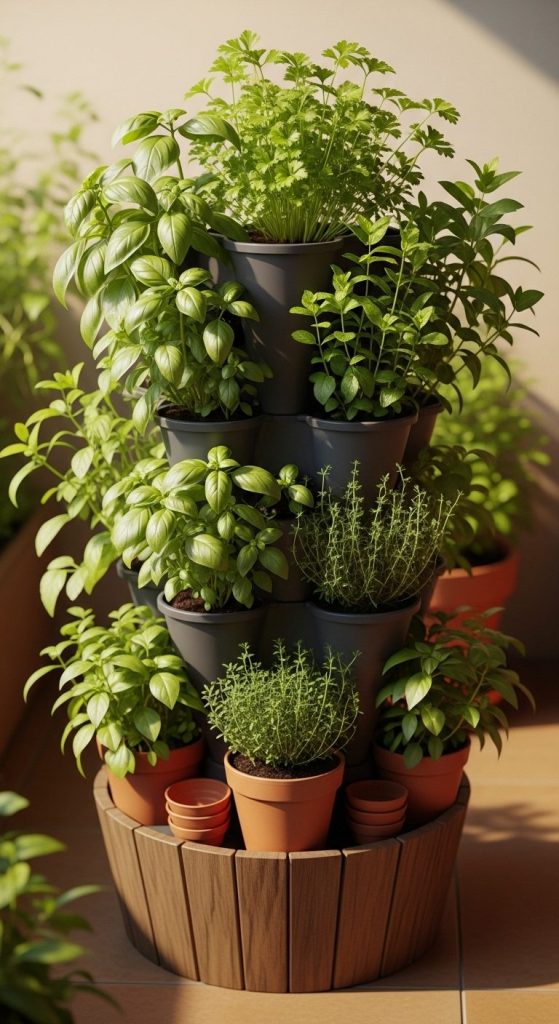
Nothing beats having fresh basil, parsley, thyme, and mint within arm’s reach. A classic herb tower keeps all your favorite culinary greens in one neat, vertical bundle.
Pros:
- Maximizes small spaces like balconies or patios.
- Keeps herbs organized and accessible for daily cooking.
- Promotes healthy growth since herbs don’t compete horizontally.
Cons:
- Requires regular watering to keep shallow roots happy.
- Some herbs may grow faster than others, needing frequent pruning.
Takeaway: A classic herb tower is the ultimate kitchen companion—practical and aromatic. IMO, it’s the easiest place to start for any aspiring tower gardener.
2. Salad Greens Tower
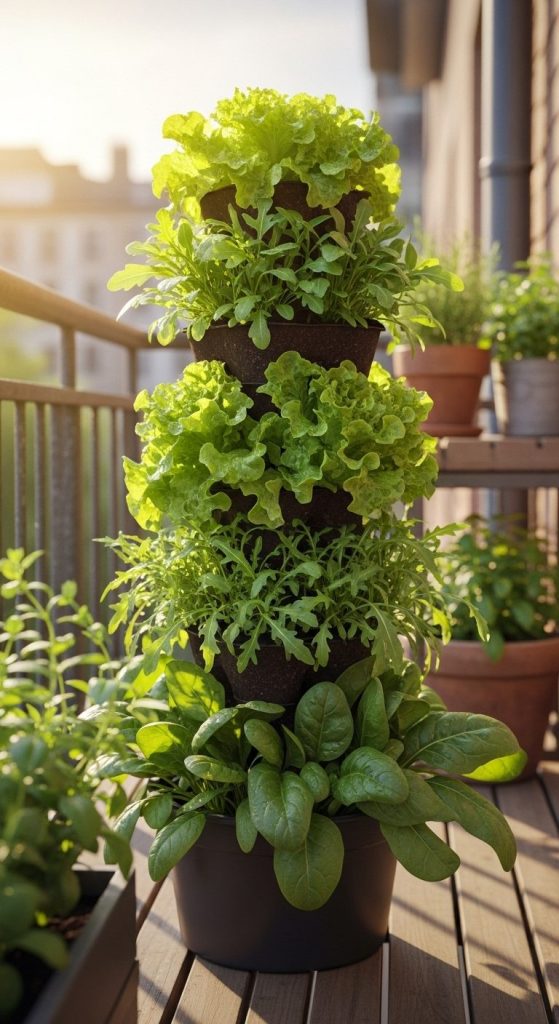
Imagine walking outside and picking a mix of lettuce, arugula, and spinach directly from your vertical garden. Salad towers bring a colorful harvest all year round.
Pros:
- Continuous harvest with cut-and-come-again greens.
- Minimal soil space needed for maximum yield.
- Perfect for beginners learning plant rotation.
Cons:
- Leaves can wilt quickly without regular care.
- Nutrient-rich soil or hydroponic solution is essential for fast growth.
Takeaway: Salad towers make daily meals vibrant and fresh, and they’re surprisingly low-maintenance once established.
3. Flower and Herb Combo Tower
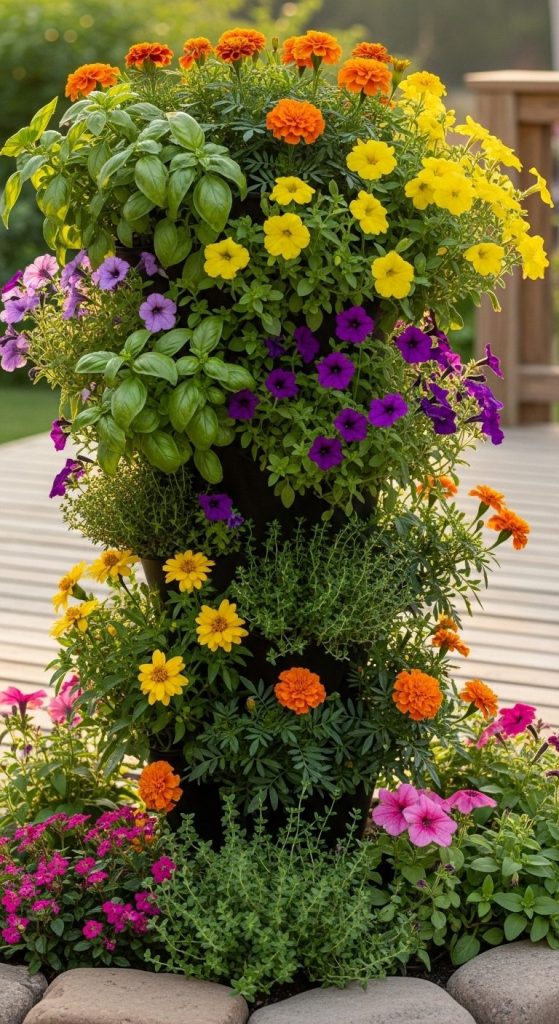
Combine edible herbs with blooms like marigolds, nasturtiums, or petunias. The result? A vertical display that looks beautiful and smells divine.
Pros:
- Adds color and fragrance to small spaces.
- Companion planting can deter pests naturally.
- Attracts pollinators for healthier gardens.
Cons:
- Flowering plants may need more sunlight than some herbs.
- Requires thoughtful pruning to prevent overcrowding.
Takeaway: Mixing flowers and herbs keeps your tower lively and multi-functional—visual appeal meets practicality.
4. Succulent Tower
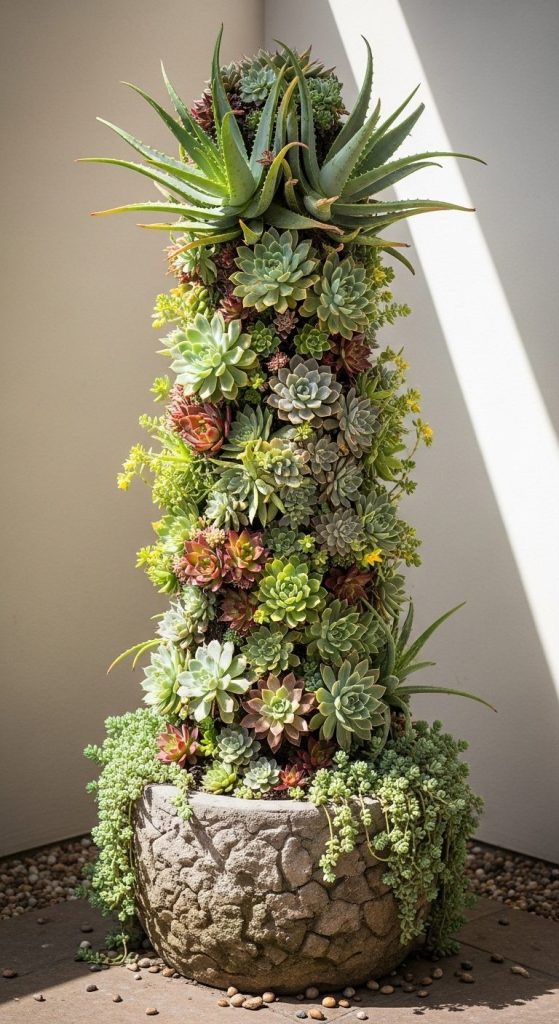
Low-maintenance succulents are perfect for a decorative, water-smart tower garden. Think aloe, echeveria, or sedum arranged in playful patterns.
Pros:
- Minimal watering and attention required.
- Can survive in less fertile soil.
- Creates a striking, architectural look.
Cons:
- Sensitive to overwatering.
- Limited edible benefits compared to herb or vegetable towers.
Takeaway: Succulent towers are the stylish choice for anyone who wants a low-effort, sculptural display.
5. Hydroponic Vegetable Tower
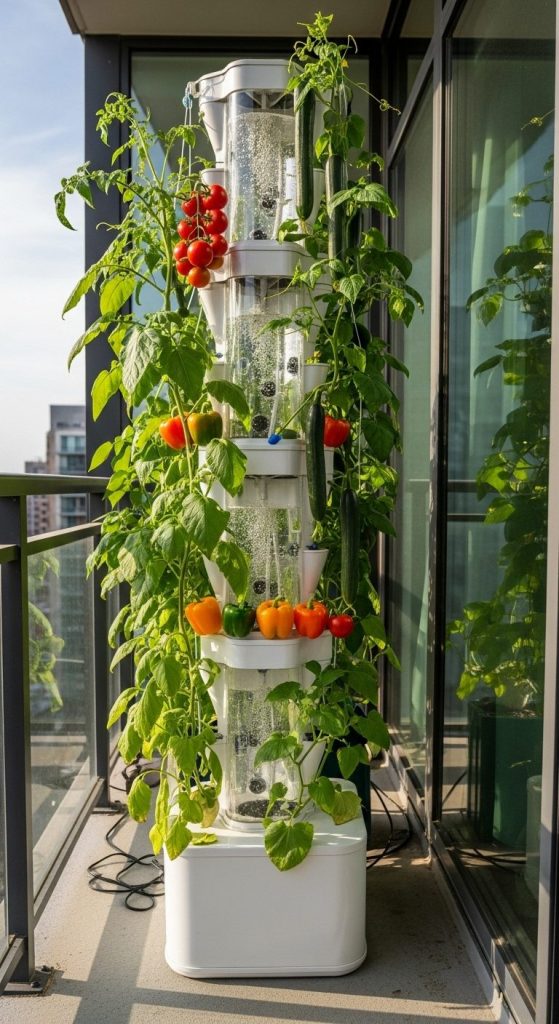
Go high-tech with hydroponic systems. From tomatoes and peppers to cucumbers, hydroponic towers grow nutrient-dense vegetables without soil.
Pros:
- Fast growth rates due to optimized nutrients.
- Can produce higher yields than traditional soil planting.
- Ideal for indoor or balcony setups.
Cons:
- Initial setup can be pricey and require electricity.
- Needs consistent monitoring of water and nutrient levels.
Takeaway: Hydroponic towers are efficient and futuristic—perfect for serious gardeners craving productivity.
6. Strawberry Tower
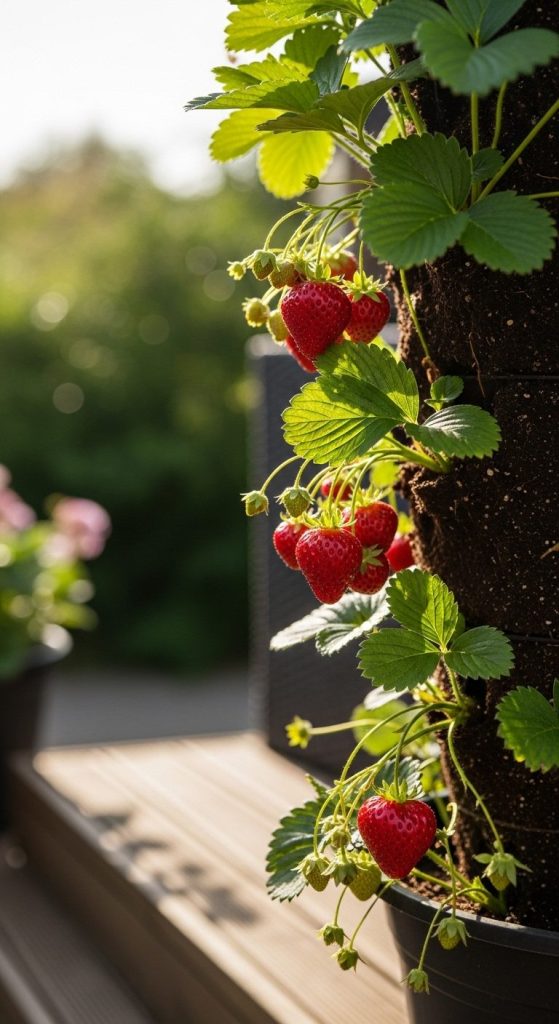
Sweet, home-grown strawberries stacked vertically are a dream for both kids and adults. Tower gardens make harvesting easy and fun.
Pros:
- Keeps fruit off the ground, reducing pests and rot.
- Multiple plants in a small footprint.
- Provides visual appeal with cascading berries.
Cons:
- Seasonal crop that may require extra care in colder climates.
- Requires pollination attention for best yields.
Takeaway: Strawberry towers turn any small space into a delightful, edible display.
7. Pollinator-Friendly Tower
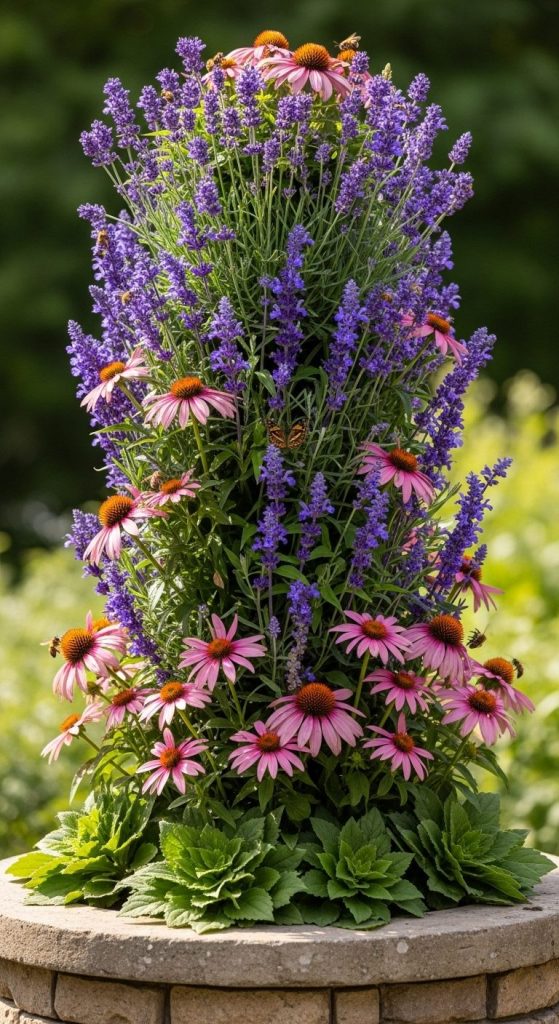
Attract bees, butterflies, and hummingbirds by planting nectar-rich flowers like lavender, salvia, or coneflowers in your tower.
Pros:
- Supports local wildlife and pollination.
- Adds color, movement, and life to your garden.
- Educative and interactive for children.
Cons:
- Flowers may need more sun exposure than herbs.
- Pesticides must be avoided, limiting treatment options for pests.
Takeaway: Pollinator towers create a dynamic ecosystem and keep your vertical garden buzzing with life.
8. The Spiral Tower
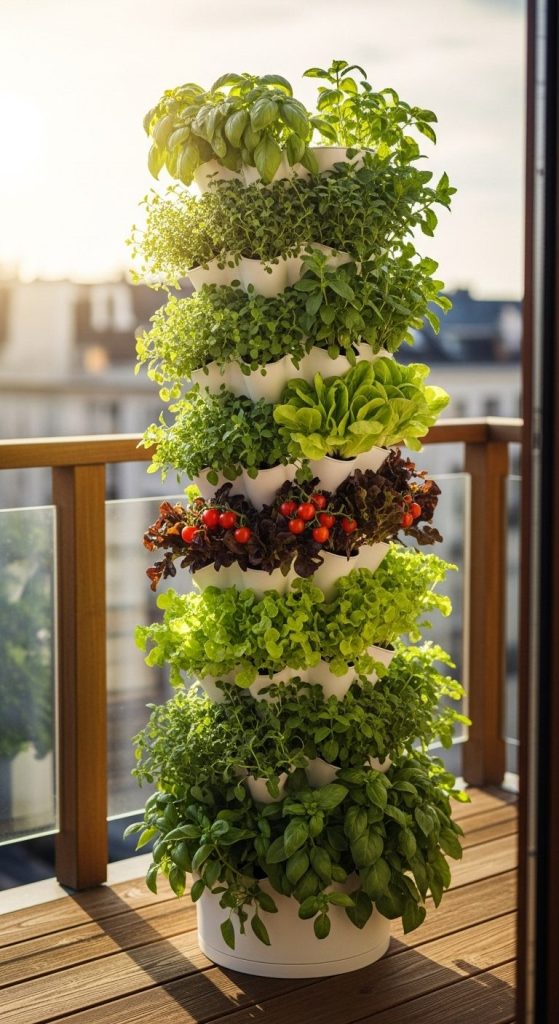
A spiral tower design wraps plants around a central core, creating a visually stunning and compact structure. Perfect for herbs, flowers, or small vegetables.
Pros:
- Eye-catching centerpiece for patios or balconies.
- Maximizes planting space by using a spiral footprint.
- Easy to reach all plants from the outside.
Cons:
- Slightly more complex to construct or buy.
- Watering may be uneven if not carefully managed.
Takeaway: Spiral towers are sculptural yet functional—a real showstopper for small gardens.
9. Edible Flower Tower
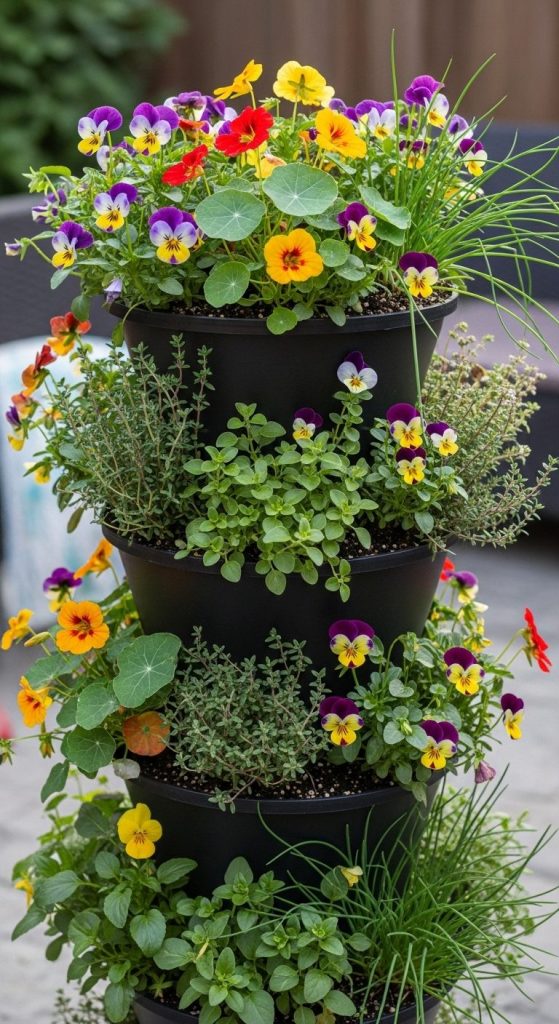
Grow pansies, nasturtiums, or violas for a tower that’s beautiful and edible. Perfect for garnishing salads, desserts, or drinks.
Pros:
- Adds vibrant, edible blooms for culinary use.
- Attracts pollinators naturally.
- Easy to mix with herbs for variety.
Cons:
- Delicate flowers need careful watering.
- Seasonal, so blooms may be limited in winter.
Takeaway: Edible flower towers blend beauty and utility for a full sensory experience.
10. Multi-Tiered Fruit Tower
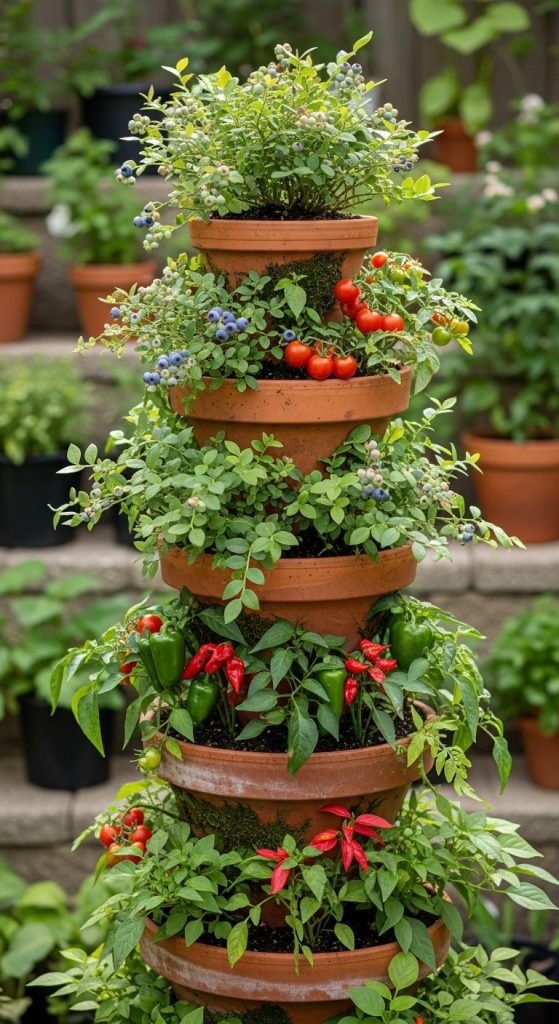
Stack dwarf fruit plants like blueberries, dwarf tomatoes, or peppers in multiple tiers for a vertical orchard.
Pros:
- High yield in a small footprint.
- Makes harvesting easier than sprawling ground plants.
- Adds height and dimension to your garden.
Cons:
- Heavier towers may need structural support.
- Some fruits require full sun for best results.
Takeaway: Multi-tiered towers bring orchard-like abundance to small spaces.
11. Herb Spiral Tower
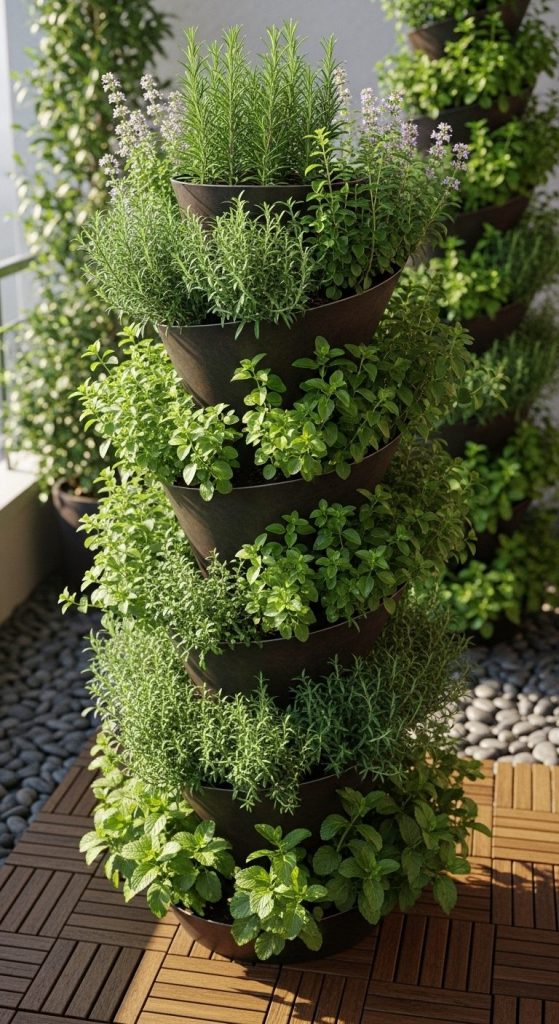
Combine spiral design with herbs—rosemary, oregano, thyme, and mint occupy different levels for both efficiency and aesthetic appeal.
Pros:
- Organizes plants according to sun and water needs.
- Easy access to each herb from ground level.
- Supports companion planting naturally.
Cons:
- Requires initial planning to avoid overcrowding.
- Herbs may compete if planted too densely.
Takeaway: Herb spiral towers are clever, productive, and visually playful.
12. Indoor Tower Garden
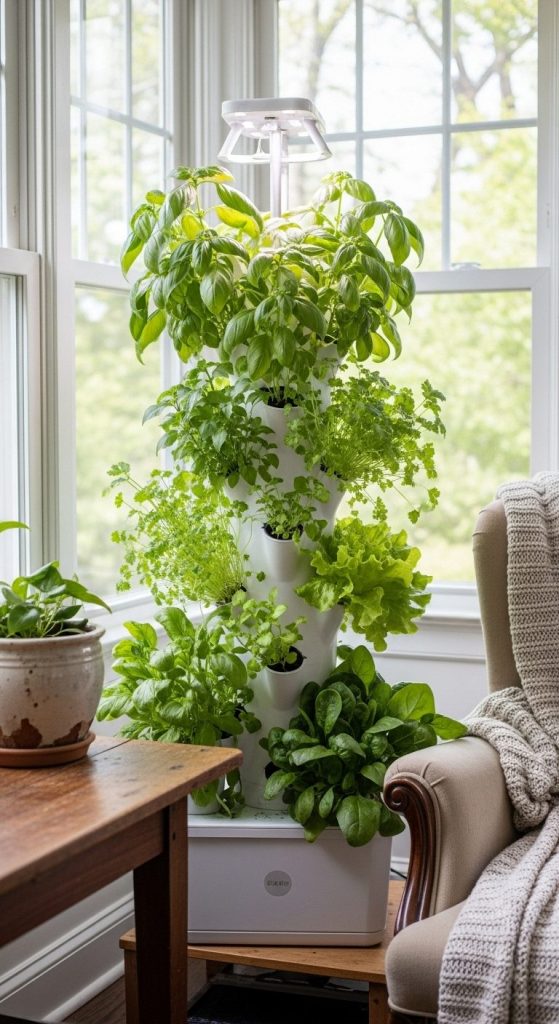
Bring your tower garden indoors with hydroponic or soil-based systems. Perfect for apartments, kitchens, or sunrooms.
Pros:
- Year-round growth regardless of outdoor weather.
- Fresh herbs and greens within arm’s reach.
- Can double as a living décor piece.
Cons:
- Needs strong sunlight or grow lights.
- Requires careful watering to avoid indoor mess.
Takeaway: Indoor tower gardens make fresh produce a part of daily life, literally within your home.
13. The Vertical Salad Wall
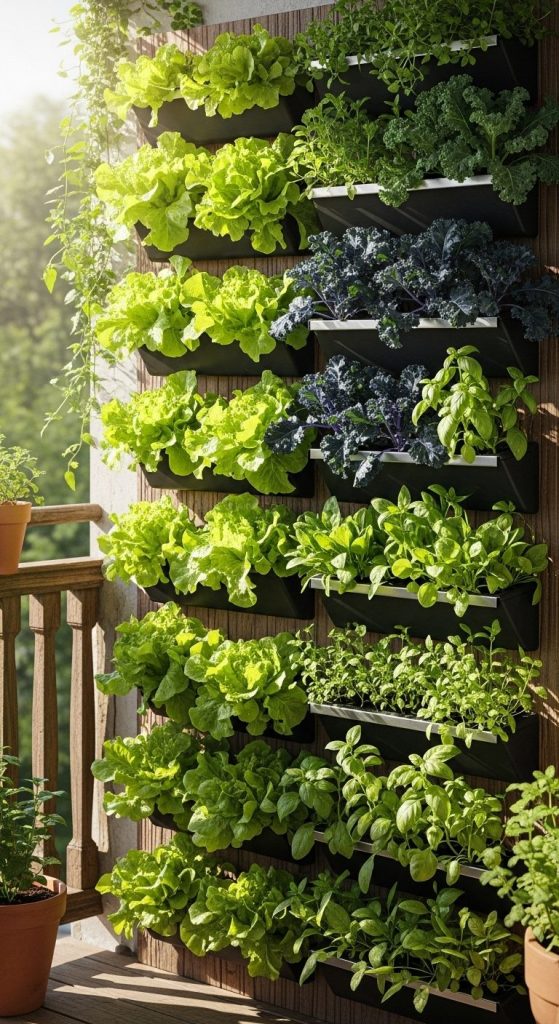
A tower acting as a salad wall—lettuce, kale, spinach, and herbs—turns a blank wall or balcony corner into a green haven.
Pros:
- Vertical greenery maximizes limited space.
- Easy access for picking fresh salad ingredients.
- Adds a lush, fresh look to urban settings.
Cons:
- Can dry out quickly without regular irrigation.
- Structural stability is key for taller vertical setups.
Takeaway: Vertical salad walls transform overlooked corners into productive green areas.
14. Tower Garden with Companion Planting
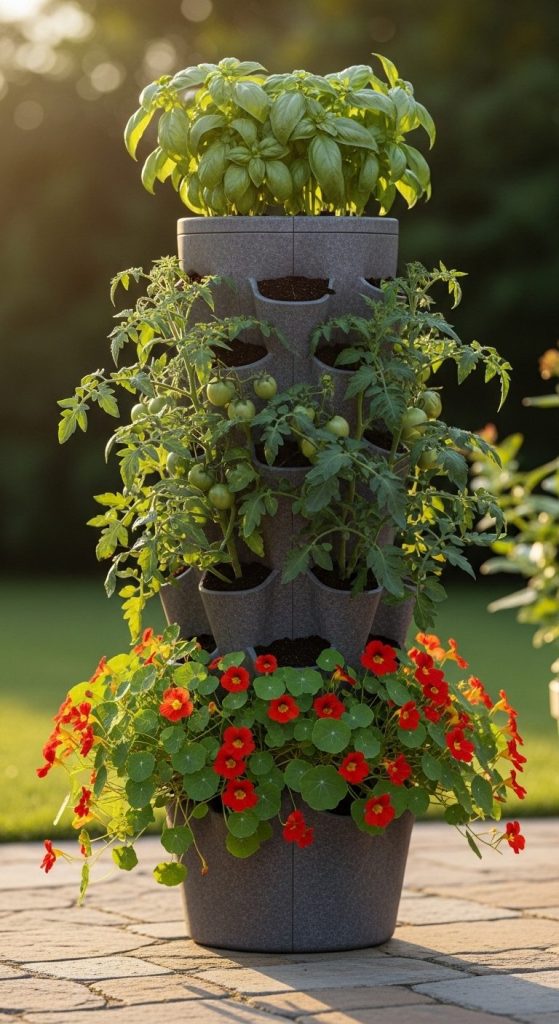
Stack plants that support each other—like basil with tomatoes or nasturtiums with peppers—for both productivity and pest control.
Pros:
- Natural pest control reduces chemical use.
- Improves plant health through beneficial relationships.
- Maximizes growth efficiency in vertical space.
Cons:
- Requires research to pair plants effectively.
- Some plants may outcompete others if not monitored.
Takeaway: Companion planting in towers makes vertical gardening both smart and sustainable.
15. Decorative & Themed Towers
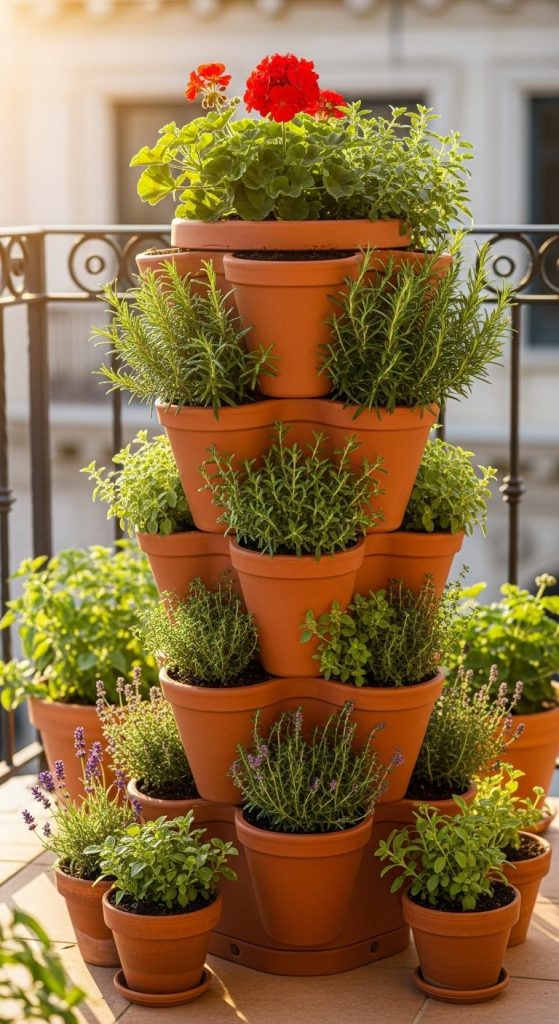
Get creative! Use themed towers like “Mediterranean herbs,” “Tea garden,” or “Rainbow veggies” for functional art.
Pros:
- Adds personality and style to your space.
- Encourages seasonal rotation and experimentation.
- Makes gardening playful and fun.
Cons:
- Decorative choices may require careful plant selection.
- Themes may be seasonal or temporary.
Takeaway: Themed towers turn gardening into storytelling—you can eat, smell, and see your creativity in action.
Conclusion
Tower gardens are more than a clever way to grow in small spaces—they’re a lifestyle upgrade. From classic herb towers to spiral, themed, and hydroponic systems, these 15 tower garden ideas prove that vertical gardening can be productive, beautiful, and endlessly fun. Whether you’re in a city apartment or a backyard oasis, there’s a tower idea here that fits your space, personality, and appetite for fresh produce.
Step up, literally, and start stacking your garden—it’s easier, more rewarding, and greener than you might think. Your future self will thank you with fresh herbs, vibrant flowers, and maybe even a strawberry or two.

William Martin is a passionate bowler who spends most of his weekends playing the sport. With years of intense experience under his belt, William decided to share his knowledge by creating BOWLING OCEAN. Join me on this journey to explore the world of bowling and discover the tips and tricks to becoming a pro.