Victorian Terrace Garden Ideas to Transform Your Outdoor Space
There’s something undeniably charming about a Victorian terrace garden—the way climbing roses curl around wrought-iron railings, the neatly clipped box hedges, and the sense that every corner has been thoughtfully curated. I remember visiting one last spring and instantly falling in love with how a small city terrace could feel like a miniature secret garden. It was cozy, lush, and structured all at once.
Creating a Victorian-style garden doesn’t require acres of land. Even a modest terrace or balcony can capture the elegance and romance of this timeless aesthetic. From carefully chosen plants to decorative accents, you can achieve a space that feels both aspirational and achievable. Over the years, I’ve discovered strategies that balance practicality with classic beauty. Here are 15 ideas to help you craft a Victorian terrace garden that’s inviting, sophisticated, and full of character.
1. Climbing Roses on Trellises
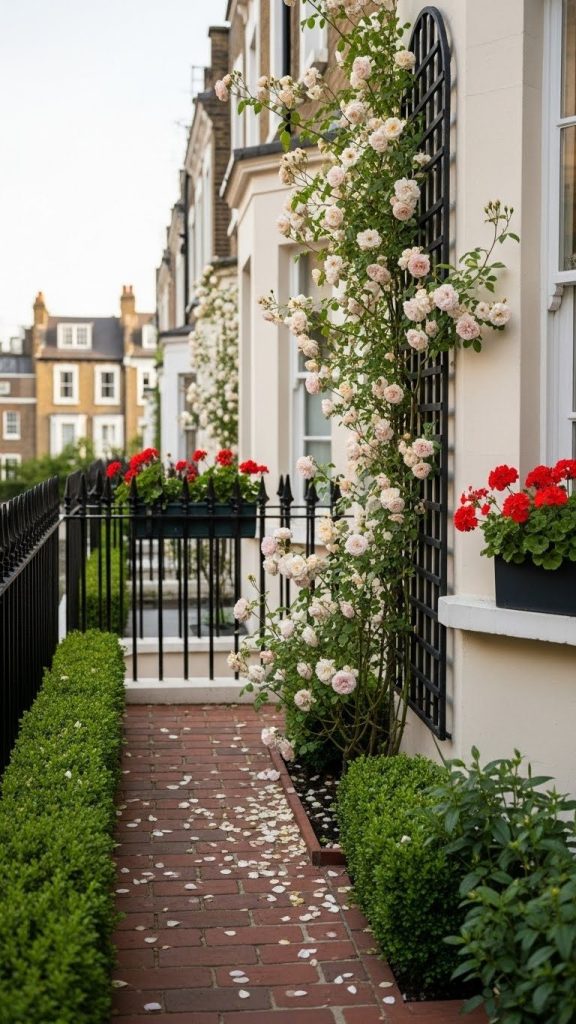
Climbing roses instantly add drama and charm to any terrace. A simple trellis along the railing or wall can transform your space, allowing blooms to cascade gracefully. I love how the scent fills the air and adds a layer of romantic nostalgia.
Pros:
- Adds vertical interest and fragrance
- Creates a focal point without taking floor space
- Many varieties are disease-resistant and low-maintenance
Cons:
- Needs regular pruning to maintain shape
- Some varieties require support for heavy blooms
Mini takeaway: Climbing roses bring that quintessential Victorian charm while making small terraces feel lush and fragrant.
2. Ornamental Box Hedges
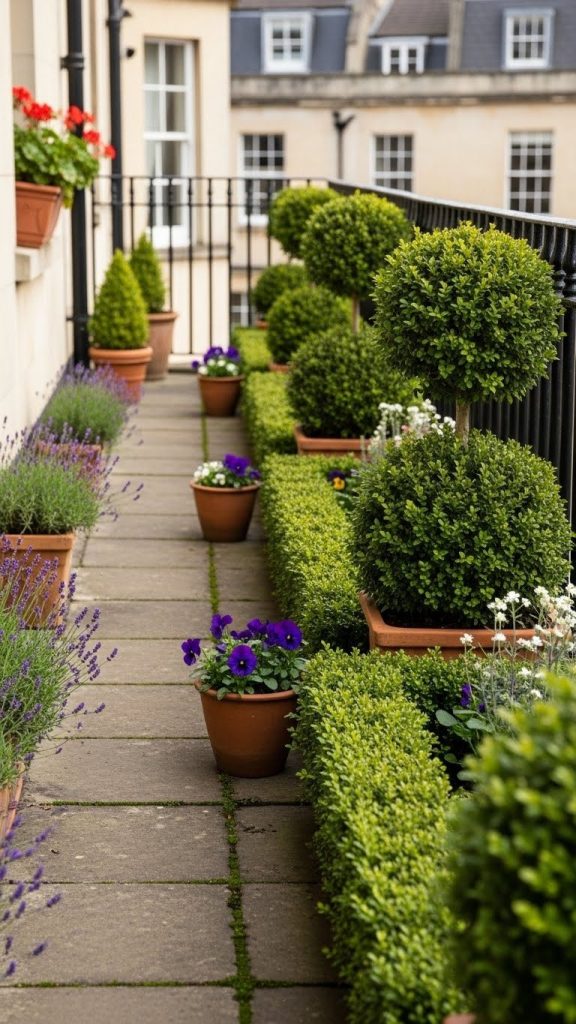
Small box hedges are perfect for creating structure and symmetry on a terrace. I’ve used them to frame seating areas, giving the space a neat, garden-room feel.
Pros:
- Provides classic structure and visual order
- Works well in containers for small terraces
- Low-maintenance once established
Cons:
- Slow-growing, may take a few seasons to mature
- Requires occasional trimming for neatness
Mini takeaway: A few well-placed box hedges instantly elevate a terrace to a polished Victorian retreat.
3. Wrought-Iron Furniture
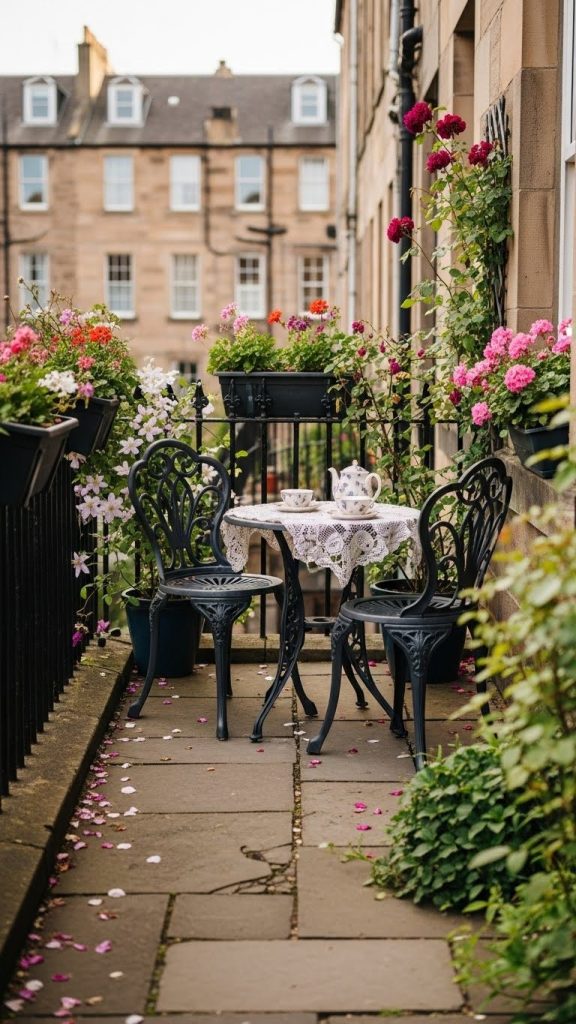
A small wrought-iron table and chairs exude Victorian elegance. I once hosted afternoon tea on my terrace, and the furniture instantly made the space feel like a period garden.
Pros:
- Timeless aesthetic that complements plants
- Durable for outdoor use
- Available in compact sizes for small terraces
Cons:
- Can be heavy to move
- Needs cushions for comfort during long stays
Mini takeaway: Wrought-iron furniture pairs perfectly with climbing roses and formal plantings, making any terrace feel curated.
4. Window Boxes for Colorful Blooms
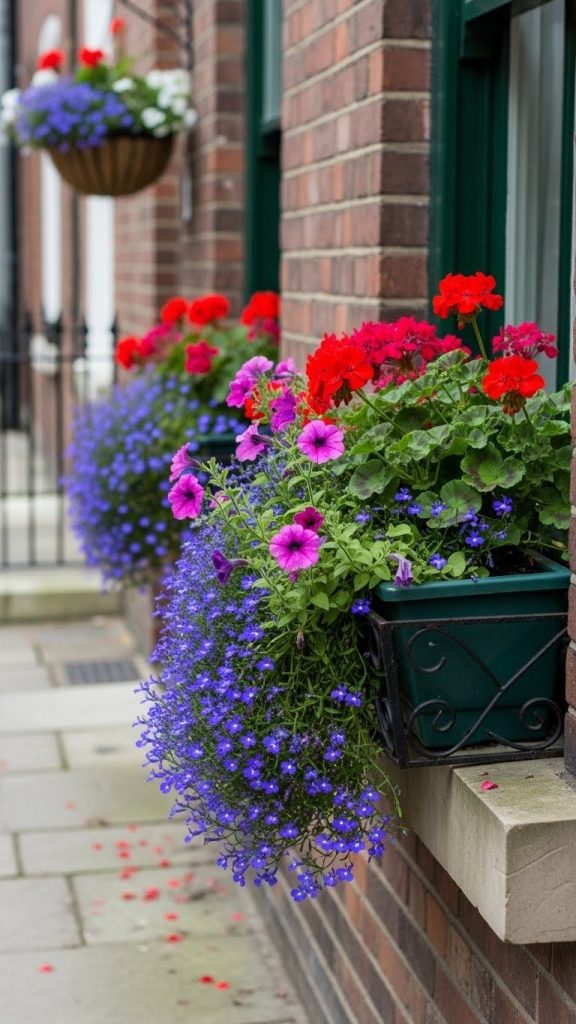
Even tiny terraces can benefit from window boxes brimming with colorful flowers like geraniums, petunias, or nasturtiums. These add life at eye level and are easy to swap seasonally.
Pros:
- Adds seasonal color and texture
- Space-efficient for small terraces
- Enhances visual appeal from inside and outside
Cons:
- Needs regular watering
- Limited soil depth for large plants
Mini takeaway: Window boxes are a simple way to make a terrace feel full and vibrant without overcrowding.
5. Tiered Planters for Vertical Appeal
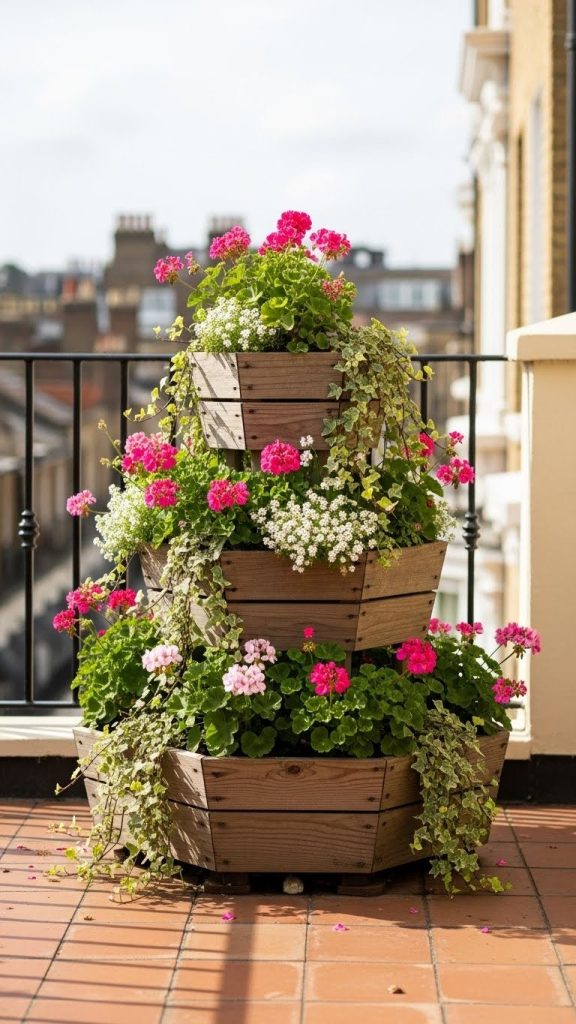
Tiered planters allow you to display a mix of flowers and foliage plants in a compact footprint. I’ve found that layering greenery creates a sense of abundance even on narrow terraces.
Pros:
- Maximizes space efficiently
- Creates visual depth and interest
- Easy to rearrange and refresh
Cons:
- Requires frequent watering for upper tiers
- Some materials can weather quickly
Mini takeaway: Tiered planters offer a lush, layered feel reminiscent of Victorian grandeur, even in limited spaces.
6. Topiary Accents
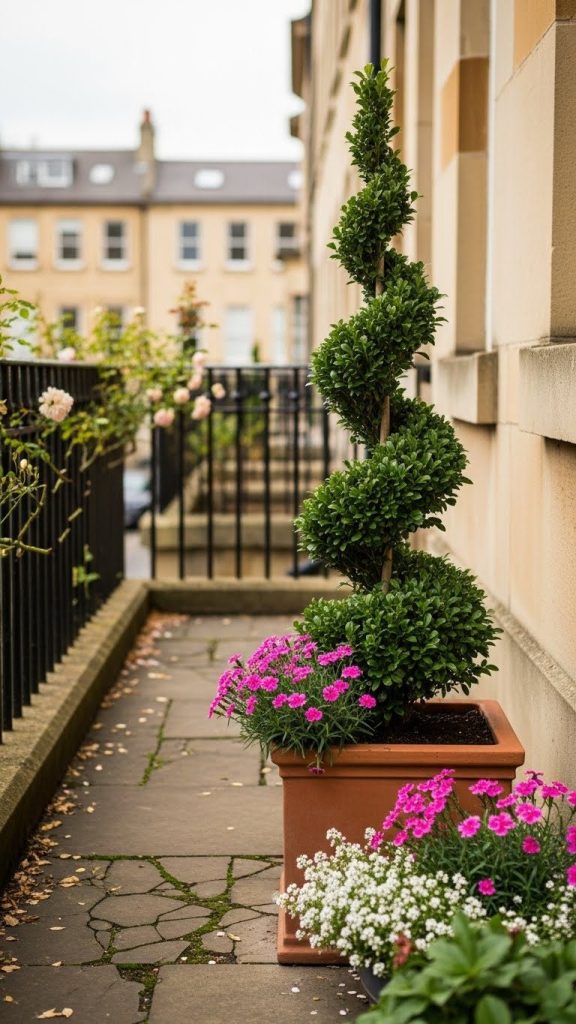
Topiary shapes, like spirals or balls, bring formal elegance to a terrace garden. Even a single small topiary in a container makes the space feel refined and intentional.
Pros:
- Adds structure and sophistication
- Works in pots and small containers
- Low-growing options fit small terraces
Cons:
- Requires occasional trimming to maintain shape
- Can be pricey for pre-shaped specimens
Mini takeaway: Topiary is a small touch that delivers big Victorian style.
7. Hanging Baskets with Trailing Plants
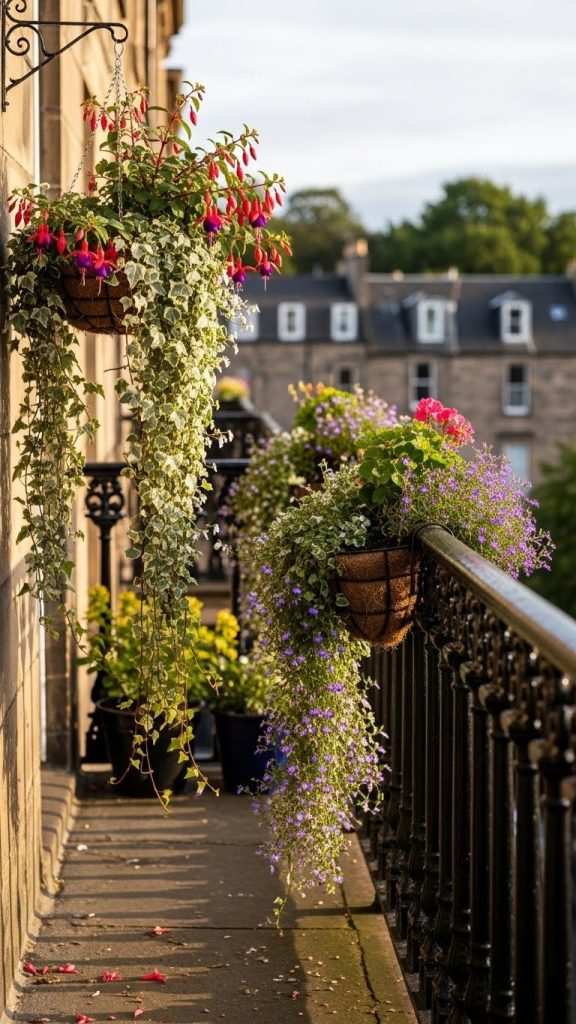
I adore the effect of hanging baskets filled with trailing ivy, fuchsias, or lobelia. They soften edges, add color, and create movement overhead.
Pros:
- Frees floor space
- Adds cascading visual appeal
- Flexible placement for sunlight optimization
Cons:
- Needs careful watering to avoid drips
- Limited plant size per basket
Mini takeaway: Hanging baskets give terraces a romantic, whimsical Victorian feel without overcrowding the floor.
8. Classic Terracotta Pots
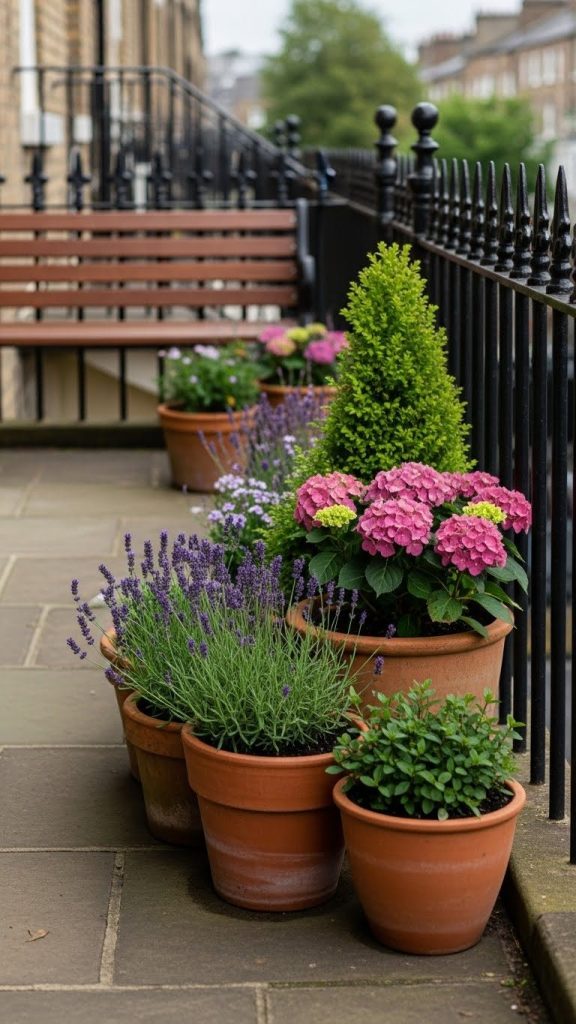
Nothing says Victorian like terracotta pots filled with hydrangeas, lavender, or ferns. Their warm earthy tones complement greenery and flowers beautifully.
Pros:
- Durable and breathable for roots
- Timeless, natural aesthetic
- Works with a wide range of plants
Cons:
- Can be heavy to move
- Porous, may need frequent watering in hot weather
Mini takeaway: Terracotta pots are versatile, practical, and instantly add a traditional Victorian touch.
9. Ornate Garden Fountains
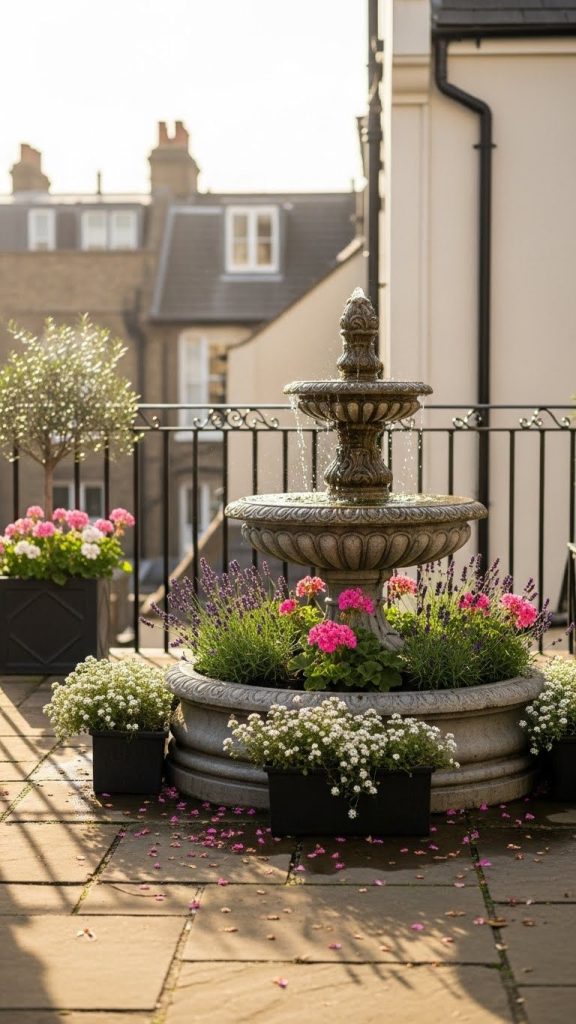
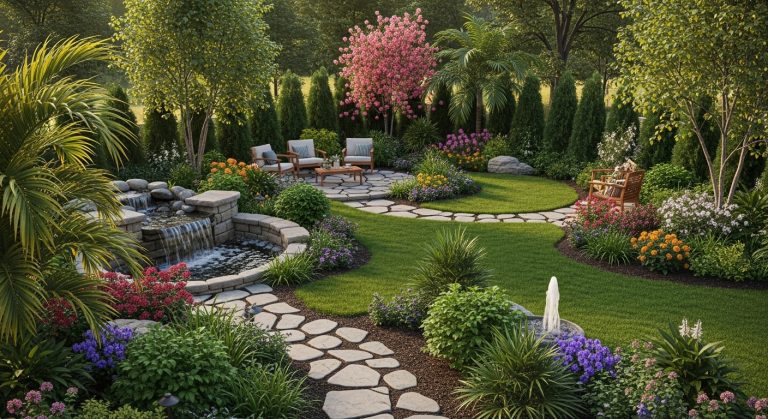
Even a small fountain can become the centerpiece of a terrace. The gentle sound of flowing water adds a soothing atmosphere. I love how visitors linger longer around water features.
Pros:
- Adds sound, movement, and serenity
- Can be scaled to fit small terraces
- Enhances the overall charm of the space
Cons:
- Needs maintenance to prevent algae buildup
- Requires electricity or solar power
Mini takeaway: A fountain may take a small terrace to the next level of Victorian elegance.
10. Seasonal Bulb Planting
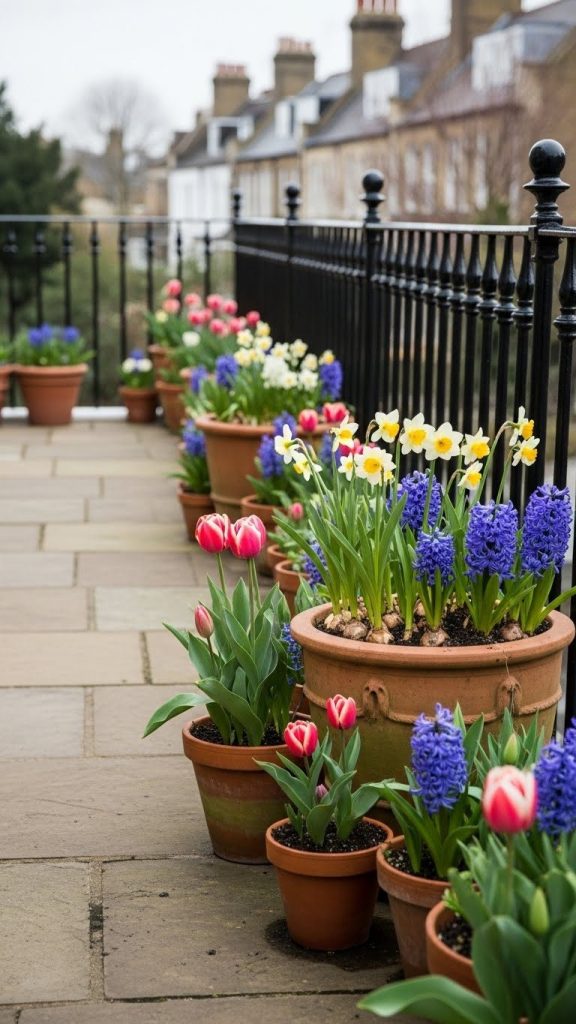
Planting bulbs like tulips, daffodils, and hyacinths ensures seasonal bursts of color. I like to layer bulbs in pots for staggered blooms, keeping terraces lively throughout spring.
Pros:
- Offers predictable, vibrant seasonal color
- Can be planted in pots or window boxes
- Adds fragrance and texture
Cons:
- Seasonal, requires replanting or planning
- Limited to bulb-friendly containers
Mini takeaway: Bulbs create a sense of continuity and rhythm in a terrace garden.
11. Decorative Bird Baths
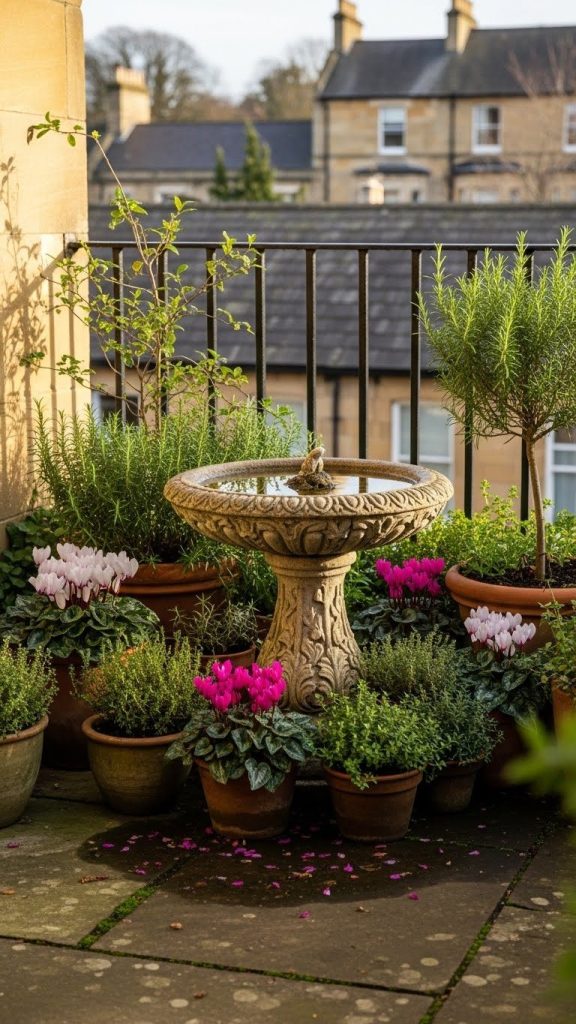
Bird baths are functional and visually appealing. I’ve found that a small stone or ceramic bath attracts wildlife while giving the terrace a charming, lived-in feel.
Pros:
- Supports local birds
- Adds classic decorative interest
- Easy to place in small spaces
Cons:
- Needs regular cleaning
- Can attract unwanted pests if neglected
Mini takeaway: Bird baths combine practicality and beauty, enriching the terrace experience.
12. Lavender for Fragrance and Texture
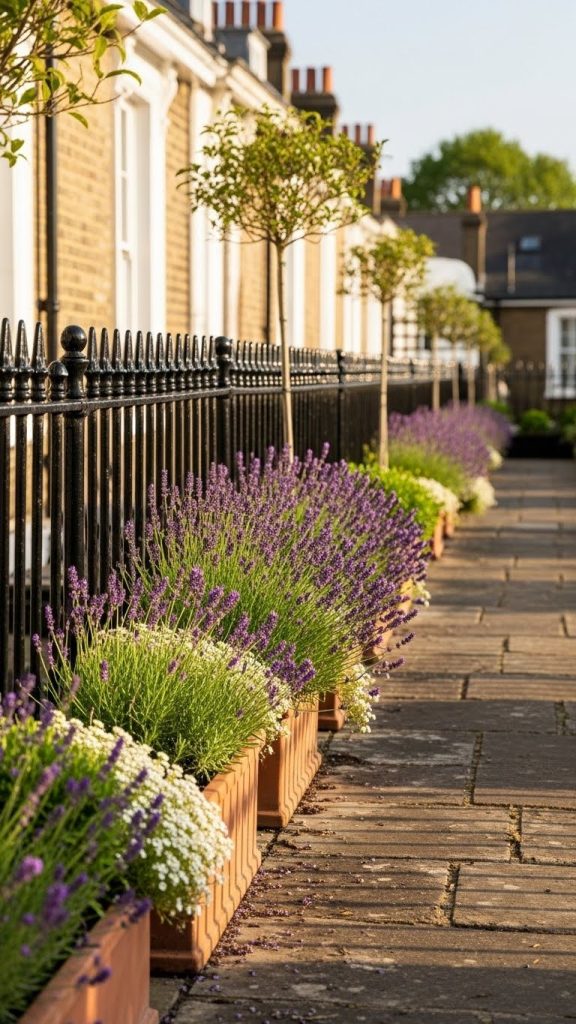
Lavender is a Victorian favorite. Planted along edges or in containers, it provides scent, texture, and a calming atmosphere. Research shows lavender can reduce stress and improve mood.
Pros:
- Fragrant and visually appealing
- Attracts pollinators like bees and butterflies
- Low-maintenance and drought-tolerant
Cons:
- Needs full sun to thrive
- Overwatering can harm the plant
Mini takeaway: Lavender is a sensory star that enhances both beauty and mood on terraces.
13. Garden Seating Nooks
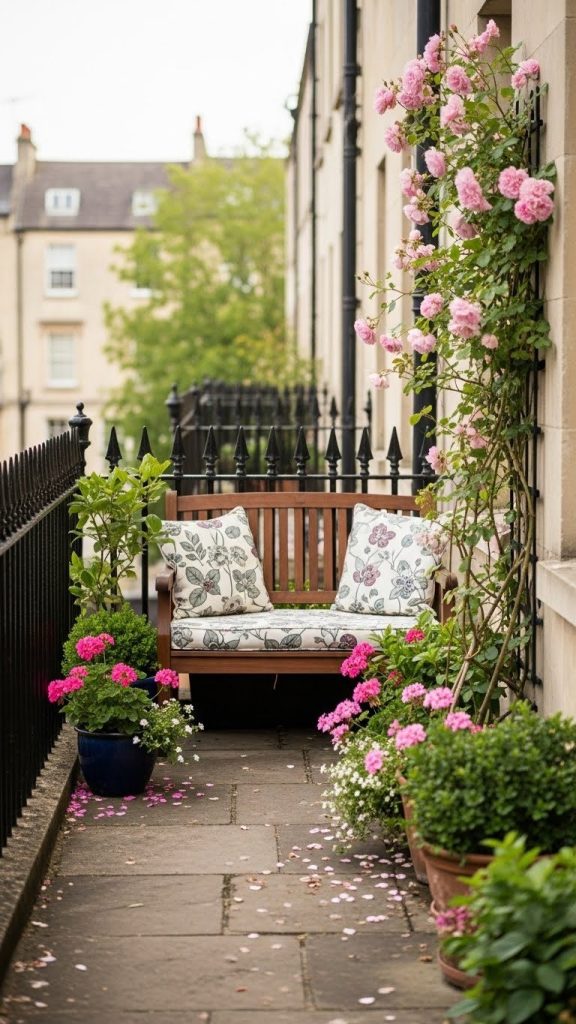
Even a small Victorian terrace benefits from a cozy seating nook with cushions and a small table. I love how adding a bench or petite loveseat creates a pause point to enjoy the surroundings.
Pros:
- Encourages relaxation and enjoyment
- Can double as storage in some benches
- Enhances visual appeal with fabrics and textures
Cons:
- Needs careful space planning
- Cushions require weather protection
Mini takeaway: Seating nooks make a terrace feel inviting and thoughtfully designed.
14. Vintage Lanterns and Lighting
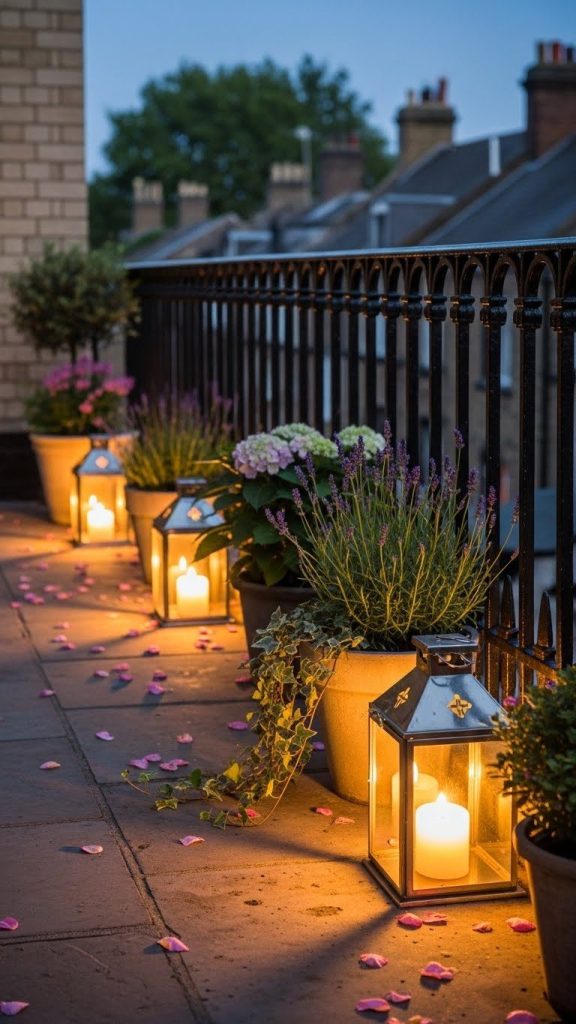
Soft lighting elevates ambiance. Lanterns or fairy lights along railings or corners add a warm glow in the evenings, perfect for Victorian charm.
Pros:
- Extends usability into evenings
- Adds romantic atmosphere
- Flexible placement options
Cons:
- Electrical or battery maintenance needed
- Some lights may fade outdoors
Mini takeaway: Lighting transforms your terrace, adding mood and magic to Victorian plantings.
15. Seasonal Containers for Year-Round Interest
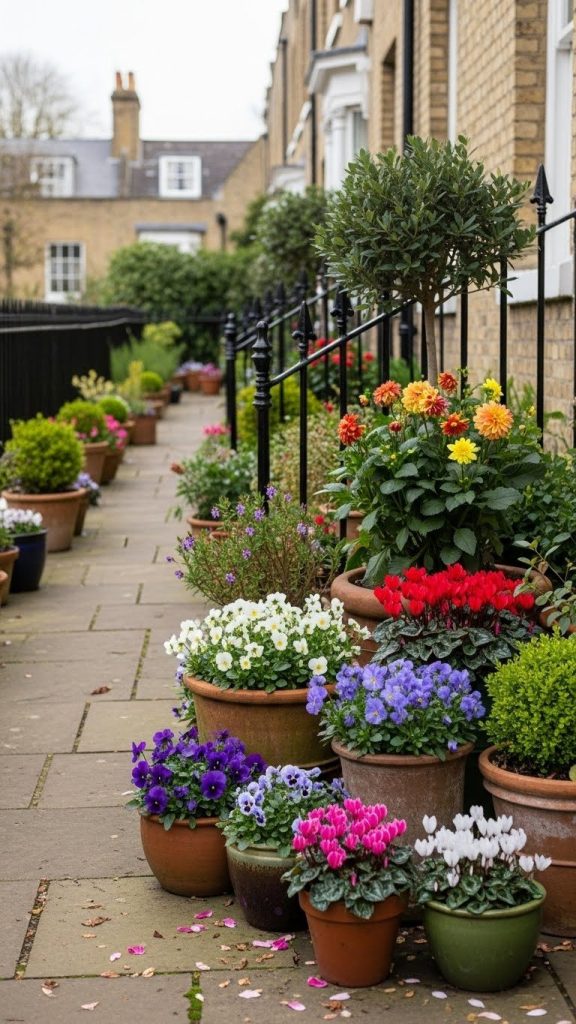
Using containers with seasonal plants—pansies in winter, dahlias in summer—keeps a terrace garden vibrant throughout the year. Changing plantings also provides variety and surprises.
Pros:
- Ensures year-round visual appeal
- Easy to refresh with minimal effort
- Allows experimentation without permanent planting
Cons:
- Needs seasonal attention and replanting
- Cost can add up if frequently updated
Mini takeaway: Seasonal container rotation keeps your terrace alive, fresh, and distinctly Victorian no matter the month.
Conclusion
Victorian terrace gardens prove that elegance doesn’t require a sprawling backyard. From climbing roses and topiary to cozy seating and seasonal containers, small terraces can exude classic charm, fragrance, and structure. Personally, I find experimenting with containers and vertical plantings the most rewarding—it allows flexibility and keeps the garden feeling fresh.
The beauty of this style lies in its balance: structured yet lush, ornamental yet functional. Start with one or two elements that excite you most—maybe a climbing rose or a small fountain—and watch your terrace transform into a miniature Victorian haven. With patience, planning, and a little creativity, even a modest outdoor space can feel timeless and magical.

Ashley Ellison is a skilled writer and avid bowler. Her passion for storytelling and dedication to the sport have led her to participate in various national bowling leagues. With a unique combination of talents, Ashley approaches every challenge with creativity and a relentless drive to succeed.