Raised Garden Beds for Vegetables: 15 Creative and Productive Ideas
There’s something truly satisfying about growing your own food. But if you’ve ever tried traditional gardening, you know the struggle—bad soil, weeds, and endless bending. That’s where raised garden beds for vegetables come in. They’re neat, efficient, and let’s be honest—your back will thank you later.
I’ve been experimenting with raised beds for years, and trust me, once you go raised, you never go back. So, whether you’re a weekend gardener or someone just starting out, these 15 raised garden bed ideas will help you turn any space into a thriving veggie paradise.
1. Classic Wooden Raised Beds
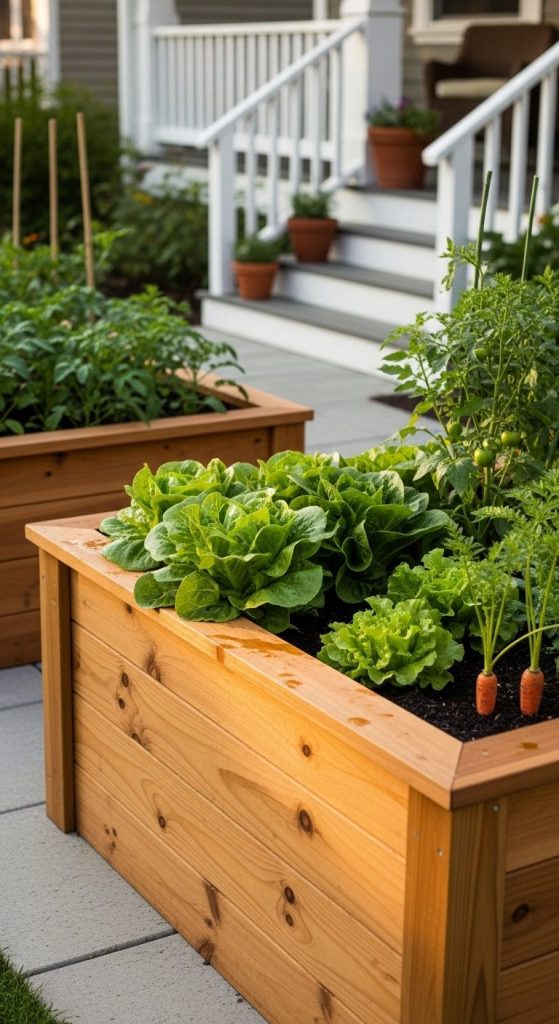
If you’re after that timeless backyard look, wooden raised beds never disappoint. They blend beautifully with nature and are perfect for first-timers.
Wood—especially cedar or redwood—is durable and resists rot naturally. You can build them yourself or grab pre-made kits from any garden store.
Pros:
- Affordable and easy to customize
- Naturally insulating for soil
- Aesthetic and eco-friendly
Cons:
- May eventually rot (even cedar)
- Needs maintenance to stay pretty
Personal Tip: I line mine with landscape fabric—it keeps soil in and weeds out. Win-win.
2. Metal Raised Garden Beds for Durability
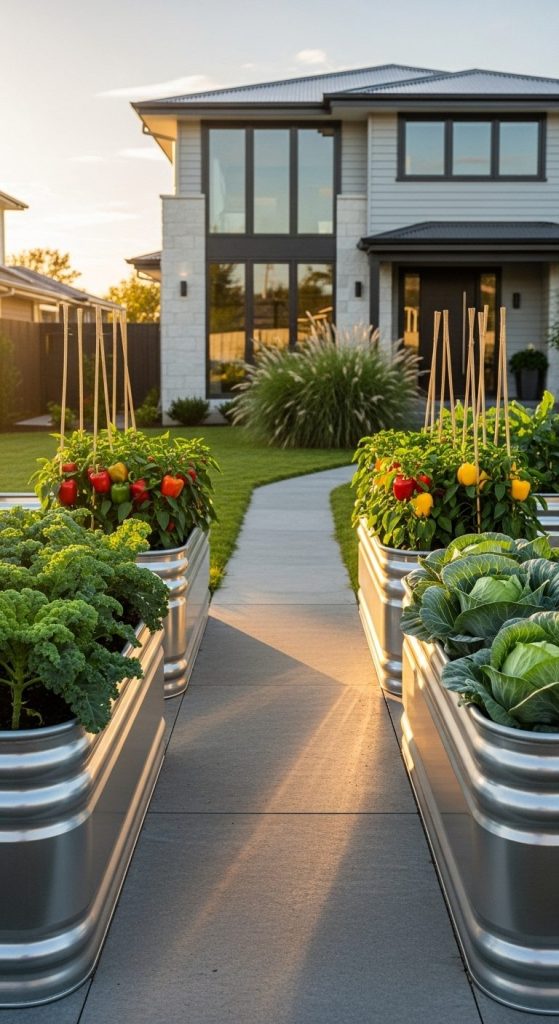
Want something that lasts practically forever? Go metal. Galvanized steel raised beds are trending for a reason—they’re sleek, strong, and don’t warp.
They reflect heat, helping veggies thrive in cooler climates. Just make sure to add mulch in hot areas—it keeps the soil from cooking your lettuce!
Pros:
- Long-lasting and rust-resistant
- Minimal maintenance
- Modern, clean aesthetic
Cons:
- Can get hot in full sun
- Pricier than wood
Fun fact: According to a 2023 Statista report, metal garden bed sales jumped 27% due to their long lifespan and low maintenance.
3. Raised Beds with Built-In Trellis
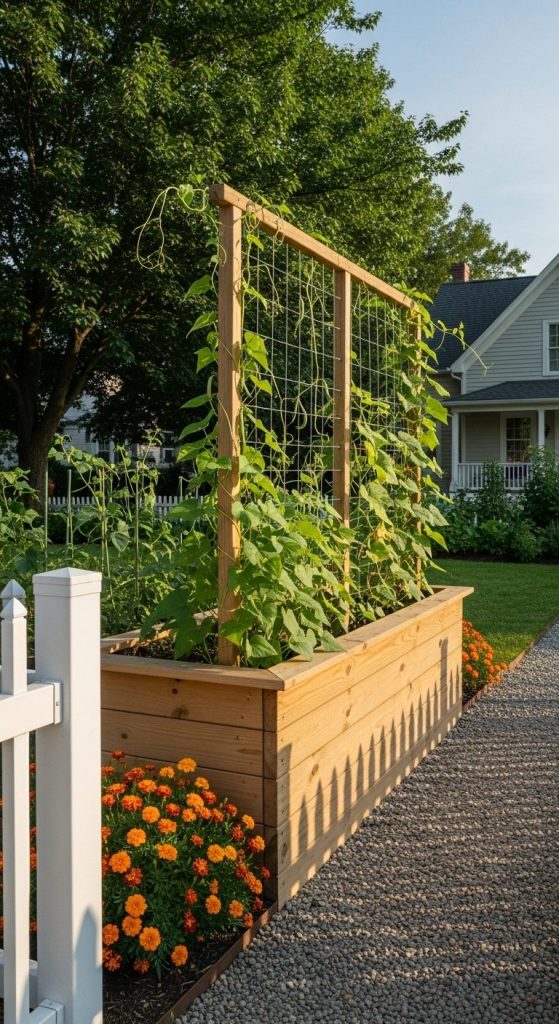
Got climbers like beans, peas, or cucumbers? Then a raised garden bed with a trellis is a must. You get vertical space and support—plus, it looks gorgeous.
You can attach a wooden or metal trellis directly to your raised bed and let your veggies grow up instead of out. Space saver? Totally.
Pros:
- Perfect for small gardens
- Increases yield per square foot
- Adds visual appeal
Cons:
- Slightly more complex to build
- Needs sturdy materials
Pro Tip: Mix flowers like nasturtiums at the base—they attract pollinators and repel pests.
4. Corner Raised Garden Beds
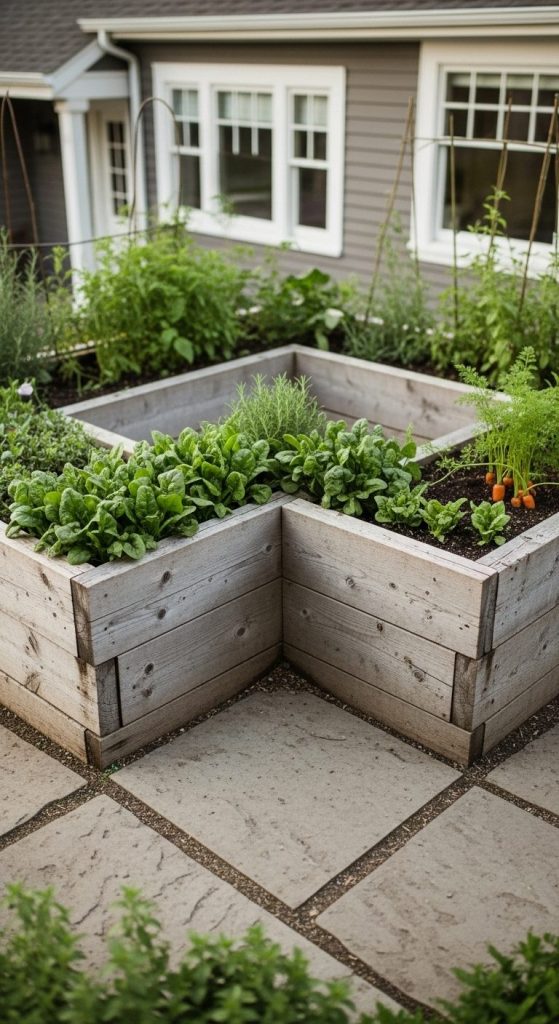
If you’ve got an awkward yard corner collecting dust, fill it with life. Corner beds make the most of space and give your garden a structured, layered look.
Use L-shaped designs for maximum growing room without overwhelming the space.
Pros:
- Utilizes unused areas
- Great for urban or small yards
- Can combine veggies and herbs
Cons:
- Custom shape may cost more
- Needs careful irrigation layout
Ever wondered how to make small spaces feel lush? This is it.
5. Tiered Raised Beds for Deep-Rooted Veggies
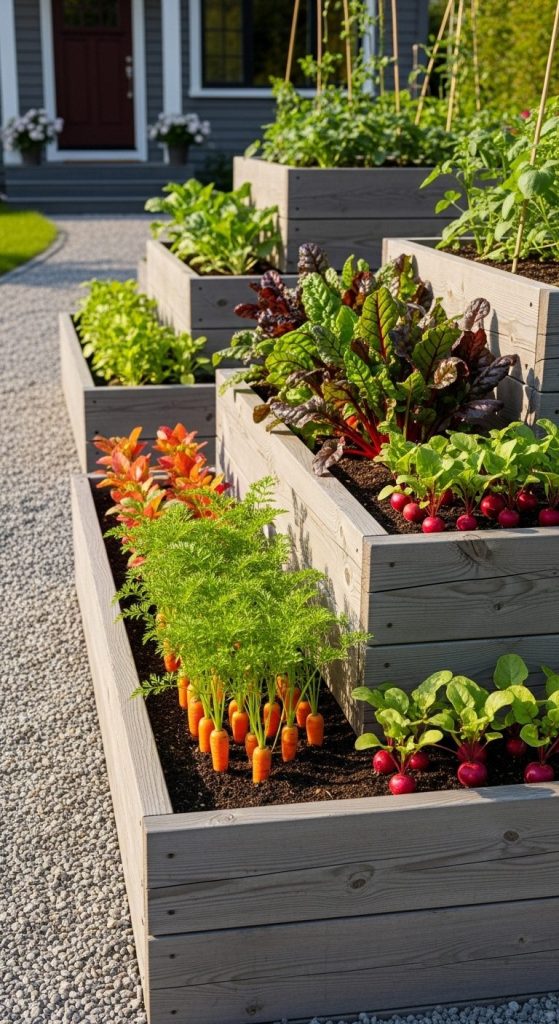
Want to grow carrots, beets, or potatoes? Tiered beds are your new best friend. They offer multiple soil depths in one structure, perfect for different veggies.
They also create a gorgeous layered garden look—eye-catching and practical.
Pros:
- Ideal for varied vegetable types
- Improves drainage
- Visually dynamic
Cons:
- Slightly harder to build
- Needs strong retaining boards
Fun fact: According to Better Homes & Gardens, tiered beds increase planting capacity by up to 40% compared to single-level beds.
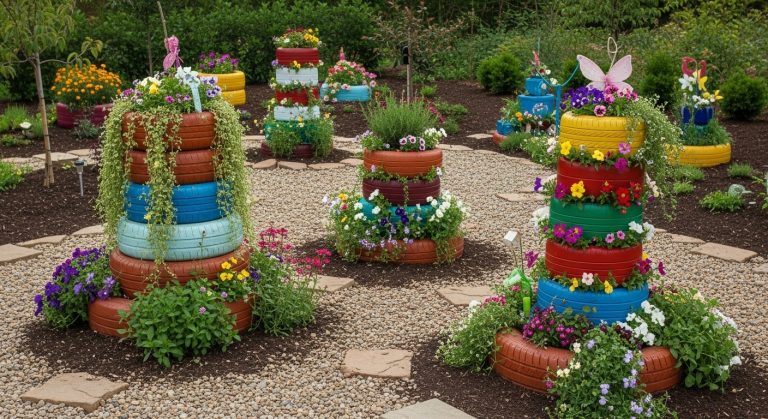
6. Raised Beds Made from Recycled Materials
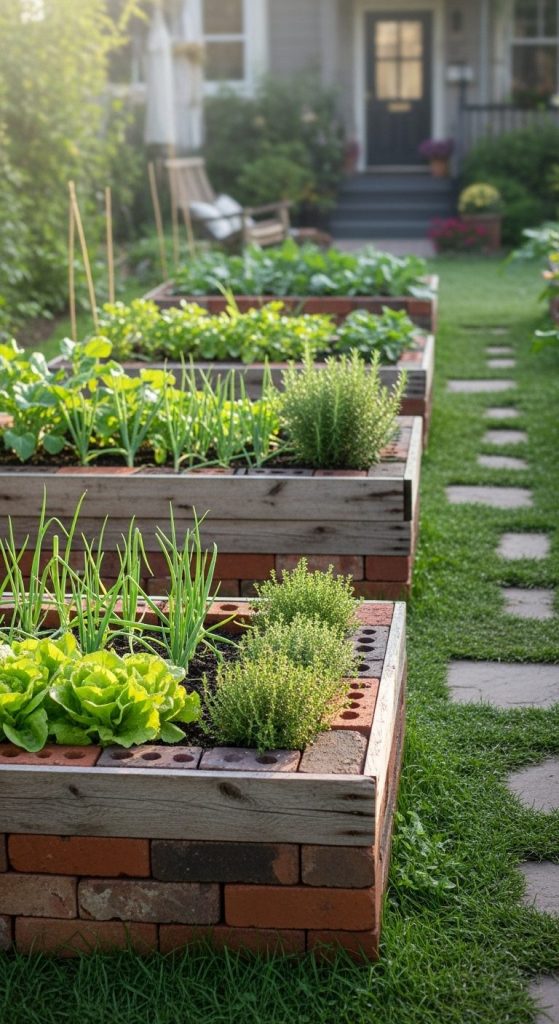
Why buy new when you can upcycle? Old bricks, pallets, or even cinder blocks can become beautiful garden beds.
I once built mine using reclaimed barn wood—it gave such rustic charm and cost basically nothing.
Pros:
- Budget-friendly and sustainable
- Adds personality
- Easy to repair or expand
Cons:
- Inconsistent materials may decay faster
- Some reclaimed wood can contain chemicals—check first!
If you’re all about eco-living, this is your jam.
7. Keyhole Raised Beds
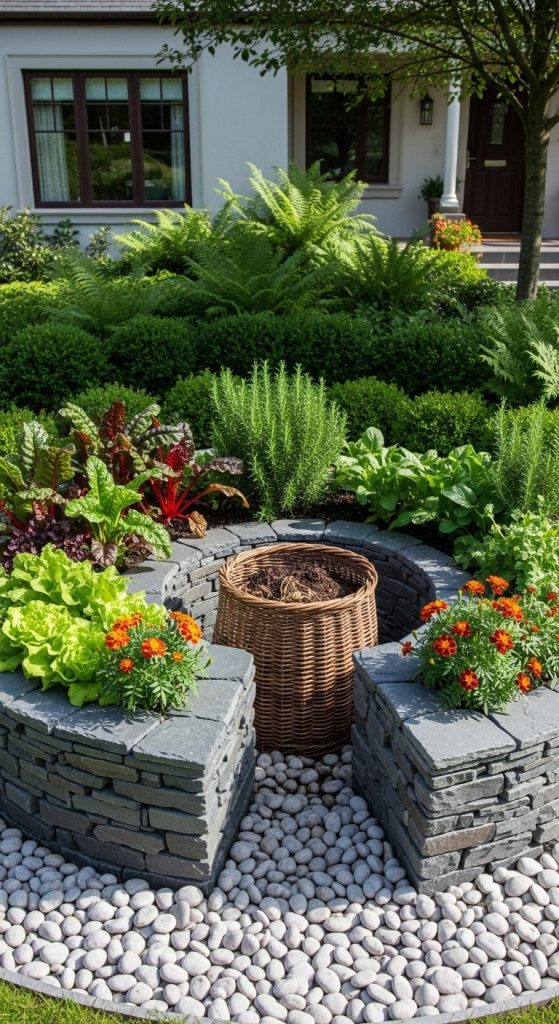
Inspired by African permaculture, keyhole gardens have a circular shape with a compost basket in the center. Genius, right? You feed your veggies and the soil simultaneously.
Pros:
- Self-fertilizing design
- Conserves water
- Great for drought-prone areas
Cons:
- Requires more initial setup
- Compost maintenance needed
Ever thought of combining composting and gardening in one? This design nails it.
8. Tall Raised Beds for Easy Access
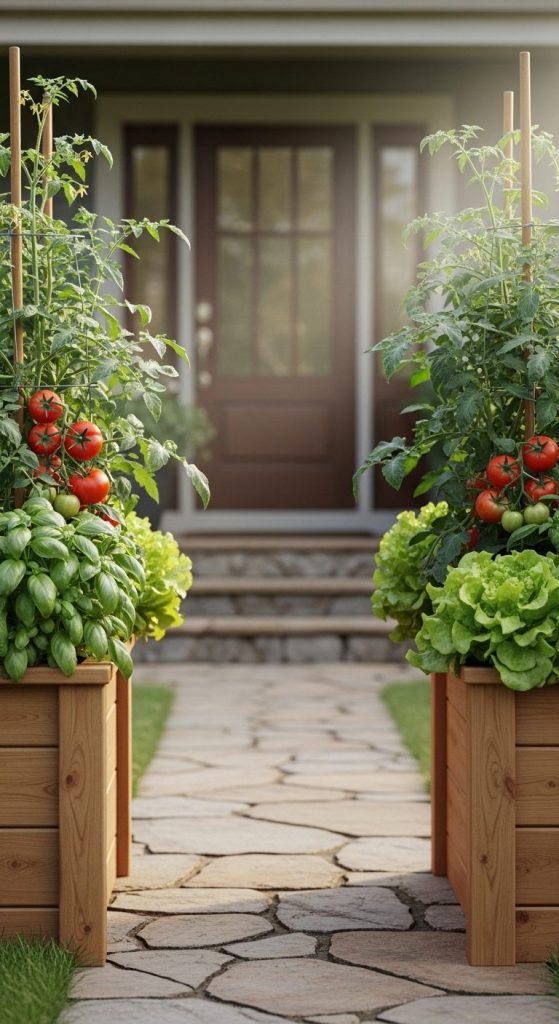
Hate bending? Me too. Taller beds (around 30–36 inches high) make gardening easier on your back and knees. They’re great for seniors or anyone who wants a more ergonomic setup.
Pros:
- Reduces back strain
- Perfect for wheelchair access
- Less pest intrusion
Cons:
- More soil required
- Heavier and costlier to build
FYI: Studies by NC State Extension show elevated beds improve accessibility and extend gardening years by up to 20% for older gardeners.
9. Raised Garden Beds with Irrigation Systems
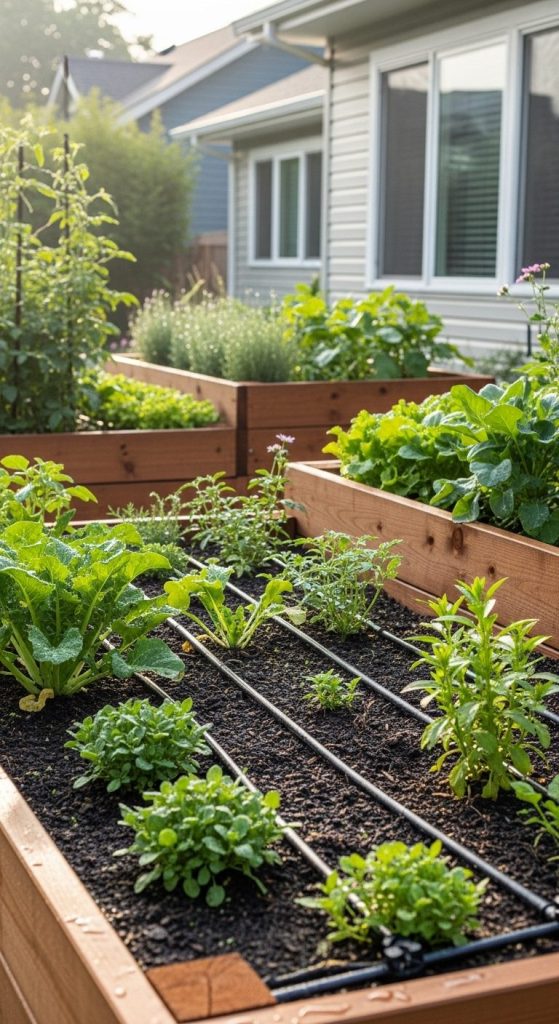
Let’s be honest—we all forget to water sometimes. Integrated irrigation systems make life easier. Drip lines or soaker hoses built into your raised bed keep your veggies perfectly hydrated.
Pros:
- Saves water
- Consistent moisture
- Time-efficient
Cons:
- Setup takes planning
- Slightly higher upfront cost
My tomatoes have never looked happier since I added drip irrigation. Worth every penny.
10. U-Shaped Raised Beds
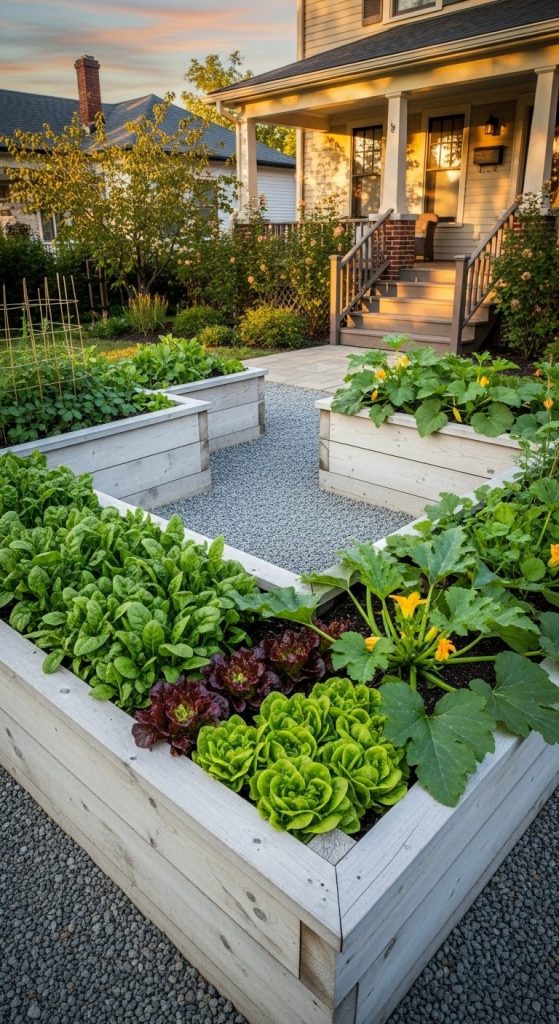
Want to maximize space without losing access? U-shaped beds let you reach everything easily while planting tons of veggies. They’re functional and pretty—like the yoga masters of garden design.
Pros:
- Easy to maintain
- Efficient space use
- Great for larger gardens
Cons:
- Takes more planning
- May require professional layout
Aesthetically pleasing and practical—what’s not to love?
11. Raised Garden Beds with Cold Frames
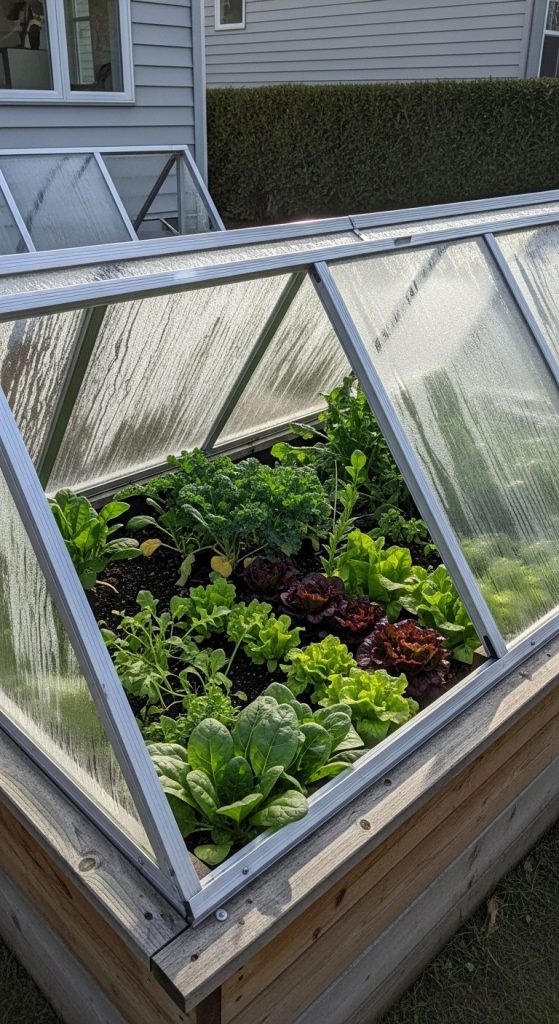
If you live where winters are brutal, cold frames extend your growing season. They’re basically mini greenhouses over your raised beds.
Pros:
- Extends growing season
- Protects seedlings
- Reduces frost risk
Cons:
- Can get pricey
- Needs ventilation monitoring
I once harvested spinach in January thanks to my cold frame—felt like winning the gardening lottery.
12. Modular Raised Garden Beds
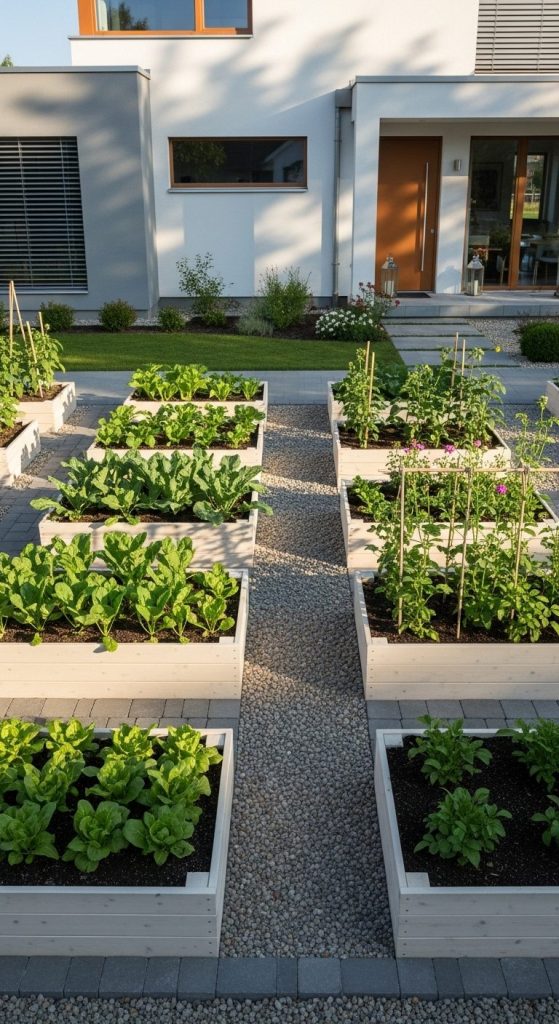
Not sure about your permanent layout yet? Modular systems let you expand or rearrange easily.
They’re perfect if you’re renting or love experimenting with garden designs (guilty as charged).
Pros:
- Highly flexible
- Easy to assemble
- Reusable panels
Cons:
- Can be less sturdy
- More joints = more leak potential
This setup is like the LEGO version of gardening—fun, customizable, and endlessly adaptable.
13. Vertical Raised Beds
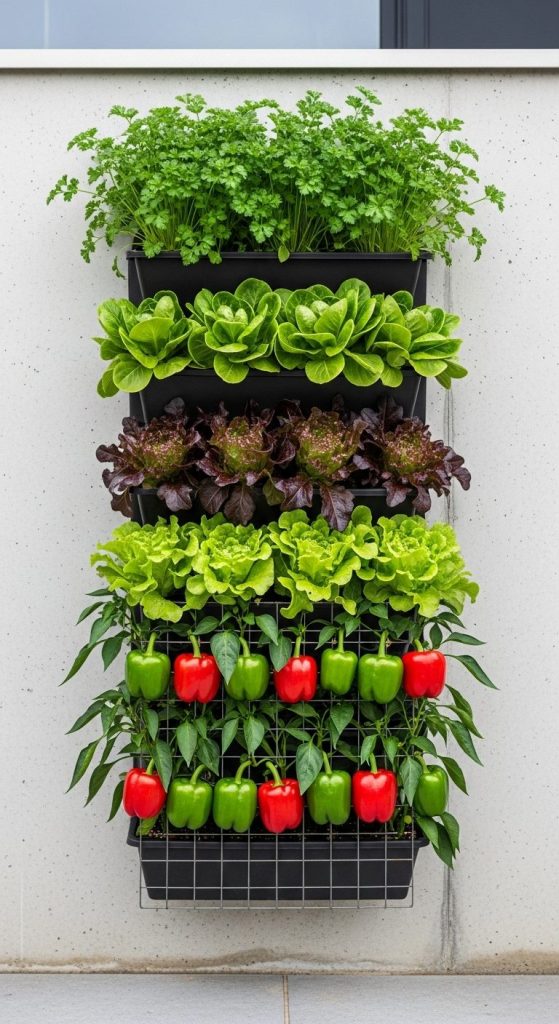
If you’re short on ground space, go up! Vertical raised beds combine planters and trellises to make the most of every inch.
Pros:
- Ideal for patios or balconies
- Great airflow
- Reduces pest issues
Cons:
- Limited soil depth
- Not suitable for all vegetables
Perfect for herbs, peppers, and lettuce—urban gardeners swear by them.
14. Stone or Brick Raised Beds
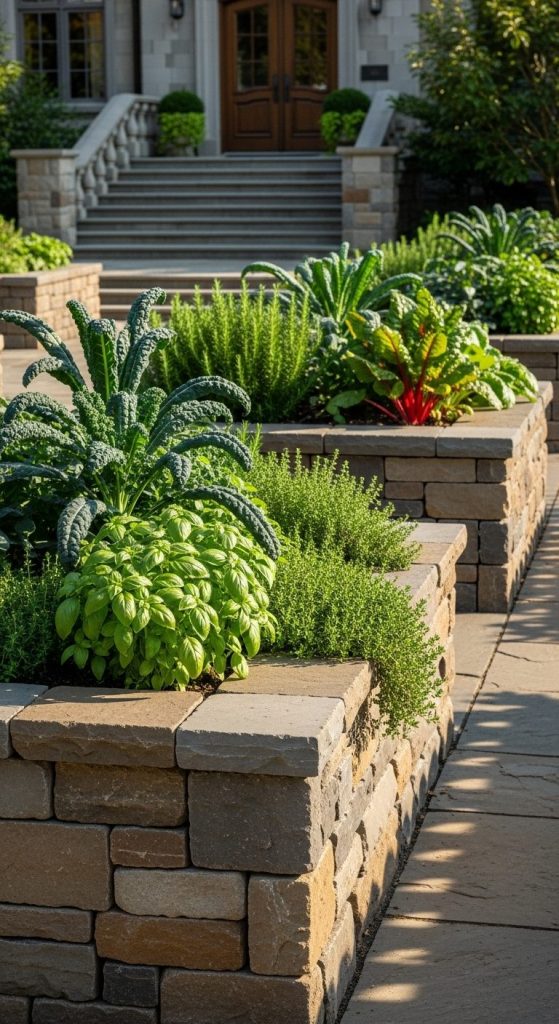
For those who want structure and longevity, stone and brick raised beds bring class and strength. They retain heat and blend beautifully with most landscapes.
Pros:
- Extremely durable
- Elegant and timeless look
- Low maintenance
Cons:
- Heavy to install
- More expensive upfront
According to Houzz, 35% of modern homeowners prefer stone garden beds for aesthetics alone. It’s like giving your garden instant curb appeal.
15. Self-Watering Raised Garden Beds
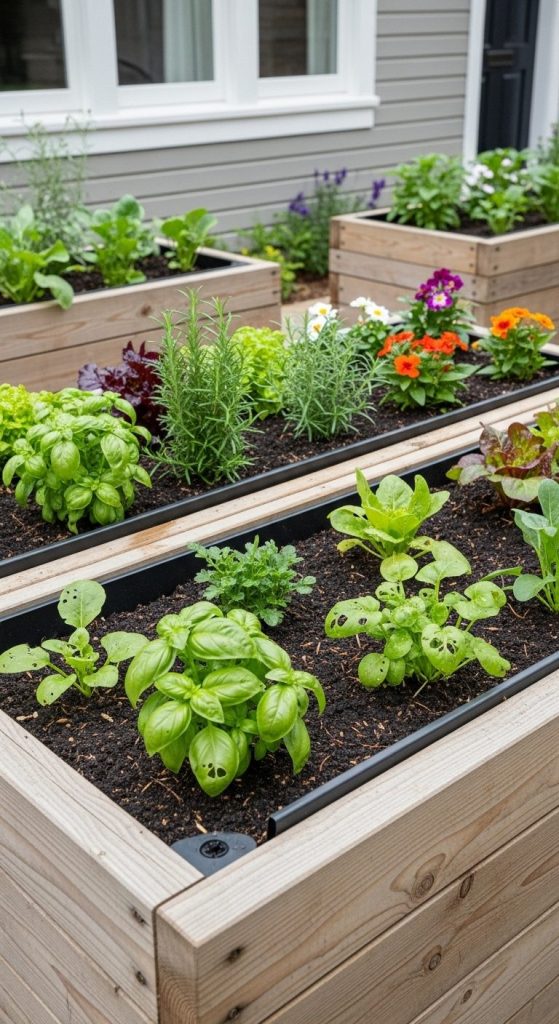
Last but not least—lazy gardener’s dream. Self-watering beds have a water reservoir beneath the soil, delivering consistent moisture through capillary action.
Pros:
- Saves time and water
- Prevents root rot
- Great for busy gardeners
Cons:
- Costs more initially
- Cleaning the reservoir can be tricky
Once you try these, you’ll never go back to traditional watering. Promise.
Conclusion
There you have it—15 creative ways to build raised garden beds for vegetables that suit every space, budget, and skill level. From rustic wood to sleek metal, or DIY recyclables to ergonomic tall designs—there’s no excuse not to start growing your own fresh produce.
Raised beds make gardening more manageable, more beautiful, and, honestly, more fun. So go ahead—grab some soil, seeds, and a little elbow grease. Your dream vegetable garden awaits!

Ashley Ellison is a skilled writer and avid bowler. Her passion for storytelling and dedication to the sport have led her to participate in various national bowling leagues. With a unique combination of talents, Ashley approaches every challenge with creativity and a relentless drive to succeed.