Wild Flower Garden Ideas: 15 Ways to Turn Your Yard Into a Natural Paradise
Ever stood in front of a patch of wildflowers and felt your stress just… melt away? There’s something magical about that unpolished, free-spirited look — like nature’s way of reminding us not everything needs pruning and control. Wildflower gardens are more than a trend; they’re a rebellion against perfection, a celebration of life in all its messy, colorful glory.
And the best part? Anyone can create one. Whether you’ve got a sprawling backyard, a tiny patch by the fence, or even a few planters on your balcony — there’s a wildflower idea that can fit your space and style.
Today, we’re going to explore 15 unique wild flower garden ideas that bring personality, pollinators, and poetry to your outdoor space. Some are bold and rustic, others are delicate and cottagecore-inspired. But each one captures that untamed beauty wildflowers are loved for.
1. The Classic Meadow Mix Garden
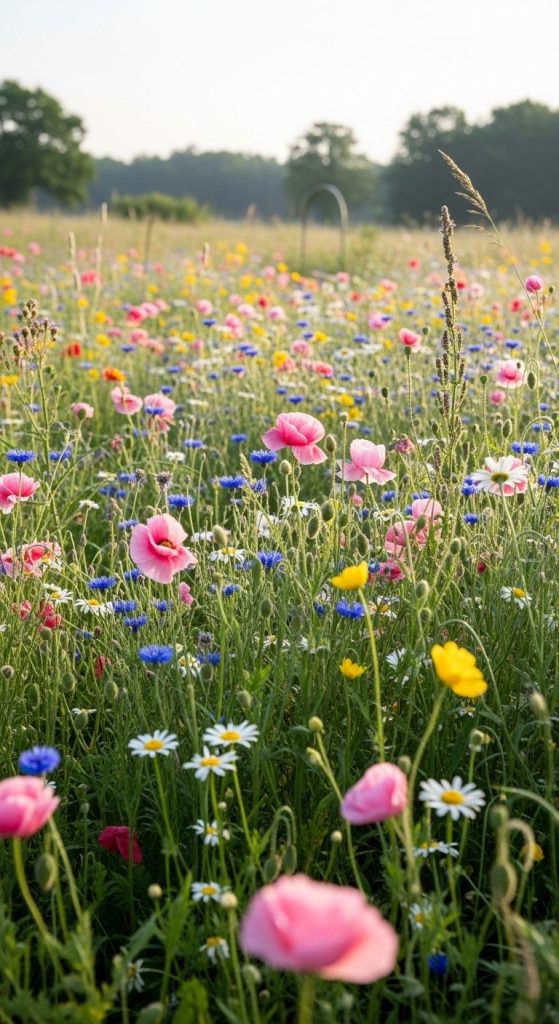
A meadow mix garden is the quintessential wildflower dream — an open, breezy patch of blooms swaying freely in the wind.
Pros:
- Low maintenance once established — nature mostly takes over.
- Attracts bees, butterflies, and birds in droves.
- Provides year-round interest as seed heads and grasses evolve through the seasons.
Cons:
- Takes patience — it might be a full season before you see full bloom.
- Can look “messy” to those who prefer neat landscapes.
Takeaway:
If you’ve got a sunny spot and a free spirit, a meadow-style garden rewards you with living art that constantly changes with the light and seasons.
2. Cottage-Style Wildflower Border
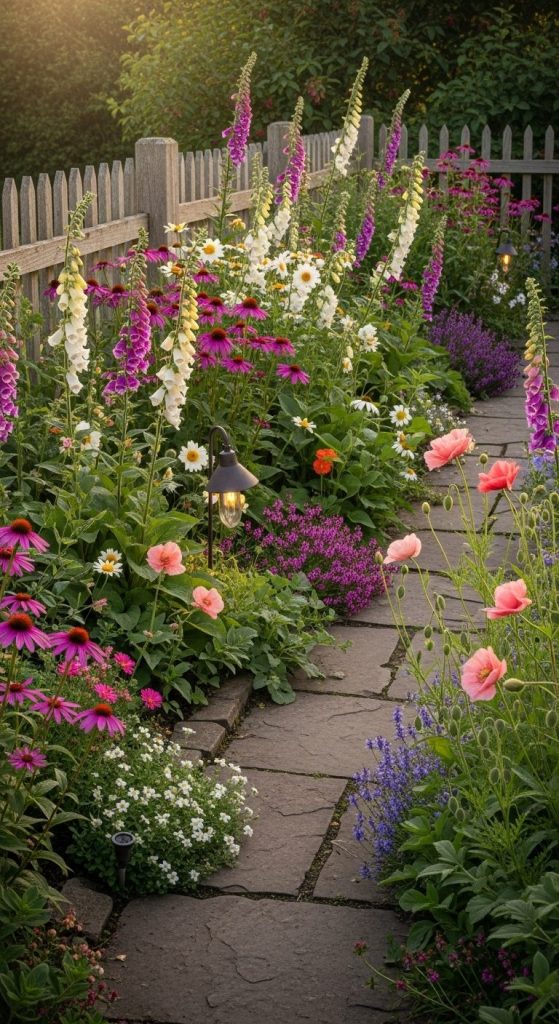
Nothing says charm quite like a cottage-style border bursting with wildflowers. It’s organized chaos — color and texture arranged in delightful disarray.
Pros:
- Fits beautifully alongside paths, fences, or garden walls.
- Easy to mix annuals (like poppies) with perennials (like echinacea).
- Brings an old-world feel that never goes out of style.
Cons:
- Needs a bit of weeding to keep aggressive spreaders in check.
Takeaway:
Perfect for smaller gardens that want a “lived-in” look without too much structure. Think English countryside vibes with a personal twist.
3. Native Wildflower Habitat
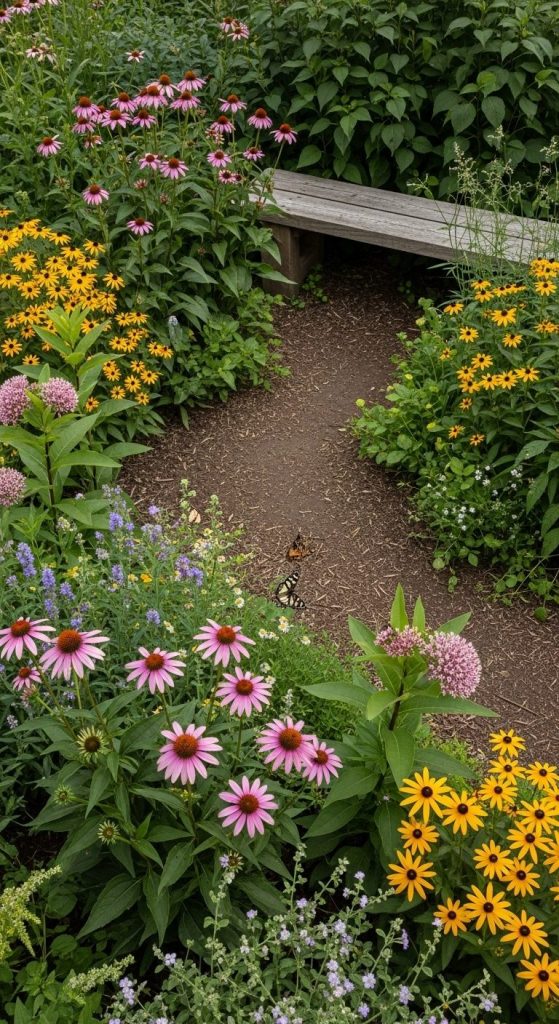
Going native isn’t just trendy — it’s ecological gold. Using local wildflowers means less watering, fewer fertilizers, and more biodiversity.
Pros:
- Thrives naturally in your region’s soil and weather.
- Provides habitat and food for local pollinators and wildlife.
- Virtually pest-resistant compared to exotic species.
Cons:
- Limited to plants native to your area, which may restrict your palette.
Takeaway:
If sustainability is your jam, a native wildflower patch is beauty with purpose — your yard becomes a living ecosystem.
4. Woodland Wildflower Garden
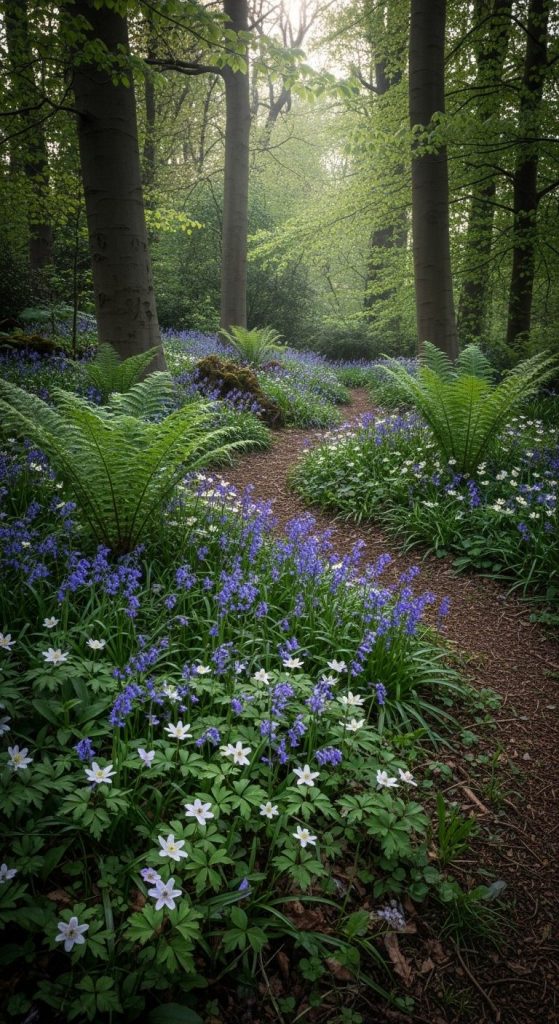
Who says wildflowers are only for sunny fields? Shade-loving species like bluebells, wood anemones, and trilliums turn any dim corner into an enchanting woodland retreat.
Pros:
- Perfect for shady or partially shaded spaces.
- Creates a peaceful, fairytale-like mood.
- Great for under tree canopies or north-facing yards.
Cons:
- Slower growth rate in deep shade.
Takeaway:
Your shady corners don’t need to stay bare — woodland wildflowers add a quiet charm that feels secret and timeless.
5. Wildflower Rock Garden
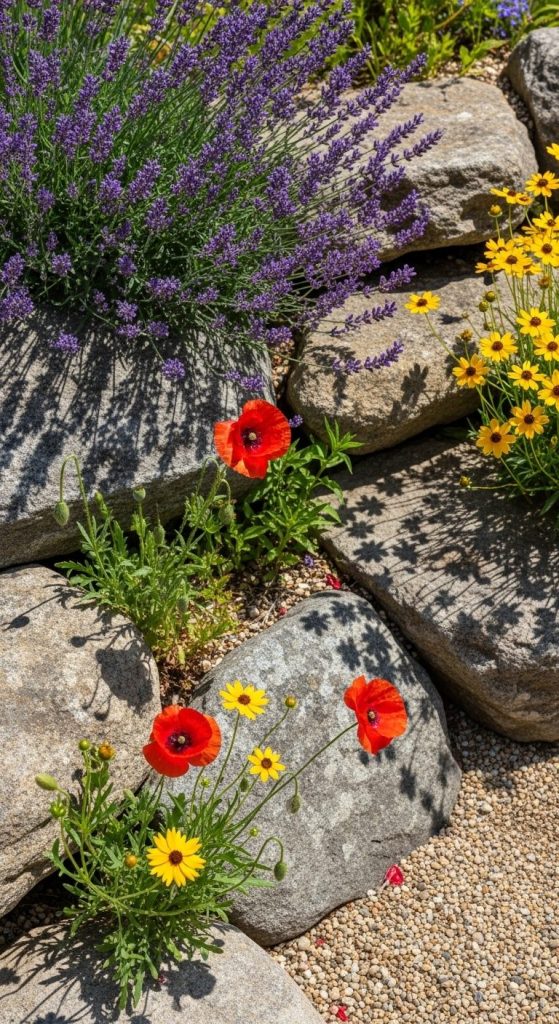
Ever noticed how wildflowers pop through cracks and stones like they own the place? That’s the inspiration behind this rugged beauty.
Pros:
- Great for poor, rocky soil — less competition from grass.
- Adds interesting texture and contrast to your landscape.
- Perfect for sloped or uneven areas.
Cons:
- May need extra watering during dry spells.
Takeaway:
A rock garden is nature’s proof that resilience can be beautiful — wildflowers and stones make a striking visual combo.
6. Pollinator-Friendly Wildflower Garden
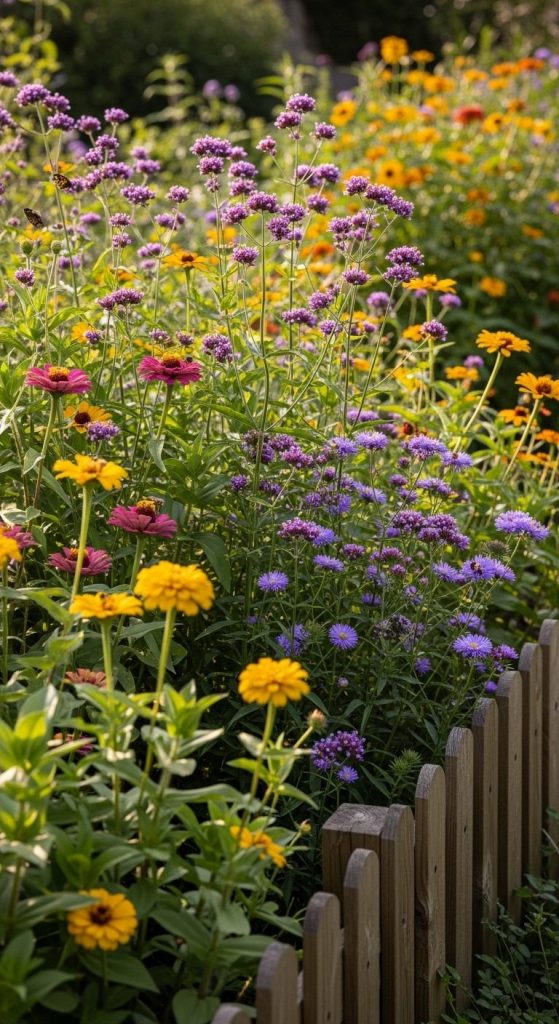
If you love the buzz of life in your garden, design it for pollinators! Bees, butterflies, and hummingbirds thrive on nectar-rich blooms.
Pros:
- Encourages biodiversity and supports declining pollinator populations.
- Keeps your other plants healthy through improved pollination.
- Makes your space feel vibrant and alive.
Cons:
- You’ll have to share your flowers with the insects — they’ll always come first!
Takeaway:
This garden hums with life — literally. A pollinator paradise means your yard becomes part of something bigger and beautiful.
7. Coastal Wildflower Patch
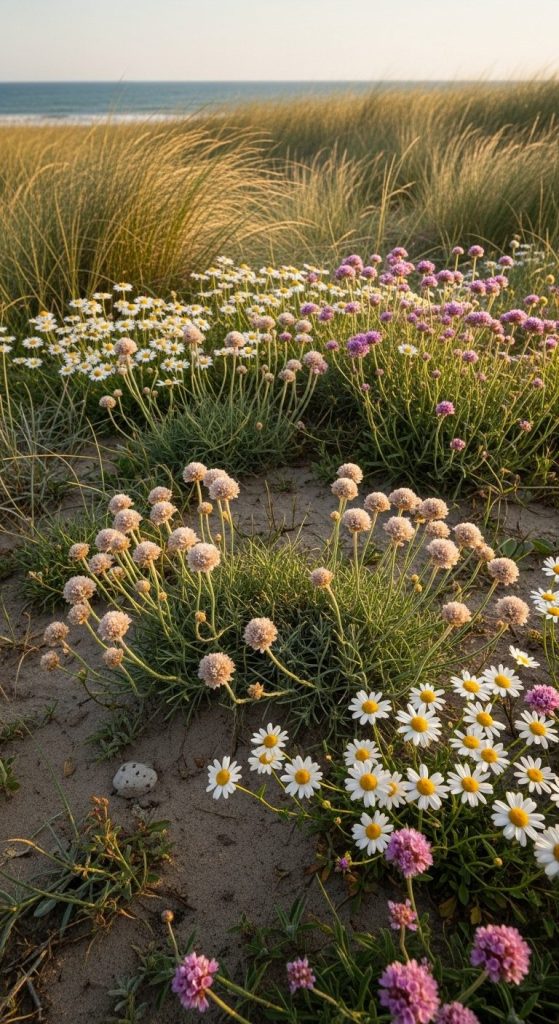
Salty air and sandy soil? Wildflowers love that too. Coastal varieties like sea thrift, verbena, and ox-eye daisies thrive in tough conditions.
Pros:
- Low water and nutrient needs.
- Wind-tolerant and great for open areas.
- Adds breezy, beachy charm.
Cons:
- Limited plant selection for inland gardens.
Takeaway:
Ideal for seaside settings or anyone who loves coastal flair — your yard can feel like a permanent vacation.
8. Urban Balcony Wildflower Pots
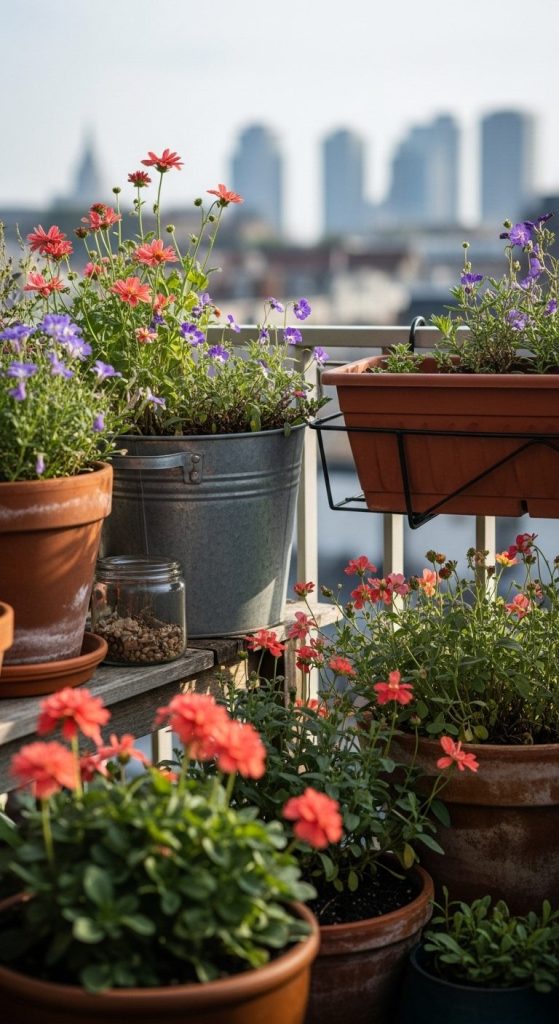
No yard? No problem. Wildflowers thrive in containers too — as long as they get plenty of sun and well-drained soil.
Pros:
- Perfect for balconies, patios, or small terraces.
- Easy to experiment with different mixes each season.
- Brings color and life to urban spaces.
Cons:
- Containers dry out faster — requires regular watering.
Takeaway:
Even city dwellers can have a slice of wild nature — potted wildflowers add soul and serenity to concrete living.
9. Rustic Wildflower Path Edging
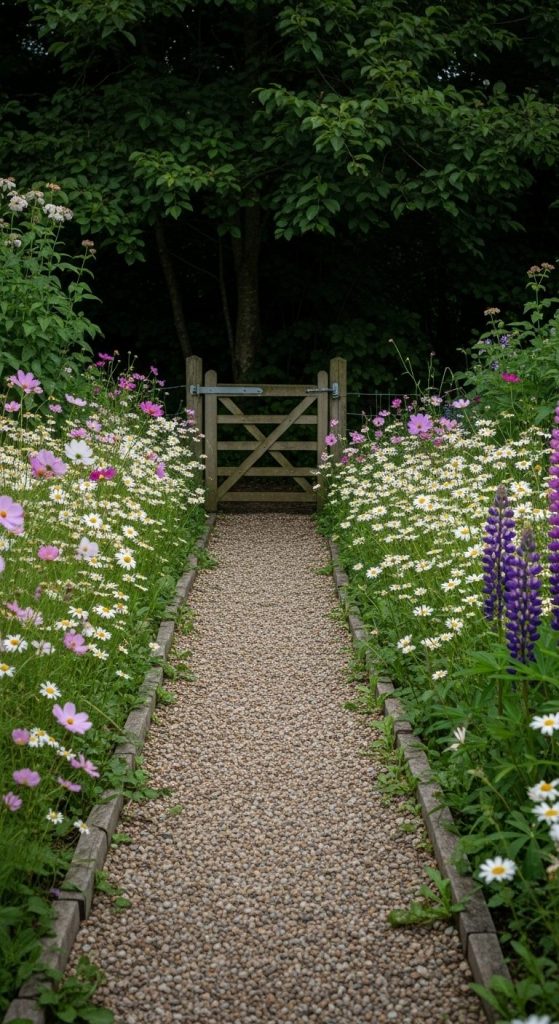
A gravel or flagstone path framed by blooming wildflowers? That’s rustic perfection.
Pros:
- Naturally softens hardscape edges.
- Adds visual rhythm and color to walkways.
- Encourages pollinators along high-traffic areas.
Cons:
- Can require trimming to keep flowers from encroaching too much.
Takeaway:
Turn ordinary paths into immersive experiences — every walk feels like a mini nature trail.
10. Seasonal Wildflower Waves
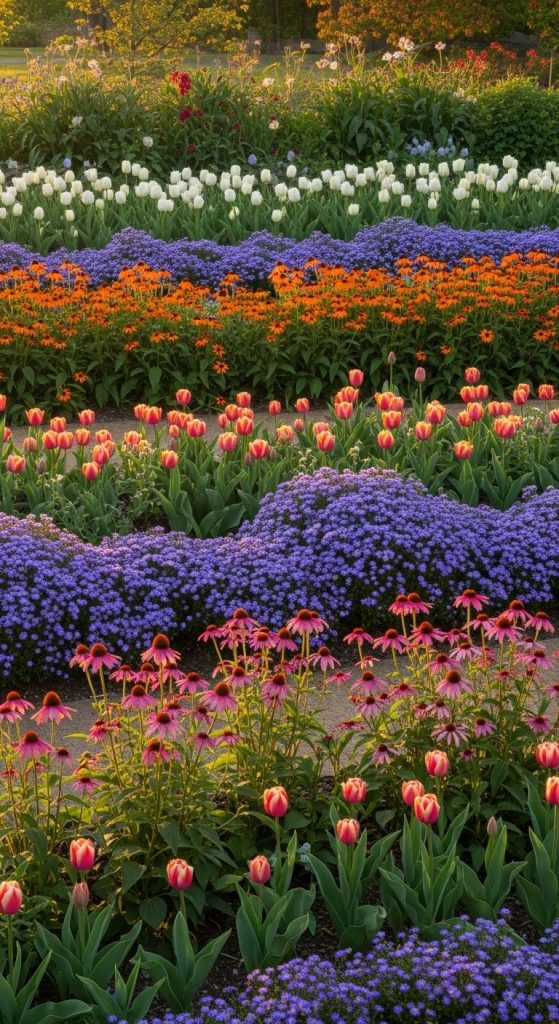
Instead of a single bloom explosion, plan waves of color from spring through fall. Combine early, mid, and late-season flowers for a rolling display.
Pros:
- Keeps your garden colorful all year.
- Offers continuous food for pollinators.
- Makes your space dynamic and ever-changing.
Cons:
- Requires careful planning and variety selection.
Takeaway:
If you love surprises, this design ensures your garden never feels static — always fresh, always evolving.
11. Minimalist Wildflower Patch
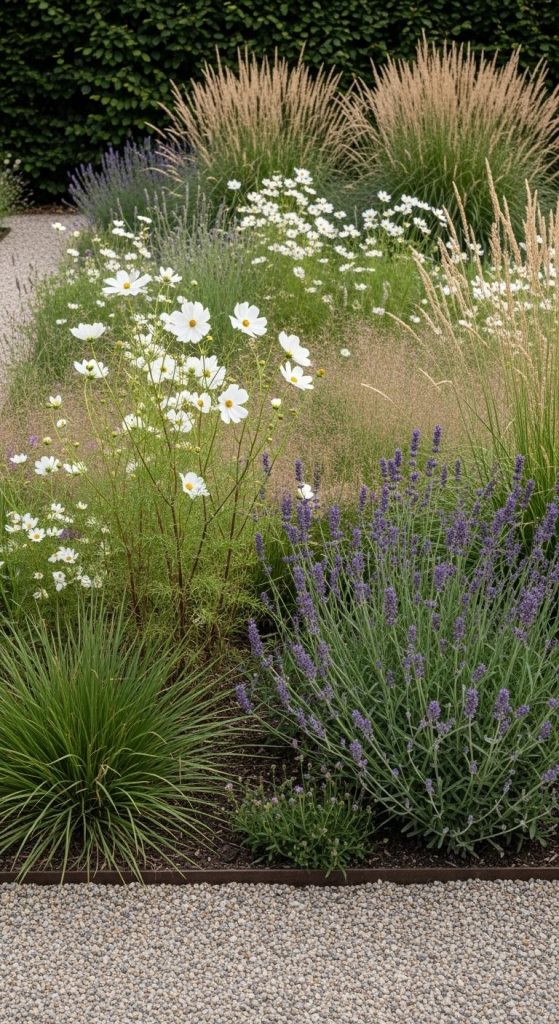
Who says wild means cluttered? A minimalist patch with a few key species can be equally stunning.
Pros:
- Easier to maintain.
- Offers visual calm amid natural movement.
- Highlights form, not just color.
Cons:
- Less dramatic biodiversity.
Takeaway:
For modern gardens, this restrained approach brings balance — wild spirit with intentional design.
12. Water’s Edge Wildflower Garden
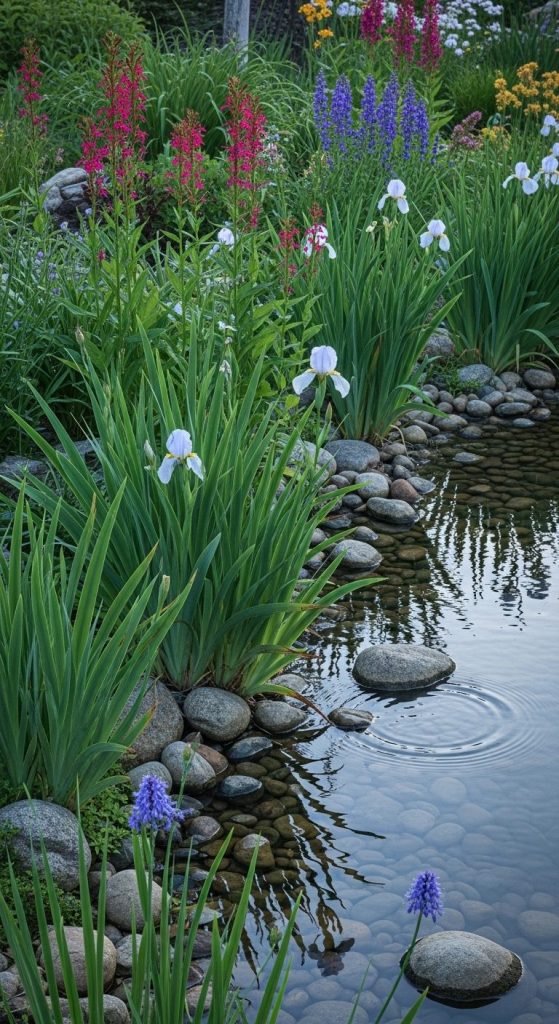
Ponds, creeks, or even rain gardens — moisture-loving wildflowers thrive here.
Pros:
- Prevents soil erosion and filters runoff naturally.
- Encourages frogs, dragonflies, and aquatic life.
- Adds dreamy reflection effects near water.
Cons:
- Needs water-tolerant plants — not all species fit.
Takeaway:
This idea blurs the line between land and water, creating a tranquil, eco-rich focal point.
13. Children’s Wildflower Discovery Corner
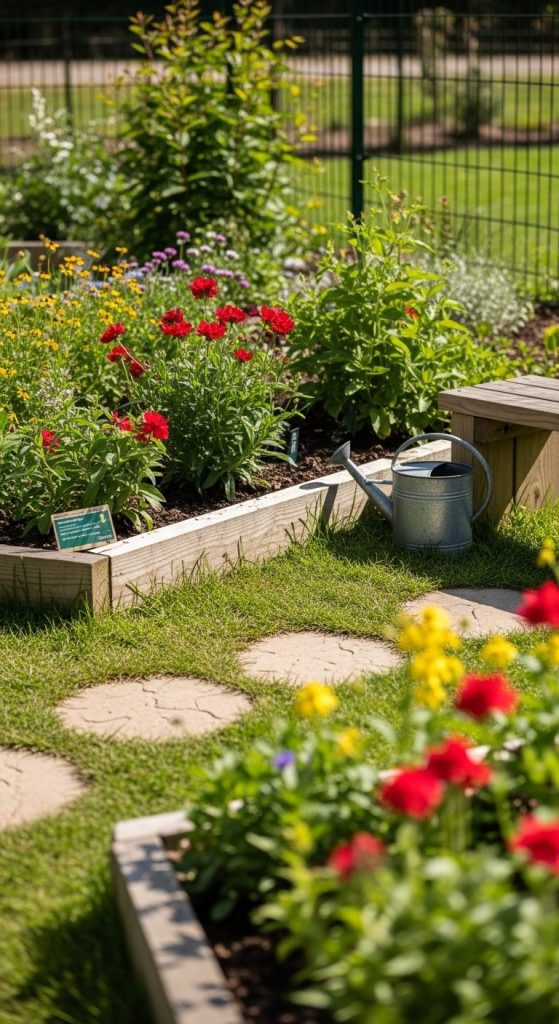
Give kids their own patch — full of color, buzzing bees, and textures to touch and smell.
Pros:
- Encourages curiosity and love for nature.
- Low maintenance and forgiving for little gardeners.
- Great educational opportunity about ecosystems.
Cons:
- Needs supervision to avoid trampling or overwatering.
Takeaway:
A wildflower patch can be the best classroom there is — teaching patience, wonder, and respect for life.
14. Wildflower and Grass Fusion Garden
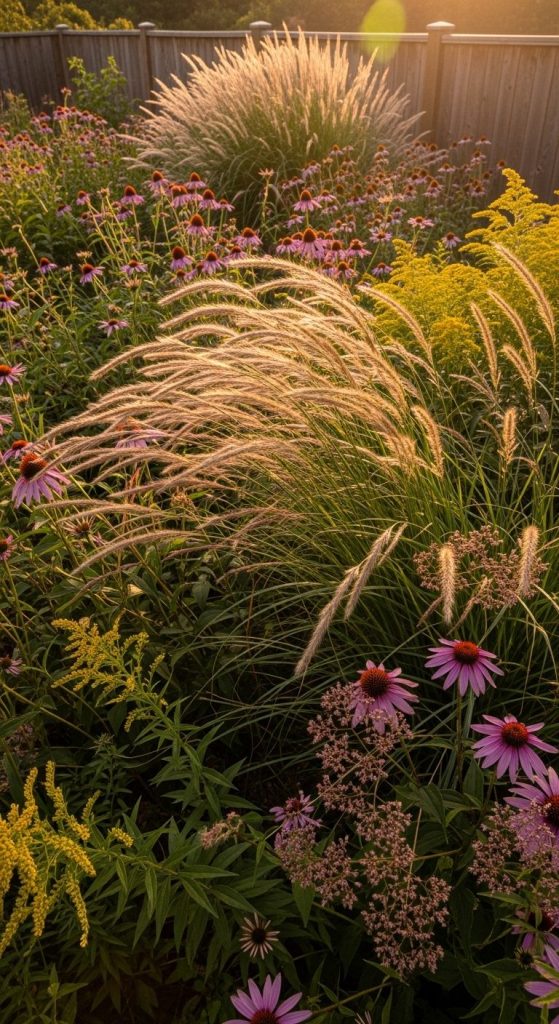
Pair your blooms with ornamental grasses for an elegant, natural aesthetic.
Pros:
- Adds texture, movement, and depth.
- Great for windy or exposed sites.
- Low maintenance and drought-tolerant.
Cons:
- Can spread aggressively without edging.
Takeaway:
This combination is both wild and sophisticated — the kind of effortless beauty that looks intentional but feels free.
15. Night-Blooming Wildflower Garden
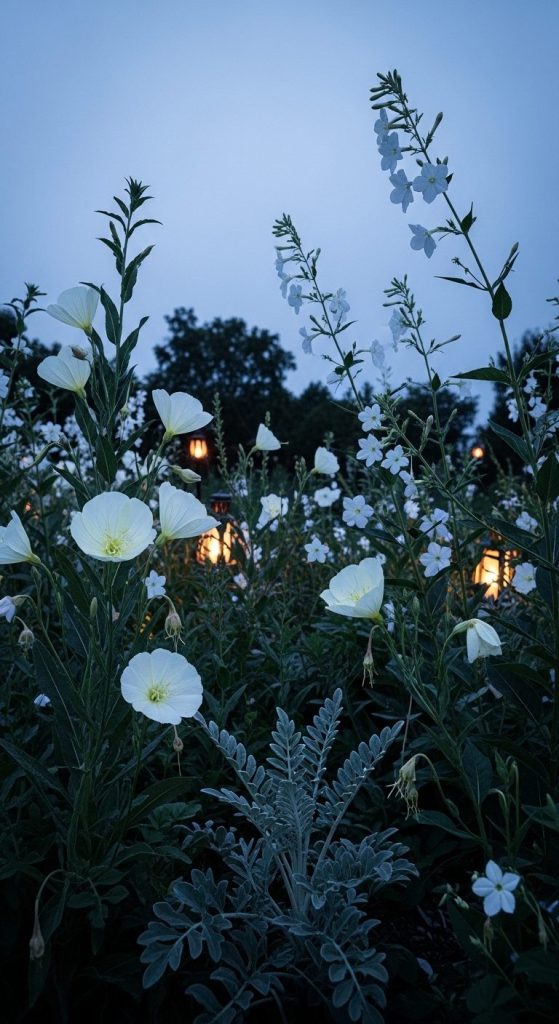
Yes — wildflowers that bloom at dusk exist! Evening primrose, moonflower, and nicotiana release fragrance after sunset.
Pros:
- Creates a magical evening garden atmosphere.
- Attracts nocturnal pollinators like moths.
- Ideal for people who enjoy their garden at night.
Cons:
- Some species close up during the day.
Takeaway:
For night owls, this is pure enchantment — a secret garden that comes alive after dark.
Wrapping It All Up
A wildflower garden is freedom in floral form. It’s less about control and more about harmony — letting plants grow, mingle, and surprise you. Whether you want a full meadow, a cozy balcony display, or a woodland nook, there’s a wildflower idea that fits your lifestyle and personality.
Remember, the beauty of wildflowers isn’t just in their color — it’s in their resilience. They teach us that sometimes the most stunning results come from simply letting go. IMO, that’s the best kind of gardening there is.
So grab a handful of seeds, skip the ruler and symmetry, and let your garden tell its own story.

William Martin is a passionate bowler who spends most of his weekends playing the sport. With years of intense experience under his belt, William decided to share his knowledge by creating BOWLING OCEAN. Join me on this journey to explore the world of bowling and discover the tips and tricks to becoming a pro.