15 Cottage Garden Along Fence Ideas That Actually Work (No Fluff, Just Real Results)
There’s something about a cottage garden along a fence that just feels right, isn’t there? That effortless mix of color, texture, and charm that looks like it’s been growing for decades, even if you just planted it last spring. I’ve spent countless weekends tweaking my own fence line—some wins, some total flops—and I’ve learned that the best ideas aren’t the complicated ones. They’re the ones that work with your space, not against it.
I’ll be honest with you: not every trend translates well to real life. That overflowing, “plant it and forget it” look? It takes more planning than you’d think. But when you get it right, the payoff is pure magic. So let’s skip the fluff and get into 15 genuine, achievable ways to turn that strip along your fence into something beautiful. These are all things you can actually do, not just pin and admire.
1. The Classic Mixed Border with a Twist

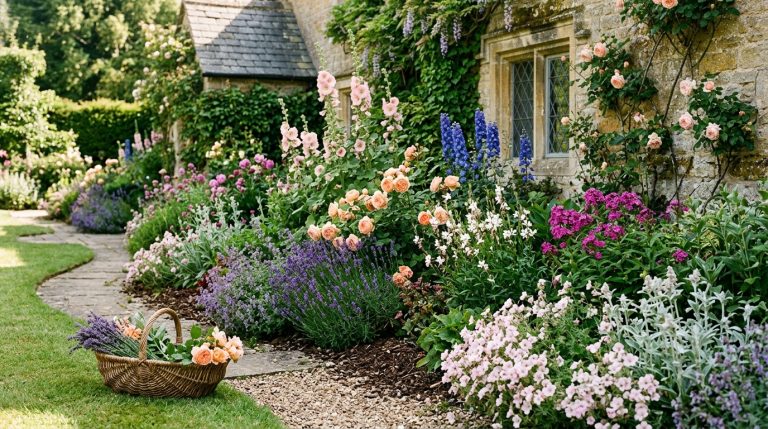
Instead of a straight line of plants, try a layered approach. Place taller plants like hollyhocks or delphiniums at the back near the fence, mid-height plants like lavender or coneflowers in the middle, and low-growing edging like creeping thyme or violas at the front. This cottage garden along fence idea creates depth and makes the space feel lush and full, even if your bed is narrow .
The key is to mix perennials with self-sowing annuals for that effortless, romantic feel. Think foxgloves, daisies, and sweet peas weaving through the border .
Pros
- Creates a natural, layered look that feels established quickly
- Supports pollinators with a variety of bloom times
- Hides the fence base effectively
Cons
- Requires some planning to get heights right
- May need staking for taller plants in windy spots
This is a classic for a reason. It’s forgiving, adaptable, and honestly, it’s the style most of us picture when we think cottage garden. Start with a few reliable perennials, fill gaps with annuals, and let nature do its thing.
2. Weathered Wood Fence with Climbing Roses

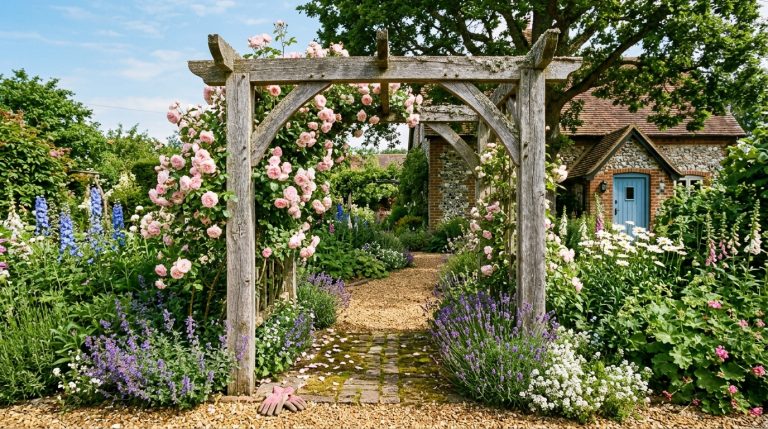
There’s a reason climbing roses and weathered fences are the poster children for cottage gardens. The contrast between the rustic, aged wood and the soft, abundant blooms is pure storytelling . If your fence has seen better days, don’t replace it—embrace it. The character of weathered wood adds instant charm and a sense of history.
Train a climbing rose like ‘Iceberg’ or a fragrant ‘New Dawn’ along the fence, and plant lavender or catmint at the base to soften the edge . The roses will weave through the slats, creating a living tapestry that softens the structure.
Pros
- Adds vertical interest and romance
- Climbing roses are relatively low-maintenance once established
- Masks an older, less attractive fence
Cons
- Takes a couple of seasons for full coverage
- Requires annual pruning and training
Honestly, this one surprised me with how much personality it adds. The wood doesn’t have to be perfect, and the roses don’t have to be manicured. That’s the whole point. It’s supposed to look a little wild and wonderfully alive.
3. Low Stone Wall with Trailing Plants

If a wooden fence isn’t your vibe, a low stone wall combined with a fence can create a stunning, old-world feel. This works especially well along a boundary where you want a solid base and a bit of height. Build a low dry-stone or mortared wall, then install a simple wooden or iron fence on top.
Plant trailing plants like creeping thyme, aubrieta, or campanula to spill over the stones, softening the hard edges. The stone warms up in the sun and releases heat at night, which can actually benefit the plants .
Pros
- Creates a permanent, solid structure
- Excellent for drainage and heat-loving plants
- Adds significant curb appeal and property value
Cons
- Higher initial cost and labor (even for DIY)
- More permanent—harder to change later
It’s more work upfront, but the payoff is huge. Plus, a stone base keeps weeds from creeping in from the neighbor’s yard. That’s a win in my book. One Houzz user noted that boxwoods in a similar situation were prone to disease and suggested evergreens instead—so think about plant health with your choice .
4. Rustic Split-Rail Fence with Meadow Flowers

For a more expansive or country feel, a split-rail fence paired with meadow-inspired borders is a dream. This look is all about easygoing charm. The unpainted rails blend into the landscape, and the plants are allowed to grow tall and wild .
Plant drifts of black-eyed Susans, echinacea, daisies, and native grasses along the base. They’ll weave through the rails and create a natural, pollinator-friendly haven that requires minimal maintenance.
Pros
- Very low-maintenance once established
- Supports local wildlife and pollinators
- Cost-effective for large areas
Cons
- Doesn’t provide privacy
- Can look messy if not periodically tidied
It’s like having a little piece of a meadow right in your backyard. I love this one for larger properties where you want to blur the line between garden and nature.
5. The Productive Edge: Edible Garden Along the Fence
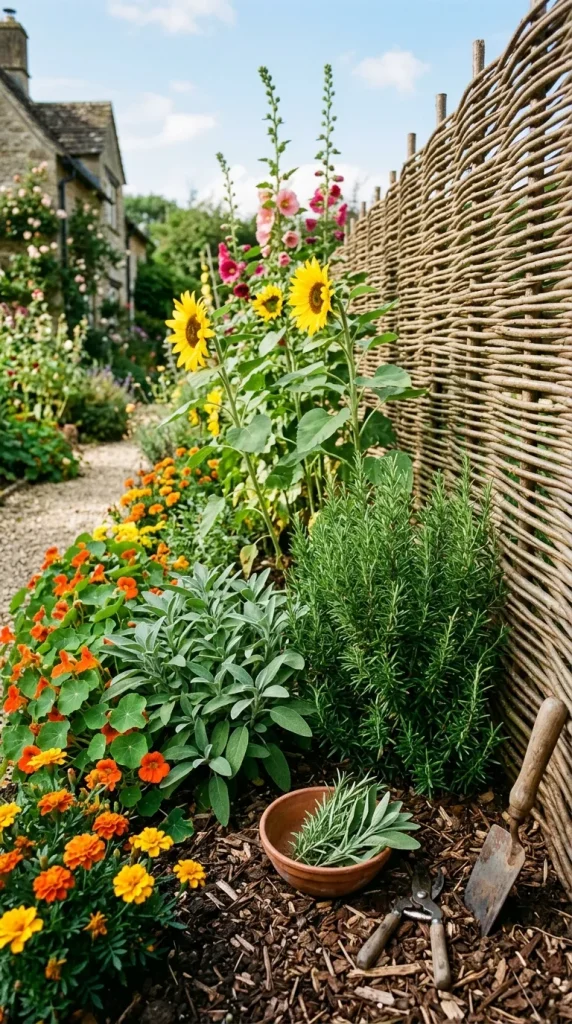
Who says cottage gardens can’t be useful? Historically, they were as much about practicality as beauty . Plant a border of herbs and edible flowers along your fence for a garden that looks good and tastes even better.
Think rosemary, sage, and thyme at the base, with towering sunflowers or hollyhocks in the back. Intersperse with marigolds and nasturtiums—they’re edible and act as natural pest deterrents . A woven willow or simple wooden fence makes a stunning backdrop for this green-and-growing tapestry.
Pros
- Functional and beautiful
- Herbs are drought-tolerant once established
- Attracts beneficial insects
Cons
- Some herbs can become woody if not pruned
- May require more frequent harvesting
It’s a great way to maximize space and feel super connected to your garden. Snip some herbs for dinner while you’re enjoying the view—doesn’t get much better than that.
6. Picket Fence with a Vibrant Color Palette
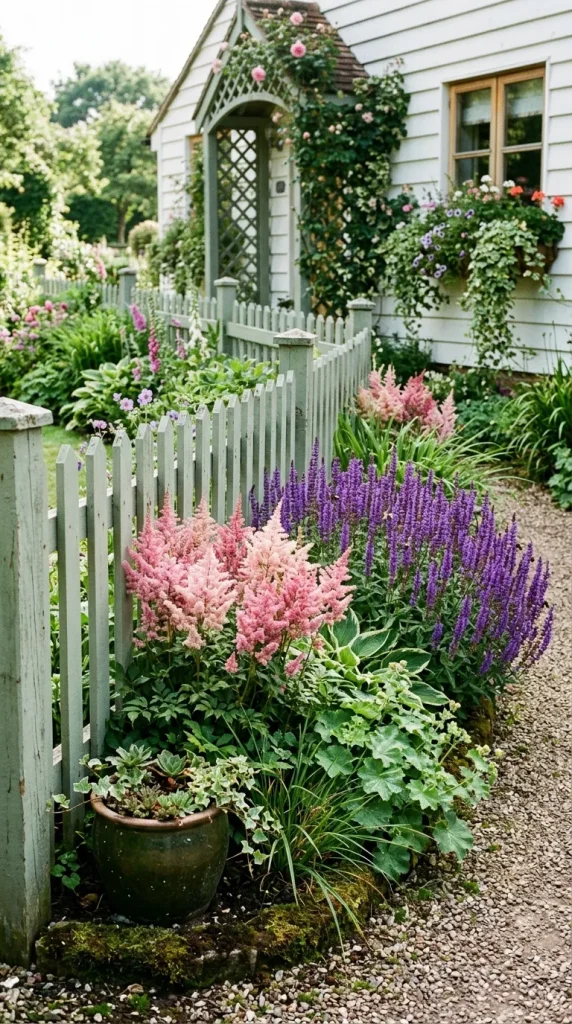
White picket fences are a classic, but don’t be afraid to play with color. A soft blue, sage green, or even a pale yellow fence can serve as a stunning backdrop that makes your flowers pop .
One of the most effective formulas is to use the fence as a neutral canvas and plant in drifts of color. For example, plant a grouping of 5-7 pink astilbe together, followed by a drift of purple salvia. This creates sweeps of color that feel more natural and impactful than individual specimen plants .
Pros
- Creates a strong design statement
- Colored fences add personality and charm
- Can make small spaces feel bigger
Cons
- Requires repainting every few years
- Bold colors may not suit every home’s architecture
The color of your fence sets the entire mood. I love a soft grey-blue for a calming, timeless feel, but a sunny yellow can be incredibly cheerful for a more playful cottage garden along fence.
7. Woven Willow Wattle Fence

If you want instant texture and old-world charm, a woven willow wattle fence is the way to go. It blends seamlessly with the natural environment and has a soft, organic look that’s tough to beat . It’s perfect for a DIY project, as willow is flexible and easy to work with.
The natural twigs look stunning against the soft greens and purples of a cottage border. Over time, the willow weathers to a lovely silvery-grey tone that makes the colors of your flowers pop even more.
Pros
- Eco-friendly and sustainable
- Unique, handcrafted look
- Weathers beautifully over time
Cons
- Will eventually degrade (though this can take many years)
- Requires some skill to weave properly
It’s a labor of love, but the result is so unique and charming. Plus, it’s a great way to use materials from your own land if you have willow.
8. Antique Iron Fence with Soft Plantings

For a touch of elegance, an antique-style iron fence creates a striking frame for your cottage garden. The dark metal provides a beautiful contrast against soft pastel blooms . It adds a sense of grace and timelessness that’s hard to replicate with wood.
Soften the look by planting climbing hydrangeas, jasmine, or morning glories to weave through the bars. At the base, plant low-growing geraniums or lavender to tumble over the edge of the border .
Pros
- Very durable and long-lasting
- Elegant, sophisticated look
- Provides a good support structure for climbers
Cons
- Can be expensive
- May require rust treatment over time
It’s a more formal take on the cottage style, but done right, it feels incredibly romantic and established. I’ve seen some beautiful reproduction panels that mimic vintage designs without the antique price tag.
9. Cottage Garden Along a Curved Fence Line

A straight fence line is fine, but a curved border changes everything. Instead of planting in a straight line parallel to the fence, curve your bed boundaries. This makes the space feel more organic and inviting .
Create a loose, wavy border with a garden hose or marking paint, then enrich the soil with compost before planting. This allows you to make the most of the space and create nooks and crannies for different types of plants. It’s a small change that makes a big difference.
Pros
- Enhances the visual appeal and flow of the garden
- Allows for more creative planting layouts
- Feels more natural and less forced
Cons
- More difficult to mow or edge
- Requires more thought in planning
This is a simple but genius trick that takes a garden from “planned” to “it just grew that way.” It softens the hard line of the fence and makes the whole space feel more welcoming.
10. The Shady Border Solution

A cottage garden isn’t just for sunny spots. If your fence line is shaded by large trees or the house, you can still have a lush, charming border. Swap sun-lovers for shade-tolerant plants .
Ferns, hostas, astilbe, hardy geraniums, and foxgloves all thrive in part shade . Bleeding hearts are another classic choice that adds a romantic touch . Mix bold foliage with delicate flowers for a rich, layered look.
Pros
- Transforms a difficult, shady area into a highlight
- Unique plant choices stand out
- Often requires less watering
Cons
- Fewer flowering options than sunny borders
- Slower growth in deep shade
I had a spot along my fence that got maybe two hours of sun a day. I thought it was a lost cause until I discovered astilbe. It’s a game-changer. Sometimes the underdog spots end up being the most interesting.
11. Gravel Path and Fragrant Border

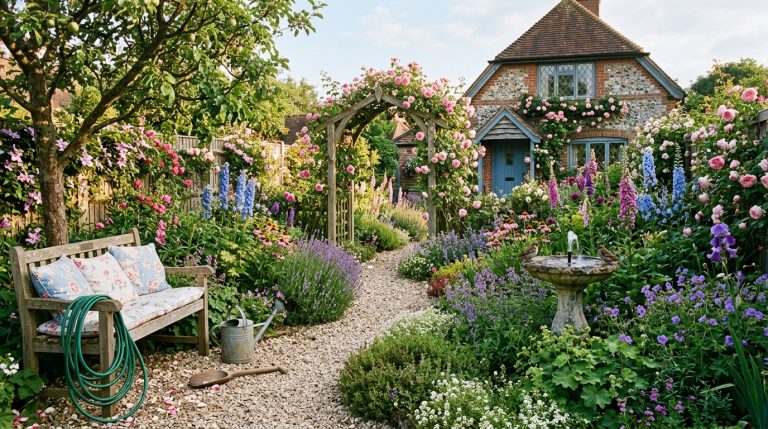
There’s something incredibly romantic about a gravel path running alongside a fence, with plants spilling over the edges. The crunch of the gravel underfoot adds a sensory element to the garden .
Plant heavily along the path with lavender, catmint, and daisies. The contrast of the soft plants against the hard gravel is visually stunning, and the fragrance from the plants will greet you every time you walk by. This cottage garden along fence idea creates a full, immersive experience.
Pros
- Creates a defined structure and easy access
- Fragrant plants make a wonderful sensory experience
- Gravel provides excellent drainage
Cons
- Gravel can be displaced onto the path
- Weeds can grow through gravel over time
It feels like walking through a storybook. This is a favorite for front yards or along garden sheds where you want to create a charming, inviting entry.
12. Lattice Fence with Climbing Vines

A lattice fence is a versatile and affordable option for adding height and privacy. The open structure is perfect for training climbing vines and gives the space a light, airy feel .
Plant clematis, sweet peas, or honeysuckle to climb up the lattice. The vines will weave through the gaps, creating a beautiful, dappled shade effect. Paint the lattice white for a traditional cottage look or leave it natural for a more organic feel.
Pros
- Lightweight and easy to install
- Affordable compared to other fencing
- Creates instant vertical interest
Cons
- Less sturdy than solid fencing
- May need reinforcement for heavy vines
It’s a fantastic way to add instant charm and vertical structure to a garden, especially if you want to keep things feeling open and airy.
13. Reclaimed Wood Fence with Perennial Richness
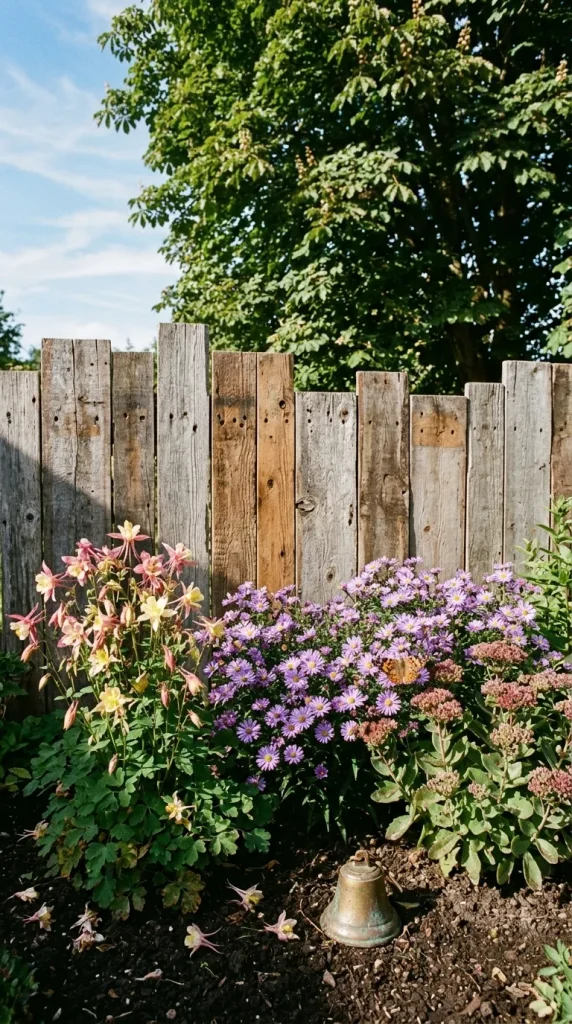
An eco-friendly twist: build your garden fence from reclaimed wood planks. Each piece carries its own weathered texture and story, giving your garden a sense of authenticity and history .
Frame this rustic fence with a rich border of perennials like columbine, asters, and sedums. These plants bloom in different seasons, offering year-round color and interest. It’s a sustainable choice that looks unique and personal.
Pros
- Environmentally friendly and sustainable
- Unique, rustic charm
- Cost-effective compared to buying new lumber
Cons
- May require treatment for rot or pests
- Can be labor-intensive to source and build
I love the look of a reclaimed wood fence. It feels so authentic and grounded. Plus, it’s a great way to reuse materials and give them a second life.
14. The “Hidden” Garden Edge

Sometimes, the best way to make a fence look good is to make it seem like it’s not even there. This involves layering plants inside and outside the fence line, so the barrier blends seamlessly into the landscape .
Plant taller shrubs and perennials both in front of the fence and slightly behind it (if you have access). This creates a continuous flow of foliage and blooms, so the fence acts more as a support structure than a boundary. It’s a more immersive, naturalistic look that’s perfect for blending with larger landscapes.
Pros
- Most natural-looking approach
- Creates incredible depth and layering
- Softens the boundary entirely
Cons
- Requires access to both sides of the fence
- More plants and planning needed
It’s a more advanced technique, but the visual payoff is unbelievable. Your garden will feel twice as big and twice as lush.
15. Edging with Low Hedges
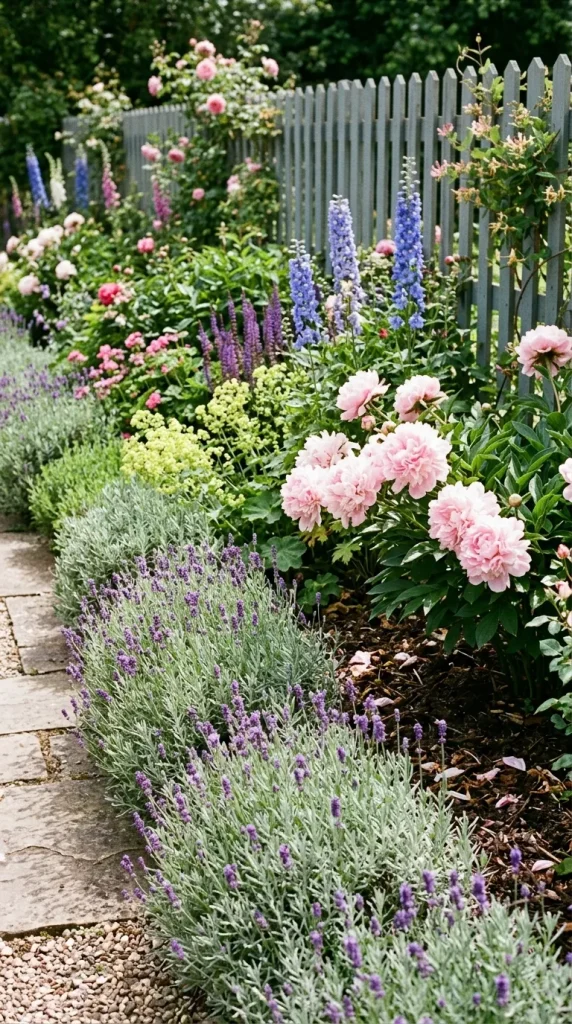
While most cottage gardens are about abundance, a little bit of structure keeps it from looking overgrown. A low hedge of boxwood, lavender, or santolina provides a crisp, tidy edge that beautifully frames the overflowing flowers behind it .
This creates a classic English estate feel—orderly and structured on the outside, lush and wild on the inside. It’s a great trick for front gardens or areas where you want to maintain a neat appearance from the street.
Pros
- Adds year-round structure and interest
- Keeps flower beds from sprawling onto paths
- Formalizes the cottage look
Cons
- Requires regular trimming and maintenance
- Some hedges (like boxwood) are prone to disease
IMO, this is a brilliant way to walk the line between formal and informal. It gives the garden a “frame” to work within, making the abundance inside feel intentional and curated.
Bringing It All Together: Finding Your Fence Garden Style
What I love most about a cottage garden along a fence is that there’s no one “right” way to do it. It’s about what feels right for your space, your style, and your energy levels.
Start small. Pick one idea that resonates with you and try it out. You don’t need to do everything at once. The best cottage gardens are the ones that evolve over time—plants get moved, new favorites are added, and the space grows with you.
Don’t be afraid to make mistakes either. I’ve killed my fair share of plants, and it’s how we learn. Gardening is as much about the process as it is about the outcome. So get your hands dirty, have fun with it, and create something that feels uniquely yours.

William Martin is a passionate bowler who spends most of his weekends playing the sport. With years of intense experience under his belt, William decided to share his knowledge by creating BOWLING OCEAN. Join me on this journey to explore the world of bowling and discover the tips and tricks to becoming a pro.