15 Cottage Garden Bed Ideas That Transform Ordinary Spaces
The first time I dug into creating my own cottage garden bed, I honestly had no clue what I was doing. I threw a bunch of plants in the ground, hoped for the best, and ended up with something that looked more like a plant nursery explosion than the romantic English garden I’d envisioned. Sound familiar?
Here’s what I eventually learned: a cottage garden bed isn’t about perfection. It’s about abundance, personality, and a little bit of delightful chaos. The most beautiful cottage garden beds look like they happened by accident—but trust me, there’s plenty of thought behind that effortless appearance.
The wonderful thing about a cottage garden bed is that it works in almost any space. Whether you have a tiny urban patch or sprawling suburban backyard, you can create that dreamy, flower-filled look. Let’s look at 15 genuine, achievable ways to build a cottage garden bed that feels personal and beautiful.
1. The Classic Layered Border Bed
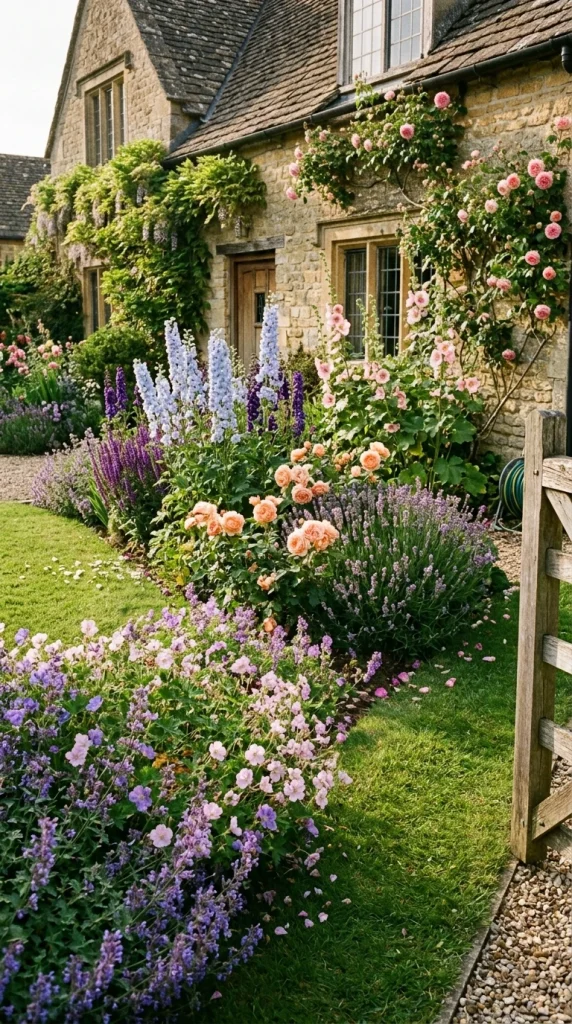
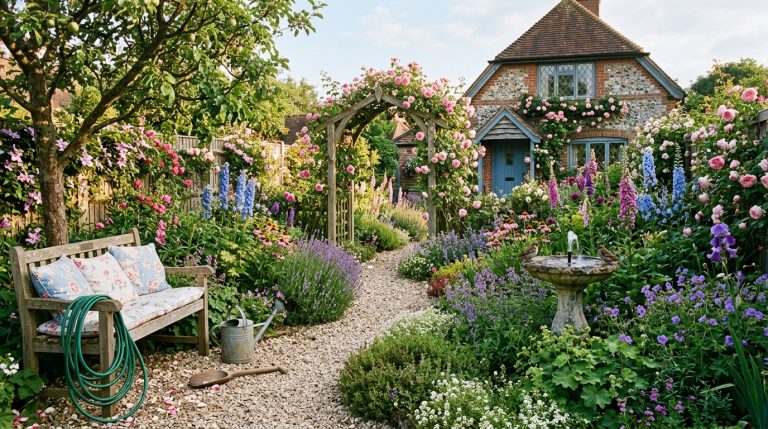
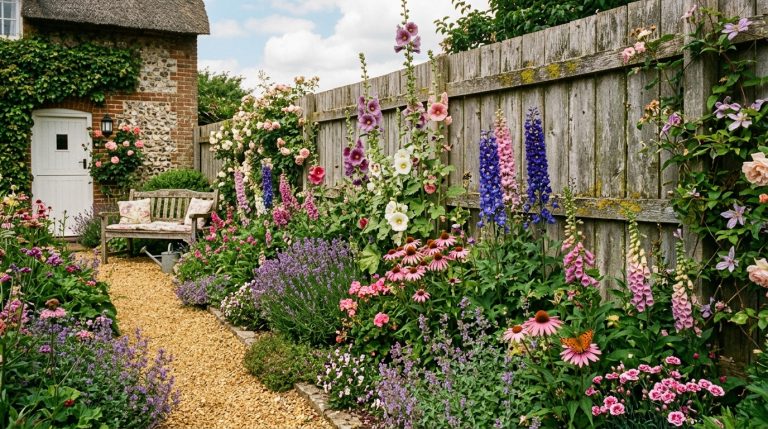
This is the foundation of cottage garden style. A layered border bed features tall plants at the back, medium heights in the middle, and low-growers cascading over the front edge. It’s simple in concept but absolutely transforms a space.
Think delphiniums and hollyhocks towering behind lavender and roses, with creeping thyme and violas spilling over the front. This classic approach creates depth and makes even a narrow bed feel generous and abundant. You can adapt it to any size space.
Pros
- Creates visual depth and richness
- Works in any size garden
- Maximises planting space
Cons
- Needs careful plant height planning
- Taller plants may need staking
This approach never fails. It’s the backbone of cottage garden design for a reason.
2. The Curved Island Bed

Instead of a straight border hugging a fence or wall, create a curved island bed that sits in the middle of your lawn or paving. This becomes a stunning focal point that you can walk around and enjoy from every angle.
Shape the bed with a gentle, organic curve. Plant tall specimens in the centre, graduating down to lower plants at the edges. It’s a bold move that pays off beautifully, creating a show-stopping feature in your garden.
Pros
- Creates a dramatic focal point
- Viewable from all angles
- Adds flow and movement to the garden
Cons
- Takes up more space than a border bed
- Requires mowing around the edges
A curved island bed is the garden equivalent of a statement necklace—it draws the eye and sets the tone.
3. The Rose-Focused Bed
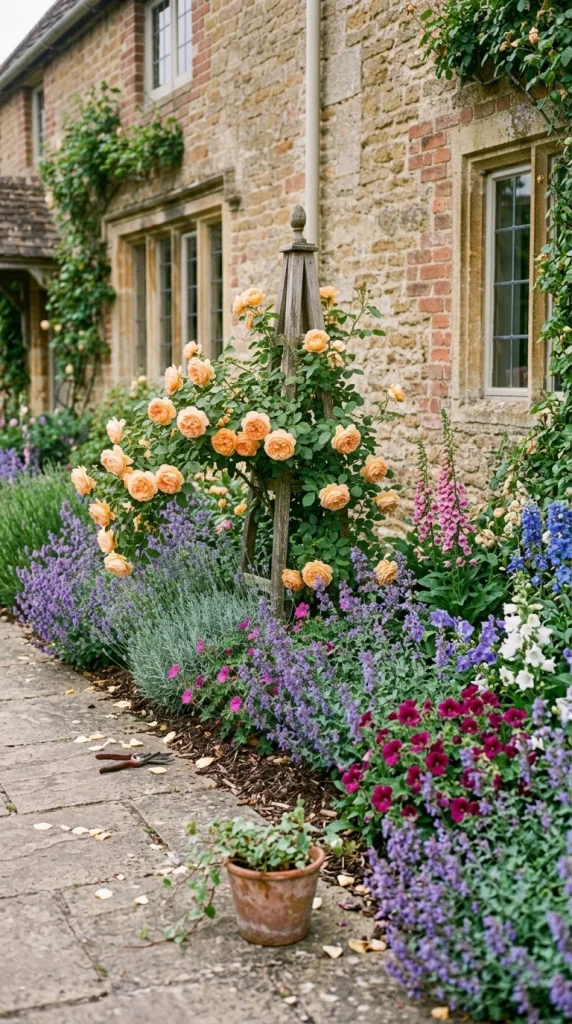
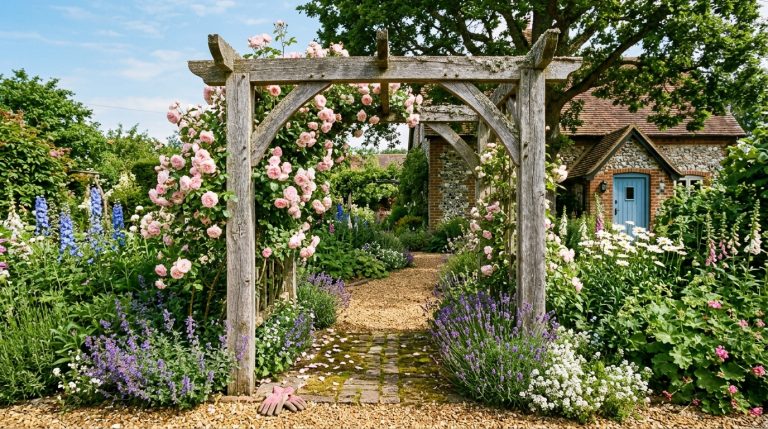
Roses are the undisputed queens of the cottage garden. Create a bed dedicated primarily to roses, underplanted with complementary perennials. Mix shrub roses, climbing roses trained on obelisks, and ground-cover roses for a spectacular display.
Underplant with lavender, catmint, or hardy geraniums to fill gaps and provide colour when the roses are between flushes. This combination is timeless, romantic, and incredibly achievable.
Pros
- Creates a romantic focal point
- Roses provide stunning seasonal colour
- Fragrant and beautiful
Cons
- Roses need regular feeding and pruning
- Can be prone to disease
A rose bed is a labour of love, but the rewards are extraordinary. The fragrance alone makes it worthwhile.
4. The High-Impact Colour Theme Bed
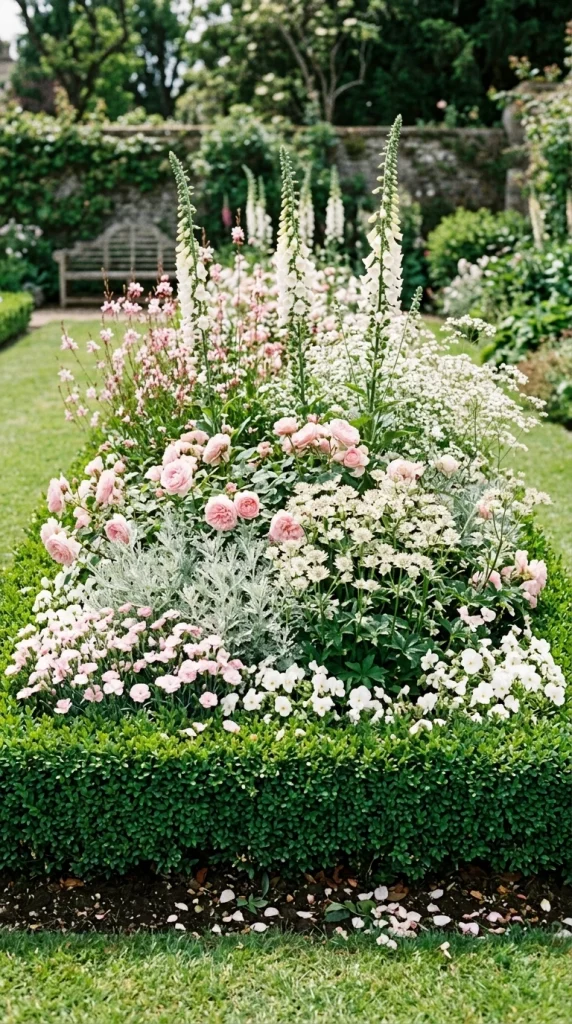
Choose a colour theme and stick to it. A monochromatic scheme—all pinks and whites, or blues and purples—creates a sophisticated, cohesive look that feels intentional and curated.
This approach is surprisingly easy to achieve. Select plants within your chosen palette and plant them in drifts rather than individual dots. The result is a cottage garden bed that feels polished and professional without being formal.
Pros
- Creates a cohesive, curated look
- Easier to plan than a mixed scheme
- Looks sophisticated and intentional
Cons
- Less variety than mixed planting
- May lack interest outside the chosen colours
Colour themes are a shortcut to a stunning garden. They make the bed feel designed, not random.
5. The Wildlife-Friendly Meadow Bed
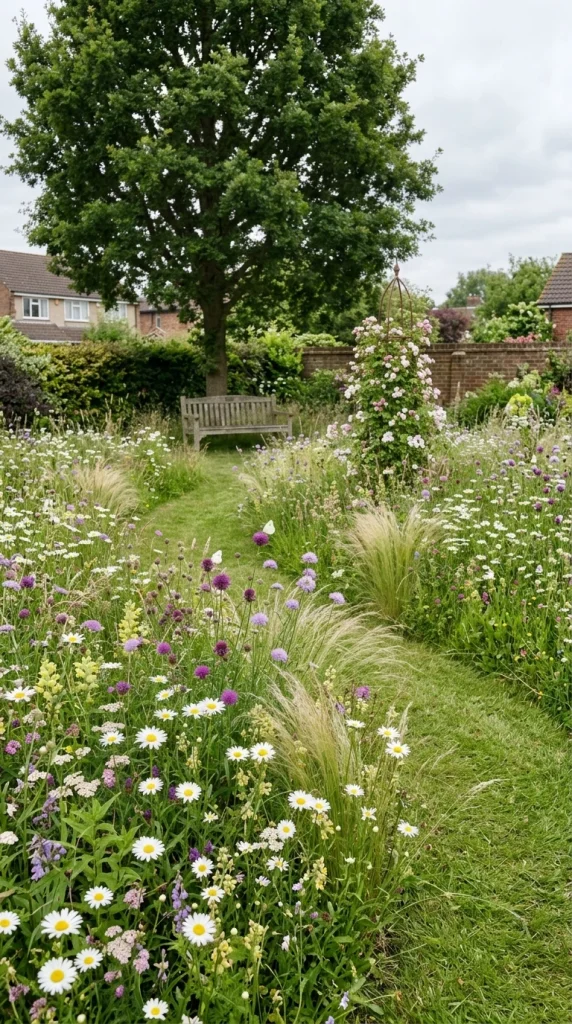
Create a bed that looks like a piece of wild meadow. Use native wildflowers, ornamental grasses, and plants that support pollinators. This is a low-maintenance approach that’s incredibly beautiful and ecologically valuable.
Scatter seeds or plant plugs of yarrow, oxeye daisies, field scabious, and native grasses. The relaxed, natural look is pure cottage garden charm, and the bees and butterflies will flock to it.
Pros
- Low-maintenance once established
- Supports pollinators and wildlife
- Beautiful, natural look
Cons
- Can look messy in the first season
- Some plants may self-seed aggressively
A meadow bed connects you to nature. It’s untamed, beautiful, and full of life.
6. The Herbalist’s Bed

Combine the beauty of flowers with the practicality of herbs. A bed filled with flowering herbs is both gorgeous and useful. Think lavender, rosemary, sage, thyme, and chives, with the occasional edible flower like calendula or borage.
This is the ultimate multi-tasking bed. It smells wonderful, looks beautiful, supports pollinators, and provides ingredients for cooking and herbal remedies. It’s a cottage garden bed that truly works hard.
Pros
- Beautiful and practical
- Attracts pollinators
- Provides fresh herbs for the kitchen
Cons
- Some herbs can be invasive
- Need harvesting to stay productive
Every time I brush past a rosemary bush and catch that scent, I’m grateful I planted it.
7. The Sun-Trap Gravel Bed

Some gardens have a spot that’s just too hot and dry for most plants. That’s where a gravel bed comes in. Use a gravel mulch to retain moisture and suppress weeds, and plant drought-tolerant cottage garden favourites.
Lavender, verbena, penstemon, and sedums thrive in these conditions. The gravel adds a lovely texture and makes the bed look tidy and intentional. It’s a practical solution that’s also stunning.
Pros
- Perfect for hot, dry spots
- Low-maintenance once established
- Gravel mulch looks tidy and attractive
Cons
- Gravel can be displaced
- Limited plant choice
This is the saviour of those difficult hot spots that seem to kill everything else.
8. The Woodland Edge Bed

If you have a shady spot under trees or alongside a hedge, create a woodland-edge bed. This style uses shade-tolerant plants like ferns, hostas, hellebores, and foxgloves. It’s a different take on cottage garden style, but it’s just as beautiful.
The key is to embrace the shade and work with it, not against it. The subtle greens and delicate flowers of woodland plants create a soothing, elegant bed that’s a joy in any garden.
Pros
- Transforms a shady, difficult spot
- Offers a different cottage garden aesthetic
- Low-maintenance once established
Cons
- Fewer flowering options
- Slower growth than sunny beds
I used to hate my shady corners until I discovered this approach. Now they’re some of my favourite spots.
9. The Container-Filled Patio Bed
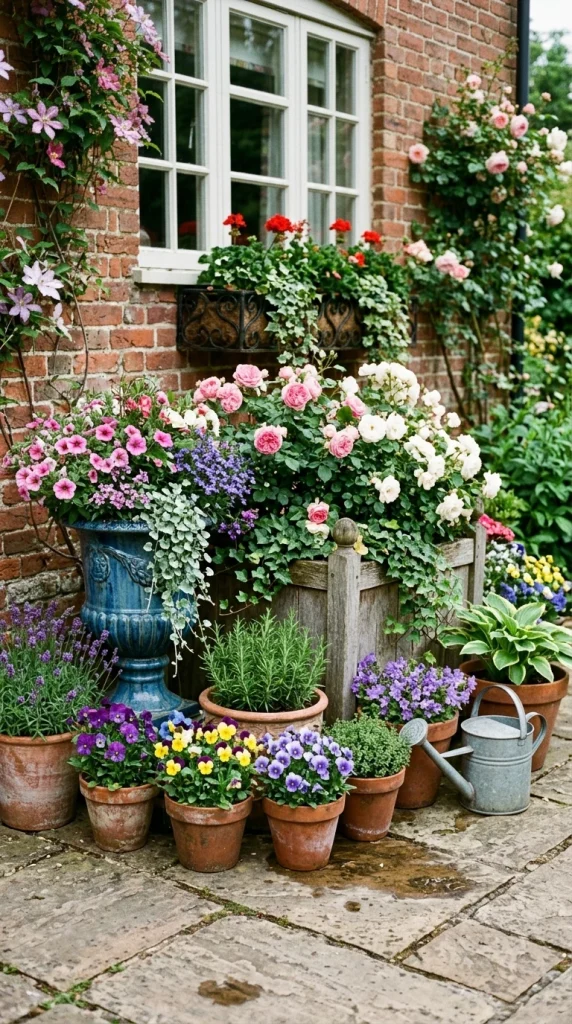
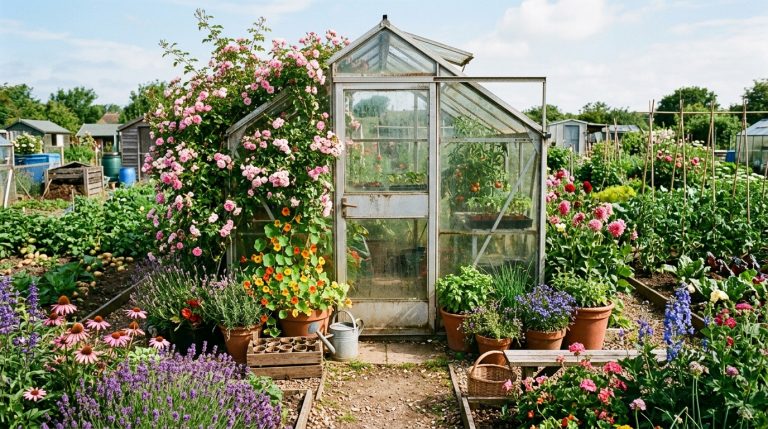
If you have a paved area or patio, you can create a cottage garden bed using containers. Group pots of different sizes and heights, and plant them with classic cottage garden flowers and herbs.
This approach is flexible, movable, and perfect for small spaces. The containers create a lush, abundant look even without a dedicated garden bed.
Pros
- Flexible and movable
- Great for small spaces and patios
- Easy to change seasonally
Cons
- Needs more watering
- Plants may need winter protection
Containers let you have a cottage garden even if you have no actual soil. They’re a lifeline for renters and urban dwellers.
10. The Low-Maintenance Evergreen Framework Bed
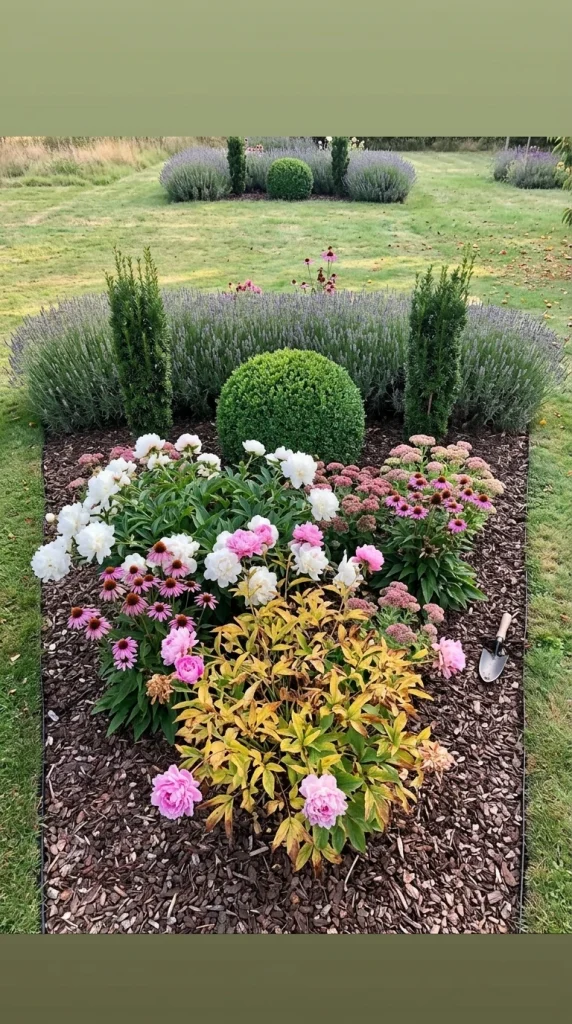
Cottage gardens aren’t just about flowers. Use evergreens to provide year-round structure, then fill the gaps with flowering perennials. Box balls, yew pillars, and lavender hedges all work beautifully.
This approach gives your bed interest in winter when the flowers have died back. It also provides a framework that keeps the bed looking tidy and intentional even in the off-season.
Pros
- Provides year-round interest
- Keeps the bed tidy in winter
- Easy to maintain
Cons
- Evergreens can be slow-growing
- Some need regular clipping
I love this approach because it means the garden looks good all year, not just in summer.
11. The Cottage Garden Cutting Bed

Create a bed specifically for flowers you can cut and bring indoors. Dahlias, cosmos, sweet peas, zinnias, and snapdragons are perfect choices. Plant them densely for maximum impact and cut them regularly to encourage more blooms.
This bed is both a joy to look at and a practical source of fresh flowers. It transforms your garden from a purely visual space into something more interactive and rewarding.
Pros
- Provides flowers for the house
- Encourages repeat flowering
- Beautiful to look at
Cons
- Takes space from purely ornamental beds
- Needs regular picking
There’s no feeling quite like walking through your garden with a handful of fresh-cut flowers.
12. The Pollinator Paradise Bed

Design a bed specifically to attract bees, butterflies, and other pollinators. Use a mix of single-flowered plants that are rich in nectar and pollen. Think echinacea, rudbeckia, lavender, sedum, and salvias.
This is a feel-good bed that serves a purpose. Watching the insects buzzing happily among your flowers is genuinely rewarding, and you’re doing your bit for the environment too.
Pros
- Supports local pollinators
- Beautiful and vibrant
- Good for the environment
Cons
- May attract stinging insects
- Some flowers can be messy
A pollinator bed is about more than pretty flowers. It’s a statement of care for the natural world.
13. The Formal-Meets-Informal Bed
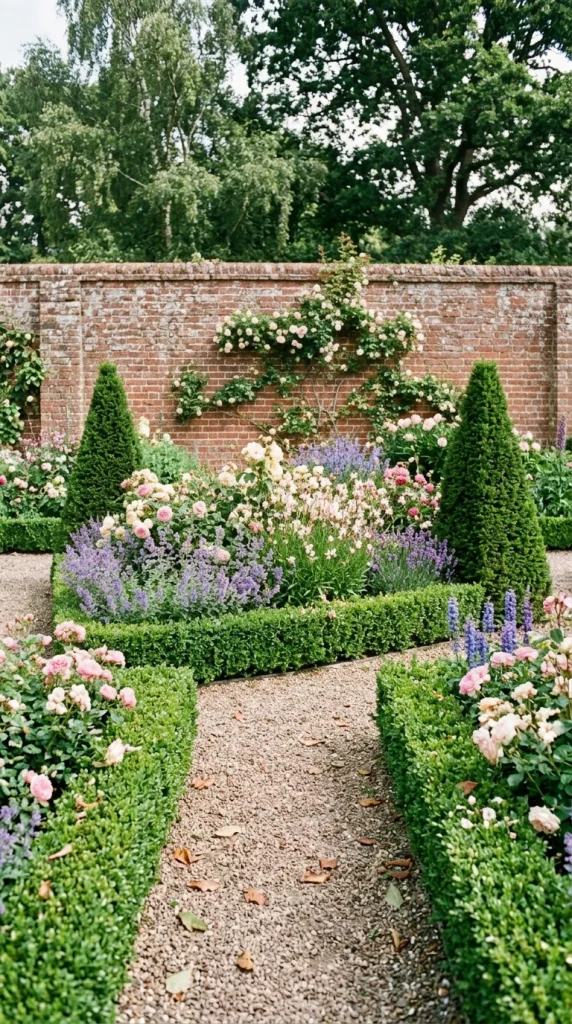
Combine formal structure with cottage informality. Use clipped hedges or low box edging to frame the bed, then fill the interior with lush, overflowing planting. This creates a beautifully controlled riot of colour.
The contrast between the tidy edge and the abundant interior is visually striking. It gives the bed a sense of purpose and definition while still feeling charmingly wild.
Pros
- Combines structure and informality
- Creates a defined, tidy edge
- Feels designed and curated
Cons
- Needs regular clipping
- Can feel too formal for some tastes
This is cottage garden style with a touch of discipline. It’s my favourite approach for front gardens.
14. The Raised Bed with Cottage Charm

Raised beds aren’t just for vegetables. Build a raised bed and fill it with a cottage garden mix of flowers and herbs. The height adds interest and makes gardening easier on the back.
Stone, brick, or even timber edges all work well. The key is to plant densely, just as you would in any cottage garden bed. The raised aspect adds a new dimension to the style.
Pros
- Easier on the back
- Adds height and interest
- Good for poor soil
Cons
- Can be expensive to build
- Needs more watering
A raised cottage garden bed is practical and beautiful. What’s not to love?
15. The Successional Interest Bed
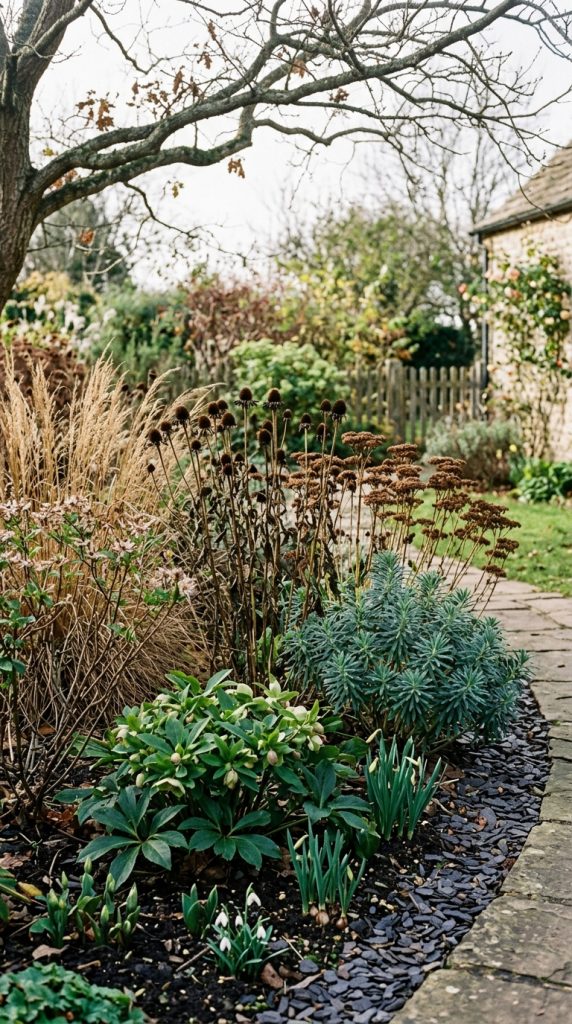
Plan your bed so something is always in flower from early spring to late autumn. This takes planning, but it’s incredibly rewarding. Start with bulbs in spring, move through summer perennials, and finish with autumn flowers and grasses.
This approach keeps the bed looking fresh and interesting all year. It’s the mark of a truly thoughtful cottage garden bed.
Pros
- Year-round interest
- Always something new to enjoy
- Feels dynamic and alive
Cons
- Takes careful planning
- Needs regular maintenance
Successional planting is the secret to a garden that never feels dull.
Making Your Cottage Garden Bed Dreams a Reality
Creating a cottage garden bed isn’t about getting everything right first time. It’s about experimentation, learning, and developing a space that feels personal. Start with one idea that excites you, and build from there.
I’ve made plenty of mistakes along the way—plants that didn’t thrive, combinations that didn’t work, beds that looked nothing like I’d imagined. But I’ve also had moments of pure gardening joy, and those make it all worthwhile.
Your cottage garden bed is waiting to be created. Whether you start small with a container or dig a massive new border, the important thing is to begin. The garden will teach you as you go.

William Martin is a passionate bowler who spends most of his weekends playing the sport. With years of intense experience under his belt, William decided to share his knowledge by creating BOWLING OCEAN. Join me on this journey to explore the world of bowling and discover the tips and tricks to becoming a pro.