Garden Sleeper Ideas: 15 Creative Ways to Transform Your Outdoor Space
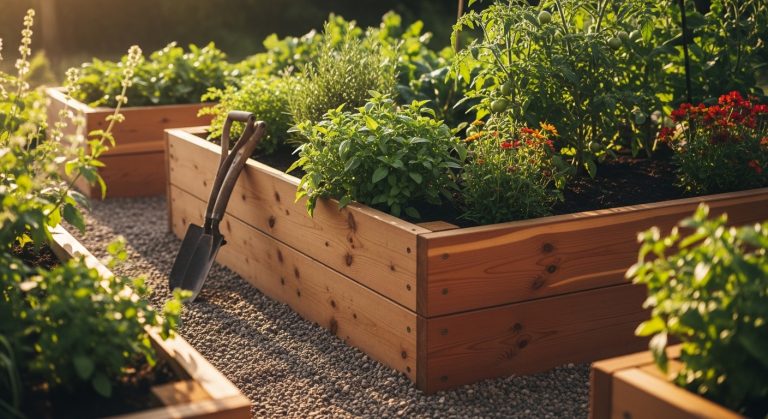
Ever walked past a garden and thought, “Hmm, that raised bed really makes the space feel special”? Me too. I’ve learned the hard way that a garden’s charm doesn’t just come from plants—it comes from structure, texture, and the kind of smart building blocks that make a layout feel cohesive. That’s where garden sleeper ideas come into play. I’m talking about those long timber beams (often called sleepers) you see used for edging, raised beds, steps—you name it. They’re sturdy, rustic, and if done right, totally elevating.
They matter because, honestly, good gardens are half design, half plants. You can have the most beautiful blooms and lush foliage in the world, but if the layout feels messy or undefined? It just doesn’t sing. Sleepers provide that definition: edges, levels, zones. And as I discovered on my own garden journey, once you start introducing structural elements, everything else falls into place (and pollinators love it too!).
So pop the kettle on (or your iced tea glass), let’s chat fifteen killer garden sleeper ideas—each one packed with pros, cons, and a little personal commentary (because yes, I’ve tried some of these, failed at a few, learned lessons). Let’s dig in.
1. Raised Beds & Planters
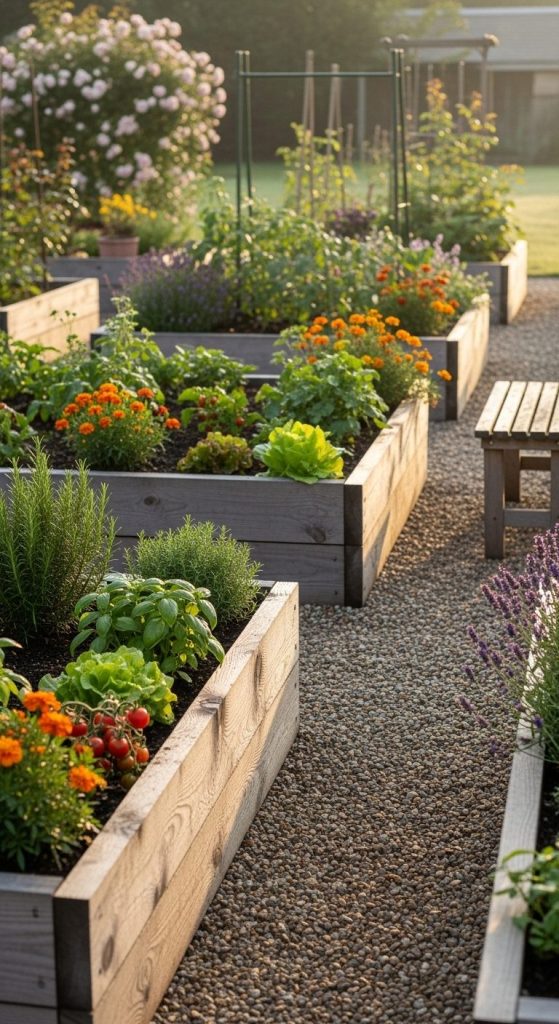
Ever planted directly in awful soil and ended up with sad, stray veg? That happens. And then you discover raised beds made from sturdy sleepers and it’s like a garden reality check.
Pros:
- You boost drainage, control soil quality, and reduce pesky weeds—big win.
- Raised height means less bending, which I swear is the definition of gardener-friendly.
- The timber face of the sleeper gives visual drama—chunky, rustic, but intentional.
Cons:
- Sleepers cost more than a simple piled-up soil bed.
- Timber may warp or rot if untreated or badly installed—so you’ll want good quality or pressure-treated wood.
Takeaway: If your soil is poor, sloped or you just want that defined bed look, raised beading with sleepers is totally worth it. IMO, it turns a garden from “nice” to “designed”.
2. Borders & Lawn Edging
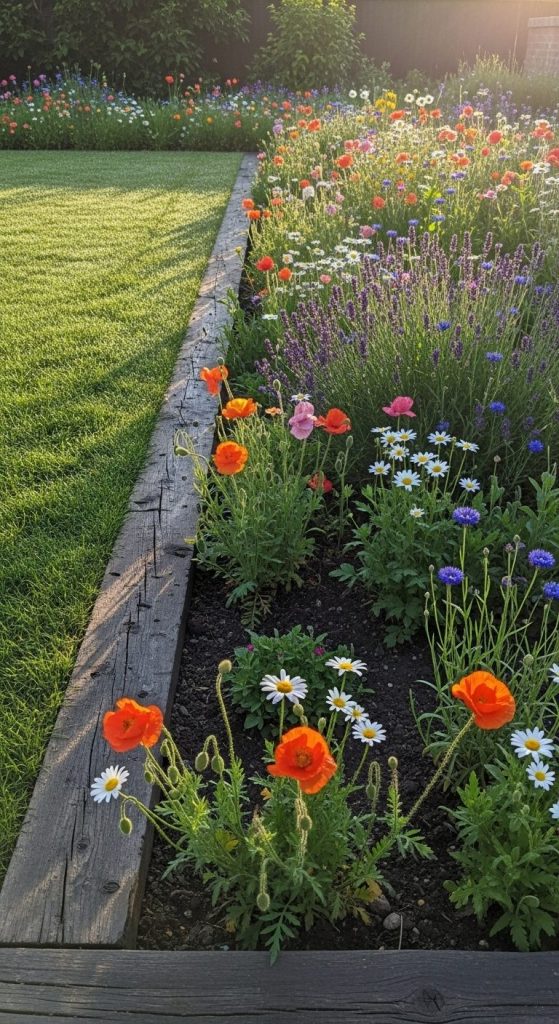
You know how the lawn always tends to nibble its way into flower beds and gravel paths? Yeah, me too. Sleepers to the rescue.
Pros:
- Clean delineation between grass, flower beds and hard surfaces—it looks sharp.
- It prevents soil or mulch spilling onto the lawn or path, keeping things tidy.
- You get the rustic sleeper aesthetic without every part of the garden being raised.
Cons:
- Laying sleepers low into the ground takes time (digging, leveling) if you want it flush.
- If the sleepers are too soft or thin, they may degrade faster than you want.
Takeaway: Great as a subtle structural element—borders and edging create order without shouting. Highly recommend to anyone who wants a slightly polished but not overformal garden.
3. Retaining Walls & Terracing
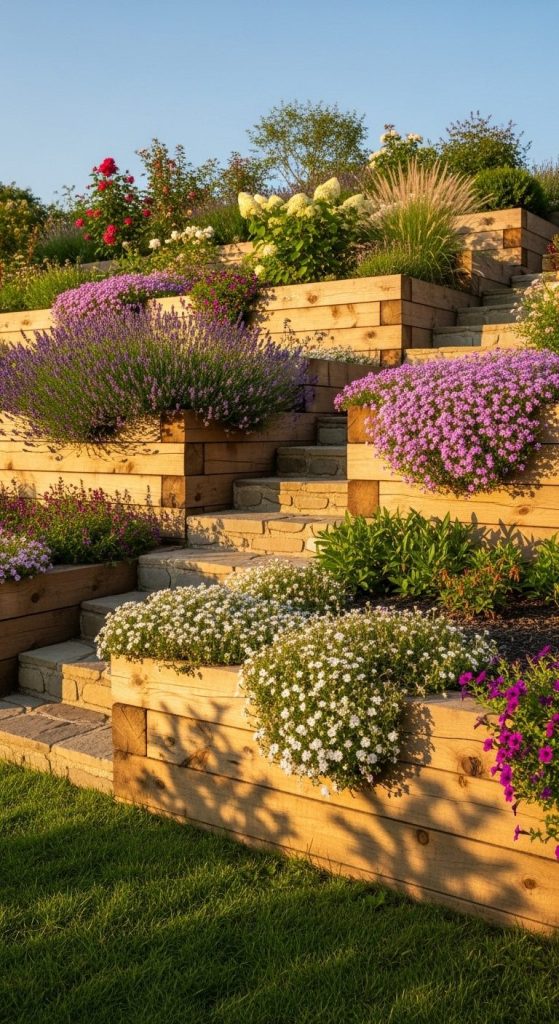
Got a sloped garden? I had a steep patch, and it felt like weeds and grass were in charge. Enter the sleeper retaining wall.
Pros:
- You can make your slope into usable terraces or flat beds—game changer.
- Sleepers give a natural warmth that concrete walls just don’t.
- They allow you to build height and depth to your garden, which looks and feels premium.
Cons:
- Structural challenge: a high wall may need concrete footings, proper anchoring, and good engineering.
- Heavier duty sleepers (hardwood) cost more and are harder to work with.
Takeaway: If your garden is anything but flat, terraces built from sleepers make it far more functional and visually exciting. Just research the support part properly.
4. Steps & Pathways
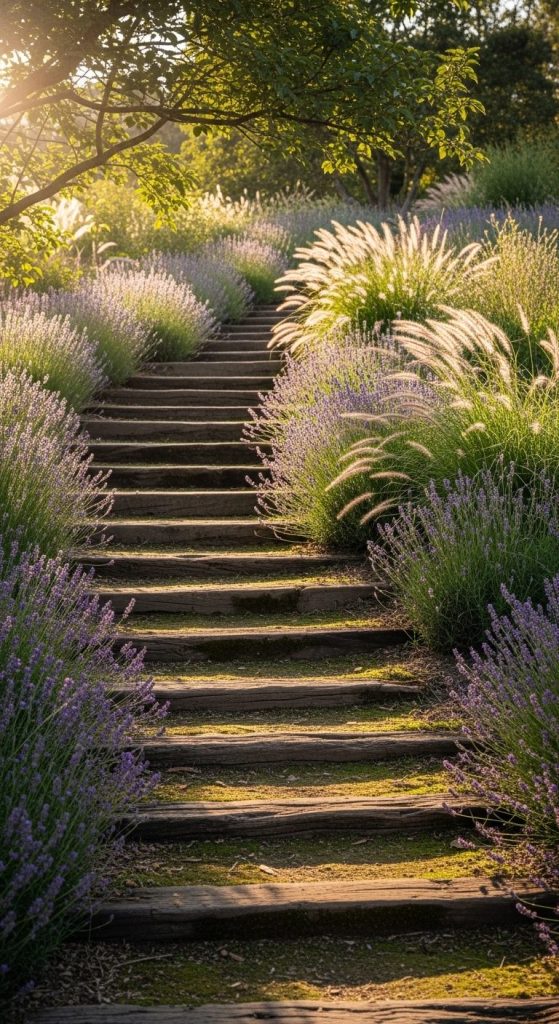
Imagine strolling through your garden and each level change is framed with chunky timber steps. The kind of steps where you pause for a moment.
Pros:
- Adds depth, layering and easy transitions between areas of the garden.
- Timber steps feel warmer underfoot than concrete slabs or bricks.
- They integrate well with natural planting, not screaming “I’m built”.
Cons:
- Timber becomes slippery when wet unless treated or given a rough finish.
- Shifting or settling may occur over time—maintenance required.
Takeaway: If your garden has levels or needs a charming route through it, sleepered steps add character and utility. Worth the effort in design.
5. Path Edging & Gravel Transitions
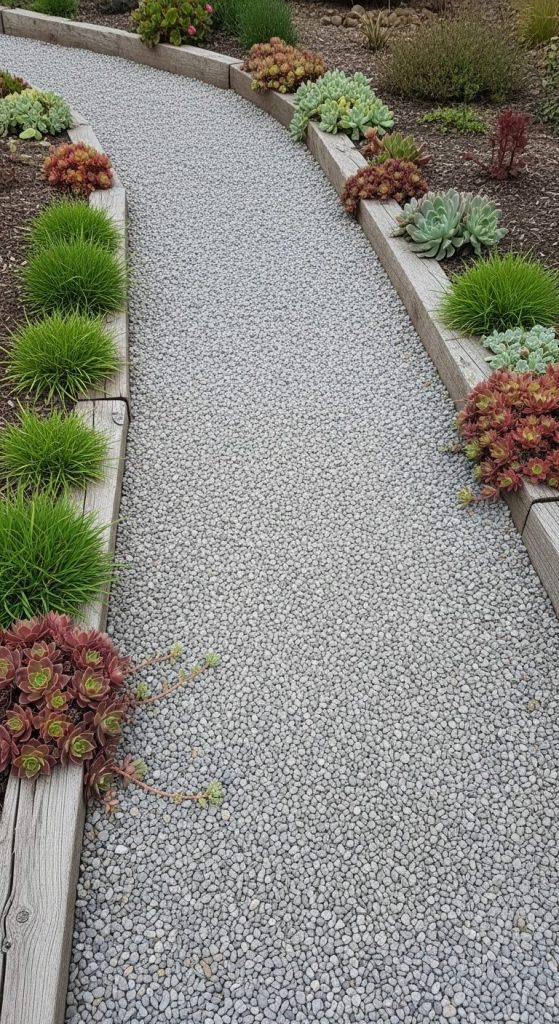
For smaller gardens or simpler layouts, a sleeper used as path edging or as stepping detail feels understated but effective.
Pros:
- Separates gravel, mulch or paving neatly.
- You can use sleepers horizontally, partially buried, or as step-in edges.
- It’s less heavy-duty than a full wall but still elevates the design.
Cons:
- Might seem too subtle if the rest of your garden story is bold—could feel underwhelming.
- Sleepers will need anchor or good base so they don’t shift.
Takeaway: A clever way to use sleepers when you don’t need full walls or raised beds but still want elevation and separation. Handy and stylish.
6. Raised Garden Ponds & Water Features
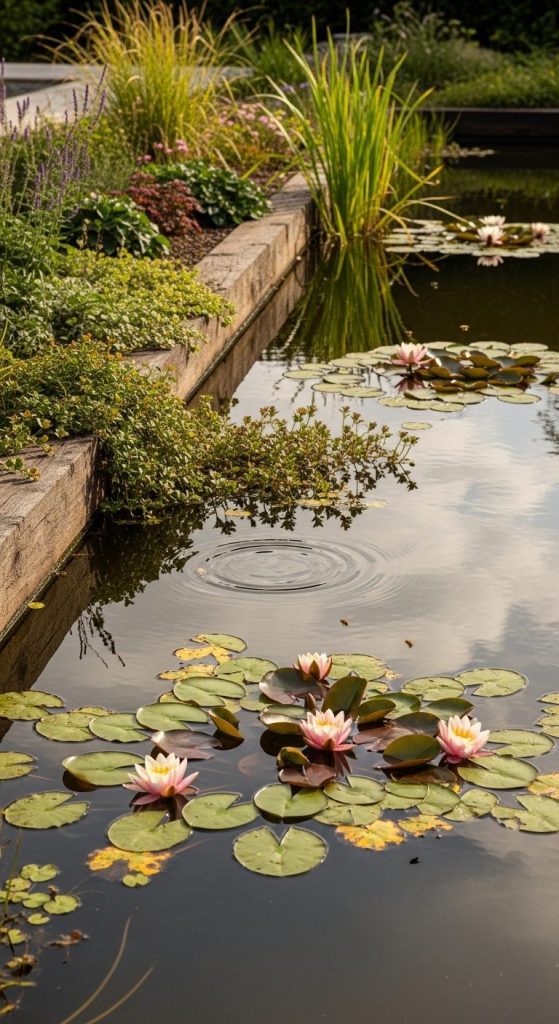
Okay, this one’s for when you want to go a bit fancy: use sleepers to frame or build a pond feature. I did this once and the bees went wild.
Pros:
- The timber frame around water gives texture and grounding—natural look.
- It allows plants to sit at different heights around the waterline.
- Adds moisture, reflection and biodiversity to your garden—excellent for life and mood.
Cons:
- Water + timber = double trouble: need good waterproofing and termite/rot safeguards.
- Maintenance and safety: ponds require care, liners, possibly filtration.
Takeaway: An ambitious use of sleepers, but if you’ve got space and vision, it adds a showstopper feature and serious sensory appeal.
7. Built-In Seating & Furniture

Why settle for off-the-shelf garden benches when you can build furniture from sleepers that feels bespoke? I made one—it’s my favourite spot for morning tea.
Pros:
- Memory-making: beds of timber make seating feel rooted to the garden’s story.
- Functional: you can build benches, stools, side tables all from the same material so everything matches.
- Versatility: you can leave the timber natural, stain it, or paint it to match your scheme.
Cons:
- DIY challenge: furniture requires joints, supports, a bit more fine-work than straight wall building.
- Comfort and durability: you’ll need cushions, or treat carefully so the wood survives weather.
Takeaway: If you love your garden and plan to use it as a living space, sleeper seating makes it feel like an outdoor room. My favourite “add” from my garden upgrades.
8. Vertical Screening & Privacy Walls

Sometimes you want privacy, shelter from wind, or a backdrop to your plants. Sleepers can step up here with rustic vertical alignment.
Pros:
- Gives height and form to what might otherwise be a blank fence or hedge.
- Integrates climbing plants easily and lets you break the sightline from neighbours or roads.
- Provides structure behind your plantings—height = depth in design.
Cons:
- Vertical timber faces the elements more aggressively—weathering, rot, insect risk all higher.
- If not anchored right, tall screens can feel unstable or unsafe.
Takeaway: Unless your garden is fully exposed in all directions, a sleeper screen gives you that comfy “room feel” outdoors. Adds character & privacy.
9. Planter Benches & Multi-Use Boxes
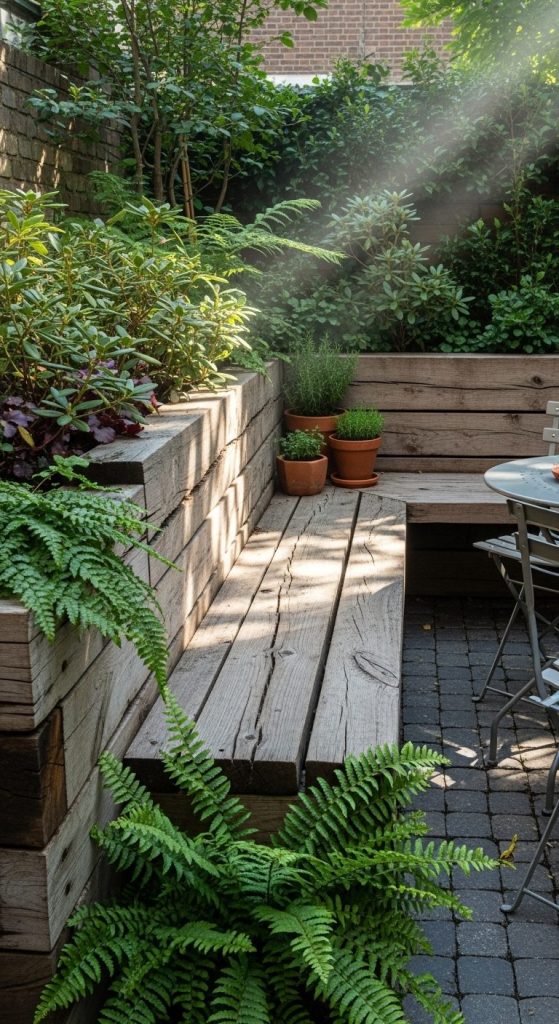
Combine seating and planting. I’m talking about benches that have planter boxes in the same structure built from sleepers. Clever, right?
Pros:
- Doubles up function—plant hosting + seating in one footprint (handy for smaller gardens).
- Defines zones: you might have a seating area that feels like its own room because of the box/bench frame.
- Visual interest: varying heights from planter to bench add rhythm.
Cons:
- Moisture from soil in the planter can hasten timber wear unless lined or drained.
- Design complexity: you’ll need to consider seating height, drainage, comfort and visibility of plants.
Takeaway: This one’s a smart space-saving design trick. If you’re limited in area but want impact, a bench-planter sleeper combo is a winner.
10. Children’s Play Areas & Sandpits

If you’ve got kids (or nieces/nephews or nieces-to-be), sleepers can create play zones that look good and last. Yes, you can have a stylish kid zone too.
Pros:
- Durable walls for sandpits, play frames or edges to bark/chippings.
- Seamless material story: garden, seating, play zone all in same timber theme.
- Easy to define a zone so you’re not constantly tripping over toys in your “grown-up” garden.
Cons:
- Certain reclaimed sleepers (e.g., old railway ones) may have creosote or treatments unsafe for kids—choose wisely.
- Surfaces might need smoothing (splinters, edges) to make it safe for little feet/hands.
Takeaway: If your garden has a family function, sleepers let you zone the play area with style rather than seeing it as a separate after-thought. Practical and fun.
11. Garden Steps & Decking Integration
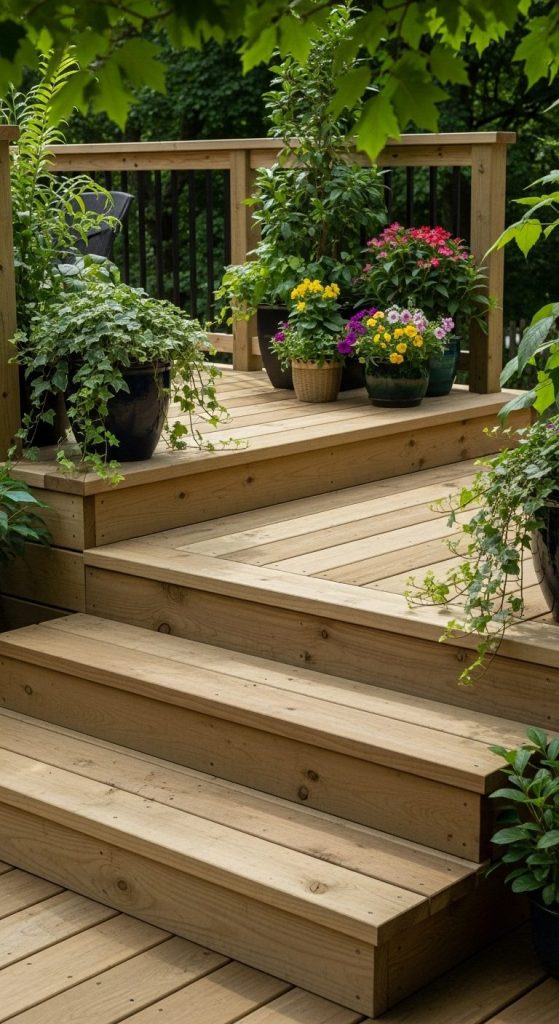
Want to link a raised deck, patio, lawn or path? Sleepers can step in as transitional elements.
Pros:
- Provide a natural base for steps—a timber edge feels more welcoming than straight concrete.
- Integrate well with planting around the riser areas, softening the look.
- The stepped design creates interest and depth rather than flat garden floor all the way.
Cons:
- Timber steps may require anti-slip treatment, especially in rainy seasons.
- If ground shifts (freeze/thaw or heavy rain), the sleepers may settle irregularly—so solid base is important.
Takeaway: Don’t overlook your levels. If you’re moving from one outdoor surface to another, make the transition beautiful and purposeful with sleeper steps.
12. Micro-Garden & Urban Balcony Sleeper Ideas

Hey—garden sleeper ideas aren’t just for big yards. I once used small sleepers on a narrow patio and it made the space feel grown up.
Pros:
- Even small timbers can act as raised beds, edging, or screen frames in urban or balcony gardens.
- Adds texture and natural materials amidst concrete and metal.
- You can scale them down easily to fit tight spaces.
Cons:
- Access might require cutting custom lengths or choosing less depth due to space constraints.
- Maintenance still applies—smaller timbers in exposed urban settings weather quickly.
Takeaway: Don’t dismiss sleepers just because you’re short on space. A well-placed timber element can instantly upgrade a small garden or balcony into something more holistic.
13. Multi-Height ‘Bedroom’ Zones for Plants
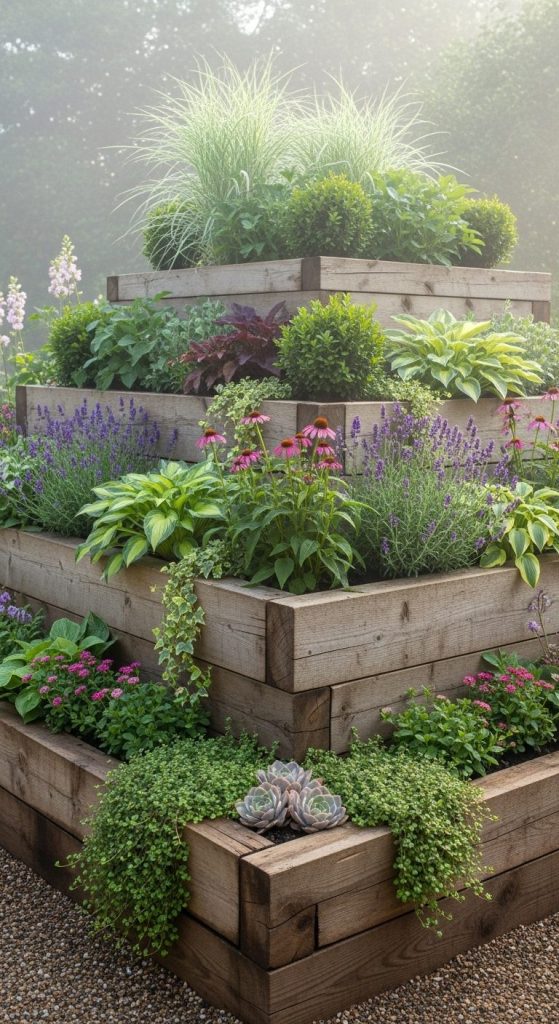
Rather than one flat bed, think of creating layers—sleepers at different heights to give mode to plants at ground level, mid-height and taller shrubs.
Pros:
- Visual layering = depth. Your garden will appear larger and more dynamic.
- Allows you to cater for plants with different root depths and sun exposures.
- Gives you zones for contrast—proteas, grasses, climbers all together in their right heights.
Cons:
- More complicated build: stacking sleepers, ensuring stability and planning for drainage.
- Requires thoughtful plant selection so each layer works, otherwise it can look chaotic.
Takeaway: If you’re after the “garden with presence” look rather than flat “bed + path”, layering with sleepers is the route. Going vertical (within reason) adds serious design credit.
14. Maintenance-Smart Designs Using Sleepers
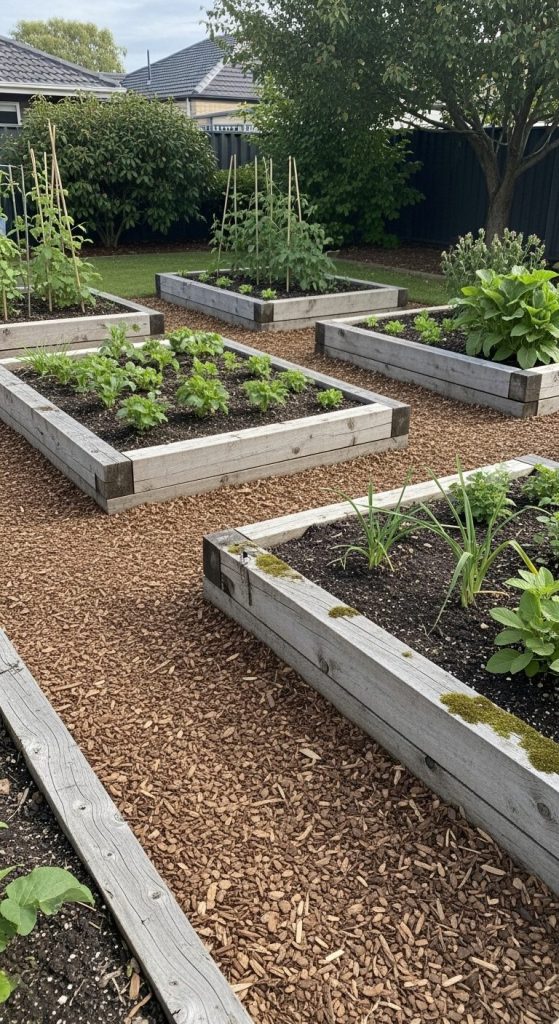
Here’s a less glamorous but crucial one: use sleepers to make ease-of-maintenance a built-in feature. Because I’ll let you in on a secret—gardens that look good are gardens that get cared for.
Pros:
- Raised/timber edged beds reduce weeding, improve access, and reduce back-breaking bending.
- Timber defines edges so mow lines stay clear, mulch stays put, and you’re less firefighting.
- Makes sections of your garden more manageable—great for busy lives (like mine).
Cons:
- There’s an upfront cost/time investment to get sleepers in place properly.
- Over time the sleeper faces may need re-treatment or minor fixes.
Takeaway: For gardeners who aren’t ten years old forever, making life easier matters. Sleepers help you create a garden that works with you, not against you.
15. Future-Proofing & Longevity with Sleepers
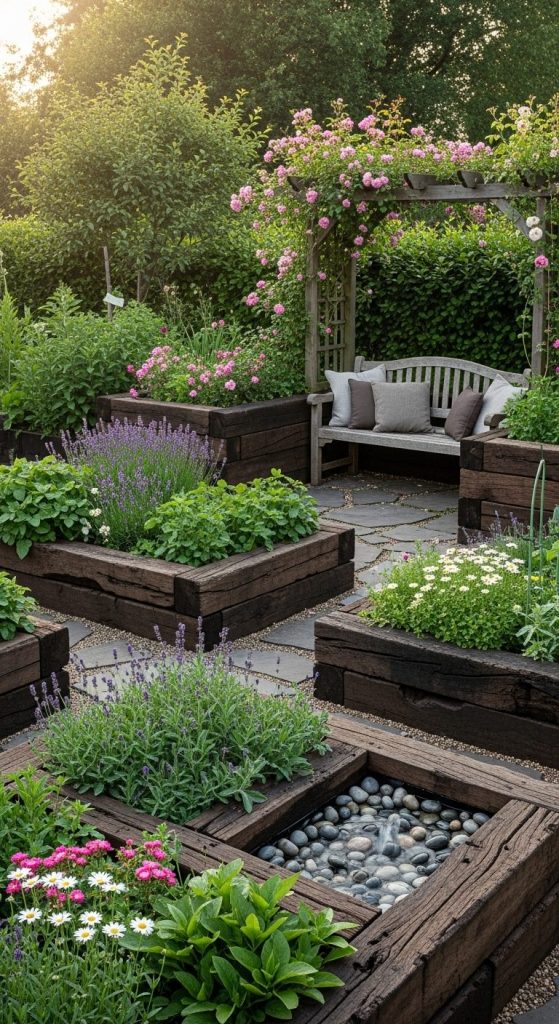
Finally: building for the long term. I wish I’d done this sooner. Sleepers are a way to invest in the permanence of your garden’s structure.
Pros:
- Quality sleepers (hardwood or well treated) last decades—some sources say up to 15-20 years for hardwood
- Timber has a natural weathering grace—the structure will age quietly, not scream “dated”.
- Gives you flexibility for future gardens: raised beds here today, seating there tomorrow.
Cons:
- If you go cheap or skimp on treatment, you’ll pay for it with rot or replacement.
- Timber may require periodic staining or treatment—so there’s still maintenance.
Takeaway: If you expect your garden to be a longtime companion, not a pop-up feature, using sleepers thoughtfully is a smart structural decision. You’ll thank yourself later.
Conclusion
Phew—fifteen ways to bring sleepers into your garden story. If I had to pick a favourite? I’m partial to the raised beds + seating combo. On a sunny morning, coffee in hand, surrounded by my bed edges and timber bench—I look at it and feel accomplished. That’s the sort of joy I want you to have.
Here’s the thing: the plants will always be the soul of a garden. But the structure is its backbone. Using sleepers gives you that backbone. It brings coherence, durability, design intent—and yes, some serious “gardener-bragging rights”.
So whether you’re starting from scratch or reviving a tired space, pick one sleeper idea to start with. Maybe a raised bed, maybe a border, maybe a screen. Build it. Plant it. Live in it. And then let the garden grow around it, feel around it, make your mark.
And when the birds, bees and butterflies start showing up in numbers—well, that’s your cue to lean back on that sleeper bench and say, “Yep. Nailed it.”

Ashley Ellison is a skilled writer and avid bowler. Her passion for storytelling and dedication to the sport have led her to participate in various national bowling leagues. With a unique combination of talents, Ashley approaches every challenge with creativity and a relentless drive to succeed.