15 Backyard Shade Ideas That Actually Make Your Yard Usable
Ever sit outside on a sunny afternoon thinking, “This would be perfect if the sun would just… back off a little”? I’ve had that thought more times than I can count. Shade is one of those backyard upgrades that sounds simple, but when you actually try to choose something, it gets confusing fast. Too permanent? Too flimsy? Looks great online but feels wrong in real life?
That’s why backyard shade ideas are such a big deal right now. People want outdoor spaces they can actually use — not just stare at from inside during the hottest part of the day. And the good news is, shade doesn’t have to mean massive construction or a full backyard overhaul. Small, smart changes can completely shift how your yard feels.
What excites me about this topic is how transformational shade can be. The same patio goes from unused to lived-in. The same yard suddenly hosts slow mornings, late lunches, and quiet evenings. Below are 15 distinct, practical backyard shade ideas, each focused on a different structural or functional approach — no fluff, no repeats, just ideas that truly change how a backyard works.
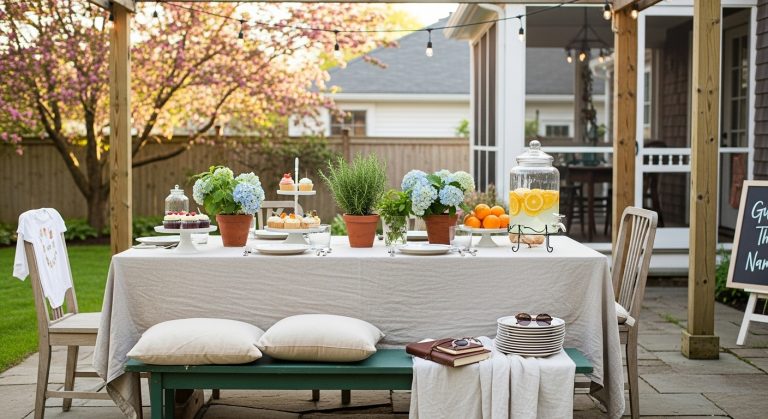
1. Fixed Pergola Positioned for Afternoon Sun Angles
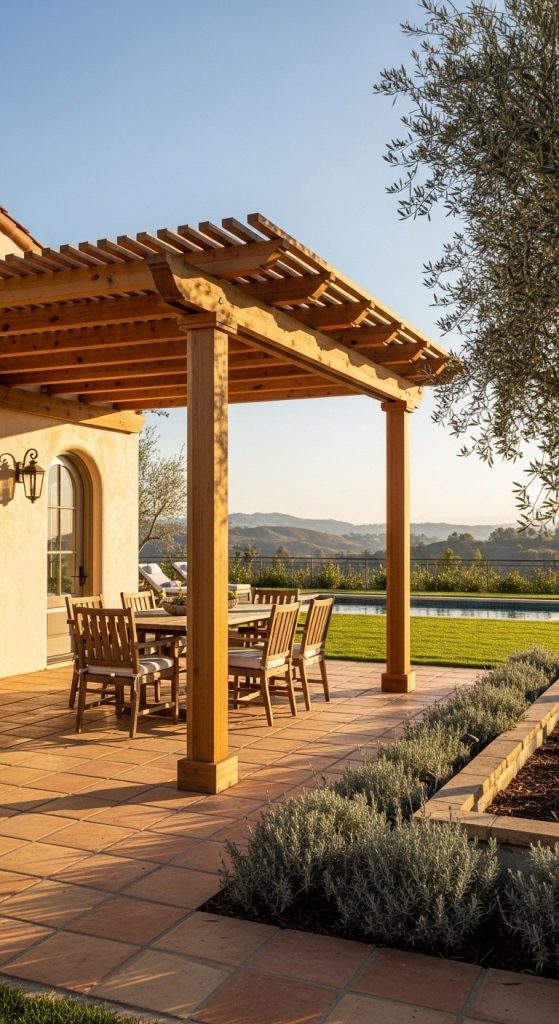
Morning shade is easy. Afternoon shade is the real challenge.
A fixed pergola designed specifically to block late-day sun works because it respects how the sun actually moves. Instead of centering it visually, you position it based on sun direction.
Pros
- Reliable shade during peak heat
- Adds structure without enclosing space
- Long-lasting and sturdy
Cons
- Requires planning and measuring
- Higher upfront cost
Mini takeaway
When placed with intention, a pergola becomes one of the most effective backyard shade ideas out there.
2. Adjustable Louvered Roof System
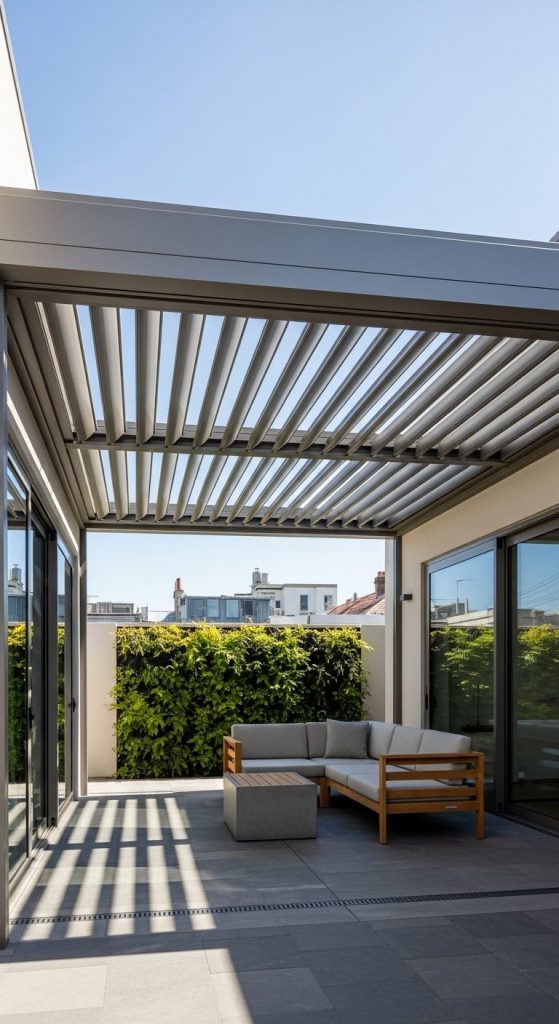
This idea feels subtle until you use it.
Louvered roof systems let you open or close slats depending on sunlight, heat, or breeze. It’s shade that adapts instead of forcing you to adapt.
Pros
- Customizable light control
- Works in changing weather
- Modern, clean look
Cons
- Mechanical parts need maintenance
- Costs more than fixed structures
Mini takeaway
Control changes comfort. This gives you options without rebuilding later.
3. Shade Sail Anchored at Mixed Heights
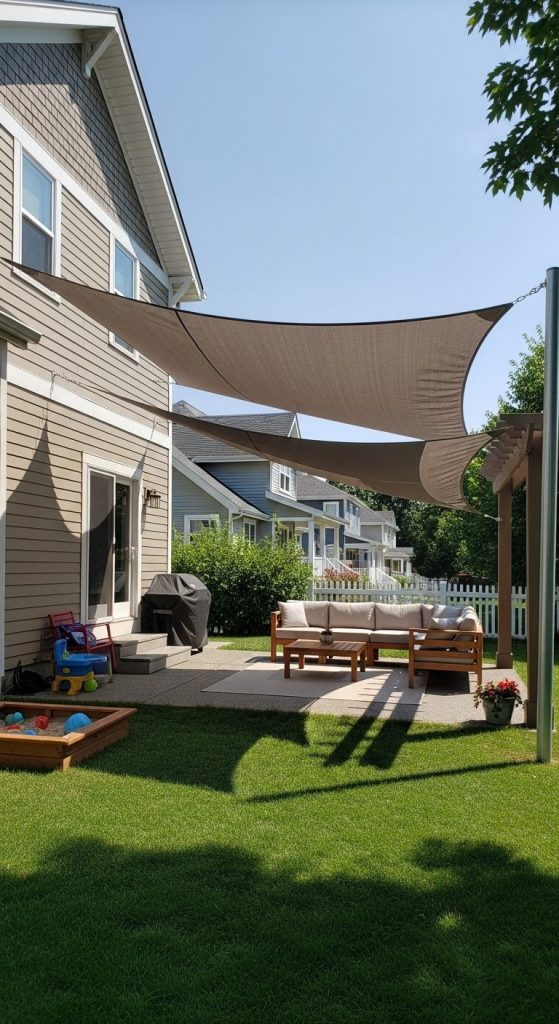
Shade sails get overlooked because people install them flat. That’s the mistake.
When you anchor sails at different heights, you create angled shade that blocks sun from the side, not just overhead.
Pros
- Flexible coverage
- Affordable and quick to install
- Works for irregular spaces
Cons
- Needs strong anchor points
- Seasonal removal recommended
Mini takeaway
Angles matter more than size with this approach.
4. Retractable Awning Mounted to the House
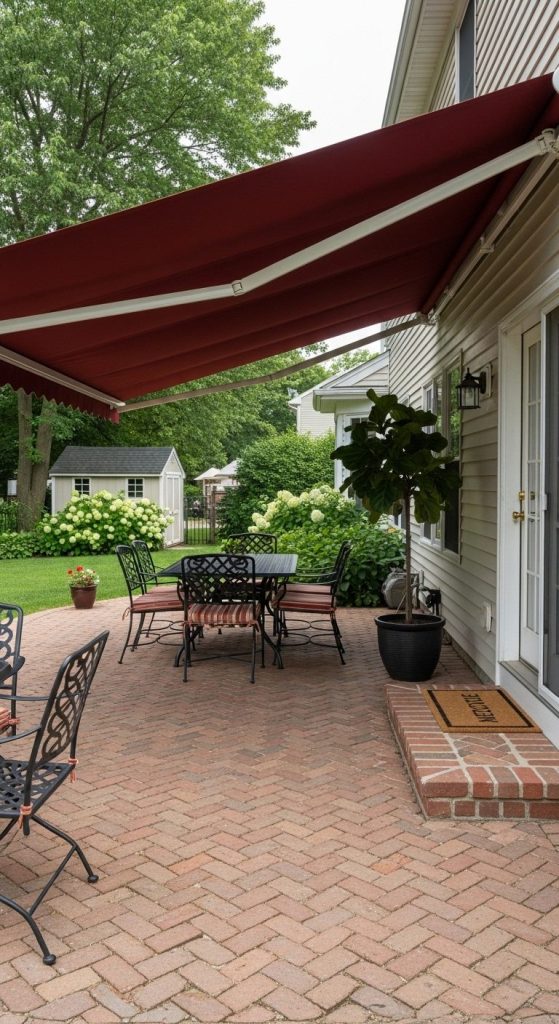
This works especially well for patios directly off the home.
A retractable awning gives shade when needed and disappears when you want open sky. It’s practical and visually light.
Pros
- Instant shade control
- Protects doors and windows
- No permanent yard footprint
Cons
- Mechanical wear over time
- Limited reach area
Mini takeaway
This is one of those backyard shade ideas that quietly earns its keep.
5. Deep Roof Overhang Extension
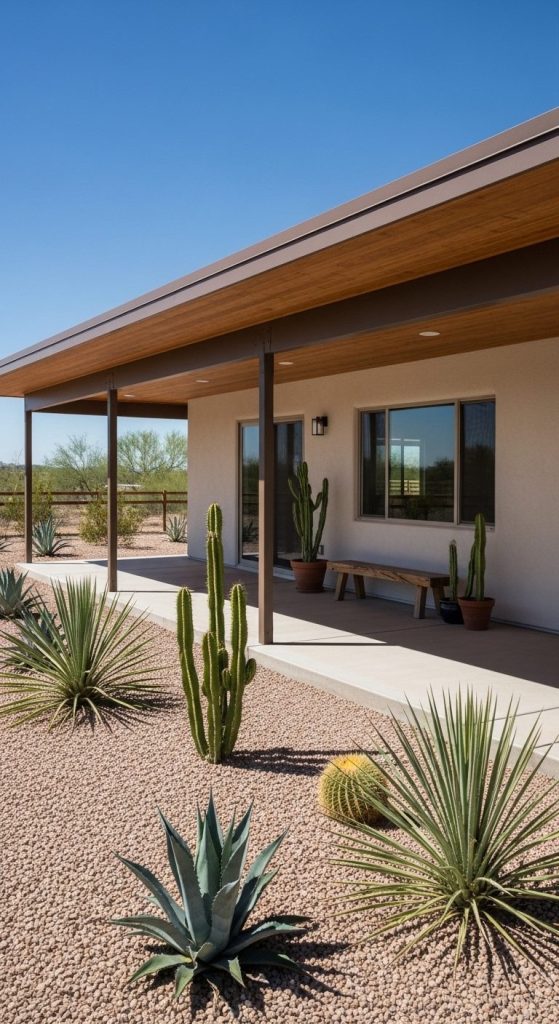
Not flashy, but incredibly effective.
Extending an existing roofline by even a few feet dramatically increases shade coverage near the house, especially in summer.
Pros
- Permanent shade solution
- Improves energy efficiency
- Matches existing structure
Cons
- Requires professional help
- Higher upfront investment
Mini takeaway
This feels boring until you realize how often you use it.
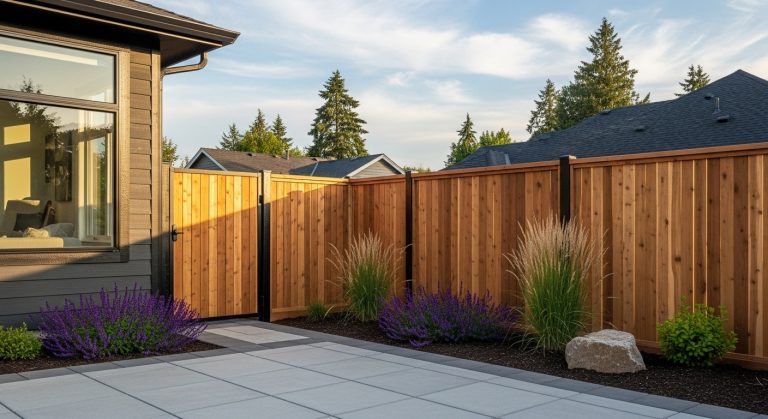
6. Vertical Slatted Shade Wall
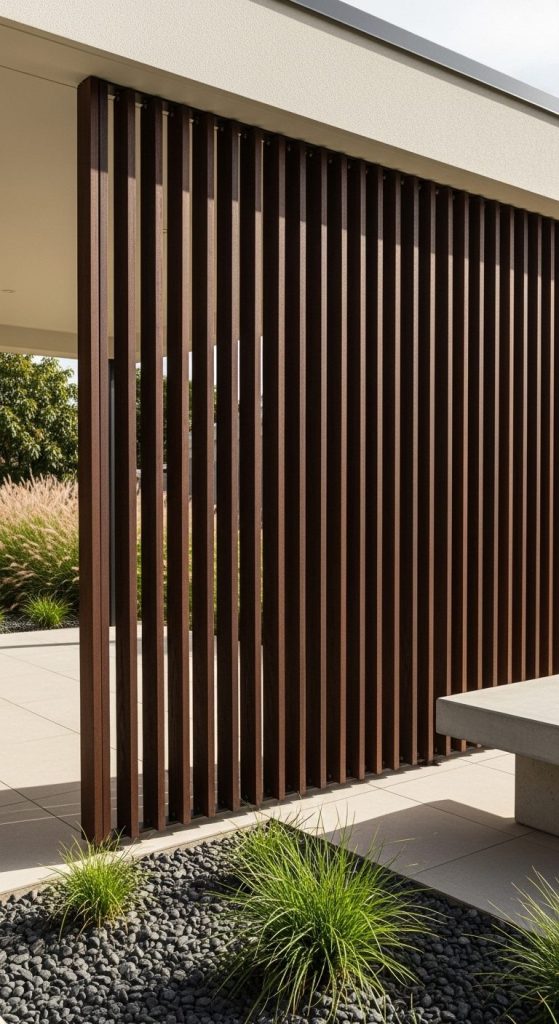
Sometimes the sun hits sideways, not down.
A slatted wall blocks low-angle sunlight while still allowing airflow. It works best on west-facing patios.
Pros
- Strong afternoon sun protection
- Adds privacy
- Modern aesthetic
Cons
- Fixed orientation
- Requires precise placement
Mini takeaway
Side sun ruins comfort faster than overhead sun.
7. Living Tree Canopy Planted with Purpose
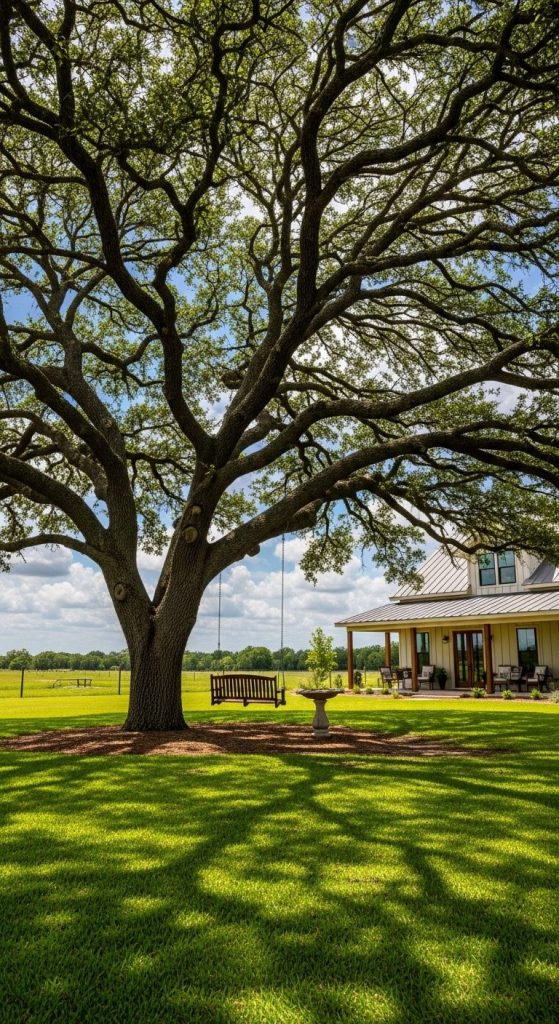
Trees create the most natural shade, but placement matters.
Fast-growing, broad-canopy trees positioned for summer sun paths provide cooling without blocking winter light.
According to the U.S. Department of Energy, properly placed trees can reduce surrounding temperatures by up to 10°F.
Pros
- Natural cooling
- Long-term value
- Improves air quality
Cons
- Takes time to mature
- Requires maintenance
Mini takeaway
This is patience paying off year after year.
8. Freestanding Pavilion with Open Sides
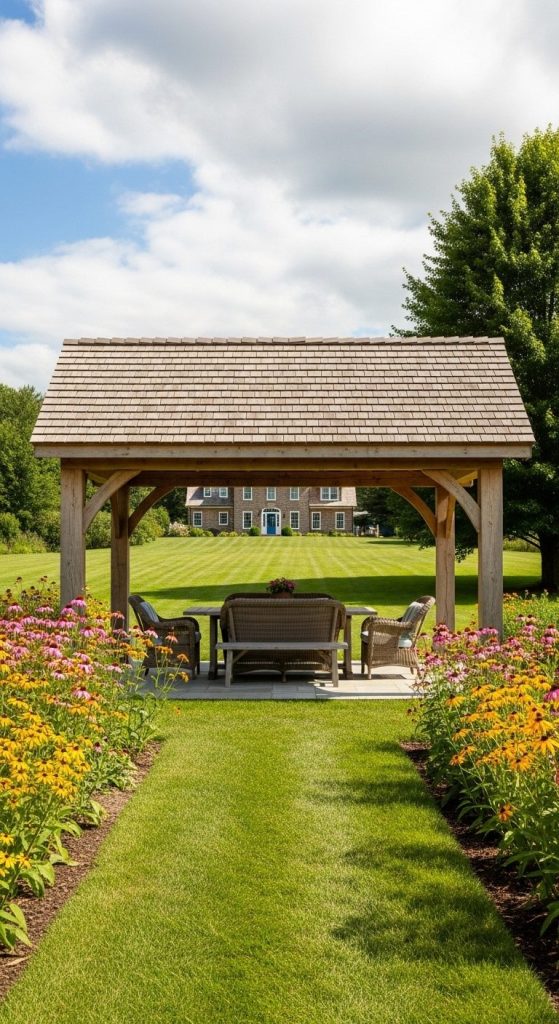
A pavilion creates a defined shaded zone without walls.
It works especially well in large yards where shade near the house isn’t enough.
Pros
- Strong overhead coverage
- Weather-resistant
- Creates a destination space
Cons
- Requires space
- More permanent build
Mini takeaway
This turns shade into a place, not just a feature.
9. Cantilevered Roof Extension
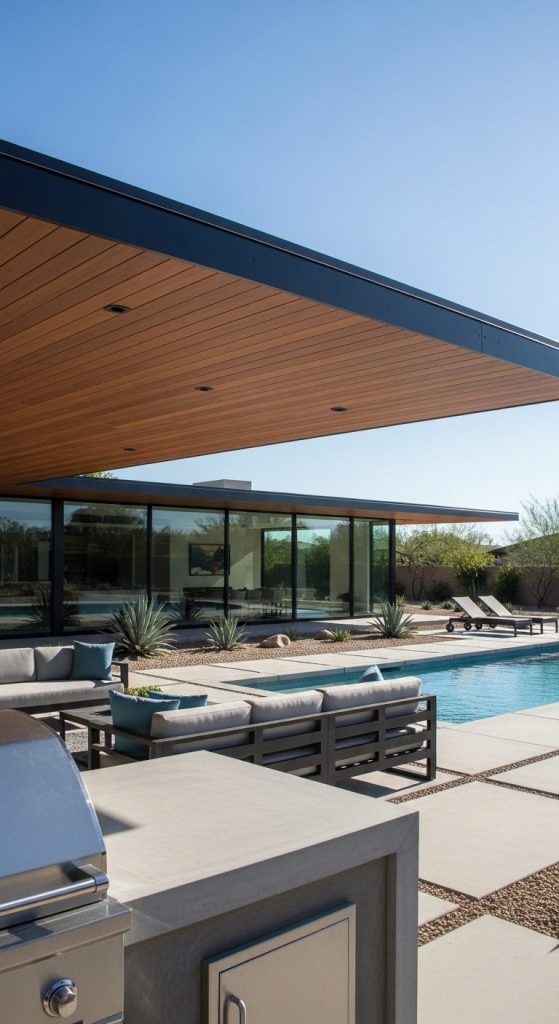
Unlike traditional posts, cantilevered structures extend shade outward without blocking floor space.
This works beautifully over seating or dining areas.
Pros
- Clean, open footprint
- Strong shade coverage
- Modern design
Cons
- Structural engineering required
- Higher build complexity
Mini takeaway
When floor space matters, overhead design wins.
10. Pergola with Fixed Shade Panels
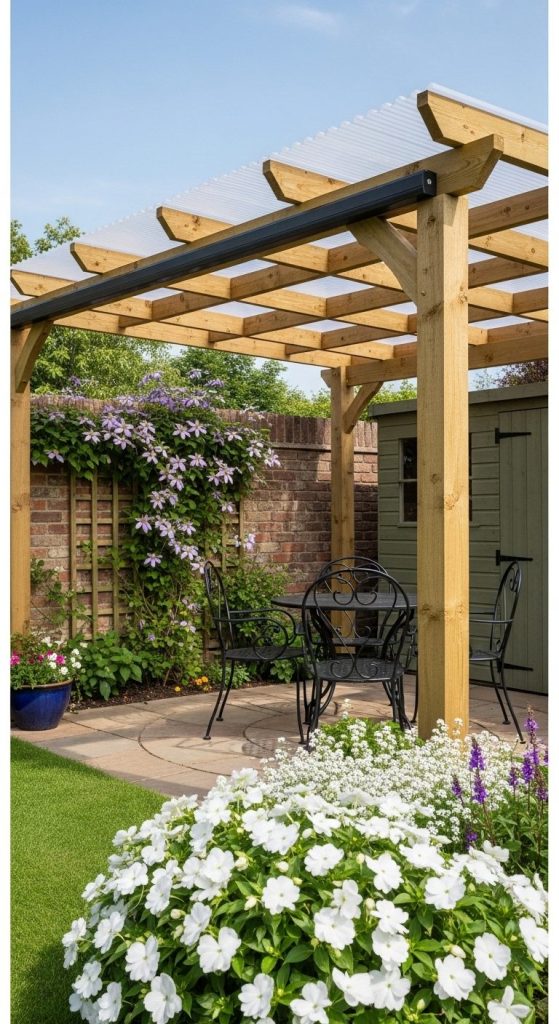
Instead of open beams, fixed panels block sunlight while still letting rain drain through.
This balances shade and airflow.
Pros
- Consistent coverage
- Reduced heat buildup
- Simple structure
Cons
- Less flexibility
- Panels may weather over time
Mini takeaway
Sometimes partial openness beats full enclosure.
11. Natural Vine-Covered Trellis
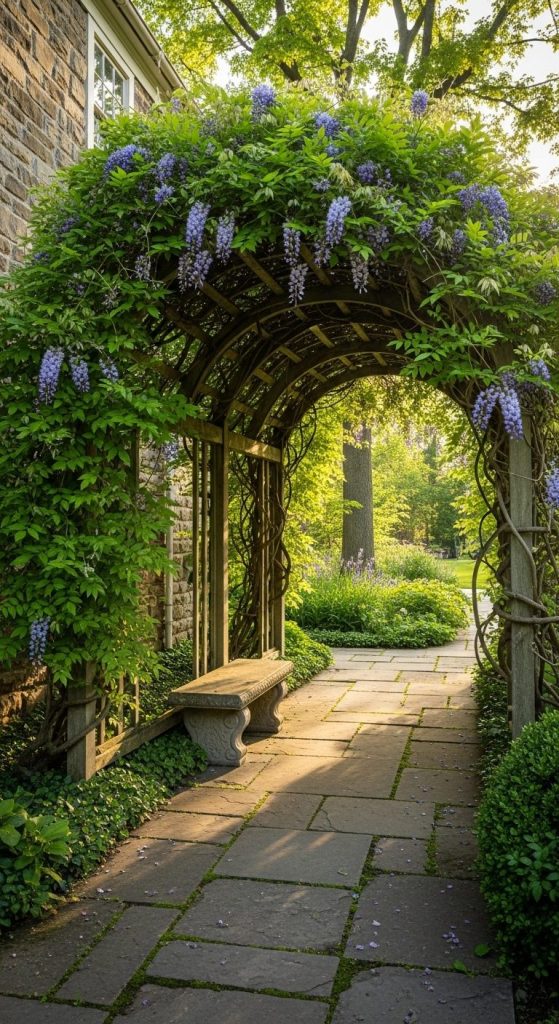
Vines create living shade that changes with seasons.
Over time, a trellis thickens into dappled, cooling coverage.
Pros
- Soft, organic shade
- Seasonal variation
- Lower material cost
Cons
- Requires plant care
- Takes time to fill in
Mini takeaway
This feels alive in a way built shade doesn’t.
12. Multi-Level Shade Zones
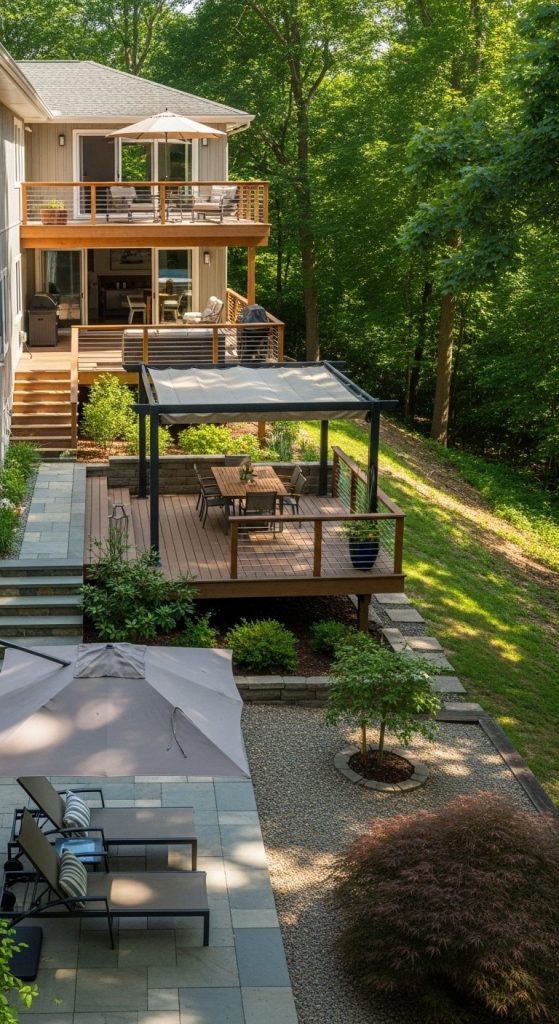
Instead of one large shaded area, create multiple smaller ones at different heights.
This works especially well in sloped yards.
Pros
- Flexible use
- Matches natural terrain
- Visually interesting
Cons
- Planning required
- More construction steps
Mini takeaway
Shade doesn’t need to be centralized to be effective.
13. Carport-Style Shade Frame
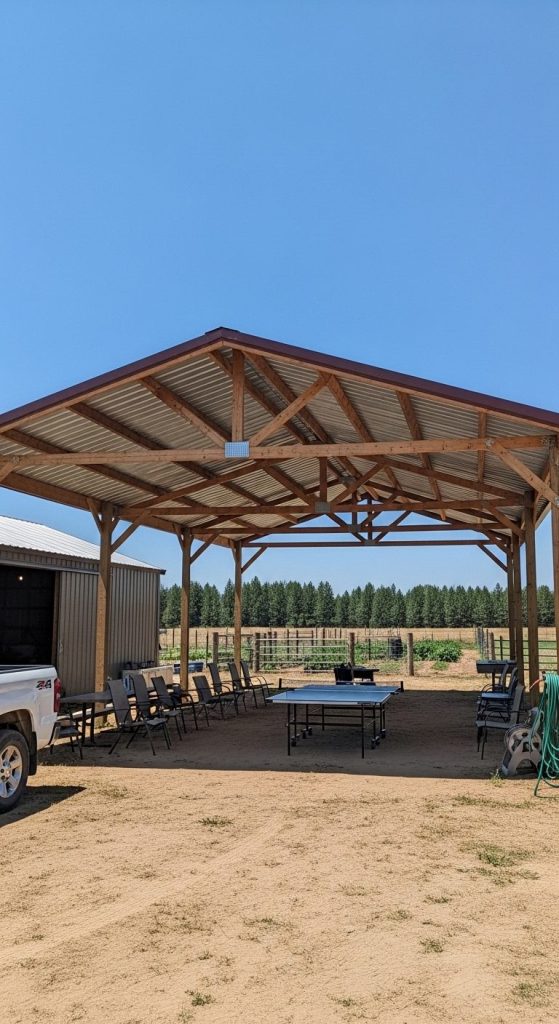
This borrows from functional design.
A carport-style frame provides wide, uninterrupted coverage without heavy walls.
Pros
- Large shaded footprint
- Durable materials
- Simple geometry
Cons
- Industrial look
- Requires anchoring
Mini takeaway
Function-first designs often last the longest.
14. West-Facing Shade Barrier
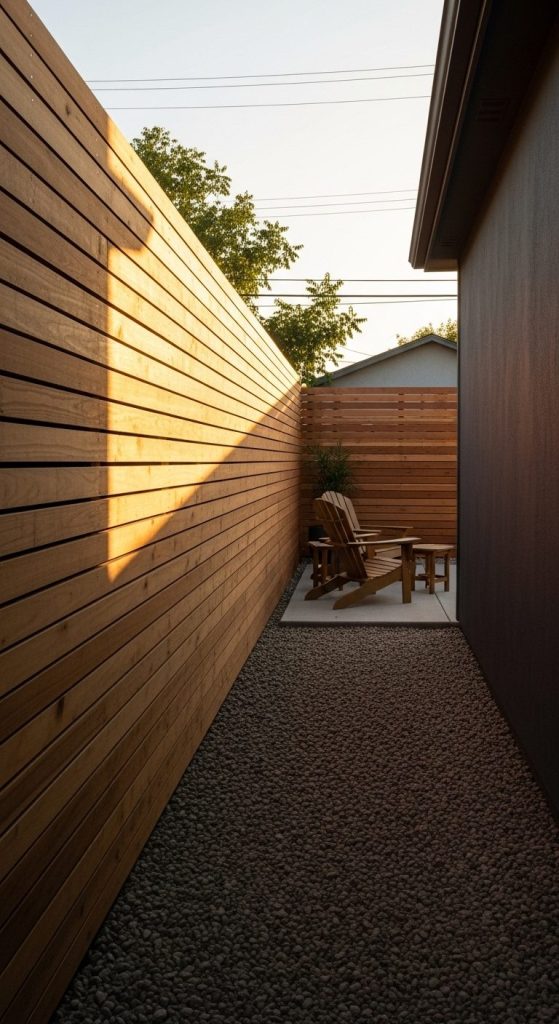
West sun hits hardest and longest.
Installing a targeted barrier on that side dramatically improves comfort without shading the entire yard.
Pros
- Direct heat reduction
- Lower material use
- Strategic efficiency
Cons
- Only protects one direction
- Needs correct placement
Mini takeaway
Solving the worst sun problem often solves the whole space.
15. Seasonal Removable Shade Structure
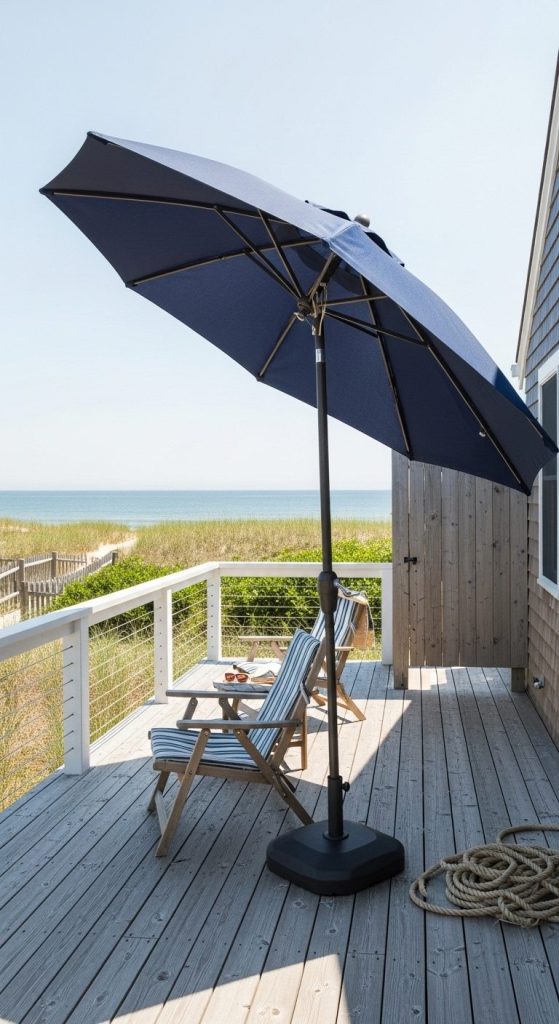
Not everyone wants year-round shade.
A removable structure lets you adapt your yard to seasons without committing permanently.
Pros
- Flexible use
- Lower long-term commitment
- Easy storage
Cons
- Setup time each season
- Less storm-resistant
Mini takeaway
Temporary doesn’t mean ineffective.
Final Thoughts
Shade changes how you feel in your backyard. It slows things down. It makes space usable instead of avoided. The best backyard shade ideas aren’t about trends — they’re about comfort, timing, and how sunlight actually behaves in your space.
Personally, I’ve learned that shade isn’t one-size-fits-all. The solution that works for a small patio won’t suit a wide lawn, and that’s okay. What matters is choosing something intentional and livable.
Start with one idea that fits your yard and lifestyle. Try it. Adjust. Build from there. Shade grows into routines, and routines turn outdoor space into real living space.

Ashley Ellison is a skilled writer and avid bowler. Her passion for storytelling and dedication to the sport have led her to participate in various national bowling leagues. With a unique combination of talents, Ashley approaches every challenge with creativity and a relentless drive to succeed.