15 Backyard Chicken Coop Ideas That Actually Work
There’s a moment that sneaks up on you when you keep chickens. It usually happens early in the morning, coffee in hand, when you step outside and realize the coop isn’t just a box for birds anymore. It’s part of your backyard, your routine, your calm. That’s why backyard chicken coop ideas have taken on a whole new life lately. People don’t just want functional. They want something that works well, looks intentional, and doesn’t become a daily headache.
I’ve watched friends start with a “temporary” coop that somehow lasts three years and causes constant frustration. Bad airflow. Awkward cleaning. Eggs hiding in places no human hand should reach. A few thoughtful changes turn the entire experience around. And no, this isn’t about fancy extras or over-the-top builds. It’s about smarter structure, better layout, and features that make chickens healthier and owners happier.
Below are 15 practical, achievable ideas that focus on the coop itself. Each one solves a real problem people actually deal with in their backyard.
1. Walk-In Chicken Coop With Standing Headroom
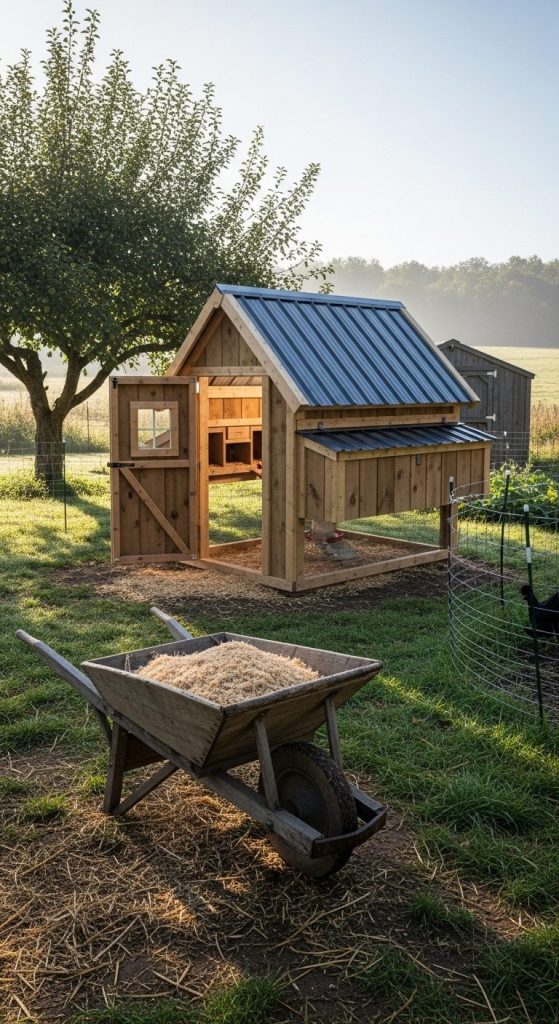
If you’ve ever crouched inside a coop trying not to bump your head while scraping a floor, you already understand why this idea matters. A walk-in chicken coop gives you full standing headroom so chores stop feeling like punishment.
This style has quietly become a favorite for backyard keepers who plan to stick with chickens long-term.
Pros
- Easier cleaning without crawling or bending
- Better airflow due to increased interior height
- Less stress during daily checks
Cons
- Requires more materials
- Takes up slightly more space
Mini takeaway: If you plan to keep chickens for years, this upgrade saves your back and your patience.
2. Raised Coop Design With Open Ground Clearance
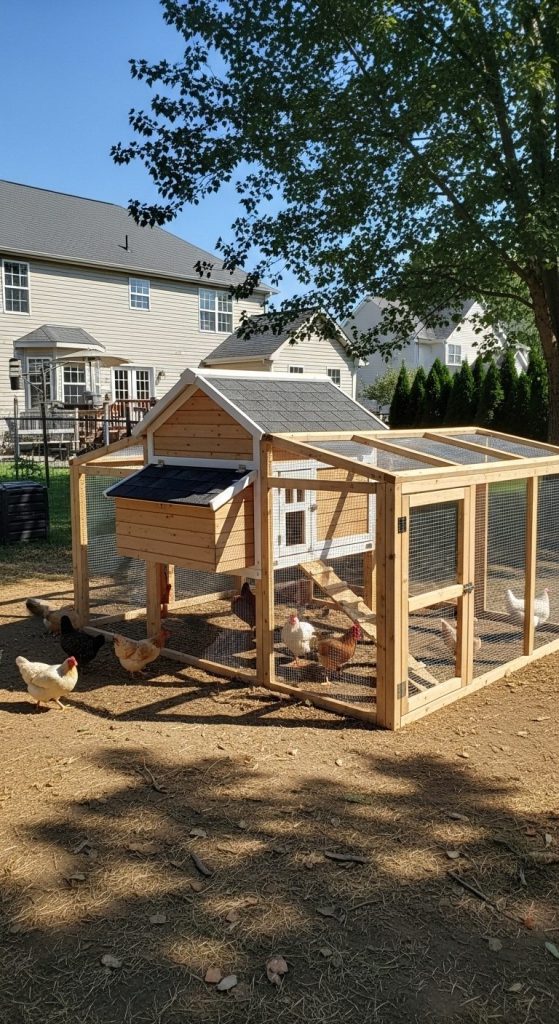
Raising the coop off the ground by 12–24 inches improves hygiene and durability. It also creates shade underneath, which chickens naturally use.
This design helps prevent moisture buildup and discourages rodents from nesting inside.
Pros
- Improved airflow under the coop
- Reduced rot and moisture damage
- Easier inspection of the structure
Cons
- Requires sturdy framing
- Not ideal for extremely windy areas
Mini takeaway: Elevation solves more problems than people expect.
3. Sloped Roof With Full Rain Runoff Control
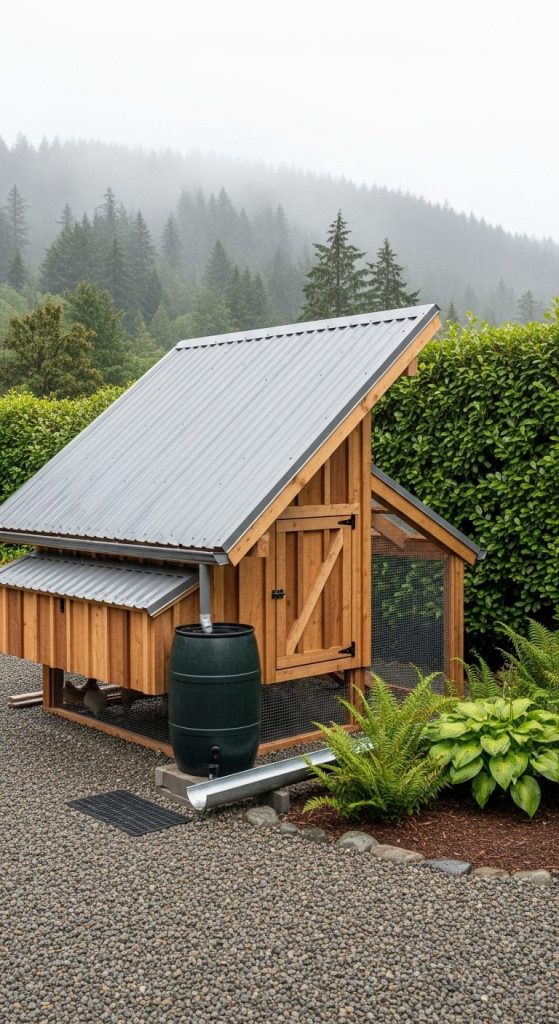
Flat roofs look clean but cause headaches fast. A sloped roof designed to move rain away from the coop keeps bedding dry and structure intact.
According to agricultural extension services, moisture control ranks among the top factors in coop longevity.
Pros
- Prevents leaks and water pooling
- Extends roof lifespan
- Improves interior dryness
Cons
- Requires precise angle planning
- Slightly more complex framing
Mini takeaway: Dry chickens stay healthier. Period.
4. Hinged Side Panels for Easy Deep Cleaning
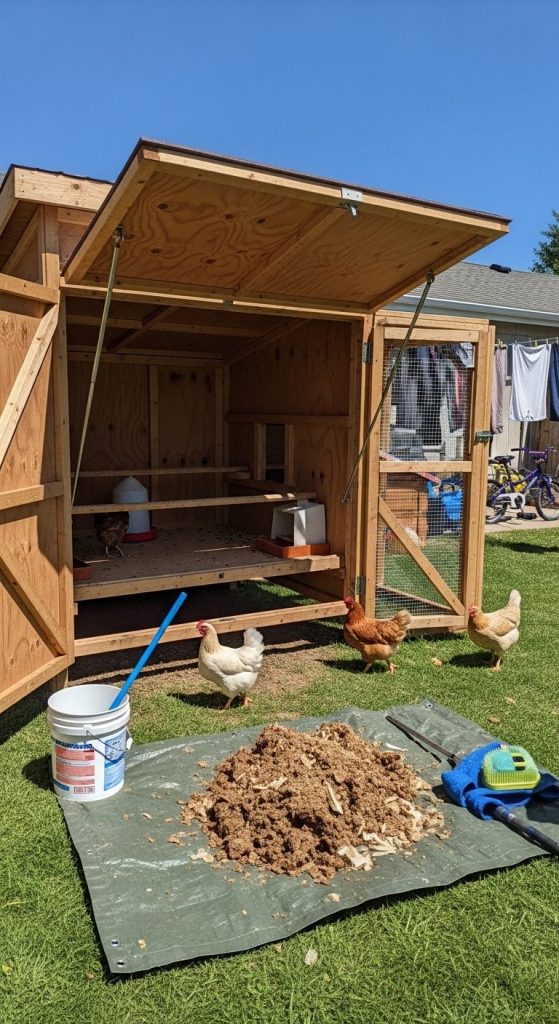
Instead of crawling inside for deep cleans, hinged wall panels swing open and give you full access. This idea feels small until cleaning day arrives.
It’s especially useful during seasonal resets or mite treatments.
Pros
- Faster deep cleaning
- Easier inspection for damage or pests
- Reduces labor fatigue
Cons
- Requires careful weather sealing
- Added hardware cost
Mini takeaway: Anything that simplifies cleaning pays off long-term.
5. Internal Nest Box Access Door (Exterior-Facing)
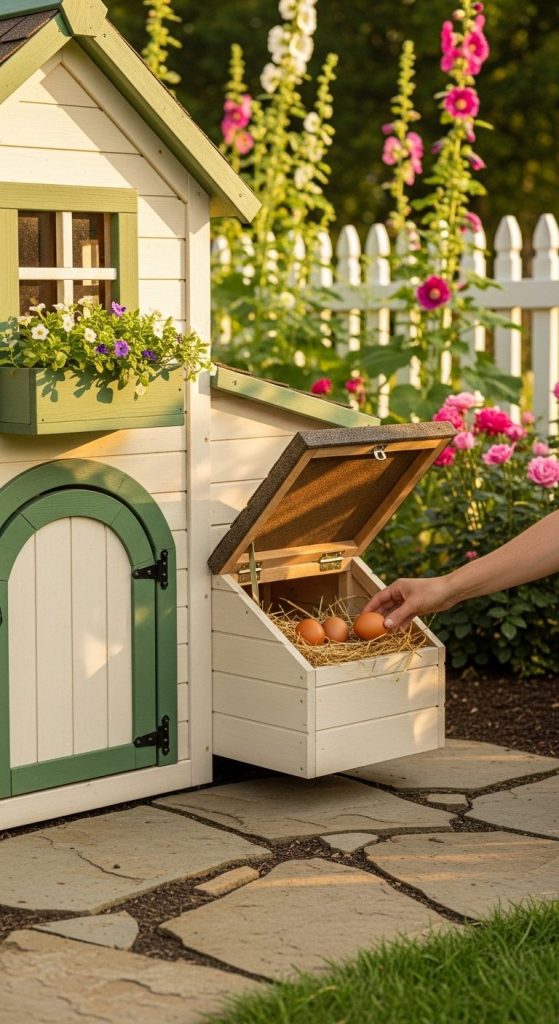
Nest boxes that open from the outside keep egg collection simple and stress-free. You avoid entering the coop entirely for daily egg checks.
Poultry specialists recommend external access to reduce flock disturbance during laying.
Pros
- Quick egg collection
- Less stress for hens
- Cleaner interior space
Cons
- Needs weather-tight seals
- Requires precise placement
Mini takeaway: Calm hens lay better eggs. Simple as that.
6. Modular Coop Sections for Future Expansion
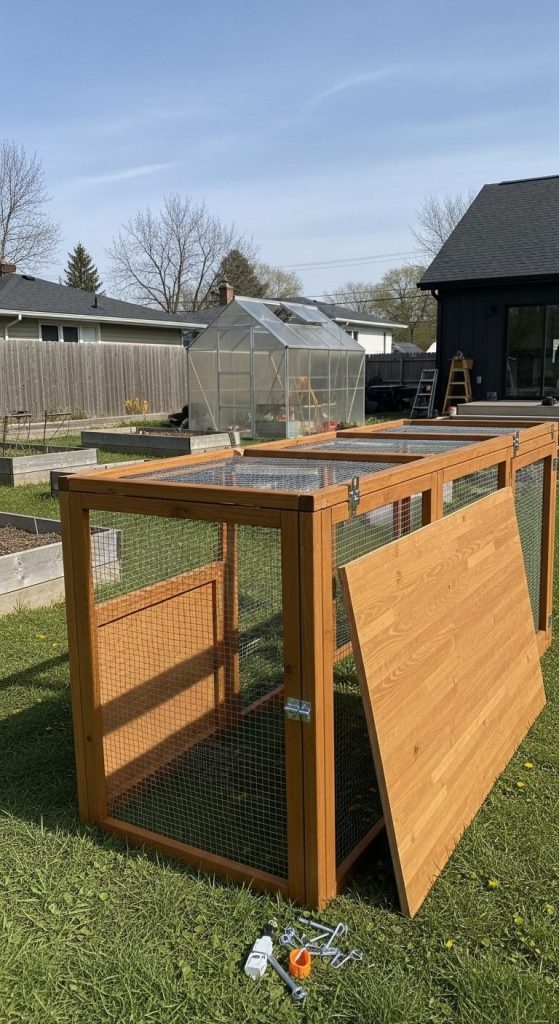
A modular coop uses repeatable panels or framed sections so you can expand later without rebuilding everything.
This matters because flock sizes almost always grow.
Pros
- Flexible long-term use
- Saves money over time
- Easier repairs or upgrades
Cons
- Requires upfront planning
- Slightly higher initial build complexity
Mini takeaway: Build for the chickens you’ll have next year, not just today.
7. Built-In Ventilation Channels (Not Open Holes)
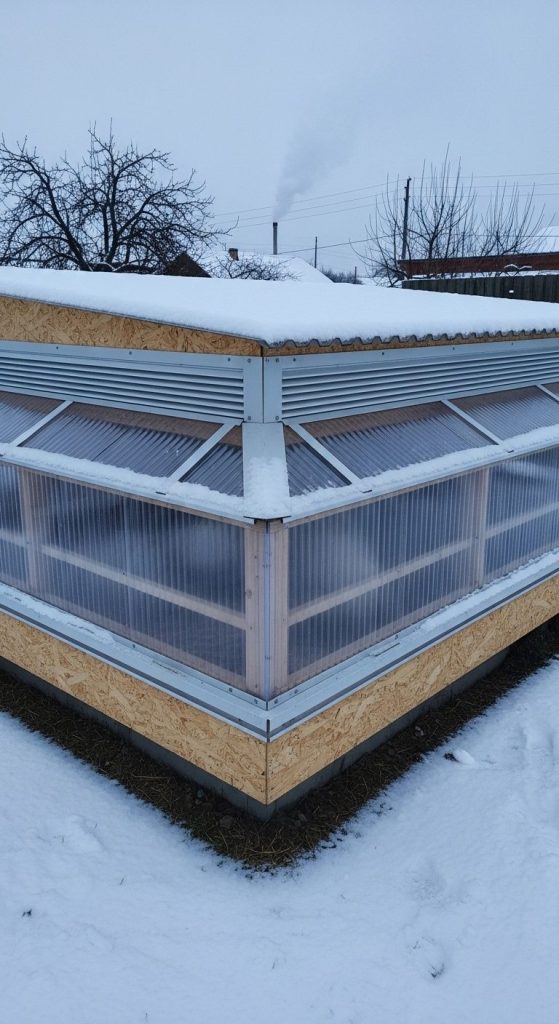
Proper ventilation prevents moisture without drafts. Built-in channels allow air movement above roost height, which protects birds in cold weather.
University poultry studies consistently note that poor ventilation causes more health issues than cold temperatures.
Pros
- Healthier respiratory conditions
- Better humidity control
- No direct drafts
Cons
- Needs careful placement
- More design effort
Mini takeaway: Airflow should feel invisible, not aggressive.
8. Solid Floor With Removable Litter Trays
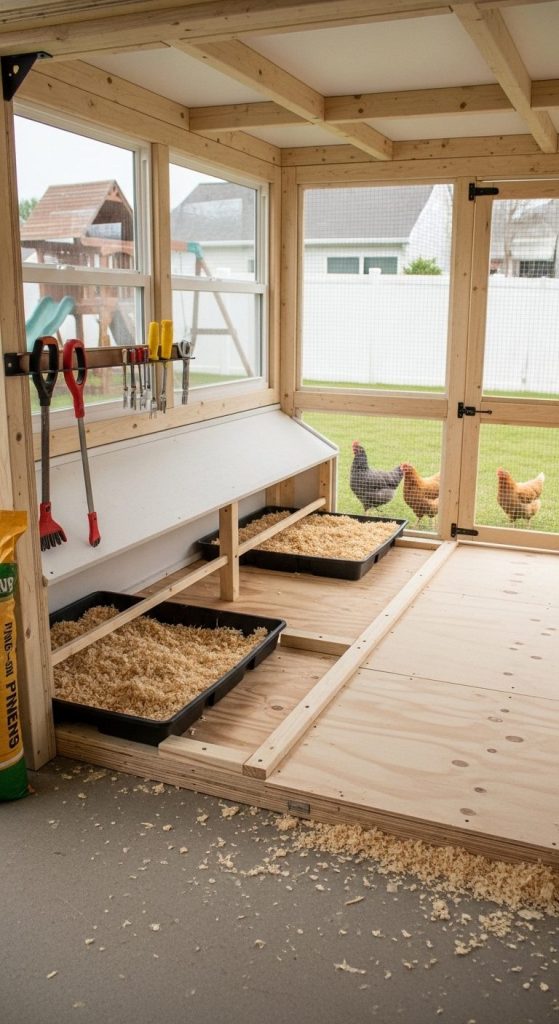
Instead of dirt floors, solid floors paired with removable trays make cleaning predictable and fast.
This setup works well with deep litter or regular clean-out routines.
Pros
- Easier waste management
- Reduced parasite exposure
- Cleaner overall environment
Cons
- Requires material investment
- Trays need occasional replacement
Mini takeaway: A clean floor changes everything about coop upkeep.
9. Roost Bars Positioned for Natural Sleep Patterns
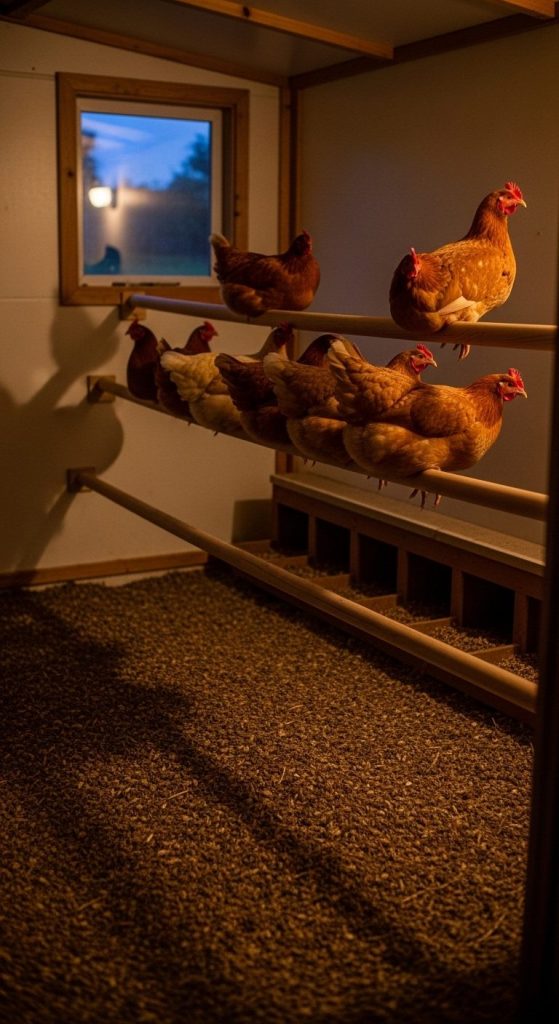
Roost placement matters more than most beginners realize. Bars should sit higher than nest boxes but lower than ventilation points.
Poor placement causes egg-laying issues and nighttime stress.
Pros
- Encourages natural behavior
- Reduces dirty eggs
- Improves flock calmness
Cons
- Requires internal layout planning
- Adjustments may be needed
Mini takeaway: Chickens know where they want to sleep — you just guide them.
10. Predator-Resistant Wall Construction
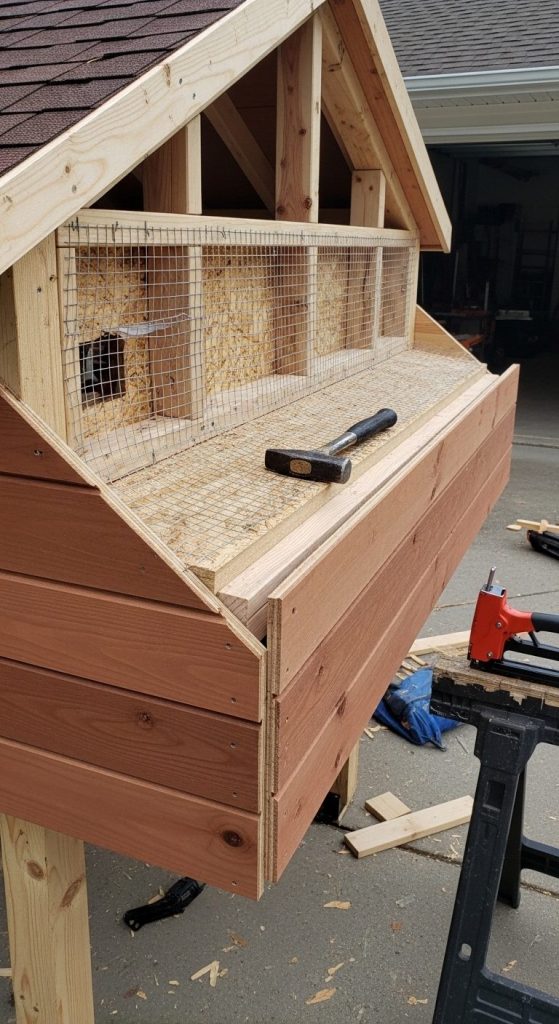
Using hardware cloth sandwiched between framing creates a barrier predators can’t chew through.
According to wildlife control reports, most coop breaches occur through weak walls, not doors.
Pros
- Increased safety at night
- Long-term peace of mind
- Reduces emergency repairs
Cons
- Higher material cost
- More build time
Mini takeaway: One solid build beats constant worry.
11. Adjustable Interior Height Zones
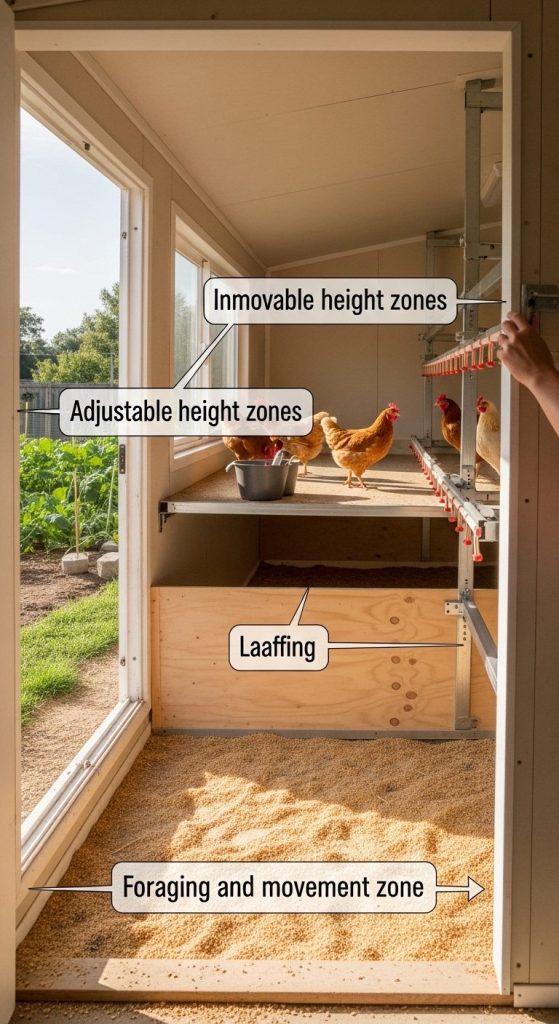
Interior height zoning allows different areas for roosting, nesting, and movement. This improves traffic flow inside the coop.
It sounds technical, but it’s just thoughtful framing.
Pros
- Reduces overcrowding behavior
- Improves egg-laying consistency
- Better use of vertical space
Cons
- Requires design planning
- Not suited for tiny coops
Mini takeaway: Space works better when every inch has a job.
12. Weather-Sealed Entry Doors With Tight Tolerances
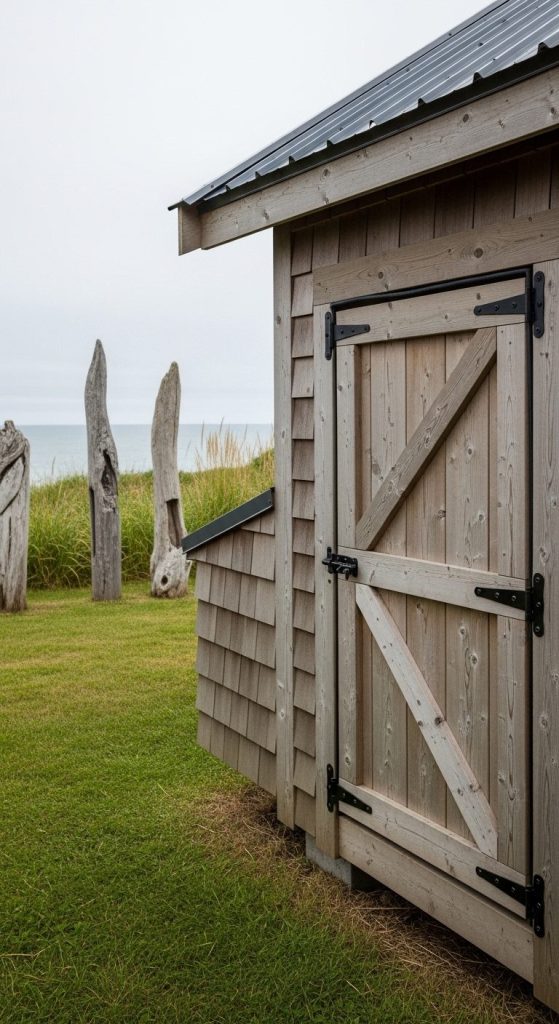
Loose doors invite drafts, pests, and moisture. A well-fitted, sealed coop door makes daily life easier and safer.
Farm maintenance studies show tight-sealing doors reduce heat loss by up to 15%.
Pros
- Better temperature control
- Reduced pest access
- Longer structure lifespan
Cons
- Requires precision during build
- Hinges need maintenance
Mini takeaway: Small gaps create big problems over time.
13. South-Facing Coop Orientation
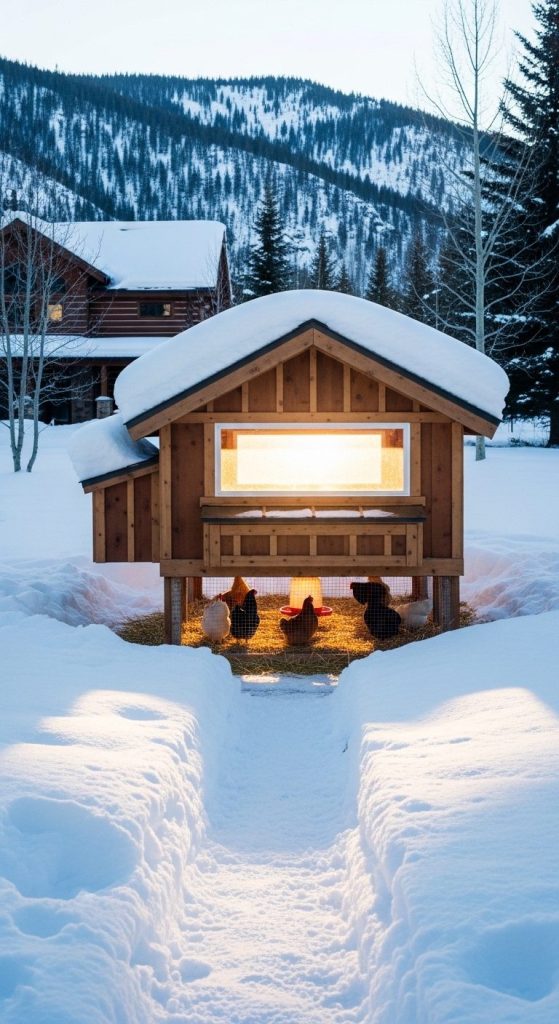
Positioning the coop to face south maximizes winter sun exposure while reducing cold wind impact.
This natural heating method has been used in poultry keeping for generations.
Pros
- Improved winter warmth
- Better light exposure
- Reduced heating needs
Cons
- Limited by yard layout
- Requires initial planning
Mini takeaway: Nature offers free advantages if you align correctly.
14. Insulated Wall Cavities Without Full Climate Control
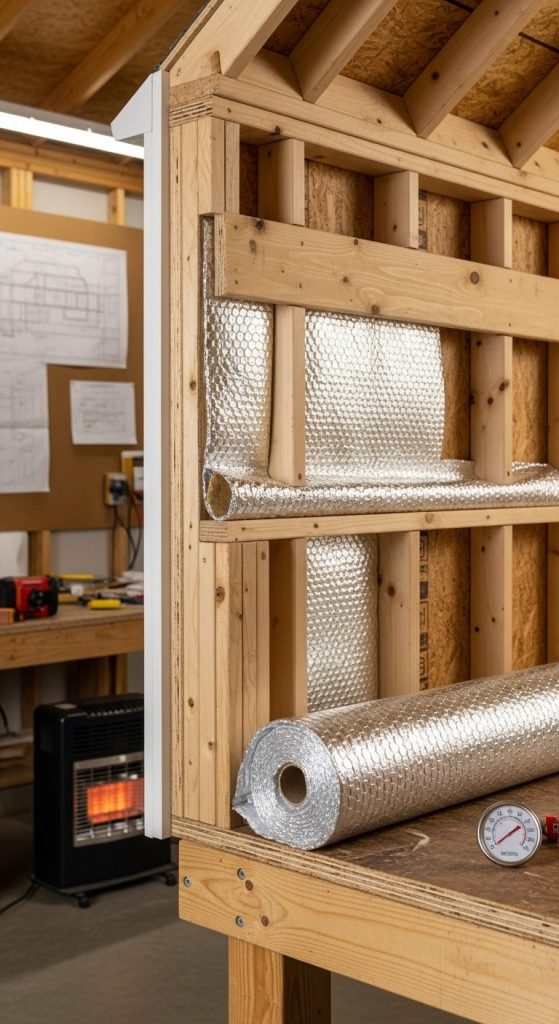
Light insulation inside wall cavities stabilizes temperature without sealing the coop like a house.
Agricultural experts agree that moderate insulation beats heaters for flock safety.
Pros
- Temperature stability
- Reduced condensation
- Safer than electrical heating
Cons
- Material cost
- Installation effort
Mini takeaway: Comfortable chickens don’t need luxury, just consistency.
15. Single-Slope “Shed-Style” Coop Design
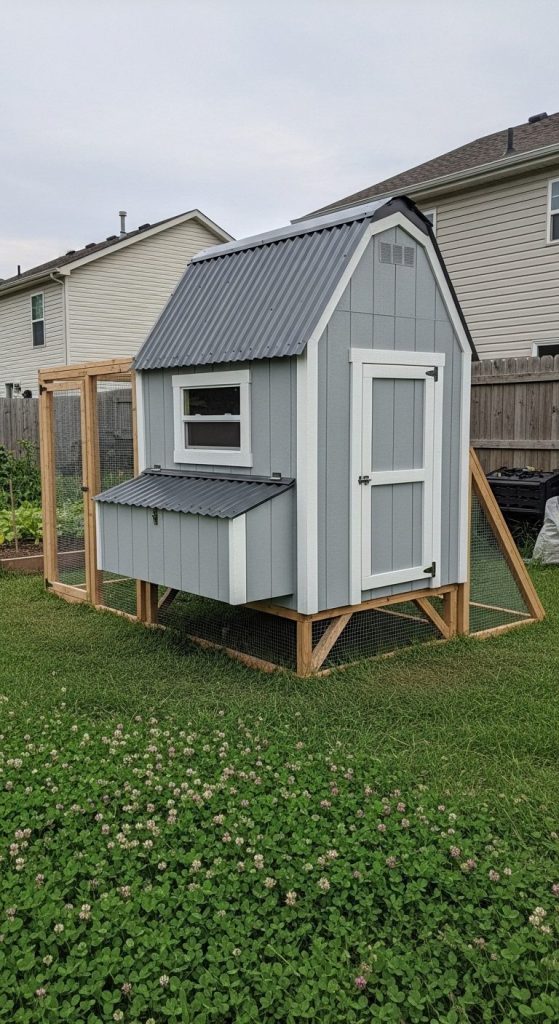
A shed-style coop uses a single roof slope, simple framing, and clean lines. It’s easier to build and maintain than complex shapes.
Honestly, this design converts a lot of first-time builders into confident ones.
Pros
- Beginner-friendly construction
- Easy roof drainage
- Modern, tidy appearance
Cons
- Limited loft space
- Less architectural flair
Mini takeaway: Simple designs often work the hardest.
Final Thoughts
A good coop doesn’t shout for attention. It quietly does its job every day. The best backyard chicken coop ideas focus on comfort, safety, and ease — for both chickens and humans. When structure supports routine instead of fighting it, keeping chickens feels peaceful instead of stressful.
What I’ve learned is that smart design prevents most problems before they start. You don’t need to build everything at once. Start with one idea that solves your biggest annoyance. Fix airflow. Improve cleaning access. Strengthen security.
Once the coop works better, everything else feels easier. And that calm, steady rhythm? That’s the part no one warns you about — and the part that keeps people hooked.

William Martin is a passionate bowler who spends most of his weekends playing the sport. With years of intense experience under his belt, William decided to share his knowledge by creating BOWLING OCEAN. Join me on this journey to explore the world of bowling and discover the tips and tricks to becoming a pro.