15 Backyard Vegetable Gardens That Feel Easy and Productive
There’s a very specific moment when backyard vegetable gardens stop feeling like a hobby and start feeling like a quiet lifestyle upgrade. It usually hits when you walk outside barefoot, grab a tomato still warm from the sun, and realize dinner just got easier. I’ve seen it happen with neighbors, friends, even people who swore they “kill every plant.” The secret wasn’t talent. It was structure.
Most frustration with backyard growing comes from layouts that fight daily life. Beds too far apart. Watering that takes forever. Crops planted where sunlight barely reaches. When the garden works with you instead of against you, everything changes. That’s why I love talking about this topic. Small, smart adjustments turn chaos into calm.
Below are 15 practical ideas focused on how backyard vegetable gardens function, grow, and stay manageable over time. Nothing fluffy. Just things that genuinely make gardening easier, prettier, and more productive.
1. Raised Garden Beds With Fixed Dimensions
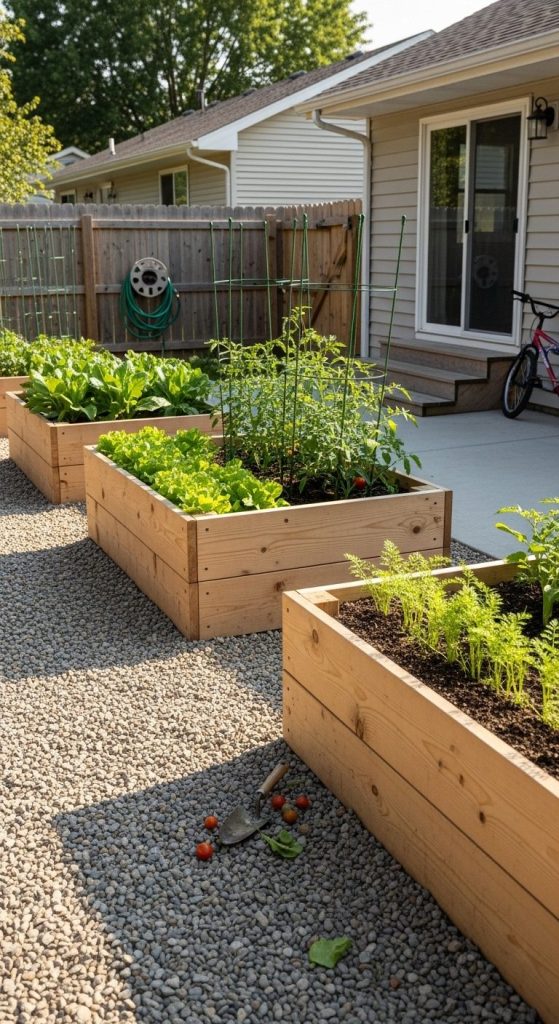
If you’ve ever overreached into a bed and felt your lower back protest, this one lands immediately. Fixed-dimension raised beds keep everything within arm’s reach and give structure to your planting plan.
They also warm faster in spring, which extends the growing season slightly.
Pros
- Easier access for planting and harvesting
- Improved soil control
- Cleaner, defined layout
Cons
- Initial build cost
- Requires soil filling upfront
Mini takeaway: Comfort changes how often you actually garden.
2. North–South Oriented Garden Rows
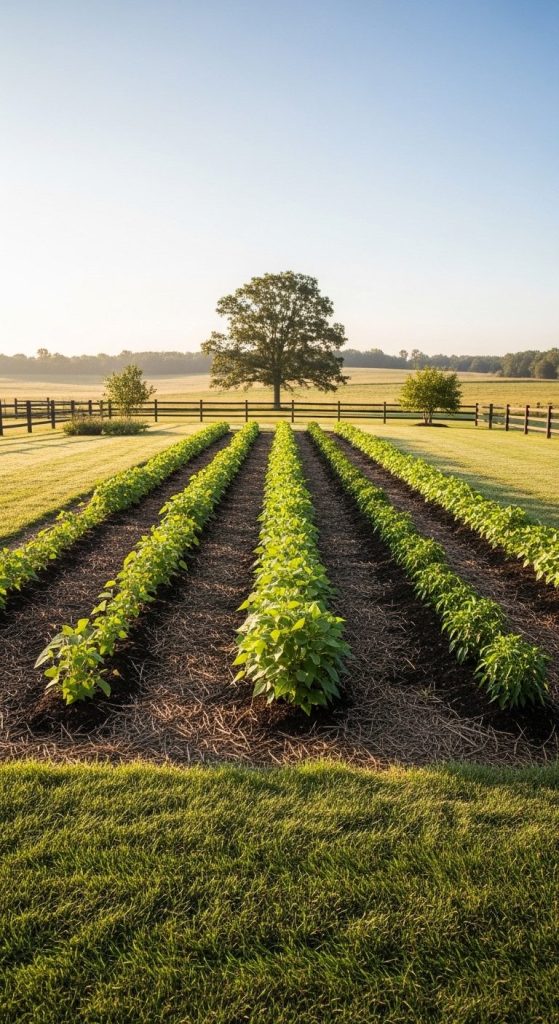
Row direction affects sunlight more than most people expect. Aligning rows north to south allows even sun exposure throughout the day.
Extension services often recommend this layout to reduce shading issues.
Pros
- Better light distribution
- Healthier plant growth
- More consistent yields
Cons
- Yard shape limitations
- Requires upfront planning
Mini takeaway: Sunlight should work evenly, not selectively.
3. Permanent Garden Pathways
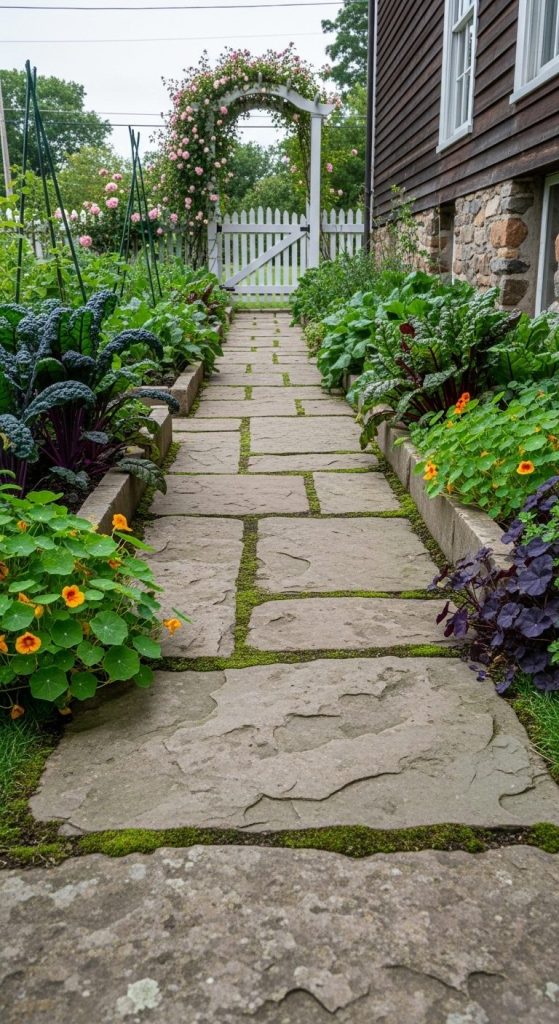
Defined walkways stop soil compaction and keep the garden usable after rain. Once you add them, you’ll wonder how you managed without them.
They also make the garden feel intentional instead of messy.
Pros
- Protects soil structure
- Cleaner access year-round
- Clear organization
Cons
- Takes up growing space
- Requires material choice
Mini takeaway: Where you walk matters just as much as what you plant.
4. Drip Irrigation Installed Under Mulch
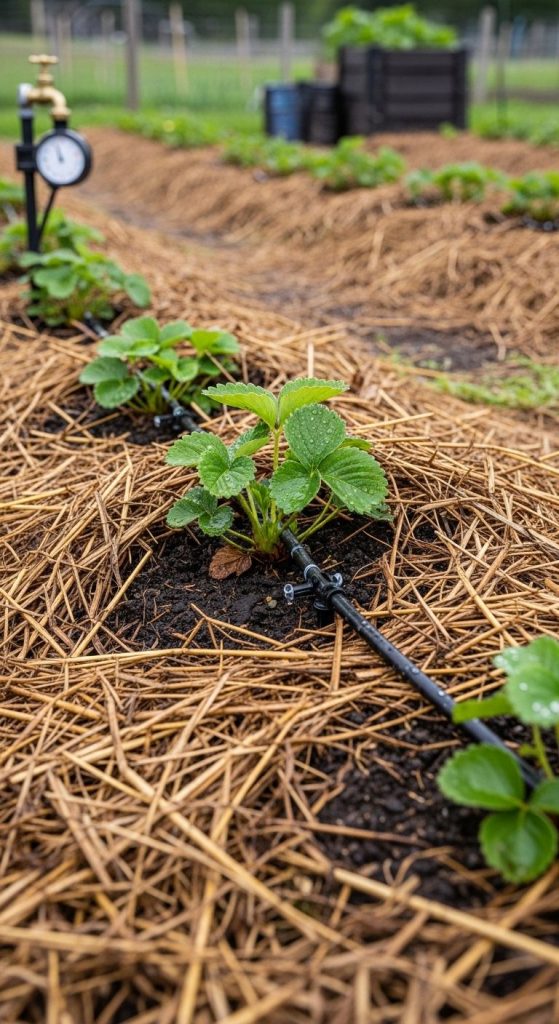
Dragging hoses gets old fast. Drip irrigation delivers water directly to roots while staying hidden under mulch.
According to the EPA, drip systems can reduce water use by up to 30% compared to overhead watering.
Pros
- Water efficiency
- Consistent moisture levels
- Time-saving
Cons
- Initial setup effort
- Occasional clog maintenance
Mini takeaway: Water smarter once, relax all season.
5. Crop Rotation Zones Built Into the Layout
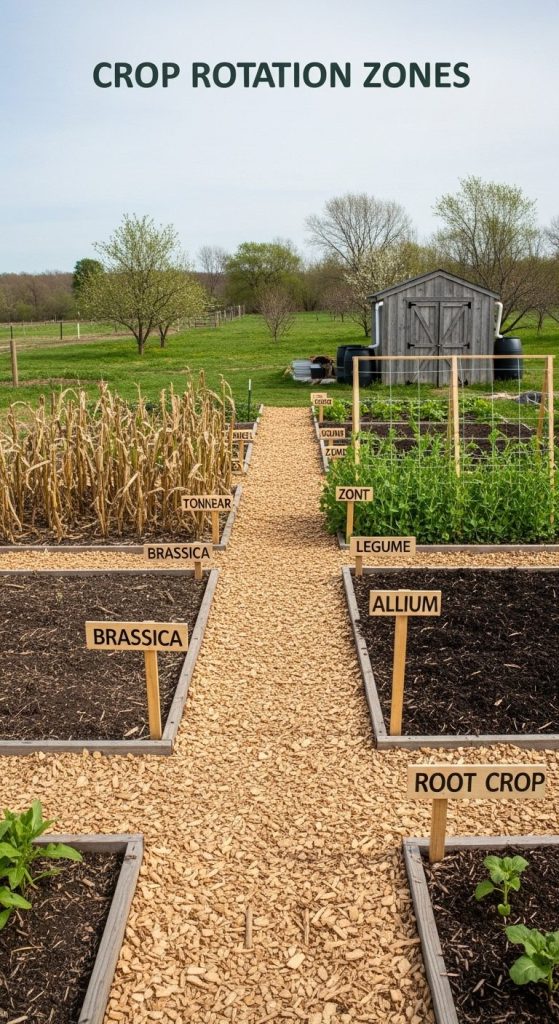
Instead of remembering where things grew last year, assign permanent zones for rotation. This reduces disease buildup and improves soil health.
It’s one of those “grown-up gardener” moves that pays off quietly.
Pros
- Healthier soil over time
- Fewer pest problems
- Better yields
Cons
- Requires planning discipline
- Limits spontaneous planting
Mini takeaway: Organization prevents problems you never see coming.
6. Tiered Beds for Sloped Yards
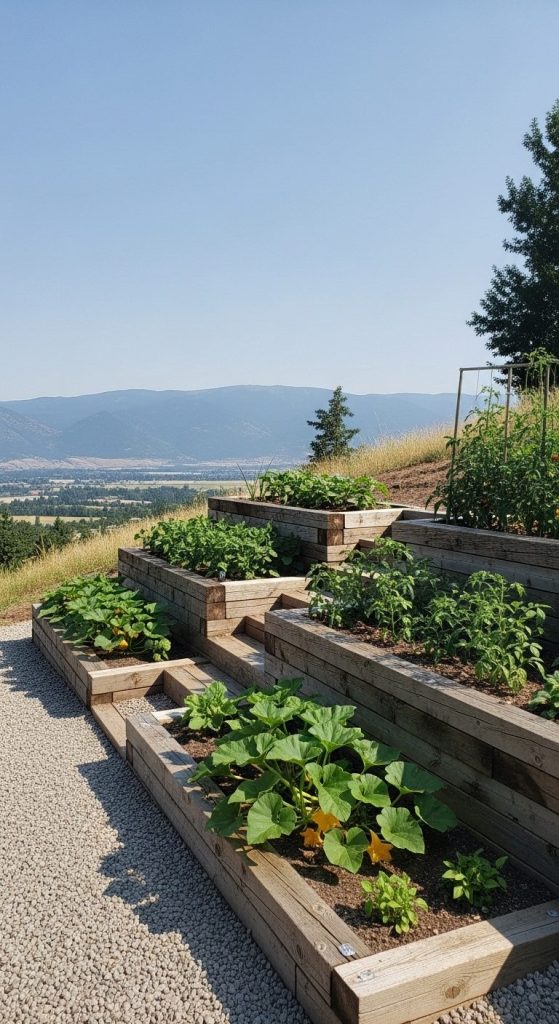
Sloped yards don’t need flattening. Tiered beds follow the natural grade and prevent erosion while creating visual order.
Honestly, this surprised me with how practical it feels day to day.
Pros
- Prevents runoff
- Maximizes usable space
- Improves drainage
Cons
- More construction effort
- Requires retaining support
Mini takeaway: Work with the land, not against it.
7. Narrow Bed Widths for Reach Efficiency
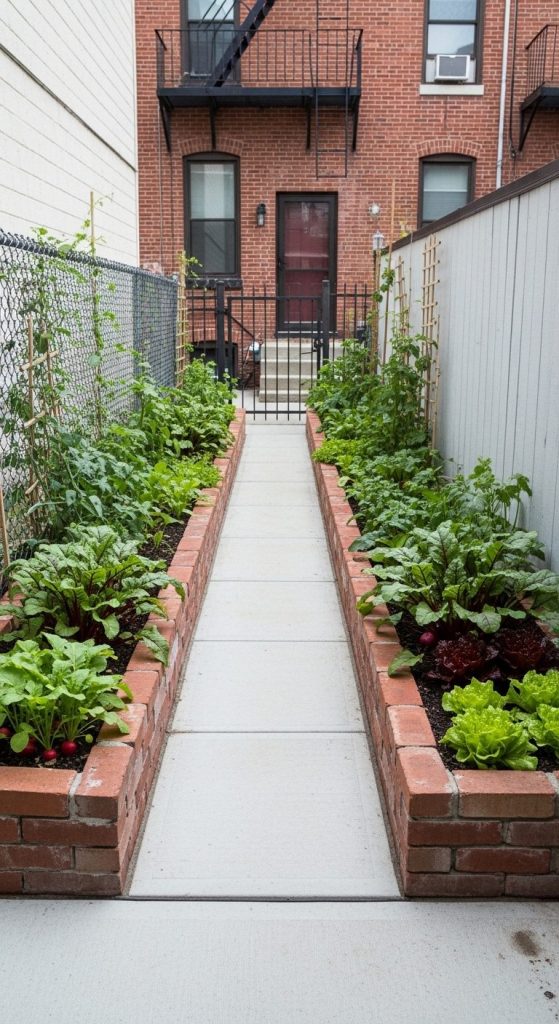
Beds wider than four feet create maintenance headaches. Narrow beds keep everything reachable without stepping on soil.
Market gardeners swear by this layout for a reason.
Pros
- Easy harvesting
- Protects soil structure
- Faster maintenance
Cons
- Requires more beds
- Uses more framing material
Mini takeaway: Reach comfort keeps gardening enjoyable.
8. Seasonal Bed Cover Systems
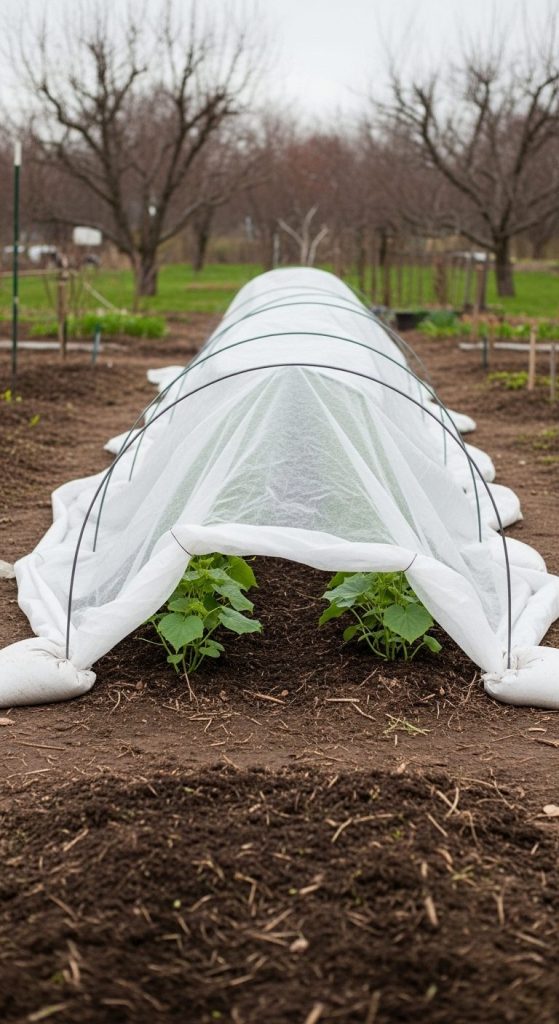
Simple hoop covers or row covers protect crops from frost and pests without permanent structures.
University studies show row covers can increase yields by 20–40% in certain crops.
Pros
- Extends growing season
- Reduces pest pressure
- Lightweight and flexible
Cons
- Storage needed off-season
- Setup learning curve
Mini takeaway: Protection equals consistency.
9. Dedicated Compost-Adjacent Bed Placement
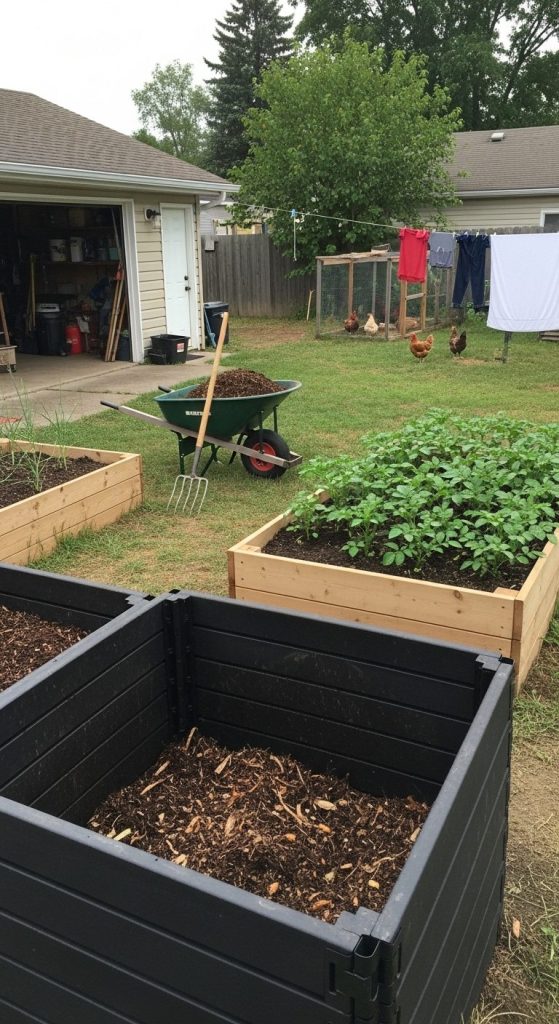
Placing beds near compost shortens the distance for amendments and clean-up.
It sounds obvious, but many gardens miss this efficiency win.
Pros
- Faster soil improvement
- Less hauling effort
- Encourages compost use
Cons
- Requires thoughtful layout
- Compost odor consideration
Mini takeaway: Convenience determines consistency, FYI.
10. Deep Soil Preparation Zones
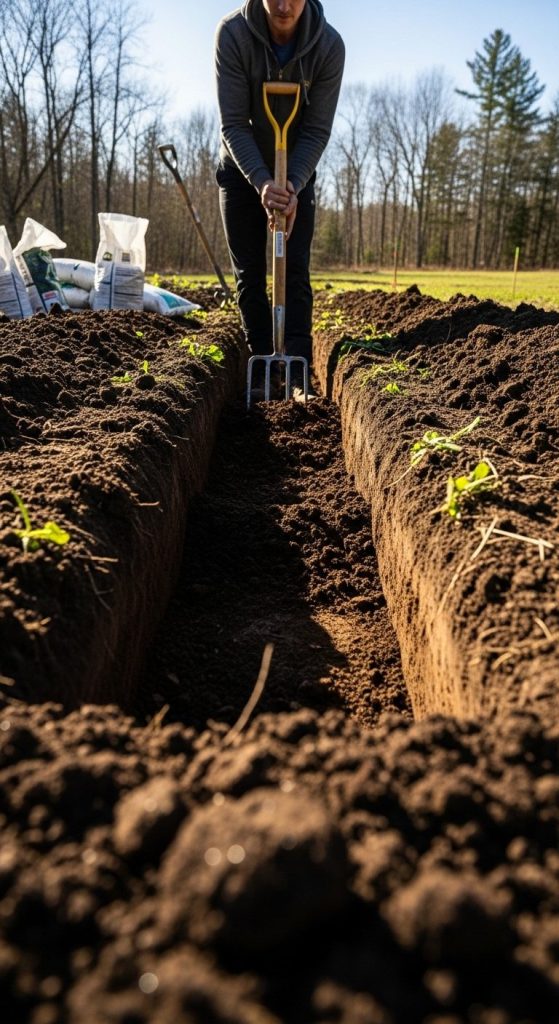
Instead of shallow tilling, dedicate beds to deep soil preparation from the start. This supports strong root systems and drought resistance.
Soil scientists consistently stress that root depth influences plant resilience.
Pros
- Stronger plants
- Improved water retention
- Better nutrient uptake
Cons
- Labor-intensive initially
- Time investment upfront
Mini takeaway: Strong roots fix many surface problems.
11. Grid-Based Planting Layouts
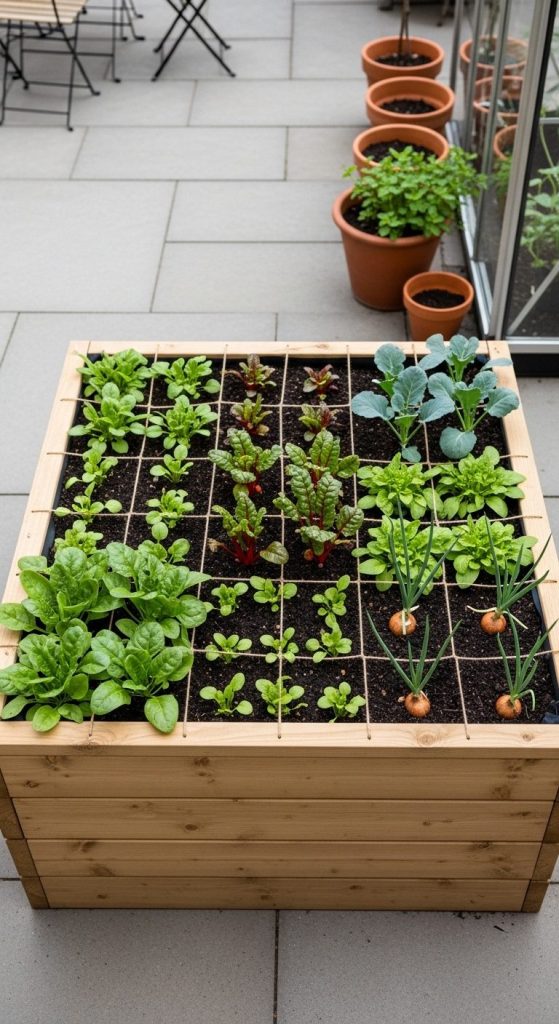
Using grid spacing instead of rows maximizes yield and airflow.
Square-foot style layouts work especially well in small backyard vegetable gardens.
Pros
- Efficient space use
- Easy spacing control
- Cleaner appearance
Cons
- Planning required
- Less flexible mid-season
Mini takeaway: Structure creates abundance.
12. Wind-Protected Garden Positioning
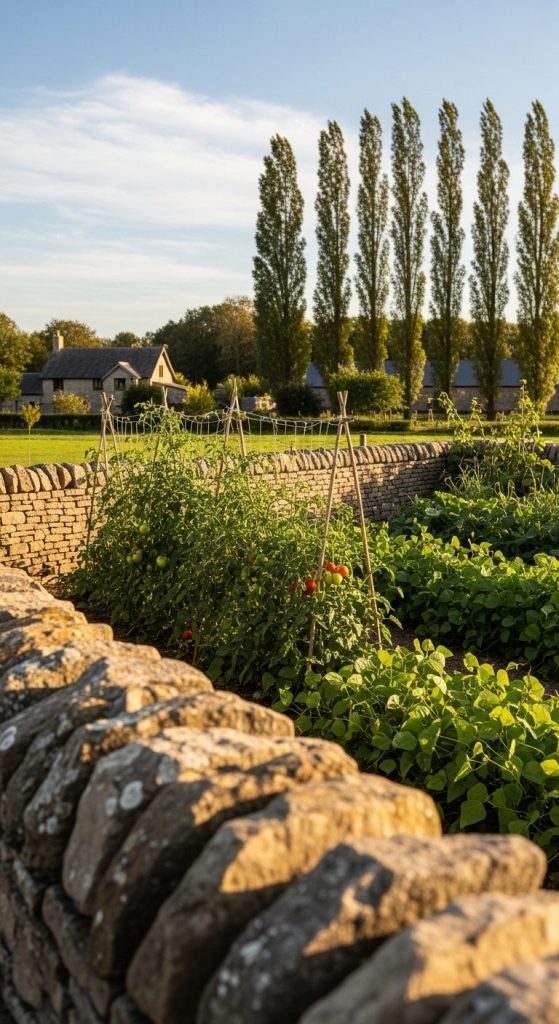
Placing the garden where structures block prevailing wind reduces stress on plants.
Agricultural research shows wind stress reduces growth rates even without visible damage.
Pros
- Healthier foliage
- Better pollination
- Reduced moisture loss
Cons
- Limited by yard layout
- Requires observation
Mini takeaway: Calm environments grow better food.
13. Dedicated Perennial Vegetable Zone
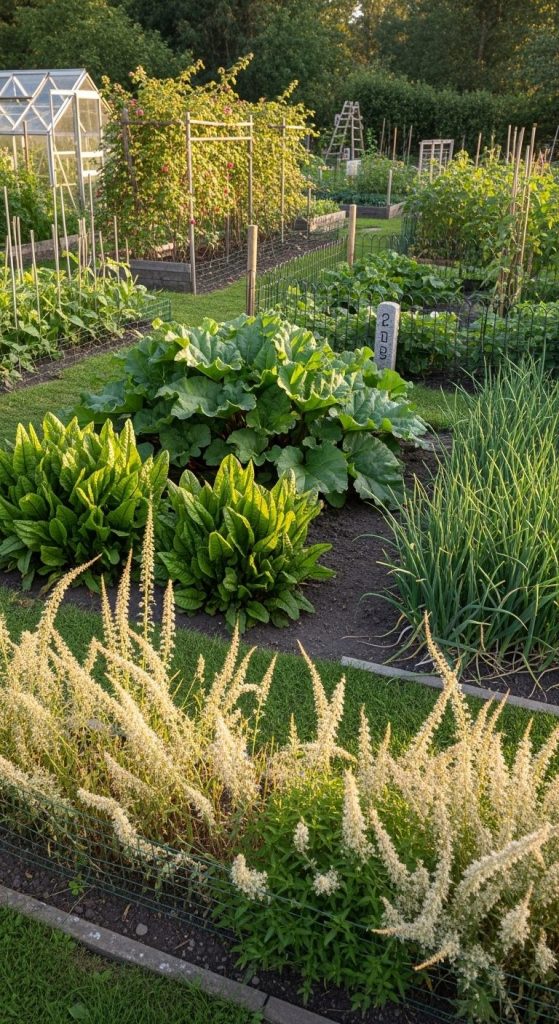
Asparagus, rhubarb, and perennial herbs deserve their own space. Mixing them into annual beds causes disruption later.
This zone simplifies long-term planning.
Pros
- Minimal yearly replanting
- Predictable harvests
- Cleaner bed management
Cons
- Takes up permanent space
- Slower initial payoff
Mini takeaway: Some crops reward patience generously.
14. Soil Testing-Based Bed Customization
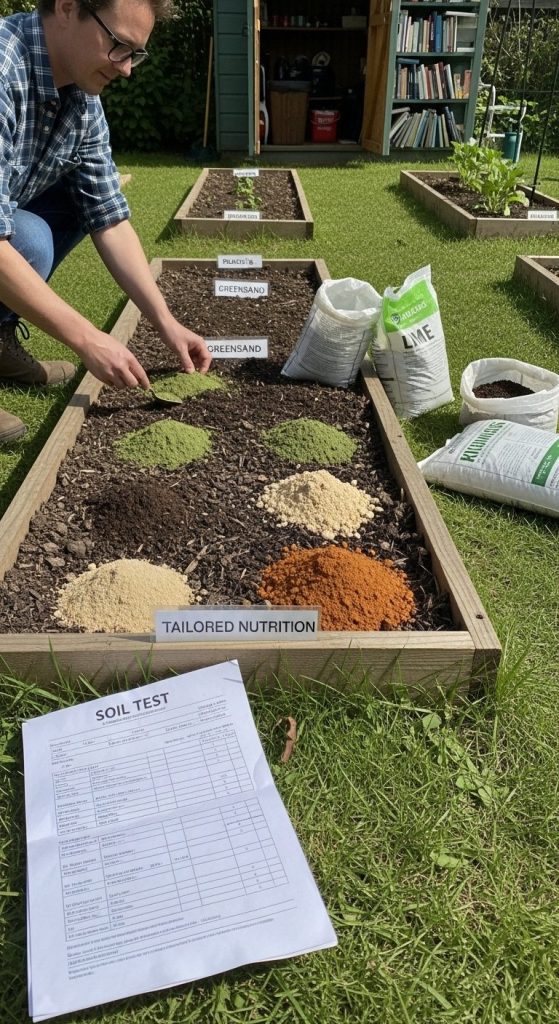
Testing soil before planting allows bed-specific amendments rather than guessing.
Extension offices report balanced soil improves yields more than fertilizers alone.
Pros
- Targeted nutrition
- Healthier plants
- Cost-effective amendments
Cons
- Requires testing effort
- Results interpretation needed
Mini takeaway: Guessing wastes time. Data doesn’t.
15. Centralized Garden Access Point
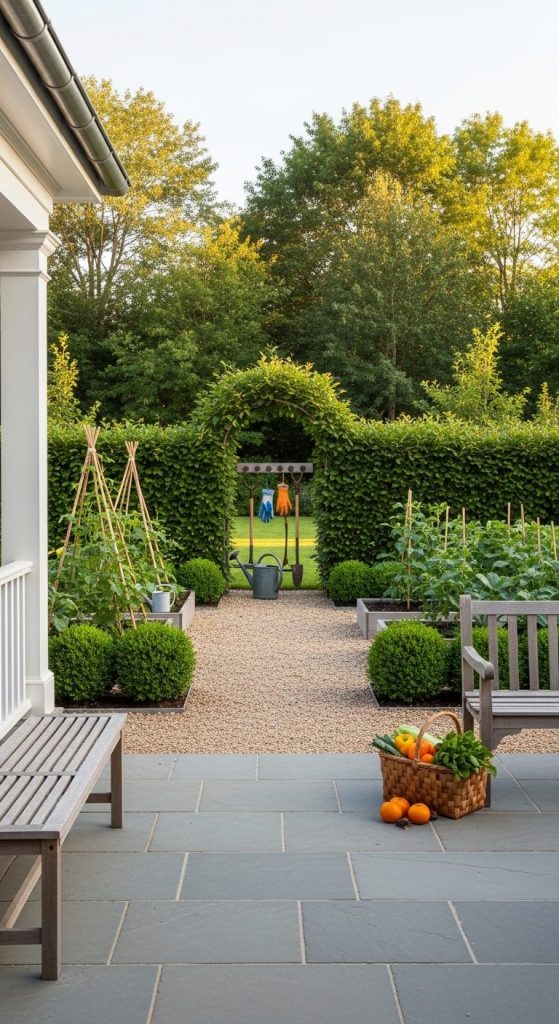
One main entry point keeps tools, harvest flow, and movement organized.
This small design tweak changes how the whole space feels.
Pros
- Efficient movement
- Cleaner workflow
- Easier daily checks
Cons
- Requires layout planning
- Limits access flexibility
Mini takeaway: Flow matters more than size.
Wrapping It All Together
Backyard vegetable gardens thrive when structure supports real life. The most successful ones don’t rely on constant effort or perfect timing. They rely on layouts that reduce friction. Once paths feel natural, watering feels simple, and harvesting feels easy, gardening becomes something you look forward to instead of squeezing in.
What I love most is how these ideas build on each other. Start small. Fix one frustration. Improve one bed. Suddenly the whole space feels calmer. More generous. More forgiving.
And honestly, that feeling of stepping outside knowing the garden works? That’s the reward that keeps people growing season after season.

William Martin is a passionate bowler who spends most of his weekends playing the sport. With years of intense experience under his belt, William decided to share his knowledge by creating BOWLING OCEAN. Join me on this journey to explore the world of bowling and discover the tips and tricks to becoming a pro.