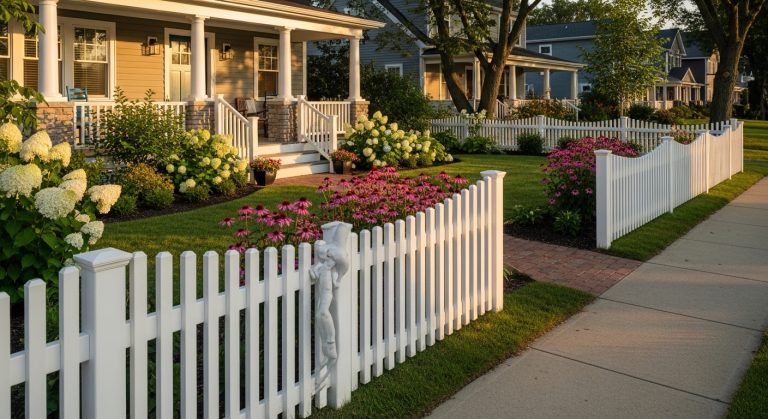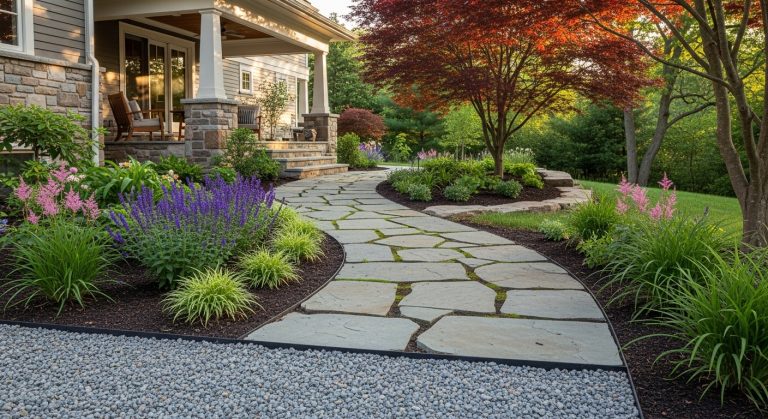
15 Front Yard Landscaping Ideas for Stunning Curb Appeal
Front yards quietly shape first impressions. You can have the nicest interior in the world, but if the front looks dull, people never expect what’s inside. I learned this the hard way when I moved into a house with a plain, patchy lawn and zero character. After a few simple changes, neighbors started stopping to chat. Delivery drivers slowed down. Even I felt different pulling into the driveway.
That’s the power of thoughtful front yard landscaping. It doesn’t require a giant budget or a landscape architect. It requires smart structure, intentional planting, and features that guide the eye. Let’s talk about upgrades that feel achievable, look polished, and add real value.
1. Defined Walkway With Contrasting Edges
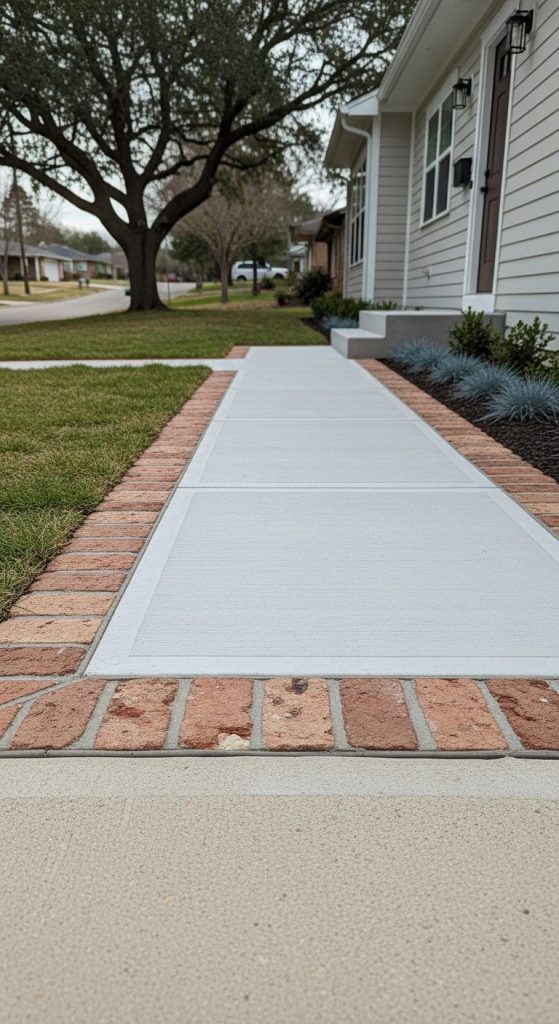
A clear walkway instantly organizes a front yard. It guides visitors from the street to the door without confusion.
Contrast matters here. Brick borders around concrete or stone paths create visual separation and structure.
Pros
- Creates a strong visual guide
- Boosts curb appeal instantly
- Easy DIY with pavers or edging
Cons
- Requires careful leveling
- Material costs add up
Mini takeaway: A defined path acts like a runway for your home.
2. Layered Planting Beds With Height Variation
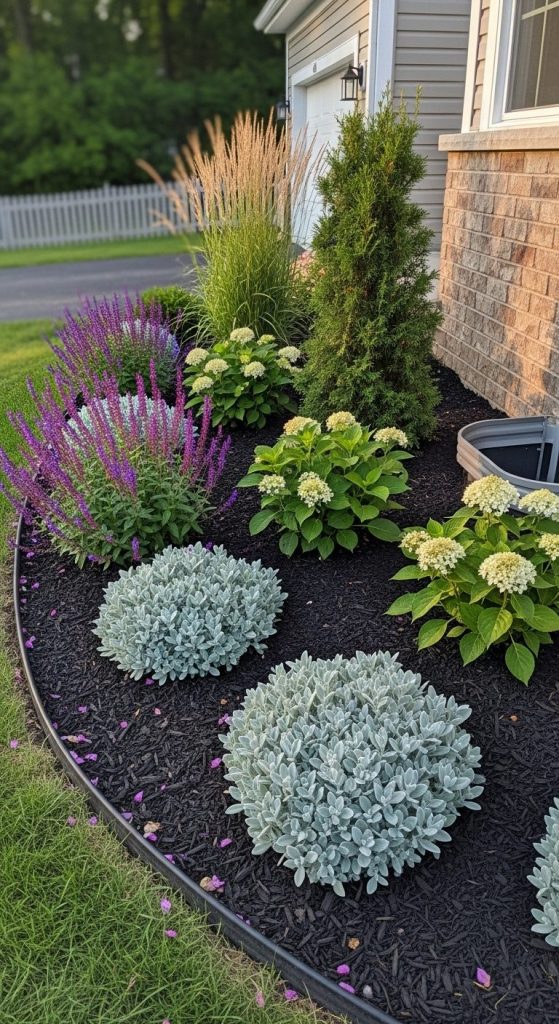
Flat beds feel boring. Layered beds add depth and drama using low plants in front, medium shrubs in the middle, and taller plants at the back.
This technique works in small and large yards alike.
Pros
- Adds depth and dimension
- Makes the yard look professionally designed
- Easy to update seasonally
Cons
- Requires planning plant sizes
- Ongoing pruning needed
Mini takeaway: Height layers create a magazine-style look without huge effort.
3. Low Border Hedge Along the Lawn Edge
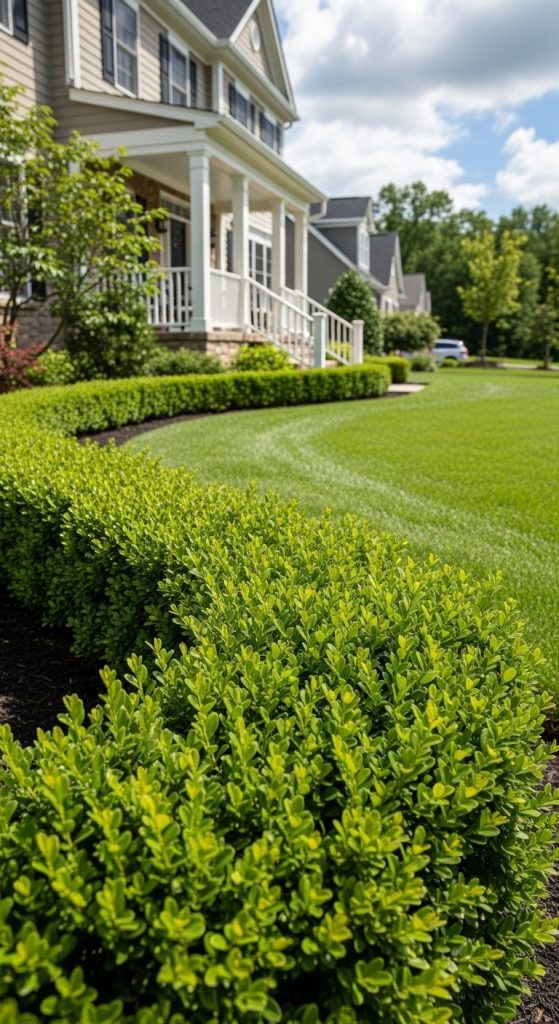
A low hedge frames the lawn and keeps everything tidy. Boxwood, dwarf privet, or similar shrubs work well.
It gives the yard a clean, structured look.
Pros
- Defines boundaries clearly
- Adds year-round greenery
- Easy to trim into shape
Cons
- Needs regular trimming
- Takes time to grow
Mini takeaway: Borders make landscapes feel intentional, not accidental.
4. Mulched Garden Beds With Crisp Edging
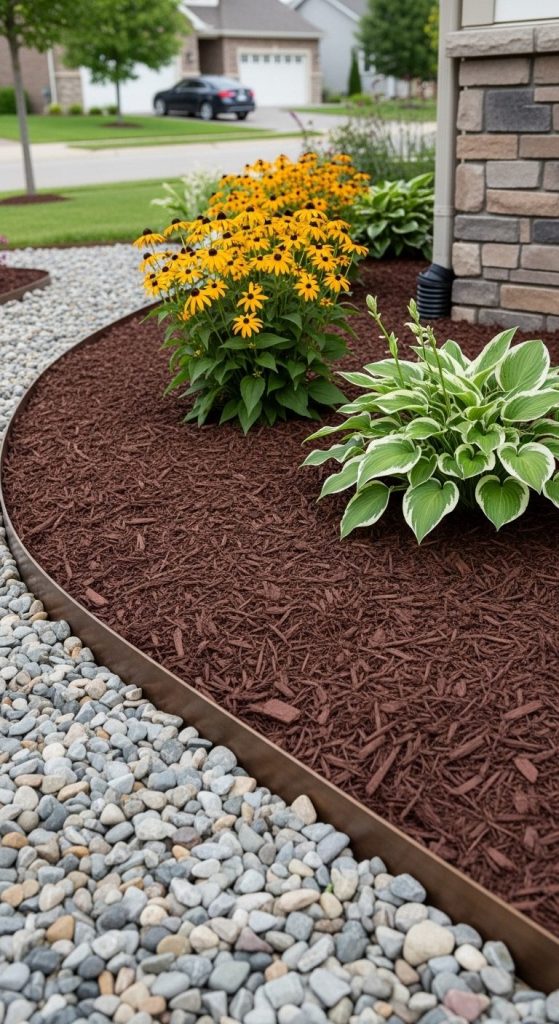
Mulch changes everything. It makes beds look clean, keeps weeds down, and improves soil health.
Use metal, stone, or brick edging for sharp lines.
Pros
- Reduces weeds and moisture loss
- Makes plants stand out visually
- Budget-friendly upgrade
Cons
- Needs refreshing every year
- Edging installation takes effort
Mini takeaway: Mulch plus edging equals instant visual polish.
Fact: According to the U.S. Department of Agriculture, mulch can reduce soil evaporation by up to 70%.
5. Feature Tree as a Front Yard Focal Point
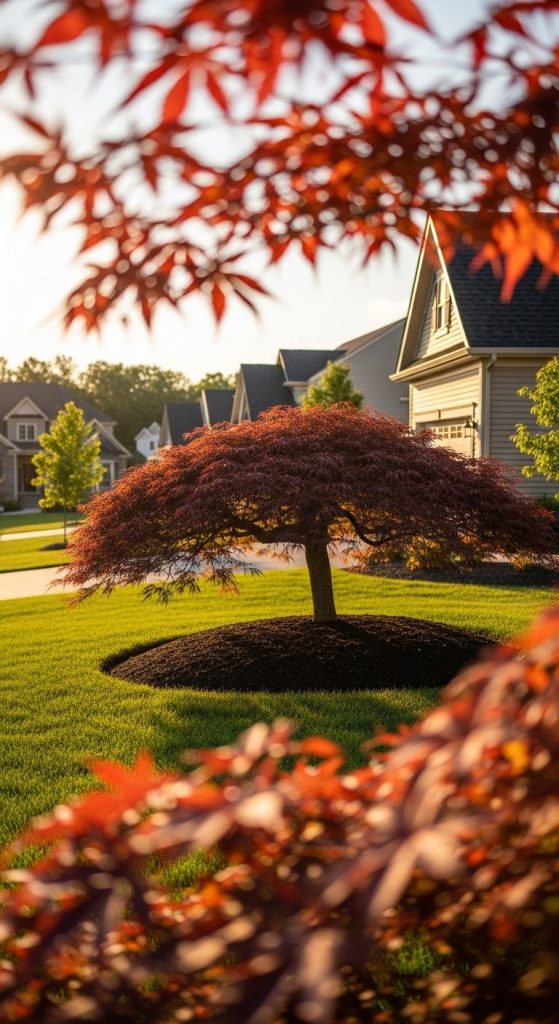
A single feature tree draws the eye and anchors the design. Think Japanese maple, ornamental cherry, or dwarf magnolia.
Placement matters. Center it or align it with architectural features.
Pros
- Adds height and focal interest
- Increases property value
- Provides shade and seasonal color
Cons
- Takes years to mature
- Needs space planning
Mini takeaway: One great tree beats ten random shrubs.
6. Symmetrical Planting Around the Entrance
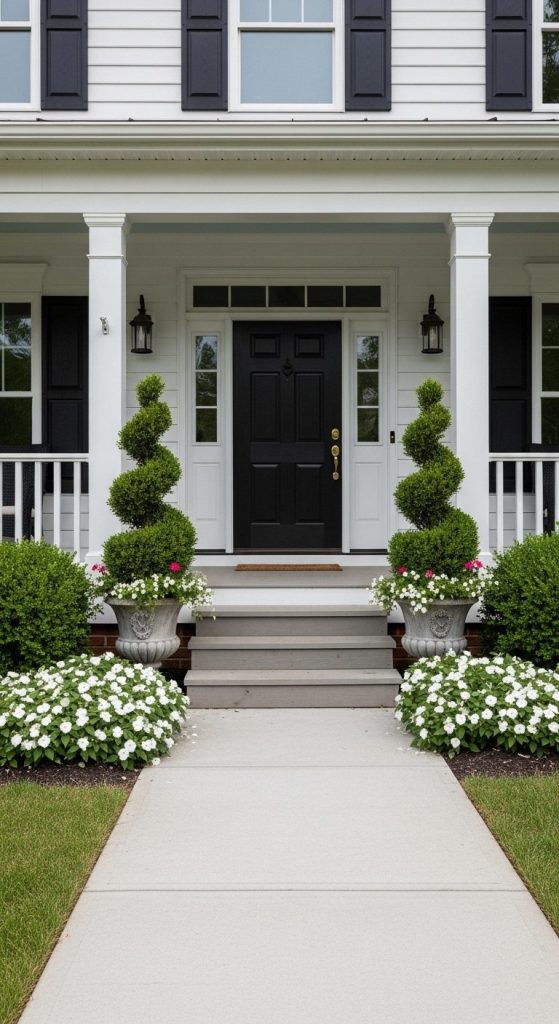
Symmetry feels classic and balanced. Matching shrubs or beds on both sides of the entry path create harmony.
This approach works especially well with traditional homes.
Pros
- Makes the home look organized
- Easy design rule to follow
- Timeless curb appeal
Cons
- Less flexible for creative layouts
- Requires consistent maintenance
Mini takeaway: Symmetry quietly signals care and quality.
7. Rock or Gravel Accent Zones
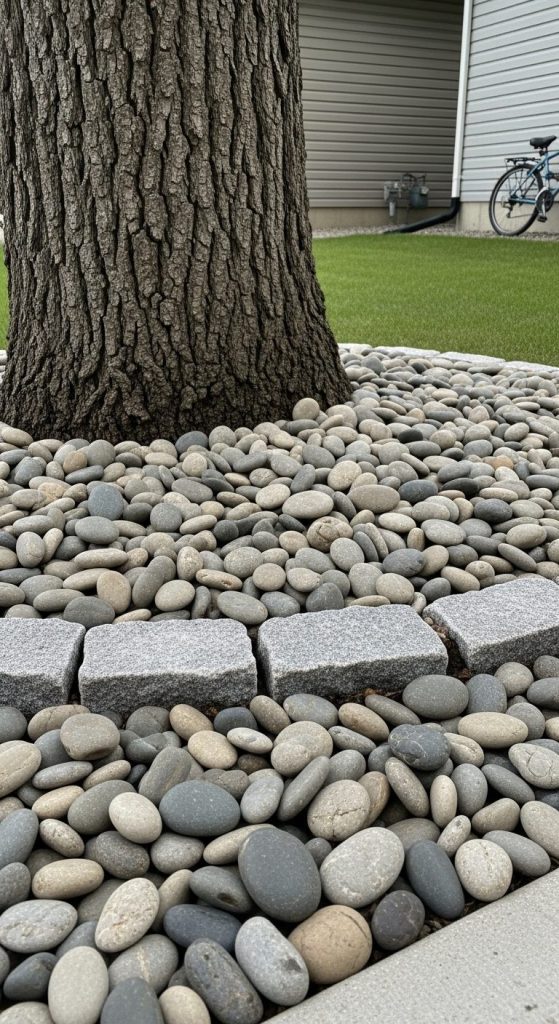
Gravel zones reduce maintenance and add texture. Use them under trees or in narrow side strips where grass struggles.
Choose neutral stone colors for a clean look.
Pros
- Low maintenance
- Great for drainage
- Modern aesthetic
Cons
- Weeds can appear without fabric
- Stones can scatter
Mini takeaway: Gravel fixes awkward spots where grass never thrives.
8. Native Plant Landscaping for Low Maintenance
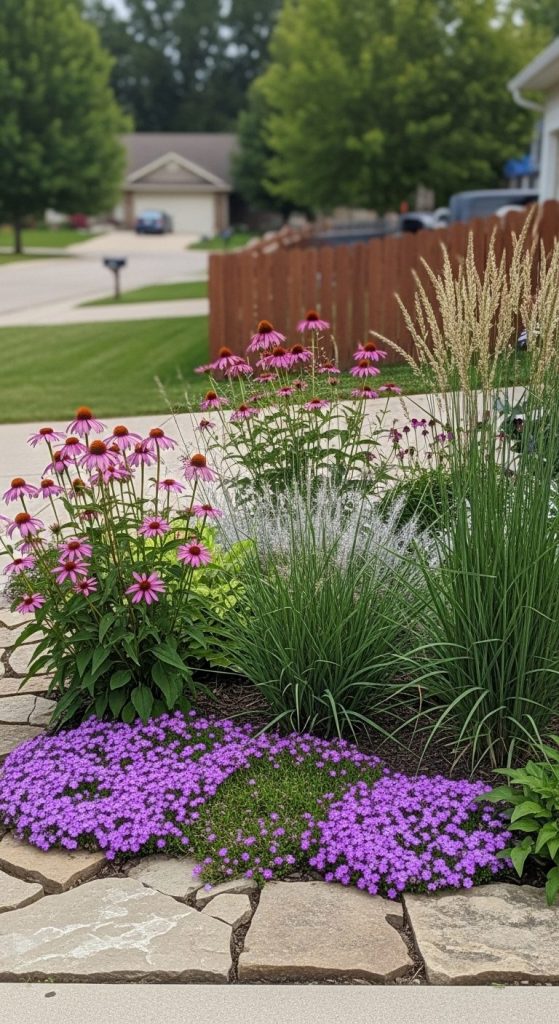
Native plants thrive in local climates with less water and care. They also attract birds and pollinators.
They look natural yet intentional when grouped properly.
Pros
- Low water and maintenance
- Supports local wildlife
- Cost-effective long term
Cons
- Limited aesthetic options in some regions
- Requires research
Mini takeaway: Native plants save time and water without sacrificing beauty.
Fact: The EPA states native plants can reduce irrigation needs by up to 50% once established.
9. Defined Lawn Shape Instead of Random Grass
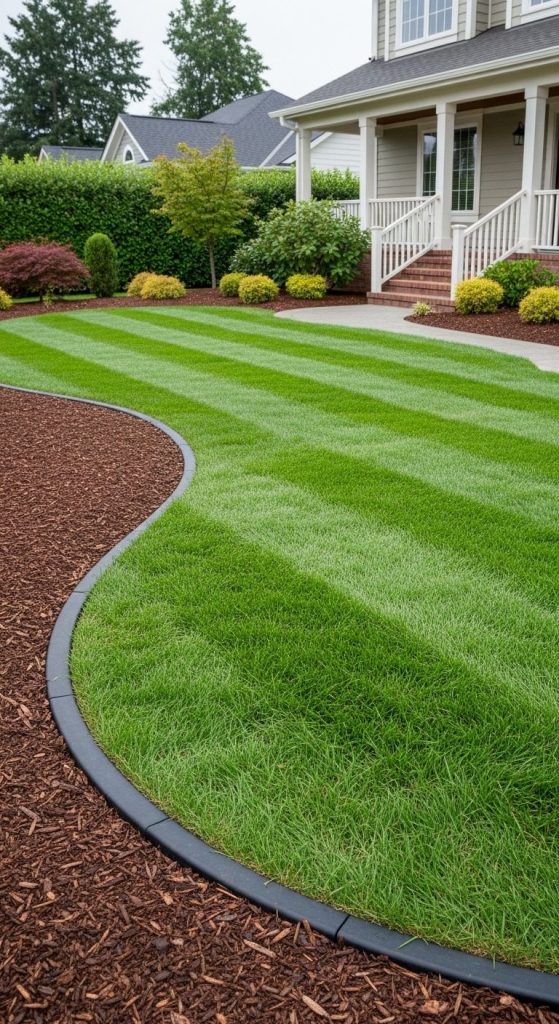
Shaping the lawn area matters. Use curved or geometric edges to give the grass a deliberate footprint.
This turns lawn into a design feature.
Pros
- Adds visual interest
- Makes mowing easier
- Highlights planting beds
Cons
- Requires precise edging
- Less flexible for future changes
Mini takeaway: Shape your lawn like a design element, not leftover space.
10. Stone or Brick Retaining Edges on Slopes
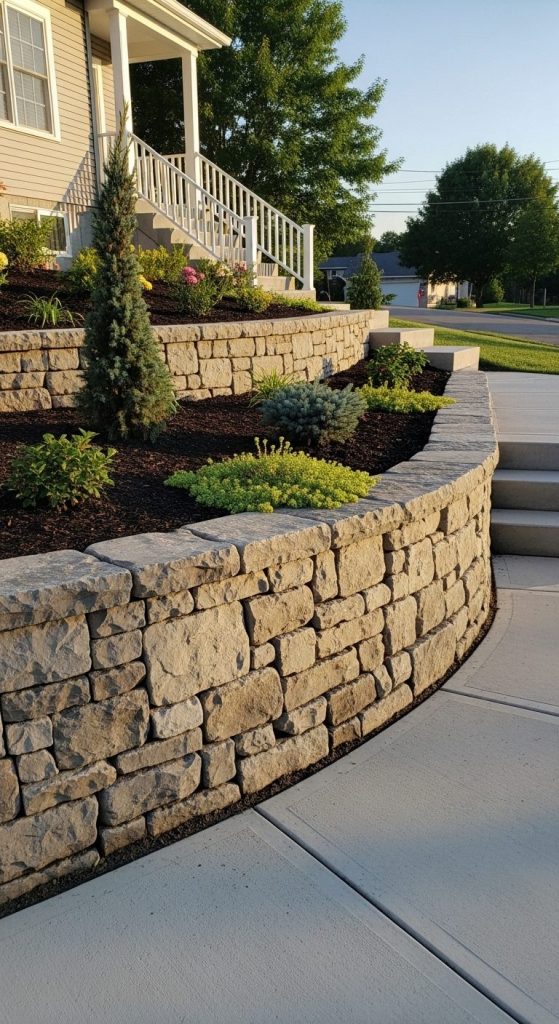
If your front yard slopes, retaining edges help manage soil and create tiered beds.
They also prevent erosion and improve usability.
Pros
- Stabilizes soil
- Creates terraced planting zones
- Adds architectural appeal
Cons
- Labor-intensive
- Material costs
Mini takeaway: Terracing turns awkward slopes into design opportunities.
11. Formal Garden Borders Along Property Lines
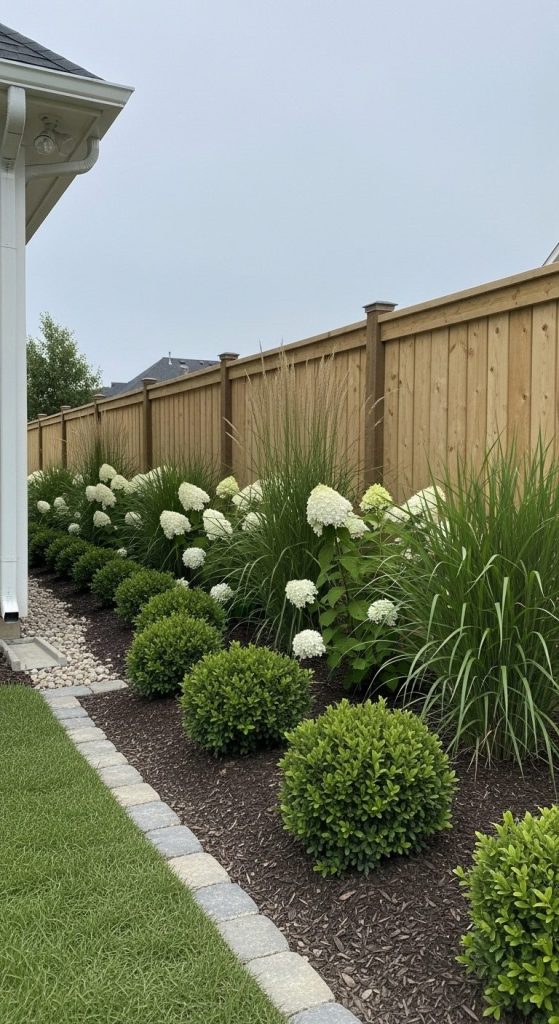
Border gardens soften fences and property edges. Use shrubs, perennials, or ornamental grasses.
This frames the property and improves privacy.
Pros
- Defines boundaries naturally
- Adds greenery without blocking views
- Enhances curb appeal
Cons
- Requires regular pruning
- Takes time to fill in
Mini takeaway: Borders make the property feel finished and established.
12. Mixed Hardscape and Softscape Zones
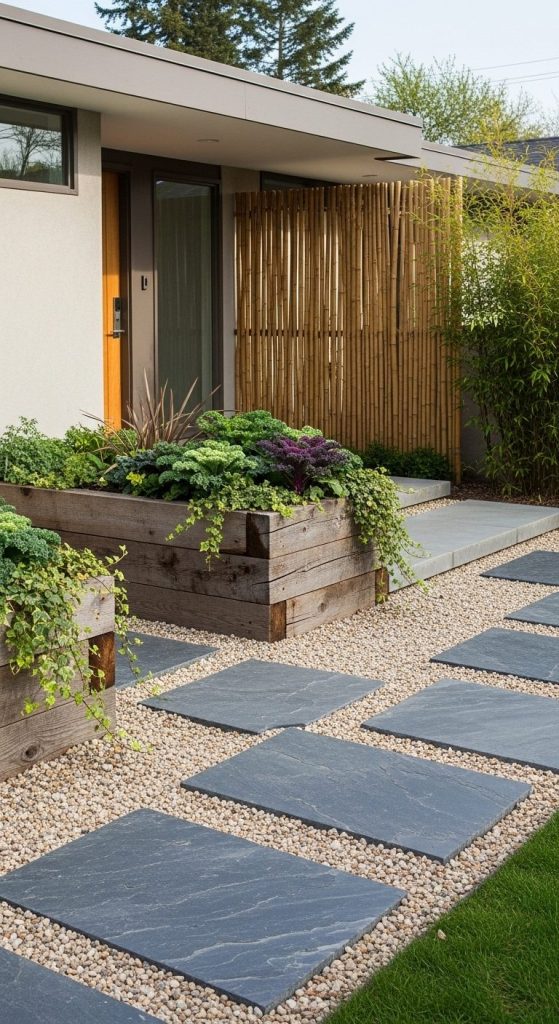
Combining stone, gravel, and planting beds creates balance. Too much grass feels dull. Too much stone feels harsh.
Mixing textures feels modern and thoughtful.
Pros
- Visual contrast and depth
- Reduces maintenance areas
- Adds structure
Cons
- Planning required
- Installation time
Mini takeaway: Balance hard and soft elements for a professional look.
Fact: Landscape design studies show mixed hardscape and softscape layouts increase perceived property value.
13. Curved Bed Lines Instead of Straight Rows
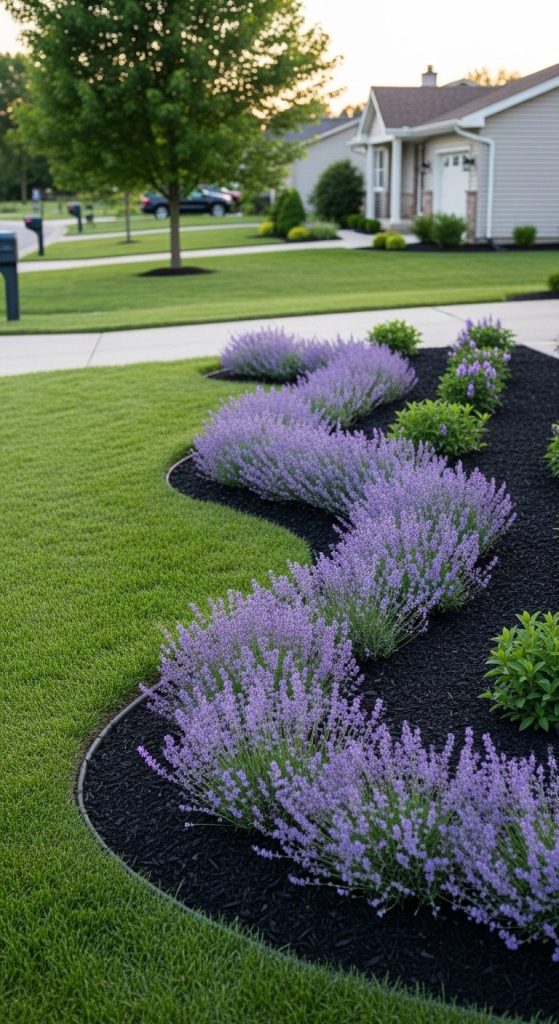
Curves feel natural and organic. They soften the yard and guide the eye smoothly.
Use a garden hose to plan curves before digging.
Pros
- Creates a flowing design
- Looks high-end and natural
- Easy to implement
Cons
- Harder to mow around
- Requires precise edging
Mini takeaway: Curves add movement and elegance.
14. Permeable Driveway Borders With Planting Strips
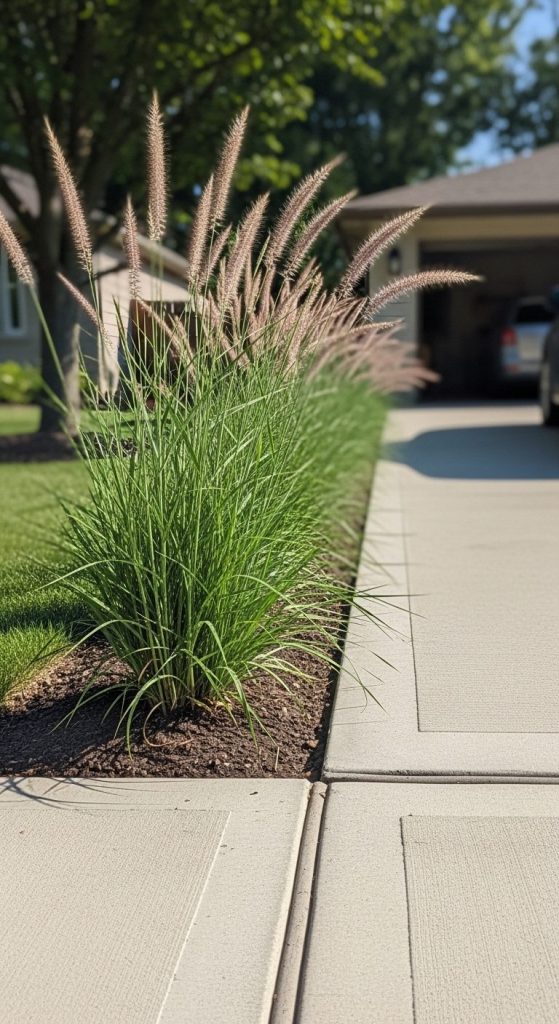
Planting strips along driveways soften hard concrete and reduce heat buildup.
Use low shrubs or grasses that tolerate heat.
Pros
- Reduces heat reflection
- Adds greenery to hard areas
- Improves drainage
Cons
- Plants face heat stress
- Requires irrigation planning
Mini takeaway: Green driveway edges feel modern and eco-friendly.
15. Minimalist Front Yard Design With Limited Plant Palette
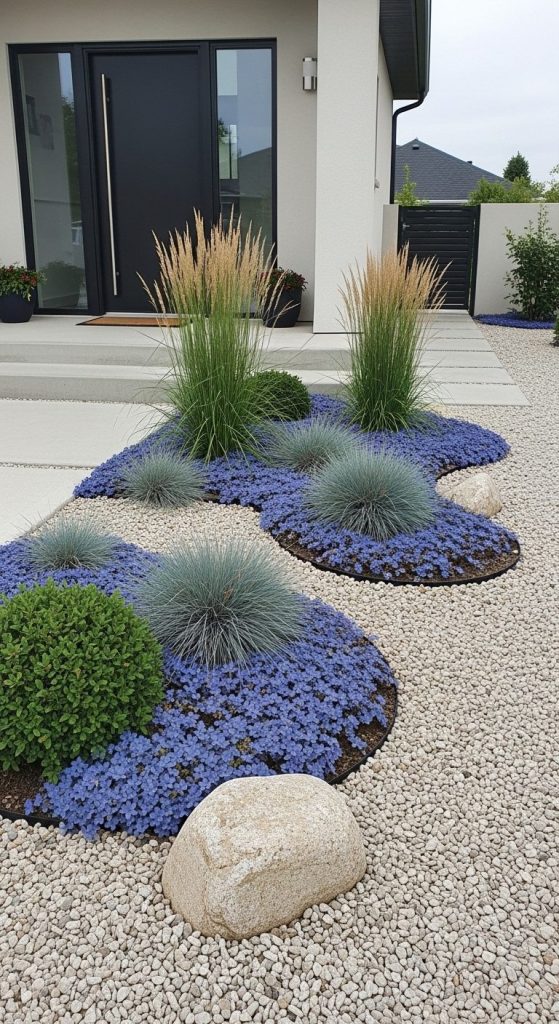
Limiting plant types creates a cohesive look. Choose 3–5 species and repeat them across the yard.
This reduces clutter and maintenance.
Pros
- Clean, modern aesthetic
- Easier maintenance
- Strong visual identity
Cons
- Less botanical variety
- Requires planning
Mini takeaway: Fewer plant types often look more intentional and upscale.
Fact: Landscape architects often recommend limited plant palettes to improve visual cohesion and reduce upkeep.
CONCLUSION
Front yards carry quiet power. They introduce your home before anyone rings the bell. Thoughtful front yard landscaping blends structure, greenery, and intentional shapes to create a welcoming scene that feels cared for.
I love how small upgrades—like layered beds or a defined walkway—change the entire vibe. You don’t need everything at once. Pick one idea that fits your space and start there. Even a single upgrade can transform how your home feels from the street.

William Martin is a passionate bowler who spends most of his weekends playing the sport. With years of intense experience under his belt, William decided to share his knowledge by creating BOWLING OCEAN. Join me on this journey to explore the world of bowling and discover the tips and tricks to becoming a pro.