15 Front Yard Fence Ideas for Stylish Curb Appeal
A front yard fence says more about a home than most people realize. It whispers “welcome,” or it quietly says “keep walking.” I noticed this when I replaced a flimsy wire fence with a clean wood panel design. Neighbors waved more. The house looked intentional. Even the street felt calmer.
A smart front yard fence does three things at once. It defines space, boosts curb appeal, and adds a layer of security. You don’t need an estate-sized budget or a contractor crew. You need the right features and designs that feel practical, stylish, and doable.
Let’s walk through fence upgrades and design approaches that actually work in real neighborhoods.
1. Low Picket Fence With Uniform Spacing
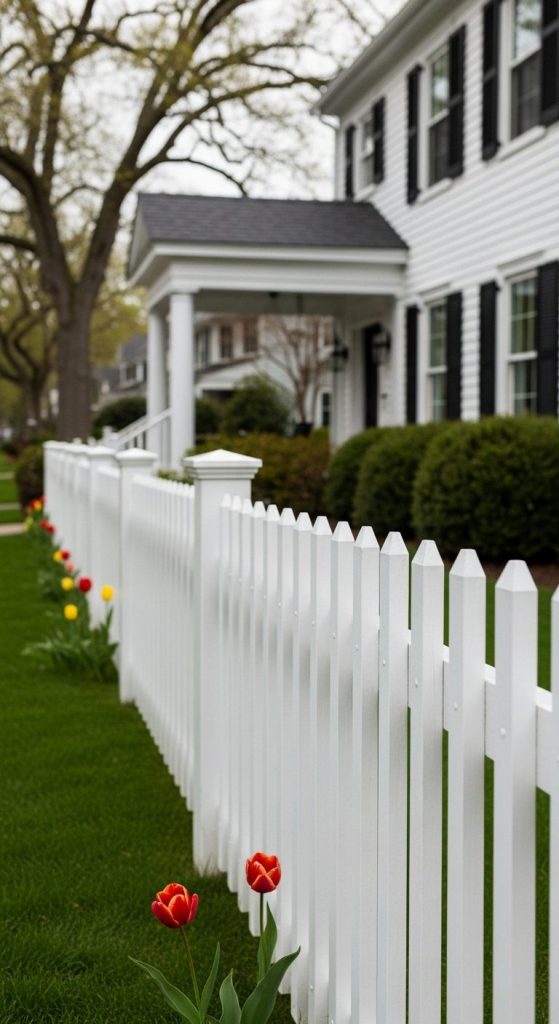
Classic picket fences never fade. Uniform spacing between pickets creates rhythm and visual order.
This style works well for cottages, suburban homes, and traditional architecture.
Pros
- Instantly boosts charm and curb appeal
- Keeps the yard visually open
- Easy to repair by replacing single boards
Cons
- Requires periodic painting or staining
- Offers limited privacy
Mini takeaway: Pickets feel friendly and timeless, especially for family homes.
2. Horizontal Slat Wood Fence
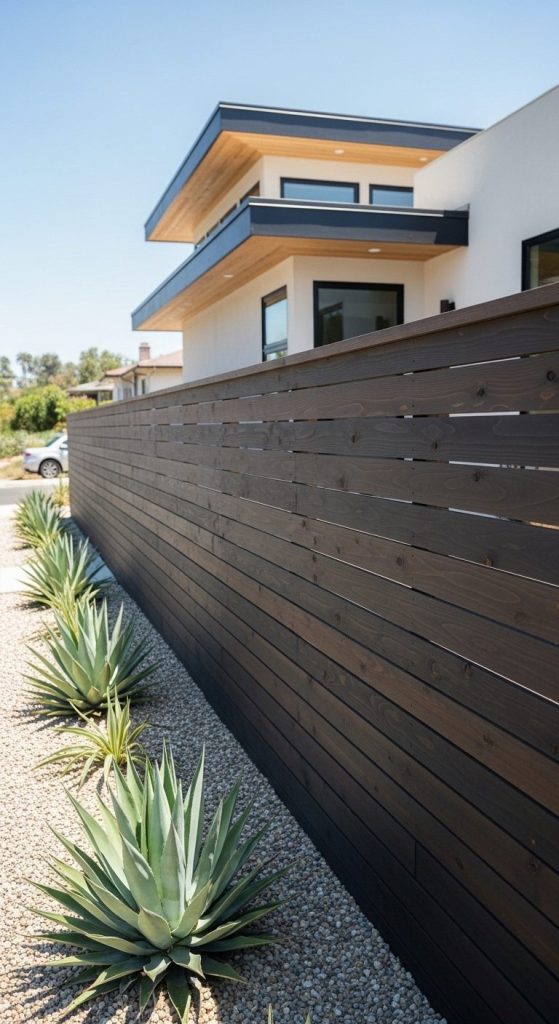
Horizontal slats feel modern and structured. This design stretches the yard visually and makes the frontage look wider.
It works well for contemporary homes and minimalist landscaping.
Pros
- Clean and modern look
- Makes small yards appear wider
- Customizable spacing for privacy
Cons
- Higher material and labor cost
- Wood needs regular sealing
Mini takeaway: Horizontal lines trick the eye into seeing more space.
3. Metal Fence With Powder-Coated Finish
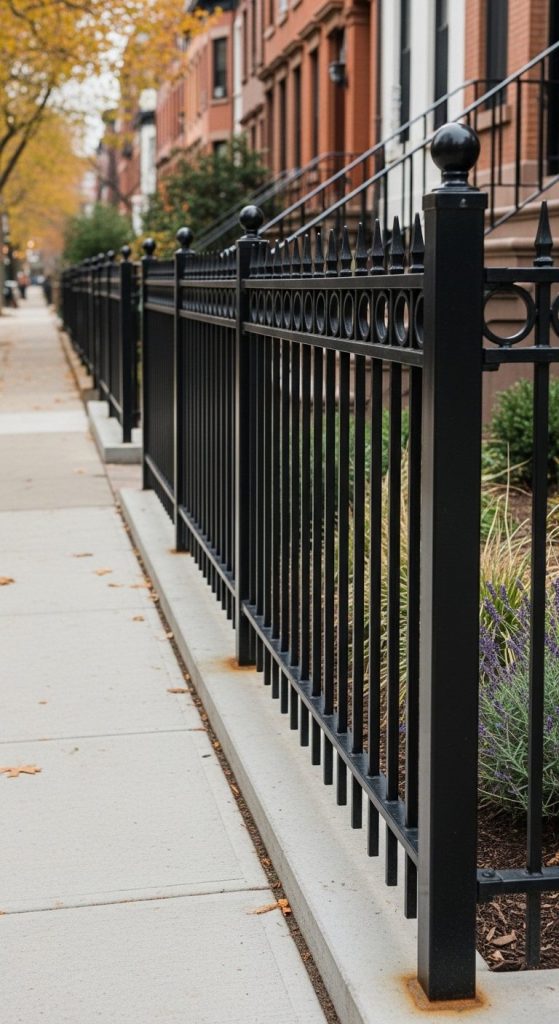
Metal fences offer durability and clean lines. Powder coating resists rust and fading.
This style fits modern and urban properties.
Pros
- Long-lasting and low maintenance
- Strong security feature
- Sleek visual appeal
Cons
- Higher upfront cost
- Professional installation often required
Mini takeaway: Metal fences balance security and style effortlessly.
Fact: According to fencing industry reports, powder-coated steel fences can last 20+ years with minimal maintenance.
4. Mixed Material Fence (Wood and Metal)
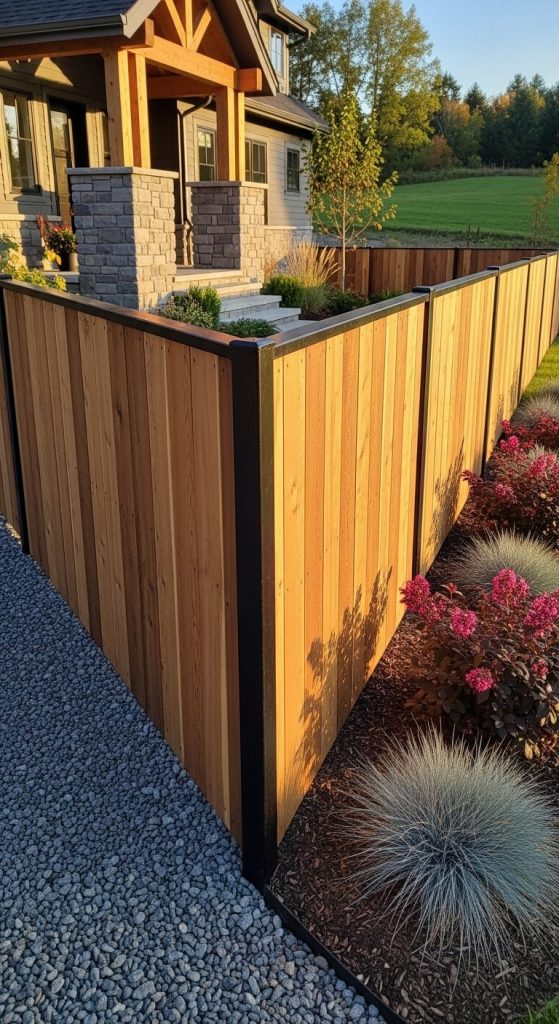
Mixing wood panels with metal frames adds contrast and structure. It feels custom-built and upscale.
This approach works well for modern and transitional homes.
Pros
- High-end visual contrast
- Strong structural integrity
- Flexible design options
Cons
- More complex to build
- Higher material cost
Mini takeaway: Mixed materials elevate a fence from basic to architectural.
5. Short Garden Border Fence
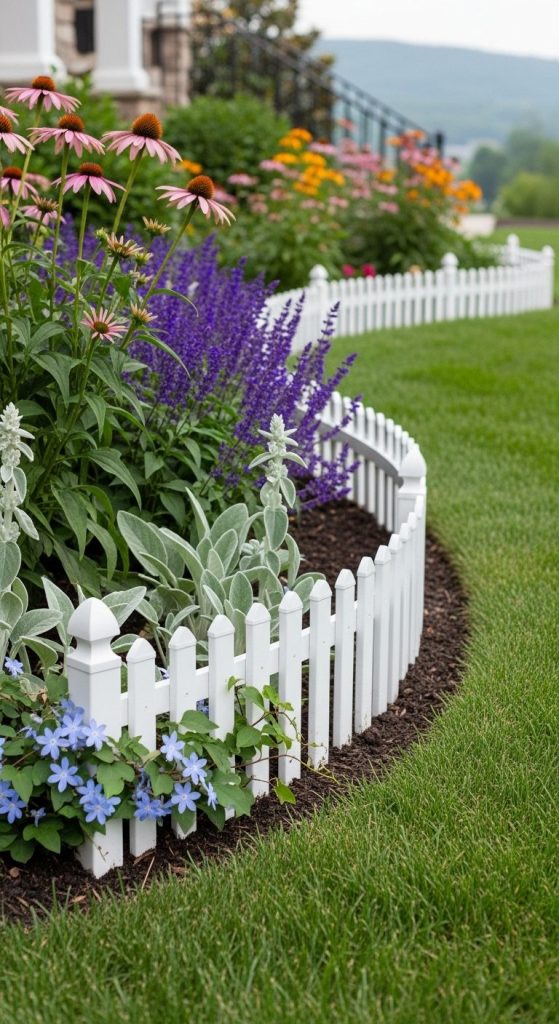
Low border fences define garden beds and lawn edges. They guide the eye and keep planting areas tidy.
These fences often use wood, metal, or PVC.
Pros
- Clear visual boundaries
- Easy DIY installation
- Enhances landscaping structure
Cons
- Minimal security function
- Can shift without proper anchoring
Mini takeaway: Border fences make front yards look curated, not chaotic.
6. Tall Privacy Panel Fence With Partial Gaps
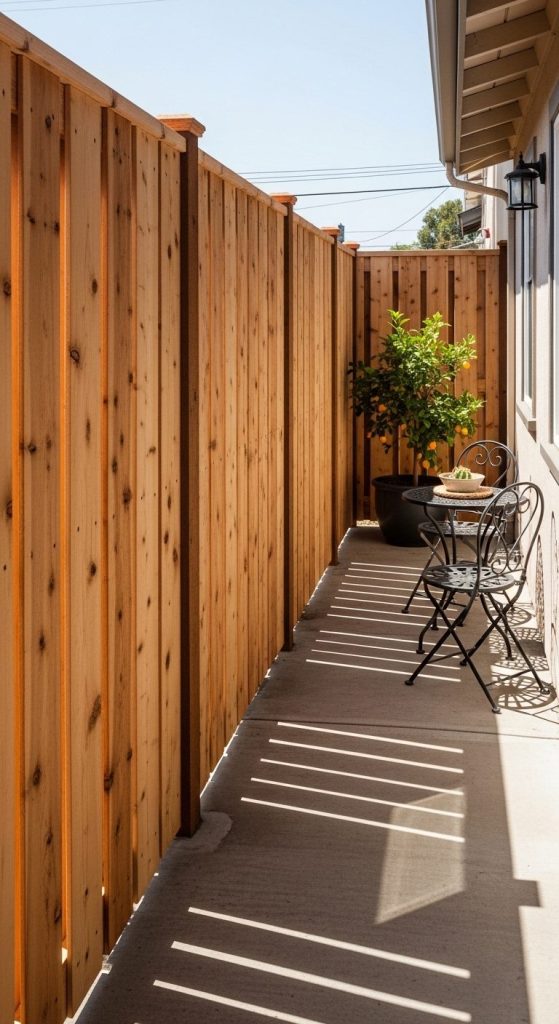
Privacy panels with small gaps balance seclusion and airflow. They block direct views while letting light pass through.
This design suits urban streets and busy neighborhoods.
Pros
- Strong privacy without full enclosure
- Good airflow and light
- Modern appearance
Cons
- Material cost
- Requires precise installation
Mini takeaway: Partial gaps prevent a boxed-in feeling.
7. Lattice-Top Fence Panels
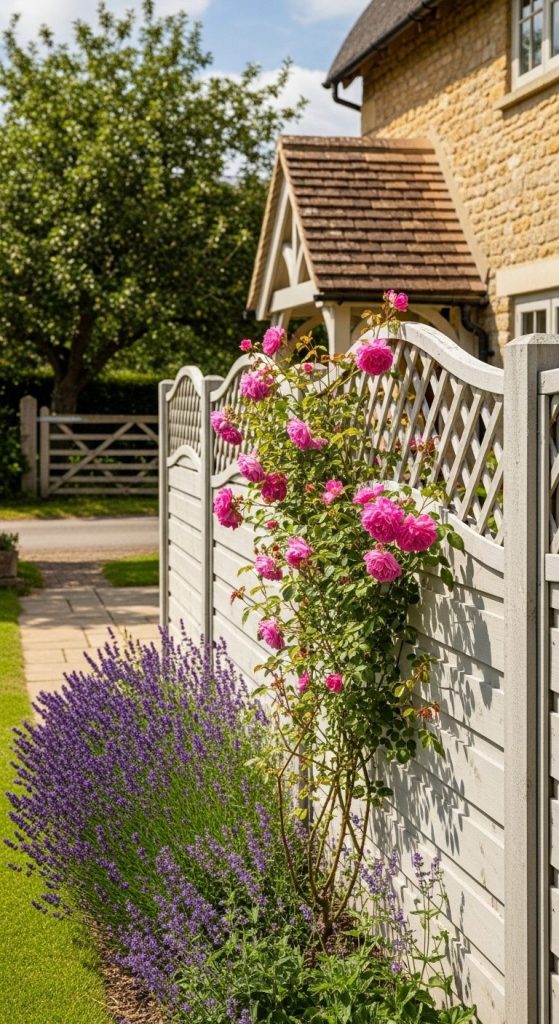
A lattice top softens a solid fence. It adds visual interest and allows climbing plants to grow naturally.
This style blends well with cottage and garden-style homes.
Pros
- Decorative and functional
- Allows light and airflow
- Supports climbing plants
Cons
- More maintenance
- Lattice can break under stress
Mini takeaway: Lattice details add character without heavy cost.
Fact: Garden design experts recommend lattice structures for vertical plant training in small yards.
8. Concrete Base With Fence Panels
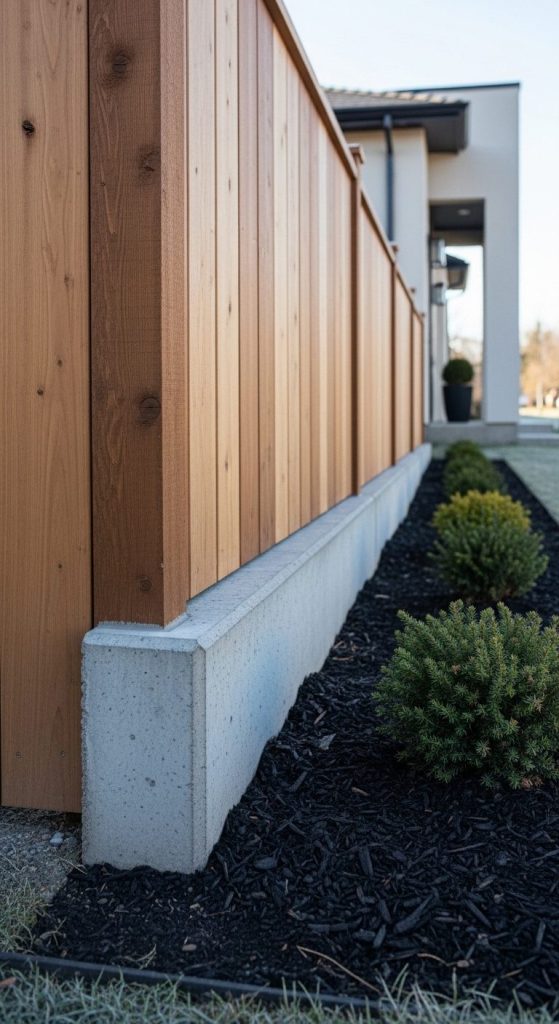
A concrete base stabilizes fence posts and prevents soil contact. It also adds a polished, permanent look.
This works well in modern and high-traffic areas.
Pros
- Prevents wood rot
- Strong structural support
- Clean architectural finish
Cons
- Labor-intensive
- Higher installation cost
Mini takeaway: Concrete bases extend fence lifespan significantly.
9. Curved Fence Layout Following Landscape Lines
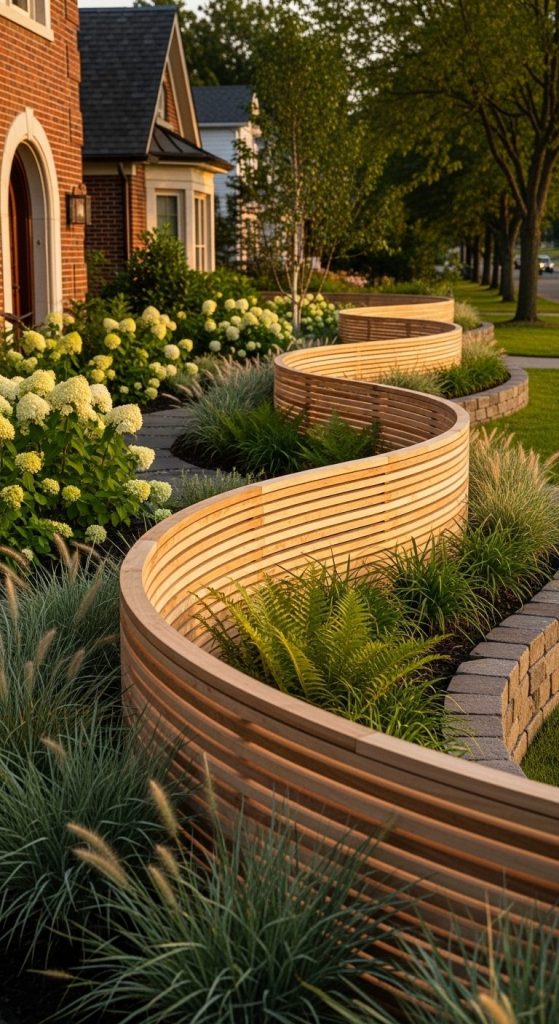
Curved fences follow garden beds and walkways. They soften the front yard and create natural flow.
This approach works beautifully with landscaped gardens.
Pros
- Organic and elegant appearance
- Highlights landscaping curves
- Unique curb appeal
Cons
- More complex installation
- Requires custom measurements
Mini takeaway: Curves feel high-end and intentional.
10. Minimalist Wire and Post Fence
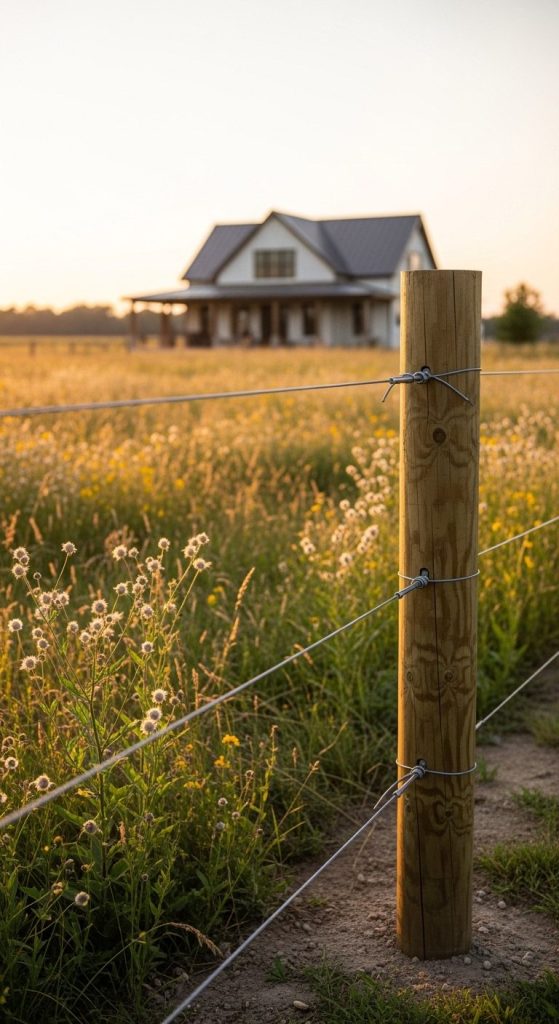
Wire and post fences feel light and modern. They define boundaries without blocking views.
This style suits rural and modern properties.
Pros
- Budget-friendly
- Quick installation
- Keeps views open
Cons
- Limited privacy
- Less formal appearance
Mini takeaway: Simple fences still define space effectively.
Fact: Property surveys show boundary fences increase perceived property value by clearly defining land ownership.
11. Painted Fence With Neutral Color Palette
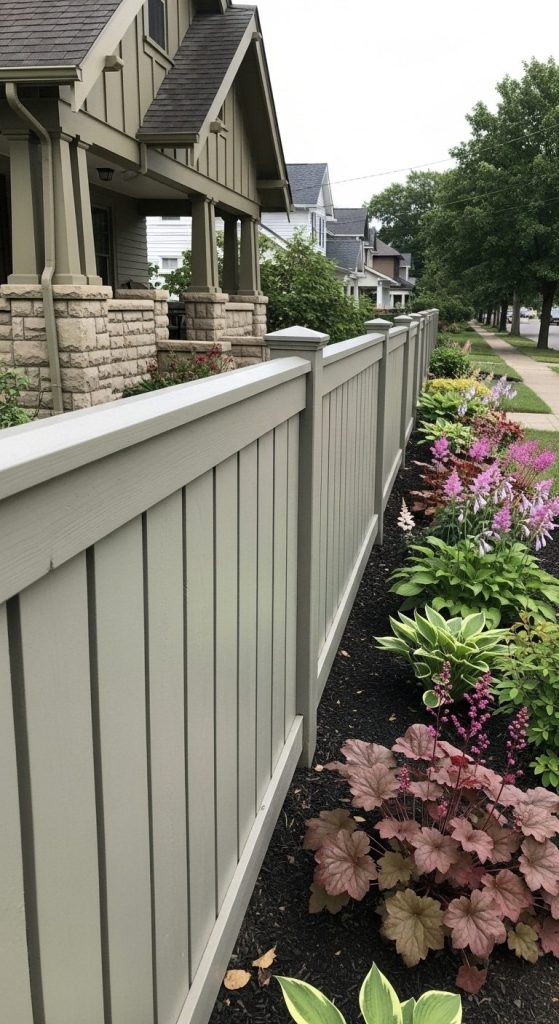
Neutral colors like white, charcoal, or sage green elevate curb appeal. They blend with landscaping and architecture.
Painted fences also protect wood from weather damage.
Pros
- Enhances visual cohesion
- Protects materials
- Easy to refresh
Cons
- Requires repainting every few years
- Prep work takes time
Mini takeaway: Color choice shapes the entire front yard mood.
12. Gate Integrated Into Fence Line
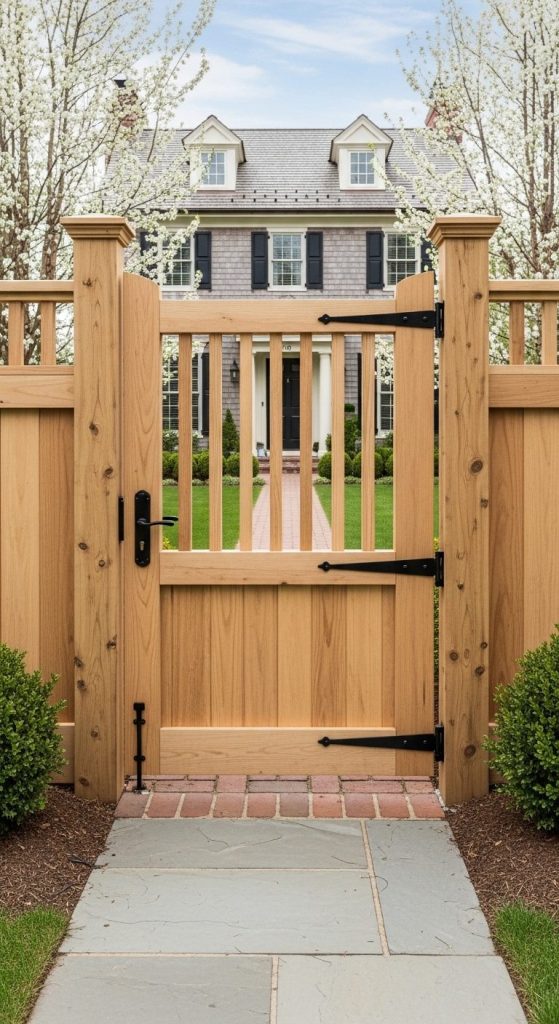
A gate aligned with the walkway adds symmetry and functionality. It also creates a focal entry point.
Choose matching materials for a seamless look.
Pros
- Functional access point
- Visual centerpiece
- Improves security
Cons
- Hardware adds cost
- Needs alignment and leveling
Mini takeaway: A centered gate makes the fence feel purposeful.
13. Transparent Panel Fence (Glass or Acrylic)
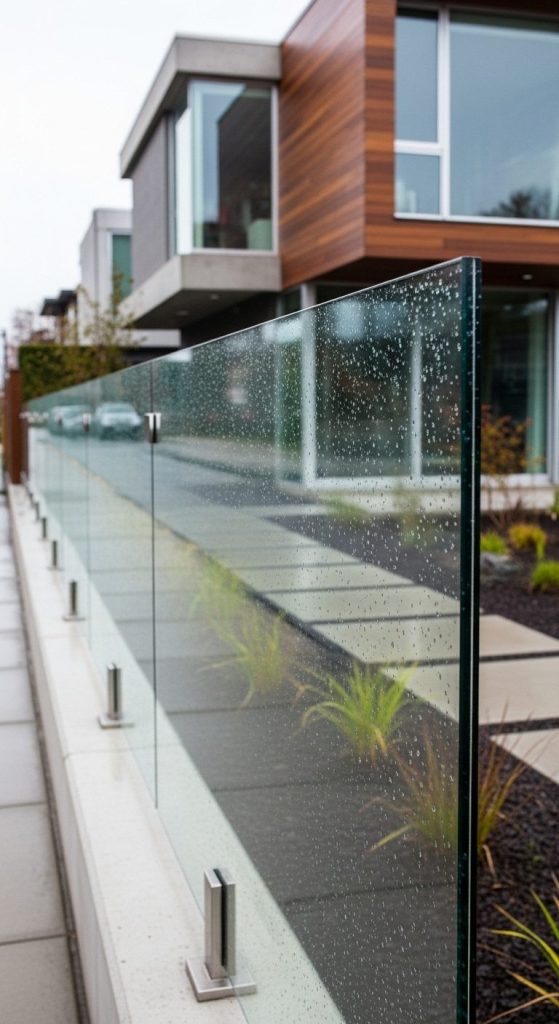
Transparent panels maintain visibility while adding a modern barrier. They work well in contemporary homes.
Use tempered glass or acrylic for safety.
Pros
- Keeps views unobstructed
- Modern and high-end look
- Wind protection
Cons
- High cost
- Needs frequent cleaning
Mini takeaway: Transparency keeps the yard open yet defined.
Fact: Architectural design trends increasingly use glass fencing for visibility and wind control in urban settings.
14. Tiered Fence for Sloped Front Yards
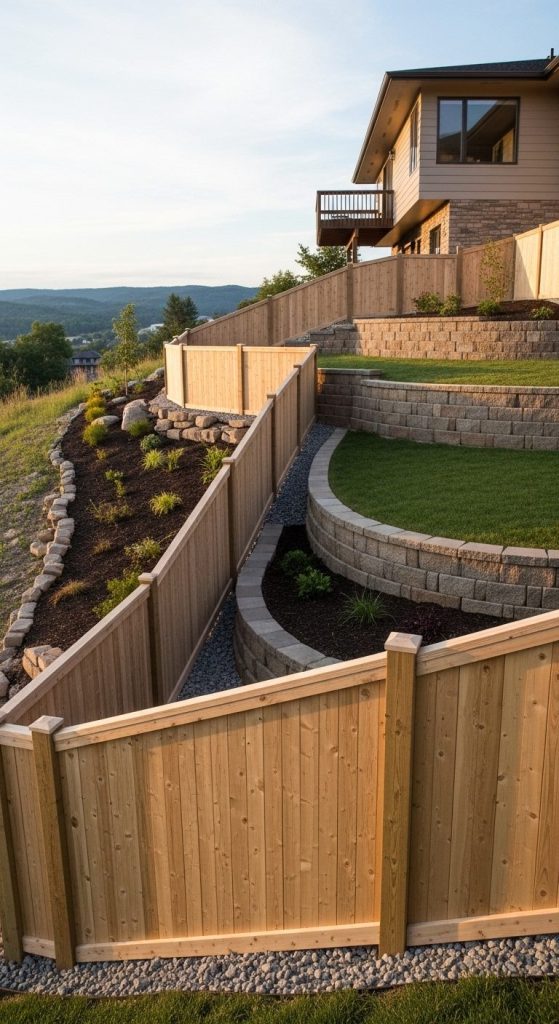
Tiered fences follow slopes with stepped sections. They maintain consistent height and alignment.
This design prevents awkward gaps.
Pros
- Works on uneven terrain
- Maintains visual consistency
- Reduces soil gaps
Cons
- Complex layout
- Higher installation effort
Mini takeaway: Tiering solves slope problems without compromising style.
15. Low Stone or Brick Fence Wall
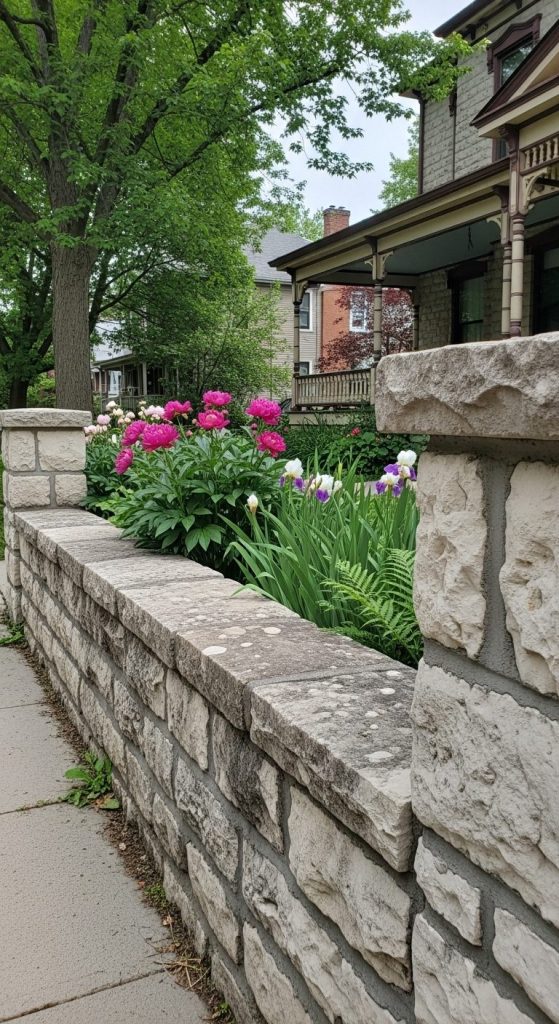
Stone or brick walls add permanence and value. They feel classic and durable.
These fences often sit lower to maintain openness.
Pros
- Extremely durable
- Adds architectural value
- Low maintenance
Cons
- Expensive materials
- Professional masonry required
Mini takeaway: Masonry fences feel like long-term investments.
Fact: Real estate studies show masonry fencing can increase property resale value due to durability and perceived quality.
CONCLUSION
A front yard fence does more than mark boundaries. It frames the home, sets the tone, and shapes how people feel when they pass by. The right front yard fence design blends structure, safety, and style without overwhelming the space.
I love how even small upgrades—like a centered gate or a fresh coat of paint—change the entire curb appeal. Start with one feature that fits your budget and style. Over time, you can layer in more upgrades and watch the front of your home transform into something that feels intentional and welcoming.

William Martin is a passionate bowler who spends most of his weekends playing the sport. With years of intense experience under his belt, William decided to share his knowledge by creating BOWLING OCEAN. Join me on this journey to explore the world of bowling and discover the tips and tricks to becoming a pro.