15 Indoor Plants That Don’t Need Sunlight (Yes, They Actually Thrive)
I used to believe that having plants in a dark apartment was just wishful thinking. My first studio had one tiny window that faced a brick wall, and I killed three succulents before someone finally told me those things need desert sun. I felt like a plant murderer.
Then I discovered the secret club of low-light lovers.
Turns out, plenty of indoor plants that don’t need sunlight exist. They evolved on forest floors under dense canopies. Bright light actually burns their leaves. Once I switched to these shade dwellers, my dark corners turned into jungles. No grow lights required, no moving pots around chasing the sun.
Here are 15 real options that will thrive in your dimmest rooms. I have personally grown most of these in my sad, shadowy hallway.
1. Snake Plant (Sansevieria)
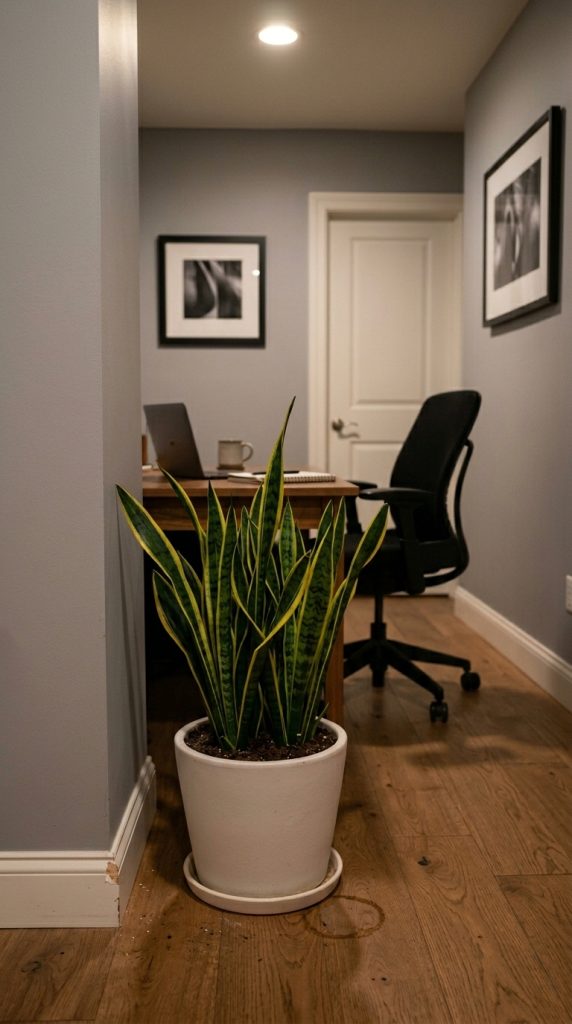
My grandma had one of these in her windowless bathroom for fifteen years. Fifteen years. She never even repotted it. The Snake Plant is basically the cockroach of the plant world (in a good way). It survives on neglect and hates direct sun.
Pros:
- Releases oxygen at night instead of carbon dioxide. Great for bedrooms.
- Grows in literally any light condition, including fluorescent office lights.
- Tall, architectural shape looks modern and expensive.
Cons:
- Overwatering kills it fast. Seriously, water once a month.
- Slow grower in deep shade. Don’t expect babies quickly.
I kept one in a closet for three months during a renovation. It looked exactly the same when I pulled it out. If that is not proof of indestructibility, I don’t know what is. Just put it in a corner and ignore it.
2. ZZ Plant (Zamioculcas zamiifolia)

The ZZ Plant is the Snake Plant’s equally tough cousin. Those thick, waxy leaves store water like a camel stores water for the desert. I forgot to water mine for eight weeks once. It responded by pushing out a new stem.
Pros:
- Tolerates fluorescent light only. Offices love these for a reason.
- Glossy leaves reflect what little light exists, making rooms feel brighter.
- Rhizome roots store water, so you can travel for a month without worry.
Cons:
- All parts are toxic if eaten. Keep away from curious pets or toddlers.
- Slow growth in low light. Like, glacial pace.
A NASA study actually included ZZ plants in their clean air research. They remove xylene and toluene from indoor air. So your dark room stays not only green but also less toxic.
3. Cast Iron Plant (Aspidistra elatior)
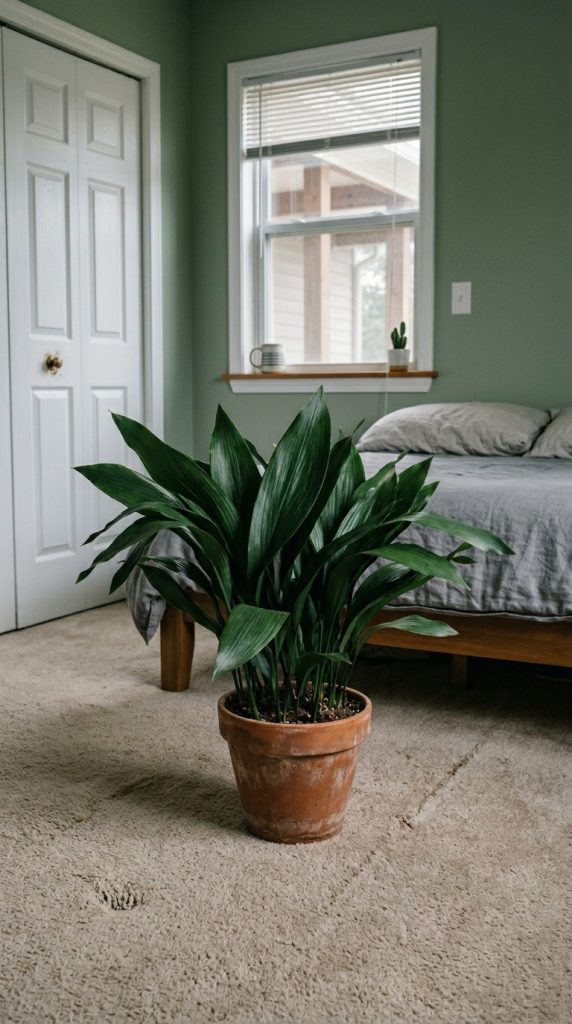
The name says it all. This plant earned its nickname during the Victorian era when people kept them in dark parlors heated by coal stoves. If it survived that smoky gloom, it can survive your north-facing rental.
Pros:
- Handles temperature swings. Cold drafts won’t hurt it.
- Deep green leaves stay perky for years without fading.
- Virtually pest-free. Spider mites hate these.
Cons:
- Grows very slowly. Patience required.
- Never blooms indoors. But you are here for leaves anyway.
I have one sitting six feet away from a window that faces a covered porch. It gets maybe one hour of weak morning light. The thing is thriving like it lives in a greenhouse. Honestly, this one surprised me with how little it complains.
4. Chinese Evergreen (Aglaonema)

This is the prettiest option for dark spaces, hands down. Chinese Evergreens come in silver, pink, green, and cream patterns. Most low-light plants are just green, but these bring actual color to your shadowy shelves.
Pros:
- The darker the leaf, the less light it needs. Look for solid green varieties.
- Tolerates dry air from heaters and AC units.
- Easy to propagate. Cut a stem, stick in water, wait a month.
Cons:
- Variegated types need more light. Stick with dark green hybrids.
- Can get leggy reaching for light. Rotate the pot monthly.
Here is a trick I learned from a greenhouse worker: Wipe the leaves with a damp cloth every few weeks. Dust blocks the little light these guys get. A clean leaf absorbs way more energy than a dusty one.
5. Parlor Palm (Chamaedorea elegans)
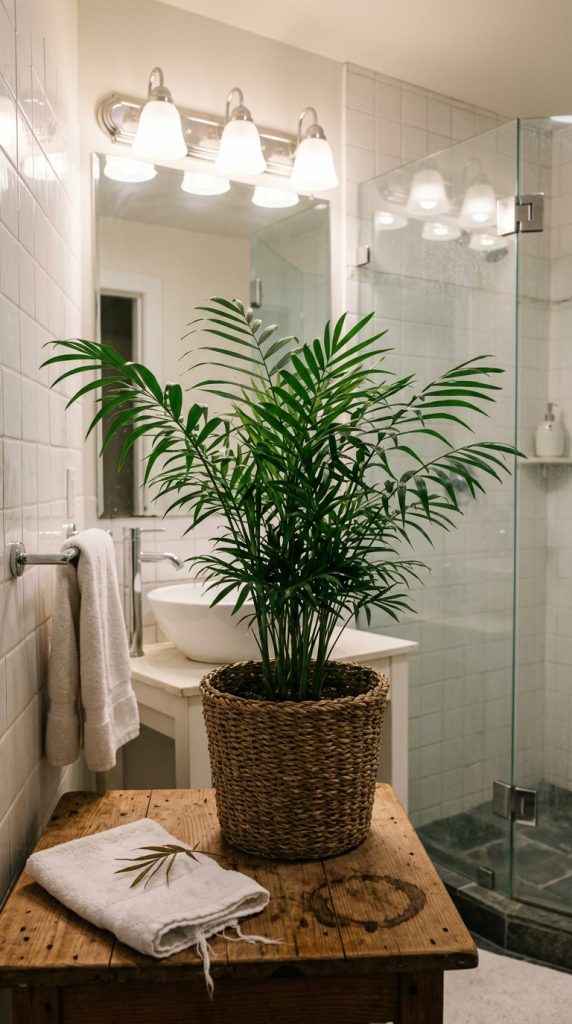
Remember those little palms your grandma had in the corner? That is a Parlor Palm. They were the ultimate Victorian houseplant because gas lamps produced zero useful light for plants. These palms just did not care.
Pros:
- Adds a tropical, feathery texture that other low-light plants lack.
- Safe for cats and dogs. ASPCA approves this one.
- Stays compact. Rarely exceeds three or four feet indoors.
Cons:
- Susceptible to spider mites if air is too dry. Mist it occasionally.
- Brown leaf tips happen from tap water chemicals. Use filtered water.
A study from the University of Georgia found that Parlor Palms remove indoor air pollutants better than many larger plants. So your dark bedroom gets cleaner air without you doing anything.
6. Peace Lily (Spathiphyllum)

Here is the drama queen of low-light plants. Peace Lilies will droop dramatically when thirsty, then bounce back within hours of watering. It is like having a plant that talks to you. And yes, they bloom in almost no light.
Pros:
- White flowers appear even in dark corners. That is rare.
- Tells you exactly when it needs water. No guessing.
- Top-rated plant for removing mold spores from air.
Cons:
- Toxic to cats and dogs. The calcium oxalate crystals hurt their mouths.
- Can get floppy if light is truly zero. Move it closer to any window.
I have one in my powder room with no windows. It lives under a small LED vanity light that runs four hours a day while I get ready. That is enough. It has been there for two years and flowered three times.
7. Spider Plant (Chlorophytum comosum)
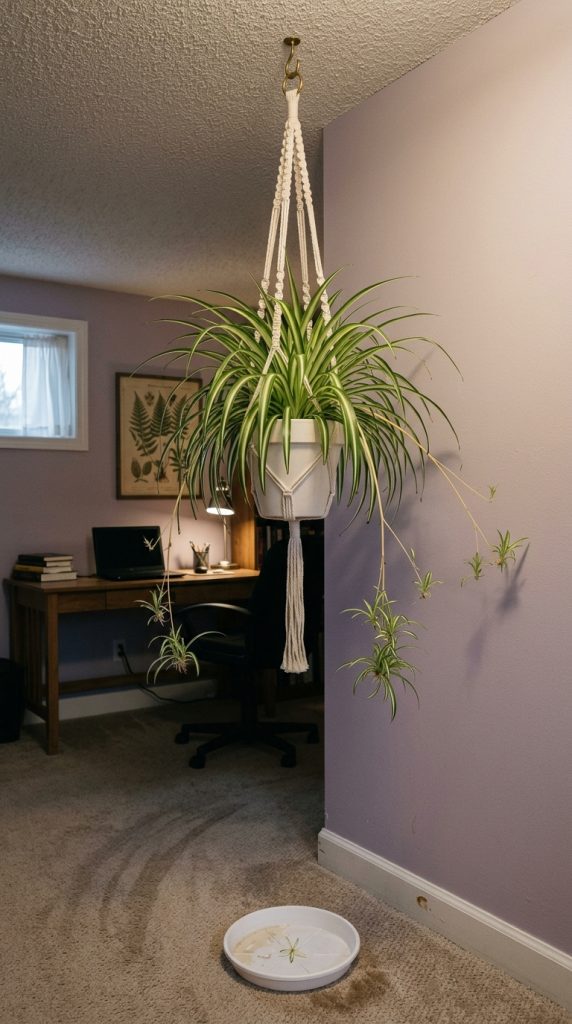
You have seen these hanging in macrame planters on every decorating blog. Spider Plants earned their popularity honestly. They send out baby spiders (called pups) constantly, even in bad light. It is like getting free plants forever.
Pros:
- Produces plant babies you can gift or sell.
- Tolerates being rootbound very well.
- Non-toxic to pets. Finally, a safe one.
Cons:
- Brown tips happen from fluoride in tap water. Use rainwater if possible.
- Can look a bit wild and messy. Not a structured, formal plant.
The key with Spider Plants in low light is to let the soil dry completely between waterings. Darker spaces mean slower drying. I water mine every two to three weeks, and it has thirty pups hanging down right now.
8. Dumb Cane (Dieffenbachia)
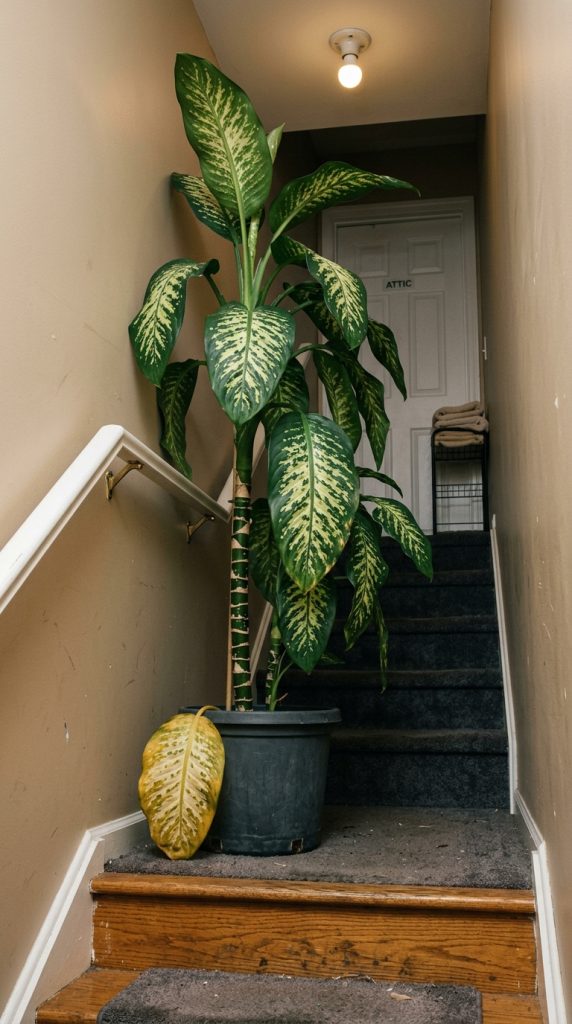
Big, bold, tropical leaves on a plant that asks for almost nothing. Dumb Cane gets its weird name from the sap, which can temporarily numb your mouth if you eat it. So do not eat it. Otherwise, it is a superstar in dim rooms.
Pros:
- Large leaves make a statement in empty dark corners.
- Grows upright without needing staking.
- Very forgiving of missed waterings.
Cons:
- Toxic to pets and people. Wear gloves when pruning.
- Can grow tall and leggy. Prune it back to encourage bushiness.
A friend keeps a six-foot-tall Dumb Cane in her stairwell landing. The stairwell has zero natural light. She uses one regular ceiling bulb on a timer for twelve hours. The plant is enormous and healthy. That is the power of consistent artificial light.
9. Heartleaf Philodendron (Philodendron hederaceum)
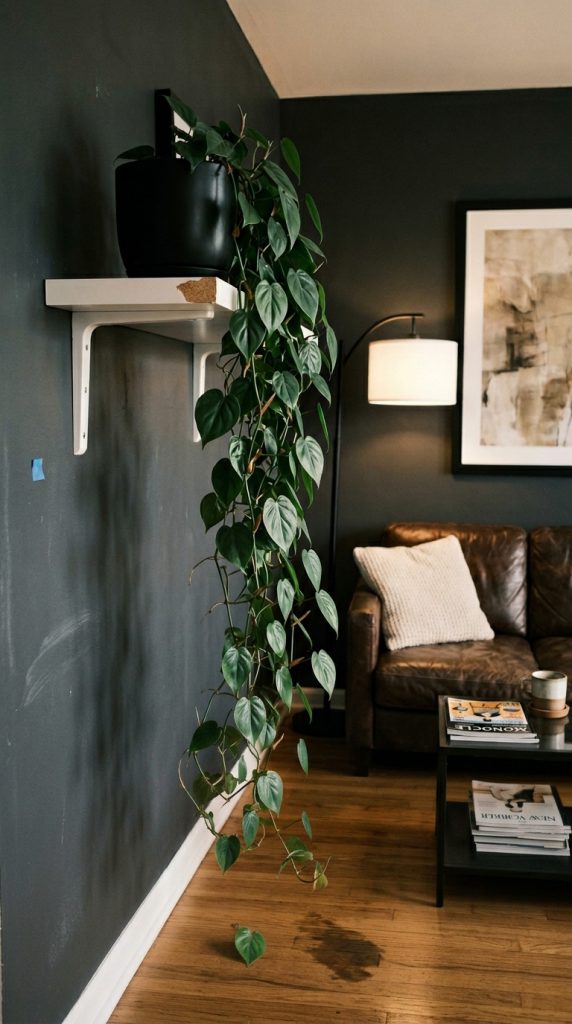
This is the plant that made me believe I could keep things alive. Heartleaf Philodendrons trail, climb, or hang. They grow quickly even in poor light. And they have those perfect little heart-shaped leaves that look good everywhere.
Pros:
- Vines can reach ten feet long in low light. Impressive growth.
- Propagates in water within a week. Cut, drop in a cup, wait.
- Very affordable. Five to ten dollars at any grocery store.
Cons:
- Gets leggy between leaves. More space between leaves means not enough light.
- Toxic to pets. Keep the vines out of reach.
I have one trailing across a bookshelf that is eight feet away from the nearest window. The leaves are smaller than the one under grow lights, sure. But it is still putting out new growth every week. For a dollar store purchase, that is a win.
10. Pothos (Epipremnum aureum)
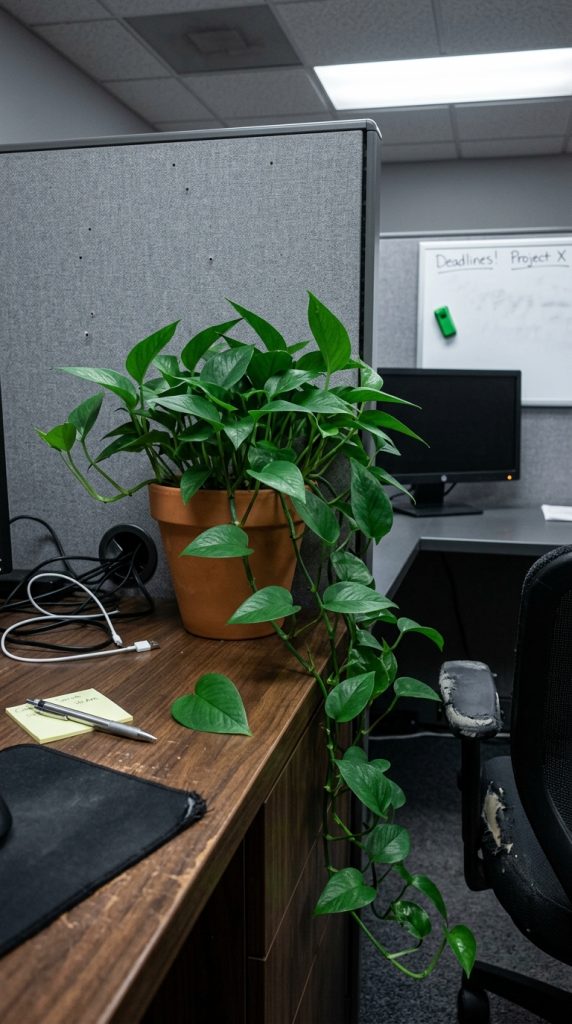
If you only buy one plant from this list, buy a Pothos. These are everywhere because they survive everything. Dark office cubicle? Fine. College dorm with a single bulb? Fine. Neglected for a month while you travel? Absolutely fine.
Pros:
- Golden, jade, marble, or neon varieties available for different looks.
- Can grow in water permanently. No soil needed.
- Removes formaldehyde from indoor air effectively.
Cons:
- Overwatering is the only way to kill it. Let the soil go dry.
- In very low light, solid green varieties do better than variegated ones.
According to a well-known clean air study, Pothos removes volatile organic compounds better than almost any other common houseplant. So your dark living room gets cleaned while you watch TV.
11. Mistletoe Cactus (Rhipsalis)
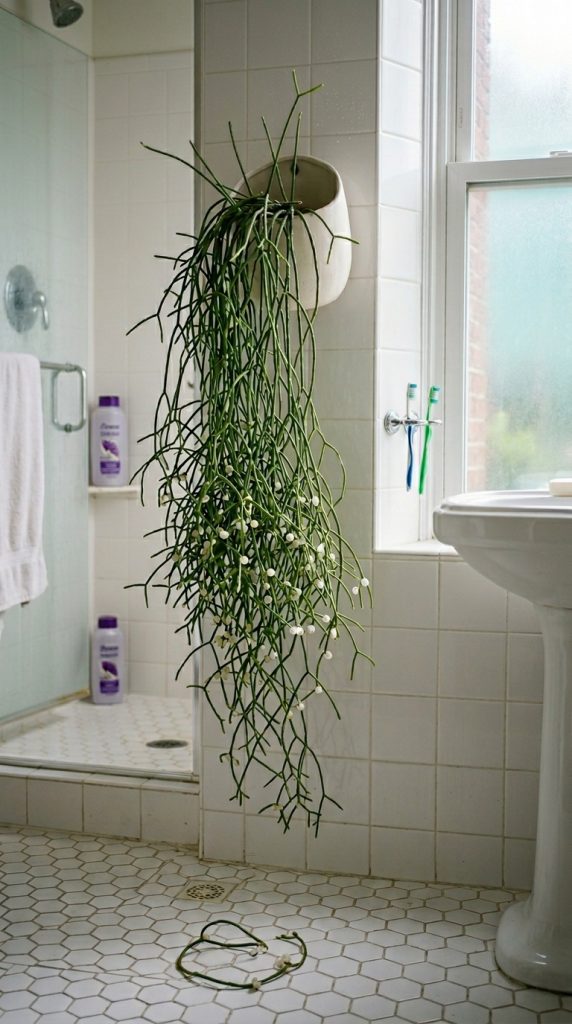
This one breaks the succulent rule. Most cacti need blazing sun. But Mistletoe Cactus is an epiphyte that grows on tree branches in rainforests. It has never seen full sun in its evolutionary history. The thin, trailing stems look like wild green spaghetti.
Pros:
- Completely different texture from every other plant on this list.
- Produces tiny white berries indoors occasionally.
- Hangs beautifully from macrame hangers or high shelves.
Cons:
- Needs higher humidity than desert cacti. Mist it weekly.
- Can be hard to find. Check specialty nurseries or Etsy.
I hang mine in a bathroom with a frosted window. It gets very little light but loves the steam from showers. The stems are now three feet long and look totally alien. Every guest asks what it is.
12. Kentia Palm (Howea forsteriana)
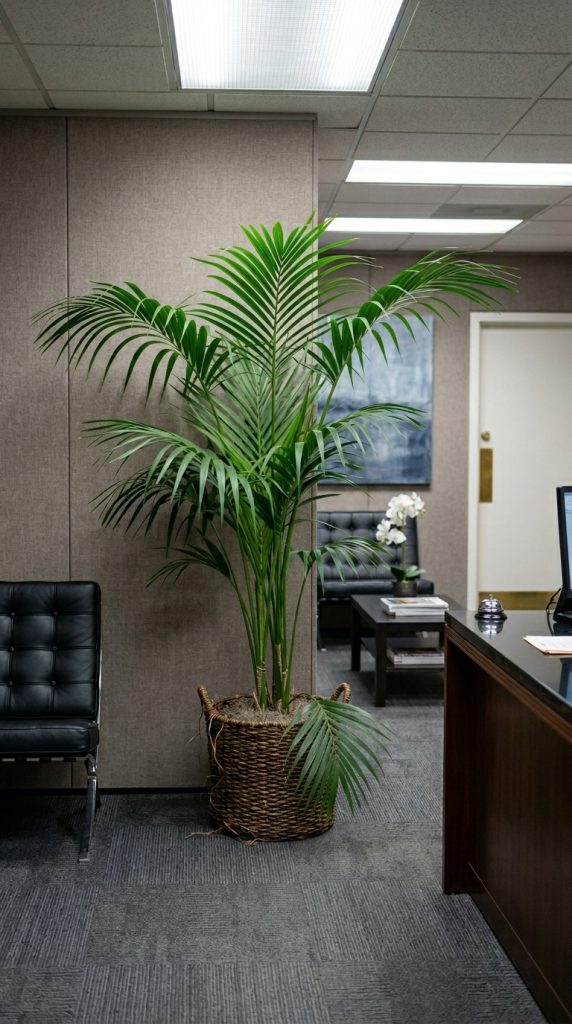
Looking for something that feels fancy? Kentia Palms are the aristocrats of low-light plants. They were so popular in Victorian times that entire ships carried them from Lord Howe Island. They still cost more than Parlor Palms, but they live for decades.
Pros:
- Very slow growing means it fits in the same spot for years.
- Tolerant of dry air, cool temps, and total neglect.
- Adds instant hotel lobby elegance to any room.
Cons:
- Expensive. A four-foot plant runs forty to eighty dollars.
- Do not repot it often. They hate root disturbance.
I have seen a Kentia Palm thriving in a lawyer’s office with zero windows. Just overhead fluorescent lights turned on weekdays from nine to five. That is it. The fronds were dark green and perfect. If a law firm can keep one alive, so can you.
13. Nerve Plant (Fittonia)
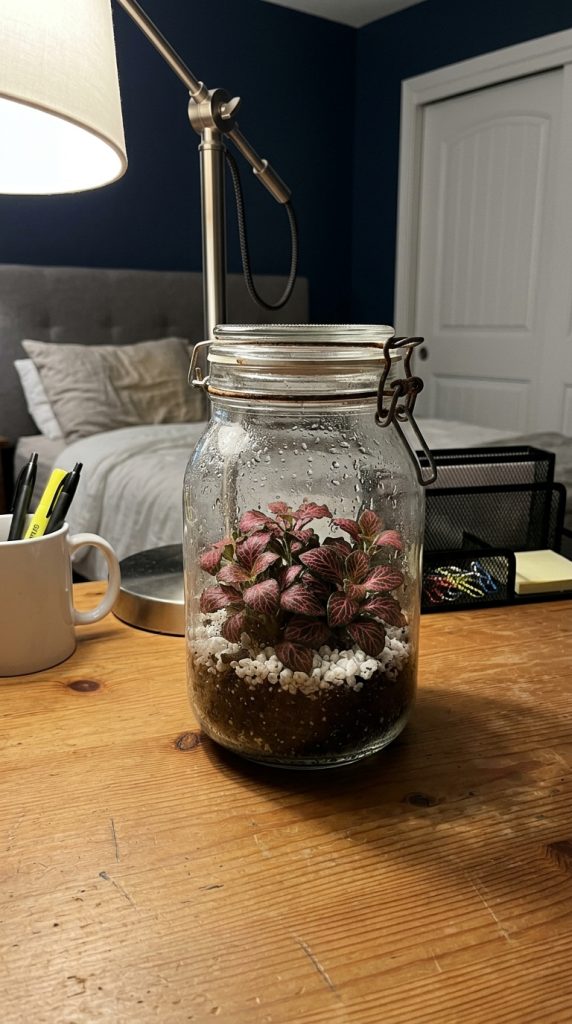
This is the plant for people who want to water something often. Nerve Plants have dramatic pink or white leaf veins that look painted on. They also faint when thirsty. The whole plant collapses like a wet rag. Water it, and two hours later it stands back up.
Pros:
- Stunning leaf patterns stand out in dark terrariums.
- Tells you exactly when it needs attention. No guessing.
- Stays very small (six inches tall). Perfect for desks.
Cons:
- Requires consistent moisture. Miss a few days and it suffers.
- Needs high humidity. A glass cloche or terrarium helps.
Keep a Nerve Plant in a closed jar or under a glass dome. The humidity stays high, and the light levels inside a jar work fine. I have one in a cookie jar on my desk. It gets only my desk lamp and looks incredible.
14. Button Fern (Pellaea rotundifolia)
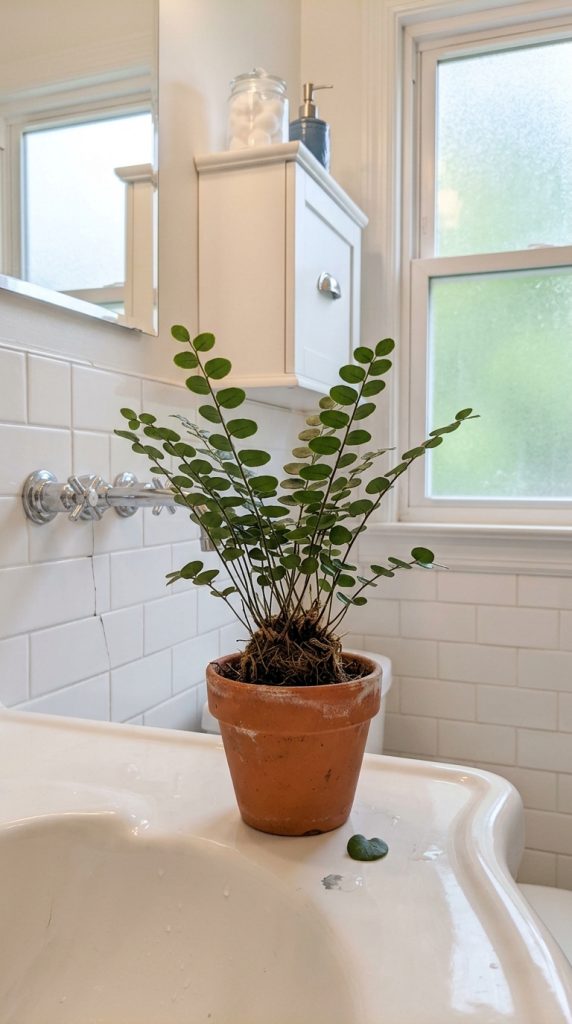
Ferns have a reputation for being picky. But Button Ferns are different. Those small, circular leaves feel like leather, not paper. They tolerate low light and lower humidity than their fussy cousins like the Maidenhair.
Pros:
- The unique round leaves look like coins on a string.
- Tolerates being rootbound very well.
- Pet-safe. No toxicity issues at all.
Cons:
- Requires good drainage. Wet soil rots the roots fast.
- Slower grower than other ferns. Not for impatient people.
I keep a Button Fern in a north-facing bathroom. It gets reflected light off a white wall, nothing direct. It has doubled in size over a year. For a fern, that is basically warp speed in low light conditions.
15. Aluminum Plant (Pilea cadierei)
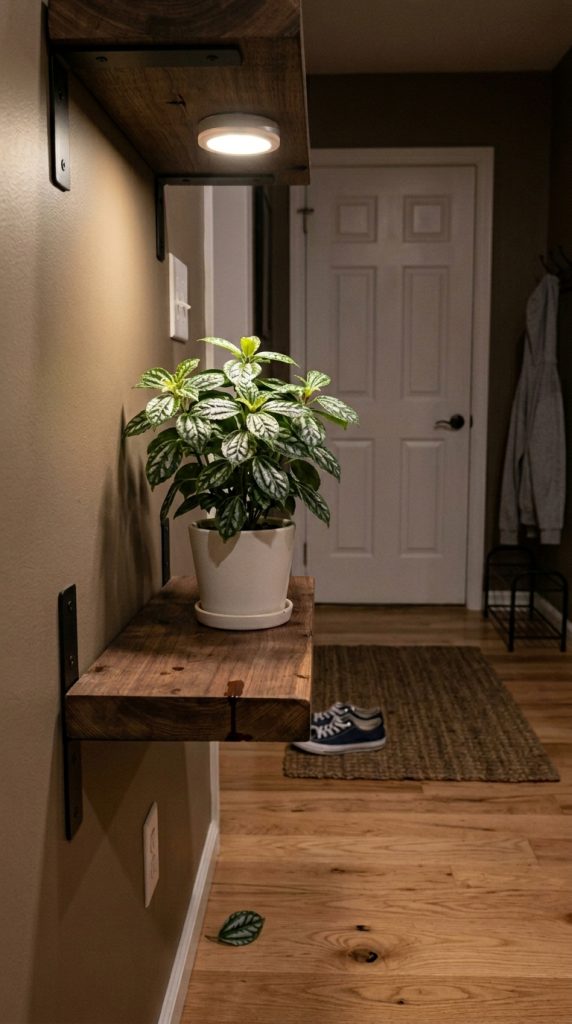
Last but not least, a plant with metallic silver patches that shine in dim light. The Aluminum Plant grows fast, stays compact, and asks for almost nothing. Those reflective leaves do the work of gathering what little light exists.
Pros:
- Shimmery markings brighten up dark shelves.
- Pinch back the tips to make it bushy instead of leggy.
- Roots easily in water. Make ten plants from one.
Cons:
- Gets very leggy in truly dark corners. Move it closer to any light source.
- Needs regular pinching to look full. Skip this and it looks sparse.
Here is a pro tip: rotate your Aluminum Plant every time you water it. The stems bend toward light quickly. Spinning the pot keeps the plant growing straight instead of leaning toward the one dim window.
What I Learned From Growing Plants in the Dark
I spent years thinking I could not have greenery because my apartment felt like a cave. That belief stopped me from even trying. Now my hallway has a Snake Plant, my bathroom has a Button Fern, and my office desk has a Pothos trailing over my monitor.
The truth is simple. Most plants do not need sunlight. They need light. Big difference. A regular LED bulb, a north window, or even a bright phone screen can keep the plants on this list alive. They evolved to survive on scraps.
Do not wait for perfect conditions. Pick one from this list. Put it in your darkest room. Water it less than you think you should. Then watch it prove every doubt wrong.
Your dark corners deserve some green. Go get your hands dirty.

Ashley Ellison is a skilled writer and avid bowler. Her passion for storytelling and dedication to the sport have led her to participate in various national bowling leagues. With a unique combination of talents, Ashley approaches every challenge with creativity and a relentless drive to succeed.