Raised Garden Beds with Trellis: 15 Creative and Functional Designs You’ll Love
There’s something magical about combining structure and nature. A raised garden bed with trellis isn’t just a planter — it’s a vertical garden, privacy screen, and backyard statement all in one. Whether you’re growing juicy tomatoes, fragrant jasmine, or climbing beans that seem to reach for the sky, the right setup turns your space into a living masterpiece.
Over the years, I’ve tested dozens of designs — from rustic DIY builds to sleek metal frameworks — and let’s just say some worked like a charm… others, not so much. Here are 15 creative ideas to inspire your next project and make your garden both functional and gorgeous.
1. Cedar Raised Bed with Wooden Trellis
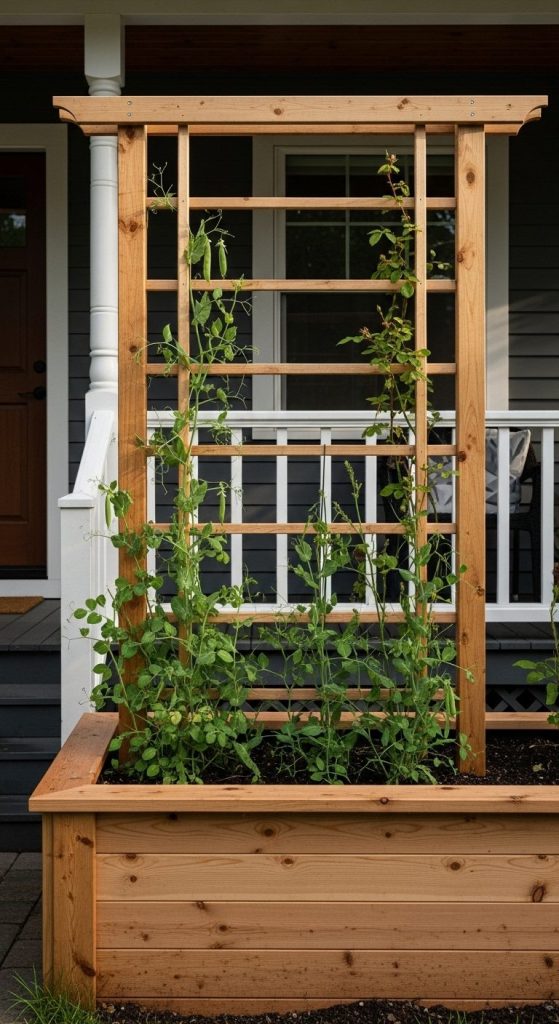
Cedar is a timeless favorite for garden beds — durable, rot-resistant, and smells incredible when it rains. Add a wooden trellis to it, and you’ve got yourself a rustic yet elegant structure.
Pros:
- Naturally insect and rot-resistant.
- Perfect for cucumbers, peas, or climbing roses.
- Easy to assemble with basic tools.
Cons:
- Can be pricey compared to pine.
- Requires occasional sealing for longevity.
According to Better Homes & Gardens, cedar lasts nearly twice as long as most untreated wood beds, making it worth the splurge.
2. Metal Raised Bed with Arched Trellis

If you love a modern, industrial aesthetic, go for galvanized metal beds with a curved trellis arch connecting two beds. It’s perfect for vine crops or even decorative climbers like morning glories.
Pros:
- Long-lasting and weather-resistant.
- Looks modern and clean.
- Prevents soil rot and pests effectively.
Cons:
- Metal heats up quickly in full sun.
- Limited color options unless you paint.
Fun fact: Galvanized steel beds can last 20+ years with minimal maintenance, according to Statista’s 2024 outdoor materials survey.
3. Corner Garden Bed with Lattice Trellis
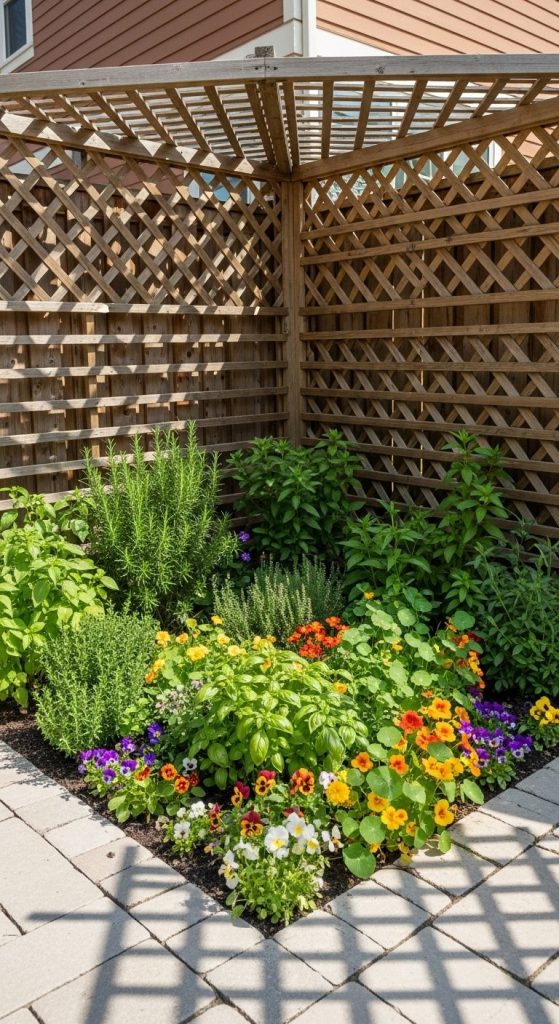
Got an awkward garden corner? Fill it with a triangular raised bed and a lattice trellis that hugs the corner beautifully. It’s a space-saving trick that looks intentional and stylish.
Pros:
- Maximizes use of corner spaces.
- Ideal for small gardens or patios.
- Lattice gives plants room to spread naturally.
Cons:
- Limited root space for deep crops.
- Slightly tricky to build the angles correctly.
Ever wondered why lattice works so well? It allows airflow and filtered light, which prevents mildew — a huge win for delicate vines.
4. Modular Trellis System Bed
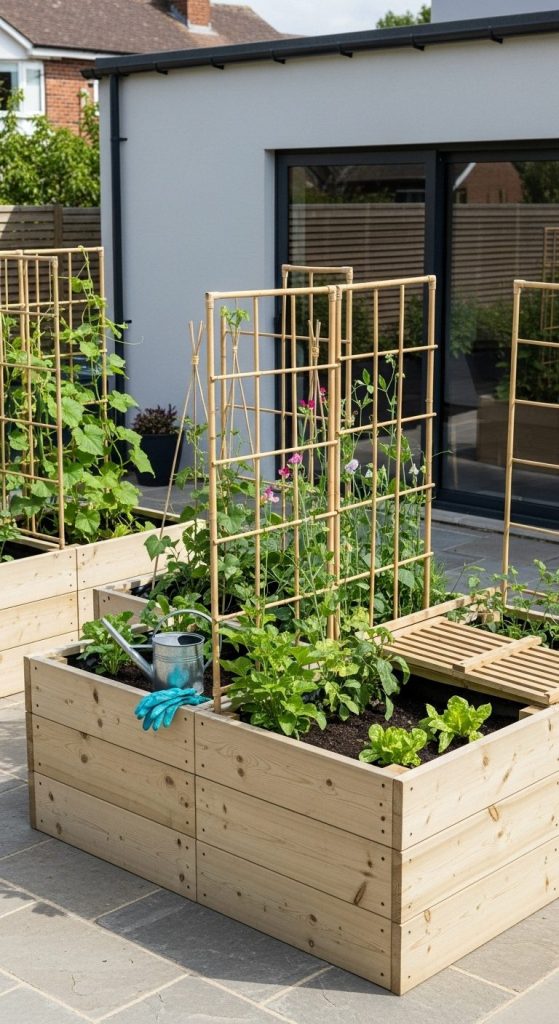
For the tinkerers out there, a modular raised bed lets you expand or rearrange your garden as needed. Attach removable metal or bamboo trellis panels and shift layouts with the seasons.
Pros:
- Completely customizable.
- Perfect for renters or experimental gardeners.
- Easy to disassemble and store.
Cons:
- Can look mismatched if not planned carefully.
It’s like LEGO for gardeners — fun, flexible, and ever-evolving.
5. Herb Garden Bed with Mini Trellis
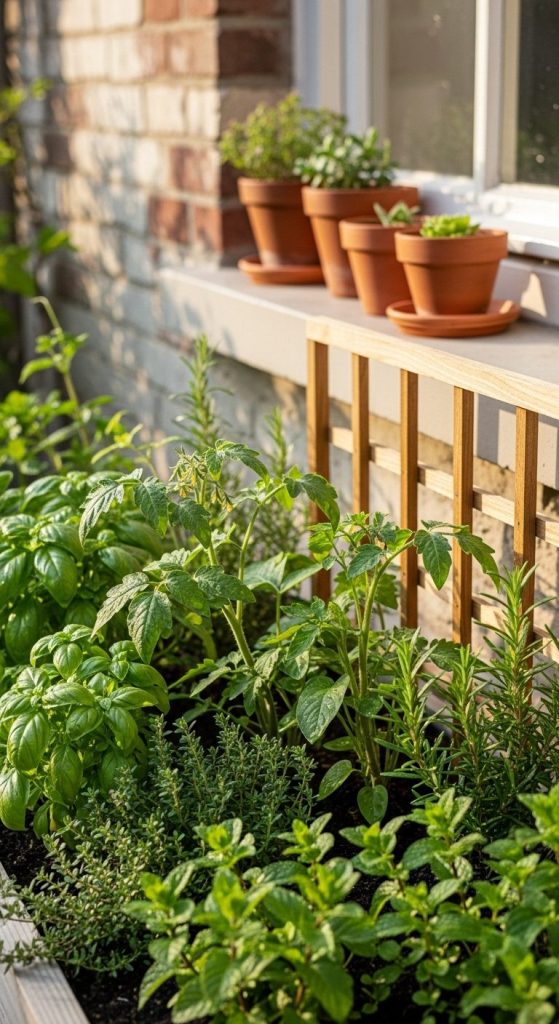
A compact herb bed with a small trellis is perfect if you’re short on space. Basil, thyme, and lavender stay below, while beans or mini tomatoes climb above.
Pros:
- Great for balconies or small patios.
- Adds vertical beauty without taking space.
- Herbs grow healthier when raised.
Cons:
- Requires frequent trimming to avoid crowding.
According to a 2023 urban gardening report, small raised beds with trellis increased herb yield by 28% thanks to better air circulation.
6. Trellis Garden Divider Bed

Want to define your outdoor zones without putting up a fence? A long raised bed with a tall trellis acts as a living divider between spaces — like separating a dining area from a garden zone.
Pros:
- Creates privacy with natural growth.
- Doubles as a decorative feature.
- Helps vines grow vertically and strong.
Cons:
- Needs regular trimming to maintain shape.
It’s functional landscaping 101: structure + greenery = balance.
7. Raised Bed with Integrated Bench and Trellis
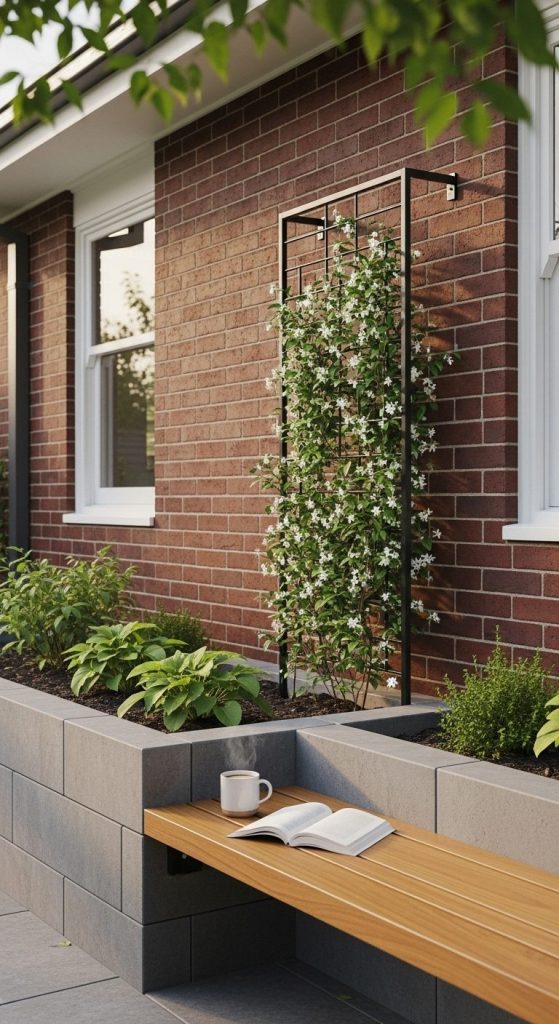
This one’s genius — a raised bed with a bench built into the frame and a trellis behind it. You can sit, sip your coffee, and admire your blooms climbing skyward.
Pros:
- Combines function and aesthetics.
- Comfortable seating built-in.
- Great for social or relaxation spaces.
Cons:
- Slightly more complex construction.
It’s the perfect DIY weekend project — stylish, space-efficient, and conversation-starting.
8. Vertical Garden Tower Bed
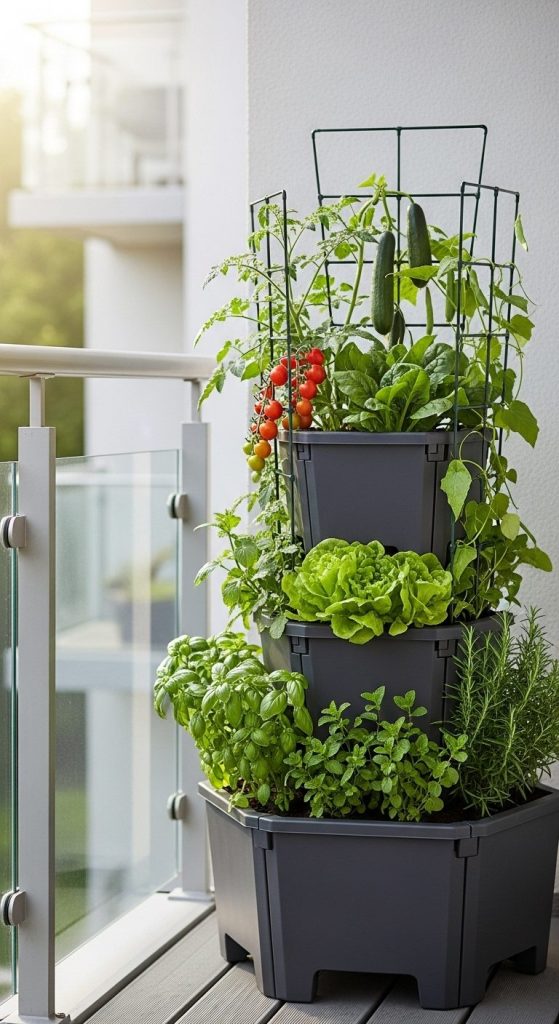
If you’re tight on square footage, go vertical. Stack mini raised garden tiers with trellis attachments that let plants cascade down or climb up.
Pros:
- Ideal for urban gardens or balconies.
- Dramatically increases planting area.
- Easy to water and maintain.
Cons:
- Limited space for deep-rooted crops.
According to The Spruce, vertical setups can triple your planting area compared to traditional beds.
9. Trellis Bed for Climbing Flowers
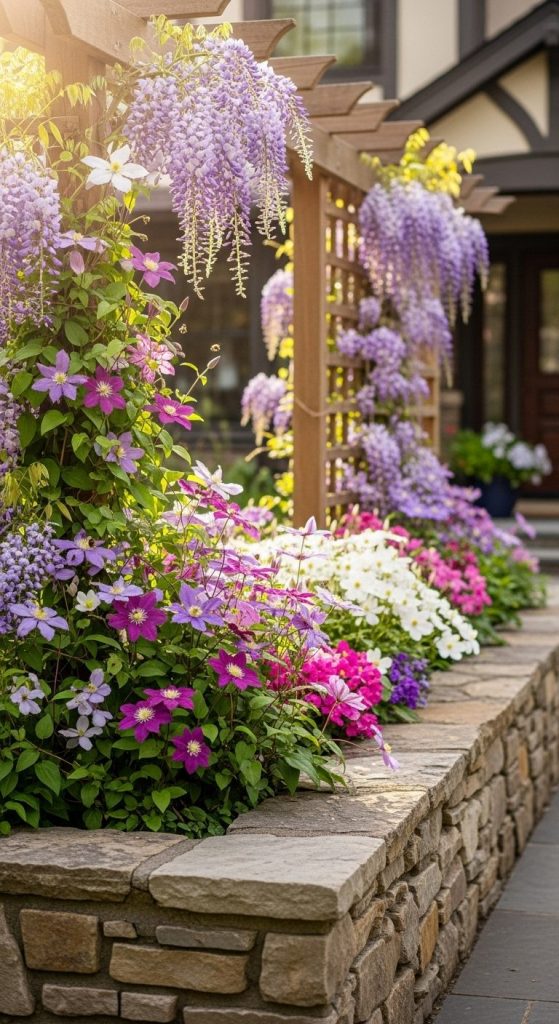
Who says trellises are just for veggies? Imagine a raised garden bed bursting with clematis, wisteria, or jasmine — fragrant, colorful, and elegant.
Pros:
- Adds instant curb appeal.
- Encourages pollinators.
- Perfect for creating romantic garden vibes.
Cons:
- Flowers may need pruning twice a season.
This combo transforms your yard from “meh” to “magazine cover.”
10. Bamboo Trellis Bed

For an eco-friendly twist, try bamboo trellises on your raised beds. Bamboo is lightweight, sustainable, and surprisingly strong.
Pros:
- 100% renewable material.
- Naturally resists pests.
- Adds tropical charm.
Cons:
- Can degrade faster in humid climates.
FYI, bamboo is one of the fastest-growing plants on Earth, regenerating in as little as 3–5 years.
11. A-Frame Trellis Bed

The A-frame trellis gives a rustic, geometric appeal. It’s perfect for peas, beans, or gourds that love to climb.
Pros:
- Extremely stable structure.
- Allows sunlight to reach both sides.
- Easy to dismantle and store.
Cons:
- Takes more vertical space.
It’s basically your plants’ gym equipment — everything climbs stronger here.
12. Painted Trellis Bed
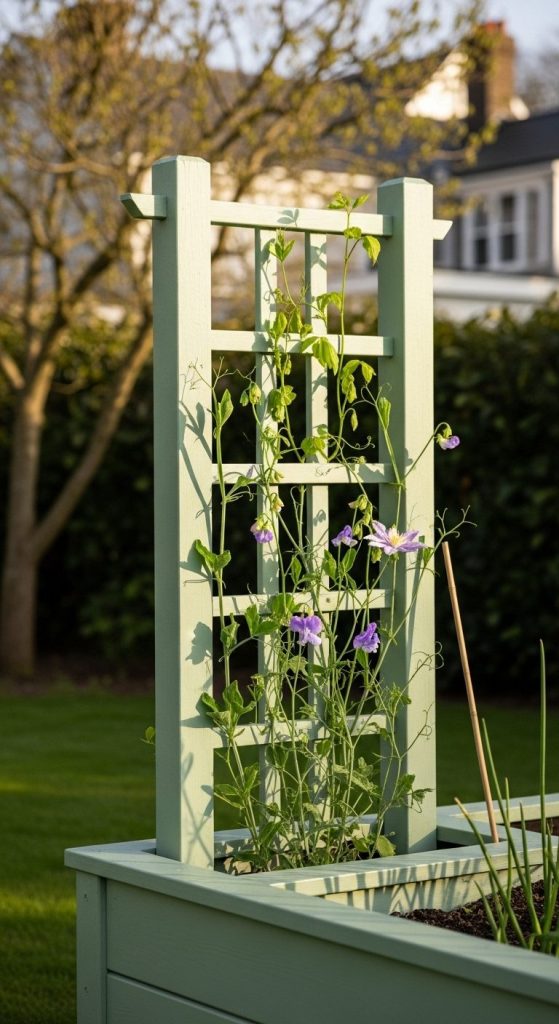
Who said garden beds have to be neutral? Paint your wooden trellis a bold color — think sage green or soft coral — and watch your garden pop.
Pros:
- Customizable to match decor.
- Adds personality and flair.
- Helps protect wood from moisture.
Cons:
- Requires repainting every 2–3 years.
According to Home Depot’s 2024 trend report, colored garden structures are rising fast in backyard makeovers.
13. Trellis Bed for Privacy Walls
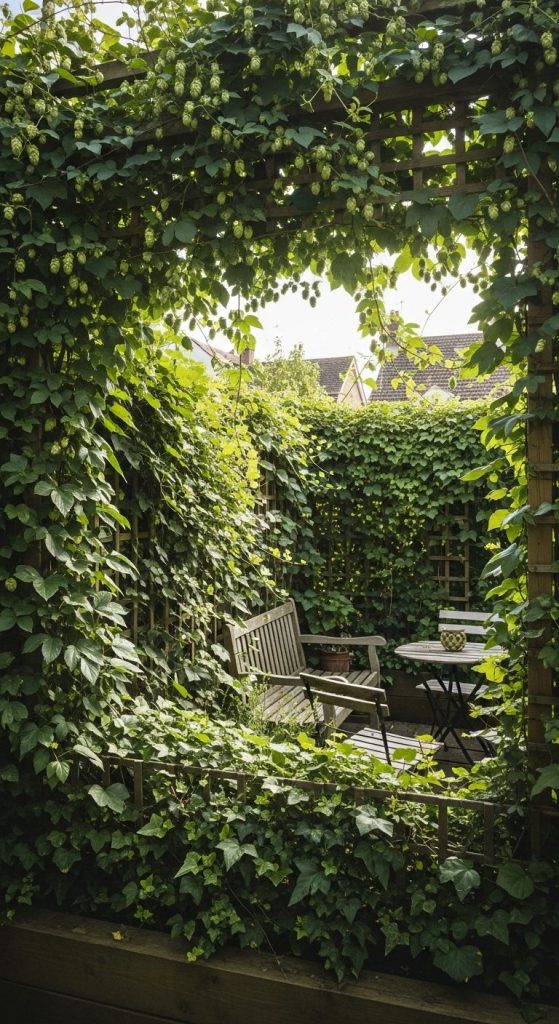
If your neighbors’ windows feel a bit too close, plant tall climbers like ivy or hops on a raised bed trellis screen for privacy that smells good too.
Pros:
- Natural, eco-friendly privacy solution.
- Reduces noise and wind.
- Looks beautiful year-round.
Cons:
- Needs consistent trimming to prevent overgrowth.
Who needs fences when you can grow one?
14. Dual-Trellis Garden Pathway

Picture a pathway framed by two parallel raised beds, each topped with matching trellises that create an archway effect. Add fairy lights, and boom — you’ve got garden magic.
Pros:
- Creates a stunning garden entrance.
- Encourages vertical flower growth.
- Great photo-worthy feature.
Cons:
- Requires symmetrical planning.
It’s romantic, practical, and surprisingly easy to build if you plan spacing right.
15. DIY Recycled Trellis Bed

For the upcycling enthusiasts, use old ladders, metal grids, or wooden pallets as trellises for your raised beds. It’s creative, budget-friendly, and planet-approved.
Pros:
- Cheap and sustainable.
- Adds character and uniqueness.
- Great conversation starter.
Cons:
- Not as uniform as store-bought setups.
According to a Statista eco-survey, 68% of gardeners in 2024 used at least one recycled material in their garden projects — so you’ll be in good company.
Final Thoughts
A raised garden bed with trellis blends art and utility beautifully. Whether you’re working with a sprawling backyard or a cozy patio, there’s always a design that fits. From cedar classics to metal moderns, each structure helps you grow smarter, save space, and elevate your garden’s charm.
If there’s one thing I’ve learned: once you start using trellised beds, you’ll never go back to flat gardening again. Trust me — your plants (and your back) will thank you.

William Martin is a passionate bowler who spends most of his weekends playing the sport. With years of intense experience under his belt, William decided to share his knowledge by creating BOWLING OCEAN. Join me on this journey to explore the world of bowling and discover the tips and tricks to becoming a pro.