15 Small Backyard Wedding Ideas for a Beautiful Home Ceremony
I still remember the first time I attended a wedding in a tiny backyard. No ballroom, no dramatic aisle, no 300-person guest list. Just string lights, folding chairs, laughter, and a couple that looked genuinely relaxed. Honestly, it felt more romantic than any big venue wedding I’ve seen.
A small backyard wedding has this intimate, cozy energy that large venues simply can’t recreate. You’re close to your guests. You hear every laugh. You actually get to enjoy your day instead of managing a crowd.
If you’re thinking about hosting your wedding at home or in a family yard, you’re in the right place. I’ll walk you through 15 practical, beautiful, and realistic ideas that make a backyard celebration feel intentional, organized, and stunning—without turning it into a chaotic DIY nightmare.
1. Defined Ceremony Zone With Ground Marking
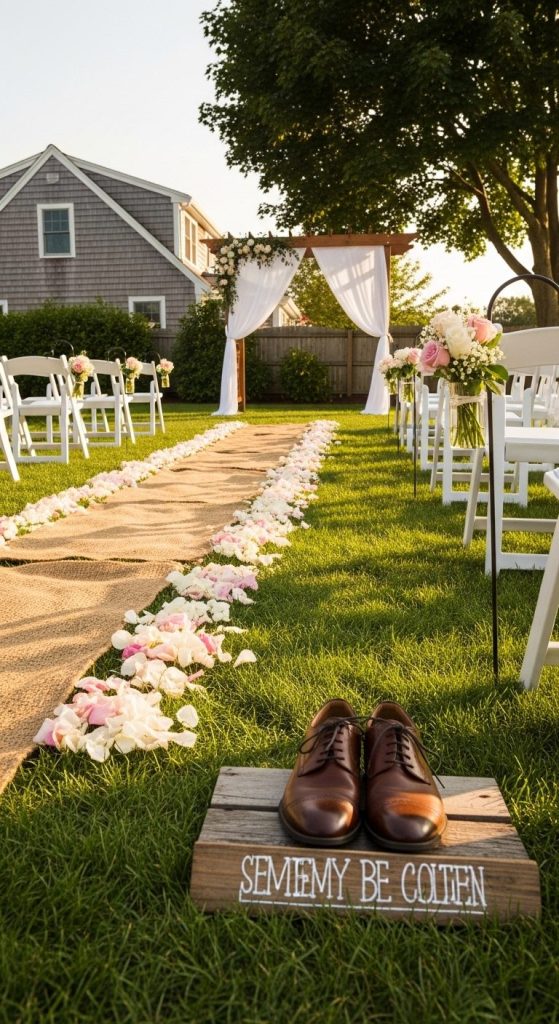
A backyard can feel shapeless, especially when guests wander around. Creating a clear ceremony area changes everything.
Think of it like carving out a “room” in your yard. A simple way? Use outdoor rugs, wooden planks, or grass markers to define where the ceremony happens. People instinctively respect boundaries when they can see them.
Pros:
- Makes photos look structured and professional
- Helps guests know where to sit and gather
- Creates a focal point without building structures
Cons:
- Requires planning layout in advance
- Rugs or platforms add small extra cost
Mini takeaway: Defining space turns a casual yard into a purposeful wedding venue.
2. Compact Guest Seating Layout With Intentional Spacing
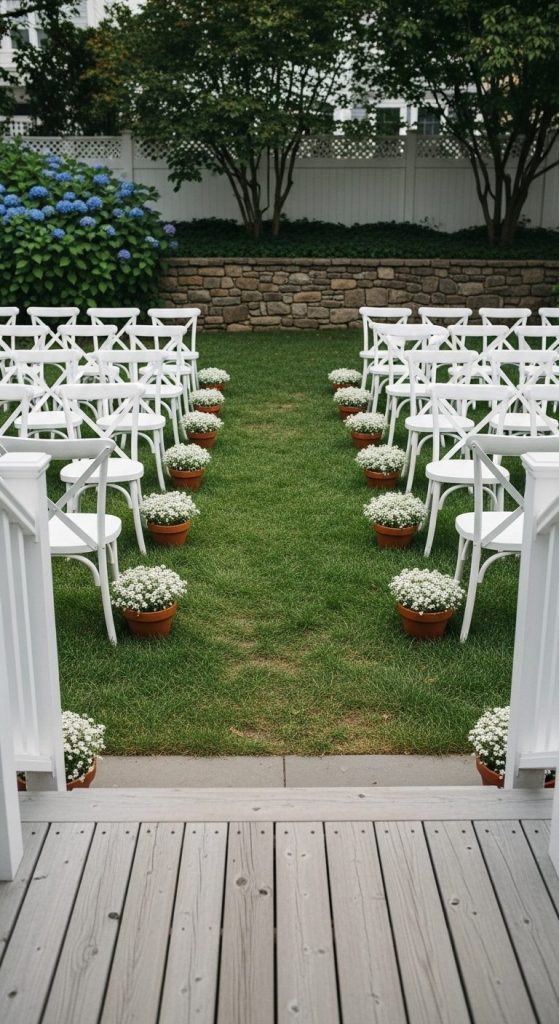
Small yards can feel cramped if chairs scatter randomly. A tight, thoughtful seating plan changes the whole vibe.
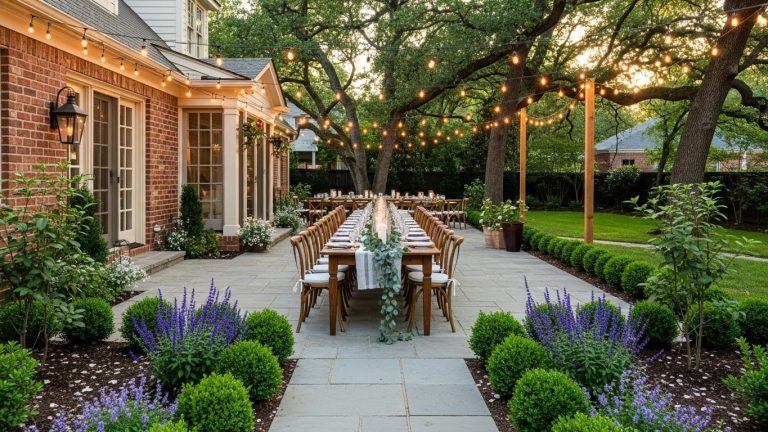
Use rows, semicircles, or clusters of chairs to create intimacy without chaos. Keep aisles narrow and align chairs evenly. Guests feel closer, and photos look balanced.
Pros:
- Maximizes limited space
- Encourages a cozy, connected atmosphere
- Looks organized and elegant
Cons:
- Needs measuring and layout planning
- Requires moving furniture before and after
Mini takeaway: Seating design matters more in small spaces than large venues.
3. Multi-Use Ceremony and Reception Space Flip Plan
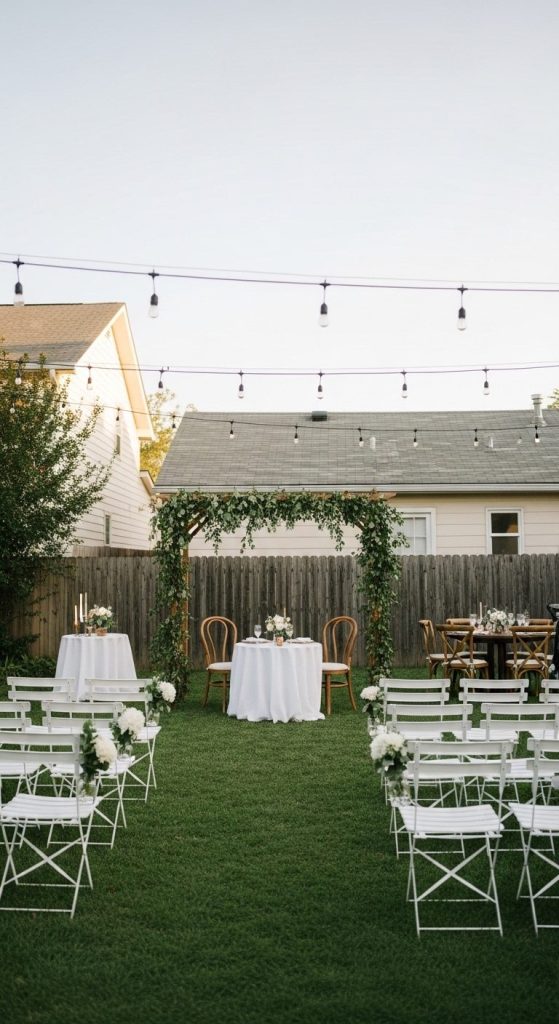
Here’s a trick I love: use the same space twice. Ceremony first, reception later.
Plan how chairs move, how an arch transforms into a sweetheart table backdrop, or how a ceremony aisle becomes a dining area. This keeps the yard from feeling overcrowded.
Pros:
- Saves space and rental costs
- Reduces setup complexity
- Keeps guests in one central area
Cons:
- Requires a quick transition plan
- Needs helpers to move items smoothly
Mini takeaway: One space, two purposes—simple and smart.
4. Backyard Capacity Planning With Real Guest Limits
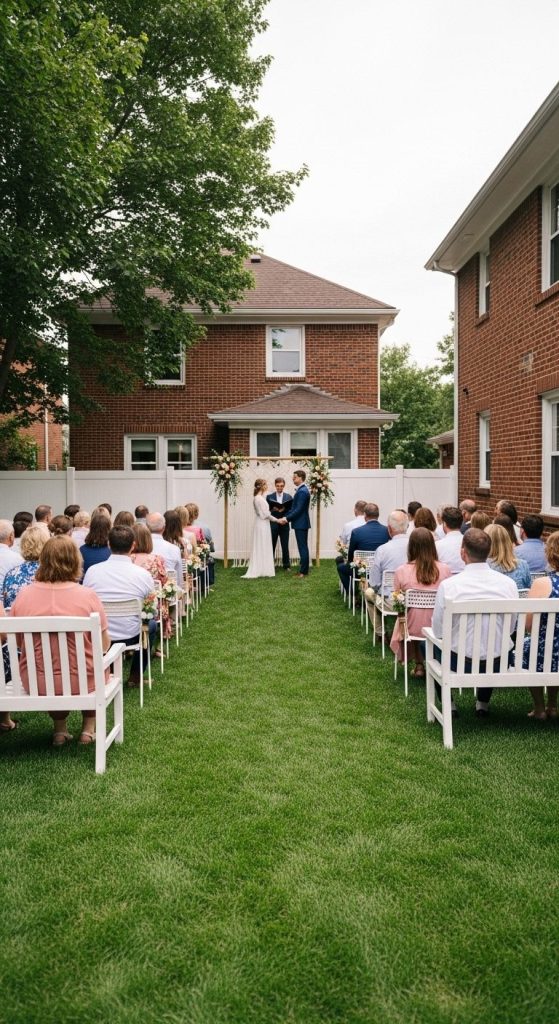
People often underestimate how many guests a yard can handle. Rule of thumb: 10 square feet per seated guest, 15–20 for standing.
According to event planning guidelines used by caterers, a 1,000-square-foot yard comfortably fits about 50–60 seated guests. This prevents overcrowding and stress.
Pros:
- Keeps guests comfortable
- Prevents fire safety and logistics issues
- Makes planning realistic
Cons:
- May require trimming your guest list
- Emotional decisions involved
Mini takeaway: Comfort beats big numbers every time.
5. Weather-Ready Backyard Layout Plan
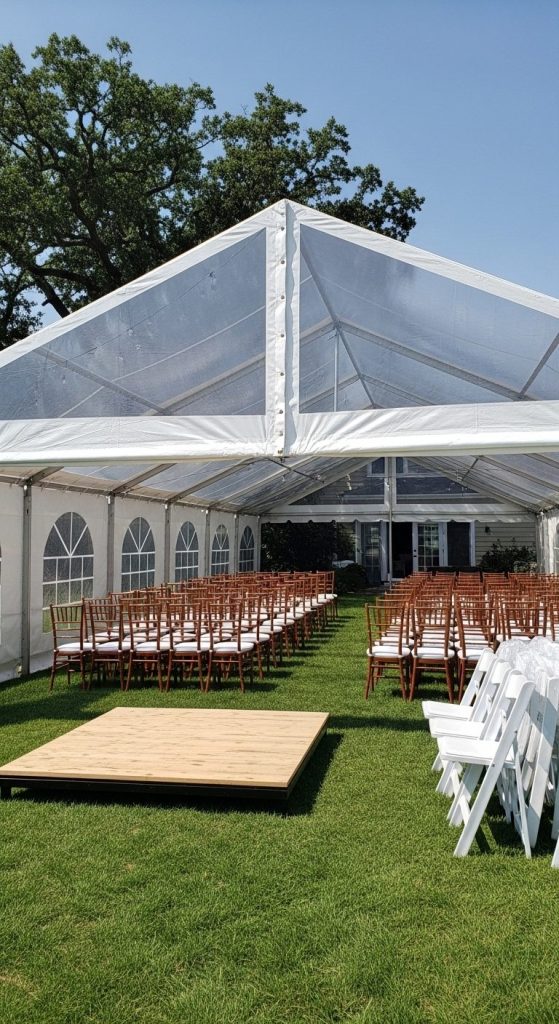
Weather ruins backyard weddings when couples ignore it.
Create a rain and sun plan: tents, umbrellas, shaded seating, or indoor backup areas. Even in dry climates, heat matters.
Pros:
- Protects guests and decor
- Reduces stress on the wedding day
- Ensures photos still look good
Cons:
- Tents add rental costs
- Requires logistics planning
Mini takeaway: Plan for weather even if the forecast looks perfect.
6. Compact Catering Flow Zone Design
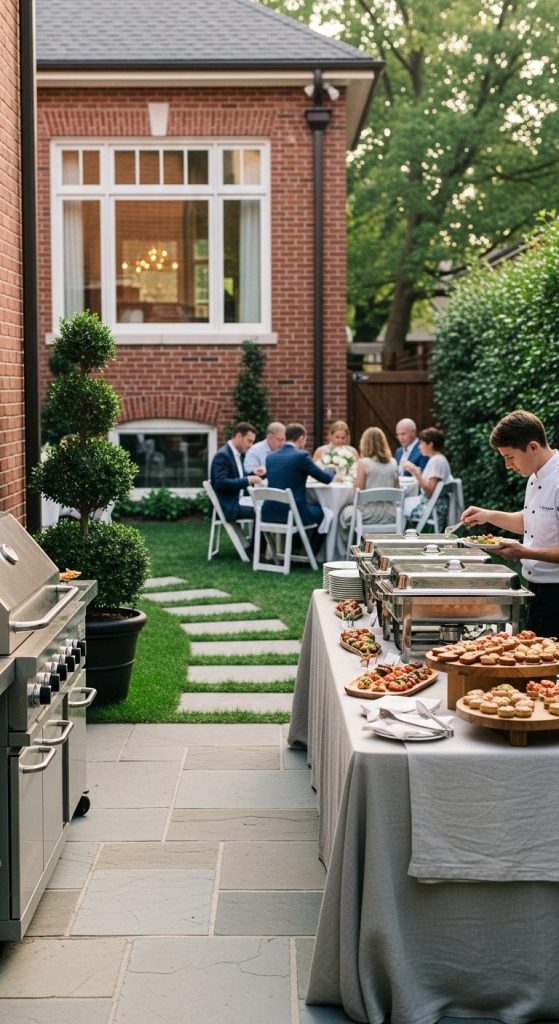
Food service in a backyard can turn chaotic fast.
Design a catering zone with clear entry, prep, and serving flow. Use one side of the yard for buffet tables or food trucks and keep guest seating separate.
Pros:
- Prevents traffic jams
- Keeps food fresh and organized
- Makes staff or helpers efficient
Cons:
- Requires zoning the yard layout
- Needs extra tables or tents
Mini takeaway: Food flow planning keeps your celebration calm and classy.
7. Backyard Power and Lighting Infrastructure Setup
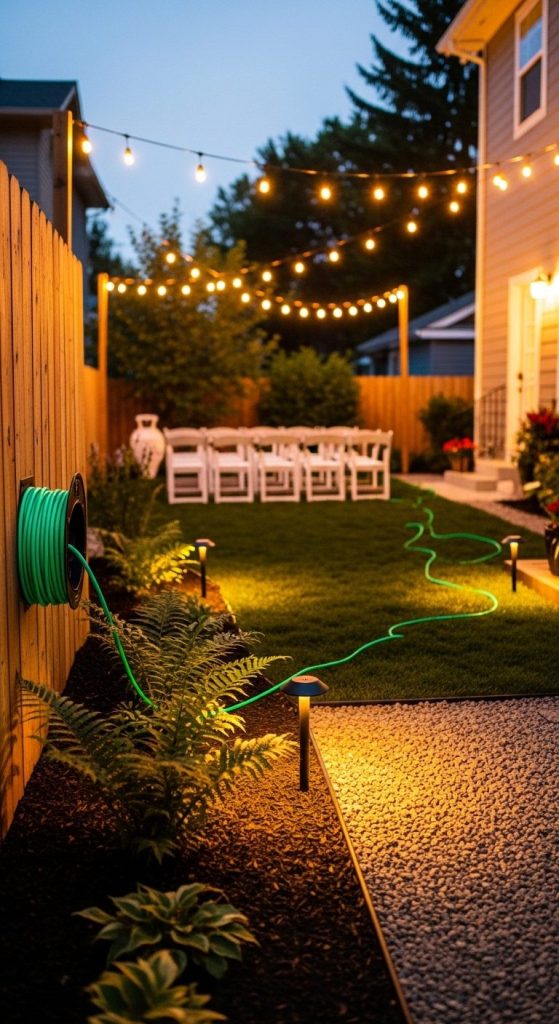
Small weddings still need power for lights, speakers, and catering.
Plan extension cords, outdoor-rated outlets, and power strips. Use ground covers to hide cables so guests don’t trip.
Pros:
- Keeps lighting consistent
- Supports music and catering equipment
- Prevents dangerous cords everywhere
Cons:
- Requires technical setup
- Might need an electrician check
Mini takeaway: Power planning prevents awkward blackouts and hazards.
8. Noise Management and Neighbor-Friendly Plan
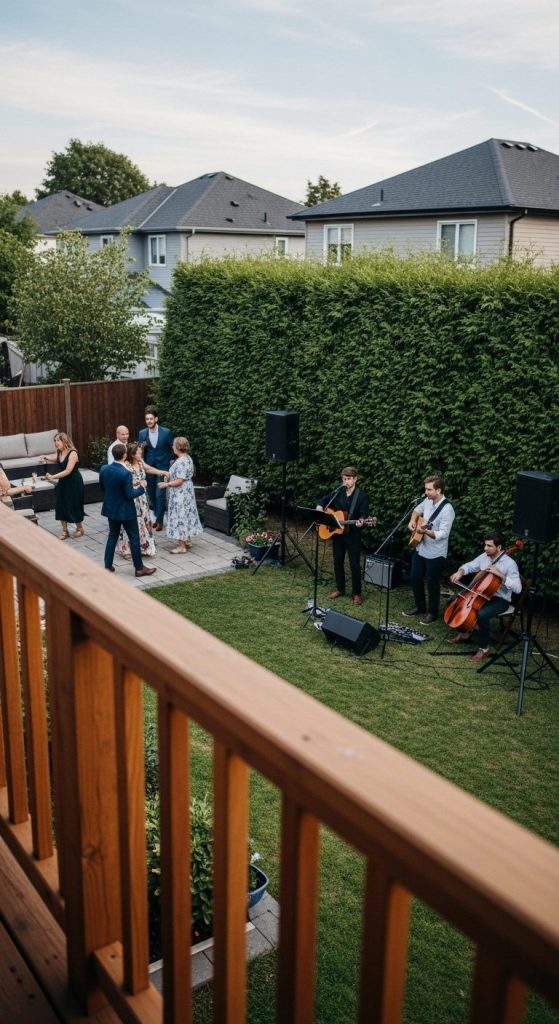
Backyard weddings often happen in residential areas.
Talk to neighbors, set quiet hours, and choose speaker placement carefully. Some cities require permits for amplified sound. According to local municipal guidelines in many regions, residential noise limits often start around 10 PM.
Pros:
- Avoids complaints or police visits
- Keeps relationships friendly
- Reduces stress
Cons:
- Limits party duration
- Requires coordination with neighbors
Mini takeaway: Respectful planning saves your wedding from awkward interruptions.
9. Backyard Parking and Guest Arrival Flow
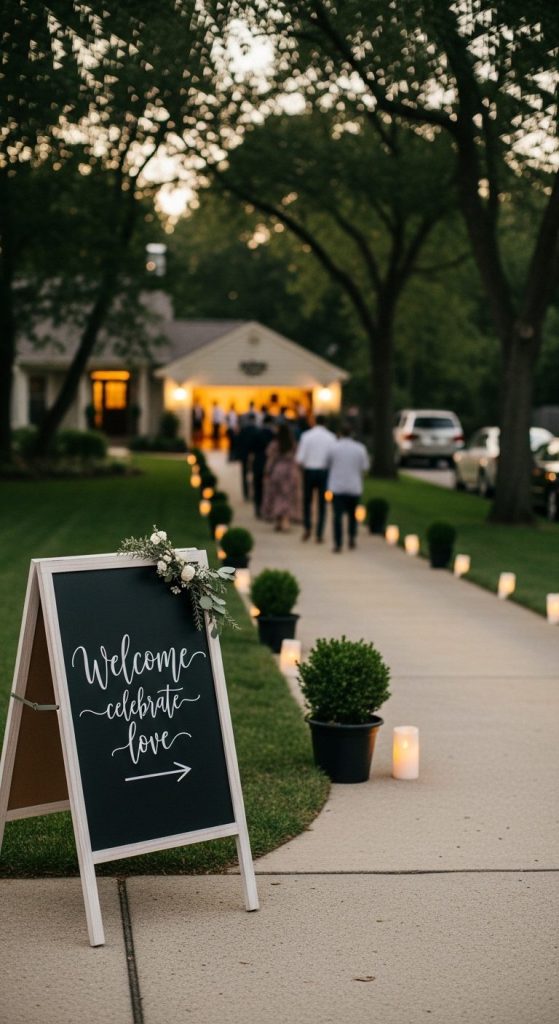
Parking becomes a nightmare in neighborhoods.
Plan street parking, shuttle rides, or designated drop-off spots. Provide guests with instructions beforehand so they don’t block driveways.
Pros:
- Smooth guest arrival
- Avoids neighbor conflicts
- Reduces late arrivals
Cons:
- Requires communication and signage
- Some guests may need walking distance
Mini takeaway: Arrival planning sets the tone for the entire day.
10. Outdoor Restroom and Comfort Planning
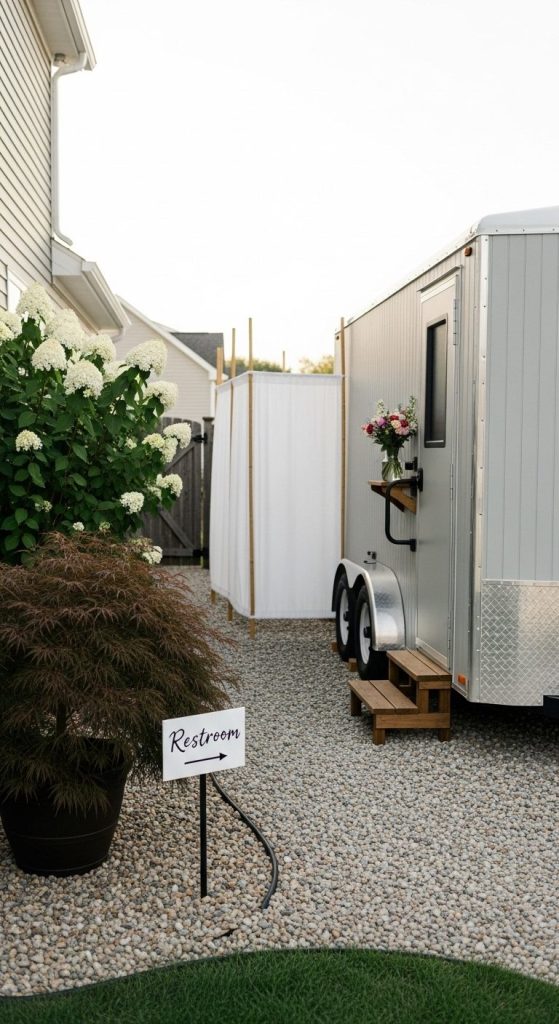
Your home bathroom cannot handle 40 guests. Trust me.
Rent portable restrooms or luxury restroom trailers. Place them discreetly but accessibly.
Pros:
- Keeps house clean
- Prevents long bathroom lines
- Adds comfort for guests
Cons:
- Rental cost
- Needs space in the yard
Mini takeaway: Guest comfort always beats convenience.
11. Backyard Layout With Clear Guest Flow Paths
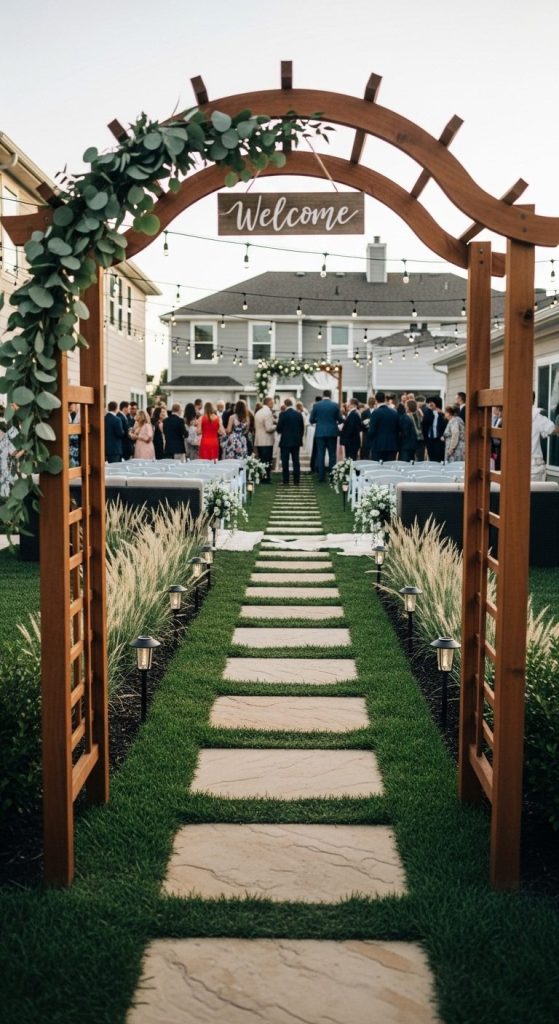
People need natural walking routes.
Design pathways using rugs, stepping stones, or lighting. Guide guests from entrance to ceremony, food, and seating without confusion.
Pros:
- Prevents crowding
- Makes photos look structured
- Improves guest experience
Cons:
- Requires layout planning
- Some setup labor involved
Mini takeaway: Clear movement paths make small spaces feel bigger.
12. Small Backyard Stage or Elevated Area Plan
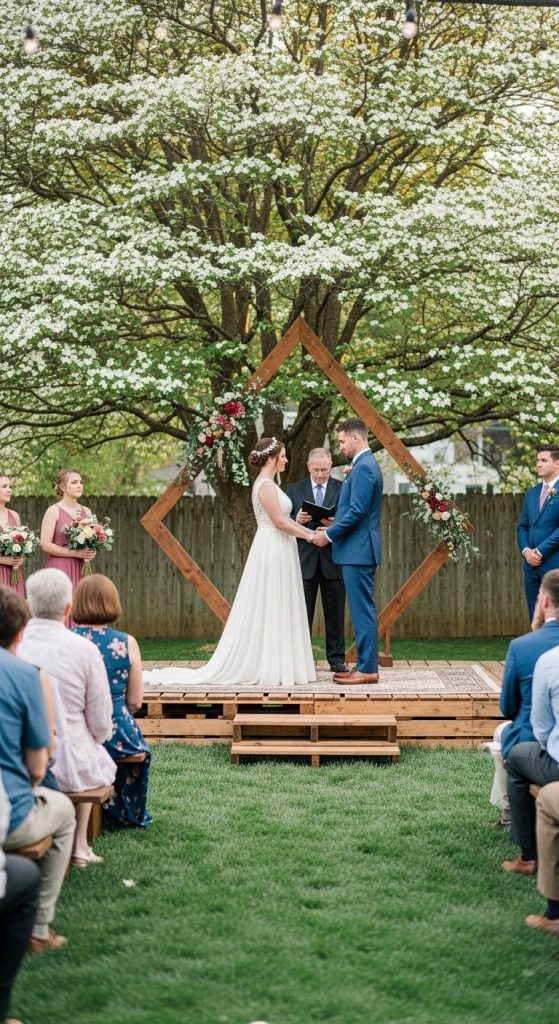
Even a small wedding benefits from a tiny stage.
Use wooden pallets, rented risers, or a deck area for vows or speeches. This helps guests see and hear better.
Pros:
- Improves visibility
- Makes photos dynamic
- Helps speeches feel official
Cons:
- Requires safe construction
- Extra setup time
Mini takeaway: A little elevation adds a big event feel.
13. Backyard Seating Mix for Comfort and Space
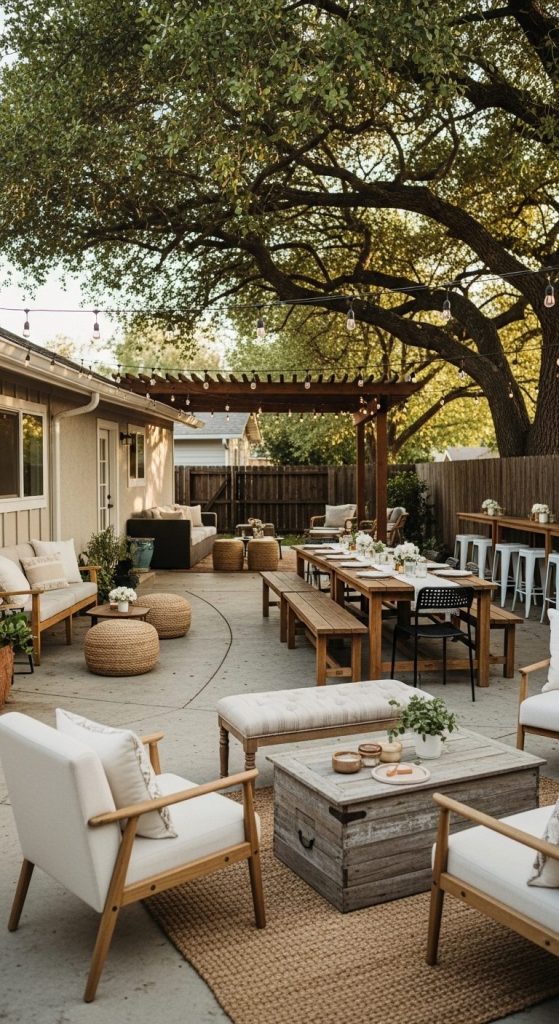
Not everyone wants formal chairs.
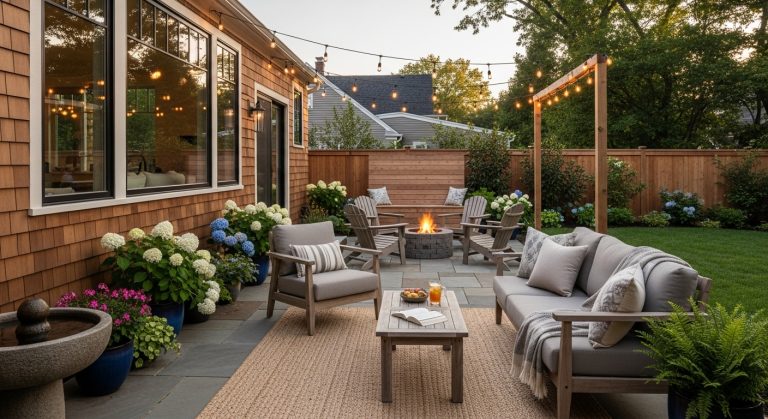
Mix benches, lounge seating, and standing tables. This creates zones and saves space. According to wedding rental companies, mixing seating types can reduce chair rentals by up to 30%.
Pros:
- Saves space and money
- Feels relaxed and modern
- Encourages conversation
Cons:
- Needs thoughtful layout
- Some guests prefer traditional seating
Mini takeaway: Variety keeps guests comfortable and engaged.
14. Home-Based Prep and Getting-Ready Zones
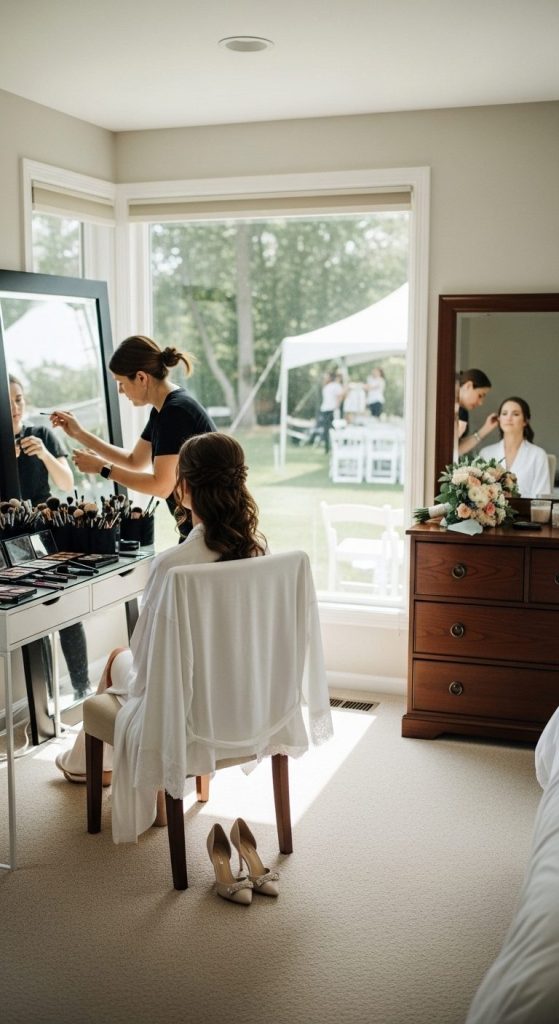
Backyard weddings often happen at home, so plan prep areas.
Assign rooms for the couple, wedding party, and vendors. Keep clutter away from guest areas.
Pros:
- Keeps stress low
- Prevents last-minute chaos
- Makes transitions smooth
Cons:
- Requires cleaning and organization
- Limits family space temporarily
Mini takeaway: Prep zones protect your peace on the big day.
15. End-of-Night Backyard Breakdown Plan
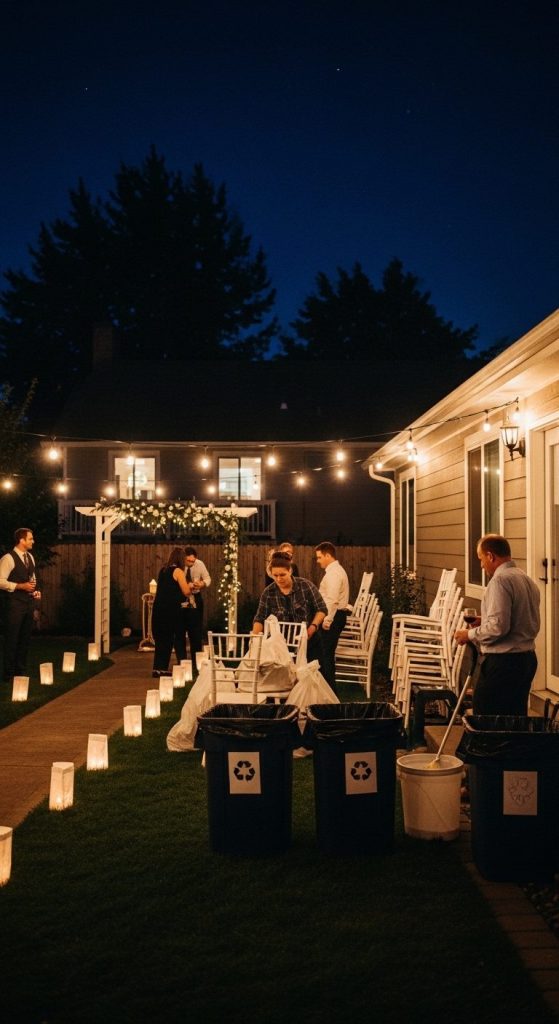
This one surprises couples. Cleanup matters.
Create a breakdown schedule, hire helpers, or assign friends. Plan trash removal, rentals return, and furniture storage.
Pros:
- Prevents next-day overwhelm
- Protects your property
- Ends the wedding on a calm note
Cons:
- Requires coordination
- Extra labor or cost
Mini takeaway: Planning the end is just as important as planning the start.
Conclusion
A small backyard wedding can feel magical when you plan it with intention. You don’t need a huge venue to create a memorable day. You need smart layout choices, realistic guest limits, and thoughtful logistics.
Honestly, backyard weddings often feel more authentic. You hear real conversations. You see genuine smiles. You feel connected to everyone there.
Try starting with one or two ideas from this list—like defining your ceremony zone or planning guest flow. Those small upgrades can transform your yard into a beautiful, functional wedding space.
And remember, perfection isn’t the goal. Comfort, connection, and joy matter more. If you and your guests feel relaxed and happy, your wedding will feel unforgettable.

William Martin is a passionate bowler who spends most of his weekends playing the sport. With years of intense experience under his belt, William decided to share his knowledge by creating BOWLING OCEAN. Join me on this journey to explore the world of bowling and discover the tips and tricks to becoming a pro.