15 Backyard Camping Ideas That Feel Cozy and Intentional
Ever notice how scrolling late at night can suddenly convince you that you need to turn your backyard into a mini escape? One minute you’re just killing time, the next you’re picturing lantern light, quiet air, and sleeping outdoors without leaving home. That’s exactly why backyard camping ideas have exploded lately. People want the feeling of getting away without the packing stress, long drives, or questionable campground bathrooms.
I’ll be honest — the first time I tried backyard camping, I expected it to feel kind of silly. It didn’t. It felt calm, cozy, and surprisingly memorable. There’s something about sleeping a few steps from your back door that still resets your brain. And once you tweak the setup just a little, it stops feeling like “camping-lite” and starts feeling intentional.
Below are 15 unique, realistic backyard camping ideas that go beyond tossing a tent on grass. Each one focuses on a functional upgrade or design shift that changes how the experience feels — not random accessories or fluff. These are ideas people actually do, save, and repeat because they work.
1. Ground-Leveled Tent Pad for Flat, Dry Sleeping
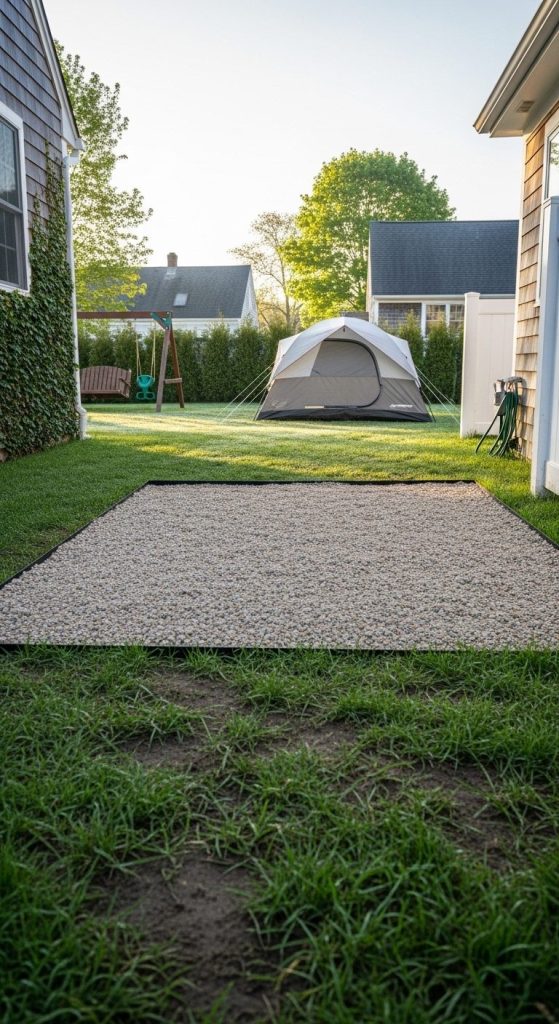
If you’ve ever woken up sliding into the corner of your tent, you already know why this matters. Uneven ground turns excitement into regret fast.
A ground-leveled tent pad uses compacted soil, sand, or pavers to create a flat base just for camping nights. It stays hidden when not in use and instantly improves sleep quality.
Pros
- Keeps your tent stable and dry
- Improves sleep comfort immediately
- Reduces tent wear over time
Cons
- Requires light digging and leveling
- Takes a weekend to set up
Mini takeaway
This one isn’t flashy, but it changes everything. Comfort makes or breaks backyard camping ideas.
2. Semi-Permanent Canvas Tent Setup
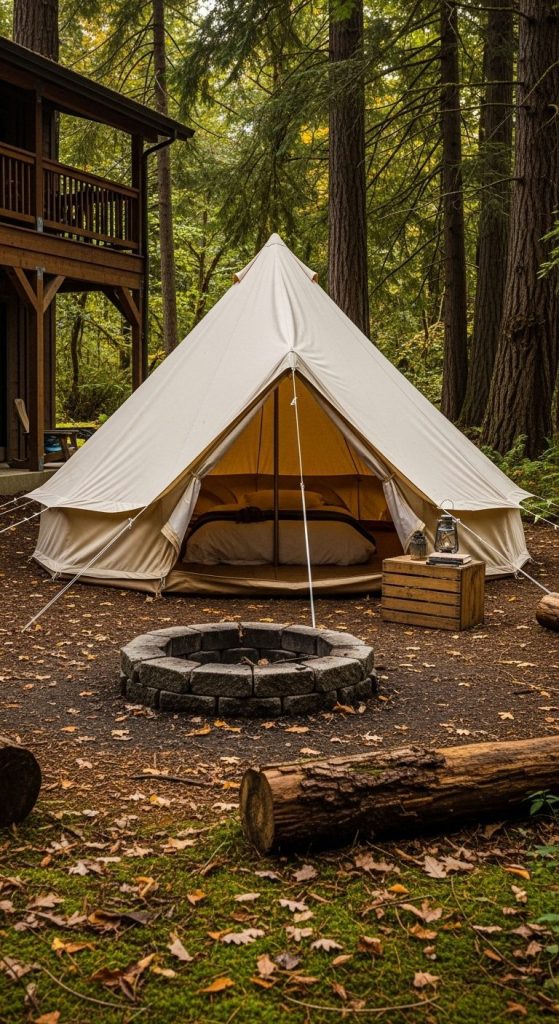
Pop-up tents feel temporary because they are. A canvas-style tent setup feels intentional, almost like a retreat.
Canvas tents breathe better, handle weather well, and hold warmth at night. Many people leave them up seasonally and take them down in fall.
Pros
- Better airflow and insulation
- Feels immersive and “real”
- Durable across seasons
Cons
- Higher upfront cost
- Needs dry storage off-season
Mini takeaway
If you camp often at home, this feels like leveling up instead of repeating setup chaos.
3. Backyard Camping Zone with Defined Footprint
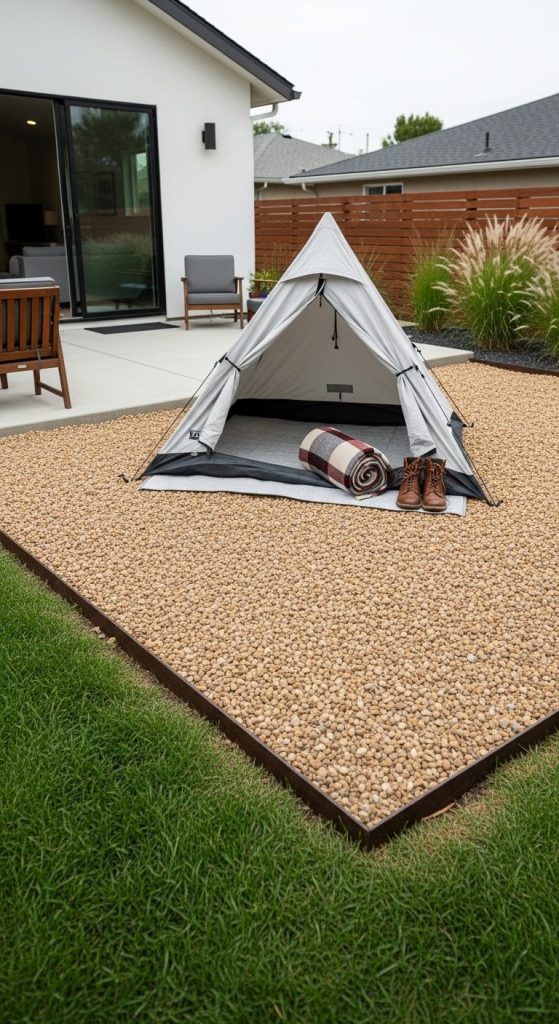
This idea surprised me. Simply defining the camping area changes how your brain treats it.
Use edging, gravel, or low borders to outline a dedicated camping footprint. When you step inside it, you mentally switch modes.
Pros
- Creates psychological separation from the house
- Keeps foot traffic organized
- Looks tidy even when unused
Cons
- Needs basic landscaping tools
- Takes planning upfront
Mini takeaway
Boundaries help relaxation. This turns backyard camping ideas into a repeat ritual.
4. Wind-Blocked Sleeping Orientation
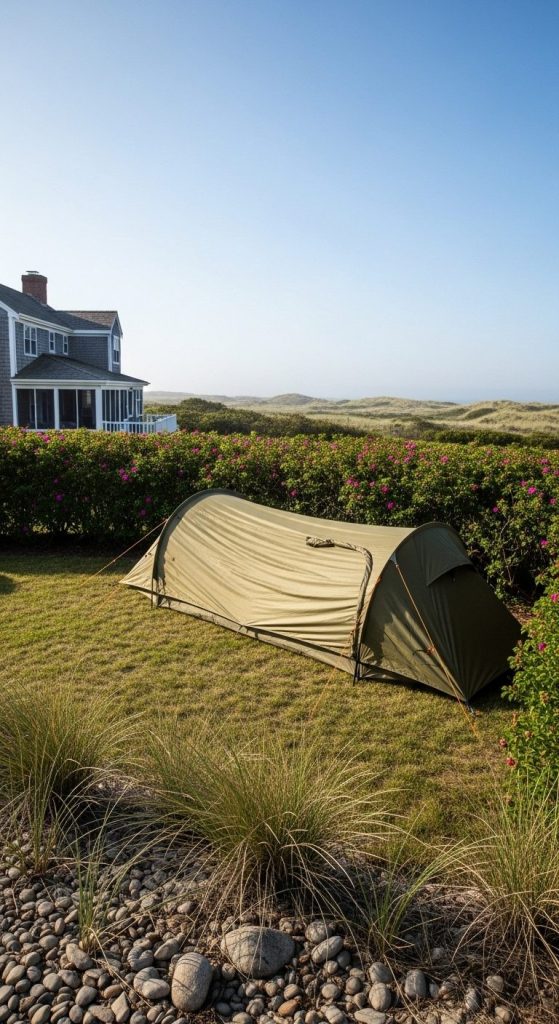
Wind ruins more backyard camping nights than cold ever does. Positioning matters.
By orienting tents near fences, hedges, or DIY wind panels, you reduce flapping noise and heat loss without building anything permanent.
Pros
- Warmer nights
- Quieter sleep
- No added equipment
Cons
- Limited by yard layout
- Takes trial and error
Mini takeaway
Smart placement beats buying more gear every time.
5. Fire-Adjacent Tent Layout (With Safe Distance)
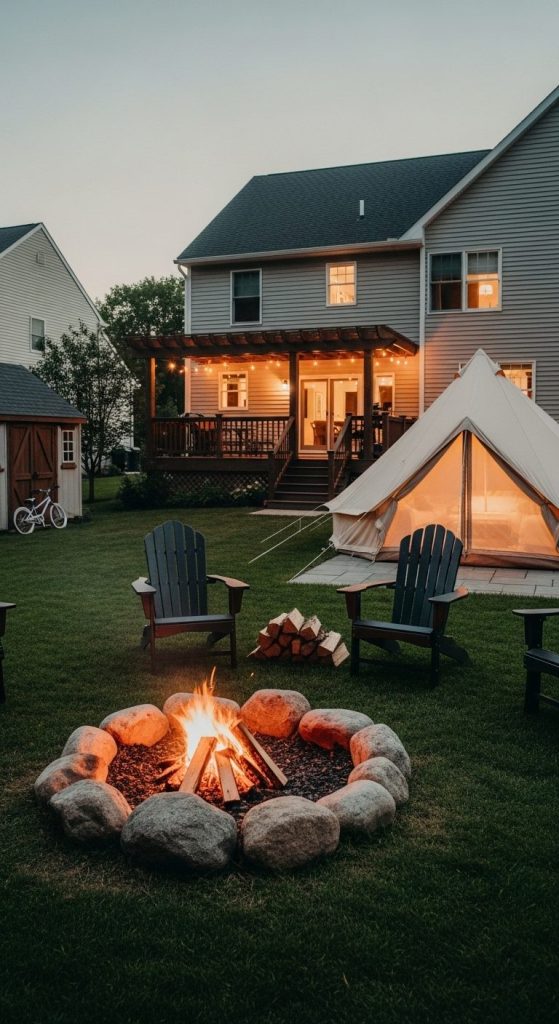
Most people center the fire pit visually but forget about layout flow. A fire-adjacent layout places sleeping areas near warmth, not directly facing smoke.
Fire safety experts recommend keeping tents at least 10–15 feet away from open flames (National Fire Protection Association).
Pros
- Retains warmth without smoke exposure
- Improves nighttime hangout flow
- Feels intentional and cozy
Cons
- Requires measuring space
- Needs discipline around fire use
Mini takeaway
This layout makes nights smoother and mornings warmer.
6. Ground Insulation Layer Built into the Yard
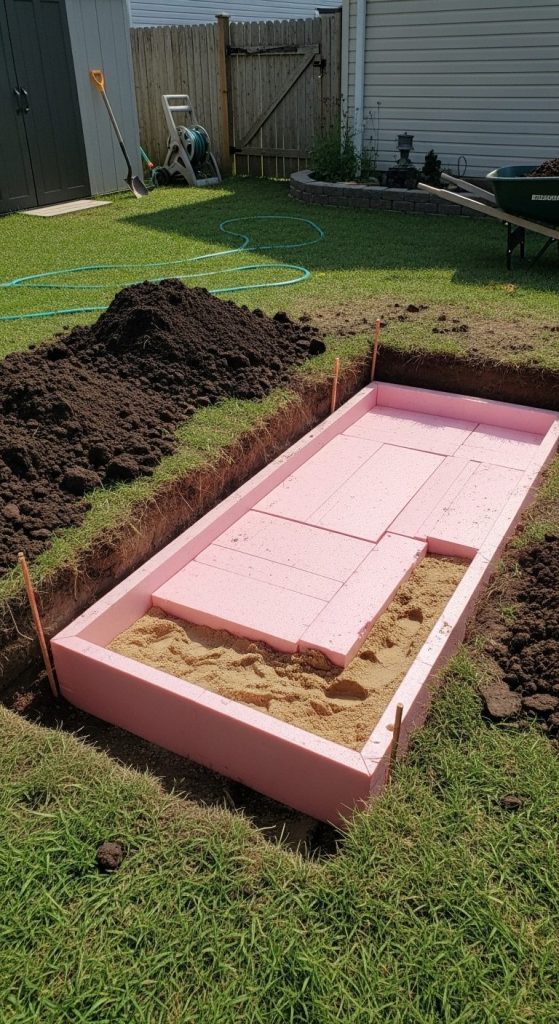
Instead of stacking pads every time, some people create a reusable ground insulation layer under the tent pad using foam boards or rubber matting beneath soil.
It’s invisible, reusable, and wildly effective.
Pros
- Major warmth boost
- No setup each time
- Hidden year-round
Cons
- Requires digging
- Slight material cost
Mini takeaway
Cold ground is sneaky. This quietly fixes it for good.
7. Backyard Stargazing Orientation Plan
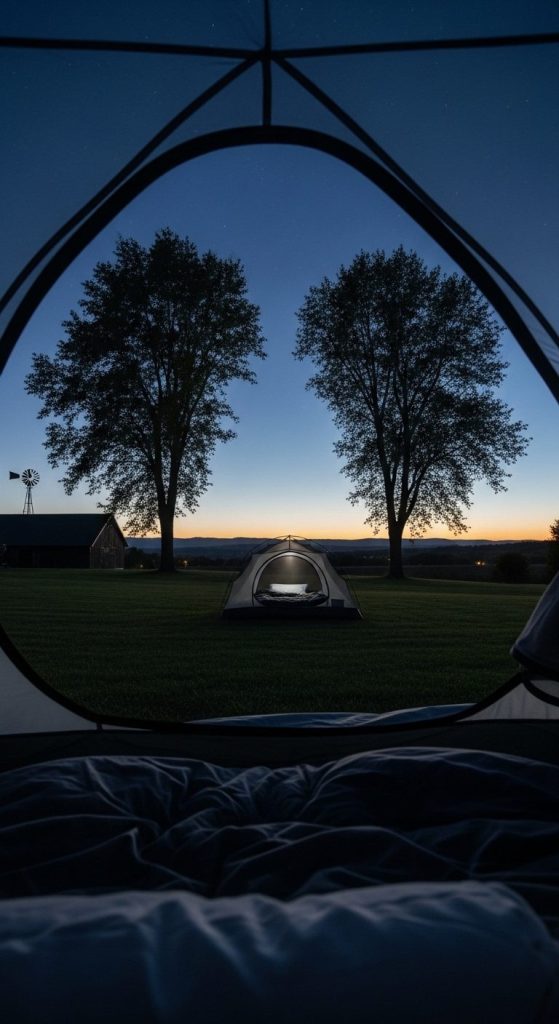
Backyard camping ideas often ignore sky visibility. That’s a miss.
Choose your tent orientation based on where the sky opens up — fewer trees, fewer lights. Even shifting a few feet changes the view.
According to the International Dark-Sky Association, minimizing light direction improves star visibility dramatically.
Pros
- Enhances nighttime experience
- No cost involved
- Adds emotional impact
Cons
- Depends on neighborhood lighting
- Seasonal variation
Mini takeaway
Stars do half the work for you. Let them.
8. Dual-Zone Camping Layout for Kids and Adults
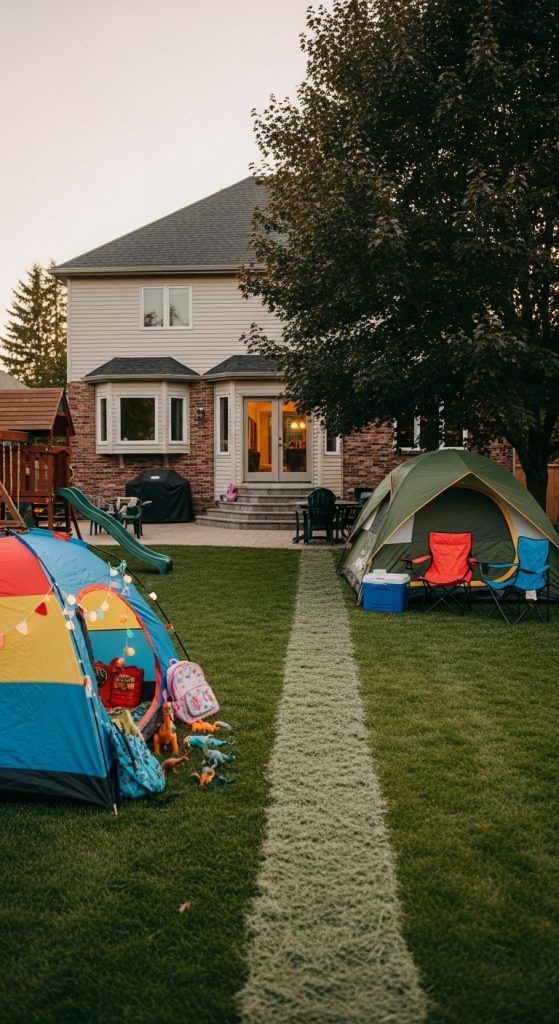
This one saves sanity. Instead of everyone sharing one setup, create two micro-zones: one for kids, one for adults.
They stay connected but separate.
Pros
- Better sleep for adults
- Kids feel independent
- Easier bedtime routines
Cons
- Needs more yard space
- Requires two shelters
Mini takeaway
Together but not tangled. Worth it.
9. Backyard Camp Kitchen Footprint
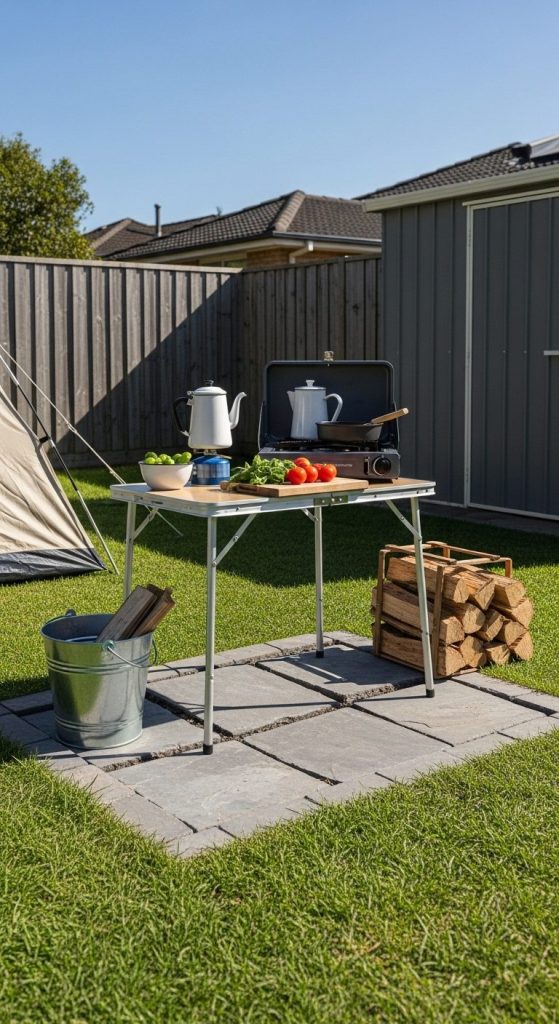
Not a kitchen setup — the footprint. Mark out a consistent cooking zone using gravel, mats, or pavers.
This keeps food smells away from sleeping areas and creates rhythm.
Pros
- Cleaner sleeping area
- Safer food handling
- Easier cleanup
Cons
- Requires layout planning
- Needs storage nearby
Mini takeaway
Structure reduces chaos. Camping flows better with zones.
10. Rain-Ready Drainage Channel Near Tent Area
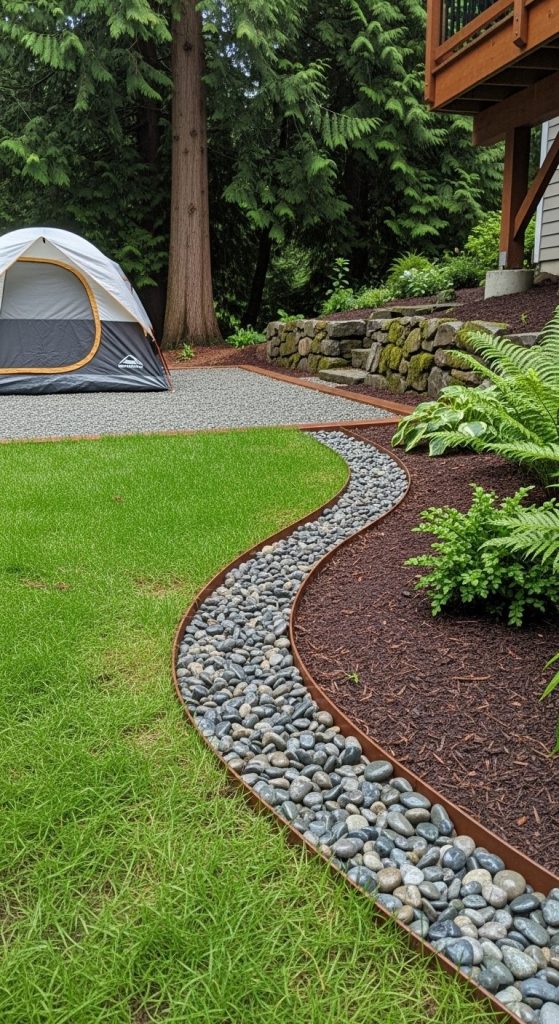
This idea feels boring until you wake up dry after rain.
A shallow drainage channel directs water away from the tent pad. Landscapers use this trick constantly.
Pros
- Prevents puddling
- Protects gear
- Long-term solution
Cons
- Requires digging
- Needs occasional maintenance
Mini takeaway
Weather happens. Prepare once, relax forever.
11. Seasonal Backyard Camping Rotation Spot
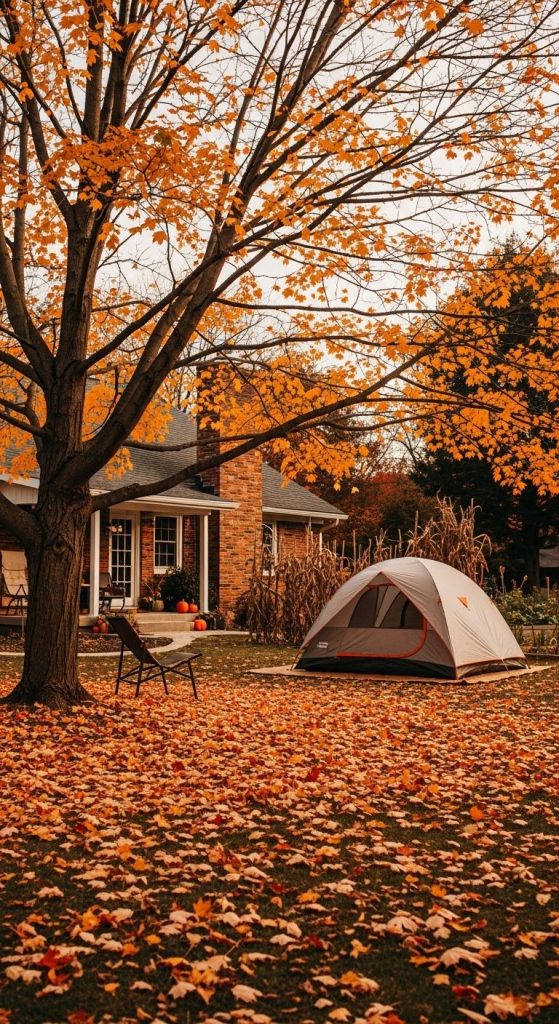
Instead of camping in the same spot, rotate locations by season to adapt to sun, shade, and ground conditions.
This keeps grass healthy and improves comfort.
Pros
- Prevents lawn damage
- Optimizes shade and warmth
- Keeps things fresh
Cons
- Requires flexibility
- Re-planning layouts
Mini takeaway
Nature changes. Your setup should too.
12. Raised Sleeping Platform (Low Profile)
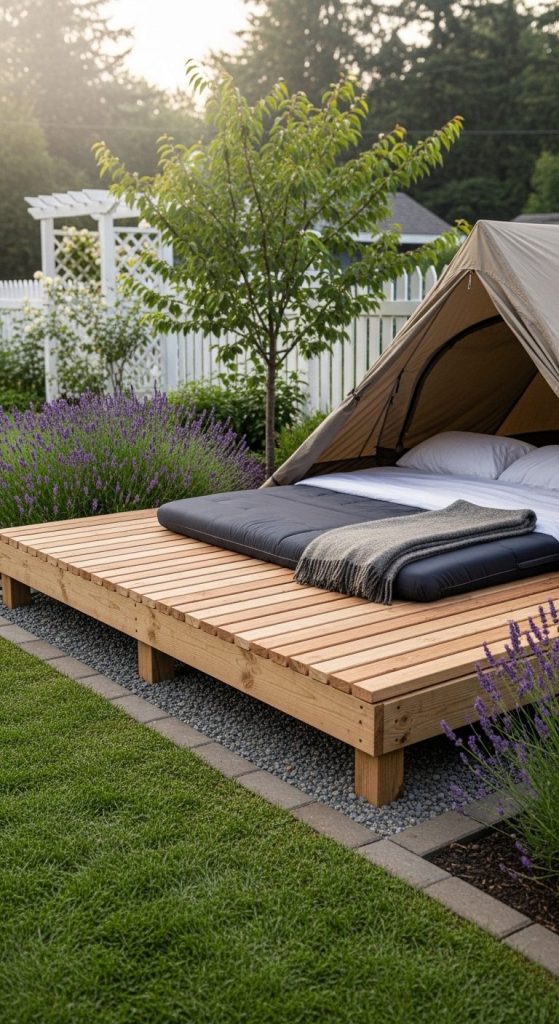
Not a deck — a low, removable platform just high enough to avoid moisture.
Built from treated lumber or modular panels, it creates instant comfort.
Pros
- Dry, level sleeping
- Reduces bugs
- Easy removal
Cons
- Moderate DIY skill
- Storage required
Mini takeaway
This feels fancy without being complicated.
13. Quiet Buffer Zone from the House
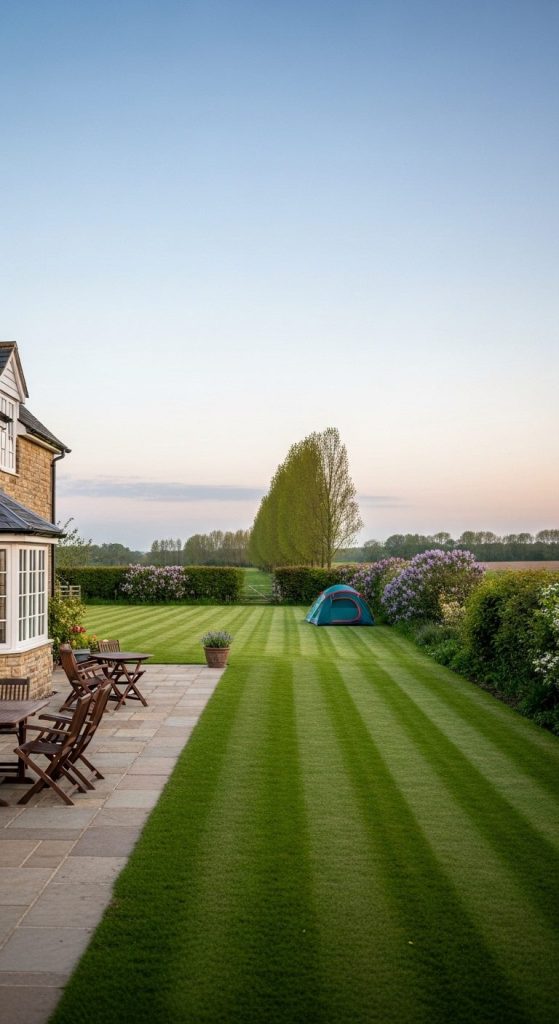
Sound travels weird at night. Creating a buffer zone using distance, placement, or barriers reduces household noise.
It helps your brain disconnect.
Pros
- Better immersion
- Improved sleep quality
- No gear needed
Cons
- Limited by yard size
- Trial positioning
Mini takeaway
Distance equals depth of experience.
14. Seasonal Backyard Camping Themes
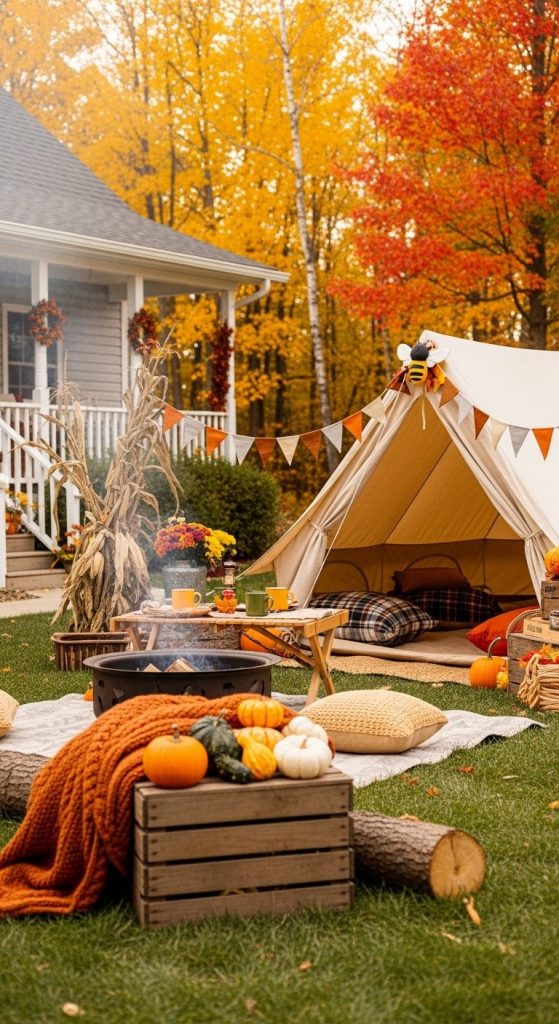
Instead of repeating the same setup, adjust layout and purpose by season — spring bird-watching, summer late nights, fall warmth-focused.
This keeps it exciting.
Pros
- Prevents boredom
- Matches weather patterns
- Encourages repeat use
Cons
- Requires planning
- Seasonal storage
Mini takeaway
Variety keeps backyard camping ideas alive.
15. Morning Exit Path Planning
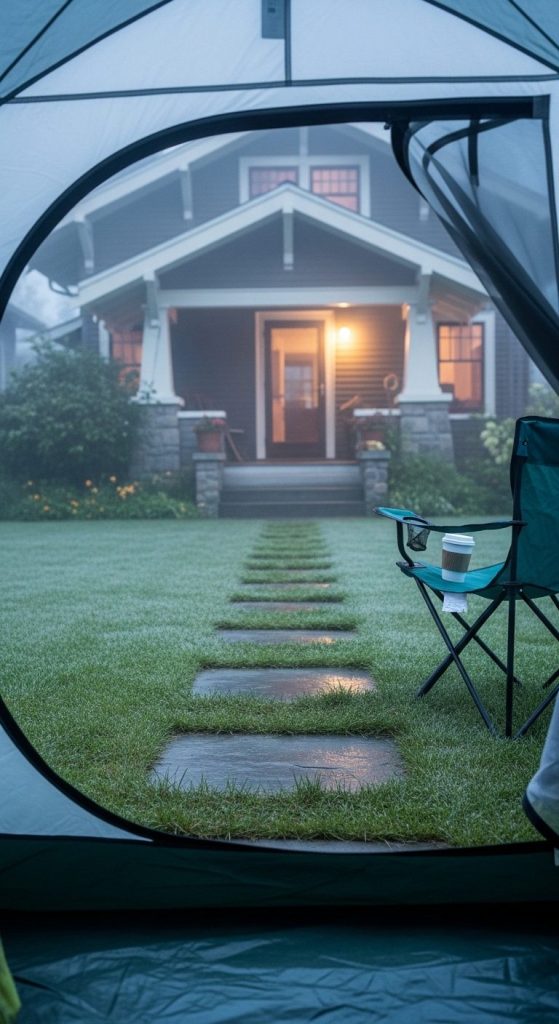
Most people forget mornings. Create a clear path from tent to house for coffee, bathrooms, or supplies.
It sounds small, but it matters.
Pros
- Easier mornings
- Less mess tracking inside
- Smoother transitions
Cons
- Requires layout awareness
- Minor setup effort
Mini takeaway
Endings matter as much as nights.
Final Thoughts
Backyard camping works best when it stops feeling improvised. The difference between “we tried it once” and “we do this every year” comes down to intention. Small layout changes, smart positioning, and repeatable systems make the experience feel real — not forced.
Personally, the biggest shift for me was realizing comfort doesn’t ruin camping. It protects the joy of it. When you sleep well, stay dry, and feel grounded, everything else feels lighter.
You don’t need to try all of these. Pick one that fits your space and style, set it up once, and build from there. Backyard camping ideas shine brightest when they grow with you.

Ashley Ellison is a skilled writer and avid bowler. Her passion for storytelling and dedication to the sport have led her to participate in various national bowling leagues. With a unique combination of talents, Ashley approaches every challenge with creativity and a relentless drive to succeed.