15 Best Shrubs For Front Of House That Actually Look Good
I learned this lesson the hard way. I planted a row of scrappy little shrubs in front of my house, and two years later, they had swallowed my windows and looked like overgrown green meatballs. My neighbor politely suggested I might want to “rethink the foundation planting.” That stung.
But she was right. The front of your house is literally the face you show the world. The shrubs you plant there either make your home look welcoming and intentional or like you gave up and bought whatever was on clearance.
After digging up my mistakes and starting over, I finally figured out what works. The best shrubs for front of house don’t just survive. They frame your windows, complement your siding color, stay the right size, and look good in every season. Here are fifteen that actually deliver.
1. Dwarf Korean Lilac (Syringa meyeri ‘Palibin’)
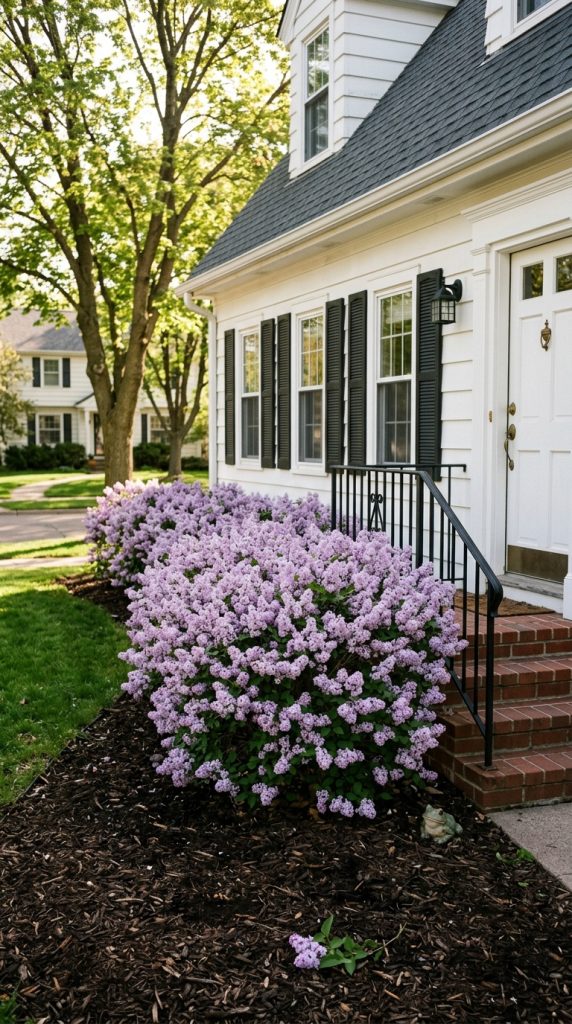
I wanted lilacs so badly, but the big ones grow into trees. Then I found this dwarf variety. It maxes out at five feet tall and wide, which means it fits perfectly under my front windows without blocking the light. And yes, it still produces those incredibly fragrant purple flowers.
Pros:
- Fragrant spring blooms that smell like heaven.
- Stays naturally compact. No constant pruning to control size.
- Very cold hardy. Zones 3 to 7 with no issues.
Cons:
- Blooms for only two weeks. The rest of the year, it is just a green bush.
- Can get powdery mildew in humid climates. Space for air flow.
Plant these four feet apart for a low hedge under your windows. They will not block the view, but they will hide the foundation. And when they bloom in May, your whole street will smell like a French perfume shop.
2. Boxwood (Buxus microphylla ‘Wintergreen’)
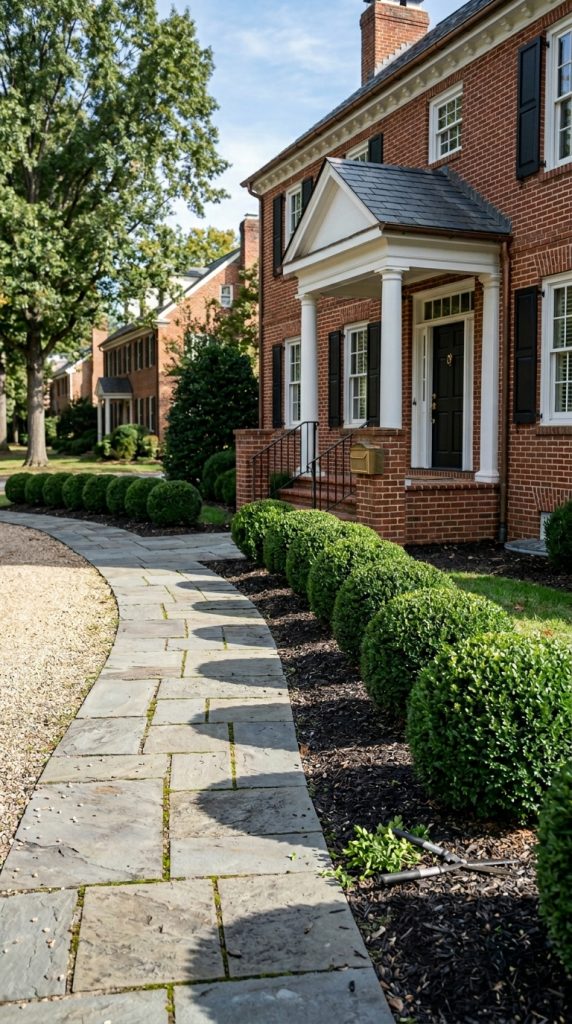
You have seen these in front of every nice house in your neighborhood for a reason. Boxwoods are the little black dress of foundation plantings. They work with every architectural style, stay green all winter, and you can shape them into anything you want.
Pros:
- Evergreen. No bare brown sticks when snow falls.
- Takes shearing beautifully. Formal balls, low hedges, or natural shapes.
- Very long-lived. Those boxwoods will outlast you.
Cons:
- Boxwood blight is spreading. Buy from reputable nurseries.
- Slow growers. Instant gratification? Not happening.
A study from the University of Georgia found that boxwood foundation plantings can increase a home’s perceived value by nearly five percent. So those little green balls are literally making you money.
3. Hydrangea (Hydrangea macrophylla ‘Let’s Dance’)
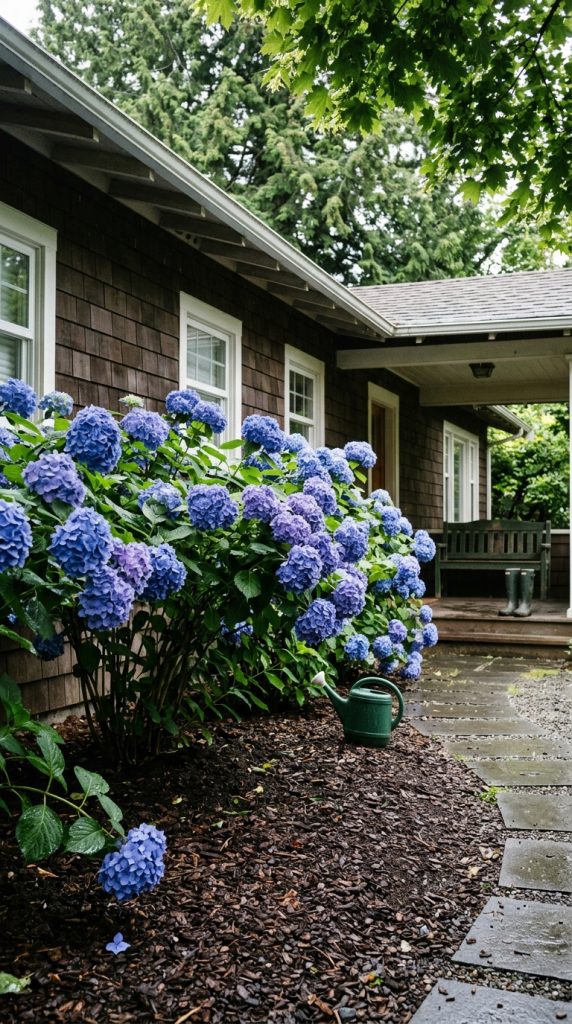
Do you want massive, colorful blooms right at your front door? Reblooming hydrangeas are the answer. The ‘Let’s Dance’ series flowers on both old and new wood, so even if a late frost kills the first buds, you still get flowers in summer.
Pros:
- Huge blue or pink flowers from June until September.
- The house protects them from harsh winds.
- Cut the dried blooms in fall for indoor arrangements.
Cons:
- Needs afternoon shade. Hot western exposures burn the leaves.
- Blooms turn brown if you do not water consistently.
Plant these on the east or north side of your house. Morning sun and afternoon shade from the house itself keep them perfect. And when those big blue mopheads are blooming, every person walking by will stop and stare.
4. Inkberry Holly (Ilex glabra ‘Compacta’)
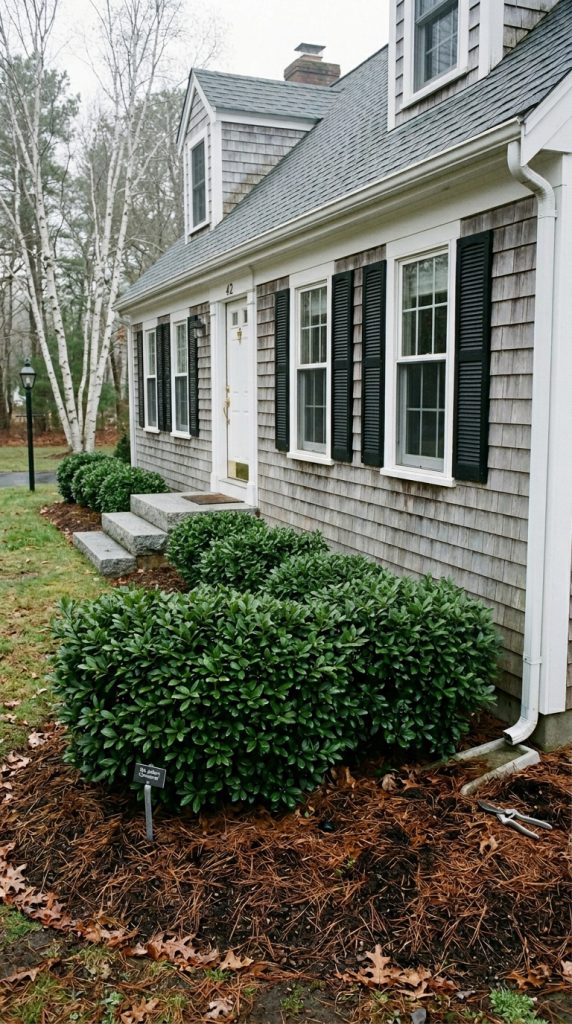
If you want the look of boxwood but you have wet soil, this is your plant. Inkberry holly is a native evergreen that thrives in damp, acidic conditions that rot regular boxwoods. The leaves are glossy and dark green, and the black berries add winter interest.
Pros:
- Native to North America. Birds eat the berries.
- Tolerates wet soil and salt spray.
- No thorns. Unlike other hollies, these are safe near walkways.
Cons:
- Needs both male and female plants for berries.
- Can get leggy in deep shade.
I planted these along the front of a house where the downspout drained right into the bed. The soil stayed soggy for days after rain. The inkberries loved it. They grew into perfect two-foot balls and stayed green all winter.
5. Spirea (Spiraea japonica ‘Double Play Gold’)
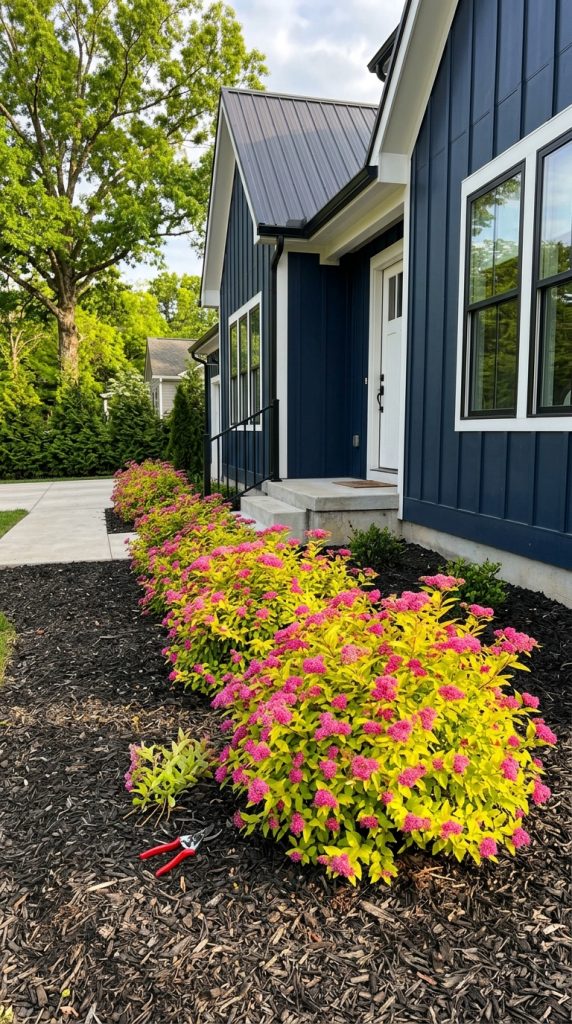
Most shrubs are either green or boring. This spirea is neither. The new leaves emerge bright, glowing gold in spring and hold that color all summer. Then in late spring, clusters of hot pink flowers cover the plant. It looks like someone set a gold bush on fire with pink sparklers.
Pros:
- Bright gold foliage pops against dark house siding.
- Very drought tolerant once established.
- Cut it to the ground every few years to refresh it.
Cons:
- Loses leaves in winter. You get bare branches.
- Can look messy if not pruned annually.
Put this in front of a dark gray or navy blue house. The contrast will stop traffic. I promise. Your neighbors will ask what that amazing gold plant is.
6. Dwarf Fothergilla (Fothergilla gardenii ‘Mount Airy’)
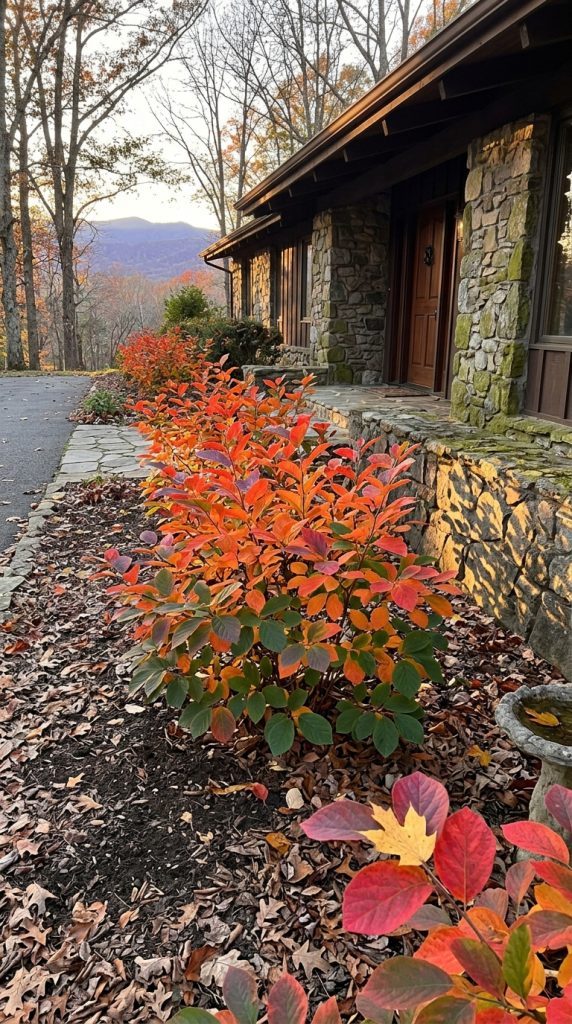
Here is a shrub that gives you four seasons of interest for the price of one. Spring brings white, bottlebrush flowers that smell like honey. Summer offers blue-green foliage. Fall turns the leaves into a psychedelic show of orange, red, and yellow. Winter reveals interesting twiggy structure.
Pros:
- Native to the southeastern US. Tough as nails.
- No pruning needed. Stays naturally compact.
- Very pest and disease resistant.
Cons:
- Slow to establish. First year, it sleeps. Second year, it creeps. Third year, it leaps.
- Needs acidic soil. Chlorotic yellow leaves in alkaline soil.
Plant this where you can see it from a window. The fall color alone is worth the price of admission. And the honey-scented spring flowers will make you understand why people love gardening.
7. Rhododendron (Rhododendron ‘PJM’)

Most rhododendrons are too big for foundation plantings. Not ‘PJM.’ This hybrid stays four feet tall and wide, has small, leathery leaves that turn purple-bronze in winter, and explodes with bright lavender-pink flowers in early spring before anything else is blooming.
Pros:
- Evergreen. The purple-bronze winter foliage is beautiful.
- Very cold hardy. Zones 4 to 8.
- The early flowers are a lifesaver for hungry bees.
Cons:
- Needs acidic, well-drained soil. Heavy clay kills them.
- Does not like afternoon sun. East or north side only.
The American Rhododendron Society says ‘PJM’ is the most reliable hybrid for foundation plantings across the northern US. It is practically bulletproof if you give it the right soil and light.
8. Sunshine Ligustrum (Ligustrum sinense ‘Sunshine’)

Have a spot that gets blasted by hot afternoon sun? Most shrubs burn there. Sunshine ligustrum thrives. The leaves are a brilliant, glowing yellow that never fades to green. And it stays small. Only three to four feet tall and wide.
Pros:
- Bright yellow foliage pops against any house color.
- Extremely heat and drought tolerant.
- Evergreen in warm climates. Semi-evergreen in cold.
Cons:
- Invasive in some southern states. Check your local extension office.
- Flowers have a strong odor that some people hate.
Unlike its invasive cousins, ‘Sunshine’ is sterile. It does not produce seeds or spread. You get all the color with none of the guilt. Plant it where you need a beacon of brightness against a dark house or green lawn.
9. Weigela (Weigela florida ‘Wine and Roses’)
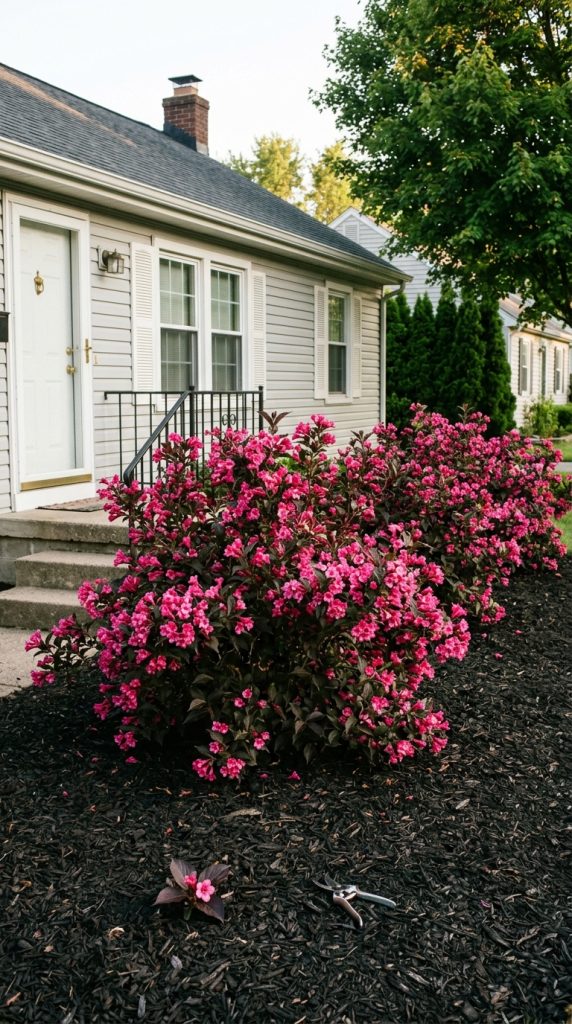
Dark purple leaves and hot pink flowers. That is the whole sales pitch, and it is all you need to hear. ‘Wine and Roses’ weigela grows four feet tall and wide, with deep burgundy-black foliage that makes the pink trumpet-shaped flowers look electric.
Pros:
- Deer resistant. They walk right past it.
- Reblooms through summer if you deadhead.
- The dark foliage is beautiful even when not in flower.
Cons:
- Loses leaves in winter. Bare stems only.
- Can get leggy in too much shade. Needs full sun.
Plant this in front of a beige or light gray house. The contrast between the dark purple leaves and the light siding is stunning. And when the pink flowers pop in June, it looks like a party.
10. Dwarf Yaupon Holly (Ilex vomitoria ‘Nana’)
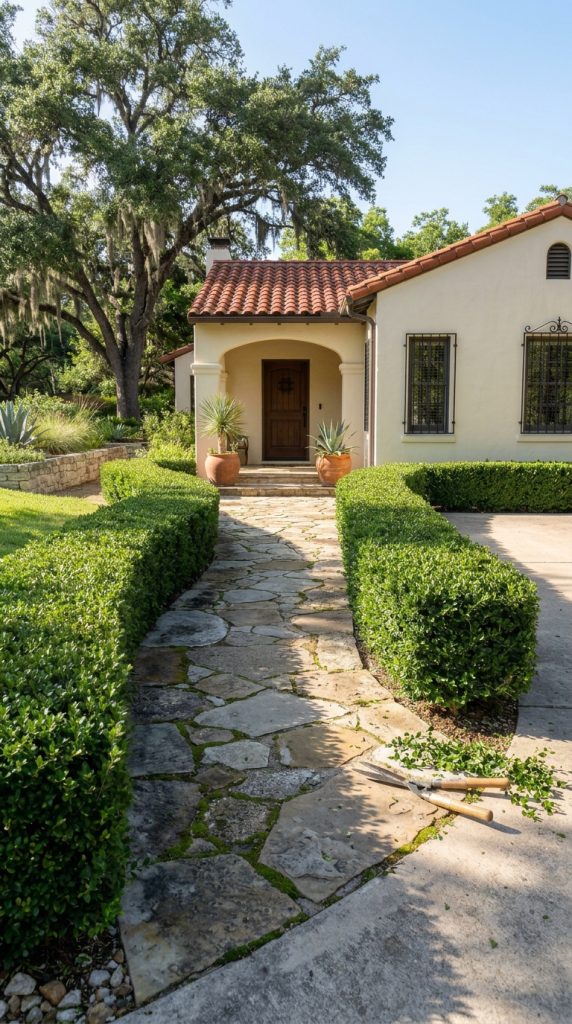
Do you need a small, tough, evergreen shrub that can handle heat, drought, salt, and horrible soil? Dwarf yaupon holly is your answer. This southern native grows into a dense, two-foot-tall mound of tiny, dark green leaves. No thorns. No berries. Just reliable green texture.
Pros:
- Extremely drought tolerant. Water once a month after establishment.
- Takes shearing into perfect little balls or boxes.
- Native to the southeastern US. Wildlife love it.
Cons:
- Slow grower. Do not expect a hedge overnight.
- Not cold hardy. Zones 7 and warmer only.
Landscape architects in Texas and Florida use these constantly. They line walkways, frame doors, and fill foundation beds with zero fuss. You can literally plant them and forget them for years.
11. Oakleaf Hydrangea (Hydrangea quercifolia ‘Pee Wee’)
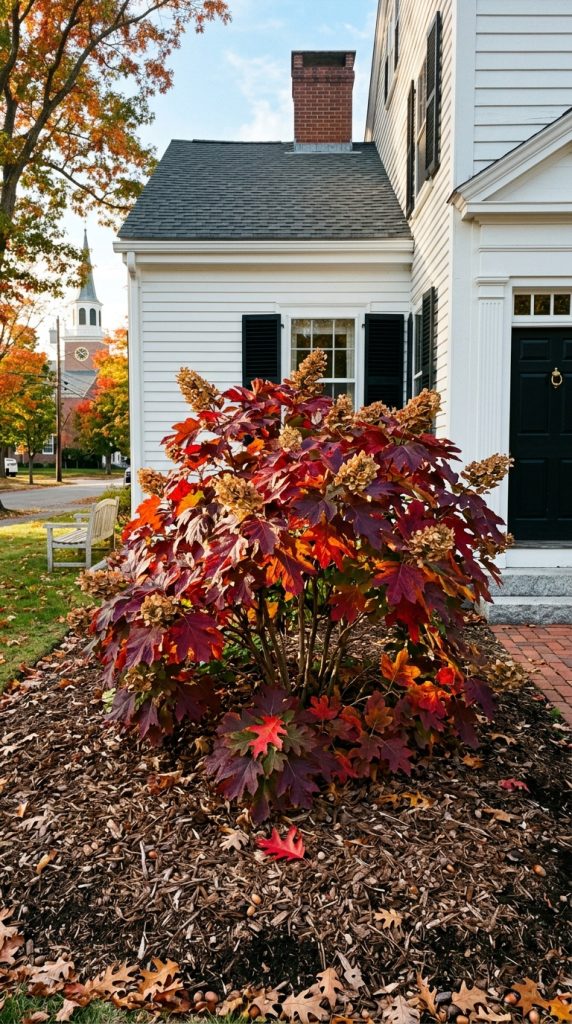
Regular hydrangeas are great. Oakleaf hydrangeas are better for the front of the house because they offer four-season interest. The leaves look like giant oak leaves and turn brilliant red-purple in fall. The bark peels in cinnamon-colored strips in winter. And the summer flowers are huge white cones.
Pros:
- Native to the US. Supports local ecosystems.
- The fall color is unmatched by any other shrub.
- Tolerates dry shade under trees.
Cons:
- Can get wider than expected. Give it room.
- Needs good drainage. Wet feet rot the roots.
‘Pee Wee’ is the dwarf version, staying just three to four feet tall and wide. Plant it on the corner of your house where you can see the fall color from the street. It will be the best decision you make all year.
12. Winterberry (Ilex verticillata ‘Red Sprite’)

Most shrubs are boring in winter. Winterberry is the opposite. It drops all its leaves in fall and reveals hundreds of bright red berries that cling to the bare branches all winter long. Against snow or a dark house, those red berries are electric.
Pros:
- Native wetland plant. Tolerates wet soil.
- The winter berries feed birds when food is scarce.
- Very cold hardy. Zones 3 to 9.
Cons:
- Needs both male and female plants for berries.
- Bare stems in summer? No. The summer foliage is green and normal.
Plant ‘Red Sprite’ (female) with ‘Jim Dandy’ (male) nearby. You need one male for up to five females. In December, when everything else is brown, your foundation will be covered in red berries. Your holiday decorations are built right in.
13. Abelia (Abelia x grandiflora ‘Kaleidoscope’)
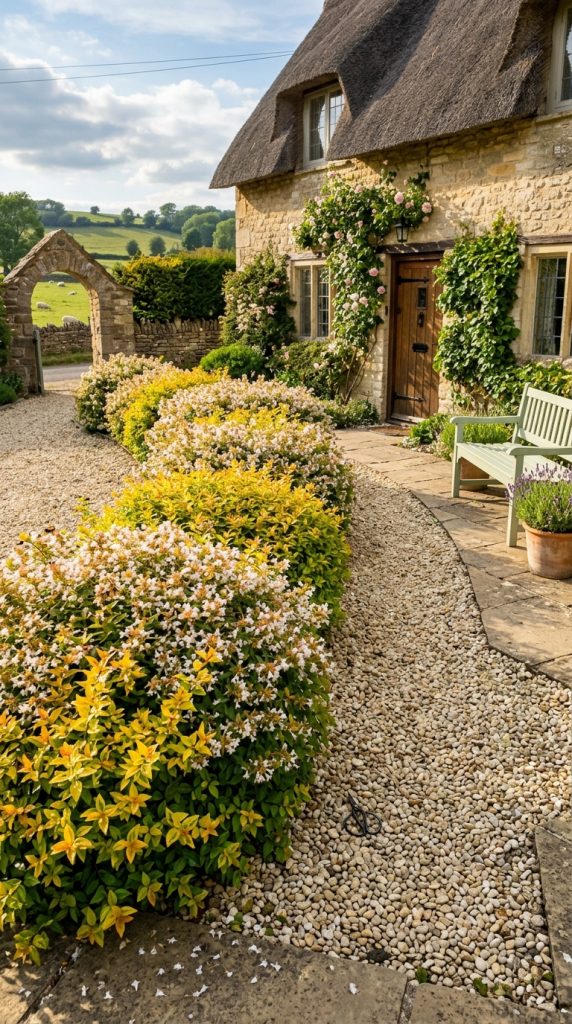
This shrub changes color so often it is hard to keep up. New growth in spring is bright yellow with green centers. Summer turns the leaves golden and green. Fall shifts everything to orange, red, and purple. And it stays evergreen in warm climates.
Pros:
- The color show lasts from spring until frost.
- Tiny white flowers bloom all summer and attract butterflies.
- Very heat and drought tolerant.
Cons:
- Dies back to the ground in zone 6 winters. Returns in spring.
- Can look twiggy in cold climates.
Abelia ‘Kaleidoscope’ stays just two to three feet tall and three feet wide. Plant it where you need a low, colorful hedge along your front walkway. Every time you come home, the colors will be different. It is like having a new plant every month.
14. Dwarf Bottlebrush (Callistemon citrinus ‘Little John’)
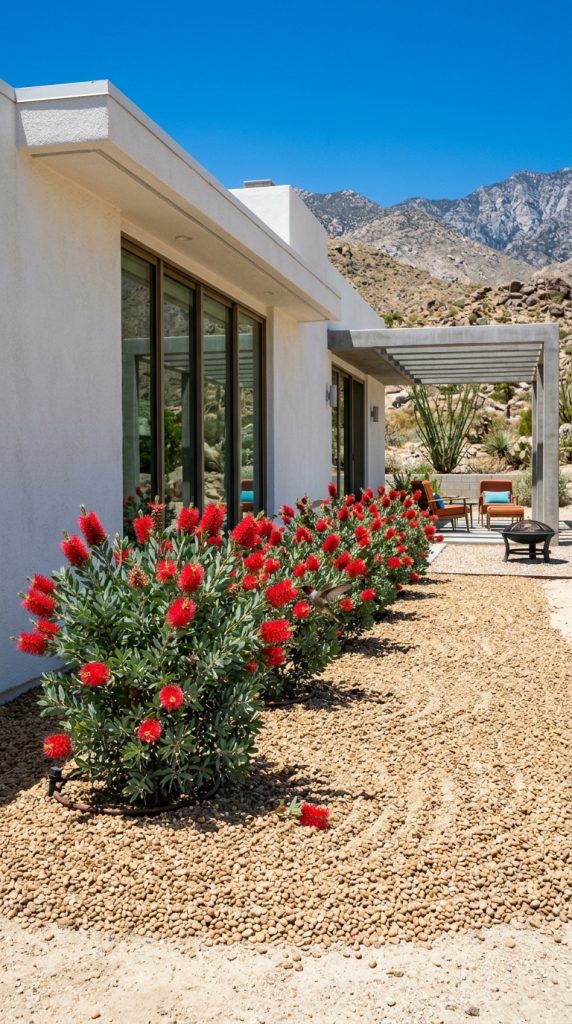
If you live in a warm climate (zones 8 to 11), you need to know about this plant. Dwarf bottlebrush grows just three feet tall and wide, with stiff, blue-green leaves that look completely different from any other shrub. The flowers are bright red, fuzzy, bottlebrush-shaped blooms that hummingbirds fight over.
Pros:
- The blue-gray foliage is beautiful year-round.
- Hummingbirds will visit constantly.
- Very drought and heat tolerant.
Cons:
- Only hardy in warm climates. Not for northern yards.
- Needs full sun. Shade makes it leggy.
A gardener in Arizona told me she replaced all her foundation shrubs with ‘Little John’ bottlebrush. She waters them once a month. They bloom for six months. The hummingbirds are constant. That is a win-win-win.
15. Dwarf Alberta Spruce (Picea glauca ‘Conica’)
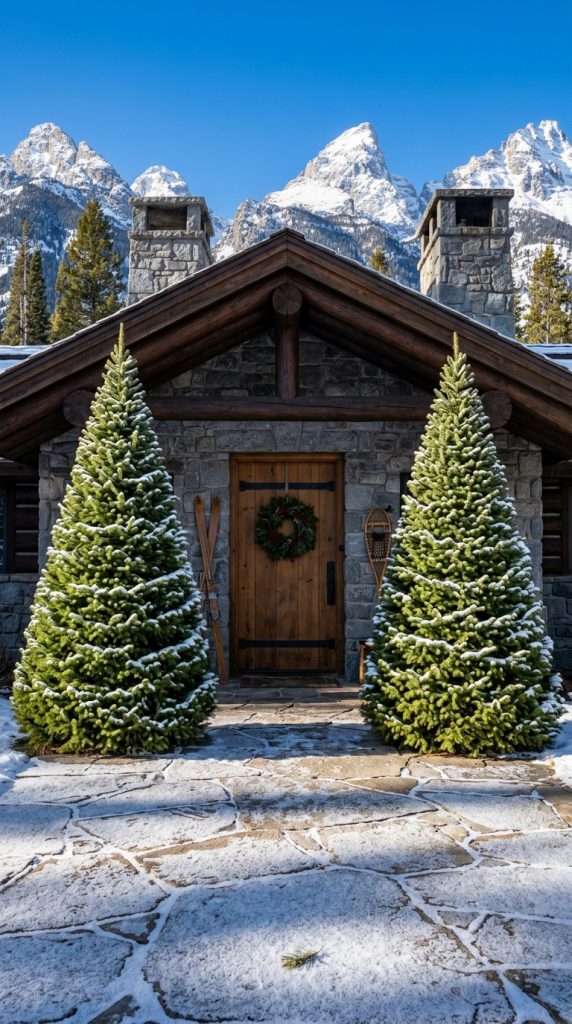
Do you want something that looks like a little Christmas tree year-round? Dwarf Alberta spruce is a perfect cone-shaped evergreen that grows just two to four inches per year. It takes decades to reach six feet tall. Plant it on either side of your front door for that formal, symmetrical look.
Pros:
- Perfect naturally conical shape. No pruning needed.
- Bright green needles stay beautiful in winter.
- Very cold hardy. Zones 2 to 6.
Cons:
- Spider mites love them in hot, dry summers.
- Very slow growth. Buy them as big as you can afford.
These are the shrubs you see in front of mountain lodges and colonial houses. They frame the entrance perfectly. Just do not plant them too close to the house. Give them two feet of clearance for air flow to prevent spider mites.
Your Front Yard Is About to Look Amazing
I spent years walking past my own front door, slightly embarrassed by the sad, overgrown shrubs I had planted without thinking. Now I actually look forward to pulling into my driveway and seeing what is blooming.
Pick one shrub from this list that matches your light, your climate, and your house color. Start with just three plants. Space them correctly. Water them for the first year. Then watch your home’s curb appeal transform.
Your house deserves to look as good from the sidewalk as it feels from the inside.

Ashley Ellison is a skilled writer and avid bowler. Her passion for storytelling and dedication to the sport have led her to participate in various national bowling leagues. With a unique combination of talents, Ashley approaches every challenge with creativity and a relentless drive to succeed.