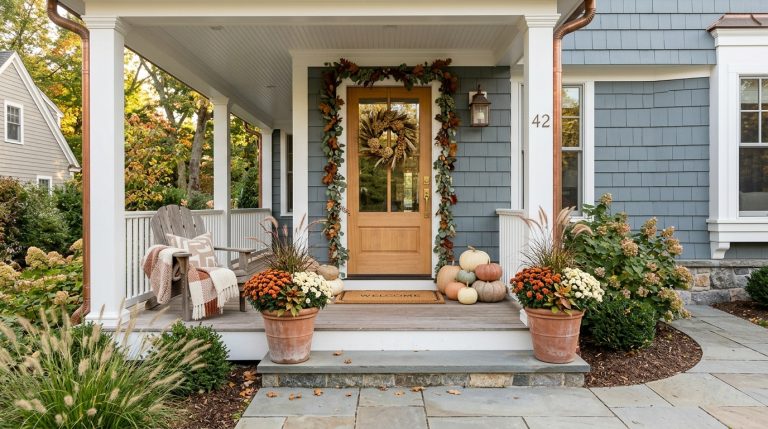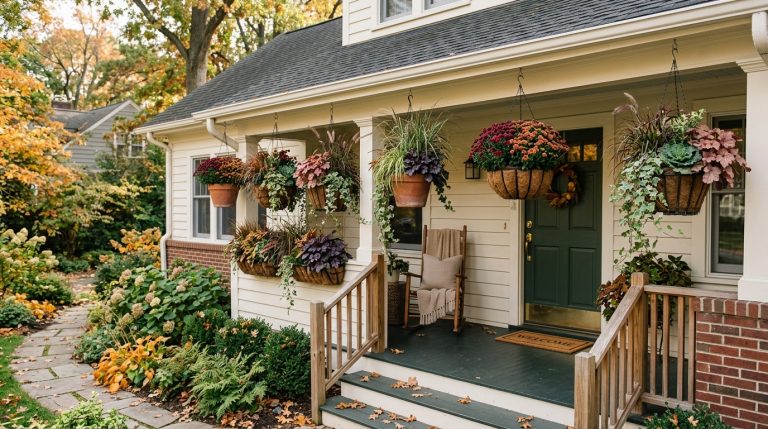
16 Fall Garden Bed Ideas for a Beautiful Autumn Garden
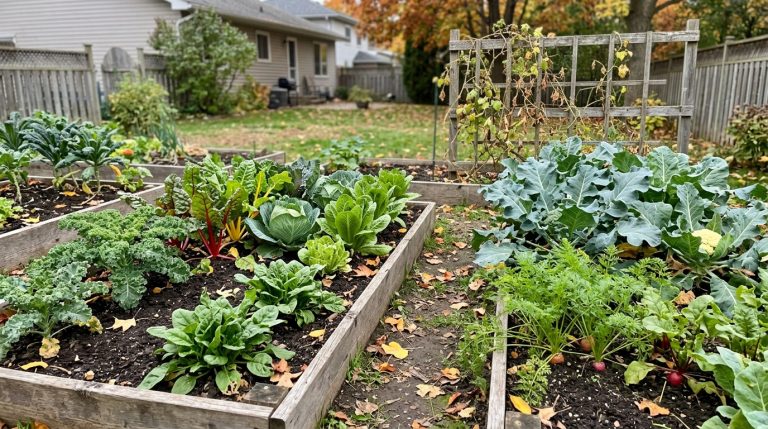
A garden bed can look surprisingly tired by September.
The plants that carried the garden through summer may have stopped blooming, vegetables may be finishing, and all that beautiful early-season growth can suddenly leave empty patches where you least expected them. But that is exactly what makes fall gardening interesting: you get another chance to redesign the bed while the soil is still workable.
And a fall garden bed does not have to mean filling every gap with chrysanthemums.
You can use the season for a second vegetable harvest, create a late-blooming pollinator bed, build a cold-weather salad garden, combine ornamental plants with food crops, or prepare one section specifically for next spring.
The best part is that many cool-season crops actually prefer autumn conditions. Extension guidance recommends crops such as spinach, lettuce, radishes, carrots, beets, broccoli, cabbage, kale, and Asian greens for fall growing, while late-blooming perennials can keep ornamental beds useful well after summer flowers fade.
Here are 16 genuinely different fall garden bed ideas, each built around a different purpose rather than simply changing the plant colors.
1. A Second-Chance Vegetable Garden Bed
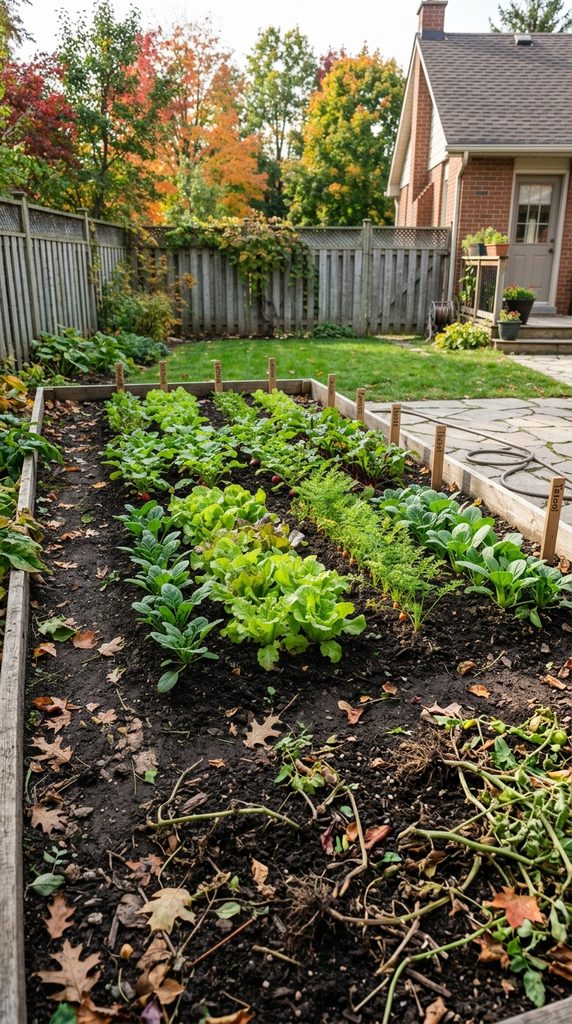
One of my favorite things about fall gardening is that the same bed that produced food all summer can get a completely different job before winter.
Pull out finished tomatoes, cucumbers, beans, or squash, clear obvious plant debris, and use the newly available space for cool-season crops.
Spinach, lettuce, radishes, carrots, beets, and Asian greens are particularly useful choices because they perform better as temperatures cool. Illinois Extension notes that fall-grown vegetables can also experience fewer pest and weed problems than their spring or summer counterparts.
The important part is timing. Don’t wait until the weather already feels cold. Many fall crops need to establish while the soil remains relatively warm.
For root crops, choose varieties with a suitable days-to-maturity period and work backward from your expected first frost. Recent 2026 guidance from Illinois Extension specifically recommends paying attention to maturity time when planting carrots and beets in midsummer.
Practical extras
- Hoss Tools Wheel Hoe: Makes it easier to prepare and maintain longer vegetable-bed rows without constantly bending over.
- Fiskars Hori Hori Garden Knife: Useful for opening planting furrows, transplanting, and harvesting root crops.
- Dramm Classic Rain Wand: Gives newly planted fall crops a gentle, even watering pattern.
2. A Late-Blooming Pollinator Bed
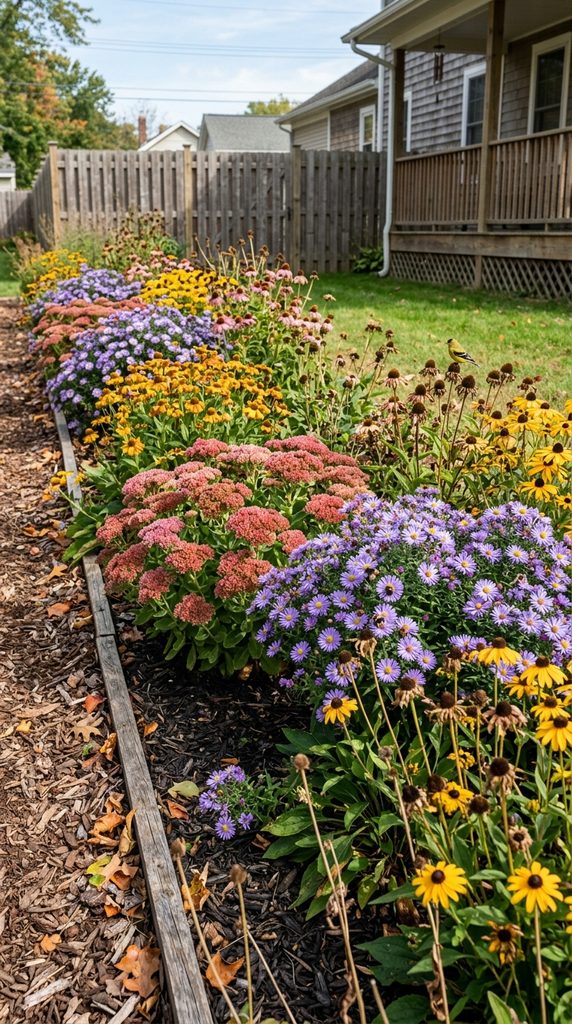
If your garden becomes quiet once summer flowers disappear, dedicate one bed to plants that keep producing nectar and pollen later in the year.
This isn’t just about extending the flower show. Pollinators still need food in fall while they prepare for migration, reproduction, or overwintering. Illinois Extension’s current fall guidance specifically encourages gardeners to check whether something remains in bloom through late October.
Build the bed around several flowering periods rather than one mass of the same plant. Asters, sedums, helenium, black-eyed Susan, and other late-season perennials can help maintain floral resources into autumn.
Leave some spent flower heads standing rather than cutting everything down immediately. They can contribute winter structure and, depending on the plant, provide seeds for birds.
A few things you might like
- DeWit Forged Hand Trowel: Handy for adding individual perennial plants without disturbing the surrounding bed.
- Audubon Metal Bird Feeder: Adds another wildlife resource once the garden begins producing seeds.
- Fiskars Steel Garden Kneeler: Makes repeated planting and maintenance easier on a larger perennial bed.
3. The Fall Salad Bed
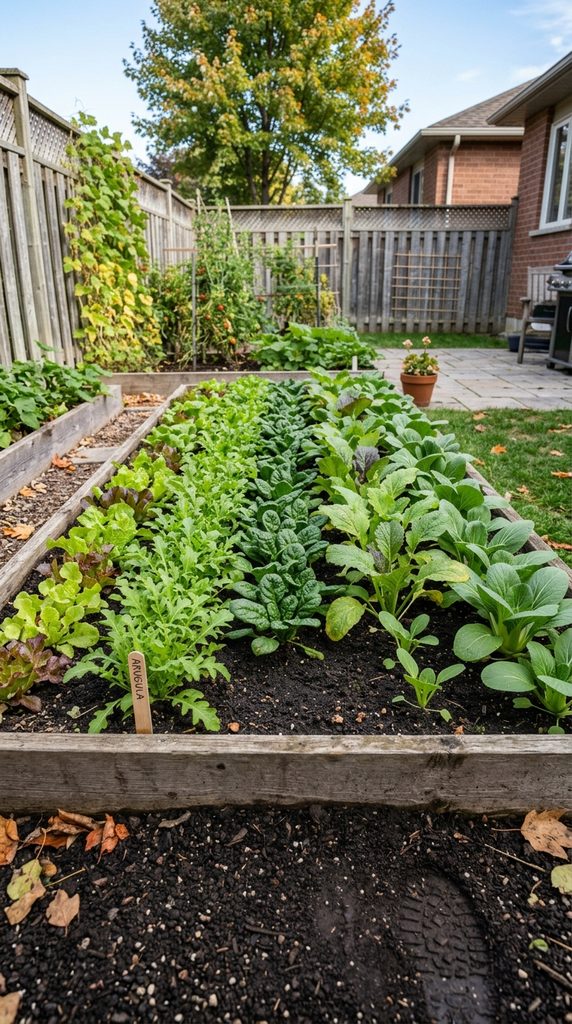
A small bed can become your personal salad garden when summer production slows.
Instead of planting one large crop, divide the space into short rows of lettuce, arugula, spinach, mustard greens, bok choy, and other quick-growing leafy crops.
This works particularly well because leafy greens don’t need to mature into enormous plants before you start harvesting. Illinois Extension recommends cool-season greens for fall and notes that many can be directly seeded into the garden.
For an especially useful layout, sow small amounts at intervals rather than everything on one day. That way, the bed doesn’t suddenly produce more lettuce than your refrigerator can handle.
FYI, this is one of the easiest fall beds to scale down. Even a narrow strip beside an existing vegetable bed can produce several harvests.
Useful items to consider
- Johnny’s Selected Seeds Row Marker: Keeps multiple short rows clearly identified.
- Hoss Tools Seed Sower: Helps distribute small seeds more evenly.
- OXO Good Grips Harvest Basket: Gives freshly cut greens somewhere convenient to collect.
4. A Fall Flower Cutting Bed
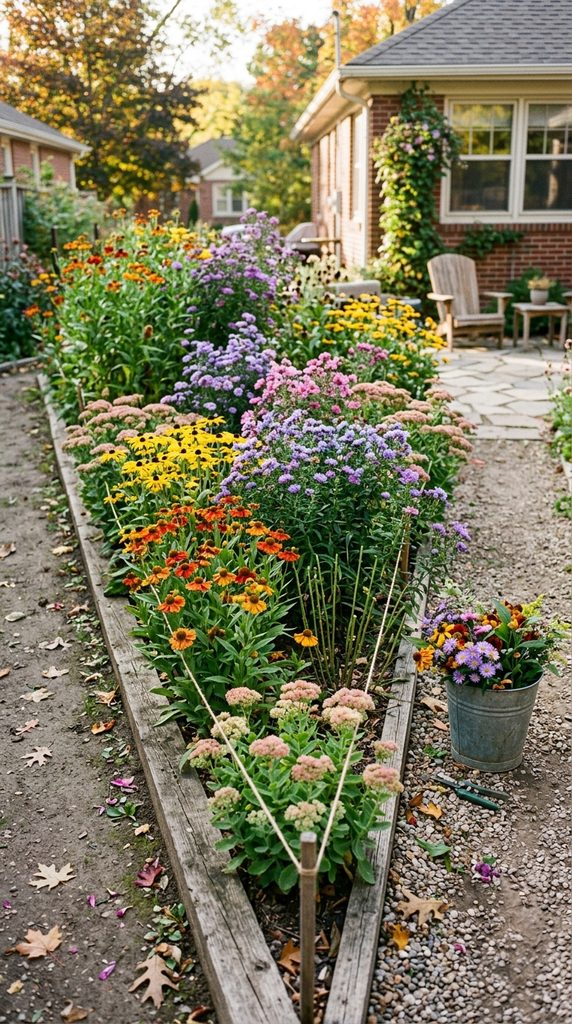
Instead of designing the fall bed primarily for viewing, design it for bringing flowers indoors.
Choose a sunny section and plant several late-season flowering plants in a simple arrangement that makes harvesting easy. You don’t need elaborate landscaping here; straight or staggered rows can actually make cutting more convenient.
Late-blooming plants such as asters, helenium, sedum, and black-eyed Susan can provide useful material for bouquets. Illinois Extension recommends several of these plants specifically for extending the garden’s floral season.
Leave the prettiest group toward the front if the bed remains visible from the house, then place plants you intend to cut more heavily farther back.
It turns a garden bed into a working flower supply rather than something you only admire from the patio.
Give these a look
- Fiskars Power Lever Bypass Pruner: Useful for making clean cuts on flower stems and lighter woody growth.
- Dramm Floral Shears: A compact option for repeated flower harvesting.
- Garden Trading Flower Bucket: Gives freshly cut stems a practical place to rest while you continue harvesting.
5. A Raised Bed With a Fall Low Tunnel
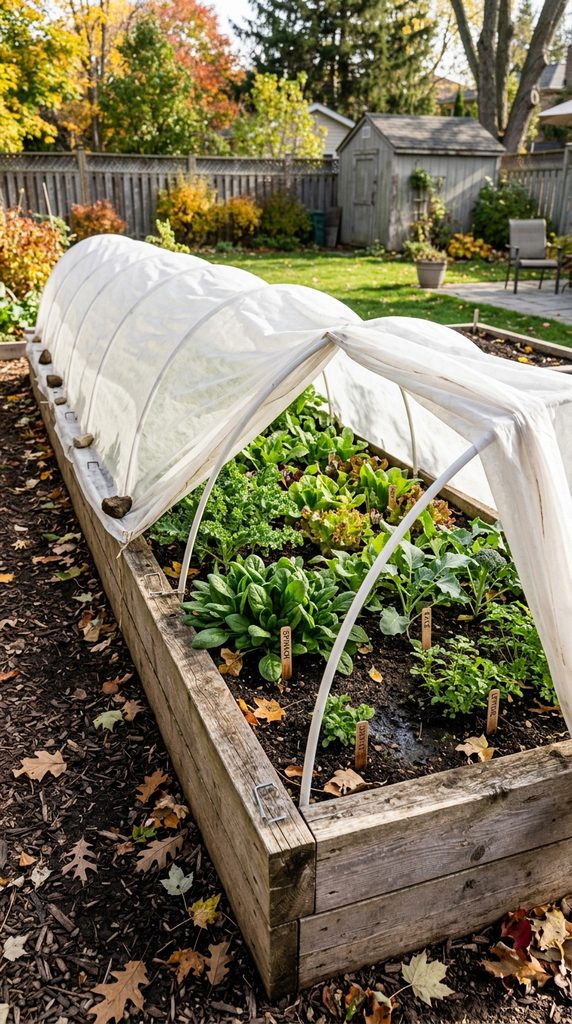
This idea is less decorative and much more useful if you want to keep harvesting after cold nights arrive.
Take an existing raised bed and add flexible hoops across it. Then cover the structure with suitable row-cover fabric when frost threatens.
Raised beds make this especially convenient because hoops can attach to or sit alongside the existing frame. UMN Extension specifically notes that raised beds can accommodate hoops, row covers, and even cold-frame structures for extending the growing season.
The important distinction is that the cover protects the growing bed; it doesn’t replace good crop selection.
Choose vegetables that already tolerate cool conditions, then use the tunnel as additional protection rather than trying to force warm-season plants through winter.
Penn State Extension also describes low tunnels as a practical season-extending structure using hoops and fabric or plastic covering.
Possibly handy products
- Gardener’s Supply Super Hoops: Create a reusable framework for covering a raised bed.
- Agribon AG-19 Garden Fabric: Provides lightweight protection for cool-season crops during frost events.
- Earth Staples: Keep fabric edges secured instead of letting autumn wind turn the cover into a kite.
6. A Compact Fall Garden for Small Backyards
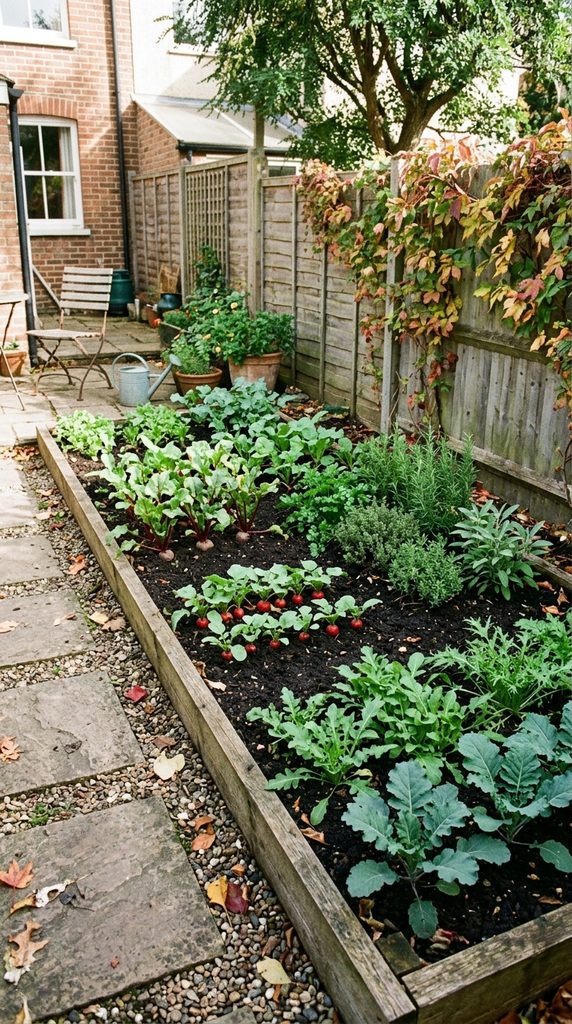
You don’t need a huge vegetable plot to make fall gardening worthwhile.
For a narrow bed, use the shortest practical crops in the center and reserve the edges for crops that won’t block access.
Radishes, baby greens, beets, compact lettuce, and herbs can work well in a small footprint. Root crops can also make good use of vertical soil space because their harvest develops below ground.
The key is resisting the temptation to plant everything.
Choose three or four crops that you genuinely eat. A small bed full of useful vegetables will always beat a crowded collection of plants you forget to harvest.
Nice finishing touches
- Gardener’s Supply Garden Gridder: Helps create consistent planting spacing in compact beds.
- Fiskars Easy Action Snips: Useful for harvesting herbs and baby greens without carrying bulky tools.
- Corona ComfortGEL Hand Cultivator: Makes light weeding and soil work easier between closely spaced plants.
7. A Four-Season Garden Bed That Peaks Again in Fall
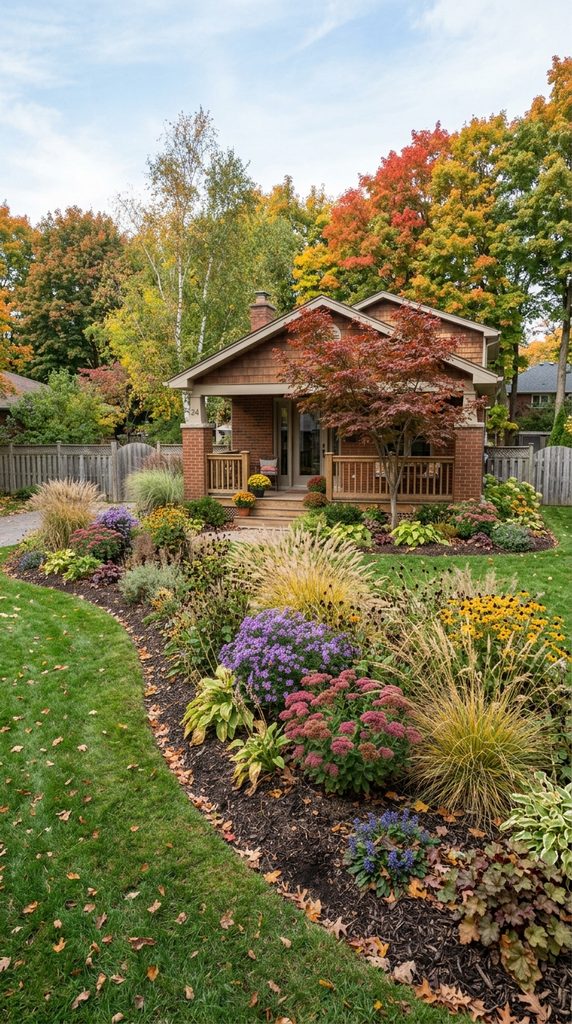
Instead of treating fall as an entirely separate gardening season, design one bed so it has something interesting happening throughout the year.
Use spring bulbs and early perennials for the first act, summer foliage for the middle, then choose late-season bloomers and seed-bearing plants to take over as autumn arrives.
This requires more planning than simply refreshing a tired bed, but the payoff is much better.
Illinois Extension recommends designing gardens with different plant species blooming continuously from spring through fall rather than relying on one short flowering period.
Think of the bed as a relay race. One group doesn’t need to look spectacular forever; it simply needs to hand the visual responsibility to the next group.
Worth considering
- Espoma Adjustable Plant Support: Keeps taller perennials upright when autumn weather gets rough.
- Kneelo Memory Foam Garden Kneeler: Useful for maintaining the bed across multiple seasons.
- Bosmere Garden Labels: Help identify plants when the garden contains many different seasonal roles.
8. A Fall Herb Bed Beside the Kitchen
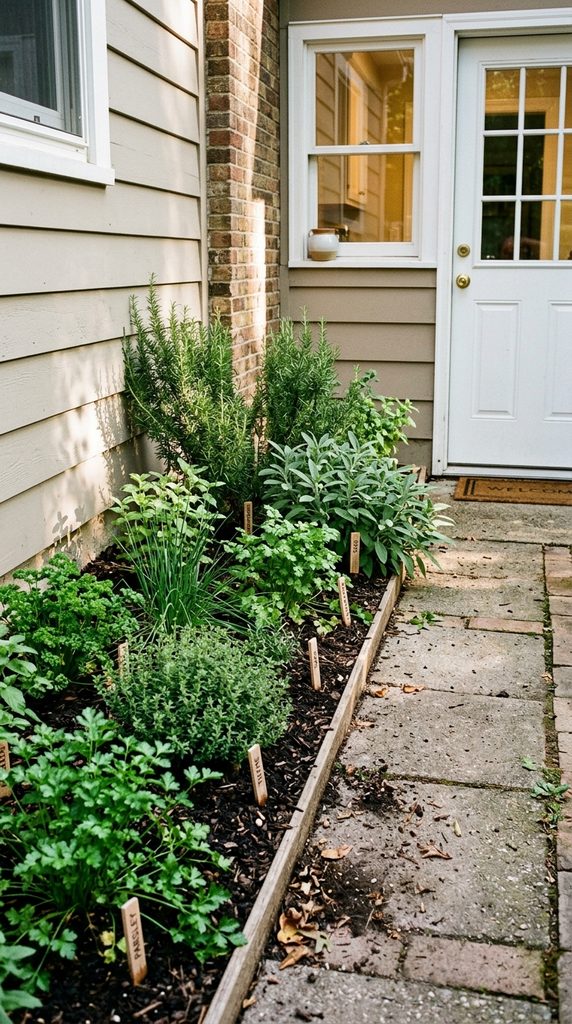
Fall is a surprisingly good time to give herbs their own garden bed.
Parsley, cilantro, sage, rosemary, thyme, chives, and other herbs can provide useful harvests as temperatures cool. Illinois Extension specifically lists several herbs that perform well as part of fall gardening.
Place the bed as close to the kitchen as practical.
That sounds obvious, but it changes how often you’ll actually use it. A herb bed twenty steps from the back door gets harvested far more often than one hidden at the far end of the yard.
Keep the layout simple: taller herbs toward the back, lower herbs toward the path, and enough space between plants to harvest without stepping into the bed.
A few practical additions
- Hori Hori Garden Tool: Useful for dividing, planting, and harvesting herbs.
- Dramm Compact Shears: Convenient for quick kitchen-bound harvests.
- Wooden Herb Garden Labels: Make it easier to identify varieties when several herbs look similar.
9. A Fall Garden Bed Built Around Root Vegetables
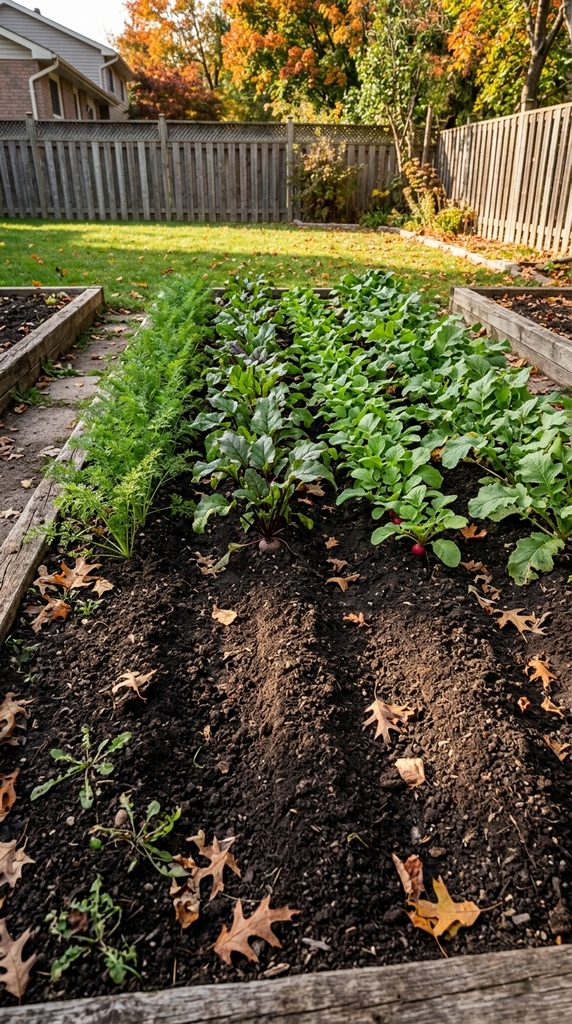
Give the underground part of the garden some attention.
Carrots, beets, radishes, turnips, and similar crops can turn an otherwise ordinary fall bed into a surprisingly productive root garden.
This layout works best when the soil remains loose enough for roots to expand without fighting compacted layers. Choose crops according to your available growing depth and expected harvest window.
Carrots and beets tolerate cool weather well, and Illinois Extension’s 2026 guidance notes that autumn temperatures can improve their flavor by encouraging plants to convert starches into sugars.
The visual payoff isn’t immediate, of course. That’s part of the fun. The bed can look modest above ground while quietly developing a harvest underneath.
A few complementary pieces
- CobraHead Original Weeder: Useful for keeping young root-crop rows free from competing weeds.
- Hoss Tools Garden Seeder: Helps create consistent rows for direct-sown crops.
- Gardeners Supply Root Crop Harvest Basket: Makes gathering carrots, beets, and radishes easier once harvest begins.
10. A Fall Bed With Ornamental Grasses as the Backbone
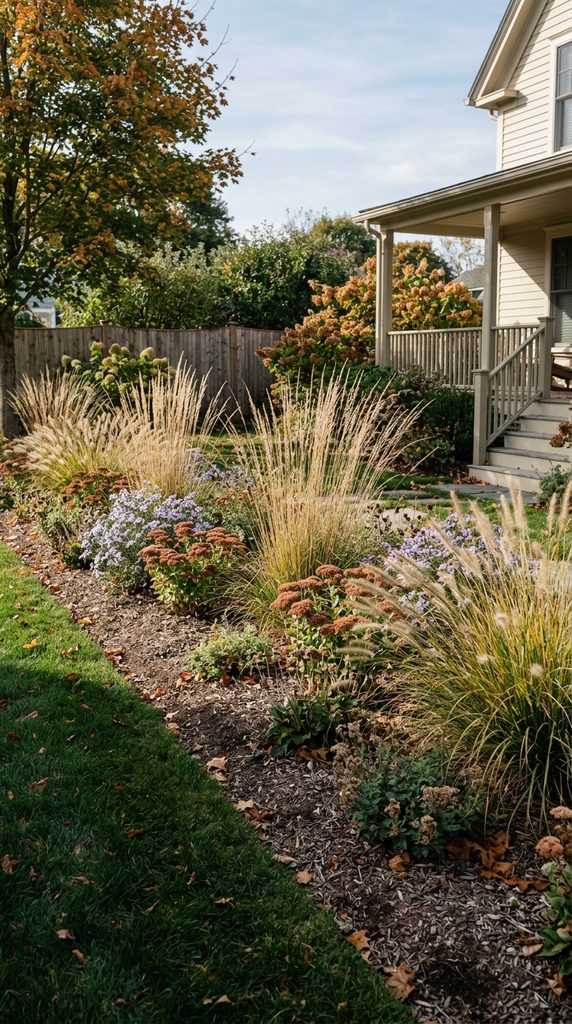
If your garden still looks good structurally but has lost its summer flowers, don’t rip everything out.
Use ornamental grasses as the framework and add fall-blooming plants around them.
Grasses provide height and movement while lower perennials supply the seasonal flowers. Illinois Extension specifically recommends ornamental grasses as focal or structural plants because they can continue looking useful while newly planted fall flowers remain relatively small.
This approach is especially attractive in a mixed border where you want the bed to remain interesting even after flowering declines.
The trick is spacing. Give the grasses enough room to develop their natural form instead of squeezing them into a crowded strip.
Helpful additions
- Fiskars PowerGear2 Pruner: Useful for trimming smaller ornamental growth.
- DeWit Long Handle Cultivator: Helps maintain open soil around established plants without excessive bending.
- Metal Plant Supports: Useful when neighboring fall perennials become top-heavy.
11. An Edible-and-Ornamental Fall Garden Bed
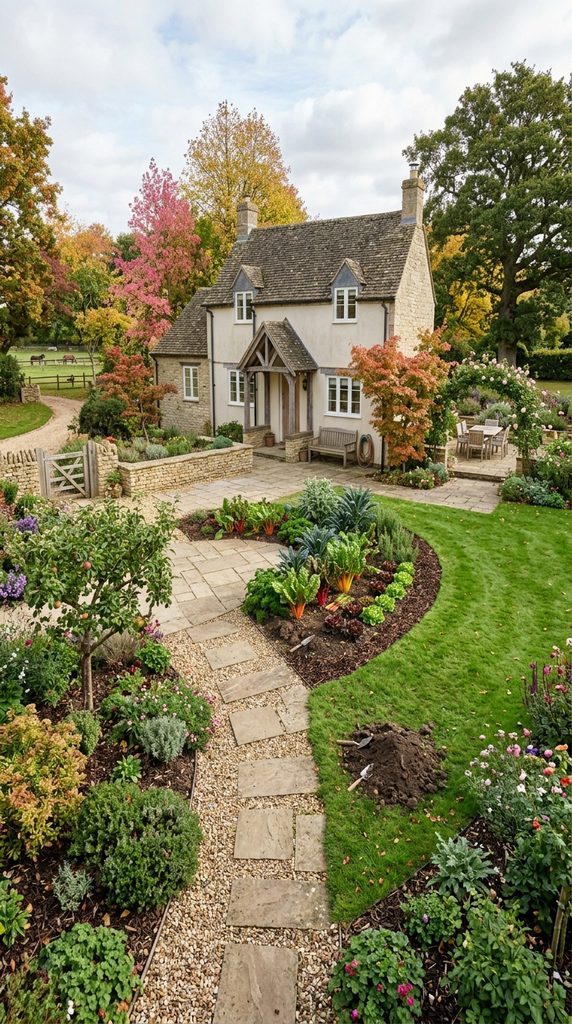
Why choose between a pretty garden and a productive one?
Combine edible plants with ornamental foliage so the bed contributes both food and visual interest.
Swiss chard, kale, parsley, herbs, and leafy greens can look surprisingly decorative when arranged intentionally. Illinois Extension has even highlighted Swiss chard for its colorful stems and glossy foliage in fall displays.
Use the strongest foliage plants where you’d normally place ornamental specimens, then tuck edible greens between them.
The important thing is not to make the bed look like a vegetable row accidentally wandered into the flower garden.
Repeat a few plant shapes throughout the bed and keep the planting rhythm deliberate.
You might like
- Dramm ColorPoint Watering Wand: Makes watering mixed plantings gentler and easier.
- Fiskars Garden Snips: Handy for harvesting edible foliage without disturbing neighboring plants.
- Garden Tower Plant Labels: Keep edible plants clearly identified in a mixed bed.
12. A Shady Fall Garden Bed
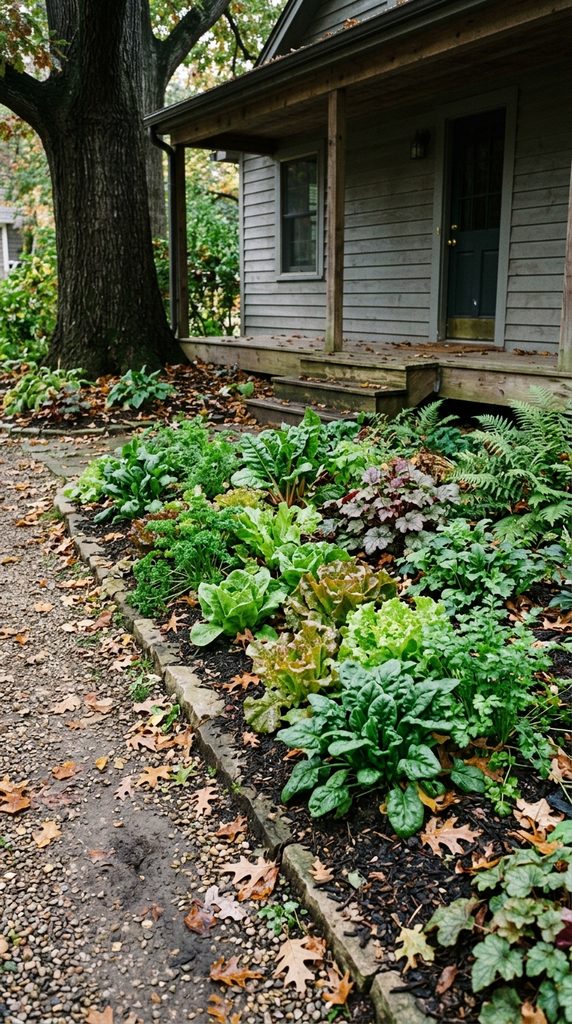
Not every garden bed gets perfect afternoon sunlight.
Instead of fighting the site, make shade the defining feature.
Use a sheltered bed for cool-season leafy greens and shade-tolerant ornamental plants that can handle the available light. Illinois Extension notes that leafy greens can grow in full to partial shade, making them particularly useful for fall gardens where sunny space is limited.
A shady fall bed can also feel much calmer visually than a hot, exposed border. Use foliage shape and texture as the main design tools rather than depending on constant flowering.
Before planting, observe how much direct light actually reaches the bed. “It’s shady” can mean anything from filtered morning light to almost complete darkness.
Useful items to consider
- Luster Leaf Rapitest Light Meter: Helps quantify the light reaching a questionable garden location.
- Fiskars Cultivator: Useful for loosening small planting areas without major soil disturbance.
- Kneelo Garden Kneeler: Makes repeated work in a low, shaded bed more comfortable.
13. A Wildlife-Friendly Fall Garden Bed
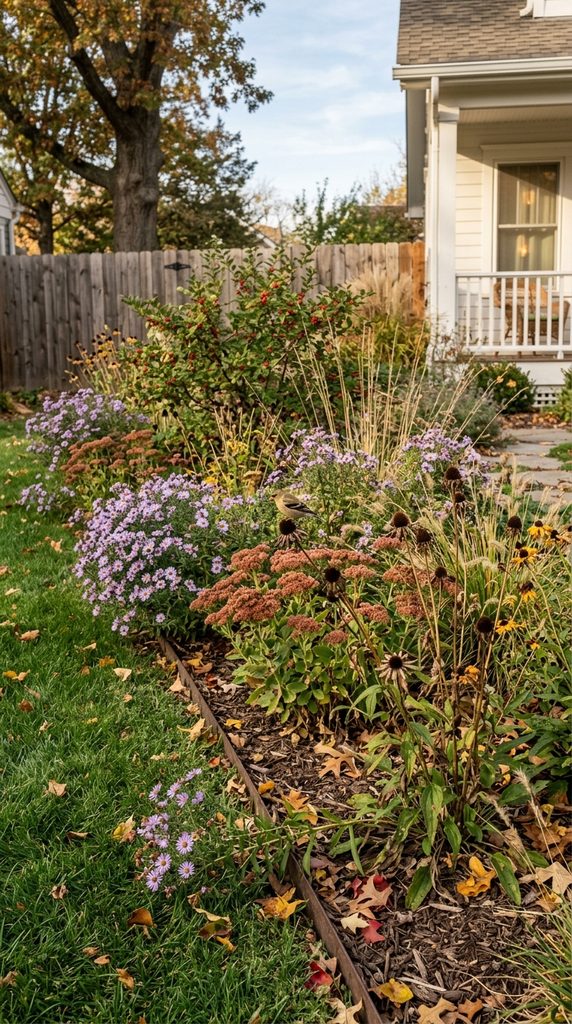
A fall garden can do something for wildlife even after the flowers stop looking perfect.
Combine late-season flowers with plants that produce seeds, berries, or persistent stems. Leave selected seed heads standing rather than cutting the entire bed down immediately.
Illinois Extension’s current fall gardening guidance recommends considering both late-season pollinator resources and plants that provide seeds or berries for overwintering birds.
The visual style is naturally looser than a formal flower bed.
And honestly, that is part of its appeal. A few spent stems, seed heads, and visiting birds can make the garden feel alive rather than perfectly staged.
Helpful accessories
- Audubon Deluxe Bird Seed Feeder: Adds a dedicated feeding point near the wildlife planting.
- Woodlink Hanging Bird Feeder: Works well where ground space is limited.
- Garden Netting: Can protect selected berries or crops if wildlife becomes a little too enthusiastic.
14. A Fall Bed With a Dedicated Frost-Protection Zone
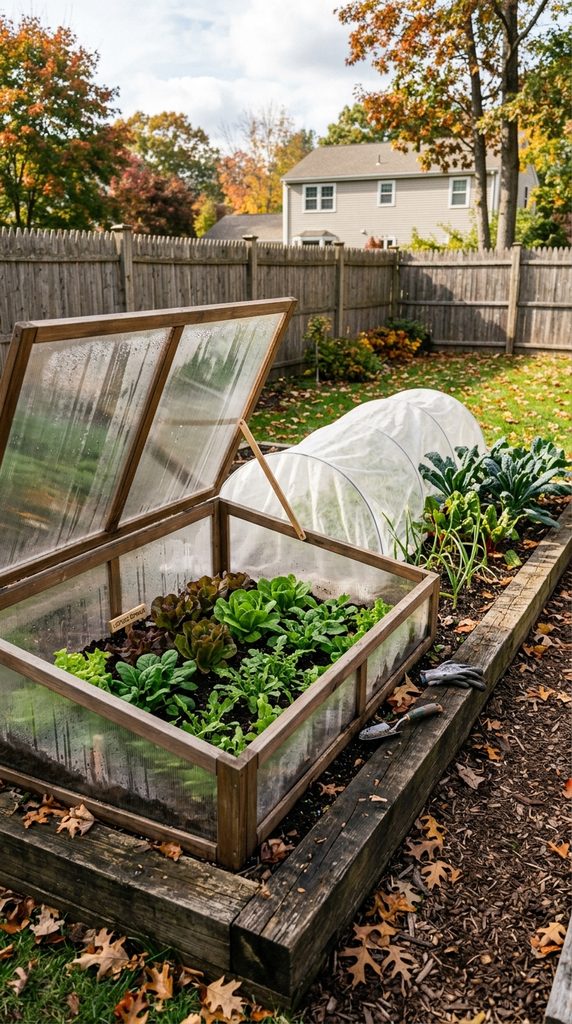
If your garden often loses productive plants to the first serious cold snap, reserve one section specifically for crops you intend to protect.
Rather than covering the entire garden, concentrate your season-extension equipment over the most valuable crops.
A small cold frame can protect a compact group of greens, while row cover can handle a larger bed. Cold frames and low tunnels provide different levels of protection, so choosing based on the crop and local weather makes more sense than simply buying the biggest structure available.
Ventilation matters too. A covered structure can become much warmer than the outside air on a sunny day, so it should never become a “close it and forget it” project.
Possibly helpful picks
- Juwel Cold Frame: Provides a rigid protected growing space for a concentrated group of cool-season crops.
- Agribon AG-30 Fabric: Offers a heavier row-cover option when more frost protection is appropriate.
- Gardener’s Supply Frost Cloth Clips: Make it easier to secure protective fabric and remove it when conditions improve.
15. A Fall Garden Bed That Becomes a Winter Cover-Crop Bed
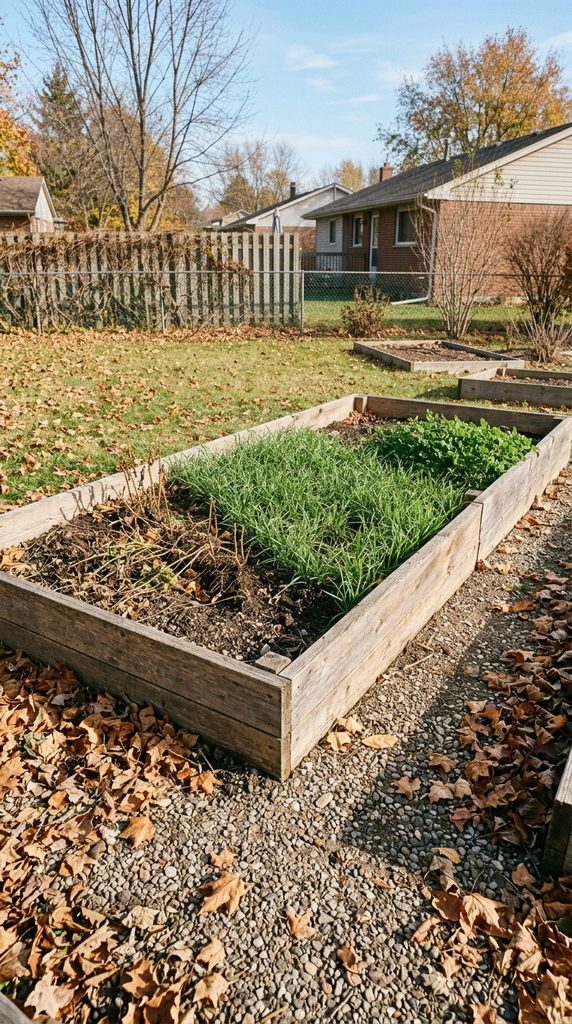
Here is an idea for the gardener who would rather improve an empty bed than leave it bare.
Once vegetable production finishes, use a suitable cover crop where timing and local growing conditions allow.
Cover crops can suppress weeds, protect soil, and contribute organic matter when managed appropriately. Illinois Extension discusses options including legumes and cereal grains for different garden needs.
This isn’t the prettiest idea on the list, but it may be one of the smartest for a bed that would otherwise sit unused.
Choose the cover crop according to what you want the bed to do and how you’ll manage it before the next planting season. Some require cutting or incorporation before spring planting, so don’t choose one without considering that extra step.
Practical extras
- Scuffle Hoe: Makes it easier to manage young weeds around establishing cover crops.
- Fiskars Leaf Rake: Useful for clearing surface debris before sowing.
- DeWit Hand Fork: Helps loosen small sections when incorporating or preparing the bed later.
16. A Fall-to-Spring Bulb and Perennial Bed
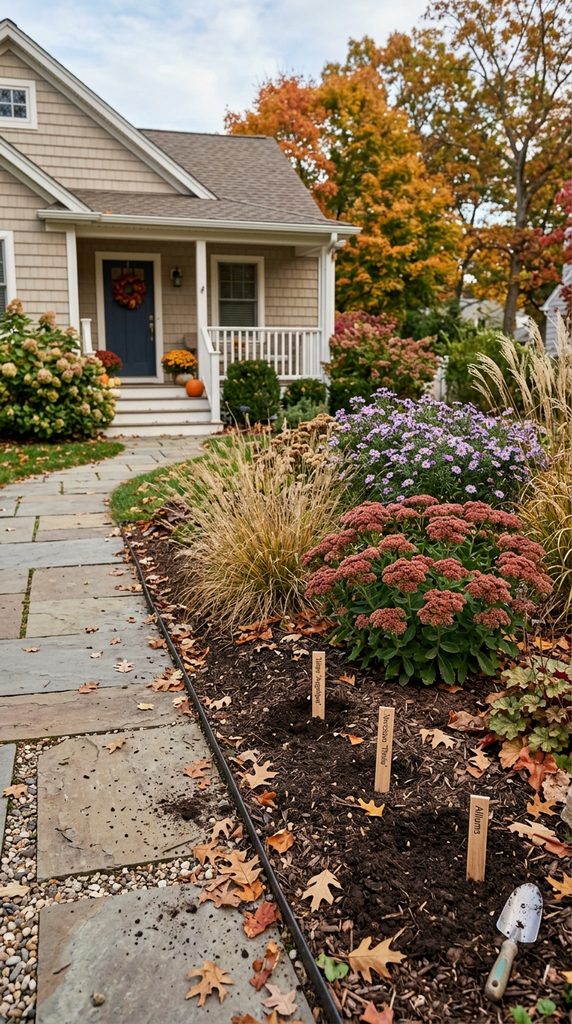
Use autumn to prepare the garden for a completely different spring display.
Plant spring-flowering bulbs among established perennials so the bed has an early-season layer waiting underground while the existing plants continue providing fall interest.
This creates a useful overlap: the bed can look good now while quietly preparing its next season.
The important thing is to avoid filling every open patch randomly. Mark where bulbs go and consider the mature size of existing perennials so spring growth doesn’t become overcrowded.
This idea works particularly well in a front border because the same space serves different visual purposes across the year.
A few designer picks
- BulbPlanter Tool: Speeds up individual bulb planting while keeping holes consistent.
- Fiskars Power Lever Transplanting Spade: Useful for planting around established perennials.
- Garden Marker Pen: Lets you record bulb locations before winter foliage disappears.
How to Make a Fall Garden Bed Actually Work
The biggest mistake with fall garden beds is waiting until autumn looks like autumn.
Many fall vegetables need to start earlier, while soil temperatures still support germination and young plants can establish before the weather turns cold. Illinois Extension repeatedly recommends planning backward from the expected first frost and accounting for slower growth as temperatures decline.
That means your fall garden may actually begin in midsummer.
Crop selection also matters. Leafy greens, root vegetables, brassicas, and other cool-season crops have very different maturity periods, so don’t assume every fall vegetable can go into the ground at the same time.
For ornamental beds, think about succession rather than replacement. Keep healthy summer plants that still contribute structure and add late-season performers around them rather than clearing everything simply because the calendar says fall.
And if frost arrives early, don’t panic. Row covers, low tunnels, and cold frames can extend the season when used appropriately, giving cool-season crops additional protection from cold weather.
Final Thoughts
A fall garden bed doesn’t have to feel like the leftover version of your summer garden.
It can actually be the season when the garden becomes more useful.
Maybe that means harvesting fresh spinach and carrots when the summer vegetables have disappeared. Maybe it means keeping asters and other late flowers available for pollinators. Or perhaps the smartest move is to protect one raised bed under a low tunnel and keep harvesting long after your neighbors have put their tools away.
What I like most about fall gardening is that it rewards a little planning without demanding perfection.
You don’t need to redesign the entire yard. Pick one bed and give it a specific job. Make it a salad bed, a wildlife bed, a cutting garden, a protected winter bed, or simply a place that prepares itself for spring.
Start with the bed you already have. That’s usually where the best fall garden ideas begin.

William Martin is a passionate bowler who spends most of his weekends playing the sport. With years of intense experience under his belt, William decided to share his knowledge by creating BOWLING OCEAN. Join me on this journey to explore the world of bowling and discover the tips and tricks to becoming a pro.