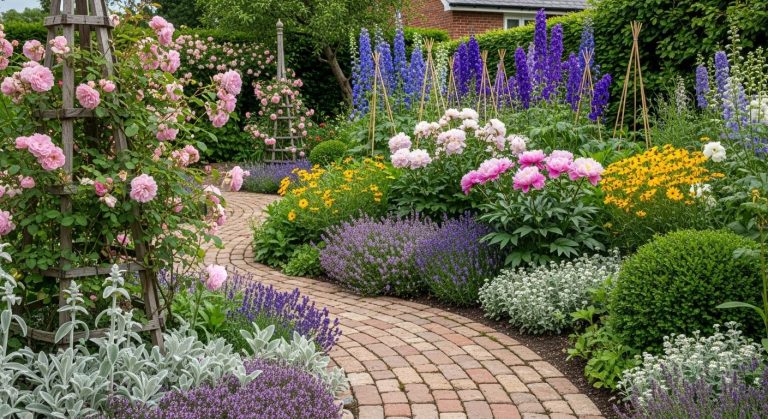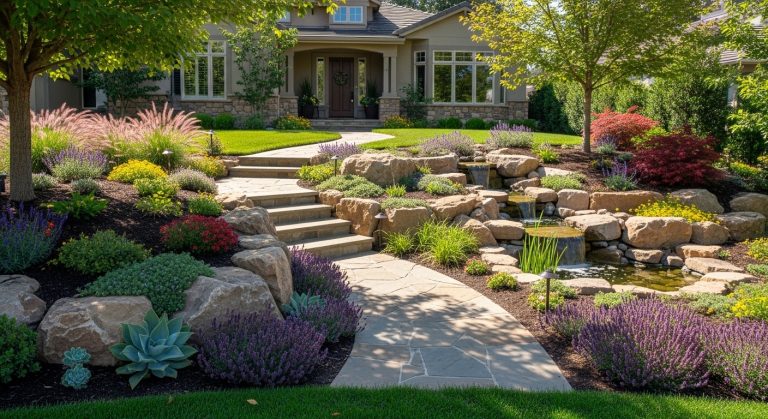
15 Front Yard Garden Design Ideas for Stunning Curb Appeal
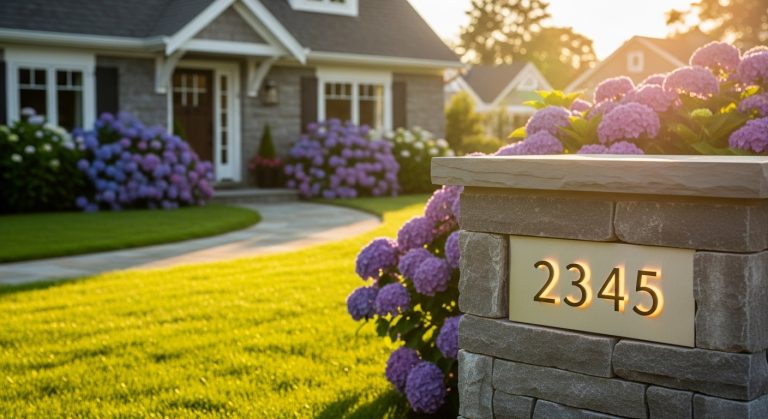
Every neighborhood has that one house that makes you slow down a little while walking or driving past. The grass looks fresh, plants feel thoughtfully placed, and the whole space feels welcoming before you even reach the front door.
That quiet first impression usually comes down to front yard garden design.
I’ve always found it interesting how a small change in plant layout or pathways can completely transform the look of a home. A plain lawn suddenly becomes layered and inviting. A narrow yard suddenly feels wider. Even a small property starts looking carefully styled rather than random.
Homeowners have been leaning more toward structured garden layouts lately. According to the National Association of Landscape Professionals, about 67% of homeowners prioritize curb appeal improvements, and garden layout ranks among the most requested upgrades.
That makes sense. The front yard is the first thing people see.
The good news? Beautiful garden design doesn’t require expensive landscaping or huge spaces. Smart layout choices, thoughtful plant placement, and simple structural elements can completely reshape a yard.
These ideas explore practical ways to build a front yard garden design that looks polished, balanced, and welcoming without feeling overly complicated.
1. Layered Garden Bed Layout
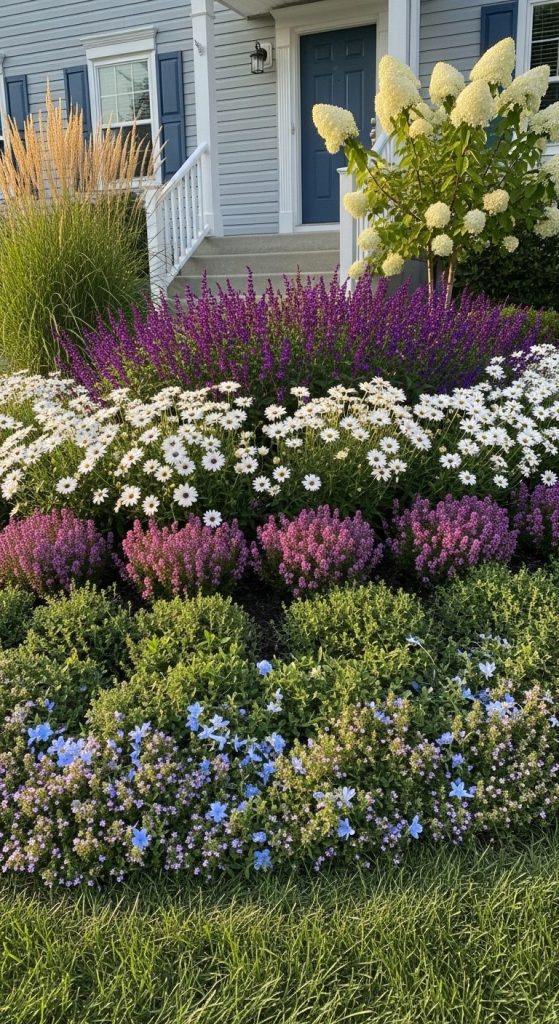
A flat garden often looks unfinished. Layering plants at different heights creates the depth that makes a garden feel designed instead of planted randomly.
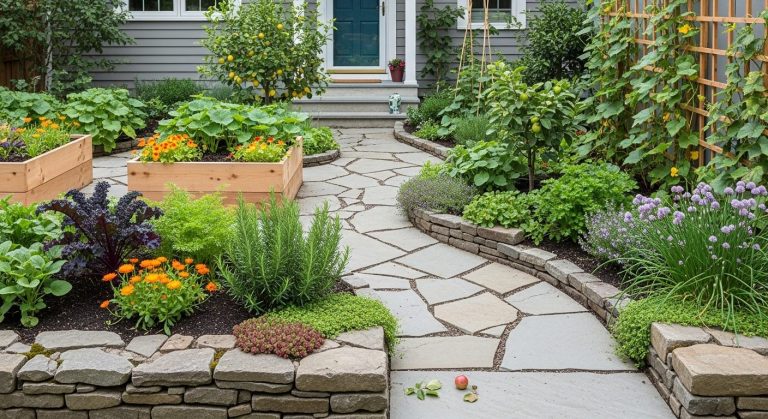
In a well-planned front yard garden design, taller plants anchor the back of beds while medium plants fill the center and low groundcovers soften the edges.
For example, ornamental grasses or hydrangeas work well as the taller layer. Mid-height plants like salvia or black-eyed Susans add color in the middle. Creeping thyme or low sedums finish the front edge.
This approach mimics natural plant growth patterns, which is why it looks so visually pleasing.
Pros
- Creates depth and visual balance
- Allows multiple plant types in one space
- Makes even small yards feel more dynamic
Cons
- Requires thoughtful plant spacing
- Taller plants occasionally need pruning
Mini takeaway
Layering gives structure to the garden instantly. When heights vary naturally, the entire yard starts looking professionally designed.
2. Defined Garden Zones
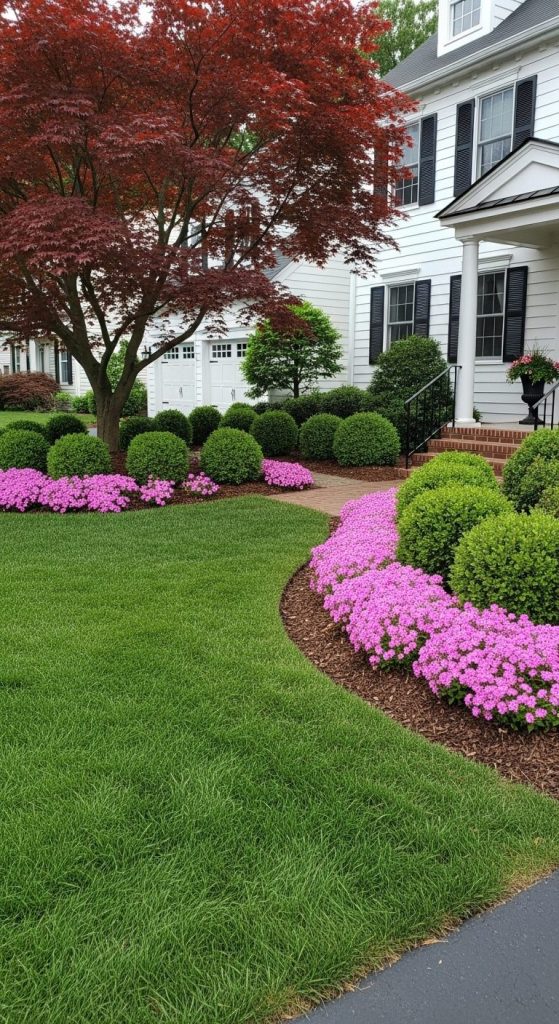
Some front yards feel cluttered simply because everything sits in one open area.
A smart front yard garden design separates the yard into zones. One section might hold flower beds, another features shrubs, while another contains open lawn space.
This layout improves flow and makes the garden easier to maintain.
Garden designers often map these zones before planting to ensure balance.
Pros
- Creates visual organization
- Simplifies maintenance routines
- Helps plants thrive in suitable locations
Cons
- Initial planning takes time
- Mistakes in zoning may require plant relocation
Mini takeaway
Dividing the yard into zones creates a sense of purpose. Each section of the garden begins to tell its own story.
3. Curved Planting Beds Instead of Straight Lines
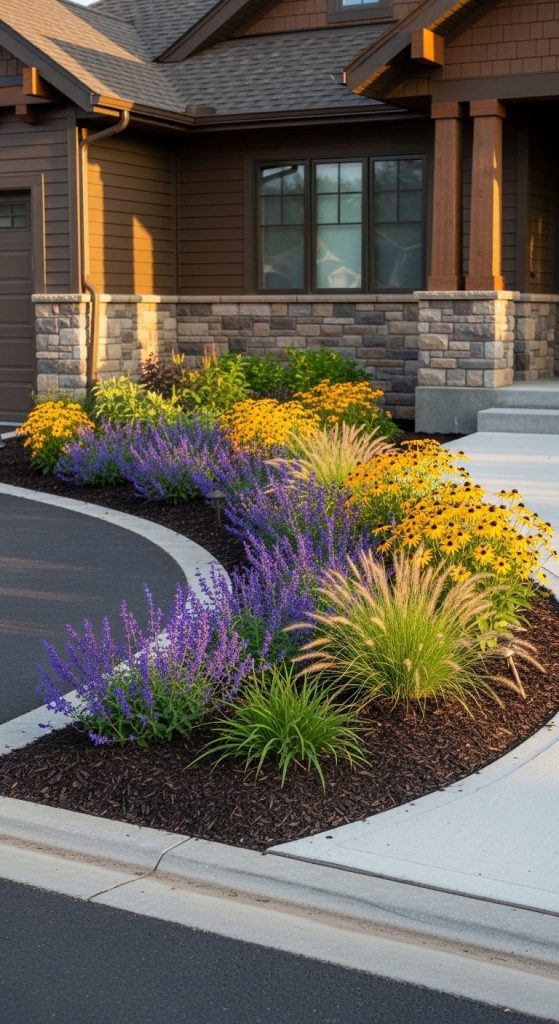
Straight garden beds often look rigid. Curved edges soften the landscape and guide the eye naturally through the space.
A gentle curve along planting beds adds movement and helps a front yard garden design feel organic rather than boxed in.
Landscape architects frequently use curves because they visually expand small yards.
Pros
- Softens the appearance of the yard
- Makes narrow spaces feel wider
- Encourages natural planting flow
Cons
- Edging curves requires careful layout
- Lawn trimming around curves takes patience
Mini takeaway
Curves add personality. Even a subtle bend in the planting bed changes the overall feel of the yard.
4. Central Focal Planting Feature
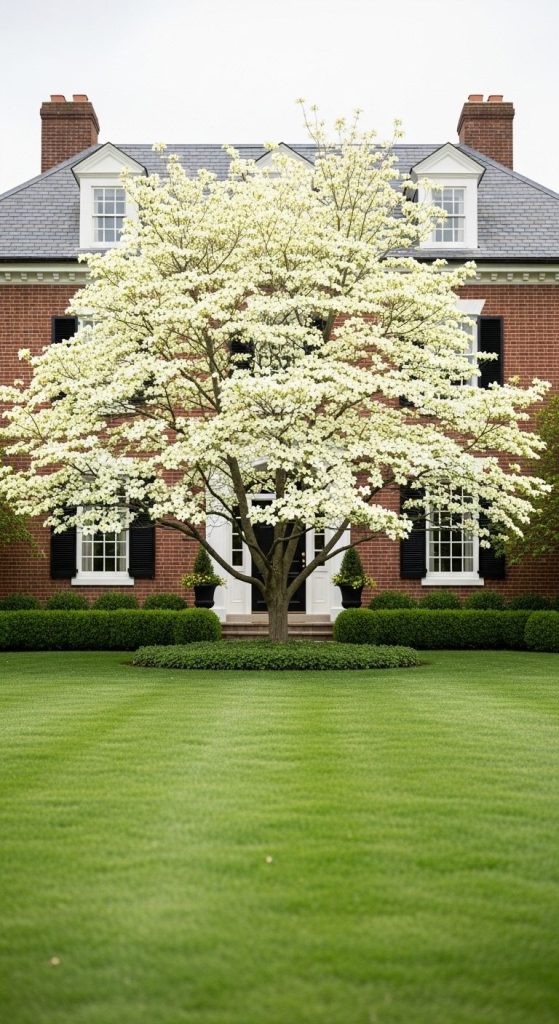
Every strong garden layout benefits from a focal point.
In many front yard garden design plans, a single standout plant or cluster of plants anchors the entire yard.
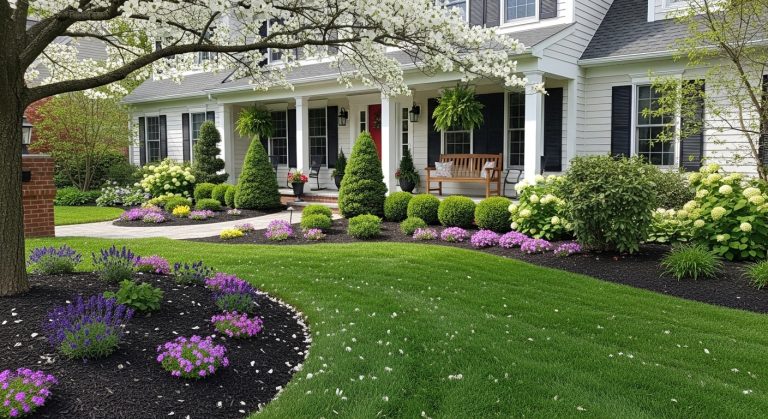
Flowering trees like dogwood, magnolia, or ornamental cherry often work beautifully. These trees attract attention during bloom season and provide structure throughout the year.
Pros
- Creates a clear visual anchor
- Adds seasonal interest
- Helps guide the garden layout around it
Cons
- Requires proper spacing for growth
- Initial planting cost may be higher
Mini takeaway
A strong focal plant acts like the centerpiece of the yard. Everything else naturally falls into place around it.
5. Symmetrical Garden Design for Balanced Curb Appeal
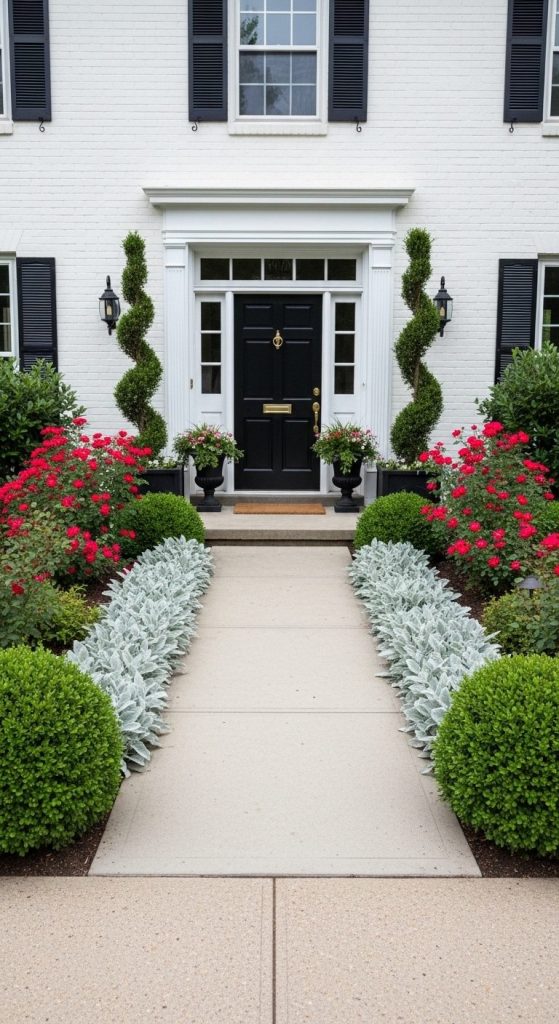
Symmetry often makes a home appear polished and orderly.
Many classic front yard garden design layouts mirror plantings on both sides of the walkway or entry area.
Shrubs, flower beds, or ornamental grasses placed evenly create visual balance.
Architectural studies frequently show that symmetrical landscapes feel more calming and organized to viewers.
Pros
- Clean, timeless look
- Works well with traditional homes
- Easy to maintain visual balance
Cons
- Less flexibility for plant variety
- Requires precise spacing
Mini takeaway
Symmetry delivers instant curb appeal. It feels neat without requiring complicated design skills.
6. Multi-Season Plant Planning
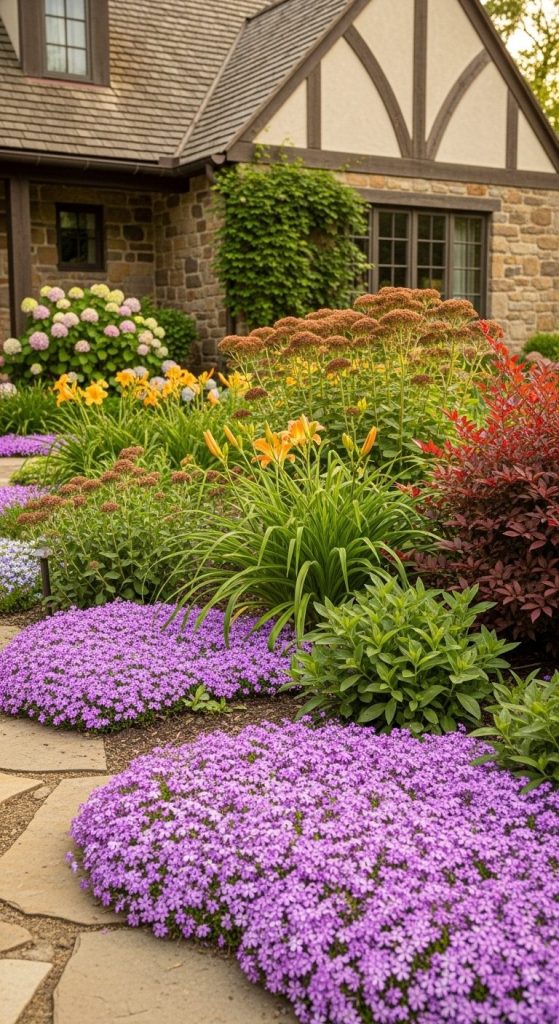
A garden that looks beautiful in spring but empty in autumn feels unfinished.
Strong front yard garden design includes plants that bloom across multiple seasons.
Spring bulbs, summer perennials, ornamental grasses for fall, and evergreen shrubs for winter create continuous interest.
The Royal Horticultural Society recommends mixing seasonal bloomers to maintain visual color throughout the year.
Pros
- Keeps the yard lively year-round
- Encourages plant diversity
- Reduces dull seasonal gaps
Cons
- Requires careful plant selection
- Some seasonal plants need replacement
Mini takeaway
Seasonal planning keeps the garden evolving. Something new always appears as the year progresses.
7. Structured Shrub Framework
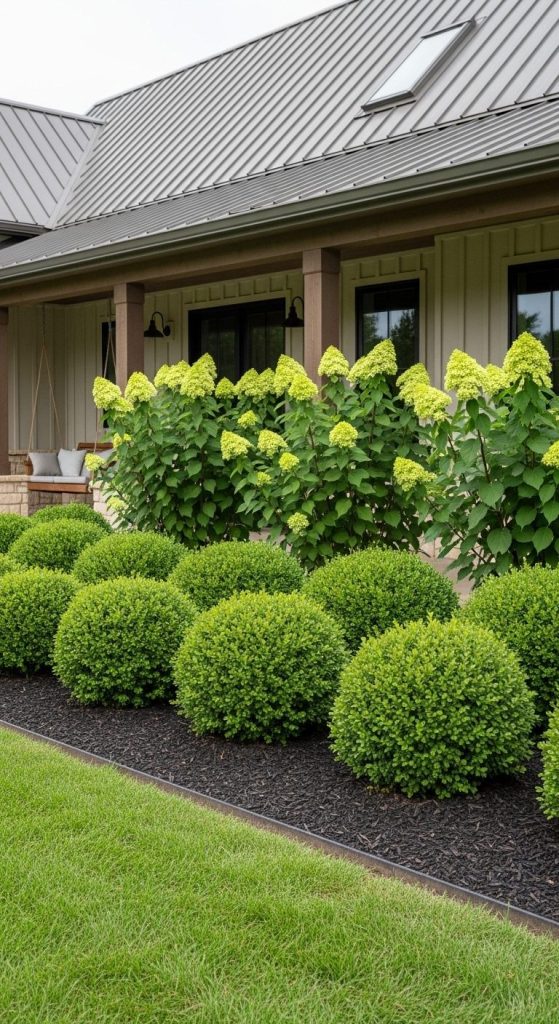
Flowers grab attention, but shrubs provide structure.
A well-balanced front yard garden design often starts with a framework of shrubs before adding colorful plants.
Boxwood, hydrangea, and dwarf evergreens help define garden shapes and anchor the landscape.
Shrubs also maintain structure during winter months.
Pros
- Creates year-round garden structure
- Reduces maintenance compared to flowers
- Helps organize planting beds
Cons
- Some shrubs grow slowly
- Occasional pruning required
Mini takeaway
Think of shrubs as the skeleton of the garden. Flowers bring personality, but shrubs hold everything together.
8. Stepped Garden Bed Design for Sloped Yards
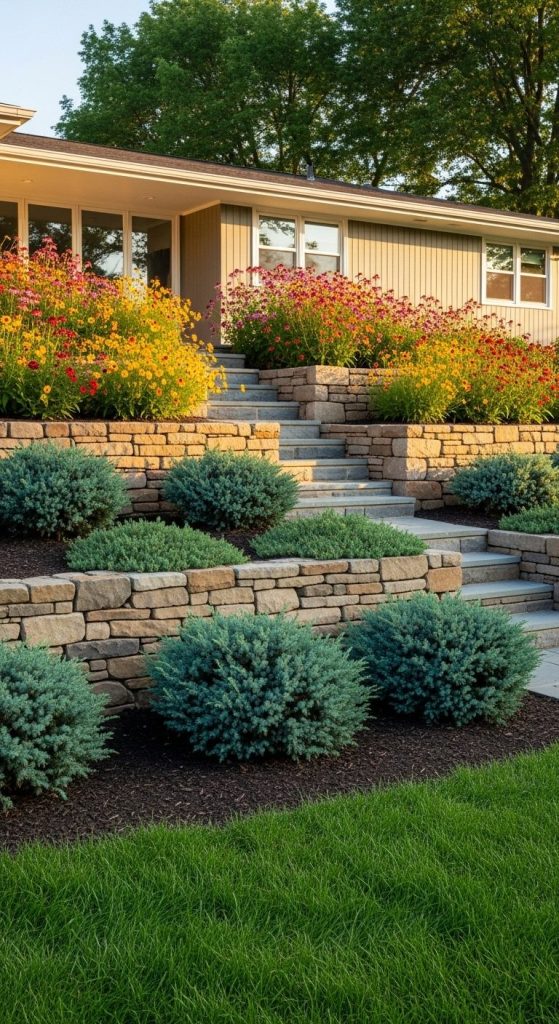
Sloped yards often frustrate homeowners, but they can become beautiful design features.
A stepped front yard garden design uses terraced planting beds to manage elevation changes.
Stone retaining edges hold soil in place while creating layered garden levels.
According to Colorado State University Extension, terracing reduces soil erosion and improves water absorption.
Pros
- Prevents soil runoff
- Creates dramatic layered planting areas
- Improves plant health on slopes
Cons
- Initial installation requires effort
- Stone materials increase cost
Mini takeaway
Terraced beds turn a challenging slope into one of the yard’s most interesting features.
9. Native Plant Garden Layout
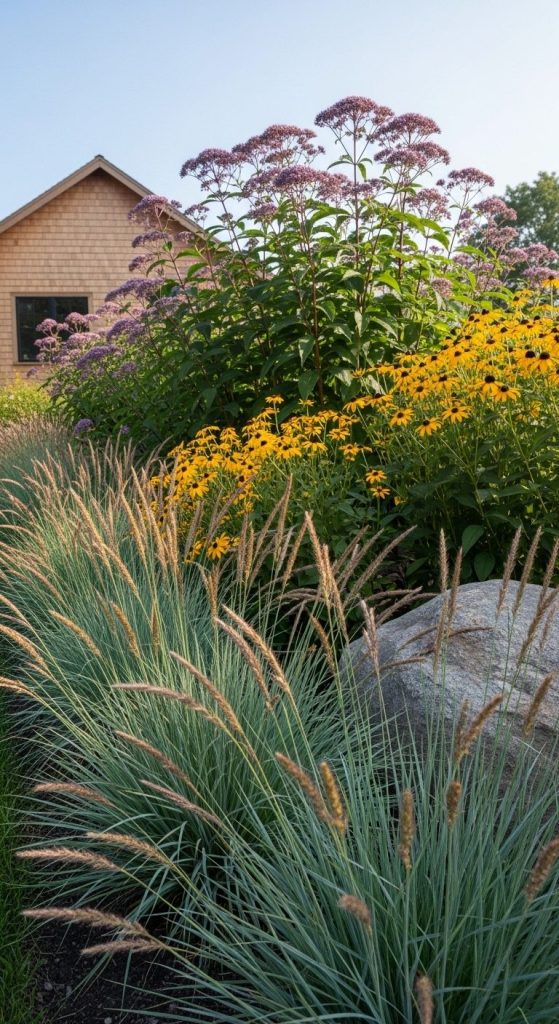
Native plants thrive naturally in local climates. That makes them excellent choices for front yard landscapes.
A front yard garden design built around native species reduces watering, fertilizing, and pest issues.
Many homeowners now choose native plants for sustainability reasons.
The U.S. Environmental Protection Agency highlights native landscaping as a major tool for conserving water and supporting pollinators.
Pros
- Lower maintenance needs
- Supports local wildlife and pollinators
- Adapted to climate conditions
Cons
- Plant availability varies by region
- Some native plants spread quickly
Mini takeaway
Native plants work with nature instead of fighting it. The garden becomes healthier and easier to maintain.
10. Mixed Texture Plant Combinations
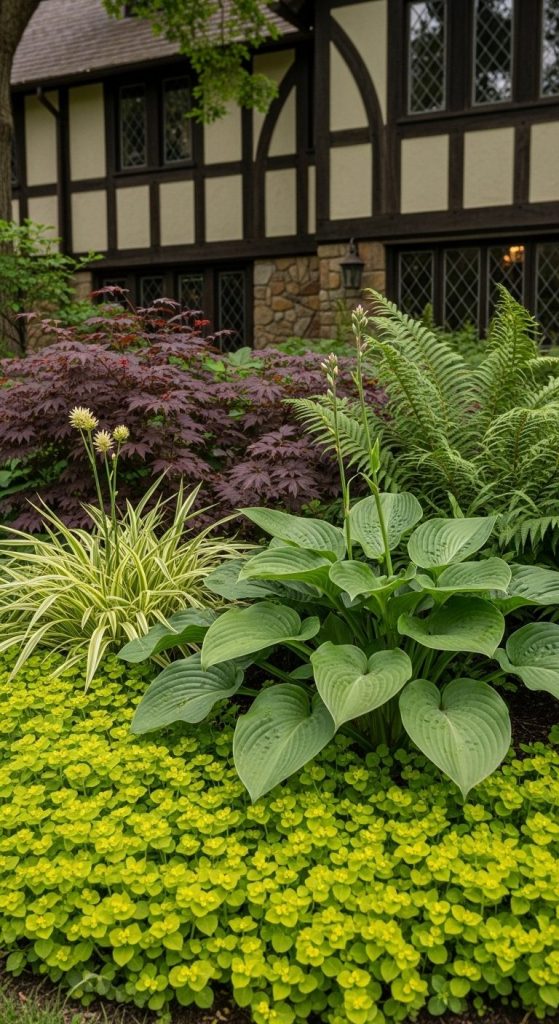
A garden with only one plant texture often looks flat.
Great front yard garden design mixes textures like fine ornamental grasses, broad hosta leaves, and spiky flowering plants.
These contrasts create visual excitement even when flowers aren’t blooming.
Designers frequently combine at least three textures within one bed.
Pros
- Adds visual richness
- Keeps beds interesting year-round
- Enhances depth and contrast
Cons
- Requires thoughtful plant pairing
- Some textures grow at different speeds
Mini takeaway
Texture changes bring subtle beauty. Even a green garden becomes visually dynamic.
11. Walkway Framing Plant Beds
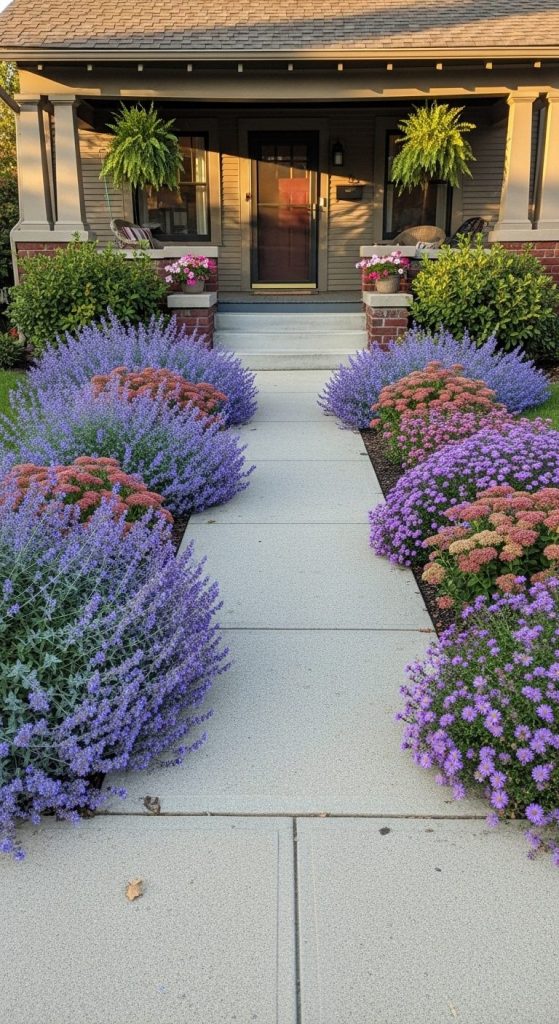
The path leading to the front door plays a big role in garden design.
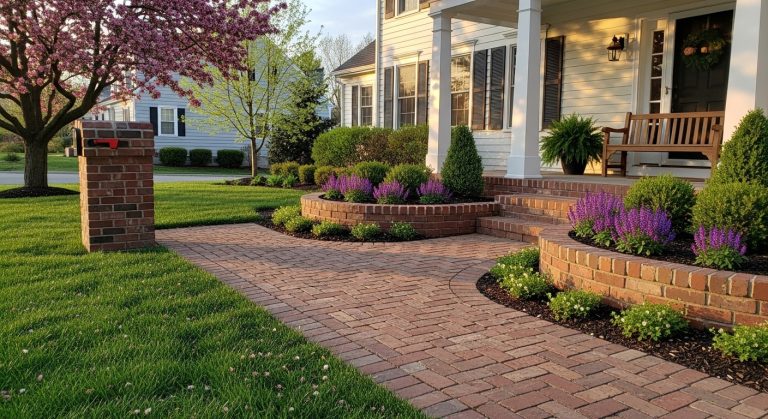
Plant beds placed along both sides of the walkway create a welcoming entrance and guide visitors naturally.
This layout strengthens the flow of a front yard garden design while highlighting the entry point.
Pros
- Enhances entry appeal
- Creates natural guidance through the yard
- Works well in small spaces
Cons
- Requires regular trimming near the path
- Plants may grow into walkways
Mini takeaway
Walkway plantings make the entrance feel intentional. The path becomes part of the garden experience.
12. Island Garden Beds in Lawn Areas
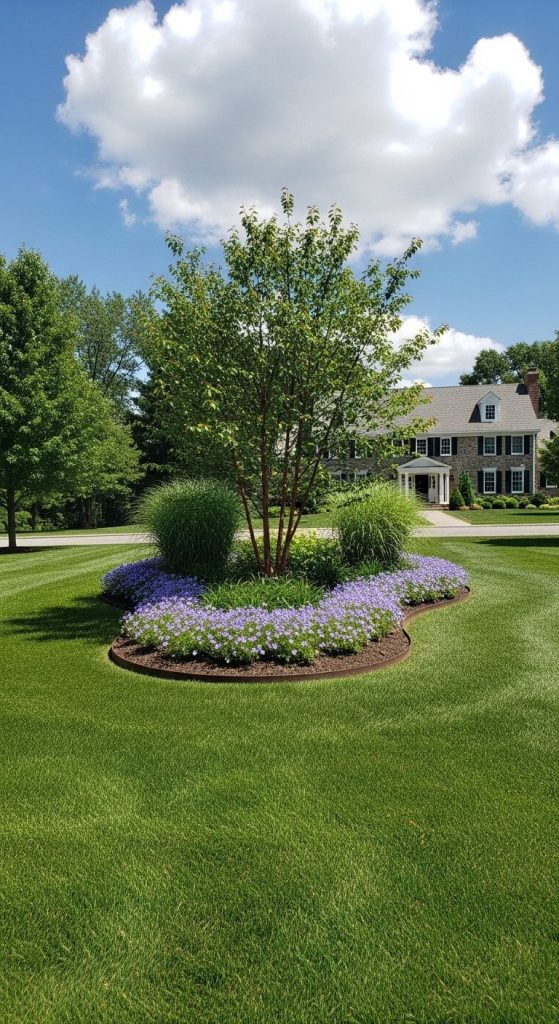
Large lawns sometimes look empty.
Island beds placed within the lawn add visual interest and break up the space.
A well-shaped island becomes a strong feature in a front yard garden design, especially when layered with shrubs and flowers.
Pros
- Adds focal points in large yards
- Allows creative plant combinations
- Improves landscape balance
Cons
- Requires mowing around the bed
- Needs defined edging
Mini takeaway
Island beds transform plain lawns into designed landscapes without removing the entire grass area.
13. Rain Garden Drainage Design
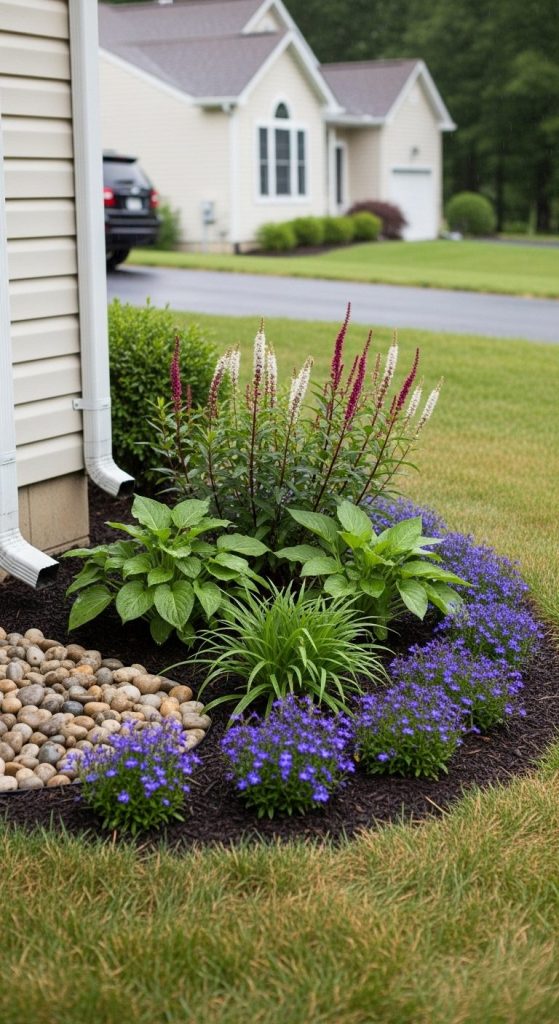
Heavy rain often causes water pooling near driveways or sidewalks.
A rain garden section absorbs runoff using plants that tolerate moist soil.
The U.S. Geological Survey notes that rain gardens can reduce stormwater runoff by up to 30% in residential areas.
Pros
- Improves drainage
- Supports water-loving plants
- Reduces erosion
Cons
- Requires careful placement
- Soil preparation necessary
Mini takeaway
Rain gardens solve drainage issues while adding beauty to the landscape.
14. Repeating Plant Patterns for Visual Rhythm
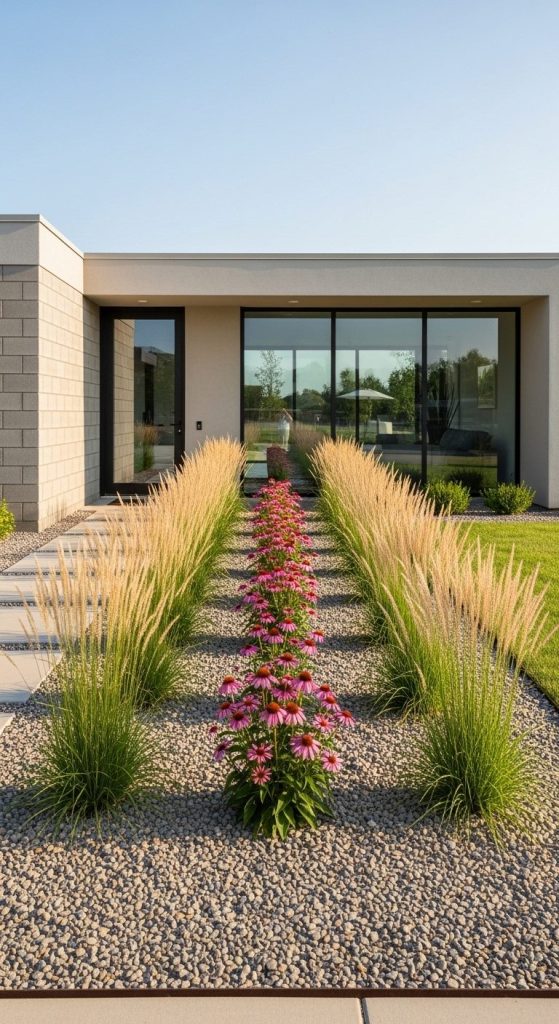
Repetition brings harmony to a garden.
Placing the same plant variety in several areas throughout the yard creates rhythm and cohesion.
A thoughtful front yard garden design often repeats two or three plant types across beds to unify the landscape.
Pros
- Creates visual consistency
- Simplifies plant selection
- Makes gardens look professionally designed
Cons
- Overuse may reduce plant diversity
- Requires planning during planting stage
Mini takeaway
Repeating plants ties the entire yard together. The design starts feeling intentional rather than random.
15. Evergreen Foundation Planting
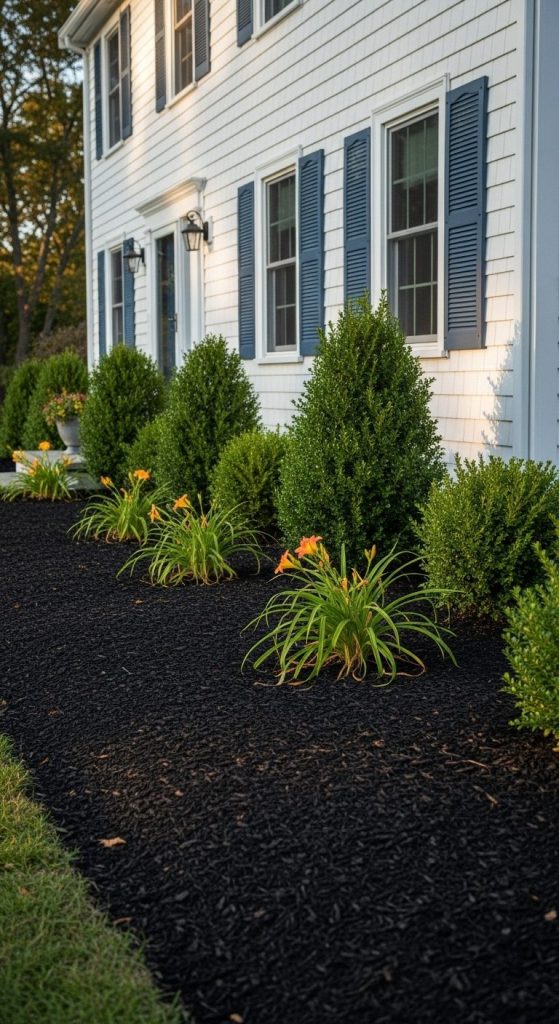
The space near the house foundation often feels empty in winter.
Evergreen shrubs placed along the base of the home anchor the landscape year-round.
A balanced front yard garden design usually includes these plants to maintain structure when flowers fade.
Pros
- Provides year-round greenery
- Anchors the home visually
- Protects foundation soil from erosion
Cons
- Requires occasional trimming
- Some varieties grow slowly
Mini takeaway
Evergreens keep the garden alive even during colder months. They quietly hold the entire design together.
Conclusion
A thoughtful front yard garden design does far more than decorate a home. It creates the first impression people experience before stepping inside.
The beauty of good garden design lies in balance. Layered plants add depth. Curved beds soften the space. Seasonal blooms keep the yard lively throughout the year. Structural shrubs and evergreens provide stability when flowers fade.
None of these ideas require extreme landscaping skills or massive budgets. Most changes begin with simple planning — choosing the right plants, organizing planting beds, and allowing the garden to grow naturally over time.
Honestly, the most inviting front yards rarely look overly perfect. They feel welcoming, full of life, and slightly relaxed.
Start with one idea that fits your space. Maybe a layered planting bed, a curved border, or a focal tree. As the garden grows and matures, the entire yard slowly develops its own character.
And that’s the real beauty of a well-designed garden.

William Martin is a passionate bowler who spends most of his weekends playing the sport. With years of intense experience under his belt, William decided to share his knowledge by creating BOWLING OCEAN. Join me on this journey to explore the world of bowling and discover the tips and tricks to becoming a pro.