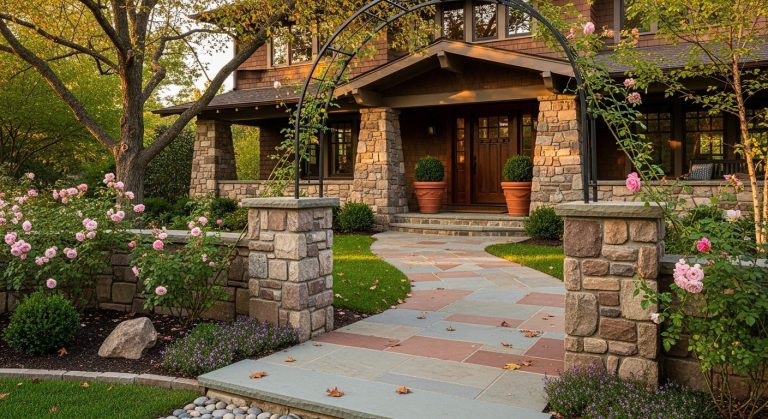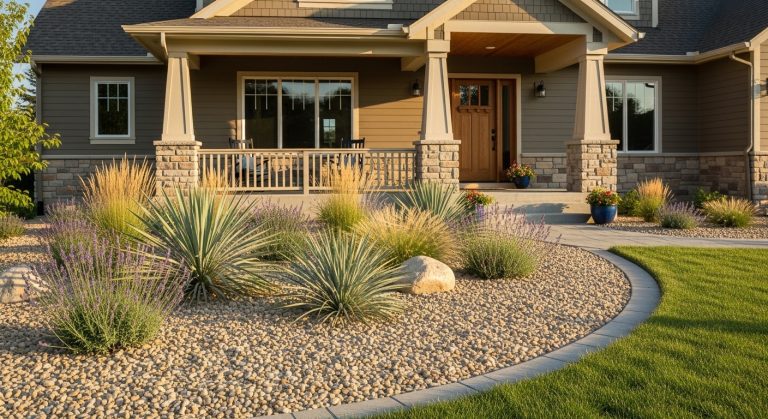
15 Front Yard Hill Landscaping Ideas for Sloped Yards
A sloped front yard can feel like a puzzle at first. You step outside, look at that hill, and wonder if landscaping it will turn into a complicated weekend project that never ends.
But here’s the interesting part—a hill can actually create some of the most beautiful front yard landscapes. The natural elevation gives you depth, layers, and visual drama that flat yards simply don’t have.
I remember visiting a friend whose home sat on a steep incline. Instead of fighting the slope, they leaned into it with terraced beds and cascading plants. The result? The yard looked like something from a landscape magazine, yet most of it came together over a few DIY weekends.
If your yard slopes toward the street or rises toward your house, you’re sitting on an opportunity. Front yard hill landscaping lets you play with levels, textures, and structure in ways that transform a tricky slope into a showstopper.
Below are 15 practical, beautiful ways to work with a front yard hill, not against it.
1. Terraced Retaining Wall Garden Beds

Terracing turns a steep slope into a series of usable planting levels. Instead of one large hill, you create stacked garden beds held in place by retaining walls.
Many homeowners choose stone or concrete blocks because they handle soil pressure well. Each level becomes a small planting zone for shrubs, flowers, or ground cover.
The idea looks complicated, but many DIY kits simplify the process.
Pros
- Prevents soil erosion on steep slopes
- Creates multiple planting zones
- Makes mowing unnecessary on the hillside
- Adds strong curb appeal
Cons
- Higher upfront cost for materials
- Requires accurate leveling during installation
Mini takeaway
Terraced beds solve the biggest hill problem—runoff and uneven planting space. Honestly, this one transforms slopes more dramatically than almost any other upgrade.
2. Cascading Ground Cover Planting

Not every hill needs structures. Sometimes low-growing plants that spill downward create a softer, natural look.
Think creeping thyme, creeping juniper, or sedum. These plants spread across slopes and form dense mats that hold soil in place.
The hill slowly turns into a living carpet.
Pros
- Extremely low maintenance once established
- Reduces erosion naturally
- No mowing required
- Creates a lush layered look
Cons
- Takes time to fully fill in
- Requires weed control early on
Mini takeaway
Ground covers work especially well for long slopes where mowing feels annoying. Over time, the entire hillside becomes a textured green blanket.
3. Switchback Stone Pathway Up the Hill

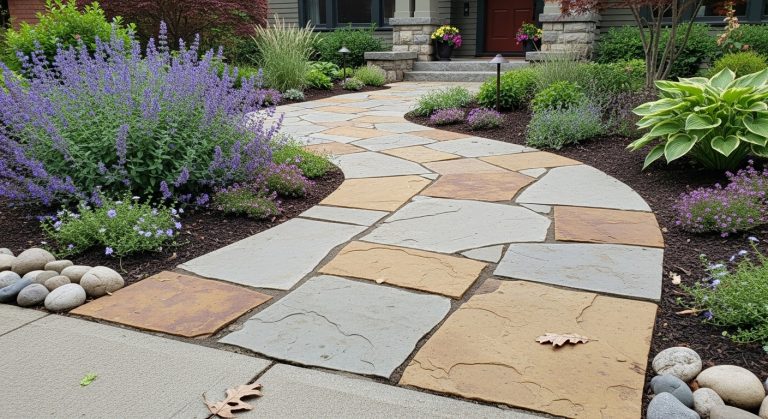
A straight path up a hill feels steep. A switchback path that zigzags across the slope makes walking easier and visually interesting.
Flat stepping stones or flagstone work well here.
Each turn creates a natural pause point where small plants or shrubs can fill the surrounding space.
Pros
- Makes steep slopes walkable
- Adds visual movement across the hill
- Reduces slipping risk in rain
- Creates structure without heavy construction
Cons
- Requires careful planning for slope angles
- Installation takes patience
Mini takeaway
A winding pathway invites people into the landscape. It makes the slope feel intentional rather than inconvenient.
4. Rock Garden Hill Design

Rock gardens shine on slopes because gravity helps showcase the stones naturally.
You place larger rocks as anchors, then tuck drought-tolerant plants like sedum, ornamental grasses, or lavender between them.
The rocks stabilize soil while the plants soften the look.
According to the North American Rock Garden Society, alpine-style gardens often perform best on sloped ground because of improved drainage.
Pros
- Excellent drainage for plants
- Very low water needs
- Visually dramatic texture
- Works well in sunny yards
Cons
- Initial rock placement requires effort
- Not ideal for heavy shade areas
Mini takeaway
Rock gardens embrace the rugged beauty of a hillside. The result looks natural, structured, and surprisingly easy to maintain.
5. Layered Shrub Borders

Some hills benefit from structured shrub layers rather than mixed planting.
Start with taller shrubs near the top, medium shrubs in the middle, and compact plants near the bottom.
The layering prevents the slope from looking chaotic.
Pros
- Creates clean visual tiers
- Helps control erosion
- Works well year-round with evergreen shrubs
Cons
- Requires careful plant spacing
- Pruning keeps the layers defined
Mini takeaway
This approach suits homeowners who prefer tidy landscapes. The hill ends up looking organized instead of wild.
6. Natural Boulder Retaining Edges

Instead of straight retaining walls, some landscapes use large natural boulders placed along the slope.
The stones hold soil while creating organic-looking planting pockets.
Landscape designers often use this method in rustic or woodland-style yards.
Pros
- Extremely durable
- Natural appearance
- Excellent soil stabilization
- Works well with native plants
Cons
- Heavy stones require delivery or machinery
- Harder to reposition once placed
Mini takeaway
Boulders give a hillside a grounded, earthy personality. The slope suddenly feels like part of the surrounding landscape.
7. Grass Terrace Steps

On moderate slopes, wide grassy steps carved into the hill can replace one continuous incline.
Each step becomes a mini flat zone.
Children often use these terraces as play areas, while adults enjoy the visual rhythm.
Pros
- Keeps a natural lawn appearance
- Reduces mowing difficulty
- Creates safer walking surfaces
Cons
- Requires proper edging
- Soil compaction may occur over time
Mini takeaway
This design keeps the simplicity of grass while still taming the hill.
8. Flowering Slope Borders
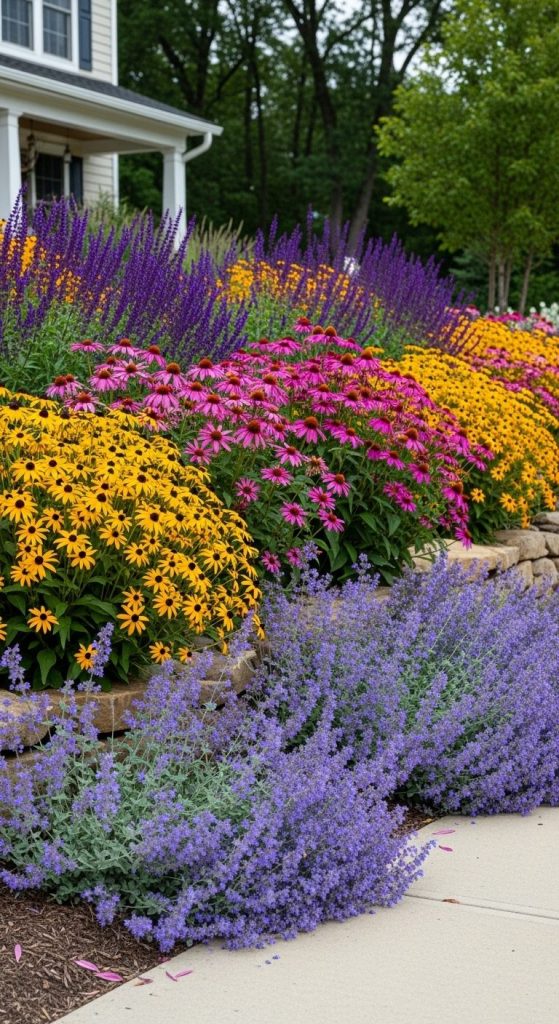
Hillsides make incredible flower displays.
Planting long rows of flowering perennials like coneflowers, black-eyed Susans, or salvia across the slope creates waves of color.
You see the blooms from the street far more clearly than in flat gardens.
A National Gardening Survey reported that flower borders rank among the most common landscape upgrades for improving curb appeal.
Pros
- Seasonal bursts of color
- Attracts pollinators
- Makes the slope visually lively
Cons
- Requires seasonal trimming
- Plants may need staking on steeper hills
Mini takeaway
Flower borders turn a plain slope into a seasonal show.
9. Dry Creek Drainage Feature
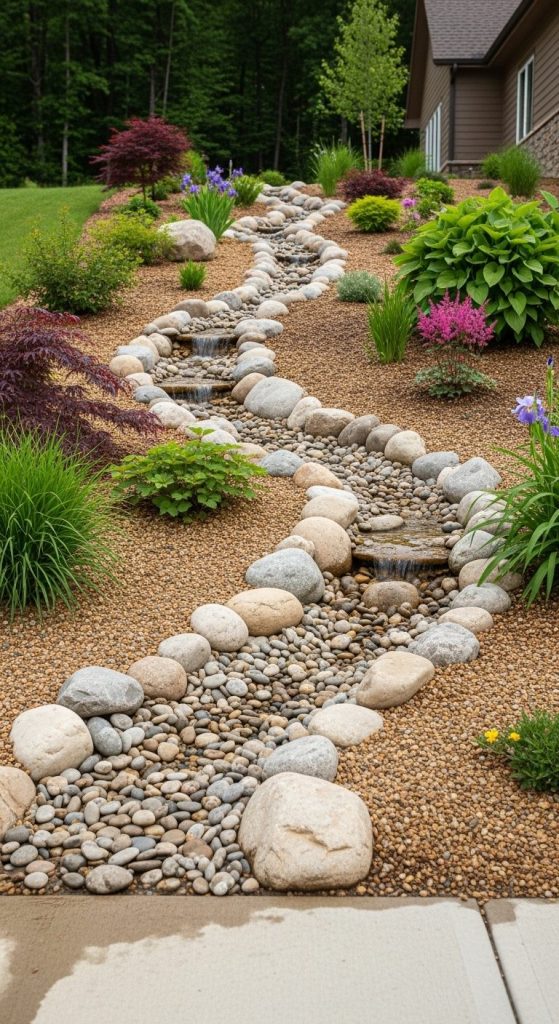
Some front yard hills struggle with rain runoff.
A dry creek bed made with river rocks channels water safely down the slope during storms.
Most of the year, it simply looks like a natural stream bed.
Pros
- Solves drainage problems
- Prevents erosion
- Adds natural texture
Cons
- Requires correct grading
- Larger rocks increase cost
Mini takeaway
Functional landscaping can also look beautiful. Dry creeks quietly handle stormwater while enhancing the hill design.
10. Ornamental Grass Hillside Planting

Ornamental grasses thrive on slopes.
Their deep roots stabilize soil while their tall plumes sway in the wind.
Popular options include feather reed grass, blue fescue, and fountain grass.
Pros
- Very drought tolerant
- Adds movement and texture
- Minimal pruning required
Cons
- Some grasses spread quickly
- Winter cutback required
Mini takeaway
Grasses bring motion to a hillside. On breezy days, the entire slope comes alive.
11. Stepped Timber Retaining Beds

Wood retaining walls offer a warm, natural alternative to stone.
Pressure-treated landscape timbers stack easily and form small stepped garden platforms.
This works well for DIY landscaping projects.
Pros
- Affordable compared to stone walls
- Easier DIY installation
- Warm natural appearance
Cons
- Wood eventually degrades
- Requires occasional replacement
Mini takeaway
Timber terraces strike a balance between structure and budget-friendly design.
12. Native Plant Hillside Restoration

Native plants often handle slopes better than ornamental imports.
They develop deeper roots that grip the soil.
Native grasses, wildflowers, and shrubs also support local wildlife.
The U.S. Environmental Protection Agency notes that native plants reduce irrigation needs and improve soil stability.
Pros
- Low watering needs
- Excellent erosion control
- Supports pollinators and birds
Cons
- Some natives spread quickly
- Initial plant selection takes research
Mini takeaway
Native planting works with nature rather than fighting it.
13. Stone Staircase Through the Hill

Sometimes the best solution feels simple: a solid stone staircase straight up the slope.
Stone steps break the hill into manageable sections.
Planting along the edges softens the structure.
Pros
- Safe access up steep slopes
- Long-lasting materials
- Strong architectural presence
Cons
- Stone installation can be labor-intensive
- Requires stable footing base
Mini takeaway
A staircase adds purpose to the hill. It turns a barrier into a pathway.
14. Mulched Planting Slope

Mulch often solves several hillside issues at once.
A thick mulch layer holds moisture, suppresses weeds, and prevents soil from washing away.
Many homeowners combine mulch with shrubs or perennials planted across the slope.
Pros
- Budget-friendly landscaping option
- Protects soil during heavy rain
- Keeps planting beds tidy
Cons
- Requires periodic replenishment
- Wind may shift loose mulch
Mini takeaway
Mulch may look simple, but it quietly protects hillside gardens.
15. Mixed Evergreen Hillside Structure

Evergreen shrubs create year-round structure on slopes.
Juniper, dwarf spruce, and boxwood maintain shape even in winter.
A hillside planted with evergreens keeps the yard looking intentional in every season.
Pros
- Year-round greenery
- Excellent slope stability
- Minimal seasonal maintenance
Cons
- Slower growth than perennials
- Requires thoughtful spacing
Mini takeaway
Evergreens bring permanence to hillside landscapes.
Conclusion
A sloped yard can feel intimidating at first glance. Most homeowners see mowing challenges, erosion, and awkward planting spaces.
But with the right approach, front yard hill landscaping becomes one of the most visually striking parts of a property.
Terraced beds create structure. Ground covers soften steep slopes. Rock gardens add rugged beauty. Pathways and staircases introduce movement and accessibility.
Every hill holds potential—you just need the right strategy to unlock it.
Personally, I love how slopes force creativity. Flat yards feel predictable. Hills invite layered design, texture, and elevation changes that make the landscape feel alive.
Start with the idea that fits your yard’s slope and maintenance style. Maybe it’s a simple ground cover solution. Maybe it’s a full terrace project.
Either way, once you embrace the hill instead of fighting it, the entire front yard begins to feel intentional and welcoming.
Pick one approach that excites you the most and start there.

William Martin is a passionate bowler who spends most of his weekends playing the sport. With years of intense experience under his belt, William decided to share his knowledge by creating BOWLING OCEAN. Join me on this journey to explore the world of bowling and discover the tips and tricks to becoming a pro.