15 Front Yard Herb Garden Ideas for Fresh Homegrown Flavor
Fresh herbs change the way a home feels. Anyone who has stepped outside to snip a few basil leaves or rosemary sprigs for dinner knows that small moment of satisfaction. It feels simple, useful, and oddly calming.
That’s exactly why front yard herb garden layouts have started appearing more often in modern landscaping. Instead of hiding herbs in the backyard, homeowners bring them to the front where sunlight usually hits best and daily access feels easier.
I noticed this trend while visiting a neighborhood where several houses replaced traditional flower beds with small herb plantings. The yards still looked beautiful, but they also felt purposeful. You could smell mint when you walked past. Thyme spilled over small stone edges. It felt like landscaping that actually worked for everyday life.
Herb gardens also offer practical benefits. According to the National Gardening Association, nearly 35% of home gardeners grow culinary herbs, making them one of the most popular edible plants for residential gardens.
A thoughtfully designed front yard herb garden blends beauty with usefulness. The ideas below explore different layouts and planting approaches that keep herbs accessible, organized, and visually appealing without turning the yard into a full farm.
1. Raised Bed Herb Garden Border

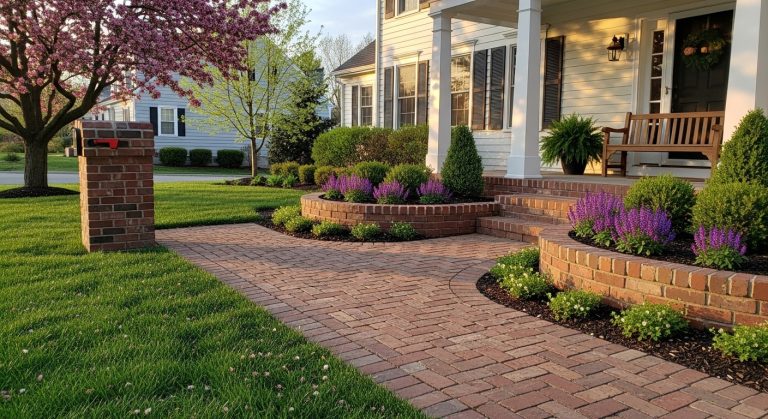
One of the most reliable ways to build a front yard herb garden involves raised planting beds along the edge of the yard. The beds sit slightly above ground level and create clear structure for herb planting.
Raised beds help herbs thrive because the soil drains better and warms faster in spring. Many gardeners also enjoy the clean, organized look.
You often see basil, parsley, thyme, oregano, and sage planted together in these beds because they grow well in similar conditions.
According to research from the University of Maryland Extension, raised beds improve root development and drainage for culinary herbs.
Pros
- Provides excellent soil drainage for herbs
- Keeps planting areas clearly organized
- Easier harvesting without bending low
- Works well in small or medium front yards
Cons
- Requires initial construction work
- Needs quality soil to fill beds
Mini Takeaway
Raised beds give a front yard herb garden instant structure. The layout looks tidy while making herb harvesting quick and convenient.
2. Spiral Herb Garden Layout

A spiral herb garden creates a compact yet efficient planting structure.
The spiral shape rises gradually from the outside toward the center. Different heights allow gardeners to plant herbs with varying moisture preferences.
For example, rosemary and thyme prefer the drier upper section, while parsley and cilantro grow better lower where soil holds more moisture.
Spiral herb gardens originated in permaculture design, which focuses on maximizing growing space efficiently.
Pros
- Uses space efficiently
- Supports multiple herb varieties
- Provides natural soil drainage differences
- Creates an eye-catching garden feature
Cons
- Requires careful initial construction
- Slightly more complex than flat beds
Mini Takeaway
A spiral structure turns a small area into a surprisingly productive herb garden.
3. Walkway Herb Garden Edge

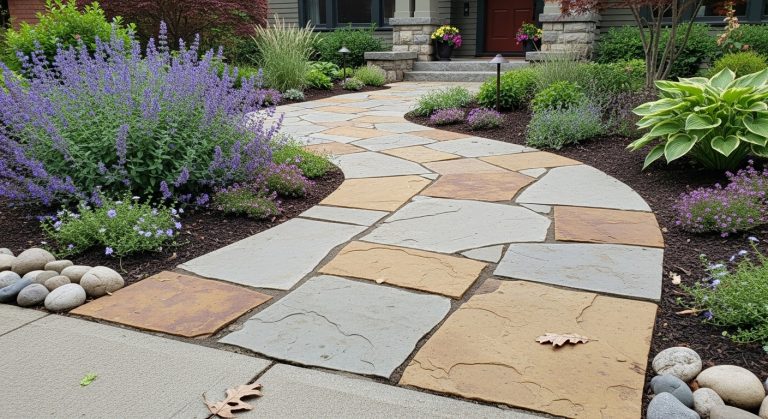
Imagine walking up to your front door with aromatic herbs lining the path. A walkway herb border makes that experience possible.
Low-growing herbs like thyme, oregano, and dwarf basil thrive along path edges where they receive sunlight and occasional trimming.
The scent often releases when leaves brush against shoes or hands.
Garden designers frequently recommend edible borders because they combine function with visual beauty.
Pros
- Makes herbs easy to access daily
- Adds fragrance along the walkway
- Keeps plants organized in a neat border
- Works in narrow front yard spaces
Cons
- Requires consistent trimming
- Foot traffic must remain controlled
Mini Takeaway
A walkway herb border turns an ordinary path into an interactive garden experience.
4. Formal Square Herb Bed

Some gardeners prefer structured layouts.
A square herb garden divided into sections creates a neat, symmetrical planting pattern. Each quadrant contains a different herb variety.
This design draws inspiration from traditional kitchen gardens used in European homes for centuries.
The structure makes harvesting easier because each herb grows in its own defined zone.
Pros
- Extremely organized planting layout
- Easy herb identification and harvesting
- Fits neatly into front yard beds
- Provides balanced visual design
Cons
- Requires accurate spacing
- Less flexible once planted
Mini Takeaway
A square herb layout keeps the garden orderly and practical for everyday cooking.
5. Tiered Herb Garden Beds

When space feels tight, tiered herb beds create vertical planting levels.
The beds stack gradually upward, allowing herbs to grow at multiple heights. Sunlight reaches each layer easily.
This design often works well on slightly sloped front yards.
Pros
- Maximizes planting space
- Improves sunlight exposure
- Creates attractive layered garden look
- Simplifies harvesting
Cons
- Requires construction materials
- Soil may dry faster on upper levels
Mini Takeaway
Tiered beds transform a small front yard herb garden into a productive growing space.
6. Curved Herb Garden Border

Straight garden beds look neat, but curved herb borders bring softer visual flow.
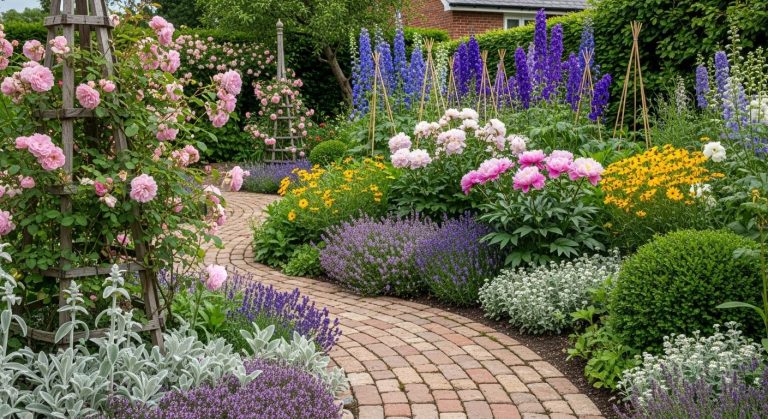
Instead of rigid lines, herbs follow a natural arc around the yard. Lavender, sage, and thyme often work beautifully in these layouts.
Landscape architects often use curves to create a more natural garden feel.
Pros
- Adds movement to the landscape
- Blends well with lawns and pathways
- Creates relaxed visual appeal
- Allows flexible planting patterns
Cons
- Requires careful layout planning
- Edges may need trimming more often
Mini Takeaway
Curved herb borders soften the yard while keeping herbs accessible.
7. Compact Herb Grid Garden

Grid layouts appeal to gardeners who enjoy precision.
A grid herb garden divides the planting area into equal squares. Each square grows a different herb variety.
This system helps control plant growth and simplifies harvest.
Research from the Square Foot Gardening method shows grid layouts improve planting efficiency for small gardens.
Pros
- Maximizes small spaces
- Keeps herbs clearly separated
- Simplifies crop rotation
- Easy to maintain
Cons
- Requires accurate spacing
- Visual style feels structured
Mini Takeaway
Grid planting turns a small herb garden into a highly organized growing system.
8. Stone-Edged Herb Garden Bed

Stone edging adds structure while protecting herbs from lawn spread.
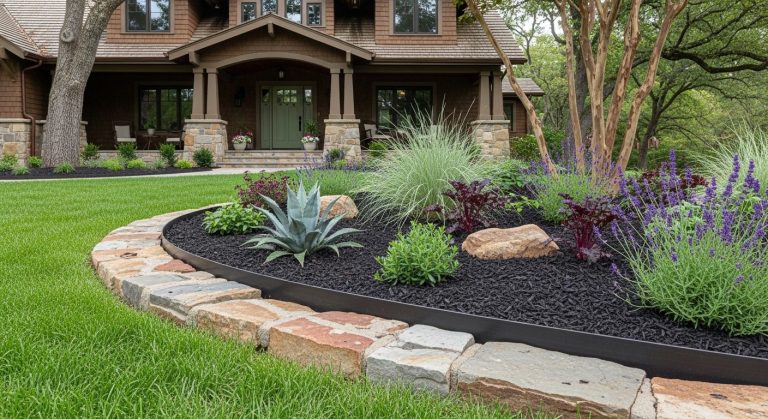
A stone-edged herb garden bed outlines the planting space clearly. Herbs remain contained while the stones add texture.
Many gardeners prefer stone edges because they last decades.
Pros
- Prevents grass from invading the bed
- Adds visual definition
- Extremely durable material
- Works with many herb varieties
Cons
- Requires lifting and placement work
- Higher upfront cost than plastic edging
Mini Takeaway
Stone edging gives a front yard herb garden a finished, polished look.
9. Circular Herb Garden Design

Circular gardens create beautiful focal points.
A round herb bed with herbs planted in rings organizes plants visually. Taller herbs grow near the center while shorter varieties fill outer rings.
This design allows easy access from all sides.
Pros
- Balanced visual appearance
- Easy harvesting from multiple angles
- Works well as a central garden feature
- Efficient planting arrangement
Cons
- Requires precise layout planning
- May need edging to hold shape
Mini Takeaway
Circular herb gardens combine symmetry and practicality in a compact design.
10. Herb Garden Terraceblob

Front yards with slopes often benefit from terraced herb beds.
Small retaining levels allow herbs to grow on flat sections while preventing soil erosion.
The layout also improves sunlight exposure.
Pros
- Stabilizes sloped soil
- Creates layered planting space
- Improves drainage
- Adds architectural interest
Cons
- Construction requires effort
- Needs careful drainage planning
Mini Takeaway
Terracing transforms difficult slopes into productive herb gardens.
11. Narrow Strip Herb Garden

Some homes feature a narrow strip of soil between walkway and house. That area works perfectly for a linear herb garden strip.
Compact herbs like chives, thyme, and oregano thrive in these spaces.
This approach keeps herbs close to the kitchen entrance.
Pros
- Makes use of narrow yard areas
- Keeps herbs within easy reach
- Simple planting layout
- Requires minimal materials
Cons
- Limited herb variety space
- Soil may dry faster in narrow beds
Mini Takeaway
Narrow herb strips turn overlooked spaces into productive planting zones.
12. Raised Herb Garden Platform

A raised herb platform lifts the entire planting area above ground level.
This design improves accessibility and creates a defined garden zone in the front yard.
Raised platforms often help gardeners manage soil quality more effectively.
Pros
- Easier harvesting height
- Better soil control
- Clear garden boundaries
- Attractive structured appearance
Cons
- Requires construction materials
- Higher initial setup cost
Mini Takeaway
Raised platforms combine accessibility with organized herb planting.
13. Mixed Culinary Herb Bed

A mixed herb garden bed groups herbs commonly used together in cooking.
Basil, parsley, oregano, thyme, and rosemary often grow side by side.
Culinary groupings simplify harvesting during meal preparation.
Pros
- Convenient cooking harvests
- Diverse herb flavors available
- Efficient use of garden space
- Encourages regular garden use
Cons
- Some herbs grow faster than others
- Occasional pruning required
Mini Takeaway
Grouping cooking herbs together makes a front yard herb garden highly practical.
14. Fragrant Herb Border

Some herbs excel at producing strong fragrance.
A fragrant herb border uses plants like lavender, mint, and lemon balm along the yard edge.
As people walk past, the scent releases naturally.
According to horticultural studies from Colorado State University Extension, aromatic herbs release oils when touched or brushed.
Pros
- Adds pleasant garden scent
- Creates memorable yard experience
- Supports pollinators
- Easy to maintain
Cons
- Some herbs spread quickly
- Requires occasional pruning
Mini Takeaway
Fragrant herbs transform the yard into a sensory garden.
15. Structured Kitchen Herb Garden Zone
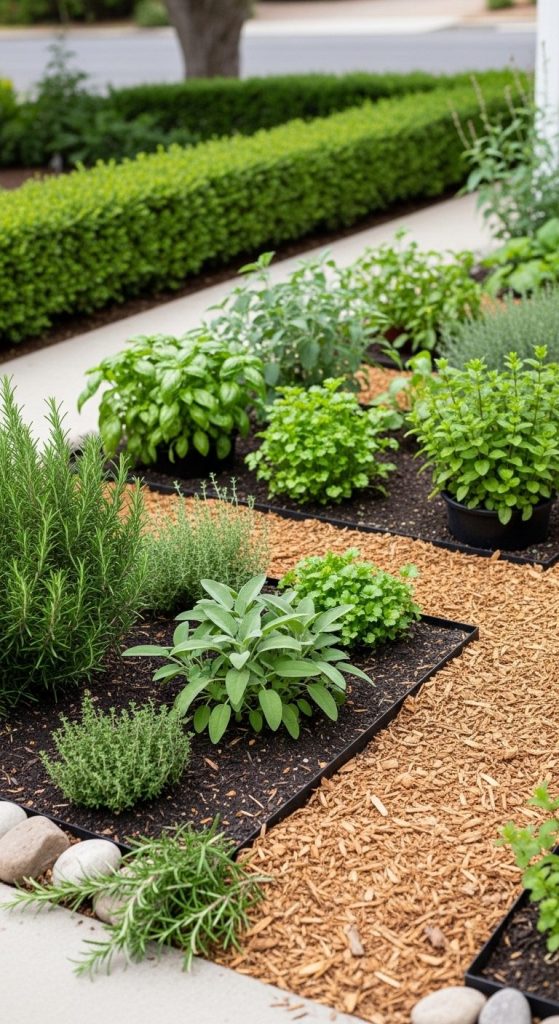
Some homeowners dedicate a specific section of the front yard to a kitchen-focused herb garden zone.
This layout groups herbs by cooking use rather than appearance.
Mediterranean herbs often share one section, while leafy herbs grow in another.
Pros
- Simplifies meal preparation harvesting
- Keeps herbs logically grouped
- Encourages frequent garden use
- Efficient planting organization
Cons
- Requires planning before planting
- Some herbs may need different soil conditions
Mini Takeaway
A kitchen herb zone turns the front yard into a practical extension of the cooking space.
Conclusion
Herb gardens bring something special to a front yard. They look beautiful, smell incredible, and provide ingredients you can actually use every day.
Unlike purely decorative landscaping, herbs create a connection between gardening and daily life. A quick walk outside can supply fresh basil for pasta or rosemary for roasted vegetables. That small routine feels surprisingly rewarding.
The layouts above show how flexible a front yard herb garden can be. Some gardeners prefer structured raised beds or grid layouts. Others lean toward curved borders or spiral designs that feel more natural.
The key lies in accessibility. Herbs grow best when gardeners harvest them often, and placing them in the front yard encourages that habit.
Start with a layout that fits your space and sunlight conditions. Plant a few reliable herbs first—basil, thyme, parsley, and rosemary rarely disappoint.
Over time, the garden grows, the scents deepen, and the front yard becomes more than landscaping. It becomes part of everyday cooking and living.

William Martin is a passionate bowler who spends most of his weekends playing the sport. With years of intense experience under his belt, William decided to share his knowledge by creating BOWLING OCEAN. Join me on this journey to explore the world of bowling and discover the tips and tricks to becoming a pro.