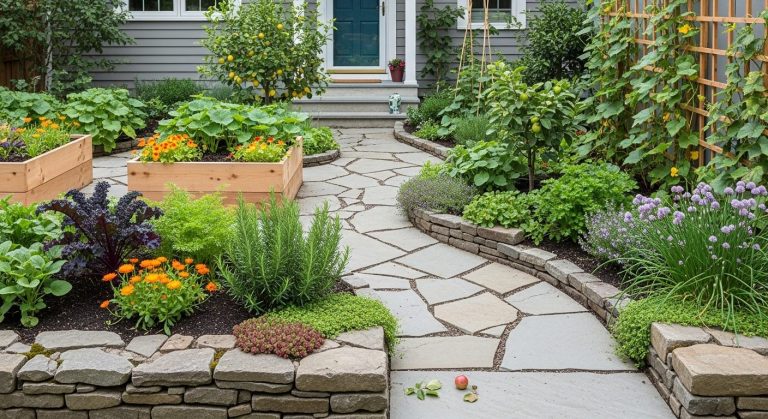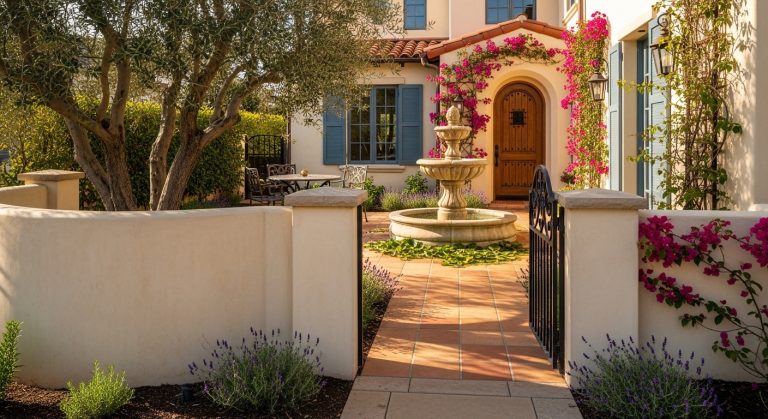
15 Front Yard English Garden Ideas for Cottage Charm
A few years ago I walked past a small house that stopped me in my tracks. The yard wasn’t big. The plants weren’t exotic. But the entire space looked like it had quietly traveled from the English countryside and landed in the middle of a suburban street.
Soft flowers spilled over pathways, climbing roses hugged a small fence, and nothing looked stiff or overly planned.
That moment perfectly captures the charm of a front yard English garden.
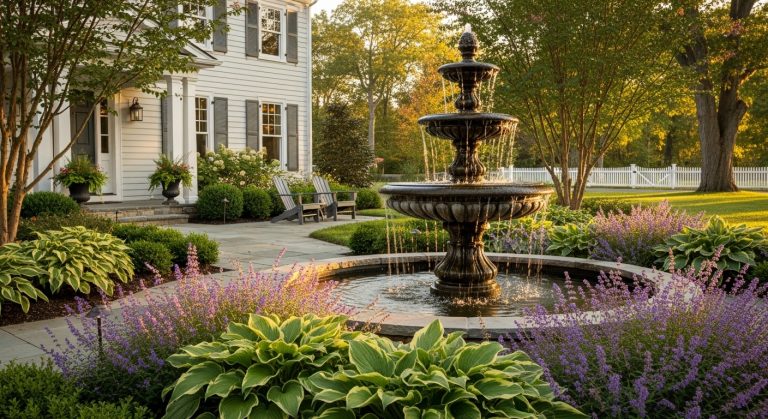
Unlike modern landscapes that rely on strict symmetry or minimalist planting, an English garden feels relaxed and alive. Plants mingle naturally, colors layer beautifully, and the whole yard looks like it evolved over time rather than appearing overnight.
Lately, more homeowners have started recreating this timeless style in their front yards. It works surprisingly well even in small spaces because the focus stays on layered planting, winding pathways, and cottage-style charm.
The best part? You don’t need a huge property or professional landscaping team.
These 15 front yard English garden ideas show practical ways to create that romantic, storybook garden feel right outside your home.
1. Layered Cottage Flower Borders

The heart of every front yard English garden starts with layered flower borders.
Instead of planting flowers in neat rows, English gardens mix plants of different heights in dense groupings. Tall plants like hollyhocks or foxgloves rise in the back, medium perennials fill the center, and low flowers spill toward the edge.
This layered approach creates that classic overflowing cottage look.
Many gardeners combine roses, lavender, daisies, and salvia for a timeless palette.
Pros
- Creates a lush, full garden appearance
- Supports pollinators like bees and butterflies
- Works well in narrow front yard beds
- Encourages natural plant layering
Cons
- Requires seasonal pruning
- Dense planting needs thoughtful spacing
Mini takeaway
Layered borders give the garden depth and movement. The mix of heights instantly creates that charming English cottage feel.
2. Winding Brick Garden Path

Straight paths feel formal. English gardens prefer something softer.
A winding brick path gently curves through the front yard garden beds, inviting people to walk slowly and notice the plants along the way.
Old-style clay bricks work especially well because they age beautifully.
Garden designers often let flowers grow slightly over the edges so the path feels nestled into the garden.
Pros
- Adds structure to dense planting
- Encourages natural walking flow
- Durable and long-lasting material
- Complements traditional homes
Cons
- Brick installation requires leveling
- Curved layouts take patience
Mini takeaway
A winding brick path turns a front yard into a miniature garden journey instead of a simple lawn walkway.
3. Traditional Rose Garden Section

No front yard English garden feels complete without roses.
Classic English gardens often dedicate a section to shrub roses or climbing roses arranged among companion plants like lavender or catmint.
The combination creates layers of fragrance and color from late spring through summer.
According to the Royal Horticultural Society, roses remain one of the most widely planted garden flowers worldwide because of their adaptability and long blooming season.
Pros
- Iconic English garden element
- Beautiful fragrance
- Long blooming season
- Works well with companion flowers
Cons
- Requires seasonal pruning
- Some varieties need disease monitoring
Mini takeaway
Roses bring timeless romance to a front yard garden. Few plants capture the English cottage aesthetic quite like them.
4. Informal Mixed Perennial Beds

English gardens avoid strict symmetry.
Instead of repeating identical plants, gardeners create mixed perennial beds that combine multiple flower types together.
You might see delphiniums beside daisies, lavender beside salvias, and peonies weaving between them.
The variety creates color and texture changes throughout the growing season.
Pros
- Dynamic color through multiple seasons
- Natural cottage garden appearance
- Attracts pollinators
- Easy to expand over time
Cons
- Requires planning for bloom timing
- Plants may compete for space
Mini takeaway
Mixed perennial beds create the slightly wild, relaxed energy that makes English gardens feel alive.
5. Boxwood Garden Borders

English gardens love structure just as much as flowers.
A low boxwood hedge often outlines flower beds or pathways, creating a tidy frame around the softer plantings.
These evergreen shrubs maintain their shape year-round, which keeps the garden organized even when flowers fade.
Pros
- Provides year-round structure
- Frames flower beds beautifully
- Classic European garden look
- Easy to shape with trimming
Cons
- Requires occasional pruning
- Slow growth when newly planted
Mini takeaway
Boxwood borders balance the wild beauty of cottage flowers with subtle order.
6. Gravel Garden Walkways

Many traditional English gardens use gravel walkways instead of concrete paths.
The soft crunch underfoot adds charm, and the pale gravel contrasts nicely with lush green plants.
Gravel also improves drainage, which helps prevent muddy paths after rain.
Research from the University of California Agriculture & Natural Resources notes that gravel pathways support water infiltration better than solid paving.
Pros
- Affordable path material
- Excellent drainage
- Easy DIY installation
- Natural cottage aesthetic
Cons
- Gravel may shift over time
- Occasional raking needed
Mini takeaway
Gravel paths create relaxed charm while keeping the garden practical and walkable.
7. Climbing Roses on Garden Fences

Vertical planting adds depth to a front yard English garden.
Climbing roses trained along a wooden fence or garden wall create a soft backdrop behind flower beds. The blooms cascade downward, blending beautifully with surrounding plants.
Many gardeners choose varieties that bloom repeatedly through summer.
Pros
- Adds vertical garden interest
- Classic English garden feature
- Supports pollinators
- Beautiful flowering backdrop
Cons
- Requires sturdy support structure
- Seasonal pruning required
Mini takeaway
Climbing roses add height and romance, transforming plain fences into living garden walls.
8. Herb-Filled Garden Edges

Traditional English gardens often mix herbs directly into flower beds.
Lavender, thyme, and sage create fragrant garden edges that release scent when brushed by passing visitors.
These herbs also thrive in sunny front yard conditions.
Pros
- Adds fragrance to the garden
- Drought-tolerant plants
- Useful for cooking
- Supports pollinators
Cons
- Some herbs spread quickly
- Requires occasional trimming
Mini takeaway
Herbs bring both beauty and usefulness into the front yard garden.
9. Low Stone Garden Walls
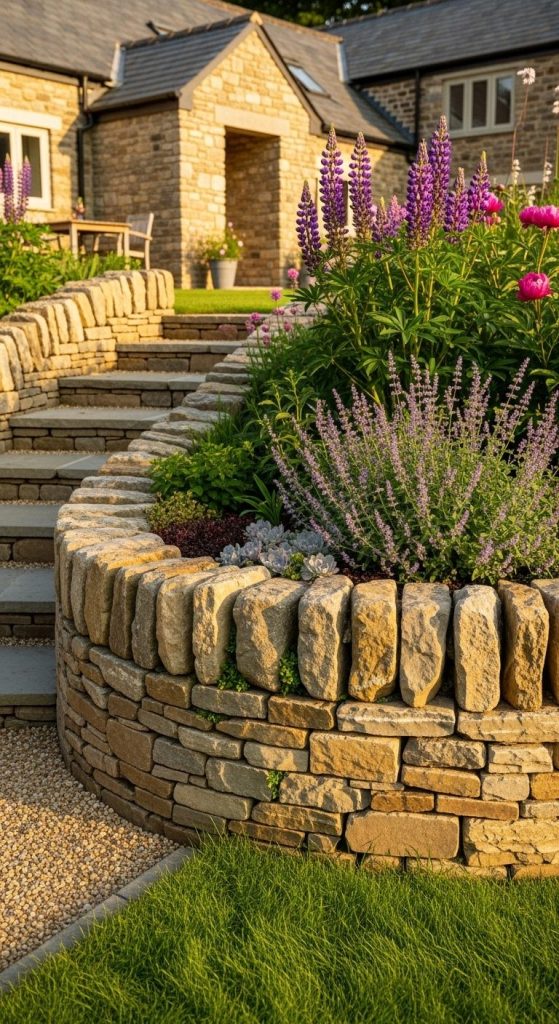
Many English cottage gardens feature low stone walls that separate planting areas.
These walls often sit just one or two feet high, forming a soft boundary between garden beds and lawn areas.
Natural stone blends beautifully with flowers and greenery.
Pros
- Adds old-world charm
- Durable material
- Helps define planting spaces
- Provides subtle elevation changes
Cons
- Stone installation requires effort
- Material cost can vary
Mini takeaway
Low stone walls quietly anchor the garden design while keeping everything cohesive.
10. Curved Lawn Openings

Even lush English gardens include small lawn spaces.
A curved lawn opening creates breathing room among dense planting beds. The grass forms an organic shape instead of a rectangular patch.
This layout allows the garden to feel full without becoming overwhelming.
Pros
- Balances dense planting
- Provides visual contrast
- Easy lawn maintenance area
- Natural garden flow
Cons
- Requires careful mowing along curves
- Needs regular edging
Mini takeaway
Curved lawn areas keep the garden comfortable while preserving its natural charm.
11. Flowering Archway Entry

English gardens often include a flower-covered archway marking the entry into the garden path.
Climbing roses, clematis, or honeysuckle grow over the arch, creating a soft tunnel of flowers.
This structure immediately sets the tone for the entire yard.
Pros
- Dramatic garden entrance
- Supports vertical plant growth
- Beautiful seasonal blooms
- Enhances curb appeal
Cons
- Requires strong frame support
- Climbing plants need training
Mini takeaway
A flowering arch transforms the entrance of a front yard garden into something magical.
12. Dense Spring Bulb Planting

Spring bulbs form the early heartbeat of an English garden.
Gardeners plant tulips, daffodils, and crocuses beneath perennials so flowers appear in waves from early spring onward.
Once bulbs fade, surrounding plants fill the space naturally.
According to the Royal Horticultural Society, layering bulbs with perennials helps maximize seasonal color in small garden spaces.
Pros
- Early-season color
- Low maintenance after planting
- Works beneath larger plants
- Adds seasonal excitement
Cons
- Bulbs require fall planting
- Some varieties fade quickly
Mini takeaway
Spring bulbs ensure the garden wakes up beautifully after winter.
13. Cottage-Style Wildflower Mix Areas

Some areas of an English garden benefit from a looser planting style.
A wildflower-style section allows native flowers and meadow plants to grow naturally among traditional perennials.
The result feels charmingly imperfect and full of life.
Pros
- Encourages biodiversity
- Natural cottage garden look
- Low maintenance once established
- Supports pollinators
Cons
- Appearance can feel slightly messy
- Requires seasonal thinning
Mini takeaway
Wildflower areas bring spontaneity into the garden landscape.
14. Symmetrical Entry Garden Beds

While English gardens feel relaxed, the front entrance area often uses gentle symmetry.
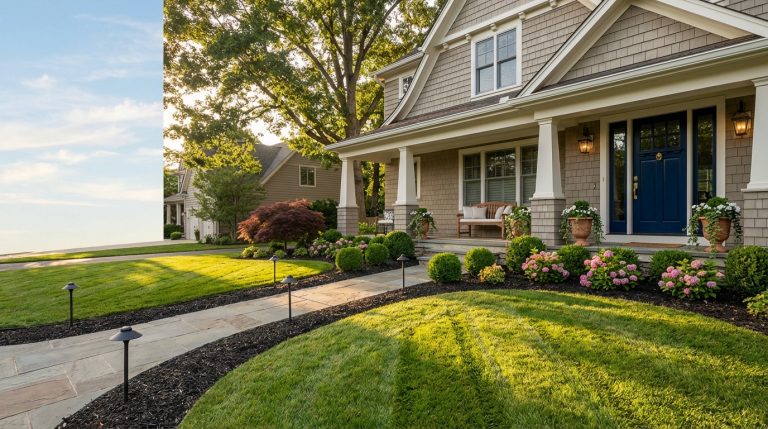
Matching flower beds on each side of the front walkway create a welcoming entrance while the rest of the garden remains more informal.
This balance keeps the yard feeling intentional.
Pros
- Strong visual curb appeal
- Easy to maintain layout
- Highlights the home entrance
- Blends structure with softness
Cons
- Requires consistent planting
- Needs occasional pruning
Mini takeaway
Symmetrical entry beds anchor the design while still blending with the garden’s relaxed feel.
15. Evergreen Shrub Backdrop Planting

Behind all the flowers, English gardens often rely on evergreen shrubs to create a green backdrop.
Shrubs like yew, boxwood, or holly provide year-round structure while perennials bloom in front.
This layering ensures the garden never looks empty.
Pros
- Year-round greenery
- Strong structural backdrop
- Protects delicate flowers
- Enhances seasonal contrast
Cons
- Slower growth rate
- Requires occasional shaping
Mini takeaway
Evergreen backdrops keep the garden full and vibrant even during quieter seasons.
Conclusion
A beautiful front yard English garden doesn’t rely on expensive landscaping or perfect symmetry. Its charm comes from thoughtful layering, relaxed planting, and a sense that the garden has grown naturally over time.
The ideas above show how different elements work together to create that classic cottage feel. Curving paths guide visitors through flowers. Roses climb fences. Herbs release fragrance along the edges.
Even small front yards can capture this look when plants mix freely and the layout feels organic rather than rigid.
Personally, that’s what makes English gardens so appealing. They feel welcoming, a little whimsical, and full of life.
Start with one or two features that excite you most—maybe layered flower beds or a winding brick path. Over time, the garden grows and evolves, just like the traditional English landscapes that inspired it.
Before long, the front yard stops looking like a lawn and starts feeling like a storybook garden.

William Martin is a passionate bowler who spends most of his weekends playing the sport. With years of intense experience under his belt, William decided to share his knowledge by creating BOWLING OCEAN. Join me on this journey to explore the world of bowling and discover the tips and tricks to becoming a pro.